Date
Author
Татьяна Брицкая, Светлана Виданова
Source

Preserved copy
Translated material
The Union of the Cross and the Sledgehammer
Portrait of Sergey Mironov is a policy that can provide Prigozhin with a ready -made parliamentary party
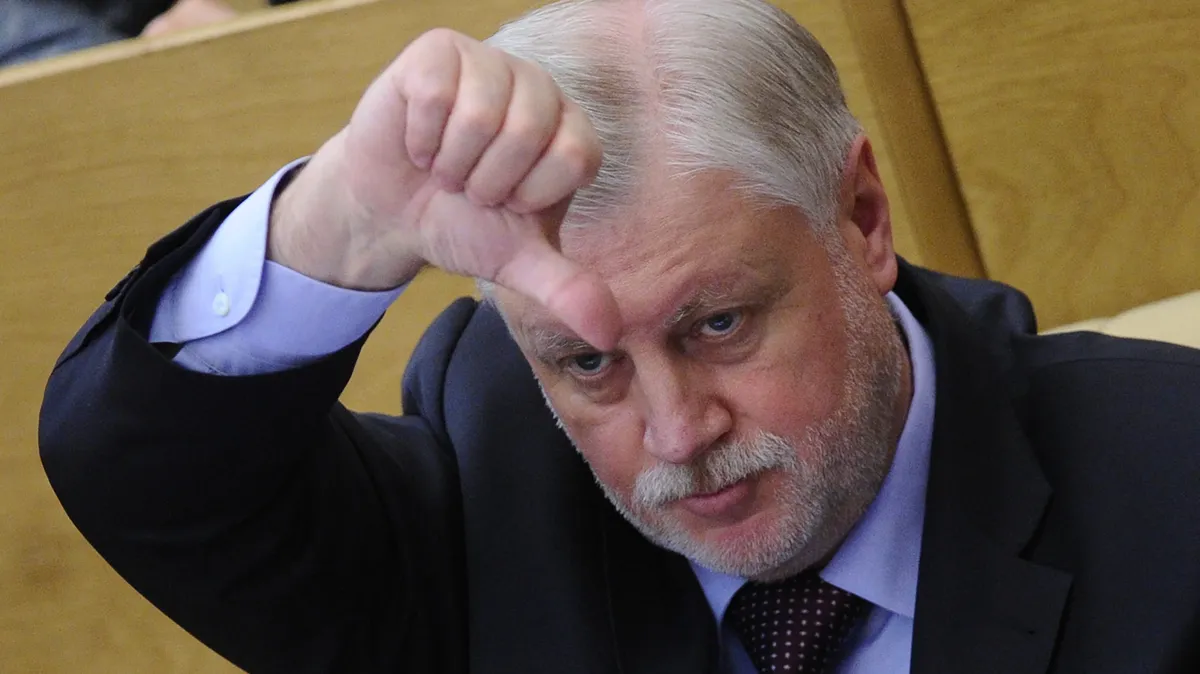
Sergey Mironov. Photo: Stanislav Krasilnikov / TASS
“Thank you for the gift. A few years ago, while in St. Petersburg, he realized how useful this tool is. ” Signature to the photo - with a claim for meaningfulness. The expression on the hero’s face is similar. The sledgehammer with a gift inscription from the creator of Wagner was gifted with Sergey Mironov, a veteran of not hostilities, but Russian politics. He turned 70, the present even came ahead of the lead.
The venerable age does not interfere with activity - in the spring in the media it was in full swing whether Mironov would be able to torpedo his younger ally of Prilepin to the nearest elections. Now doctors are engaged in Prilepin after the explosion, and because of this, he is clearly not up to politics. Well, the senior comrade does everything so as not to miss a unique chance and go down in history by the leader of the party, which will lead to the parliament of veterans of the special operation, including those who owns a sledgehammer well.
2% of the treasury
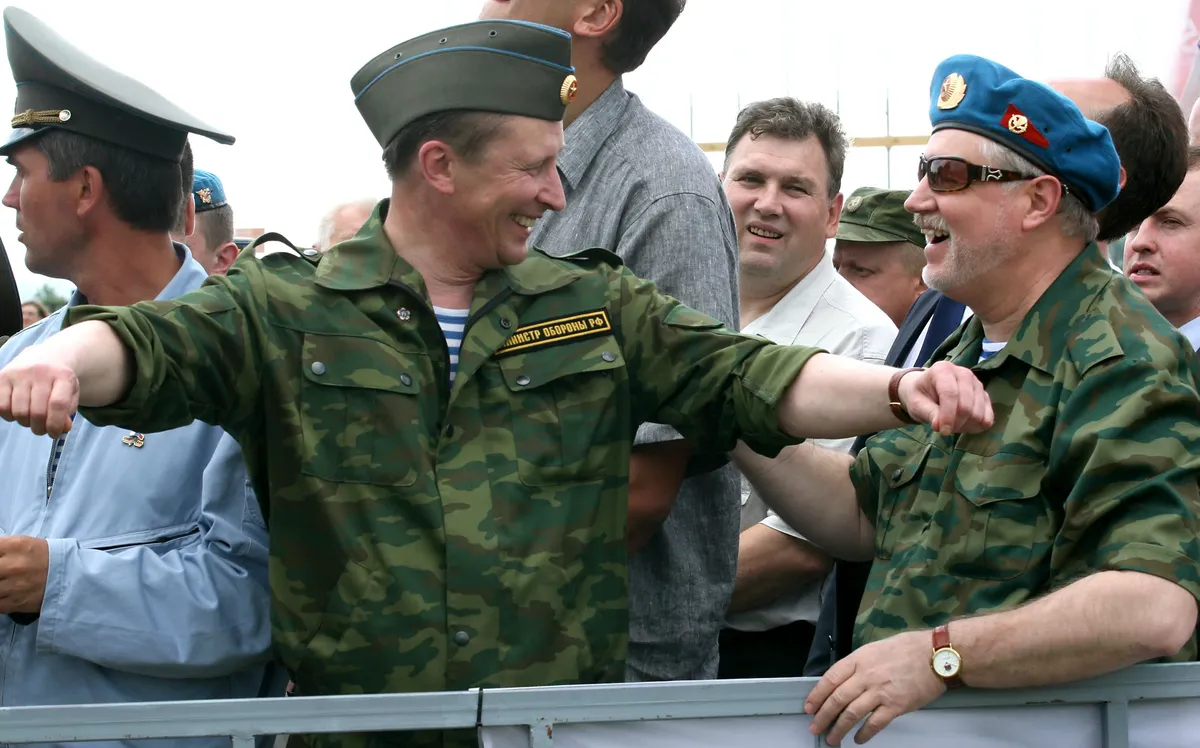
Sergei Mironov, according to the official biography, is the most educated politician of the country. He has five diplomas of higher education (however, part of the courses has been completed according to the accelerated program, and the areas of training are in no way interconnected): the Mining University, the Technological Institute, the Yurfak and the Faculty of Philosophy of St. Petersburg State University and, finally, the RANEPA. The inquisitive young man also managed to serve in the army in the army - in the Airborne Forces. Blue beret is not only a memory, but also horizontal ties: in 2006, Mironov headed the Supervisory Board of the Union of Pans of Russia.
The main specialty of Mironov is a geophysicist, on it he worked in the 80s in Mongolia.
In addition to geologists, his detachment allegedly included prisoners, which were used in forced labor. Since then, a collection of minerals collected by Mironov, which the politician transferred to the State Geological Museum collected. By that time, Mironov was headed by the Board of Trustees of the Museum, where the name hall "Collection of Sergey Mironov" appeared. The politician himself claimed that the gift was estimated at $ 1.5 million. Among other things, the exposition has a portrait of the donor from stone mosaics.
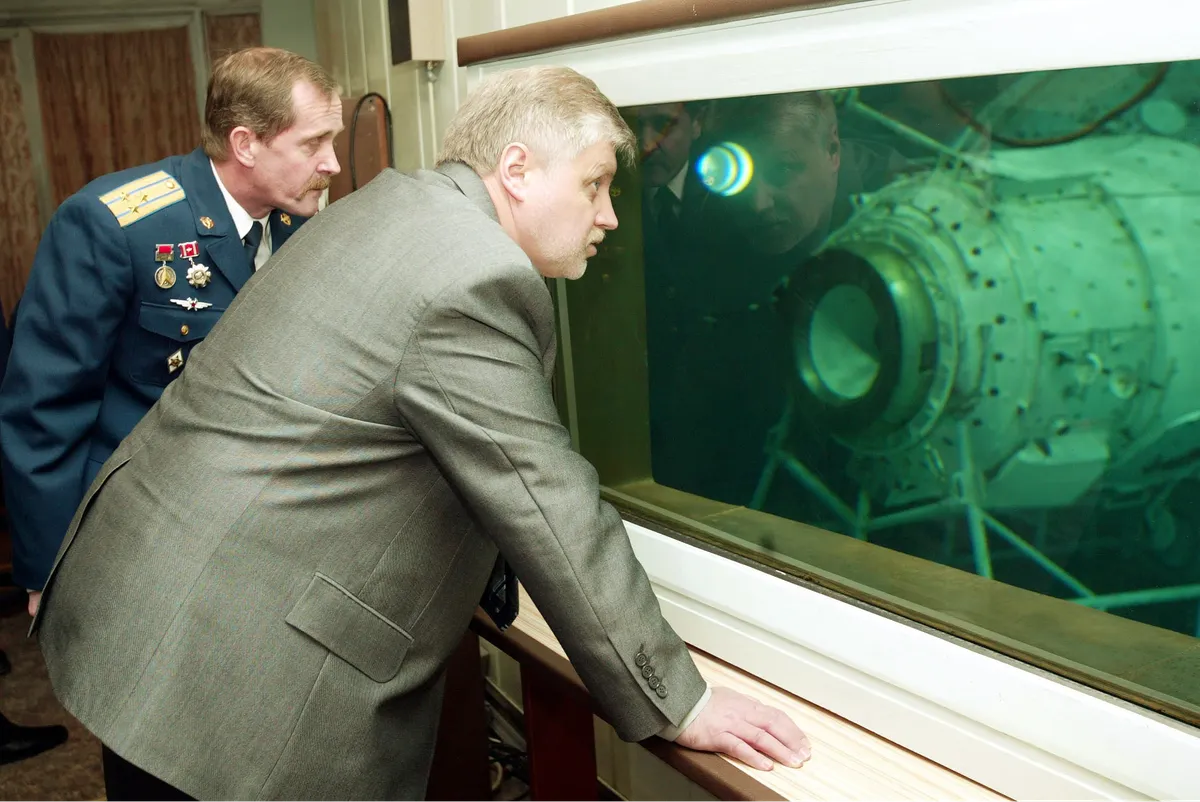
In the 1990s, Mironov changes the scope of activity: he works as the Executive Director of the “Russian Commerce Chamber” (the company, according to the SPARK base, was engaged in the production of wooden figurines and knives), receives a certificate of the Ministry of Finance on the right to work in the market of securities, and in 1993–1994 he works as the Executive Director of the Construction Corporation “The Renaissance of St. Petersburg” (Privatized former construction of the Dzerzhinsky district).
It is from this position that he starts in politics - to the St. Petersburg Legislative Assembly, where he met from 1994 to 2001. At first - from the Bloc "All of Petersburg". In 2000, he headed the political officer of the regional political public movement "Volya of St. Petersburg", two years later the position passed to his niece Nadezhda Tikhonova. The girl became a municipal deputy of Polustrov, subsequently made her way into the Legislative Assembly and even ran for the governors of St. Petersburg. After the creation of the “SR”, the career continued, in 2023 Tikhonova headed her St. Petersburg branch, replacing the authoritative Marina Shishkina, who left the post when the party expressed support for the Wagner PMC.
In the Legislative Assembly of Mironov was remembered by a large number of initiatives, the brightest of which is the Law on Reserve Funds, which allowed deputies to use 2% of the revenue of the budget of St. Petersburg at their discretion.
The document is considered a compromise between mayor Anatoly Sobchak and the Legislative Assembly, on behalf of which the law was promoted by Sergey Mironov and his colleague Sergei Nikishin. Sobchak planned to re -elect for a new term, and ZAS did not want to accept the budget for 1996, which was rolled up in Smolny's “Enharging” budget. Sobchak was offered to share - a kind of fee for the unhindered passage of the budget convenient for the mayor and became budget 2%, or two -thirds of the reserve fund of the city. Technically, this was done by applying by deputies of amendments to the second reading of the budget of St. Petersburg. The choice of generosity objects was sometimes non -trivial: fitness and bodybuilding, darts competitions, official dog breeding or mysterious “program for activating the investment process through the transformation of the real estate management sector”. Some were suspected of receiving interest on the benefits of the prosecution.
In 1997, the Law on Reserve Funds was disputed, the Presidium of the Supreme Court forced the budget laws to change budget laws. But the wording has actually changed (the amendment began to be called the correction of the budget and financial committee), and not the amount: 2% of the expenditures of the city budget is still distributed by parliamentarians. Only now it became more difficult to understand which deputy where he sent “his” share.
It is believed that the law on 2% was the first successful experience of cooperation by Sergey Mironov and Vladimir Putin - at the time of its adoption, the future president as Deputy Anatoly Sobchak just answered in the city hall for contact with the Legislative Assembly.
By the way, in the same period, Mironov once again helped Putin, who headed the mayor’s election headquarters: the Sobchak team conducted a decision to postpone elections to an earlier time, from June to May 1996. With the promotion of this decision, Mironov helped , fixing the quorum in the absence of the deputies disloyal to Sobchak. In his book, Mironov claims that the vote was "though not without cunning, but by law."
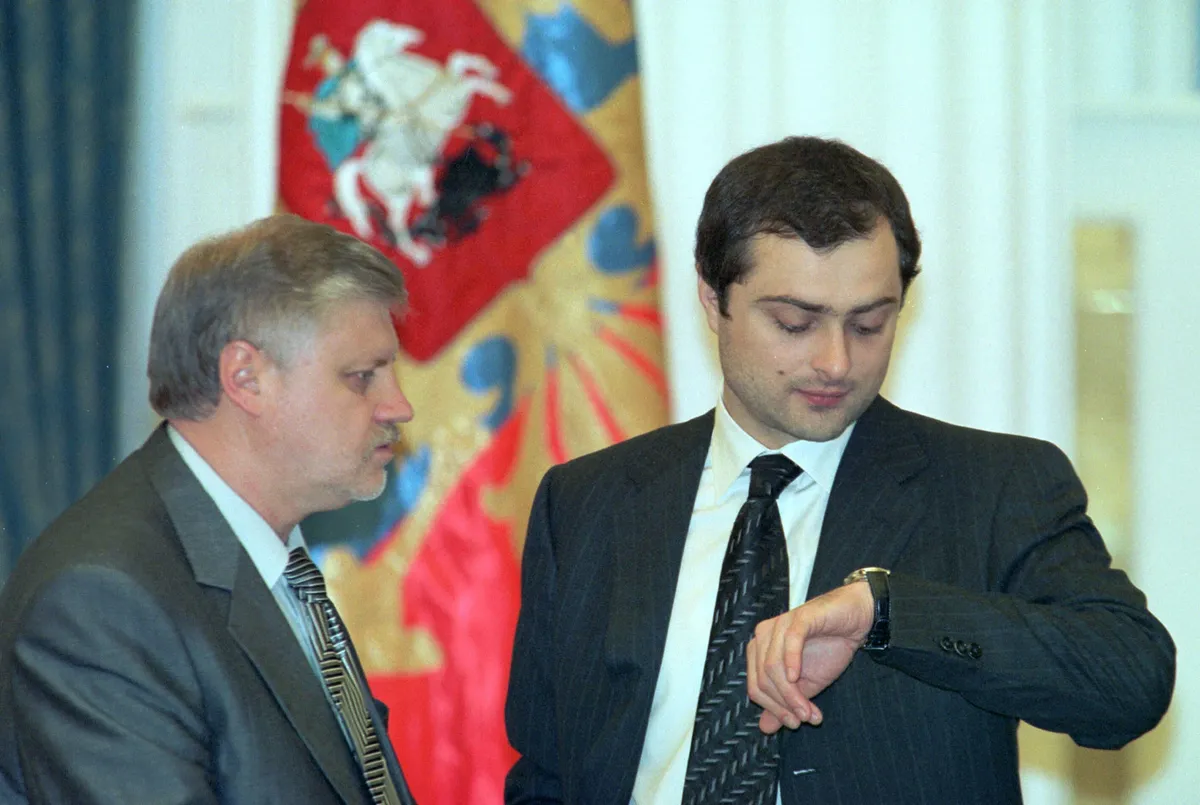
"There is nothing to fool around"
In an autobiography, on a personal website, Mironov admits that the mentioned construction corporation “The Renaissance of St. Petersburg” financed the 1994 election campaign: “One of the owners of the company, my friend, proposed my candidacy for the Legislative Assembly.”
In all likelihood, we can talk about Andrei Molchanov, general director of the LSR group of companies, which included the “Renaissance”. According to one version, the father of Molchanov, who worked in LSU, once recommended Sobchak to his colleague-Vladimir Putin.
In 2000, the Renaissance became the official sponsor of Putin’s presidential campaign. Mironov, on the other hand, headed the headquarters of his supporters in St. Petersburg.
Subsequently, a letter of the new president in a beautiful frame appeared in the office of the deputy Mironov in a prominent place - gratitude for the help in the election campaign. And joint photos with the winner.
A year later, in early April 2001, Vladimir Putin called the governor of the city Vladimir Yakovlev and asked him to transfer the meeting to Sergey Tarasov to the speaker that he wanted to see the representative of the St. Petersburg parliament in the Federation Council Sergei Mironov. Tarasov spoke about this at a meeting of the Legislative Assembly. The deputies were surprised: the candidate from the ATP Sergey Vasiliev was in place in this place. But after he abandoned his intentions. On a non -alternative basis, Mironov was nominated by a candidate for representatives in the Federation Council - but not chosen. Only two months later, the deputies managed to persuade him to vote for him.
And shortly after this, the new senator replaced Stroev’s heavyweight as Speaker of the Council and became the third party of the country. He was the only candidate for the post of chairman of the SF - since he was recommended by the president. And he did not remain in debt -
The first initiative in this post was a proposal to increase the presidential term from 4 to 7 years. Putin in response modestly stated that he considers such an increase in impractical. After a couple of years, the persistent politician will return to the topic again: in August 2003, he made an offer to increase the presidential term to five years:
“The five -year presidential term is ideal. After all, the first one and a half years, the president is only entering the post, then a year works, and then the election campaign begins again. ”
However, the initiative was again premature. The term of office was increased only in 2008 by the then President Medvedev and amounted to 6 years.
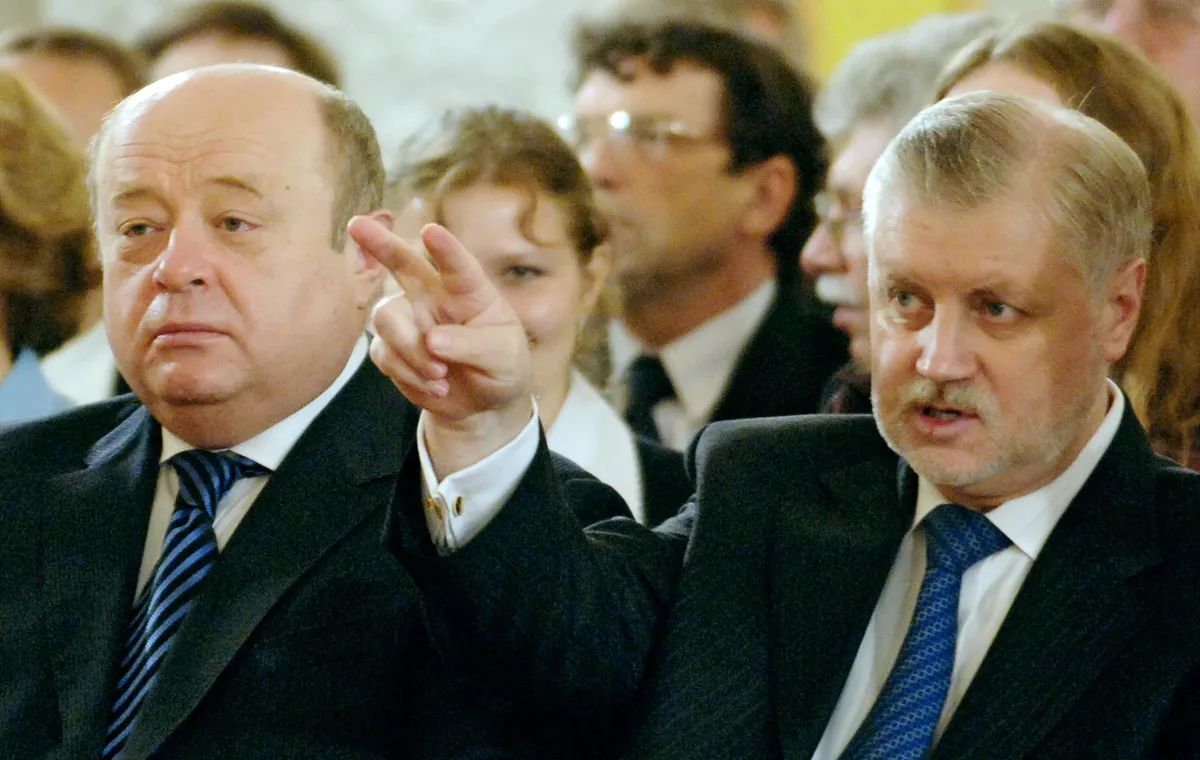
In 2003, Mironov began party construction: a new political association appears in the country - the “Russian Party of Life”, in which he holds all leading posts - the chairman of the party, chairman of the national council and chairman of the Presidium of the Council. A year later, he becomes a candidate for the presidency of the Russian Federation. His election campaign was one of the most amazing in the history of the country: this is the only case when the candidate, running around, admitted that he himself supports another candidate - Vladimir Putin.
“At once on two horses - there isn’t enough sciatic” - a quote from “Formula of Love” accurately describes the result of bipolar agitation: in the elections, Mironov took the last place, receiving 524,324 votes (0.75%).
The failure did not bother him. And is this failure? After all, exactly the one he put in the race won. In the love of President, Mironov is consistent: in 2017, at the Congress of Fair Russia, he proposed the party not to nominate a candidate in the upcoming presidential election and support Vladimir Putin, saying that he is a “only socialist” in Russia.
And five years later - in February of this year - repeated this proposal to the Sobicians on the air of the Russia 24 television channel (despite the fact that Vladimir Putin had not yet made any statements about intention to participate in the next presidential election). This time Mironov was more expressive: “I believe that this will be the most correct patriotic solution. There is nothing to fool around. We have a leader, we have a real patriot of our country, who today fights not only for the future of our Motherland, but also for the future of mankind. ”
Mal, yes smelly
As a political neoplasm, the “Party of Life” was remembered not so much by the presidential campaign, but the initiative to introduce hackles to the country's environmental development program. This is a wonderful, but exclusively smelly mammal lives purely in Russia. Hence the proud name - "Russian Rush".
A small animal in one day can eat the amount of food equal to its own weight. Leading an extremely secretive lifestyle, the Rushkhol managed to survive mammoths, saber -toothed tigers and woolly rhinos. She went into the underwater burrows of natural disasters; The predator is small, to maintain life does not disdain the larvae of bugs and leeches. Although it is capable of digesting small fish. Thanks to the special structure of the wool, it is always afloat - the fur holds air, the animal swims as if in an air capsule.
Only the name disappeared: historically, the word “hackhol” is formed from verbs denoting the production of unpleasant odors. That is, in fact, it means - "stink".
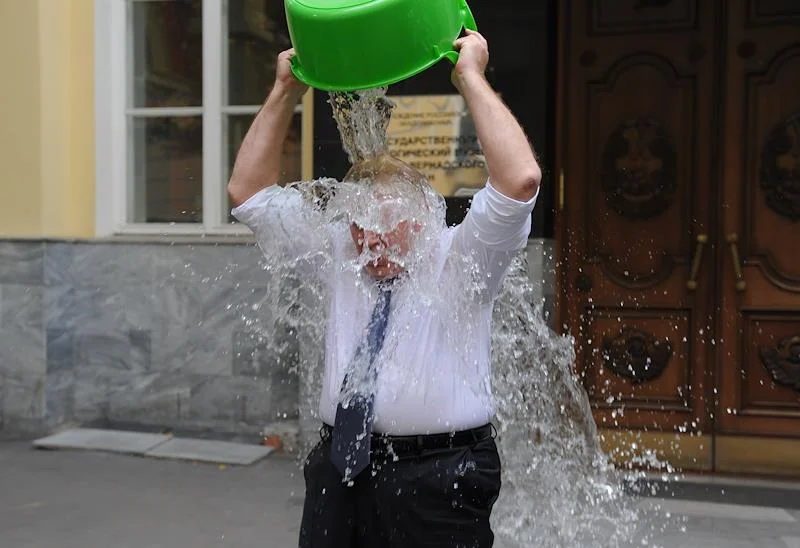
The theme of the hackhole with the light hand of Nemtsov stuck to Mironov and, of course, did not improve the political image. Although, it would seem, there is nothing wrong in protecting a rare animal. However, I had to reject the animal, assuring that the party was not engaged in the protection of the peaks, but came up with all this of its ordinary member.
The “Party of Life” without special electoral successes lasted until 2006 and self -dissolved when Sergey Mironov and the leader of the Rodina party, Alexander Babakov, announced his intention to unite. Soon, with the joining leader of the Party of pensioners Igor Zotov, they announced the creation of “Fair Russia”, presented as the Union of Left Forces and the opposition of “United Russia”.
It is interesting that, despite the declarations that the party is a fundamentally new current that is going to compose real competition between the current government, first of all, having gone to the State Duma, the newly -minted oppositions themselves presented evidence of the Kremlin authorship of this project. Even before the Constituent Congress of SR, but immediately after the announcement of the upcoming association of political forces in the party of “Actual Left”, a transcript of the meeting of the deputy head of the presidential administration Vladislav Surkov with its members was published on the Russian Party of Life.
At that very meeting, Surkov formulated the idea of building a bicameral system in the country, in which, depending on the circumstances, the Kremlin could rely on one of the two system -forming parties:
“In Russia, a second large party is needed, which, according to the Presidential Administration, must in the future leave the votes that are now gathering the parties of the“ left slope and with a strong nationalist taste ””
At the same time, it was immediately stated political starters that they were not expected to have a tough confrontation with the party: “It is very dangerous to drown each other. "United Russia" and so everyone is hollowing, well, believe me! It would not be sorted out ... This should not be your main task. "
The rules of the game were initially respected by both parties: the party overcame the 7% barrier, became parliamentary (and therefore, began to receive content from the budget) and began the process of absorption of small parties and adsorbing recognizable politicians:
Elena Drapeko (from the Communist Party),
Svetlana Goryacheva (from the Communist Party),
Ilya Ponomarev* (from the Communist Party),
Alexey Mitrofanov (from the LDPR),
Elena Mizulina (from the Union of Right Forces)
Oleg Mikheev (from the Union of Right Forces).
The accumulation of political forces, hitherto not represented on the big stage, made a new party a strange education:
Putin's support,
Criticism of the Putin party,
soft -colored loyalty at the federal level
The obvious opposition agenda in the regions.
The quantity turned into quality, the game of opposition brought at the peak: February 2, 2010 in the program of Vladimir Pozner, Sergei Mironov said: “To say that we are in everything and personally I support Vladimir Putin is already outdated information.”
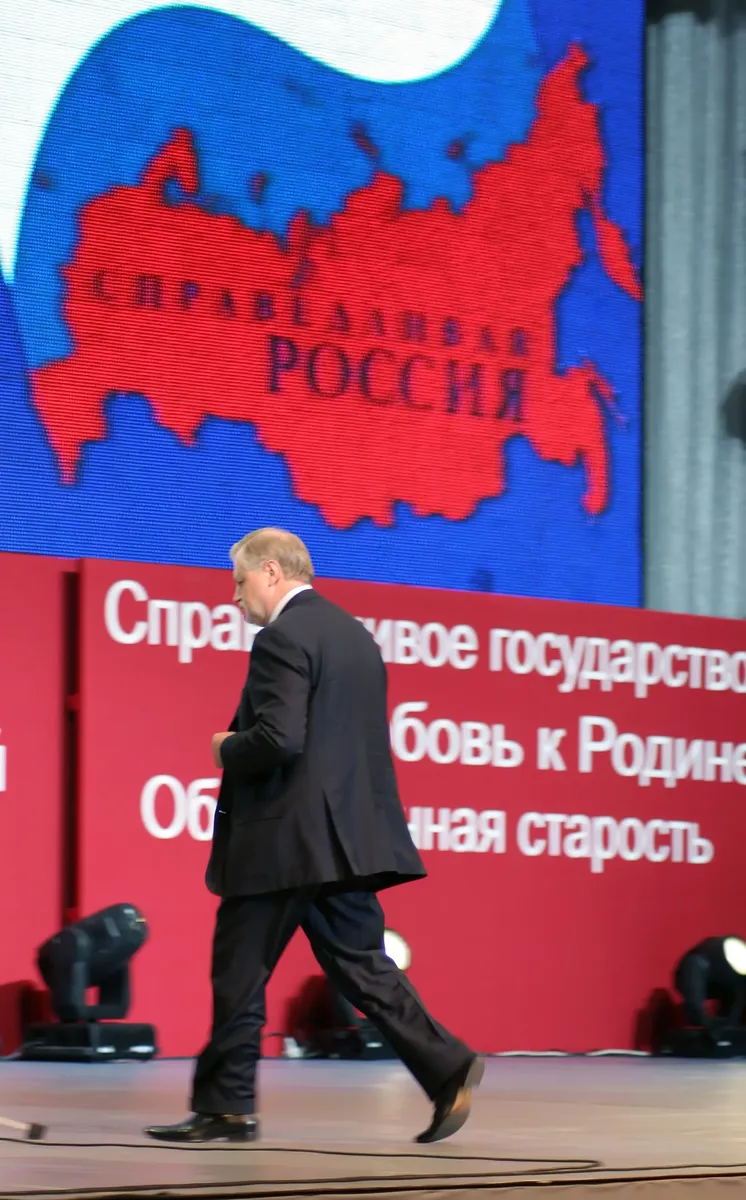
The storm did not last long: after six days, the Fair Russia concluded a political agreement with the United Russia party, in which both stated that they were obliged to minimize the struggle with each other: “Fair Russia” supports the strategic course of Russian President D.A. Medvedev and Prime Minister V.V. Putin on strategic issues, and United Russia agrees with the figure of Mironov at the head of the Federation Council and does not resist the nomination of members of Fair Russia to leading positions in the Russian regions.
A contractual match was played not without difficulties - a year later Mironov proclaimed an unheard of: a refusal to support the candidate from the ruling party in the upcoming presidential election.
Fronta did not go unnoticed: soon Mironov left the post of chairman of the party ahead of schedule, and a month later, in May 2011, the St. Petersburg Legislative Assembly recalled him from the Soviet. Naturally, he automatically lost the place of the Senate speaker - the third nomenclature position in the country. It was a crash. But after a few days, Mironov, unsinkable, like a rampart, was again in parliament: he took a place in the lower house, changing the current powers of the fair -Russian Elena Soborygin, who later became his assistant.
The best day
After Mironov’s resignation, Nikolai Levichv, his classmate and a longtime associate, was elected chairman of the party. In 2004, Levichv headed Mironov’s election headquarters in the presidential election. He remained by the locomotive until 2013.
Fronta continued: in August, a text appeared on the party’s website about the transition to the hard opposition “EP” and a possible cooperation with the Communist Party.
Partyers participate in protests against falsification of voting results, Mironov even came to a meeting of the State Duma with a white ribbon on the lapel of a jacket.
It was too much. And soon the Belarusians Gennady* and Dmitry Gudkov* and Ilya Ponomarev leave the party, and Mironov states that "participation in the white -open movement was not understood by voters." In 2013, he returns to the steering wheel, and the party begins to warmly approve the Russian politics as a whole, leaving criticism of “curds in the field”. As of 2015, the “SR” was 86.4% financed from Gosquiting.
But by that time the party in the regions became a noticeable critic of the authorities, which could not but attract voters. In the regional parliaments, stubbornly cleared of the opposition, the Socialist -Revolutionaries occupied this niche, harshly speaking about the decisions of local officials. The country opened public receptions at the SR branches, where the Russians dissatisfied with their lives. The party received a pool of new supporters.
In 2016, the “SR” began a large -scale campaign against Medvedev’s office “do or go”, its goal is to collect 10 million signatures demanding to cancel the contributions for overhaul, transport tax and reduce the amount of land tax.
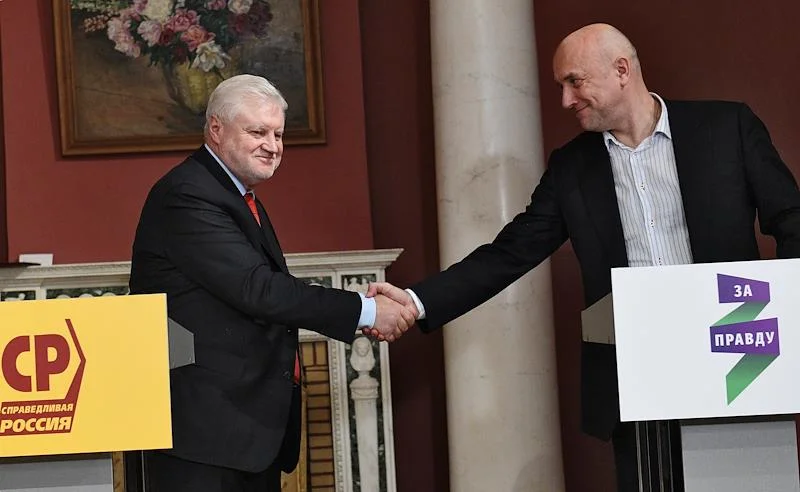
Populistic demands cause a hot response in the province. In regional party newspapers, coupons are printed by the government, which can be filled, signed and handed over to the local branch of SR. The campaign does not lead to anything. And the party drifts towards complete unanimity with the general line, which finally reigned after the departure of the office of Medvedev. The result was the association with the parties “For the Truth” and “Patriots of Russia” on January 20, 2021. Родилась «Справедливая Россия — За правду» (патриоты из названия выпали). Федеральный список на выборах депутатов Государственной думы возглавили Миронов, Прилепин и Семигин.
Объединение скрепили популистским манифестом, в котором приводятся 12 «принципов правды, патриотизма и справедливости». Тут и внедрение прогрессивной шкалы налогообложения, и борьба с коррупцией, и госрегулирование цен, и национализация инфраструктурных предприятий, и выход из Болонской системы, щедро приправленные патриотизмом, традиционными ценностями и «правом народа Донбасса на самоопределение». Союз, глава которого амбициозно замахнулся на второе место на следующих парламентских выборах, как нетрудно заметить, состоит из аутсайдеров: гибкость политического курса «СР» уже начала утомлять избирателей в регионах, остальные же участники альянса и в былые времена не могли похвастаться серьезным представительством во власти. Появление Прилепина — примета времени: писатель-комиссар и экс-советник главы «ДНР» Александра Захарченко умеет говорить об «окопах Донбасса».
Политическое чутье Миронова не подвело: 24 февраля 2022 года эта тема стала мейнстримом. А сам он оседлал милитаристскую повестку. В день начала СВО молниеносно назвал ее цели (что сих пор затрудняются делать даже эксперты). По версии политика, это освобождение заложников:
«Спецоперация РФ направлена против кучки агрессивных националистов, которая взяла украинский народ в заложники», — написал он в Telegram.
Год спустя выразился более пышно: «24 февраля — День обновления России, зарождения нового мироустройства на принципах правды и справедливости. Какие бы препятствия ни встретились нам на этом пути, мы пройдем его до конца ради счастья и свободы наших детей, нашей Великой Родины!»
А в день, когда Дума голосовала за вхождение в состав РФ четырех украинских регионов, Миронов, выступая в парламенте, заявил , что «это только начало», а «то, что называлось до сегодняшнего дня специальной военной операцией, конечно, приобретает совершенно другой характер». И предложил конкретную стратегию: по версии политика, чтобы спасти миллионы людей (как мы помним, это, в его прочтении, главная цель СВО), нужно сровнять с землей страну, где они проживают.
«Давайте раз и навсегда уничтожим всю инфраструктуру нацистской Украины, все тяговые подстанции, все электростанции, все мосты, автомобильные и железнодорожные, потому что, уничтожая эту инфраструктуру, мы спасаем жизни наших солдат и жизни миллионов людей, которые сегодня только-только становятся гражданами нашей великой страны. И не надо здесь ни на кого смотреть! Если потребуется — восстановим, нам не привыкать».
«Прутик "Украина"»
Прилепин в начале СВО выглядел как удача Миронова — человек актуальной повестки. Надежды не оправдались: самой яркой его партийной инициативой стала разработка системы ГРАД — «группы по расследованию антироссийской деятельности в сфере культуры». Тут вышел конфуз: как только список из 140 «врагов» появился в прессе, Миронову пришлось оправдываться за нового соратника. В итоге бывший омоновец Захар занялся тем, что, очевидно, умеет лучше, — с культурного фронта переключился на обыкновенный. Осенью партия заявила о формировании добровольческого батальона (в составе и на довольствии Росгвардии) с не очень складным названием «Оплот за правду». Правда, оказалось, что это просто апгрейд отряда «Ветеран», который бывал на Донбассе и раньше и якобы состоял из сторонников «СР». В ноябре было заявлено, что там будет служить и Прилепин, подписавший контракт с Росгвардией.
Объявления о наборе в батальон публиковались в разных регионах страны. В декабре Миронов в камуфляже появился в расположении подразделения в Софрино, пообещав «добить фашистскую гадину в центре Европы». Тогда же в твиттере он написал, что партия поставляет в Донбасс «продукцию двойного назначения»: «Сегодня об этом можно говорить открыто. Мы помогаем всем тем, кто с оружием в руках защищает право говорить на родном русском языке».
Параллельно Миронов укреплял связи с Русской православной церковью. Авторская программа на «Спасе» у него была еще в середине 2000-х, курс на сближение с религиозно-консервативными силами усилился после 2014 года, теперь же партия проводит некие встречи и консультации с представителями патриархии, в одном из заявлений лидер СРЗП призывает «изгнать бесов из Украины». Он называет себя православным христианином, посещает храм Вооруженных сил, жертвует на написание для него иконы, пишет о ключевой роли церкви в становлении русской государственности, объясняет, что Россия противостоит Западу с помощью религиозных «скреп», его награждают церковными орденами.
Покуда Прилепин защищал русский язык в окопе (что закончилось взрывом его автомобиля под Нижним Новгородом), Миронов нашел новых союзников в тылу. Они тоже из окопов, только без интеллигентских присадок. Главной темой политического сезона для Миронова стало продвижение закона о ЧВК.
Впервые в Думу такой документ был внесен еще в 2014 году группой эсеров, но признан неконституционным. Прозорливый Миронов не был соавтором, но поддерживал инициативу, предполагая, что «ЧВК будут востребованы в Новороссии».
Новый проект его авторства совместно с депутатом Михаилом Емельяновым появился в 2018 году и предполагал лицензирование подобных компаний, а также запрет для них на изменение границ государств и свержение органов власти. Законопроект снова отклонили как неконституционный (военная служба всех видов в России — государственная).
Но Миронов настойчив (вспомним, как долго он продвигал увеличение президентского срока), и нынешней зимой вновь заговорил о легализации «частников», уже впрямую обосновывая ее интересами ЧВК «Вагнер». И вновь не обойдясь без геополитических метафор: «Прутик "Украина" был выдернут из единой семьи славянских народов, выдернут с болью и, как мы видим, выдернут с кровью. И западные ставленники в Киеве не жалеют сил, борясь до последнего украинца за идеалы западной идеологии».
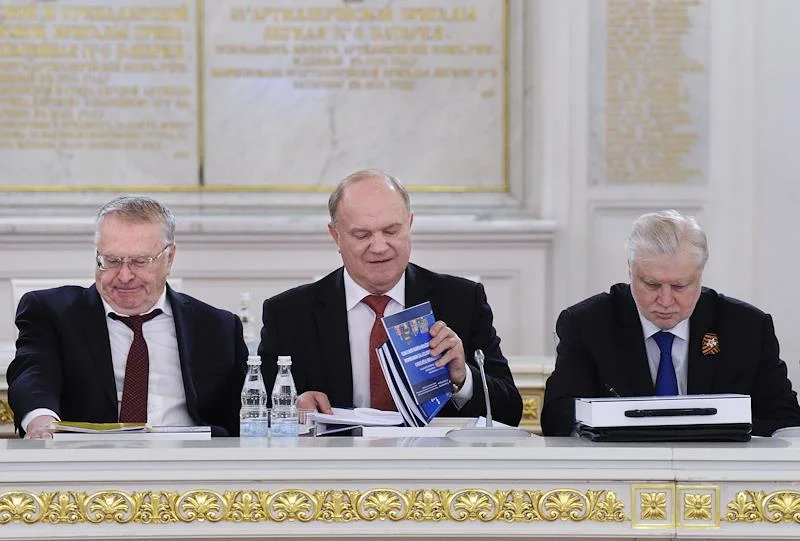
Метафоры не помогли — проект вновь отклонили и вновь по причине неконституционности. Тем временем и Евгений Пригожин (который после многих опровержений признал себя основателем «Вагнера») сам выступил против легализации, высказавшись в духе, что ЧВК помощь такого рода не требуется.
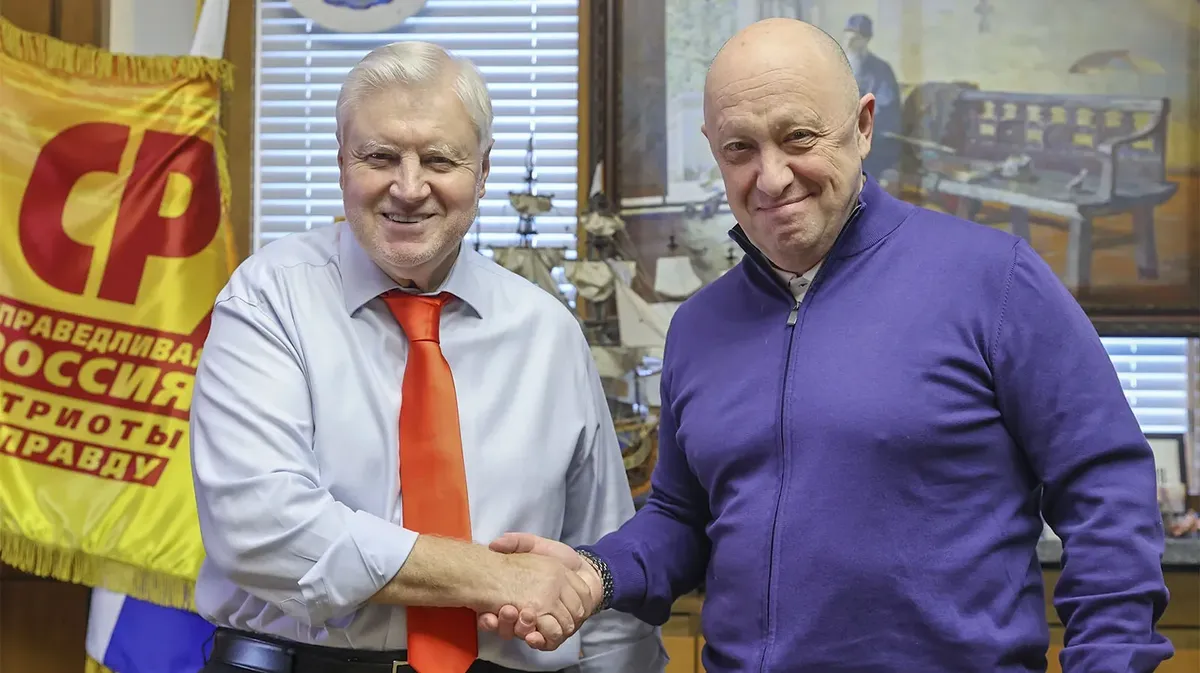
Провал инициативы Миронова и Пригожина не рассорил. История взаимоотношений первых лиц партии и ЧВК в публичном поле началась еще в июле, когда Миронов в твиттере пристыдил чиновников Пушкина, которые якобы потребовали убрать из экспозиции «День русской славы» изображения Моторолы и Гиви, а также снять с входа букву Z. Вскоре пресс-служба «Конкорда» процитировала Пригожина, который сделал эпизод поводом поговорить об «антипатриотическом беспределе в Петербурге». Конфликт Пригожина и Беглова давно вошел в острую фазу, и Миронов умело нашел в нем собственную нишу.
В декабре, когда участника «Вагнера» Дмитрия Меньшикова отказались хоронить на Аллее героев Белоостровского кладбища ввиду отсутствия таковой, Пригожин обратился к Миронову за помощью, вновь заговорив об антипатриотической позиции властей города. Вопрос решился, Аллею героев оборудовали, бойца похоронили.
Позже пресс-служба «Конкорда» опубликовала заявление Пригожина, в котором комплементарно упоминается «союз Миронова с Прилепиным».
Затем Миронов получает приглашение в «ЧВК Вагнер Центр» — и нахваливает его на личном сайте. После этого визита и был внесен январский законопроект — видимо, алаверды.
Затем произошел скандал: на заседании петербургского Заксобрания 5 апреля вся фракция «Справедливой России — За правду» заявила о выходе из партии. Ее руководитель Марина Шишкина одновременно подала в отставку с поста вице-спикера Законодательного собрания. Ранее Шишкина заявляла, что не одобряет сближение лидера с Пригожиным. Триггером стало опубликованное на сайте «СР» заявление Миронова, в котором в контексте «объединения всех патриотических сил» была упомянута ЧВК «Вагнер».
Комментируя недовольство соратников новой политикой, Миронов скажет :
«Кто не поддерживал, тот не будет занимать соответствующий пост в региональном отделении [в Петербурге]».
Товар и купец
Взаимоотношения с ЧВК у Миронова начались давно. Он не только разработал законопроект о легализации частных военных компаний, продвигал похороны вагнеровцев с воинскими почестями, предлагал пригласить Пригожина выступить в Госдуме, но и подчеркивал свои неформальные отношения с бизнесменом (как некогда — с Путиным): «Женю я знаю давно — еще по Питеру. У нас дружеские и хорошие отношения. Я с Женей часто перезваниваюсь, мы переписываемся. He is a big professional. "
Но роман с потенциальным инвестором — не первый. В 2019 году в «Справедливую Россию» вступил «православный бизнесмен» Константин Малофеев. Ожидалось, что он будет заместителем Миронова и главным кошельком партии. Но уже через полгода из нее вышел, по официальной версии — чтобы сконцентрироваться на работе во «Всемирном русском народном соборе». По неофициальной — из-за расхождений между желаемым и действительным.
Малофеева считали якорным инвестором и обещали на внеочередном съезде изменить под него устав партии, выдав полномочий едва ли не больше, чем Миронову:
от подбора кандидатов на выборы до отмены решений президиума. Это понравилось не всем, съезд перенесли, а влиятельные партийцы Олег Шеин и Николай Левичев высказались против переформатирования.
При этом бюджеты партии явно недостаточны: поступления из федерального бюджета почти вдвое меньше того, что «СР» получала в 2016 году. Частные пожертвования сократились еще сильнее. Минтруд частично финансировал грантами самый затратный проект партии — региональные «Центры защиты прав граждан», но и эти выплаты уменьшились с годами. В регионах заговорили о недостатке бюджетов для выборов разных уровней.
Партии нужен спонсор, а опытный Миронов умеет «продать товар» так, чтобы сохранить над ним контроль. Вероятно, поэтому и не состоялся союз с претендующим слишком на многое Малофеевым. Однако сам выбор его в качестве генерального спонсора симптоматичен и отражает политические симпатии Миронова, взявшего курс на турбопатриотов. Трудно сказать, делает он это интуитивно или по совету товарищей из исполнительной власти, но аккумулирование энергии недовольных сейчас — это исключительно правая повестка. Других-то не осталось.
Ультрапатриоты — единственная сила, которой власть пока позволяет критиковать себя безнаказанно, потому что в главном с властью эта сила солидарна и покусывает ее лишь за недостаток кровожадности. И все же ввести разрозненные и маргинальные «патриотические силы» в привычную политическую систему, легализовать и одновременно взять под контроль — актуальная задача, особенно учитывая их медийную активность.
Чутко уловив тренд, Миронов метнулся от спонсора Донбасса Малофеева к певцу Донбасса Прилепину. В спонсоры он, конечно, не годился, но приток медийности партии дал. Правда, как только пошли разговоры о том, что Прилепин может подвинуть Миронова, его самого тут же начали задвигать на вторые роли. Конфликт стал публичным: весной 2021 года Миронову пришлось его опровергать: «Никаких разногласий в партии нет, партийное единство сохраняется и расколоть его вбросами не удастся». Думский мандат Прилепин отдал Дмитрию Кузнецову, сам же занялся новой структурой — штабами имени себя самого.
Многие уже в этом мае прочили Миронову отставку, а Прилепину — триумф. Ничего этого не случилось, съезд прошел в обычном формате и без громких заявлений. Не произошло на нем и публичного вхождения в партийную структуру Пригожина или его ставленников. Конфигурация осталась прежней, что касается идеологии, она окончательно лишилась флера оппозиционности. Депутат Госдумы от «СРЗП» Михаил Делягин, которого цитирует официальный пресс-релиз, заявил, что
называть оппозиционной партию более нельзя, «поскольку она по своей сути народная, а оппозиция — те, кто оппонирует России».
Правда, нужна ли еще одна лояльная партия Кремлю и кто будет содержать клона «ЕР», неясно. Зато лишенная белоленточной токсичности структура выгоднее смотрится перед новым выборным циклом. Если Пригожин заинтересован в институциональности, это весьма подходящий актив. У бизнесмена есть деньги, медиа и политические амбиции, у «СЗРП» — стабильное положение в политической системе, представительство в парламентах всех уровней и развитая сеть региональных отделений. Кроме того, зачистка петербургского отделения симптоматична в контексте интересов бизнесмена в городе и его давнего конфликта с губернатором Бегловым.
Правда, Миронов и сейчас вряд ли согласится отдать рычаги управления новому партнеру. Отсюда и отсутствие сенсаций на съезде. Но Пригожин — человек искушенный и владеющий мягкой силой. Кувалда — это скорее декорация, яркий образ для неискушенной публики. Настоящие решения принимаются в тишине. И если он таки решит, что легальная политика сейчас — достойная инвестиция, «СЗРП» может получить новых членов и пассионарных сторонников — с мертвой головой на шевронах.