
Translated material
The series "Ted Lasso" apparently ended
We talk about the third season of sports hit
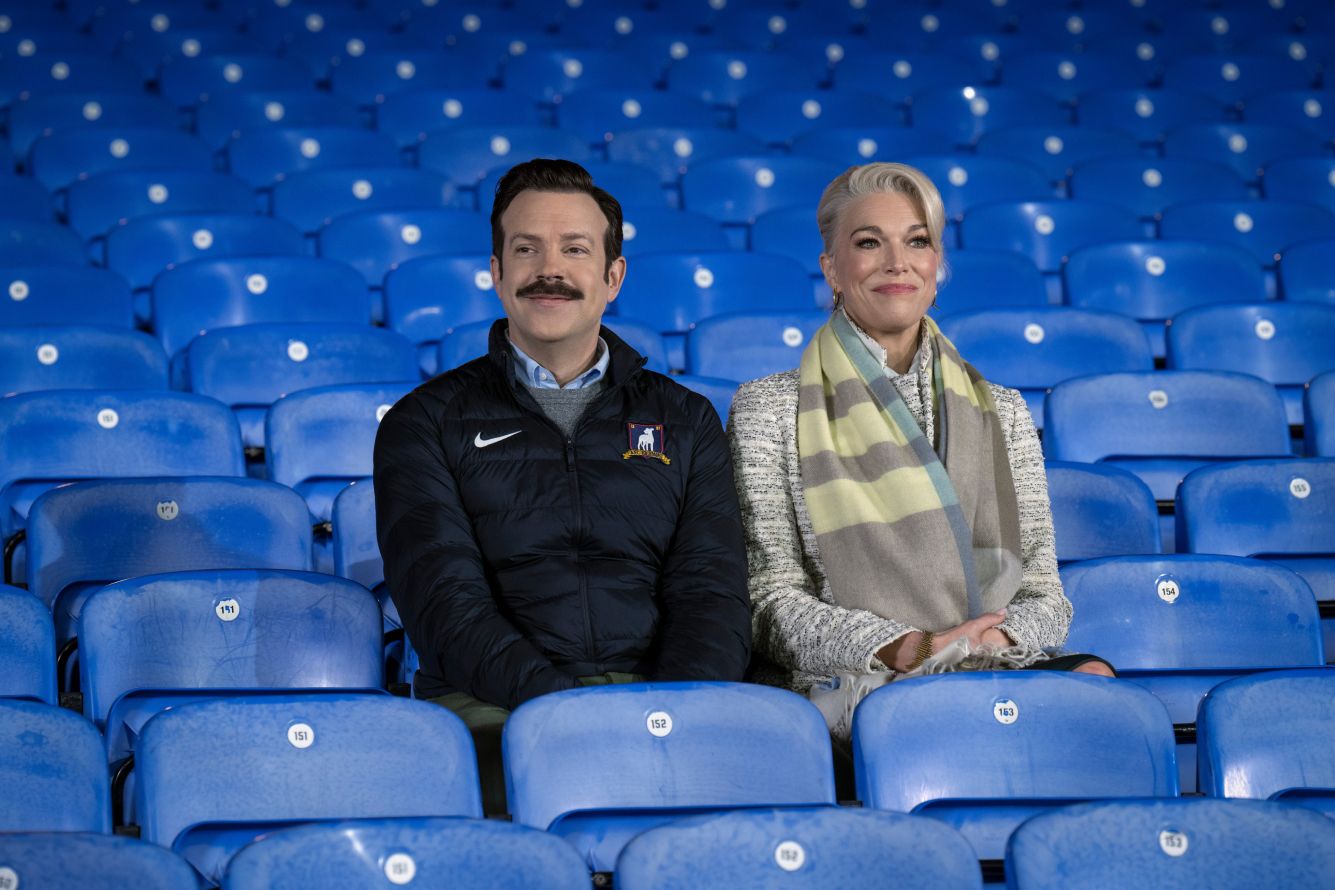
On May 31, the Apple TV+ service showed the 12th, the final series of the third season of Ted Lasso with the unambiguous name “So far! Goodbye!". Showranners of the project have not yet confirmed that the series is over. But, apparently, in the history of an optimistic American coach, who, by an amazing coincidence, began to train an English football club, a point was set. Critic Anton Khitrov tells how the third (and, apparently, last) season of one of the main hits Apple TV+turned out.
By the third season, Ted Lasso, coach-tachasse, did not read a single book about football, but at least stopped calling him a hucker in the American manner. And of course, he did not lose his Soft Skills - friendliness, self -irony and omnipotent empathy. The London Richmond club is now firmly associated with a mustachioed American - despite the fact that three years ago Lasso was in Great Britain as an involuntary weapon of revenge. The hostess of Richmond Rebecca Walton tried to destroy her ex -husband’s favorite team - and deliberately hired a coach without the slightest football experience. And he took and was in place.
In the new season, Miss Walton is no longer only a devoted fan of her club, but also the ideological defender of the game as a whole. In the tenth episode of the new season, International Break , a billionaire-sodaur Edwin Akufo offers to create an elite tournament with high prices for matches. In response, Rebecca gives an improvised speech about the ethics of the sports business.
It resembles rich old people that they were once also football fans. Therefore, they say, they do not have the right to bring the fans of the current and make the game inaccessible, even if today profit has become more important for them. This speech refers to a real project called Super League , but actually you can extend it to the entertainment industry as a whole. For example, on TV shows.
For the creators of Ted Lasso, Bill Lawrence, Jason Sudekis, Brendan Hunt and Joe Kelly International Break turned out to be a software episode. They did exactly what their heroine Rebecca calls for: they set the interests of the audience over the interests of commercial. Namely, they told a logical, finished story with a ritual burning of bridges in the last series. Although they could shoot the season in the season: it allowed both the success of the project and its format.
The paradoxical romance between the English club Richmond and the American coach Lasso is almost certain - although the showranners have not yet confirmed this. Each character, who at least meant something, got a logical final-from the title hero to the comic trinity of fans from the bar. So, if the series receives a sequel, then, rather, in the form of a spin-off. For example, about a women's football club under the same brand. With this initiative, under the curtain of the third season, the ex-pirrus “Richmond” Kili Jones, to the delight of his girlfriend Rebecca, performs.
In principle, this is a great opportunity. Ted Lasso is an exemplary series for men about men, their relationship with their own, until recently taboo vulnerability and their mutual support. It is no coincidence that the topics of male homosexuality and a camming out-out appeared in the new season. A similar project about the women's team could beautifully balance the original.


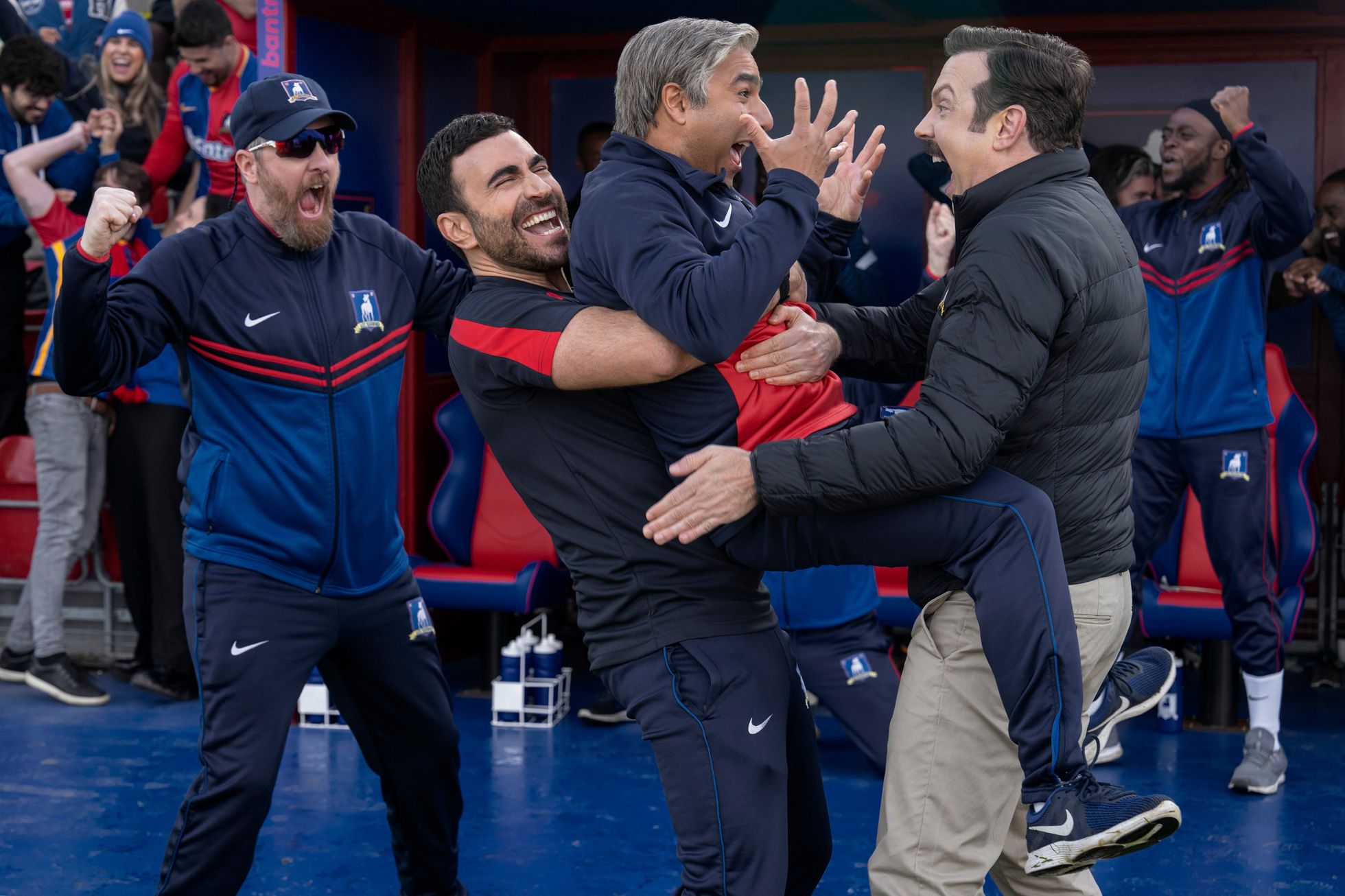
At the beginning of the third season, it seemed that the creators of the series would build it on the rivalry of two coaches with the opposite approaches to sports. On the one hand, a good Lasso with his gift to see the best in people. On the other hand, Neutan Shelley, as ambitious as despicable. The exceptional coaching of Shelley - the once modest equipmentman in Richmond, said Lasso. But in the second season, Nate, increased to the coach, began to be jealous of Ted and eventually went to the competing Club West Ham, quarreling with former associates.
However, Neutu was not destined to become Anti-Lasso. The scriptwriters, as it turned out, prepared him for another, no less important role of the "prodigal son." The real antagonist of the American coach and the embodiment of everything that Ted's philosophy is opposed, was the businessman Rupert Mannion, the newly made owner of West Ham (if anything, the real team, unlike Richmond) and the former husband Rebecca.
The narcissistic mannion is obsessed with symbols of the status, he loves to win, or rather, so that everyone around see the winner in him. Lasso, with the very first press conference in London, inspires players, sports managers and fans that formal victories and defeats are nothing, and the opportunity to grow over themselves is really important. With this worldview, unexpected for a football coach, Ted initially brings ridicule. But over time, the coach infects them all Richmond.
Of course, this is not only about sports. Under the influence of Lasso, all the heroes who sought to prove something to prove something, to surpass someone or pay off someone, refuse their original goals. As a reward, they get something better-they put up with their parents, forget about the past, accept themselves. A similar path is made by the coach himself, who in the third season had to let go and forgive a lot.
For those spectators who, like me, are far from sports, Ted Lasso is not only a drama life -affirming about reconciliation with themselves, but also an educational program in sports culture. The series convincingly proves the obvious (for the fan) thought. Football and other competitions with or without balls are needed to demonstrate not only or not so much exemplary technology as exemplary skills of human interaction.
In the third, final season, this is especially important. After a series of defeats, Lasso offers the team unusual tactics, known as “total football”. He himself never heard about her and actually invented again. As the chronicler "Richmond" Trent Crimm notes, all the work of Ted in London was preparing for this tactic. In Total Football, the player does not have a clearly designated role on the field - he can go, for example, from defense into an attack, if the situation requires that. The flexible structure provides the team members with comparative freedom of decisions and at the same time increases their personal responsibility.
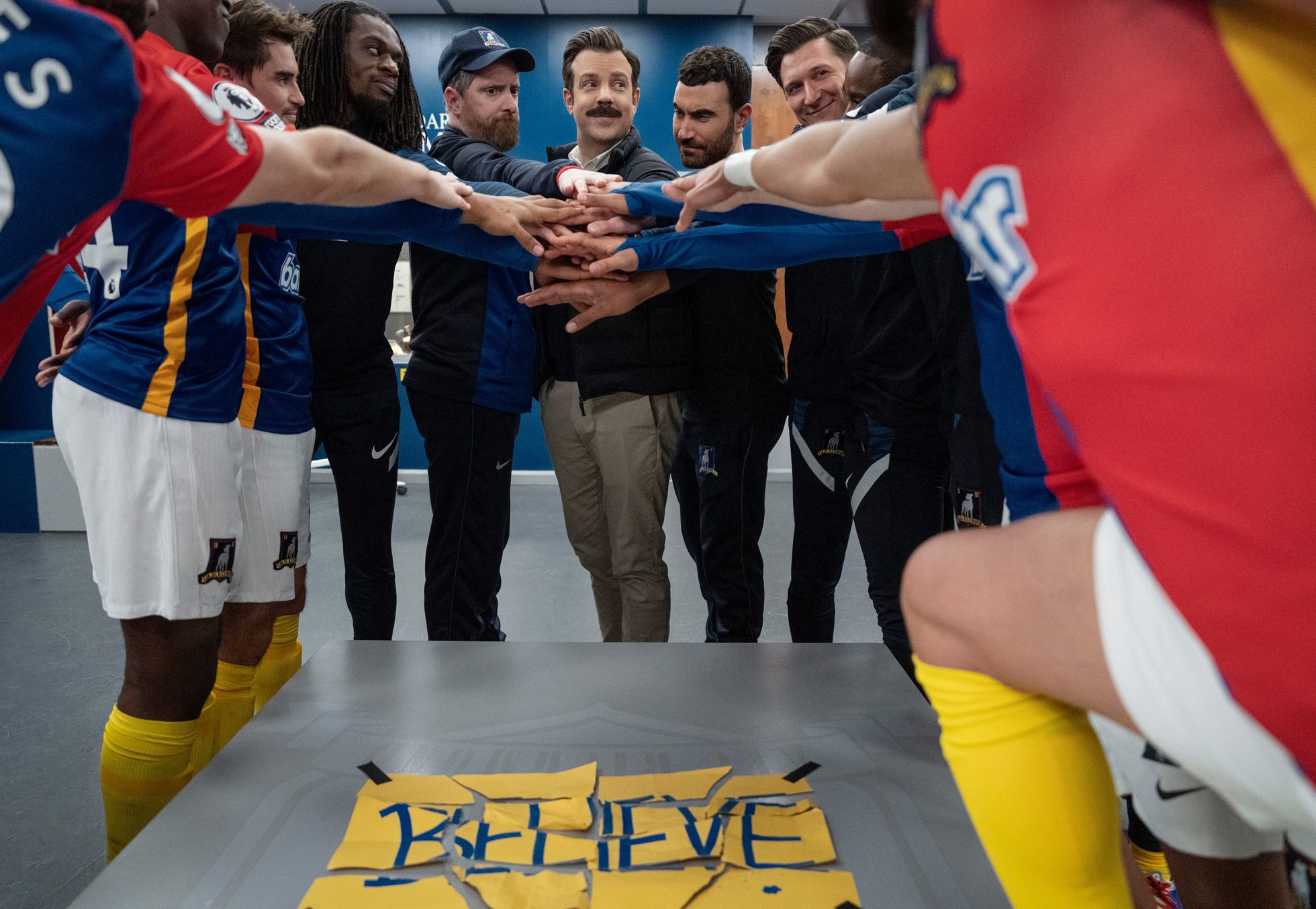
This concept is obviously applicable to football and to any other business that people deal with together. It is more effective than rigid hierarchical systems, but, which is much more important (at least from the point of view of Ted Lasso), it provides each expense for self -expression.
Anton Khitrov