
Translated material
"Poets always return"
How Joseph Brodsky expelled from the USSR
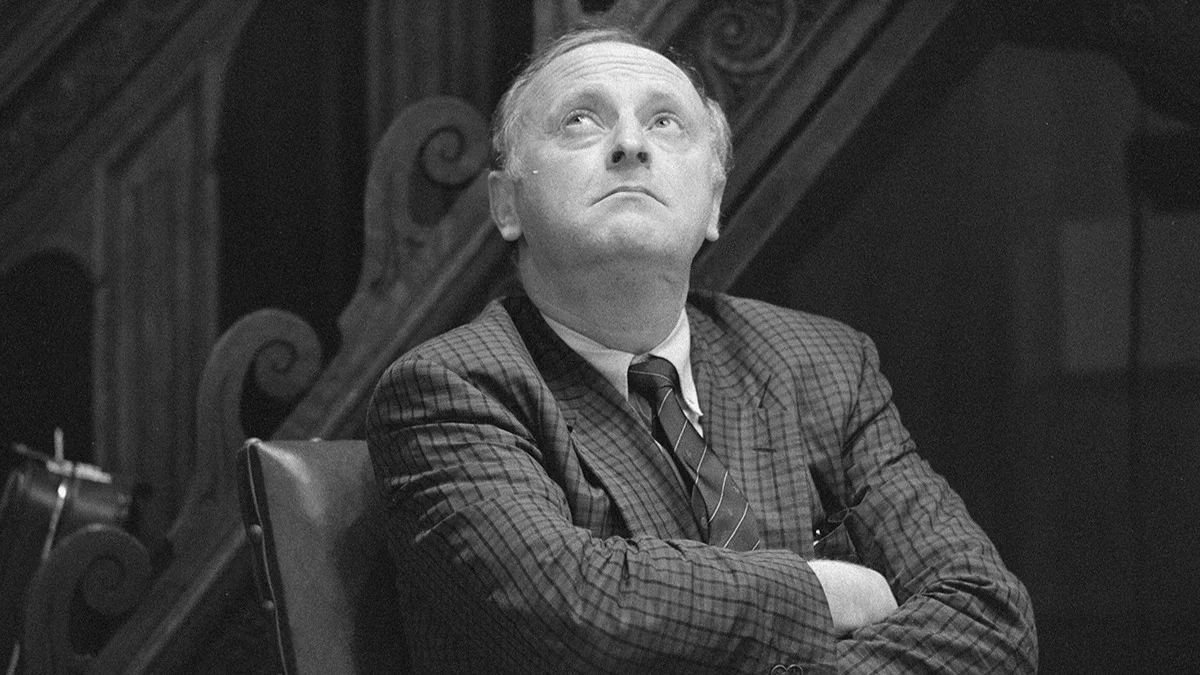
Joseph Brodsky. Photo: Imago / Piemags
51 years ago, Joseph Brodsky was ordered to leave the USSR. As the poet himself later recalled, the decision of the authorities was for him an “amazing surprise”. After the exile, he never returned to his homeland.
On the morning of May 10, 1972, Joseph Brodsky suddenly called. At the other end of the wire was Colonel Pushkarev from the visa and registration department (OVIR) at the USSR Ministry of Internal Affairs. He asked the poet to come to him in the department at a convenient time, "to talk." According to the memoirs of Brodsky's friends who were present during the conversation, picked the phone, the poet said: "This does not happen." The initiative of Ovira really seemed unprecedented, since in 1968-1971 the number of permission to leave Leningrad to Israel was close to zero: at that time, the authorities made it difficult for citizens to emigrate the processes.
But it was even more amazing: Brodsky did not seek to leave anywhere.
The poet was asked in OVIR: "Are you going to Israel?" - To which he, surprised by the question, replied: "No."
The question of leaving was asked by Pushkarev because the poet had already received challenges from Israel, but did not go there. Brodsky was offered to immediately submit documents for departure from the country within three days and assigned an employee to him, who will help with the documentation. The poet later recalled that at that moment he “not that he was speechless, but was silent for a while,” and then he said: “Yes, I agree”: in case of refusal, there was a probability of sending him to endless interrogations, to prison or a psychiatric hospital.
The Union of Writers almost immediately gave Brodsky a “wonderful characteristic”, with which, according to him, “we must go to the mausoleum to go to bed, and not go to Israel.”
On May 12, the poet handed over all the documents for departure, and on May 18 to OVIR they informed him that the permit was received. The poet was given to the poet for 18 days, and the visa was given to him on the day of his 32nd birth-May 24, 1972: Brodsky tried to delay the day of departure to the last, but the authorities wanted to get rid of him as quickly as possible. Getting a visa, Brodsky said: "Thank you." To which he followed the answer: "Not at all." “Indeed, nothing,” the poet summed up then. Events clearly developed not according to his scenario.
Brodsky’s departure categorically did not suit, because he suggested the deprivation of Soviet citizenship and, accordingly, the impossibility of returning home: he wanted not to leave for completely, but to go to other countries and return to the USSR. He sent Brodsky from the country the deputy chairman of the KGB Bobkov, not wanting to disclose the details of the decision made in 1972, in an interview with 2013, used in the film “Brodsky Non -Poet”, spoke about the reasons for the expulsion of the poet: “He behaved as he needed. And that’s exactly what I wanted to behave. ”
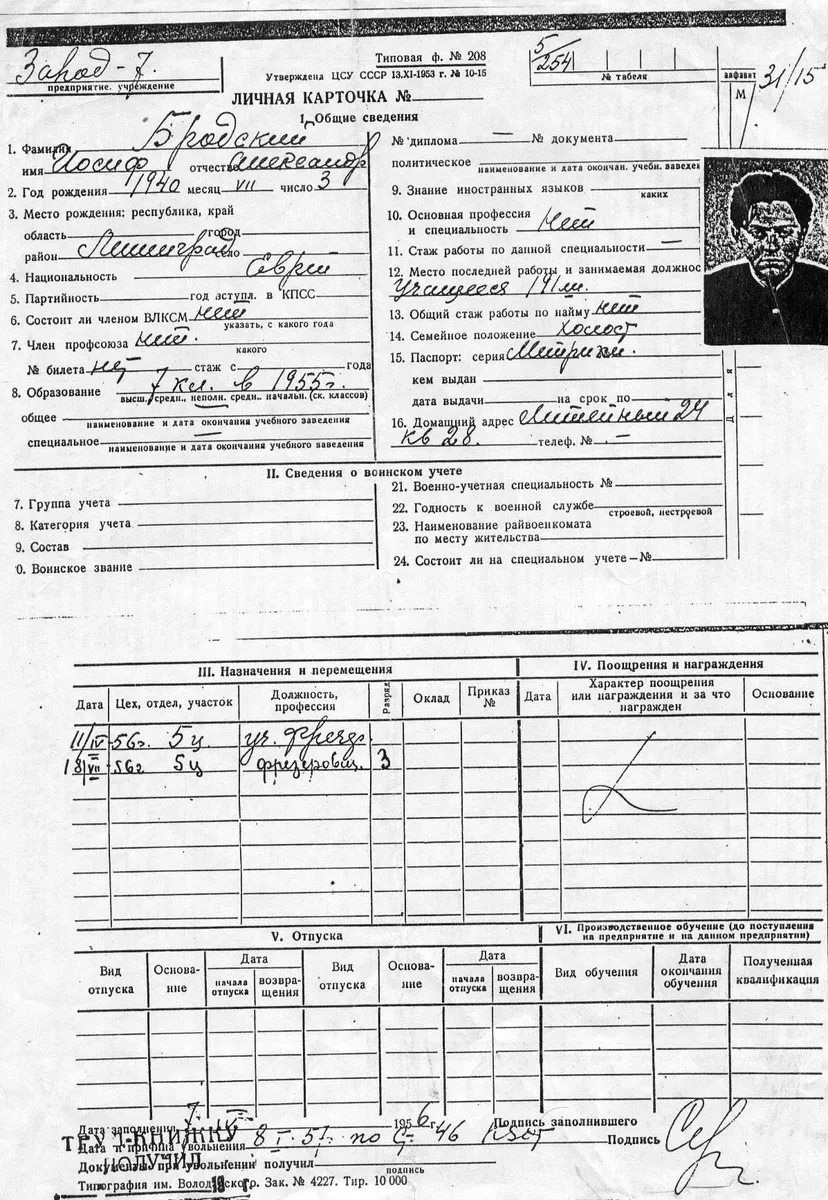
On the day of his departure, Brodsky sent a letter to Leonid Brezhnev. An appeal to the former head of the USSR was published only in 1989 (initially Brodsky did not plan to make it open). In a letter, he asked "to give the opportunity to continue in Russian literature, on Russian land." And wrote:
“I am bitter to leave Russia. I was born here, raised, lived, and I owe it to everything that I have for my soul. All the bad that fell on my share was more than overlapped, and I never felt offended by the fatherland. I don't feel it now. For, ceasing to be a citizen of the USSR, I do not cease to be a Russian poet. I believe that I will return; Poets always return: in the flesh or on paper.
I want to believe in both. People came out of the age when the right was strong. To do this, there are too many weak in the world. The only correctness is kindness. From evil, from anger, from hatred - albeit called righteous - no one wins.
We are all sentenced to the same thing: to death. I will die, writing these lines, you will die, you read them. Our affairs will remain, but they will be destroyed.
Therefore, no one should interfere with each other to do his job. The conditions of existence are too difficult to still complicate them. I hope you will understand me correctly, understand what I'm asking about.
I ask you to give me the opportunity to continue to exist in Russian literature, on Russian land. I think that it is not to blame for anything before my homeland. On the contrary, I think that in many ways is right. I don’t know what your answer will be to my request, whether it will take place at all. It is a pity that I did not write to you before, and now there is no time left. ”
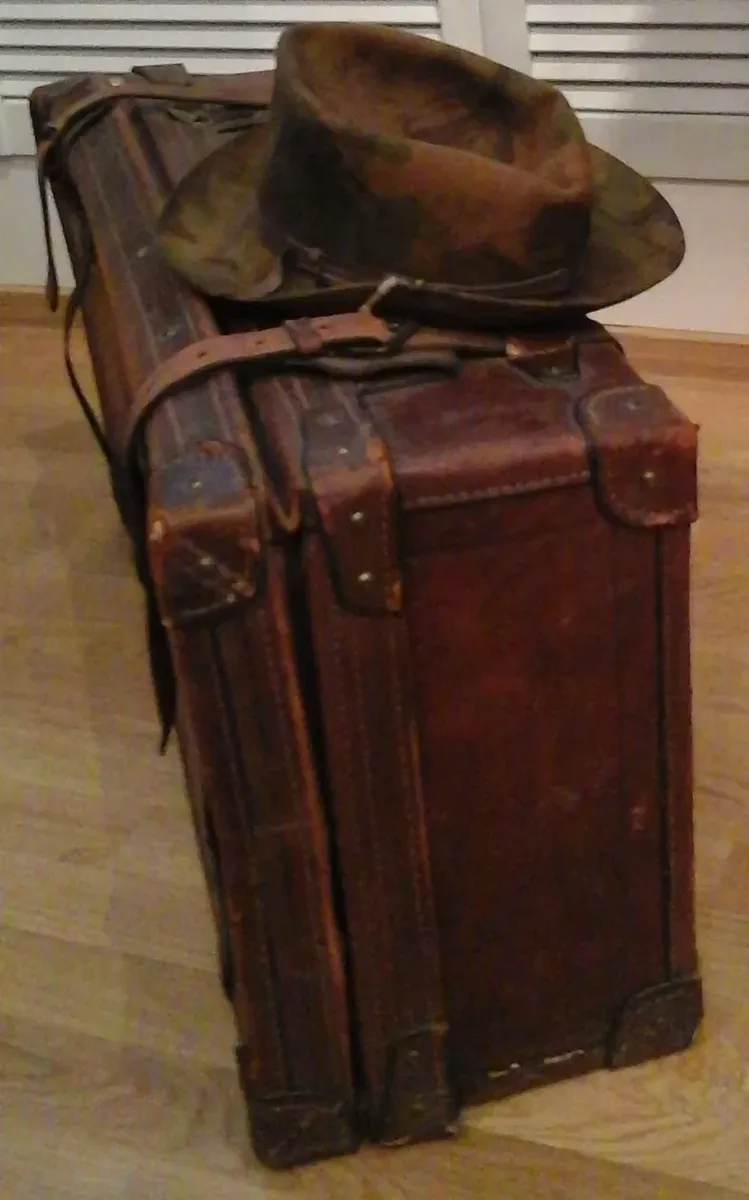
On the morning of Sunday, on June 4, 1972, Brodsky was already deprived of Soviet citizenship was sitting on an old leather suitcase before the main entrance to the international terminal of the Leningrad airport, waiting for the line for customs inspection. In the pocket of his jacket was a ticket for Aeroflot flight from Leningrad to Budapest, and instead of a passport was actual until June 5, 1972, a visiting visa for permanent residence in Israel in the name of Brodsky Joseph Alexandrovich. After a five -hour transplant in Budapest, the next aircraft moved an objectionable poet on a route prescribed by Jewish emigration to Vienna.
After the landing of Brodsky in Vienna at the airport, he was met by an American Slavist, literary critic Karl Proffer, who asked Joseph where he would like to go. And, having received the answer “I don’t know”, then he offered him a job at the University of Michigan. Brodsky accepted this proposal. People close to him then recalled that soon his fame was not based not on what he managed to accomplish in his homeland, but on what “he did in a new one”: he immediately began to work, instead of “just using the status of the victim and swim with the flow.”
Two days after arriving in Vienna, Brodsky went to get acquainted with the Anglo-American poet Wiston Oden, who, along with Akhmatova, called the poet who had a decisive influence on him. Oden reacted to Joseph “with extraordinary participation”, immediately took him under guardianship and introduced him into literary circles: he introduced Esay Berlin, Stephen Spender, Sheimas Hani and Robert Lowell.
On June 15, 1972, Brodsky received permission to enter the United States to work at the university. Already in exile, he avoided the details of his departure from the USSR. At the same time, Brodsky was the first great Russian writer after Evgeny Zamyatin, who legally left the Soviet Union.
His departure was turned off from the Soviet political agenda, since Brodsky deliberately distanced himself from politics and did not participate in the dissident movement. For this reason, Brodsky, even before the departure, had the hope of obtaining the privileged status of the owner of an open visa in a passport, and his relatives believed that he would return to his homeland.
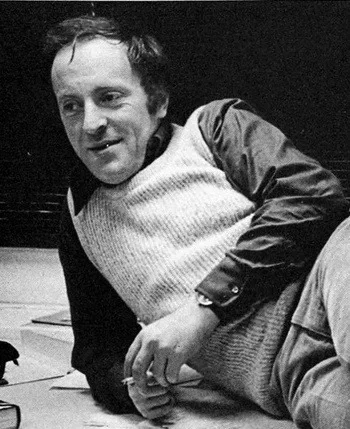
Today it is clear: Brodsky was kicked out of the country not because he was an anti -Soviet or dissident, but because he existed outside the Soviet system, which was considered a more terrible crime for that power.
Brodsky lived in exile for 24 years. He yearned for Leningrad, but never returned to his homeland. And he never came to his hometown, although he was awarded the title of honorary resident. Once he said: “This (return to his homeland) to a certain extent is similar to a return to his former wife. It doesn’t matter what happened to her. It is important what happened to you. "
Brodsky also could not achieve his parents to leave him. The situation was similar: the poet’s father did not want to leave the USSR for good, but only wanted to be able to visit his son in the United States. But the system assumed for a family member that emigrated only a residence to a permanent place to reunite with the family. Only after the death of Brodsky’s mother in 1983, his father agreed to leave the country on an Israeli visa, but died in the spring of 1984 - shortly before meeting with his son. It is possible that it was bureaucratic revenge on Brodsky by the KGB, since in an interview in the film about Brodsky, published in May 2015, the former committee general called the poet "Dry and a dummy that received the Nobel Prize in the blat."
In the essay "One and a half rooms" Brodsky wrote:
“They (Russian migrants) know what you feel when it is not allowed to see a mother or father at death; Silence reigning after the requirement of an urgent visa to travel to the funeral of a loved one. And then it becomes too late, and, hanging the telephone, he or she wanders out of the house to a foreign noon, feeling something for which there is no language in any language and that it would not convey any moan too ... What could I tell them? How to heal? Not a single country has mastered the art of crippling the souls of its subjects with the inevitability of Russia, and nobody with a pen in his hand can not cure them: no, this is only the Almighty on the shoulder, it is precisely he has enough time for this. ”