
Translated material
"This is a war of generations"
Professor of the Central European University in an interview with Sergey Medvedev
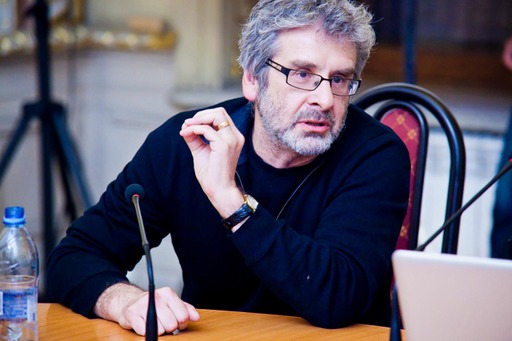
Guest Radio Liberty- Alexander Etkind , professor at the Central European University in Vienna , author of many books. Today we want to discuss his last book - Russia Against Art Nouveau, which has just published in the Cambridge publication Politi Prex.
Sergey Medvedev : The name is more or less obvious to me, but on the other hand, was Russia in its Soviet incarnation (Soviet Union) with the land of the promised modernity? In the same book, you just quote Bauman about this, and I recall Stephen Kotkin’s book about Magnitogorsk. The Soviet Union stood on steel, a man named Stalin ruled them, this pseudonym is not accidental. How did it happen that this Earth of the promised steel, gunpowder, smoke, fire, iron, where the nails were made of people, became a non -ministry country, turned against the modernity?
Alexander Etkind : I prefer the Russian word "modernity". Modern is something from another culture. This is not only and not so much about culture as about life in general: modern life or not modern life. There are technology, social arrangement of society, bureaucracy, prison, school and army - all this together is included in the concept of "modernity" for me. "Russia is against modernity" - this is the translation of this name. I hope that this book will be published in Russian translation in the fall.
Progress is measured by a decrease in energy for each new unit of life
As for your question, “modernity” is such an immense word, I had to deal with what the classics said about the modernity, for example Max Weber, what modernity saw in the early twentieth century, in the middle of the century and what it is seen now. I share two types of modernity. It is very important for me to determine the modernity of today, the new modernity, the modernity of the era of climatic disaster. We have just survived the pandemic, we are experiencing a large war in many of our properties in the middle of Europe. This is all part of our modernity. I contrast Paleo -realization, ancient modernity and - for lack of a better word, I call it "green modernity", the modernity of a new, current era, and current modernity.
Sergey Medvedev : Paleo, fossil modernity, is one of the main definitions in your book, it is literally fossil, standing on natural resources. Russian modernity is a resource, carbon, hydrocarbon modernity.
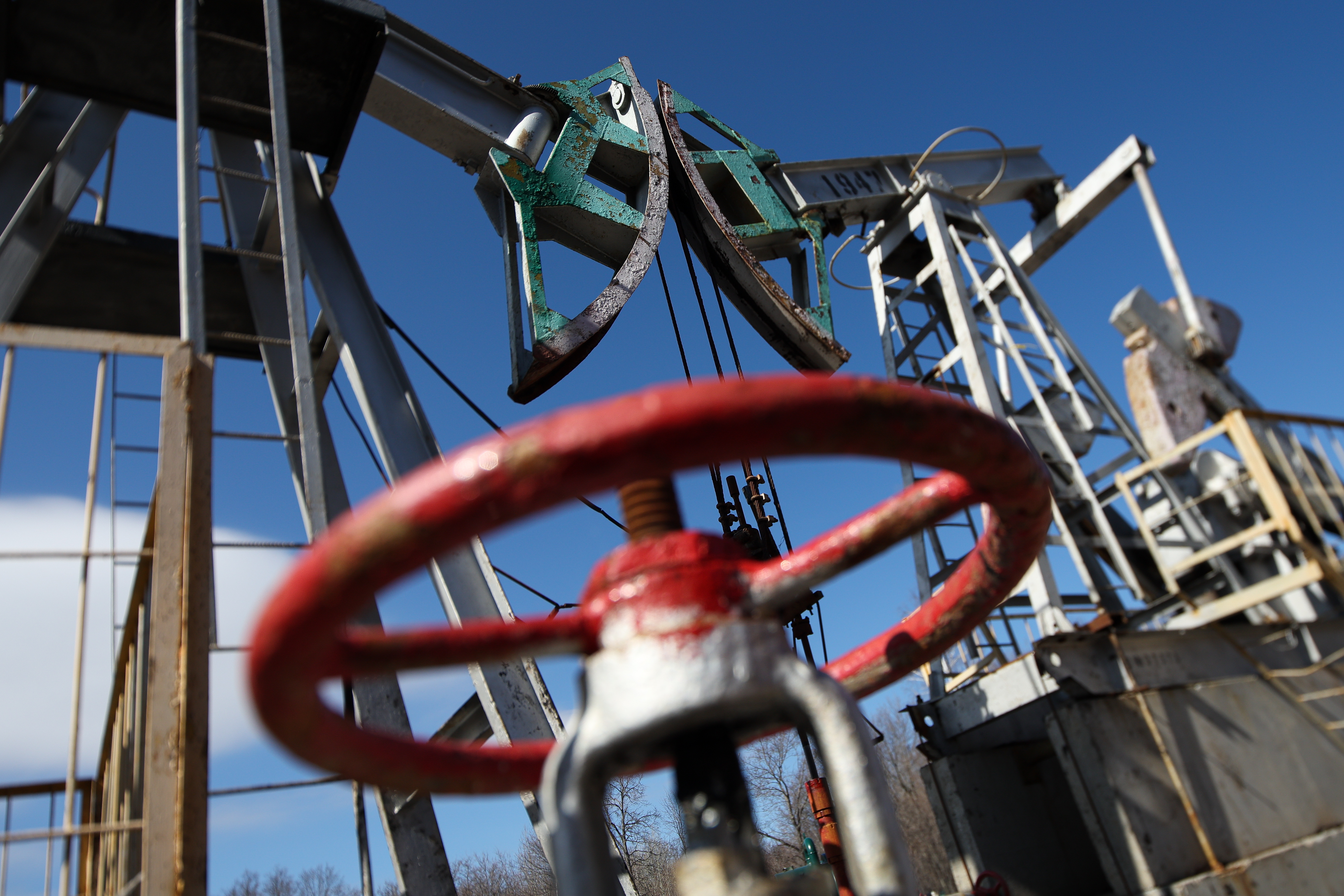
Alexander Etkind : This was the American modernity since the beginning of the twentieth century: let's think about Manhattan, Brooklyn bridge. The difference between the old and the new modernity is that in the paleo -abhority the more natural resources (first of all, this is energy, but not only: metals and so on) was spent on every new unit of work or pleasure, the more progress was seen. Progress, a new quality of increment of modernity was seen in even greater burning of energy, in even greater use of natural raw materials. Whereas in the new or "green" modernity is exactly the opposite: progress is measured by a decrease in energy for every new unit of life. Progress continues to go forward, but each of its increment requires less and less what we take from nature.
Russia occupies a central position in resource trade, mining, burning, pollution
Sergey Medvedev : Then let's try to expand this to the current war : does it have to do with this? Is this a war of Russia for maintaining that previous paleotravility, its unique situation in the global energy resources market?
Alexander Etkind : Yes, Russia occupied and still occupies, in spite of everything, the central position in the resource trade, mining, burning, pollution, and the fight against all this. Senator McCain once compared Russia to a gas station. This is such a gas station, which has a store, a cafe, and fields around to pay less taxes, and a pond with carps, but all this is subsidized from the main business, and this is the extraction of raw materials, its processing, and the provision of this raw materials for adequate money. The buyer suddenly, by virtue of some abstract ideas that you can believe in, but you can doubt it and consider it evil speculations, began to buy this raw materials less, published plans according to which gasoline would cease to buy: by 2030-half, by 2050-they will cease to. Of course, there is still enough money, but still the carps are upset, everything has become some other, because all this is subsidized from the main business.
This gasolon, its owners, leaders are facing a difficult decision. They still have missiles, there are also a private army, and either you need to accept these new rules of the game, believe in this completely new and slurred logic for them-an energy transition-and also rebuild, also eliminate some part of their economy, pay more attention to carpas and less tanks, or take advantage of the violence that they have, that apparatus, that private army, forcing the partners, forcing the partners to buy And live in the old way.
Russia, starting this war, became very miscalculated
Sergey Medvedev : Didn’t it turn out to be completely reverse that Russia is knocking out a stool from under its feet, taking a chair from under itself? According to the results of this war, Russia is losing the western markets for energy resources, and is forced to sell them in the eastern market with a discount. In fact, Russia, the country of the Paleomodern, is drawn into an archaic war, it voluntarily loses its military potential and its energy potential, all those things that this gasoline with rockets sprouted.
Alexander Etkind : Russia, starting this war, miscalculated greatly. She referred to the expansion of NATO - she received the expansion of NATO, now NATO is much closer to the vital centers of Russia or to the native city of its president, to my, for example, a native city than it was. Russia or, more precisely, people in Russia who started this war, miscalculated in everything. They will lose this war, they are already losing it. Therefore, it is wrong to judge their intentions based on the results of this activity.
Sergey Medvedev : The plan was one, and the performance turned out as always. Russia is against Ukraine-can we try to see this in some kind of civilizational vein, like a paleomodern against some fundamentally different civilization? I even look at the age of the acting people, the Russian ruling elite and the Ukrainian elite. Even the method of action itself is a frontal, archaic, completely buried in the ground, the stupid action of the Russian army, and the network, distributed, globalized, digitalized action of the Ukrainian army.
These are different worlds, different generations
Alexander Etkind : Yes, this is the struggle of peoples, but it is also a struggle of generations: Ukraine is really guided by people who are suitable for sons to all people who guide Russia. In 1991, when the Soviet Union broke up and Ukraine became independent, the Russian Minister of Foreign Affairs was as many years as the Ukrainian Minister of Foreign Affairs in 2022, when the war began. These are different worlds, different generations. They, accordingly, are fighting, they have the same different ideas about the world. All this collides in battle. The conflict of generations is a universal part of human life: in ancient Greece there was a conflict of generations, in imperial Russia and so on. The war always exacerbates these conflicts. But the opposite is completely not necessarily - that the conflict of generations should be resolved by war, usually it is resolved peacefully: people will think, scandal, quarrel, make peace. In this case, this led to a bloody war, because behind these generations there are completely different ideas about civilization, about progress, about modernity.
Sergey Medvedev : Here is a certain civilizational prospect, in which the country of Paleomodern, which buried its resources in the ground and its resources, and now digging into the land in the Donbass, apparently doomed.
War always exacerbates conflicts
Alexander Etkind : After all, everything was not so bad, people did not live in basements, but rather in skyscrapers, in penthouses. In modern civilization, as it developed at the beginning of the 21st century, the possession of hydrocarbons in such decisive volumes really made it possible to live happily. And so, in general, it was. People 30 years after the collapse of the USSR in Moscow and in other regions of Russia are accustomed to a good life that the pipe gave them. This is not earned money - this is money, which in themselves are non -modern, do not correspond to anyone's merits, they are uncompetitive, given by nature, not labor. In these ridiculous unlawfuls, moreover, unnatural decisions that led to this war, the unpreparedness of the ruling elite, the lack of any experience in competitiveness, survival, understanding that high status and big money is given to hard work, creative solutions, competitions with other people expressed. The Russian elite turned out to be the most incompetent, the most unverified, unprofitable, despite all decades of stay in power.
Sergey Medvedev : A question that has been bothering me a very long time: Russia's relationship with the environment. I have the feeling that the country is fundamentally anti -ecological not only in its policy, but also in its daily practices. Is this also part of the paleomodern?
High and still growing social inequality - according to this parameter, Russia occupies a leading place in the world
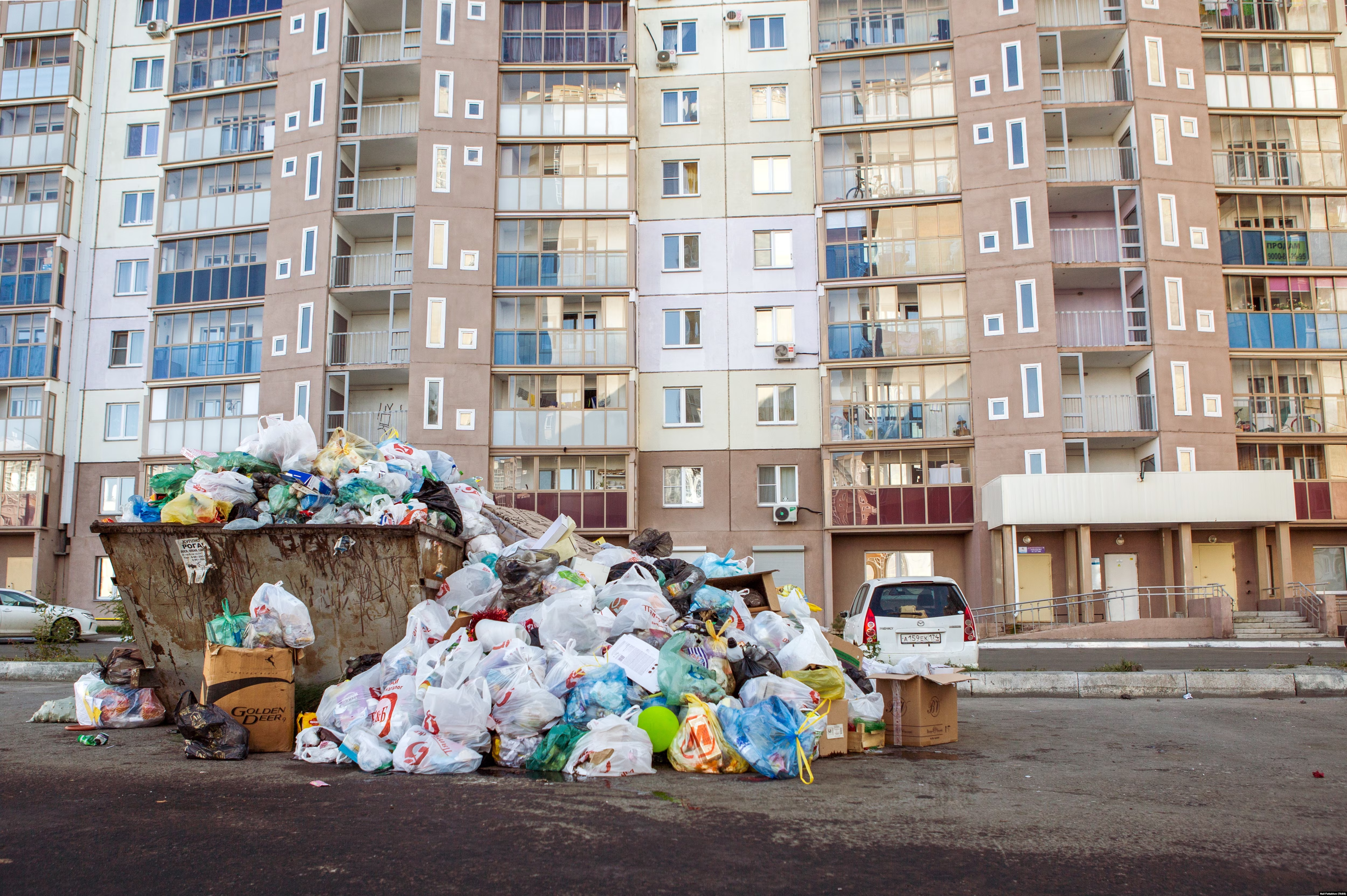
Alexander Etkind : This is also a part. Ecology plays an important role precisely because it is directly related to the quality of air and water, with emissions that occur due to the burning of hydrocarbon raw materials, with the raw materials themselves. Russia occupies in all this - both in prey and in emissions - leading places in the world. The problem with Russian garbage, with parks, forests, lakes. Another part of the Russian paleotravility is associated with this - it is a high and still growing social inequality. According to this parameter, Russia also occupies a leading place in the world, competing only with some post -colonial countries: social inequality, the flight of capital.
The so -called elite also wants to walk in good parks, breathe clean air, drink good water, but in the country that developed by 2022, the elite could do all this, leaving abroad: there are parks, schools for parents, universities, banks, courts, if you need to achieve justice, everything is there. And we can buy all this on part of the income that we receive from the pipe. The flight of capital is also a factor in why Russia turned out to be such an uncomfortable country, in particular, for its own elite.
Sergey Medvedev : And which one is now? The elite is actually locked in this system? She can no longer change the rules of the game, actually sinking with the country.
Alexander Etkind : The elite was locked, the elite turned out to be not so elite, it turned out to be very few on it, the decisions are made not by these thousands of highly paid managers who have learned to wear their costumes very well, but three or four people, and we know their names. What is the output for the elite? To resist, rebel, sabotage, make this war ended as early as possible. It will end, as we know today, the defeat of Russia.
The elite was not so elite
Sergey Medvedev : I'm not sure that the elite has such subjectivity. Reading your book, I constantly saw the scattered evidence of the worsening selection that occurs. In many ways, as I understand it, all this is attributed to the fossil modernity, oil is attributed. As you write, the very inequality itself, the very idea of inequality and the very idea of degradation, depopulation is enclosed in an oil state, in Petro -state Russia. It is not necessarily in oil itself, because it is disposed of other more successful and democratic countries, such as Norway, but in Russia this leads to gender inequality and the decay of the very family that Russia insists so much. It is very interesting that this is a country of unrequitedness, a country where the same -sex families in the person of mom and grandmother rule.
Alexander Etkind : This directly follows from extremely reliable statistical data, because the age of death is neither hidden nor fake. There are such factors in the social sciences that there is no doubt - this is demographic data. If men die 10-12 years earlier than women, then, respectively, in the older age categories there are very few compared to women. Typically, the Russian family-there are already quite few children, one or two people. It consists of a grandmother who is engaged in children, a mother who works, mines the means to maintain this whole structure, and a man who has already died or, perhaps, lives separately with someone else, or is sick with different diseases.
Sergey Medvedev : Or sent to the Donbass to earn money for the family - either with a wound, in the form of "cargo 300", or in the form of "cargo 200".
Alexander Etkind : Maybe he got there from prison, while in which he, too, respectively, was not in the family at that moment. This is such a matriarchal family, such a special post -Soviet situation of the Grandma’s authority over children. I am trying to understand what cultural, social, historical consequences this design of the family leads to, and I assume that this leads to a slowdown, to the inhibition of cultural changes. If innovations, whether it is Internet skills or can it be related to laying out garbage, to contraceptive, if such basic skills are transmitted to children not from the father and mother, but from the grandmother, bypassing the middle generation, then the speed of transmission of these changes is halved, the cultural transmission is half the slow, since it goes through the generation. Sad, of course, observations.
This is a more gerontocratic power than the one that we remember in the time of Brezhnev
Sergey Medvedev : Maybe there are political consequences here? Social weight has shifted in favor of older women due to the fact that men are knocked out by oil and war, and this leads to the fact that older women become the social support of Putin. Relatively speaking, the Putin electorate is women, most often from the budget sphere, the age of 50+. In fact, in this grandmother or in the worst version on the so -called "aunt" is Putin's power.
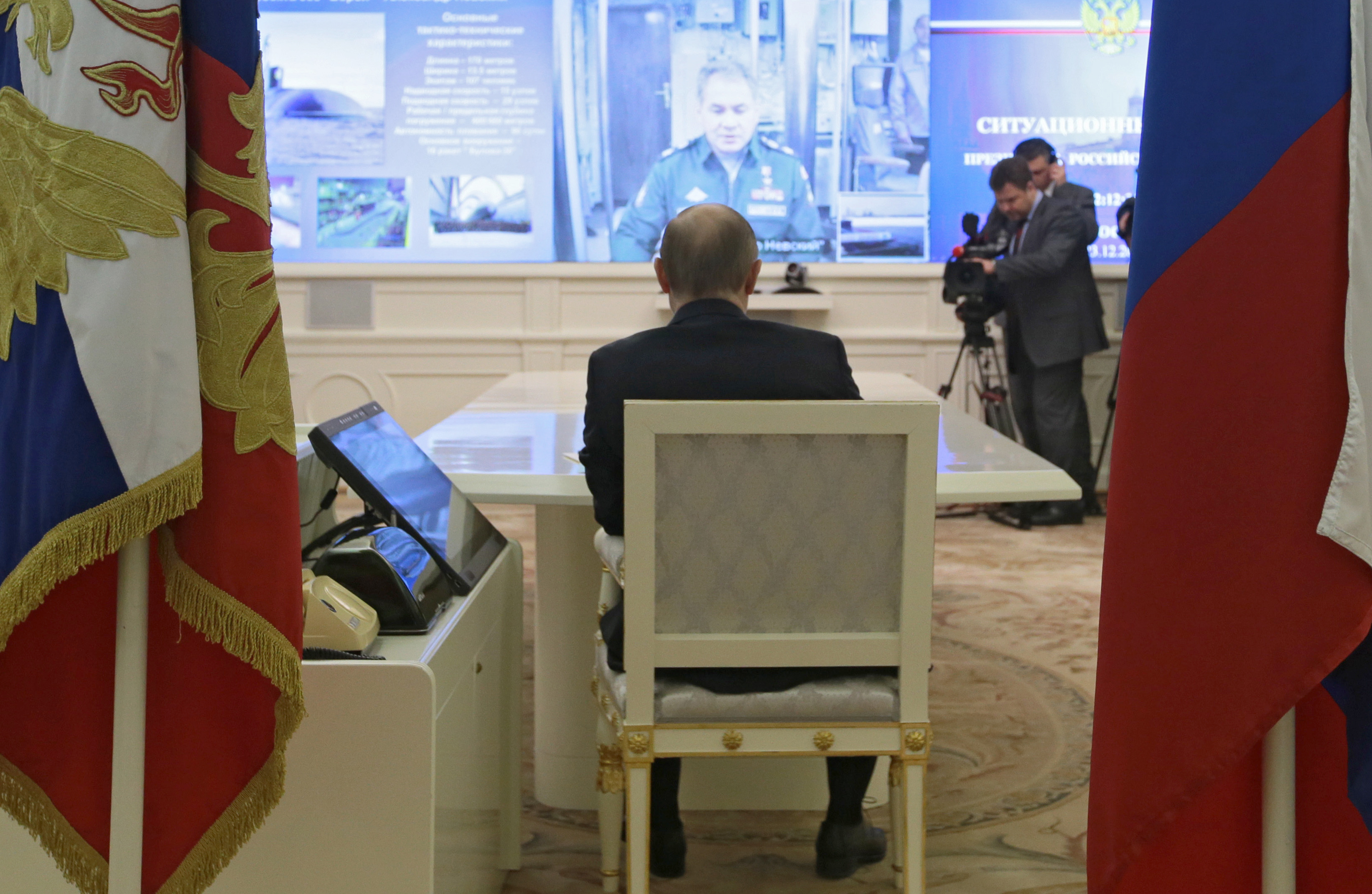
Alexander Etkind : Kremlin elders, on the contrary, all are completely grandfathers, men in the region of 70 years and for 70 are more gerontocratic power than the one that we remember in the time of Brezhnev.
Sergey Medvedev : An aging, tired, non -modern country. Does this war are waging, how do you write more than once in this book, by the end of Russia? And what is the end of Russia? The end of a certain historical form of Russia, its specific territorial form?
Alexander Etkind : Russia is a country, a state, peoples that inhabit it. In this sense, the space, this territory will remain, the peoples will most likely also remain, but specifically the administrative form that is called the Russian Federation today, the unit of international law and so on - I am sure that as a result of the suicidal war it has begun, this specific form will change. How radically, how fast, how fast, how immediately or gradually, we will see very soon.
Sergei Medvedev : Indeed, after reading this book, you understand that this is not just a war of Russia with Ukraine - this is a war of Russia with modernity, Russia's war with nature. It cannot end simply by military defeat and the liberation of the territories of Ukraine, it should end in defeat and re -electing on new grounds of Russia, as the main threat to the modern world.