
Translated material
Barbarism or art?
History, tradition, arguments of supporters and opponents of a dangerous spectacle in the story of Viktor Cheretsky

How to get around the lock?
Read>Ivan Tolstoy: In Madrid, the next campaign of opponents of Corrida - the battle of Bykov. They are unhappy with the recent decision of the regional metropolitan government to appropriate the status of the cultural property of Spain. The struggle around this ancient tradition, which some Spaniards define as art and heritage, while others propose to ban on barbarism, has been going on for several years. Why? What is Corrida? What are the roots, the history of evolution from ancient times to our time, as it is believed, one of the most ancient spectacles? Our Madrid author Viktor Cheretsky tells about Corrida.

History, tradition, arguments of supporters and opponents of a dangerous spectacle in the story of Viktor Cheretsky
Victor Cheretsky: The history of Corrida in Spain, according to experts, dates back to the beginning of a new era, to the ancient Iberians who inhabited the Pyrenee Peninsula. Probably, initially the murder of the bull was ritual and was committed by priests. By the VIII century, before the invasion of the Arabs, the battle with this animal was already a favorite funny nobility, however, not indigenous, but at that time on the Visigot Peninsula. We are talking about Corrida with her expert, a Madrid journalist writing on this subject, Adolfo Rodriguez.
Adolfo Rodriguez: It's hard to say when Corrida appeared. Her story goes deeper. In any case, this is a purely European Mediterranean tradition. After all, the bull among many peoples of this region, including in Greece - in Crete, in Spain, was a totem. In Spain, I mean Iberians - the ancient population of our country, which most appreciated its natural aggressiveness in the bull. In some regions of Spain - in Valencia, Aragon - the pagan tradition of the holidays with the participation of bulls has been preserved. So the roots of Corrida must be sought in the ancient history of our country.
The tradition of martial arts with bulls arose in Asia
Victor Cheretsky: Meanwhile, another expert on the battle of Bykov Veterinary doctor Hulio Fernandez - he specializes in the study of the morphology of animals used in Corrida - believes that this spectacle first appeared not among Europeans. According to him, the tradition of martial arts with bulls arose in Asia.
Hulio Fernandez: Corrida as such was held already in the second century BC in China during the Han empire. In the city of Chanan, the capital of the empire, local military leaders entered the battle with the bull in order to demonstrate their superiority and their courage to those present in a duel. This is the first mention of a specially organized fight of a person with a bull, which I discovered in historical literature. In more ancient times, perhaps this did not exist. True, we know that in India there is something similar - an ancient game called '' Jallictta '', but there we are not talking about the murder of an animal, but about his taming. In the Mediterranean countries, a battle with a bull appears later. So Corrida as a duel first arises in China.
Victor Cheretsky: In Spain, Corrida was arranged in city squares. In Madrid - in the central square of Plaz Major. The royal family looked at it from a balcony specially designated for this purpose. From the balconies surrounding the square, houses could be observed by the fight and representatives of the nobility. King Philip IV even ordered to provide a separate balcony to his favorite Maria Ines Calderon, so that she could attend such a prestigious sight.
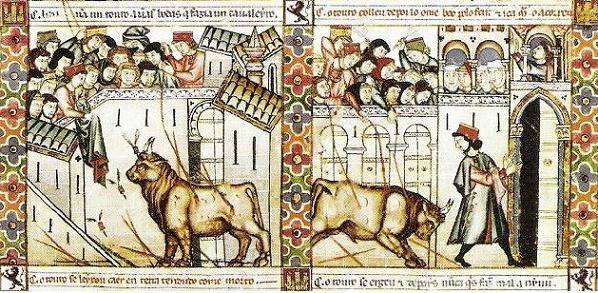
In the dramaturgy of the 16th-XVII centuries, including at Lope de Vega, Tirso de Molina and Calderon de la Bark, the heroes who fought with the bull often appear. Meanwhile, Pope Pius V, who lived in the 16th century, published an Edict that forbade Corrida under pain of excommunication. But the Spaniards achieved the abolition of this decision, justifying their demand by the fact that such a sight tempers their character. Journalist Adolfo Rodriguez:
Adolfo Rodriguez: Initially, Corrida was exclusively horse. The bull was killed by a spear of noble knights on a horse, demonstrating his dare and monarch, and especially the court ladies. They were helped by foot servants to deal with the animal. That is, Corrida in those days was the destiny of representatives of the highest stratums of society. She was satisfied, for example, on the occasion of the arrival of important foreign guests to the capital or to celebrate the royal wedding, the birth of the heir to the throne, some victory in the numerous wars of that era, etc. Commoners were allowed to Corrida as spectators. Fights with bulls over time became popular throughout Spain.
Bourbon insisted that the Spanish aristocrats stop competing with the bulls
Victor Cheretsky: The second attempt to end Corrida dates back to the first half of the XVIII century. In 1700, the king from the Bourbon dynasty - Philip V. Louis XIV arrived from France, the country, as he believed, more civilized than Spain, as he believed. Monarch Corrida seemed wildness, and he forbade her. The ban acted only to the death of the king, so that in the 40s of the same century the interrupted tradition was revived. However, the Burbon still insisted that the Spanish aristocrats stop competing with the bulls. This had no special negative consequences for Corrida, rather the opposite. She became foot, folk and professional. Says the Madrid historian Domingo Delgado.
Domingo Delgado: Bourbon reigned in Spain. They were very far from Spanish life and even more so from Corrida. So the representatives of the noble estate, according to the monarch, had to leave fights with bulls. The last Corrida with the participation of the aristocrats took place in 1723. After that, a kind of emptiness formed, which was gradually filled with representatives of the people. Who exactly? First of all, these were the workers of the cattle, who knew how to quickly and deftly stab the animal. Such an initiative was shown in the cities of Andalusia: Seville and Cadiz. Then people who previously helped the nobility who participated in Corrida connected to Corrida. They were left without the owners, but continued their work so as not to sit without work. And all these people began to fight with bulls of foot, since they did not have money for horses.
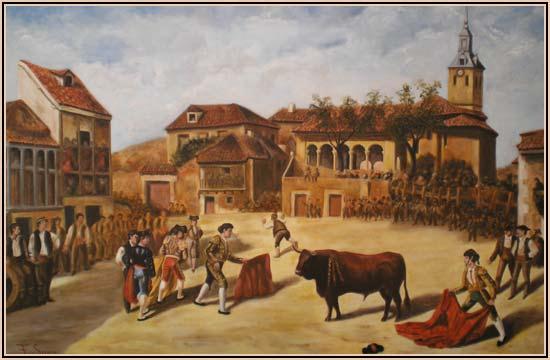
Especially often, as before, Corrida was satisfied in Madrid. But now a round arena was built here specifically for the battle of bulls. Round, so that the bulls could not hide in a corner, as it happened more than once in city squares. There are also farms specializing in breeding combat bulls. Previously, to find bulls for Corrida, I had to go to the countryside and buy the most aggressive animals from the peasants. Now the breeding of special combat bulls has become a profitable business - they were much more expensive than ordinary ones. In addition, this case turned out to be prestigious. They were engaged in representatives of the bourgeoisie, but income and glory allowed them to even acquire noble titles from the king over time. So the counts of de Vistaermos and de Guadalet appeared. As we see, all the components of a completely professional corridance performance arose: professionals toraadors, professionals-owners of farms and special arrangements of anrena.
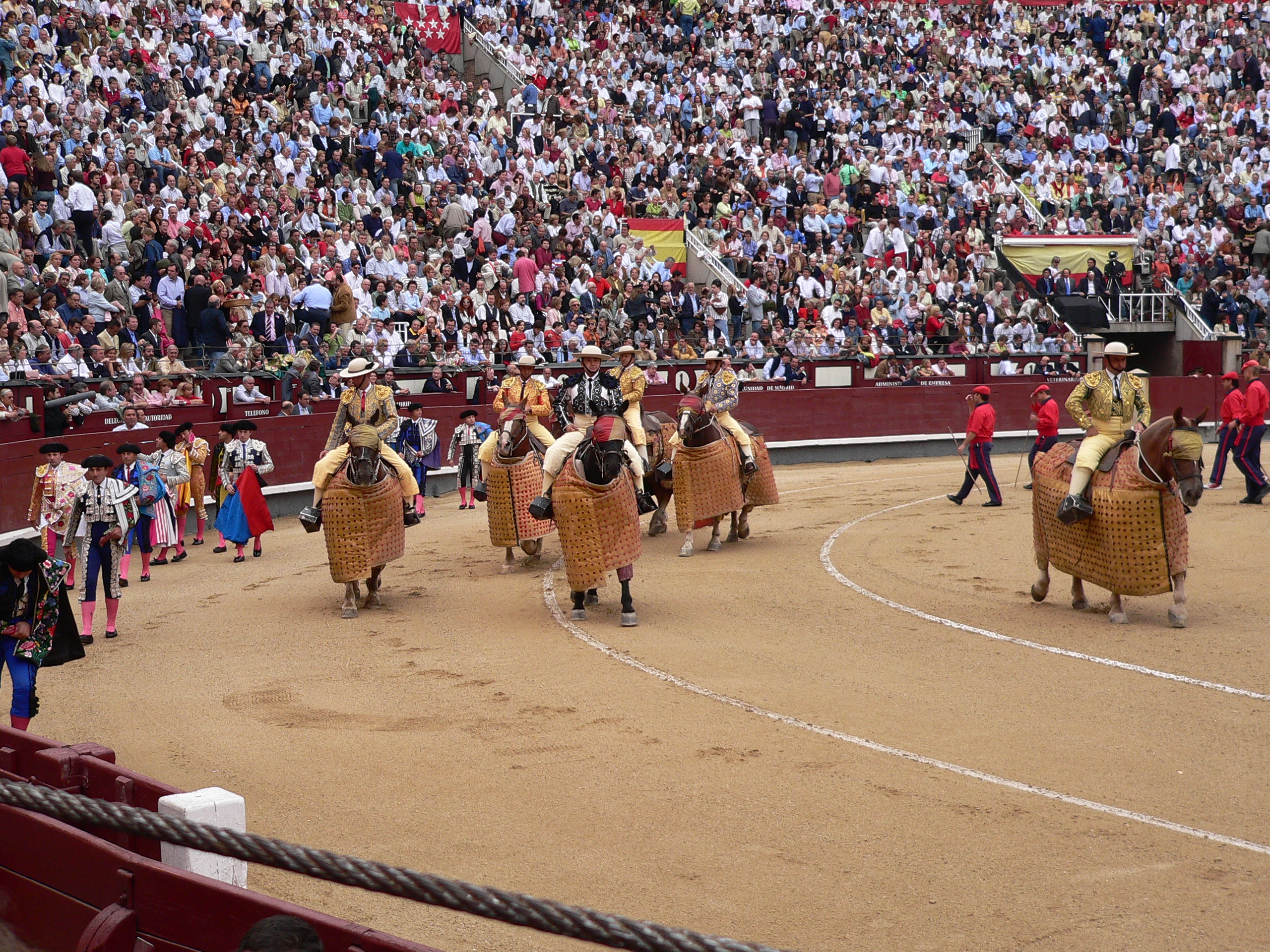
Victor Cheretsky: At the same time, the rules of Corrida began to be established, many of which are still valid. For example, she began to divide into three phases - the so -called '' Terments ''. It all starts with a parade of participants. He is opened by the main characters - Matadors - those who have to kill the bulls brought to Corrida. Each is accompanied by their cumer teams, in which three assistants are in-they are the so-called banderilroro-and two pickups. After the first bull is released into the arena, the game with it begins. They excite the animal with a cloak. Then comes the line of horse picadors, applying the bull with spears to cause its rage. The bull usually takes out its rage on horses, trying to tie them. The latter are protected by long heavy blankets.
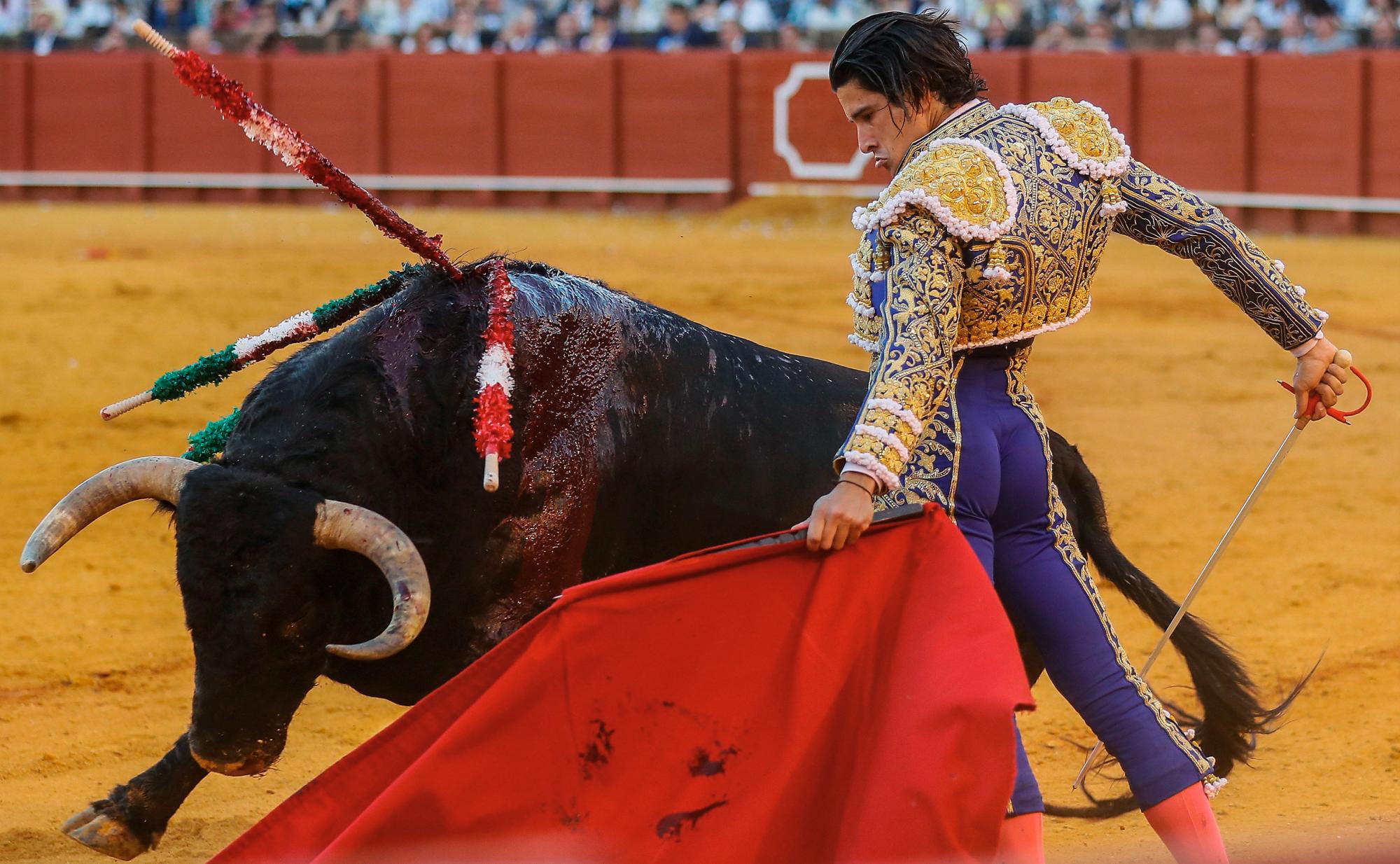
Picadors are replaced by all the same assistants, but already as a parcel. They stuck short peaks-onerillas into the animal's withers. And then the line of Matadora comes. At first, he plays with a bull with the help of a mule - a piece of red matter stretched on a wooden cane. There is a variety of technology of such a game. If the bull is too aggressive or even he manages to knock Matador from his feet, then assistants again come into business, distracting the animal from his boss with cloaks. The duel ends with the death of a bull, struck by a sword of Matador, who pierces the animal into the withers. After the death of the first bull, all the phases of the battle are repeated with other matadors, their cuadrillas and bulls. Well, spectators evaluate the skill of the participants of Corrida both in the grace of the game and the degree of its riskiness. If the public liked it, then the distinguished Matador is awarded with ears cut off by a dead bull. If the execution was especially outstanding, then the tail is also added to them, and the hero himself takes out the audience from the arena on their shoulders. Journalist Adolfo Rodriguez:
Adolfo Rodriguez: It is known that Corrida, close to the one we see today, was born only 300 years ago. Then her first rules appeared: how to behave to the torador in the arena, how to cause rage and kill a bull. The horses began to be used only by picadors. In the XIX century, Corrida is already organized in all the villages of Spain without exception - large and small, as a rule, during the annual holidays in honor of the holiest patrons of these villages.
In the 20th century, the rules of Corrida are even more tightened, more and more elements are added to them. For example, the first part of the battle, when injections of picadors are applied to the bull, loses its meaning. The main element is the actions of Matador at the end of the performance - his game with a mulet with an animal before applying a deadly blow by a sword. This trend intensifies with the advent of Toreador Juan Belmont. In 1912-1915, he brings artistic elements to Corrida. From now on, this is not so much about killing the bull, following certain rules, but about how beautiful, artistically playing with him, turning Corrida into an exciting, full of emotions performance, genuine art.
The founder of modern Corrida, in addition to Belmont, is also considered Hoselito El Gallo
Victor Cheretsky: In addition to Belmont, the founder of modern Corrida is also considered Hoselito El Gallo. Both of them reformed the manner of conducting a fight and even the organization of the spectacle itself. So it is believed that it is for them that the Spaniards owe it to today's vivid performance. Adolfo Rodriguez.
Adolfo Rodriguez: Hoselito El Gallo was ahead of his time. His skill was based on strength and brilliant technique. In addition, he owns the idea that the attitude should be changed to the bull - not to apply deep wounds with spears, not to bring him to half to death at the beginning of Corrida, as was done earlier in order to protect and facilitate the final work of Matador. From now on, it was necessary to protect the bull so that it remained active to the end - until the final fight. And so that this duel is the most exciting moment of Corrida.
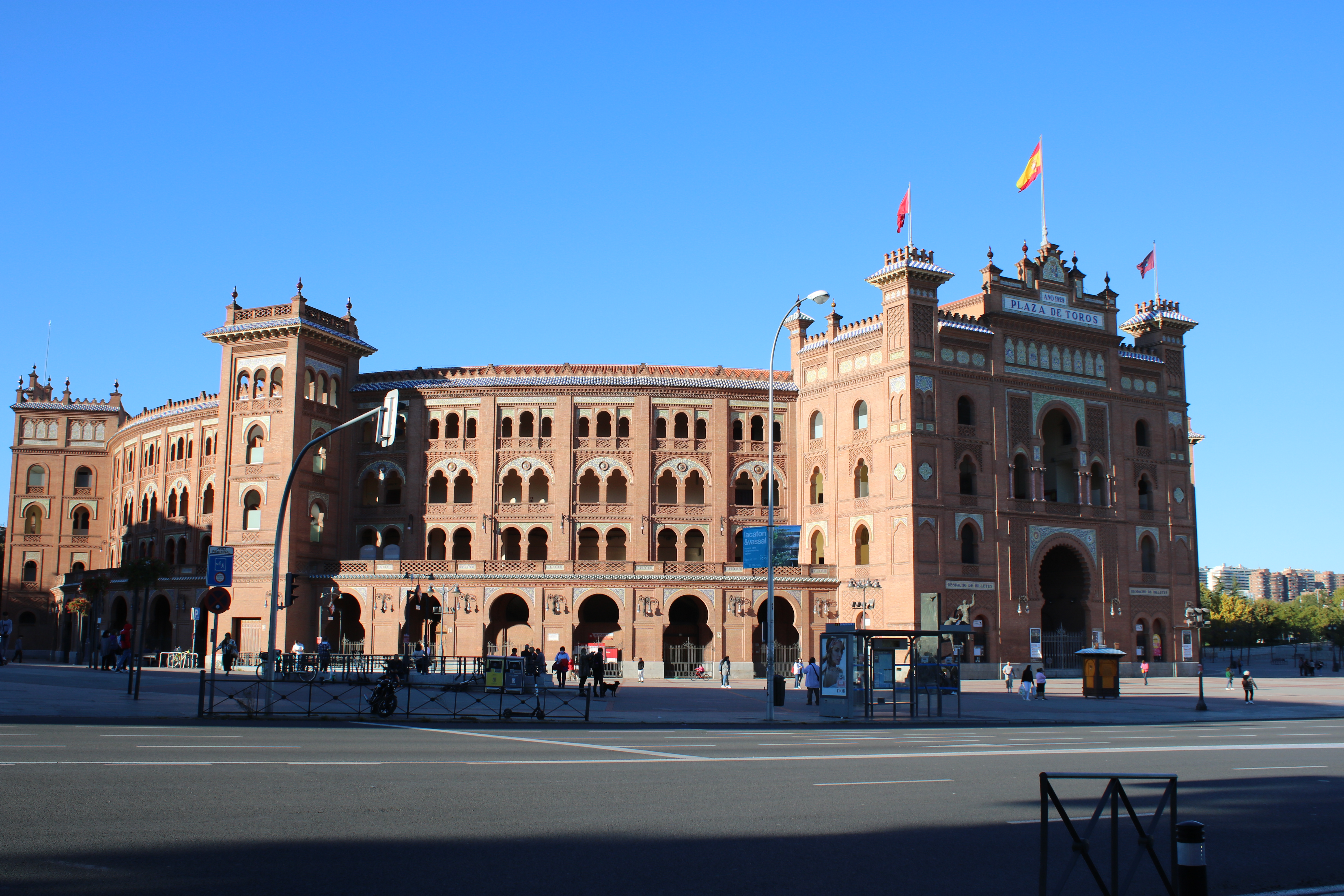
Hoselito was friends with many intellectuals of his time, including architects. He owns the idea to make Corrida more accessible to simple people by building large, so -called '' monumental ''. They had to accommodate tens of thousands of spectators. The largest was built at the beginning of the last century in Madrid. Thus, tickets have become cheaper. It was a kind of organizational revolution in the industry. Well, Belmont made a revolution in the battle technique. Previously, Toreador constantly ran around the arena, trying to dodge the bull horns. Belmont was the first to run, but calmly stood in front of the animal, not moving. He only turned and, playing with a mulet, directed the attack of the bull away from himself. From that time, a special chic has become for Matador, despising the danger, to kneel before the bull. This manner of battle dominates Corrida so far.
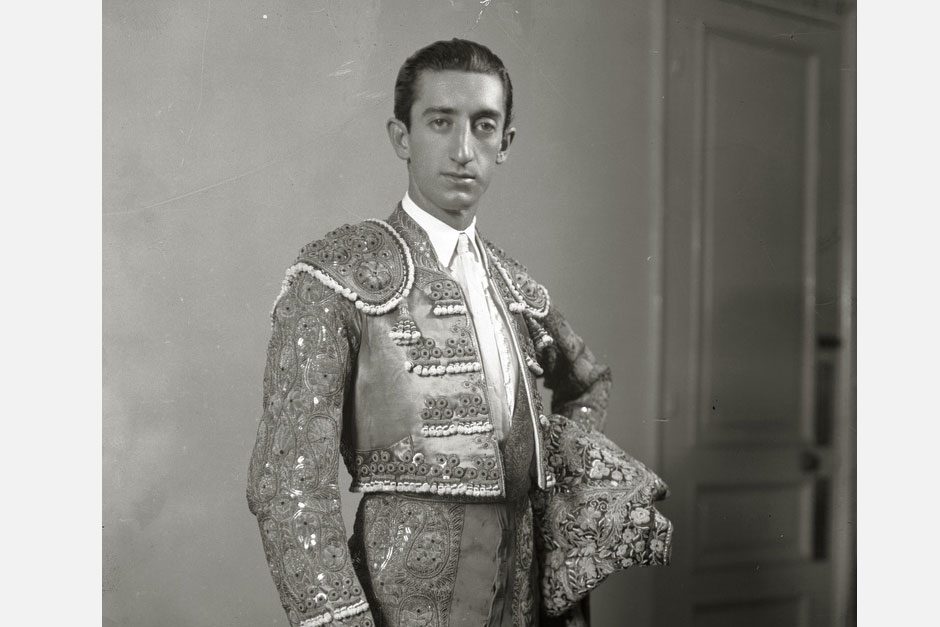
Of the other outstanding Toreadors of the past, you can call `` Manilet '', Manuel Benites '' El Cordobes '' and Antonio Ordones. The outstanding Toreador of our time is Jose Thomas, who has already completed his career. However, it is not easy to determine the best threesh. In every decade there were outstanding masters of their craft.
Victor Cheretsky: The mentioned '' Manleta ''-Manuel Laureano Rodriguez was dedicated to Matadora in July 1939 at a ceremony in Seville. In the 44th year, for a six-month season, he performed in 92 Corrida and became the true hero of Spain of that time, the personification of courage and chivalry. At the top of glory, he lasted eight years. '' Manlet '' died in the arena in the city of Linares in the 47th year.
As for the current Matadors performing in Spain, three of them are called the best: 43-year-old Morant de la Puebla, a native of Andalusia, 26-year-old Peruvian Andres Rock Rei and Jose Marie Mansanares, a native of Alikante. He is 41 years old.
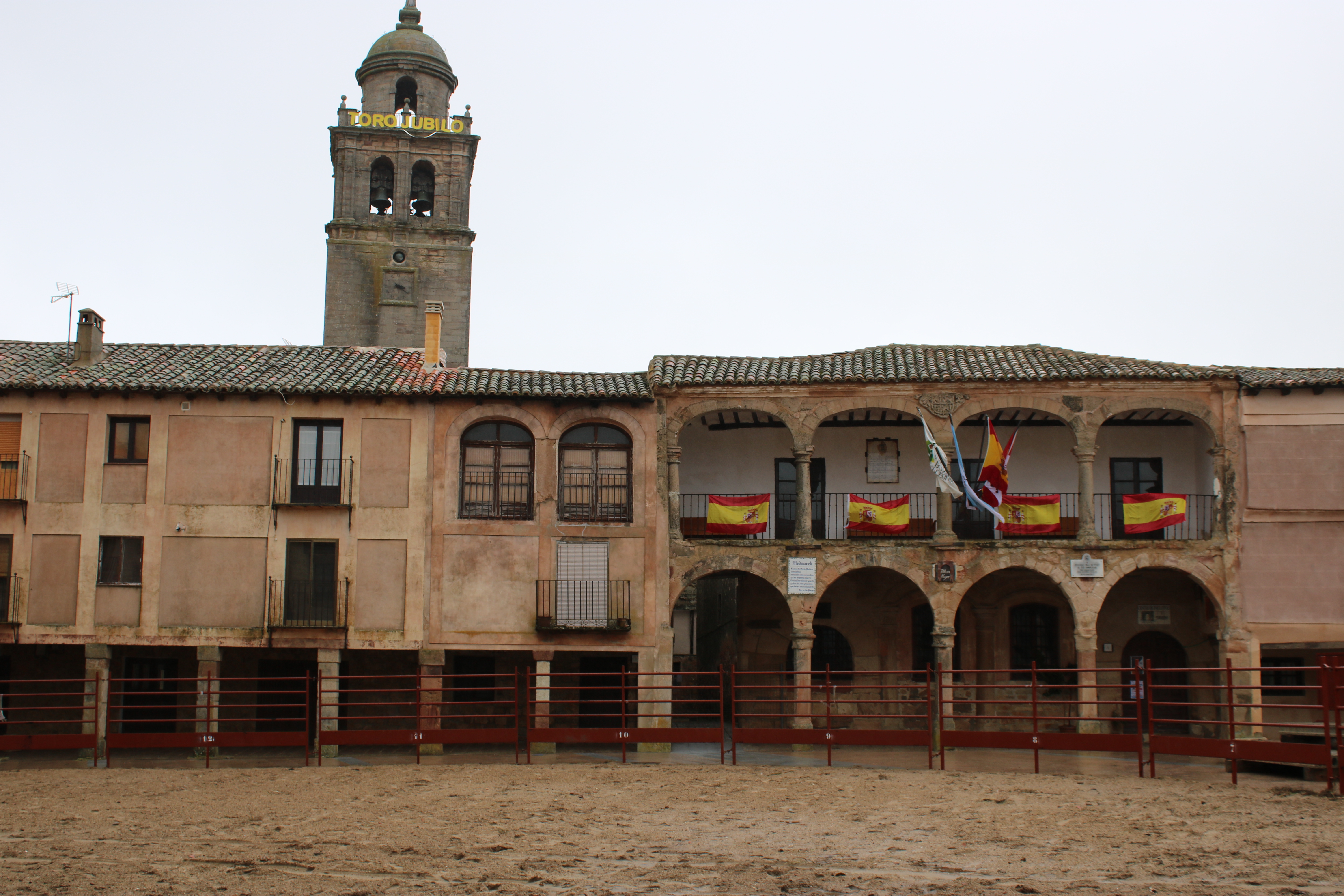
Well, the large arenas, which began to be built according to the Hoselito idea, exist today not only in Madrid, but also in Pamplona, Seville, Valencia, Cordov, Bilbao, Saragos and other large cities. In small villages, where there are no permanent rents, on holidays they usually use prefabricated trucks, or arrange corrida, as in the old days - in the city square.
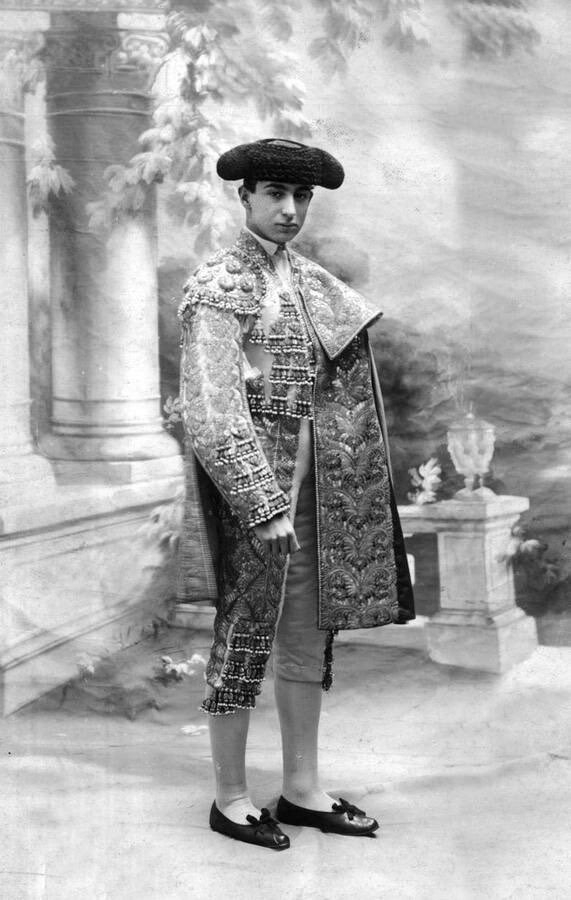
Speaking of Corrida, one cannot ignore such a question as the clothes of its participants. The most luxurious - the main character - Matadora. In principle, we are talking about the costume of the late XVIII century. This is a short jacket with shoulders, a vest, trousers just below the knees. The color of the costume is chosen by Toreador himself. All elements of his wardrobe are embroidered with gold and, in addition, are decorated with sparkles. Golden drawings are sewn - the most intricate and cover the entire suit. Because of its brilliance, this clothing is called '' costume of lights ''. By and large, each similar outfit is a work of art. In Spain, exhibitions of Toreador clothing are often arranged. It is sewn exclusively to order, and there are few masters who can do such a job. One of them is Enrique Vera working in Madrid.
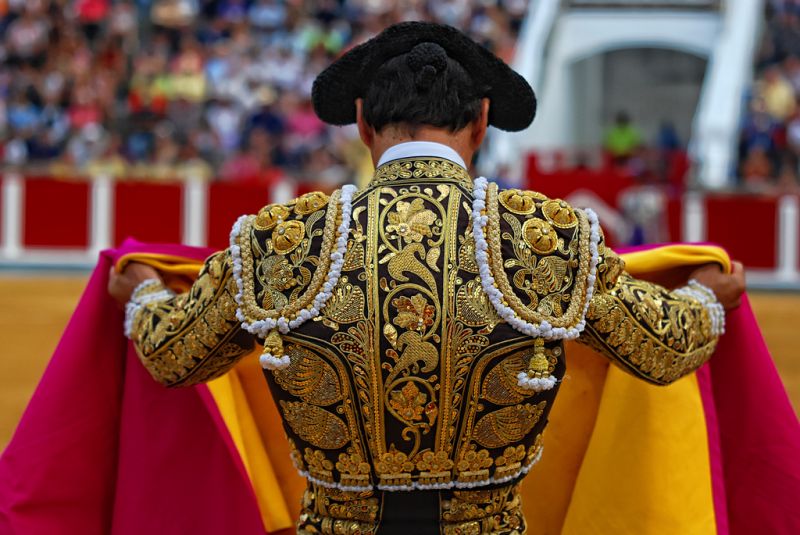
Enrique Vera: In our profession, we are talking about painstaking creative work, so the master should love his job. Working on another suit, we are trying to create something unique. We are aware that we dress a person playing with death, that we participate in the creation of Corrida as a performance, as art. All gold sewing is performed manually. So for the manufacture of one suit takes at least 40 days. Now, unfortunately, few are doing this. After all, this is a very difficult job, and the people are looking for what is simpler. Of course, there are certain canons in decoration, but we are trying to add some new elements of the pattern every time. In addition, we managed to slightly reduce the weight of the suit, which previously weighed to 5 kilograms, and reduce its price, which on average was 3.5 thousand euros.
My father, my uncle, my cousins - all professional Thoreadors
Naturally, we like Corrida. This is our whole life. My father, my uncle, my cousins are all professional toradors. And my grandfather and my mother were engaged in sewing costumes. Now my daughter is starting to do this, so the family tradition continues. I teach it to sew it myself, since there is no school, there are no textbooks that would teach Toreador's costume sewing. In addition, our colleagues, as a rule, prefer to keep the secrets of their craft secretly and do not have students. I believe that this is wrong, because it complicates the continuity of the profession. But our profession should be preserved in the future.
Victor Cheretsky: To participate in Corrida, only military bulls are suitable. As we have already said, they are bred in specialized farms. The content of these bulls is significantly different from the content of cattle on ordinary farms. Says Adolfo Rodriguez:
Adolfo Rodriguez: There are several regions in Spain where they are engaged in breeding combat bulls. This is Madrid, Castile-Lamansch, Estremader, Salamanca and Andalusia. Bulls in different farms are different. For example, a farm belonging to the Domek family grows bulls, which the Thoreadors like the most flexible character. The public is more likely to the bullry from the farm Victorino Martin. They are tireless in the arena. Well, and the oldest farm is '' Mure ''. He is more than 150 years old. Here they bred the bulls dangerous for the toradors. They killed 8 people, including “Manleta ''.
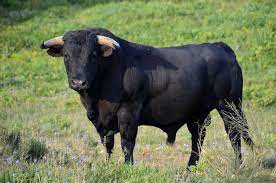
Victor Cheretsky: In total, there are 7 so -called “cast” fighting bulls that differ from each other with posture, sizes, shape of the head, neck, horns, character and so on. For example, the bulls' 'Mure' 'belong to Castra Cabrera' ', a' Domek '' - to Caste '' Vistaermos' ', which also include bulls from a dozen farms. What, in principle, is a combat bull, how is it different from the usual? It is known that its weight should be at least 450 kilograms, and age, that is, when the bull is suitable for Corrida, from 4 to 6 years. To grow such an animal should be from 4 to 5 thousand euros. Speaks Hulio Fernandez, a veterinarian and expert in Corrida.
Hulio Fernandez: The courage is laid in the genes of a combat bull. Immediately after birth, barely standing on his feet, he is able to attack a person, a dog, a horse, a car or a tractor. Thus, the main difference between a combat bull is its special aggressiveness. There are other factors, in addition to genes that affect the education of a strong and courageous animal. The bull grows in natural conditions with pure ecology, for a long time eats mother’s milk. The conditions of its content can be called semi -free. The animal constantly grazes in the meadow along with other bulls, usually of the same age. And so up to 4 years. Thus, the combat bull is very different from the usual.
The fighting bull is closer to the tour than to ordinary bulls and cows
Professor of Madrid University of Complutates Martin Roadan spoke 20 years ago that combat bulls are a special feat of cattle. He made a similar conclusion based on anatomical analysis. Features of a combat bull are associated with the fact that for centuries it was prepared - by selection - for Corrida. For example, his brain is more developed. He is characterized by a constant struggle for championship in a pack - fighting bulls often fight among themselves. And not only that. For example, now in various regions of Spain, the attacks of wolves on livestock have become more frequent. An ordinary young goby is attacked by an attacked mother, and the battle rushes towards the wolf and tries to fight with him. Such qualities resemble a tour that lived in Europe in the distant times of a wild bull, which, according to legend, was very aggressive and dangerous. A fighting bull is closer to the tour than to ordinary bulls and cows.
Victor Cheretsky: In the final of Corrida, bulls usually behave calmly, and even the impression is that nothing happens to them, that they do not feel pain, that they are not worried about the wounds inflicted by the pickdines, nor the injected bands. How is this explained?
Hulio Fernandez: The characteristic of a combat bull is important - its ability to produce endorphins. This saves him from pain. Endorphins are called morphins produced in the neurons of the brain. Ordinary morphine is the most powerful analgesic. Well, the bullfinas of the bull by their ability to resist the pain are 200 times superior to morphine. On the one hand, they block pain, and on the other, cause a sense of euphoria and suppress stress. So by the end of Corrida, despite everything he had to face, the bull does not feel stress. The level of endorphin in a war bull is so high that he does not experience pain even at the moment when he is injured by a matador swip, that is, before his death.
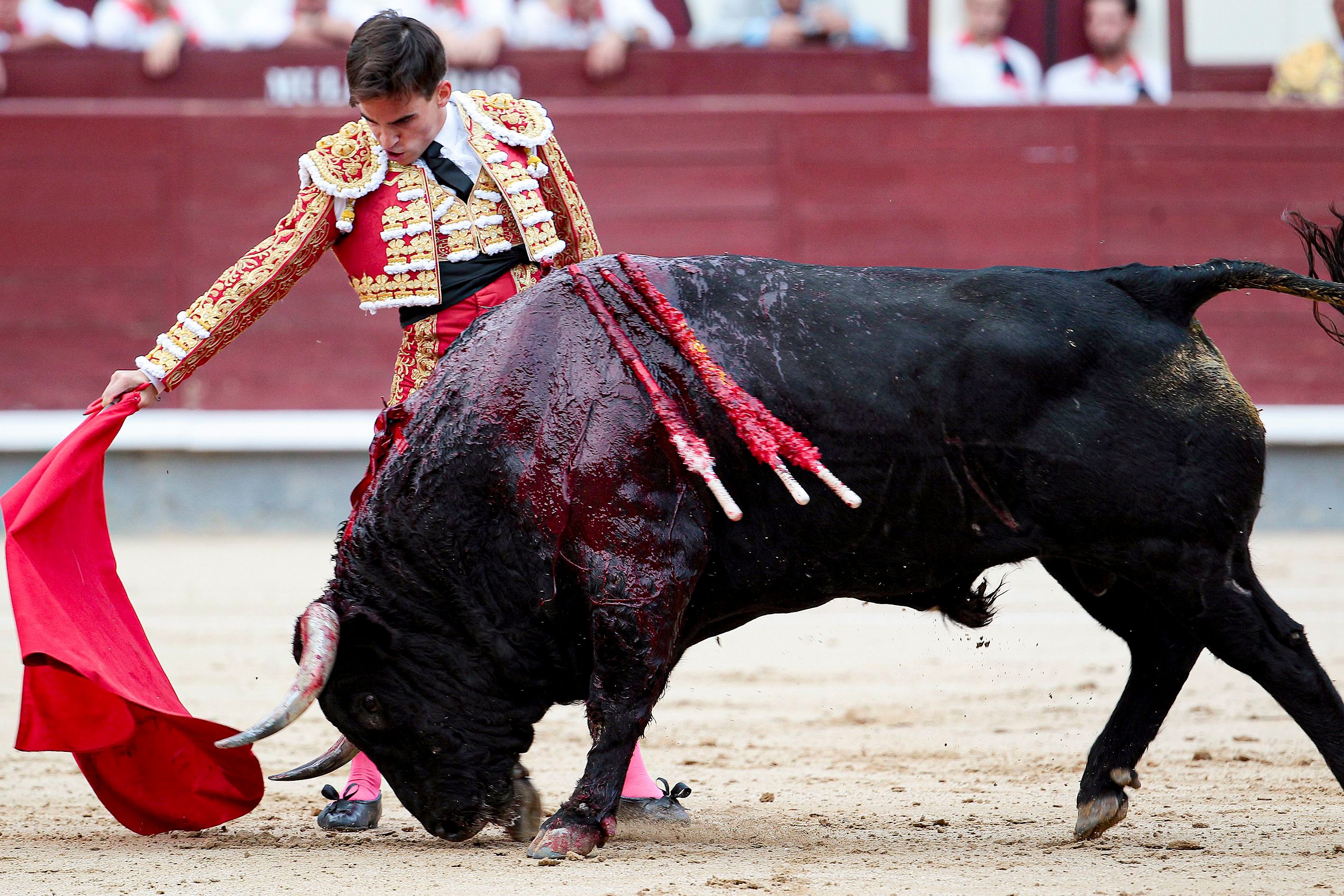
Victor Cheretsky: The latter statement clearly contradicts the opinion of opponents of Corrida, who, among other things, are constantly talking about the suffering of the bull. Their favorite form of protest is to completely undress, pour in red paint and lie on the city square, depicting the killed animal. One of the supporters of the prohibition of Corrida is the Catalan activist Pilar Raola.
Pilar Raola: It is necessary to prohibit everything related to torture and evil, with everything that makes us less civilized, fair and capable of compassion. A holiday, during which a noble animal dies to please the audience, does not honor any society. On the contrary, he makes us wild, evil people. The tradition, when the poor fellow-Toreadors are forced to senselessly risk life, has long been outdated. It is time for us to change and realize that such holidays only harm society.
Victor Cheretsky: Corrida is already prohibited in Catalonia, where for many years the defenders of animals fought with her for many years, how many separatists, as observers note in order to differ from the rest of Spain. As for the defenders of animals directly, many of them are against the prohibition of Corrida. And this is if only because combat bulls will immediately disappear with Corrida. The fruit of selection will disappear forever. After all, no one will engage in their laborious and expensive breeding only because of a love of such an occupation. Well, the existing number of noble, according to activist Pilar Raola, animals will immediately go to meat. Thousands of industry workers will remain without a livelihood. And yet, can Corrida survive? Does she have a future? Journalist Adolfo Rodriguez.
There is something mystical, cermonial in battle in the battle of bulls-that which resembles an ancient cult ceremony
Adolfo Rodriguez: A lot of things mixed in the battle of bulls. It has something mystical, ceremonial-that which resembles an ancient cult ceremony. And it has a lot of artistic, artistic. In addition, we should not forget that Corrida is an extensive business, an important sector of the Spanish economy in which many people are engaged. They are directly related to this area or work in related sectors. That is, not only the Toreadors, the owners and employees of the farms or the arenus live at the expense of the Bulls of the bulls, but also the owners of trade enterprises, restaurants and hotels who receive income by serving lovers of Corrida. So Corrida is a whole world and it is an art. What is not in it is barbarism. We are talking about the presentation carried out according to the rules. A combat bull is the only representative of a kind who is allowed to die with dignity in the struggle for his life. In addition, if the bull is very daring and hardy, then his life remains after Corrida, he is sent back - to the farm where he grew up, and where after returning he is used to create offspring - lives until his natural death. This is not an ordinary calf who is taken to a massacre and which is born only to be scored at an early age.
The bulls have a future while it attracts people while the audience fills the rostrums of the Arena. It should be noted that Corrida in Spain does not use either state subsidies or help from any regional authorities. She lives at the expense of millions of fans who visit this sight annually. Of course, not all Spaniards like Corrida. But amateurs go to her many times per season. The battles of bulls also receive income from broadcasting on private television channels, commercial advertising is built on them. It seems that the authorities will not forbid Corrida until it is in demand.
Victor Cheretsky: Note that Corrida attracts not only the Spaniards, but also many foreigners, including outstanding people. Her passionate fan was Ernest Hemingway. Corrida is described by him in such works as “Death in the afternoon '', '' and the sun rises' ',' The dangerous summer ''. The writer often visited the holidays of St. Fermin in Pamplon and St. Isidore in Madrid. It is during these holidays that the most magnificent corrids in Spain are arranged with the performance of the most outstanding Toreadors.