
Translated material
The will of the birth
Iran introduces “abortion patrols”, registration of pregnancy tests and creates the search centers for spouses. This is unlikely to prevent a new wave of protests
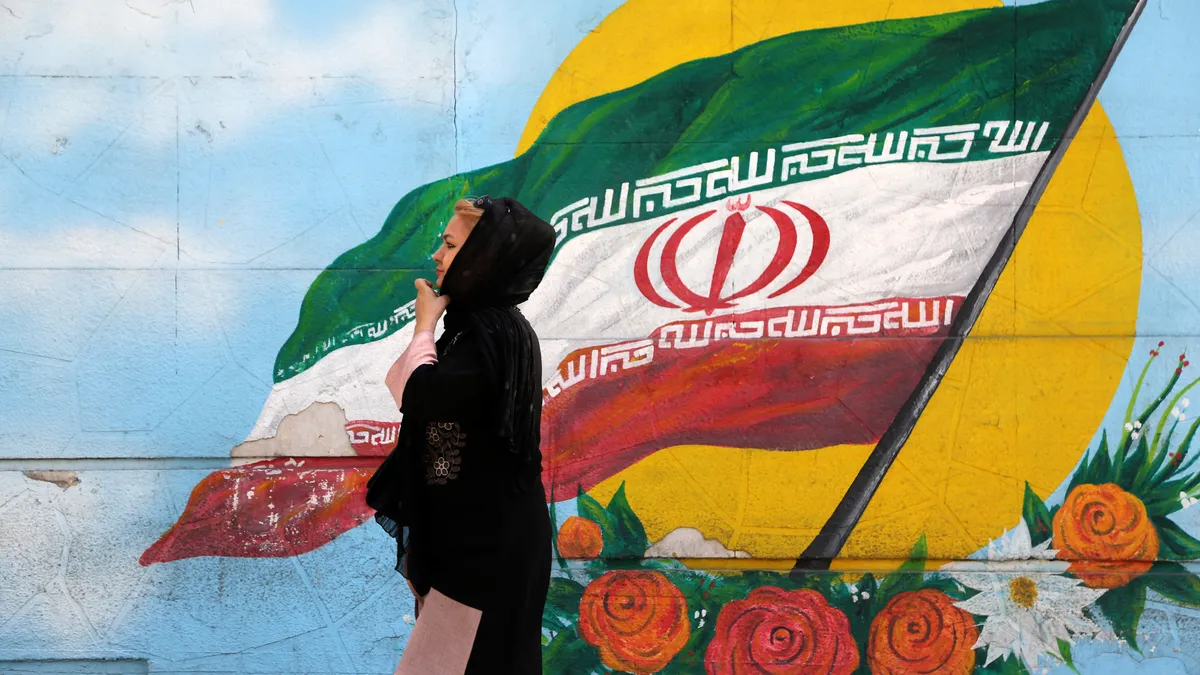
Tehran, Iran, September 2022. Photo: Fatemeh Bahrami/Getty images
At the end of May, Iran announced the creation of specialized patrols to combat abortions. Formally, their appearance was explained by attempts to confront the reduction of the population of the Islamic Republic in recent years. However, it is more likely that the new restrictions on women's rights were the result of last year’s mass protests - the largest in the latest history of the country. In the course of clashes with the authorities, about 500 people died then.
Protesters did not wait for concessions. And although the leadership of Iran managed to suppress the demonstrations, now the authorities have to invent new methods of monitoring the private life of their citizens, explaining this by the struggle for the “moral appearance” of the residents of the republic. The country has already used facial recognition systems to search for women who visit public places with their head uncovered and a ban on the use of a car is introduced if a woman was traveling in it without a hijab. What will lead new restrictions in the Islamic Republic, especially for the “New Evrope”, was sorted out by an orientalist, the author of a telegram channel about the Middle East Ruslan Suleimanov
“Over the past seven years, the birth rate in Iran has decreased by 35%. In the next 30 years, the average age of residents of the republic can be one of the highest in the world, ” said Halil Ali Mohammadzade, director of the Iranian Analytical Center for the Study of Health of the Population and Family, in an interview with the Tasnim State Agency. He also added that recently in Iran there have been big problems with reproductive health: a high level of infertility in men and women, as well as the frequent use of cesarean section in childbirth (almost 56% of cases).
According to the new idea of the Iranian authorities, one of the ways to increase the birth rate should be tightening the fight against illegal abortions. At the end of May, the representative of the Iranian Ministry of Health, Saberi Faruji, announced that specialized “abortion patrols” entitled “NAFS” (“Spirit”, “Soul” in Persian), which will consist of representatives of the militarized Baside militia, will be created in the country. They will identify doctors who illegally carry out abortion, and deprive them of their licenses, and women who want to terminate the pregnancy - “severely punish” without specifying how exactly.
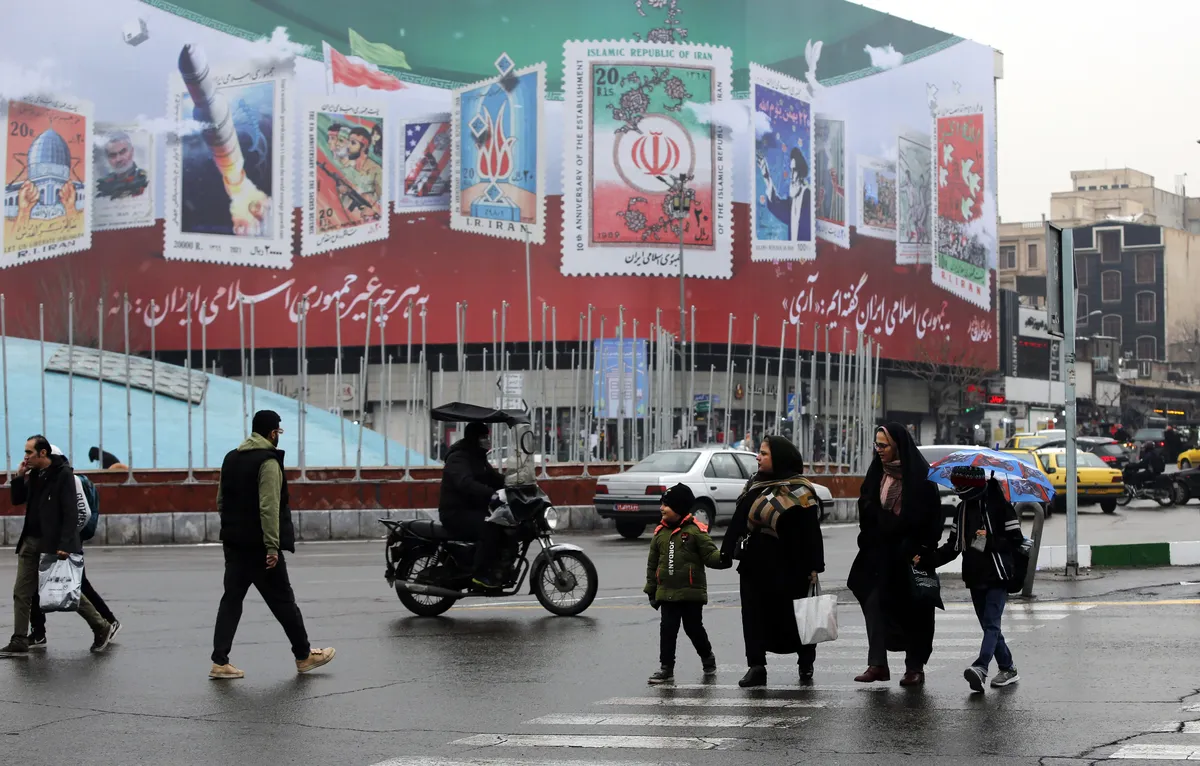
The struggle for women in labor
In Iran, abortion is allowed only for medical reasons - when there is a threat to a woman’s life or there are violations in the development of the fetus. Any other termination of pregnancy is punishable by real prison conclusion from two to five years. Moreover, under punishment, as a doctor and a patient can fall. In addition, the countryis prohibited by the open sale of contraceptives (they are released only according to recipes), as well as sterilization operations in men and women.
-In Iran, there is completely no sexual education in schools or even universities. Before the 1979 revolution, the husband’s consent was enough to carry out an abortion, moreover, then this procedure could be done even in relation to unmarried women.
With the establishment of the Islamic Republic, the decision on abortion is now issued by a special commission, which includes a doctor and special subsidies
(representative of the judicial system). The last word remains behind this judge. Therefore, many, especially unmarried women, decide to make abortions in underground clinics, and sometimes at home, in unsanitary conditions, ”explains the Iranian political scientist Amir Chahaki living in Europe.

In the Islamic Republic with a population of almost 88 million people, according to approximate estimates ) the Iranian authorities themselves, about 650 thousand abortions are carried out annually, moreover, 95% of them are illegal . “If we manage to prevent at least 10% of abortion, we will contribute to an increase in the population of our country by about 25-65 thousand people,” says Mohamadbegi, a member of the Parliamentary Health Commission and medicines.
In early June, the authorities of the Islamic Republic also announced the registration of absolutely all women whose pregnancy test gave a positive result - in order to track which of them gave birth and who did not. In addition, in Iran, at the initiative of the authorities, the search centers are actively created, the purpose of which is to help young people form a family in accordance with Islamic norms. In total, it is planned to create about 300 such centers throughout the country.
At the same time, the Iranist and the author of the telegram channel “ Denerial on Iran ” Nikita Smagin, such initiatives as the creation of “abortion patrols”, for the authorities of the Islamic Republic are a way to return society to normal after mass political demonstrations over the past several months.
- After large -scale protests at the end of last year, the country's leadership is now trying to return society to its previous state. In the representation of conservatives that are in power, for example, the death penalty is just one of the forms of interaction with society. The same thing with abortion: the authorities see a reduction in the level of the population and therefore want to fight abortion. But I would not have been talking about the initiative with specialized patrols yet: in Iran itself, this topic is still not discussed, ”the expert emphasizes.
Take -off and sunset of protests
On September 16 of last year, 22-year-old Irank Kurdish descent Mahs Amini died in a police station in Tehran three days after the detention of the “morals police” for improper wearing hijab. This event caused the largest wave of protests in the modern history of Iran, that is, with the Islamic Revolution of 1979.
Mass demonstrations took place in the country earlier, but they, as a rule, wore an economic or clear political connotation. For example, in 2009, spontaneous protests (“Green Movement”) arose in Iran against the results of the presidential elections in which the conservative Mahmud Ahmadinejad defeated the reformer of Mir-Hosein Musavi.
However, the protests of the fall of 2022 were against the very foundations of the theocratic regime in Iran. The driving force of protest was women who defiantly broke off their hijabs, as well as students who captured entire camps of local universities. The most popular slogans of the demonstrators were Marg Bar Dictator! (“Death to the dictator!”) And especially “Zan. Zendgs. Azadi ”(“ Woman. Life. Freedom ”).
In total, according to human rights activists , from September 16 to December 2, 2022 at least 1641 protests throughout the country were recorded. By the end of December, at least 476 people were killed by the hands of the security forces, including those who opened fire to defeat through protesters, including at least 64 children and 34 women. According to the UN , more than 22 thousand people were arrested for participating in demonstrations, more than 100 were sentenced to death. Already in December, the authorities, in violation of legal procedures, hastily affected ) two death sentences, moreover, one of the executions was public , which is a very rarity for Iran.
Around the beginning of 2023, protest activity in Iran began to naught, but, according to experts, this is practically in no way connected with death sentences.
- I believe that the death penalty did not play a special role here. Protest activity slept naturally: when people go out on the streets for about three months, but no changes occur, sooner or later the number of demonstrators is inevitably reduced, ”explains Smagin.
According to Amir Chakhaki, in addition to the cruelty of the authorities, the protesters failed because they did not have articulated goals and a clear algorithm of actions.
- The decline in activity would occur without pressure from the security forces. The same youth at the expense of their energy actively demanded changes, reforms, but most of the people supported the shares silently, remaining at home. In addition, the demonstrators did not have any ideology or pronounced leader, ”the specialist points out.
The investigation of the death of 22-year-old Mahsa Amini, in fact, was lowered on the brakes. “The authorities not only did not satisfy the numerous appeals of Amini's family to create an independent doctors' commission to investigate her death, but also refused her access to the opening protocol, as well as threatened her and put pressure on her,” the UN special representative of the Human Rights in Iran emphasizes . According to the official version, the girl allegedly died due to health problems, although the protocols of her detention were never made public.
New forms of public control
The leadership of Iran actually did not fulfill any of the requirements of the protesters, but only revised its strategy for monitoring private life.
- Around October to April, coercion methods were suspended. It was as if the same “morals” disappeared, but formally it was not eliminated, ”Smagin points out.
So, among other things, on April 8, the Iranian police informed about the beginning of the use of “smart cameras”, which should identify violators of the dress code. After that, a wave of closing shops, cafes and restaurants in which women were noticed without a hijab swept through the country. In addition, some car owners began to come electronic notifications of violation of the laws of the country (“non -compliance with the rules related to hijab”). After warning, a message comes about using the machine for 15 days.
In parallel in the Islamic Republic, the number of death sentences began to grow sharply, moreover, not necessarily related to politics or participation in protests. So, from January to May in Iran, 209 death penalty were carried out. Most of them were associated with drug trafficking.
At the same time, in the Iranian parliament in closed mode, there is a discussion of amendments to the law “On Hijab and Chastity”, which, according to legislators, will have to put an end to the disobedience of women. Among other things, according to the leaks in the media, the leadership of the republic plans to establish cash fines for the wrong dress code in the amount of 5 million RIAles ($ 10) to 240 million (480 US dollars) for recidivists. The bill also gives law enforcement officers the right to apply violence against women who dress inappropriately and refuse to comply with the requirements.
On a powder barrel
Today in Iran there is no protest activity that was at the end of last year, but nevertheless the authorities of the Islamic Republic have many reasons for concern.
Firstly, local demonstrations periodically flash in different corners of the country. Secondly, protests acquire completely new forms that may not be so obvious at first glance.
- For example, now a huge number of women defiantly appear in public with an uncovered head. And this is a completely new reality for Iran, ”Smagin explains.
Readiness for political mobilization is an integral part of the socio-political landscape of the Islamic Republic.
“If, for example, in Russia, until 2022, demobilization was based on the political interaction of the authorities and society, then the Iranian leadership has always strove to mobilize the population, for its active participation, for example, in the same elections,” the expert emphasizes.
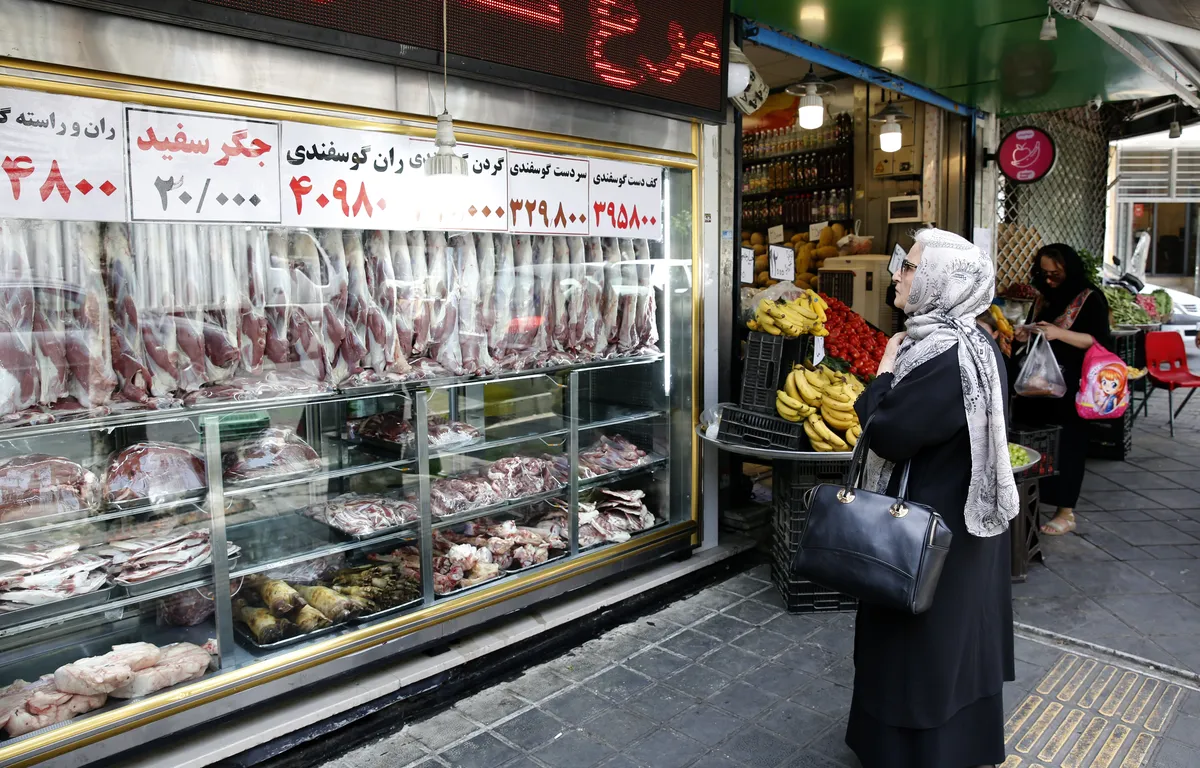
In the absence of official statistics, independent Iranian media report that in May the level of inflation in the country reached 70%, which is 20 percentage points higher than the latest official data published in January. The national currency in relation to the dollar since the middle of last year has collapsed about double - from 300,000 rials per dollar to 550,000 rials per dollar. Therefore, the situation in the economy and in the regions looks still dangerous for the Iranian authorities.
According to Chakhaki,
Many in Iran are now waiting for the parliamentary elections scheduled for March next year, thanks to which reform forces can return to parliament.
In 2020, the prolorist wing of the Iranian elite suffered a crushing defeat in the elections, leaving only 20 mandates instead of the existing 121 in the last convocation of parliament. The conservatives, or principalists, then received the 221 deputy chair, while only 83 had in the last election. In addition to this, in the 2021 presidential elections, where many serious competitors from among the reformers were not allowed, the conservative Ibrahim Raisi won (with the lowest appearance in history - 48.5%).
It is conservatives that now determine the Iranian policy and pursue laws through parliament that tighten the already harsh legislation of the Islamic Republic. Therefore, many have hope for the upcoming parliamentary elections next year, where, perhaps, reformers, including the former president of the country Hatam and former Prime Minister Musavi, will be able to take revenge.
- Given the difficult position in which the country is now, and the unwillingness of conservatives to make concessions, mass protests can erupt at any time. I think already in the coming months, ”the chahaki predicts.