
Translated material
What should we do with us?
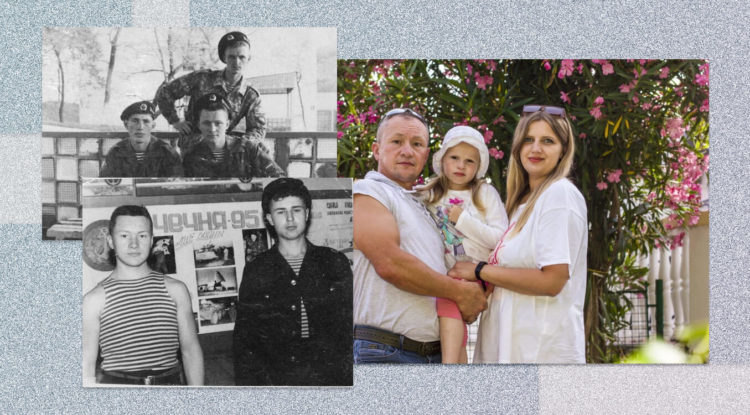
Thousands of people return from the front with the PTSD. Ruslan Anarkulov was able to cope with him - and now against the war
In the late 1960s, dozens of thousands of American soldiers who returned home from the war in Vietnam began to show the same symptoms: regular nightmares, flashbacks, a tendency to dependence, an outbreak of aggression up to violence; About nine thousand of them committed suicide. Over time, this was called post -traumatic stress disorder - it arises not only in people who are fighting, but also in those who are experiencing other injuring events. According to the calculations of the Russian BBC service, PTSD can appear in 21 thousand Russians who fought in Ukraine-while there is no intelligible state program for these people in Russia. “Cold” tells the story of a war veteran in Chechnya, who was forced to fight his own PTSD, and explains how they usually treat such a diagnosis in Russia.
In order not to miss the main materials of the "cold", subscribe to our Instagram and telegram .
An unfamiliar street in Grozny. In the hands of Ruslan Anarkulov - a weapon, he is 48 years old, he sits in ambush and waits for the battle. Next to him is a frightened young conscript who is suitable for Anarkulov in his sons. Ruslan tries to reassure him: soon everything will end, the guy will return home unharmed, find the job, start the family. He is sure of this, because this guy is anarchil himself, who at the age of 19 was in the war in Chechnya. They hug, and the battle begins.
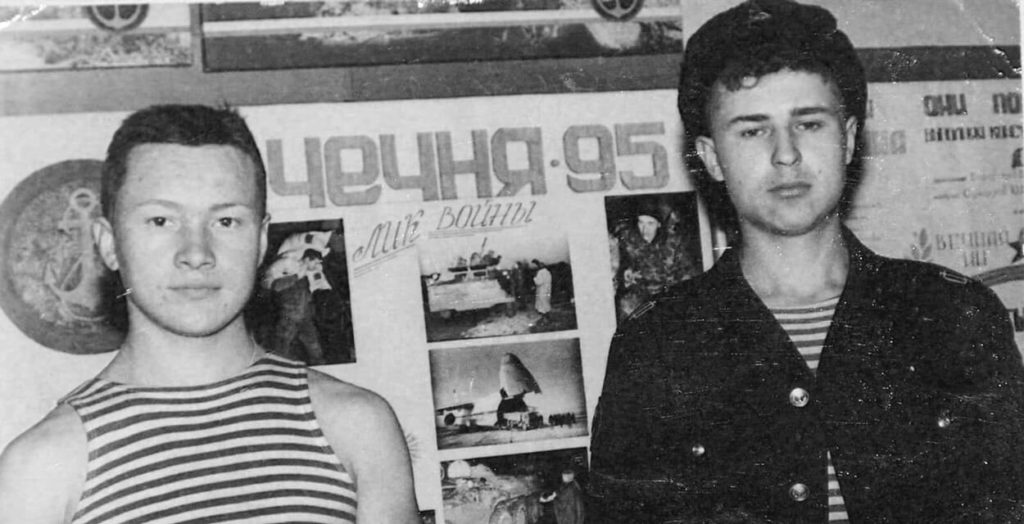
Anarkulov wakes up. He regularly sees dreams about the war for almost two decades - since in May 1995 he returned to his part in Vladivostok after five months in Chechnya. “There I experienced a shock,” Anarkulov tells the “cold” many years later. - I wanted to convey [to others] that in the war very quickly a person turns into an animal, right before our eyes. That war is a very cruel thing. But all my attempts to talk ... I realized that it is not interesting for people. " Some acquaintances were afraid of him at all, assuming that in Chechnya he went crazy.
After the demobilization, Anarkulov did not understand what to do next. In his native Siberian village, he felt lost and began to drink; On feasts, he tried to tell what was happening in Chechnya. In the afternoon, he recalled the war, at night he dreamed of him. When he thought about dead friends, he became ashamed: he lives, walks, meets with girls, but there are no more comrades.
Soon he entered the school of warrant officers in Chita, and when he graduated, he received work in the battalion of providing the helicopter regiment in one of the garrisons of the Trans -Baikal Territory. There he spent eight years. According to Anarkulov, he drank a lot all this time - especially when he met in the media or the Internet mention of Chechen wars. “Then there were a lot of videos with the frank executions of Russian troops,” he recalls. -I somehow sat on them: I watched these videos, drank and understood that not to talk to anyone about this topic. My acquaintances, whom the war did not touch, watched the video with executions as an entertainment, like a show. And it hurt me a lot. ” Many years later, returning to those experiences, Anarkulov suggests that his post -traumatic syndrome was manifested so.
The 48-year-old former military clarifies that he is “not a physician and not a psychologist”, however, in Russia, professional psychologists working in state hospitals and military hospitals often do not make this diagnosis to people who returned from the war. Independent psychotherapists suggest that former soldiers often do not want to communicate with specialists not even because they do not believe in their effectiveness, but because they are afraid that their words will be given to the authorities and this will affect their career. The contractor who fought in Ukraine and underwent rehabilitation in the sanatorium along with other military, told the Vitrost publication that when he complained to the local psychiatrist about the dreams of war and death, he diagnosed Munchausen syndrome - in fact declared that the patient is invented. As a result, men who participate in military campaigns unleashed by the Russian state often do not receive psychological assistance, even when they decide to ask for it. Like Ruslan Anarkulov many years ago, they have to cope themselves.
Listen to the audio version in the "cold" podcast:
Dead city
In 1994, when the first Chechen, Ruslan Anarkulov was a little soldier and guarded the arsenal of rocket artillery weapons in Vladivostok. He heard that in Chechnya “some riots began,” and says that he actually volunteered to go there for himself for patriotic considerations, believing television news: in them President Boris Yeltsin and his subordinates told about the brutal oppression of the Russian-language population and that “armed lawlessness was established on Chechen land”.
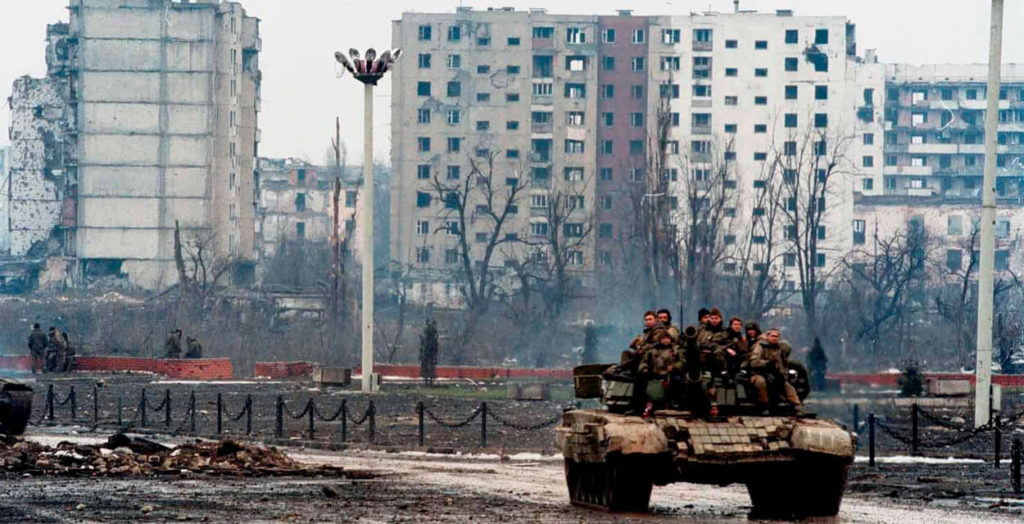
On New Year's Eve, Anarkulov was transferred to the Marine Corps division and sent to exercises that took only 10 days. Already in early January, the 19-year-old conscript was in Grozny-in fact, his unit was to partially replace the brigades that participated in the unsuccessful assault on the Chechen capital on New Year's Eve: despite the huge sacrifices, including among the civilian population, Russian troops failed to take the city.
When Ruslan Anarkulov was in Chechnya, his patriotic enthusiasm “greatly diminished”. Despite the fact that the authorities officially called what was happening “restoration of the constitutional order”, Anarkulov saw: this is a real war. “The center of Grozny seems to be a hell, even if you got there during a rare lull and nothing around it explodes, and only infrequent automatic lines fill the silence. The city is dead. There are no whole houses, there are almost no people without machine guns and camouflage, ”wrote journalist Galina Kovalskaya, who was in the capital of Chechnya before and during the assault. “To top it off, the apocalyptic picture above the city hangs, which covered the formidable with a dark cap.”
A few years earlier, the family of Ruslan Anarkulova left Tajikistan, where the civil war began; According to him, the battles in Chechnya were much more fierce.
“The city was in ruins, broken gas pipes, streets, especially in the city center, were burned, were littered with broken armored vehicles,” he recalls. - There were many corpses of people, it was often incomprehensible whether it was “ours”, or not, or simply passers -by. Near the torches of the gas it was warm, and the corpses spoiled, the smell was still. ” According to Anarkulov, mainly during his stay in Chechnya, he served on checkpoints, but several times participated in the "stripping" of the village.
“Usually we combed the terrain to find militants, mines and stretch marks,” he says. - When meeting with civilians, they checked their documents and the availability of weapons. And if it was necessary to chat with them, discuss agreements, then the senior commanders were already doing this. On our part, there was no lawlessness in relation to the local, as on their part in relation to us. ”
Crimes that Russian soldiers committed in that war were well documented ; Sometimes they even tried them. Anarkulov says that he did not see his colleagues to treat civilians poorly or Chechen fighters, but he still recalls one incident. Once he stood on a checkpoint by the bridge over the Sunju River: it was forbidden to cross it. When the civilian car tried to drive along the bridge, the anarkulov and his colleagues stopped her, brought people out of the car and began to think what to do with them. Passengers and the driver were not like Chechens, they did not have weapons with them, but also documents.
“I no longer remember whether the commander [units], or the deputy commanded him:“ Shoot them, ”says Anarkulov. “Naturally, no one was going to shoot them, apparently, they simply wanted to scare them to admit something in something.” The detainees were set to the wall, but, as Anarkulov says, they soon released. The next day, he saw the same car on the other side of the river. She was empty. The glasses were broken, traces of bullets were visible in the case.
According to Anarkulov, the authorities promised that their unit would spend three months in the war, but in the end they waited for the shift until May. What he managed to see in Chechnya for this short time is still pursuing him.
To alcohol, in forests, in fields, in the tundra
The obsessive memories of the war and the nightmares that pursued Anarkulov are one of the most common symptoms of post -traumatic stress disorder. PTSD develops after severe, extreme stress, which can be caused by various events, most often - such as a person on the verge of life and death: terrorist attacks, natural disasters, torture, sexualized violence, war.
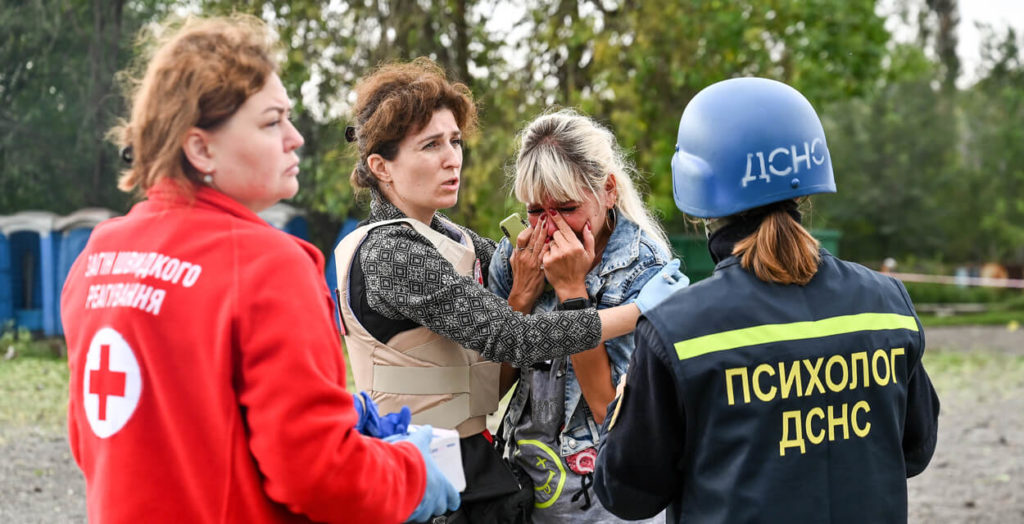
Such a difficult experience does not always lead to PTSD-what exactly it depends on, it is certainly unknown, but scientists believe that the risk of PTSD is higher if a person in the past has already experienced some strong shock. According to Harvard Professor Richard McNelli, general mental health problems, a low level of intelligence and a predisposition to negative emotions can also affect this. In 2009, the symptoms of disorders revealed about a third of the residents of Chechnya residents who have experienced traumatic events during wars. In Russia, according to various estimates , 30% of Afghan war veterans and 15% of liquidators of the consequences of the Chernobyl NPP collided with the PTSD. Psychiatrists from the Center for Psychiatry and Neurology named after Bekhterev noted that people who fought and were wounded are especially susceptible to PTSR: an upset can develop about every third.
“The war gives two PTSRA categories: stenic and asthenic,” says the psychotherapist Evgeny Alexandrov, who works with the PTSD and advising veterans of the Afghan war. - Stenic is hyperreactivity and anger, “I’ll kill everyone, I will remain one.” Such people have the same level of aggression as we have with you, but they easily gain gas, and they are poorly inhibited. Patients with asthenic PTSR become depressive. They will leave: from the family, to alcohol, to forests, to the fields, to the tundra. "
In Russia, post-traumatic stress disorder is diagnosed according to the criteria for the international classification of diseases (ICD-10). The clinical recommendations developed by Russian psychiatrists indicate that, in addition to nightmares and flashbacks, PTSR can manifest itself through insomnia and emotional detachment in relation to others. There are more than 10 medical questionnaires to identify PTSD, however, they do not guarantee accurate diagnosis: partly because the patient himself does not always tell the doctor about the symptoms.
Consultant of the Center for Psychological and Social Support of War Veterans “ Return ” Oleg Ivkov, like Ruslan Anarkulov, participated in the first Chechen campaign. When he returned from the war, he began sudden outbreaks of aggression. Once, when he walked along the railway and a train drove past with a roar, Ivkov experienced such a surge of anger that he screamed until the noise stopped. He decided to turn to a psychiatrist for help, but this did not bring a result.
“Then the only option was the psychiatrist’s office at the clinic,” Ivkov recalls in a conversation with the “cold”. - I came there, said that I returned from a hot point, I feel that and that, I would like to know how to deal with it. To which the doctor said to me: “Let us put you on accounting, put you on examination in a psychiatric hospital, and then we will decide what to do.” Ivkov did not like this proposal: the fact that he is on psychiatric accounting would radically reduce his chances of finding a job. According to him, the doctor said that she could not help: such an algorithm. “It offended me very much. I explained to her that I was normal, I just have strong tension and too strong emotions, and I don’t know how to live with it, ”Ivkov continues. According to him, only alcohol helped-but because of his binge he lost one job after another. This went on eight years until he voluntarily went to the rehabilitation center.
Now Oleg Ivkov works as a support consultant for support participants in Ukraine. According to him, they do not talk about experiencing at the front, but try to discuss everyday problems and attempts to integrate back into a peaceful life. Nevertheless, for Ivkov, some stories still turn out to be triggers that have to be discussed with a psychotherapist. Ivkov refused to tell the details to the Cold correspondent, as well as to recall his experience in Chechnya.
As the people who participate in the invasion of Ukraine began to return home, the media began to appear more and more news about the cruel crimes that they commit. The Wagnerian from the Kirov region stabbed an elderly fellow villager, in the Volga region a drunken volunteer killed his wife in front of the children, another military who returned from the front shot his wife. Unfinished aggression is a common problem associated with PTSD. “For example, I met a young veteran who bombed a taxi driver. He lost his PTSR, because no one helped him, ” said the doctor of sociological sciences Elena Rozhdestvenskaya, exploring the experience and heritage of the Afghan war. -He was extremely inclined to anger, could not control him and at some point, quarreling with passengers, flew into the chipper, and everyone died. It is impossible to remain normal if you shoot at another person. You must somehow process this experience and explain it to yourself and your children. ” According to Ruslan Anarkulov, two men with whom he served in Chechnya committed crimes after returning from the war and received a lot of prison terms (the cold failed to confirm this information) .
The Russian state rarely draws attention to the problems of the military with PTSD and their adaptation to civilian life. At the end of February 2023, the rector of the Eastern European Institute of Psychoanalysis, Professor Mikhail Reshetnikov, spoke at a meeting in the State Duma on the rehabilitation of the Russian military and said that the media was pumping a tantrum on the PTSRA from the front. He estimated the number of 1.2% of all participants in the combat operations (the calculation methodology) and stated that it is incorrect to compare the situation with the PTSD in Russia and the United States: the Americans waged “wars in foreign territory”, and Russia “wars on the protection of the Fatherland, their houses, their wives and children, their culture and identity”.
At the same time, the connection between the crimes of the military who returned from the front and the PTSD has been opened in Ukraine for several years. In 2019, at a meeting of one of the Verkhovna Rada committees, the judicial expert Sergei Ushenin pointed out that there was no concept of “PTSD” in Ukrainian legislation. A year earlier, Uscenin published a report in which he wrote that psychiatrists do not examine the serious crimes of the military and that in Ukraine there is no clear system for diagnosing post -traumatic stress disorder.
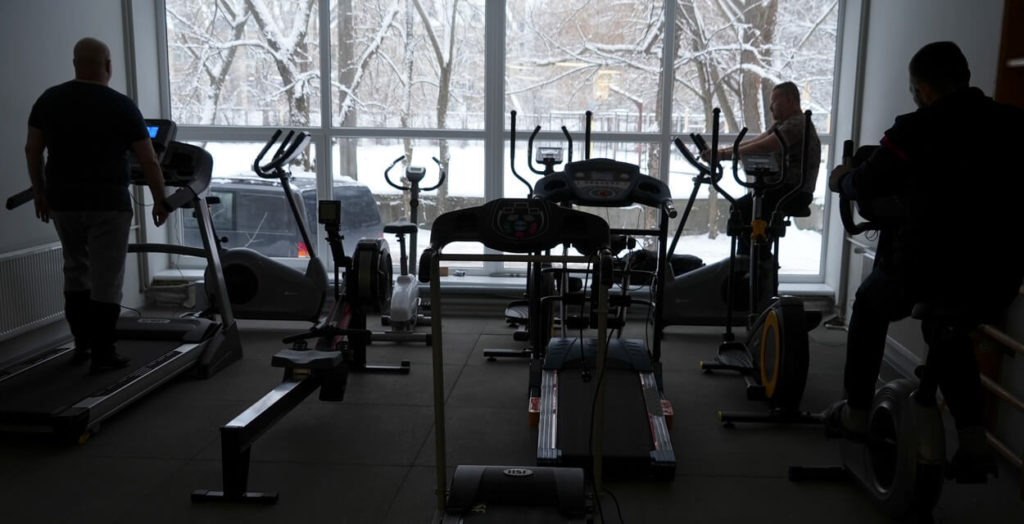
“In our Bakhmut pre -trial detention center, a stably high percentage of military personnel,” he wrote. - Almost none of them heard about psychiatrists, psychotherapists, psychologists during the service of service. The same can be said about those who returned from the war. Talking with the current or former military personnel who committed offenses, I know that with an absolutely probability I will hear that the main way to relieve stress at the front was alcohol. ”
In 2023, in the Verkhovna Rada they began to discuss the creation of a court on veterans. According to politicians, first of all, such a court will have to conduct an examination in order to figure out whether the crime committed is a consequence of post -traumatic stress disorder or not. Cases of this kind after 2014, when the Russians unleashed the war in the Donbass, in the country happen regularly. One of the most resonant cases was the case of Dmitry Balabukhi, who returned from the Donbass with a wound and a metal plate in the skull. In 2018, he stabbed a man at a bus stop after he began to threaten him. According to the lawyer Balabukhi, the prosecutor during the process said that the suspect of the military is forbidden to diagnose PTSD. He was sentenced to nine years in colony, but after February 24, he was temporarily released and sent to the front.
The long -term effect of post -traumatic disorder on the life of the military has long been studied in Armenia. Psychiatrist Margarit Tadvosyan recorded how the mental health of war veterans in Karabakh, which were diagnosed with PTSR, changed for 20 years. Veterans said that it is difficult for them to adapt to a peaceful life due to the indifference of loved ones, financial problems, as well as because the ideas about life acquired in the war were not needed in the “civilian”. In the first two years, this disorder led to hostility and aggression; A few years later they changed to “unmotivated boredom” and the desire to completely isolate from others; у многих начиналась депрессия.
«Некоторые ветераны осознают, что приносят реальный вред своей семье [своей агрессией]. Из-за этого они начинают психологически истязать себя мыслями о ненужности, никчемности, и смена этих состояний приводит к тому, что они самовольно уединяются, — рассказывает Тадевосян “Холоду”. — У меня были ветераны, которые говорили: “Я даже открыл новый проход в дом, сделал перегородку, чтобы не сталкиваться [с родными]”. Не потому что они не хотят общаться, а потому что понимают, что это столкновение может привести к новым конфликтам».
В 2021 году социологи попросили участников круглого стола ветеранов войны в Чечне написать самый актуальный вопрос, который они хотели бы обсудить на встрече. Одним из популярных вариантов был такой: «Почему чувствуешь себя виноватым за то, что выполнял свой долг?» После мероприятия один из ветеранов сказал исследователям: «Может быть, хотя бы вы объясните нам, что с нами делать?»
Помощник машиниста
В конце 1990-х — начале 2000-х, когда Руслан Анаркулов служил прапорщиком в Забайкальском крае, он изучал нормы снабжения военных в мирное и военное время. Так он понял, что ему и его сослуживцам в Чечне не доставалось самых базовых вещей. По его рассказам, за пять месяцев его подразделению ни разу не выдали чистую запасную форму. Обувь пришла в негодность в первый месяц — дальше носили то, что могли найти сами. Часто не хватало питьевой воды и еды — приходилось искать продукты в опустевших домах. Начальству, которое заводило разговоры о мародерстве, Анаркулов отвечал: «Извините, нам жрать нечего. Я это мародерством не считаю».
«В Чечне я в первый раз услышал фразу “Кому война, а кому мать родна”, — вспоминает он. — Видимо, обеспечение где-то и было, но до нас, солдат, оно в основном не доходило. Нам присылали какую-то гуманитарную помощь. Но почему регулярная российская армия должна выживать на гуманитарной помощи?»
Прапорщиком Анаркулов быть перестал, когда на него завели уголовное дело за превышение должностных полномочий. По его словам («Холоду» не удалось найти приговор суда) , он взялся провести «воспитательную работу» со срочником, сыном влиятельных родителей, который регулярно нарушал правила и игнорировал приказы. «Где-то, может быть, и превысил полномочия, дал ему пинка, подзатыльник, может, что-то грубо сказал», — признает Анаркулов. В тюрьму его не посадили, но из армии уволили.
Пока шел суд, Руслан пил все больше — и однажды «допился до чертей». В ту ночь он остался ночевать на полу в квартире у приятеля и через несколько часов проснулся от ощущения, что на него кто-то смотрит. Лицо было незнакомым и очень неприятным, с издевательской ухмылкой. Анаркулов протянул руку — и его ладонь прошла сквозь лицо. «Как сейчас помню, между полом и диваном расстояние очень маленькое, туда и рука-то с трудом пролезает, не то что человек. Я умом понимал, что не пролезу, но ничего не мог с собой поделать, [все равно попытался], скреб по полу, настолько мне стало страшно», — вспоминает Анаркулов. Он выбежал на кухню, включил свет, залез на табуретку и просидел там до утра в холодном поту. Приятели, которым он рассказал о галлюцинации, посоветовали похмелиться. В тот же день, возвращаясь в свою часть, он сидел в грузовой кабине вертолета, смотрел на дверь и чувствовал очень сильное желание выпрыгнуть. «Когда я прилетел, то понял, что дошел до ручки и надо завязывать».
По словам Анаркулова, после этого он не пил девять месяцев. Несмотря на то что после увольнения ему было тяжело, постепенно все стало налаживаться. Он нашел новую работу и стал помощником машиниста на железной дороге — для небольшого забайкальского города Могоча, где он теперь жил, у него была очень неплохая зарплата. Вскоре Анаркулов начал встречаться со своей будущей женой Юлей.
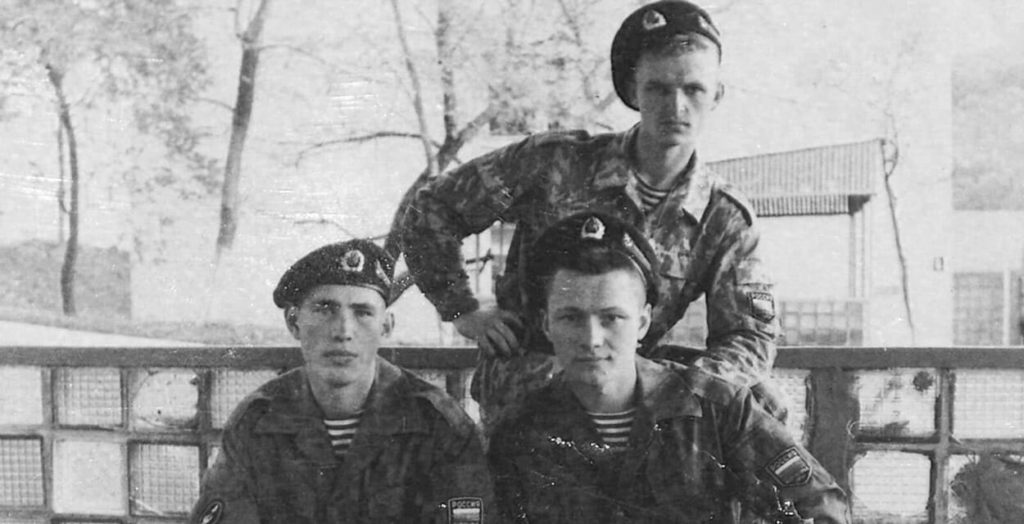
Тем не менее, как рассказывает Юлия, ее муж еще долго «не мог отпустить армию». Он коллекционировал медали, собирал списки ветеранов и статьи о военных, вступил в местный Союз ветеранов, вместе с которым несколько раз выходил на военные парады. «Это тяга к признанию твоих заслуг — все эти медали и ордена. У меня была моя родная медаль “За отвагу”, я ее долго вообще не носил, она лежала в коробочке. А тут напялил, раз вышел, два», — вспоминает Анаркулов.
Он даже заказал портному копию формы морской пехоты, в составе которой служил в Чечне, но в итоге так ни разу ее и не надел. Из Союза ветеранов он тоже постепенно ушел — и теперь считает, что все это «ерунда и детский сад». В своих наградах он тоже разочаровался. «Люди-то особо и не понимают, что это за медаль: “За отвагу”, “Мать-героиня”, или “Почетный рыболов”», — рассуждает он. Анаркулов начал увлекаться фотографией и рисованием, завел новый круг общения.
Одним из его друзей стал коллега — машинист Сергей Кобзарь. «Как-то раз у меня что-то случилось, что именно, уже не помню, и я начал обзванивать людей, просить о помощи, — вспоминает Кобзарь. — И Руська прибежал одним из первых. Меня тогда это так удивило, потому что мы с ним на тот момент не очень много общались». Еще раз Анаркулов удивил друга в 2022 году. Вскоре после начала российского вторжения в Украину он позвонил Кобзарю из Черногории и сказал, что решил резко изменить свою жизнь.
Человек ощупывает себя
В марте 2023 года российское Минобороны объявило о запуске программы по профилактике ПТСР для всех офицеров, побывавших на фронте (раньше она была рассчитана только на высший военный состав). 31 мая были утверждены новые стандарты для работы со взрослыми c ПТСР. По словам главы государственного медицинского центра имени Бехтерева Николая Незнанова, документ готовили «оперативно».
В нем перечислены, например, такие медицинские меры, как «воздействие климатом», «лечебный душ» и «ароматические лечебные ванны». Есть и более стандартные рекомендации — назначение антидепрессантов и психотерапии, — но без подробностей: например, не уточняются конкретные виды терапии, подходящие людям с ПТСР.
В США, где систему помощи военным с посттравматическим стрессовым расстройством начали разрабатывать после Вьетнамской войны, ведомства рекомендуют несколько эффективных видов терапии: когнитивно-поведенческую, когнитивной обработки, условно-рефлекторную и десенсибилизацию. Последний вид использует психотерапевт Евгений Александров, который больше 10 лет консультировал ветеранов Афганистана, а сейчас помогает российским военным, вернувшимся из Украины. Суть этого метода такова: психотерапевт просит пациента сконцентрироваться на травматических воспоминаниях и одновременно сфокусироваться на других видах стимуляции органов чувств: хлопках по рукам и ногам, звуках или движении глаз. Благодаря этому активируются участки мозга, которые помогают переработать и осмыслить травмирующую ситуацию.
«У меня мальчишка был недавно, артист балета, — рассказывает Александров. — Он испугался мобилизации, пошел сам [в военкомат] и сдался. Два сеанса прошло, человек стоит перед зеркалом, ощупывает себя: “Неужели это я?” Снова почувствовал тело, как хорошо дышать. Он даже испугался, сможет ли работать в таком расслабленном состоянии, потому что не привык к такому. Они [воевавшие] не могут расслабиться, вот в чем дело».
Жена Руслана Анаркулова Юлия говорит, что он «перестал жить» армией только четыре года назад — после рождения их дочери. Тогда же почти прекратились кошмары об убийствах на фронте. Руслан перестал заглядывать в папку, куда собирал информацию о военных наградах и званиях. Вместо этого он завел новую — посвященную строительству нового дома для их семьи.
Исследователь тревожных расстройств Ричард Макнелли в конце 1990-х изучал память ветеранов Вьетнамской войны и пришел к выводу, что если человек начинает считать травмирующее событие определяющим для своей жизни, то вылечить ПТСР становится гораздо сложнее. Некоторые ветераны, с которыми общался Макнелли, спустя десятилетия одевались так, как будто они все еще во Вьетнаме и «застыли во времени».
Профессор психологии Адам Браун считает , что с проявлениями ПТСР может помочь справиться самоэффективность: человек должен прийти к выводу, что травма не определяет его жизнь и он может ее контролировать. Вместе с коллегами Браун в 2016 году провел исследование, в котором участвовали беженцы с психологическими проблемами из-за травматичного опыта. Для них проводили групповые занятия, где учили повышать навыки самоэффективности: находить свои сильные стороны, обращаться за помощью и поддержкой и фокусироваться на позитивных событиях. Четверть участников в итоге сказали, что занятия им помогли и они чувствуют себя более уверенно.
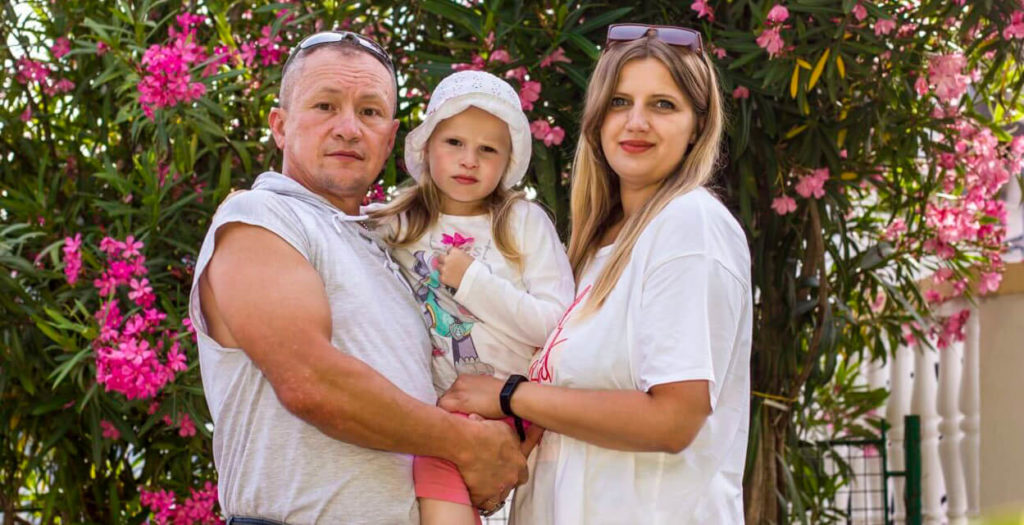
По словам Евгения Александрова, рождение ребенка — это кризис, который требует отказа от прежних установок и реакций; именно поэтому появление дочери могло стать таким важным фактором для борьбы Анаркулова с ПТСР. Позитивные кризисы могут мотивировать человека менять свою жизнь и не застревать в прошлом, в то время как негативные становятся причиной вторичной травматизации.
«Какая лучшая стратегия для человека на войне? Стреляй, если видишь помеху, а потом спрашивай, кто это, — рассуждает Александров. — И эту стратегию он начинает применять везде, потому что другой нет. Он начинает жену гонять, не каждая женщина вытерпит это — развод, кризис. На работе начинает на любое замечание реагировать остро. Какой начальник это будет терпеть? Firing. На улице полицейские подошли и докопались: “Ты что здесь куришь?” А он видит помеху, тут же в это состояние гнева входит — подрался с полицейскими, получил срок. Вот это вторичные эмоциональные травмы, они могут накручиваться и накручиваться».
Роль семьи в адаптации военного с ПТСР очень важна, считает психолог: восстановление будет идти быстрее, если родные не будут попрекать человека тем, как он изменился за время отсутствия, научатся чутко реагировать на смену его настроений, но не будут допускать агрессию в свой адрес: это приведет только к эскалации насилия. Чтобы снизить вероятность такого сценария, специалисты рекомендуют членам семьи тоже получить помощь психотерапевта.
By zero
К 2022 году Руслан Анаркулов управлял двумя маленькими магазинчиками с продуктами и хозтоварами. Он построил для своей семьи дом в Могоче, его жена родила дочь. Когда 24 февраля началась война, Руслан долго не мог в это поверить.
«Я был убежден, что, если Путин примет это решение, это будет его последний день у власти, — рассказывает он. — Я почему-то думал, что сразу начнутся беспорядки, что его снимут. Но я не ожидал такой поддержки со стороны населения, со стороны всех этих властных элит, силовиков. Я не ожидал, что среди моих знакомых будет так много людей, поддерживающих войну. Причем это люди, с которыми мы много общались и они критично относились к современной власти, к Путину, к тому, что происходит внутри страны. А тут началась война — и как-то все резко изменилось, такой подъем энтузиазма».
В одном из городских пабликов во «ВКонтакте» Руслан пытался объяснить, почему война против Украины — это преступление и ее необходимо прекратить. Кто-то, по его словам, реагировал агрессивно, другие, наоборот, защищали: «Он ветеран Чеченской войны, защищал страну и свой долг выполнил».
«Он рвался на митинги, хотел выйти один на площадь, плакат сделать, а я его не пускала, — говорит Юлия. — Я боялась, я знала, что его посадят и разбираться не будут. Город маленький, никто [за его пределами] и не узнает толком, что Руслан выходил. Это капля в море, она не имела бы веса для окружающих, но разрушила бы нашу жизнь». Через несколько месяцев после дискуссий во «ВК» полицейские пришли к теще Анаркулова, к бывшим работодателям его и его жены и даже в детский сад к их дочери. Потом они приходили еще раз — из-за флага Украины, который Анаркулов нарисовал на внутренней стороне забора своего дома. Но Руслана в России уже не было.
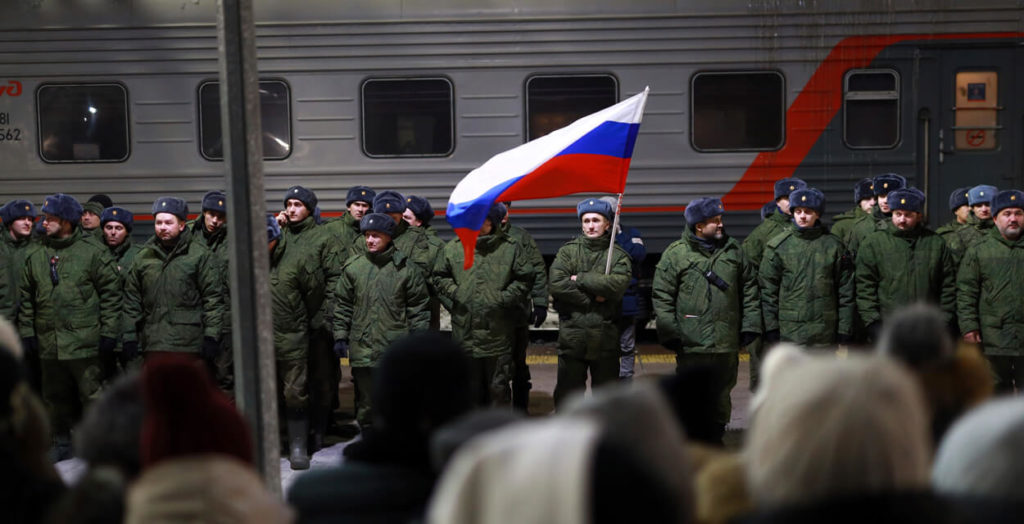
У магазинов дела пошли плохо еще с введением санкций, а когда Путин объявил мобилизацию, Анаркуловы поняли, что надо уезжать: хотя у Руслана как у сотрудника РЖД была бронь от мобилизации, он не верил, что она реально спасет его от призыва на фронт. Дом продали, большинство вещей отдали родственникам, с собой взяли один чемодан. Куда они едут и где будут жить, Анаркуловы толком не знали — но на войну Руслан не хотел идти ни при каких раскладах. В одном из своих публичных комментариев он написал так: «После того, что я там видел и по отношению к чеченцам, и по отношению к нашей армии со стороны государства и командования, после того, как я увидел отношение к ветеранам после войны, я принял решение никогда больше не участвовать ни в каких войнах!»
Последние несколько месяцев Руслан с Юлией живут в Черногории. Он устроился рабочим на стройку, она работает барменом в кафе. Юлия настроена оптимистично и к новым условиям адаптируется легко. Руслану это дается гораздо тяжелее.
«Ничего нашего не стало, — рассказывает Юлия. — Мы же с ним покупали машину, строили дом, там были наши вилки, ложки, гвозди, а сейчас по нулям. Он в панике из-за того, что на новый дом не успеет заработать, потому что он уже в возрасте. У него такое упадническое настроение, что мы это все оставили и теперь никто. Уже на пенсию скоро, а он рабочий на стройке, а мог быть начальником».
Тем не менее Руслан Анаркулов уверен, что иначе поступить было нельзя. Он уверен: люди, которые, как он когда-то, вернутся с войны, начатой Россией, обнаружат, что никто не спешит помогать с их травмами. «Я не знаю, на что они рассчитывают, — рассуждает он. — Думают, что они вернутся какими-то героями? Что их будут чествовать? Пройдет совсем небольшое время, и они будут никому не нужны. И так же [как ветераны чеченских войн] за бутылкой в компании они будут пытаться что-то рассказать, а никто не будет их слушать».