
Translated material
In Europe they heard Wagner
At the next European Union summit, they decided to strengthen Ukraine’s support and tighten his attitude towards Moscow
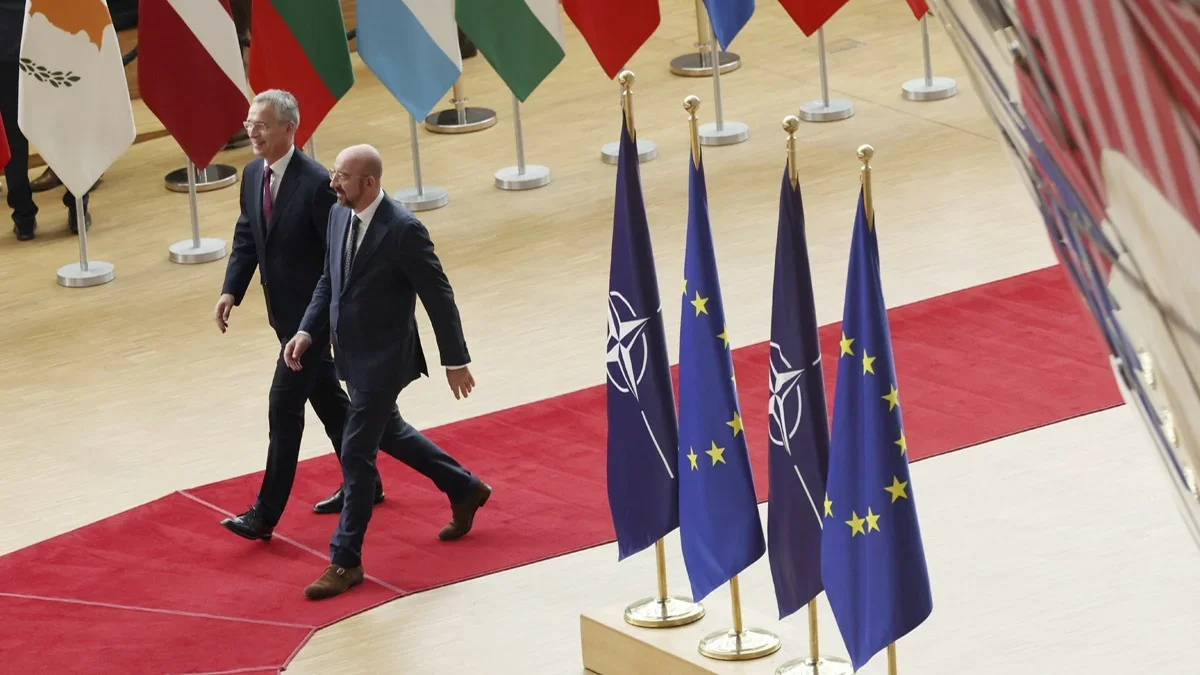
Photo: Geert Vanden Wijngaert / Associated Press / East News
The military rebellion in Russia on June 24 was not even a hint of the EU summit on the agenda of the EU summit on June 29-30. The heads of state and governments discussed many important topics from Ukraine and European defense policy to China, economic competitiveness and migration. But the “ghost of Wagner” was in the futuristic palace “Europe”, influenced moods and solutions.
In that part of the adopted documents, which concerns the support of Ukraine, relations with Russia and strengthening European defense, no signs of softening or fluctuations were found. The dispute arose when they reached the old and still unable to solve the issue of European reality: the problem of migration. We parted at about two in the morning without finding a compromise.
European leaders who wished to communicate with journalists (and who joined them on part of the discussion of NATO Secretary General Jens Stoltenberg), prudently stipulated that the events of the preceding weekend in Russia were a purely internal business of Russia. But, despite this duty reservation, they made their conclusions about the nature and prospects of a military conflict in Europe, its consequences for the EU and future relations with Russia.
On this alarming background, the video of Vladimir Zelensky probably sounded convincing.
The Secretary General of NATO Stoltenberg, who approached the reporters with the owner of the meeting, chairman of the European Council Charles Michel, spoke out for constant assistance to Ukraine, which seeks to join NATO and the EU.
“We must continue to support Ukraine so that it remains a sovereign and independent country, otherwise talking about membership ( in NATO, and in the EU too. - A.M. ) will no longer be relevant,” he warned.
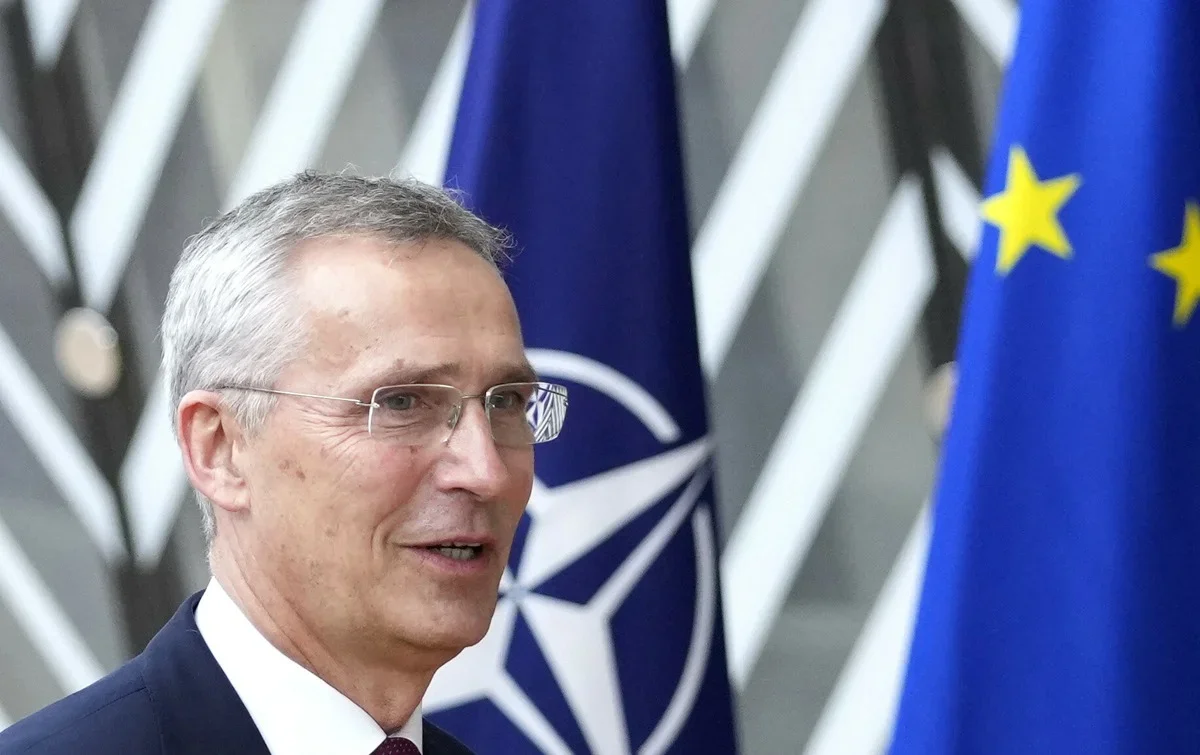
“The rebellion that we observed on the weekend demonstrates that there are cracks and disagreements in the Russian system. At the same time, it is important to emphasize that these are Russia's internal affairs ",
- said Stoltenberg.
The head of the European Commission Ursula von der Layen also spoke about the “cracks”. And she vaguely warned that these events would have the consequences that "we will see." She predicted “Wagner Erosia” in Africa - a region that is perhaps no less important for Europe than Ukraine.
Many participants in the summit, like the head of European diplomacy, Josep Borrel, believe that an abortive rebellion weakened the Russian system of government, but this is even “more dangerous” for Europe. Few, as the Hungarian leader Viktor Orban, judging by the recent public statements, do not agree with these conclusions, which allegedly come from ignorance of the Russian system of power and the functioning of the Russian state machine. And he knows.
According to the fighter, the rebellion forced Europe in a new look at the danger she saw in the person of Russia.
“Until now, we considered Russia as a threat of its troops in Ukraine. Today we must consider it as a threat because of its internal instability, ”-
He said, putting at the forefront, again, the continuation of support for the European Union of Ukraine.
The Chancellor of the Federal Republic of Germany Olaf Sholts focused on the roles of NATO in ensuring the security of the EU countries, without distinguishing between members of the two structures ( 22 out of 27 EU members are simultaneously included in NATO. - A.M. ).
“We must closely monitor what is happening and to what extent. In any case, there is clarity that we have obligations to each other. In NATO we promised each other support. Any attack on the territory of NATO is a case that we will answer together. And therefore, everyone can rely on him, ”the Chancellor reasoned, referring to Article 5 of the North Atlantic Treaty, which formally obliges the alliance members to assist in the event of an armed attack on one or more of them.
Latvian Prime Minister Krishyanis Karins, whose country borders on Russia and Belarus, into which part of the Wagner group moved after the rebellion, talked about hypothetical new dangers. He believes that there is a risk of “infiltration” in the EU members of this group. “The threat will probably not be a frontal military invasion, but an attempt to get into Europe with unknown goals,” he suggested.
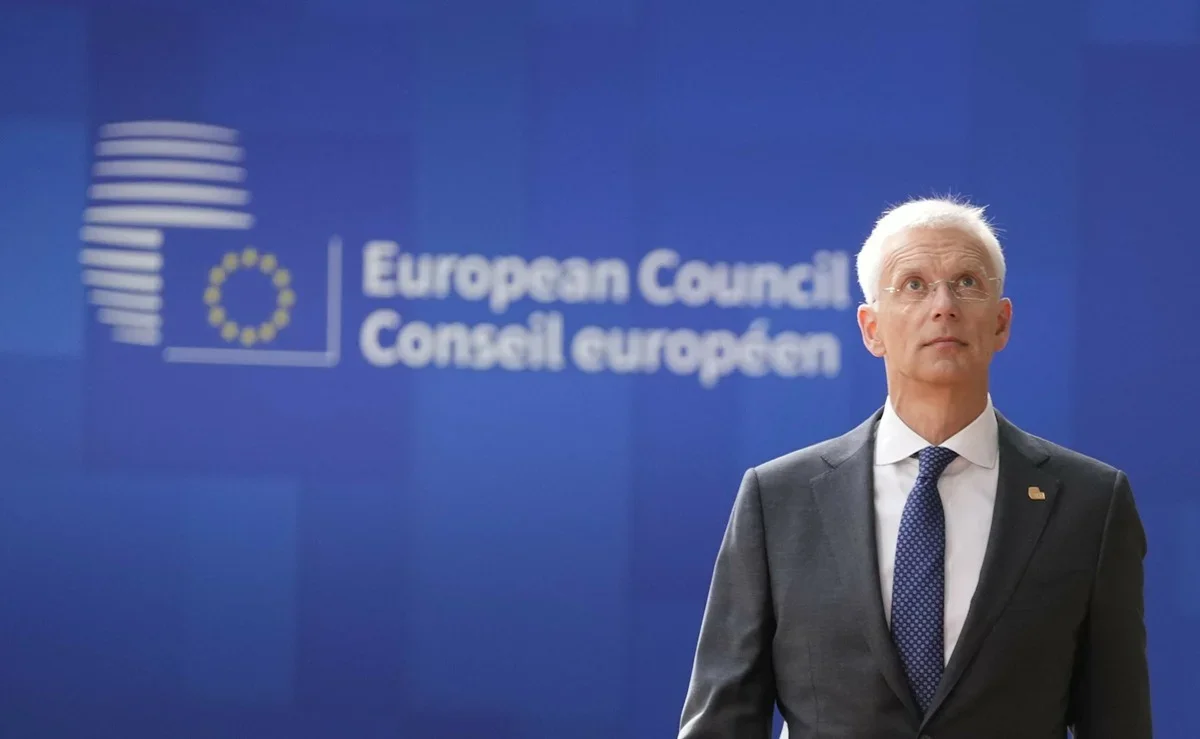
In his opinion, Europe cannot control the processes in Russia,
But they must react to them, strengthen the defense potential, discuss security guarantees that Europe and especially NATO can offer Ukraine, speed up the process of Ukraine’s accession to the EU, and pave the way to Ukraine’s membership in NATO after the end of hostilities.
It seems, but in more sharp expressions in the characterization of Wagnerians and the President of Russia, the President of Lithuania Gitanas Nauceda also reasoned.
The Polish government on the occasion of these events in Russia prepared a project to strengthen the security of the EU eastern borders, in any case, Polish, which, apparently, promises the Russians their even greater impregnability.
Officials from several member states and EU institutes said that the instability created by the rebellion in Russia will not only force the EU to double its support for Ukraine with obligations for the supply of more ammunition, but also guarantee that the fighting will not be thrown into the territory of the Union itself. And even if the EU refrains from the provision of any military guarantees, the prevailing mood of the leaders is to tighten his attitude towards Moscow.
In the Decree, the European Council adopted at the Summit, the EU confirmed the readiness of the EU to provide "sustainable military support to Ukraine as much time as it takes." The EU and its members are “ready, together with partners, to contribute to future security obligations to Ukraine”, “will quickly consider the forms of such a contribution.” Moreover,
The EU emphasizes the need to ensure a stable, predictable and sustainable financial support of Ukraine for the coming years, together with partners. ”
European financial institutions are designed to strengthen the support of the urgent needs of Ukraine for infrastructure. The EU should participate in the restoration of the infrastructure and economics of Ukraine in coordination with international partners. The European Council did not forget about the frozen assets of Russia and offers Brussels to continue to work on the search for the opportunity to use them "in accordance with the laws of the EU and international law, in coordination with partners."
Although a year ago, Ukraine was adopted by a symbolic gesture of solidarity by a candidate for the European Union, so far we are not talking about an accelerated procedure for receiving it in EU members. The union remains the right rules and principles of its expansion, no matter what calls sound from Kyiv and some capitals of its eastern flank. In the decree of the summit - nothing new: “The European Council recognizes the commitment and significant efforts of Ukraine to fulfill the necessary conditions in the process of its entry into the EU. He calls on Ukraine to continue its path of reform. ”
That is, only Ukraine can become a member of the EU, which will lead its political structures, legislation, law enforcement and macroeconomic indicators in accordance with the required EU.
This is not only a matter of political decision, but the result of a long process.
Extraordinary support and assistance to the EU Ukraine is not directly related to formal membership in the Union. Ukraine, especially over the past year, has already received more funds from the EU than any other member of the Union. And, apparently, he will receive until he becomes ready to receive. Add freedom of movement, employment, reception of refugees and just a benevolent attitude. Given the special situation, the sanctions procedures of Brussels are not applied to Ukraine for the inconsistency of the EU laws. Which are used, for example, in relation to Hungary or Poland.
For its part, the EU must prepare for the entry of Ukraine and wake up the delicate topic of reforms. They are necessary to integrate a large country into the EU, an agricultural giant, the chairman of the European Council Michelle warned.
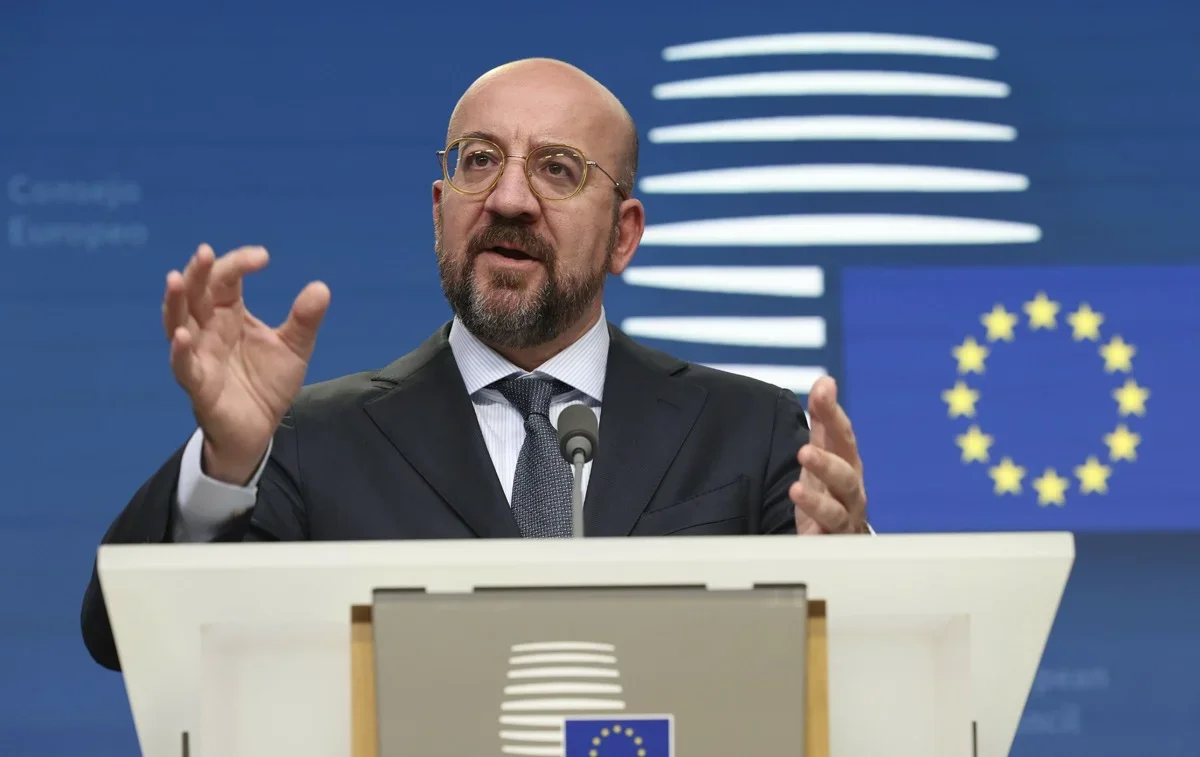
“The debates will be difficult,” he admitted in an interview with the European press. “But we should not wait until the last moment, if in December in its report the European Commission recommends that negotiations with Ukraine on its entry.”
And in an invitation letter to the participants of the current EU summit
He urged state leaders to understand to what extent the union could expand, without eroding its foundations, as well as financial viability and controllability.
“It is necessary that we think about the consequences of expansion for various EU strategic projects and their financing, as well as a decision -making system,” he emphasized.
According to Michel, in a world where deep technological changes occur, the fundamental values on which the European Union are founded are attacked, often unexpected "innovative" ways.
“We must make sure that we are still able to protect and promote these values both inside and outside our union,” he warned.
Vladimir Zelensky calls on to start negotiations on the entry in the end of 2023. This decision requires unanimous approval of 27 member states. Nine other countries, including Serbia, Kosovo, Moldova and Turkey, knock on the EU door. The expansion will be in the center of discussions at the next European summites in the Spanish Granad and Brussels at the end of the year.