
Translated material
Kernel
Chernyshevsky was the enemy of the existing order - Orthodoxy, autocracy and nationality, understood as kvass patriotism and loyal tenderness
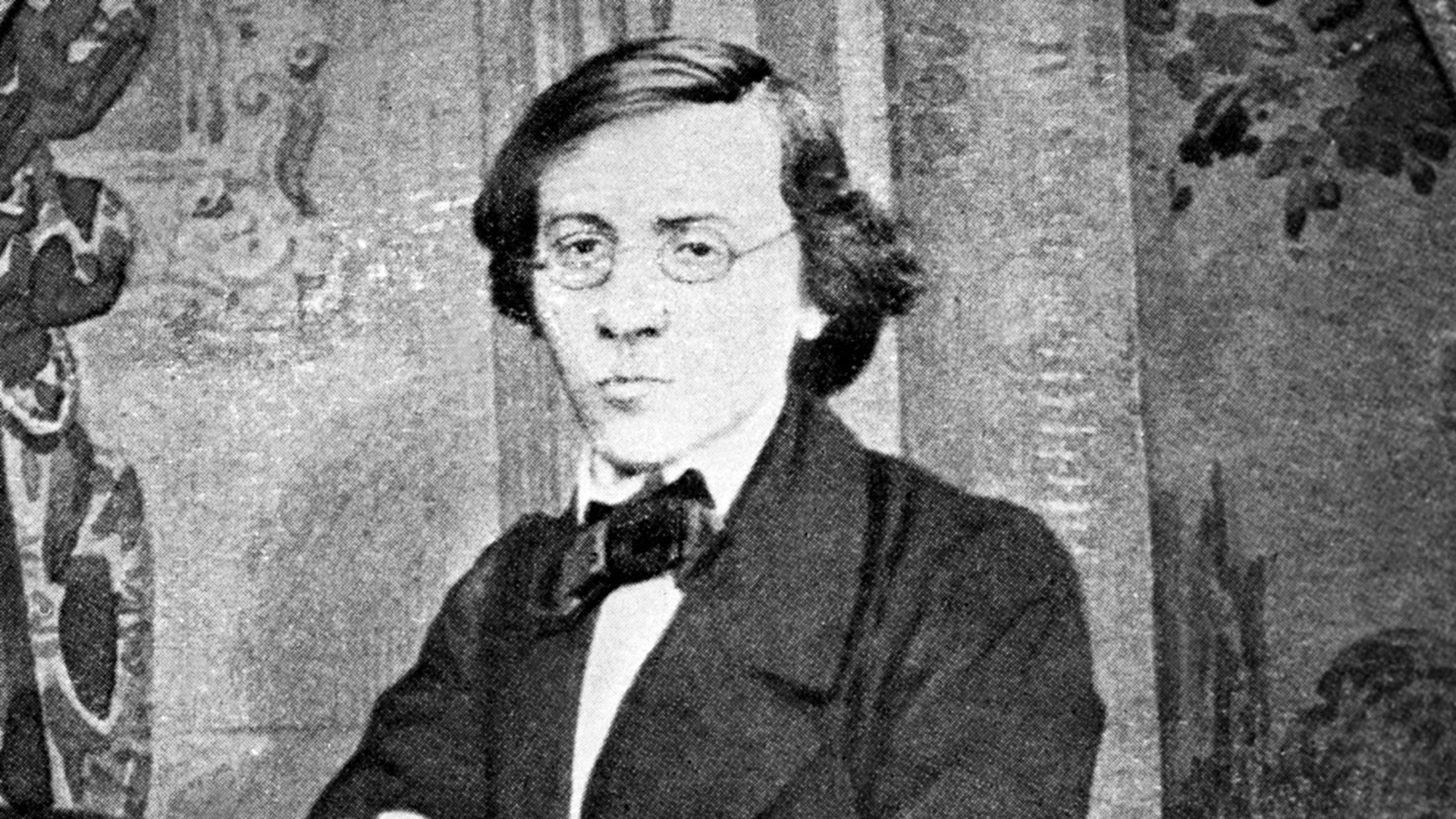
Nikolai Gavrilovich Chernyshevsky. Photo of Wilhelm-Jacob Laufferte. Source: TASS
He was a child prodigy, who, from an early age, struck the people around him with his vast knowledge. His favorite pastime was to make extracts from the vocabulary, he did this in the lessons in the gymnasium and came off only when the teacher asked if he knew anything about a particular subject. Then the thin, fair -haired boy got up and reported without delay what the German scientist, English scientist, French scientist wrote about the subject. It seemed that he himself was a vocabulary, filled with knowledge. His comrades used this: why look for something in books when you can ask Kolya Chernyshevsky?
He helped the young man, older than him for years, prepare to a higher educational institution. Reading was his main occupation, the meaning of his life. “Without a book in his hands, it was difficult to see him; He had her in his hands at breakfast, during lunch and even during conversations. ” The man who met Chernyshevsky on the street in St. Petersburg in 1861 wrote that "Nikolai Gavrilovich walked, reading a book from which I was distracted by his greeting." Another acquaintance called him "a wonderful organized head."
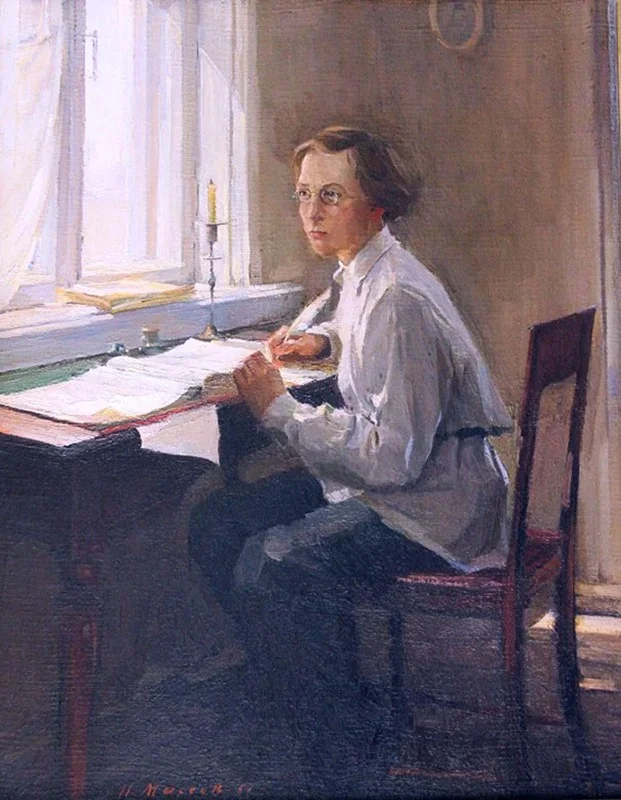
From an early age, a “wonderful organized head” was thinking about freedom and serfdom, of justice and injustice, about antediluvian and new people and revolutions that shake Europe in 1848–49. He was twenty years old when he read in the confectionery in the newspaper about the dissolution of the National Assembly in Berlin. Then he walked down the street and cried. “A friend who met me asked: what is it to you? What are you crying about? And I, you know, go, and I don’t feel that tears flow in my face. ”
His dream was to take part in the revolution, while he was not deceived in how it would look and what exactly would happen. "I will not frighten me either dirt or drunken men with oak, nor a massacre."
In St. Petersburg, guests often came to his modest apartment, sometimes two or three at the same time, and it happened that entire companies. An invitation to him and a meeting with him caused young people delight. "I did not believe my happiness and almost crazy from him." All those who come saw him in one position - the writer. He was very blisor when he read, held the book close to the face, and when he wrote, he bowed low over the paper. Calmly, not expressing displeasure, Chernyshevsky was distracted from the letter and spoke with the guest, but as soon as he left, he immediately lowered his face to paper and began to write.
“It happened that in the evenings, although not often, he was gaining so many guests that even dances were compiled under the piano or singing began. It was riding that there was a pianist for the keys to the keys, the singer screams or youth is dancing, stomping, shuffling, making noise in the hall, and Nikolai Gavrilovich sits in his living room, as if in some remote and deaf desert, and writes and writes ... "
“From morning to late at night, he was immersed. According to neighbors, he did not know any entertainment: he did not attend the theaters, or concerts, no clubs, or even acquaintances. The cards, then universal consolation, he did not know how to hold in his hands. Needless to say, he not only did not drink, but did not smoke. ”
I never drank in my life for sure, but I didn’t smoke about it - we don’t know: other sources say that he smoked without a break, and he had tobacco on hard labor.
His performance was phenomenal. In his small office, he dictated the translation of the “story” of Schlosser, who helped him the student, but for now he wrote down, wrote an article for a “contemporary” or, in order not to waste time, read a book. He had a memory that he did not weaken over the years - that he once recognized him, he never forgot.
“Sometimes he jokingly quoted entire pages from some writer and, moreover, indifferent: publicist, fiction or ethnographer. Historical dates, chemical formulas, linguistic forms-all this with the same convenience contained in the head of N.
We add: he knew English, German, French.
When he studied at the university, "lectures ... attended non -transmitted, strictly observed posts, went to church, his Bible was a table book." Otherwise, it could not be from the son of the Saratov Archpriest. By the way, Zakhar Eliseev, an employee of the “Contemporary”, was the son of a priest, graduated from the seminary and theological academy, and Maxim Antonovich, a critic, whom many considered the successor of the case of Dobrolyubov and Chernyshevsky, was the son of a clerk and also graduated from the seminary and the Theological Academy. We will only give these facts here, and let someone else explain them.
But very quickly and very early the son of the priest Chernyshevsky checked Vera analysis and experienced criticism. When his friend ran to his Easter with the words: “Christ is risen!”, He immediately received in response: “This still needs to be proved!”
In Chernyshevsky, there was a straight line of thought that led him from God - to the denial of God as no accurate evidence of existence, from humility - to awareness of human rights, from the church to socialism, to understanding himself as a free person of a new generation, as a “new person”. His thought went this way consistently and firmly, and he also led his life in order to consistently and firmly, not evading a step from the drawn line.
He was an enemy of the existing order - Orthodoxy, autocracy and nationality, understood as kvass patriotism and loyal tenderness. This was read and read from its sharp and sharp articles in the "Contemporary". He was the idol of the young - his glory widened. Unreliability in the eyes of the authorities - this was his distinctive sign, received long before he was brought to the civil execution to the black pillar with chains on the platform on the horse area. It was something inside him, then direct and smart, then a sense of properness and dignity that never left him-even in the cell of the Alekseevsky Ravelin, even in hard labor. And this is the very name - the name of them Legion - felt in it as a danger.
There are autonomous writers who do not depend on their time, but Chernyshevsky was not the same - he was inside, it was connected over time.
A bright head, a radical, the hope of science and a walking vocabulary did not want and could not close himself in cabinet classes and manuscript works - his principles led him to the matter, which was a change in life.
In the St. Petersburg chess club, he sat at a table with arranged figures, but did not play, but talked with people who came to him. The sound of these half -conspiratorial conversations did not reach us, but we can assume that there was Fourier and Fourirism, the abolition of serfdom and community, new people and a new society, the constitution and revolution. The authorities closed the chess club: "In it came from it and unjustified judgments came from it." Well, it’s good at least not forbidden chess.
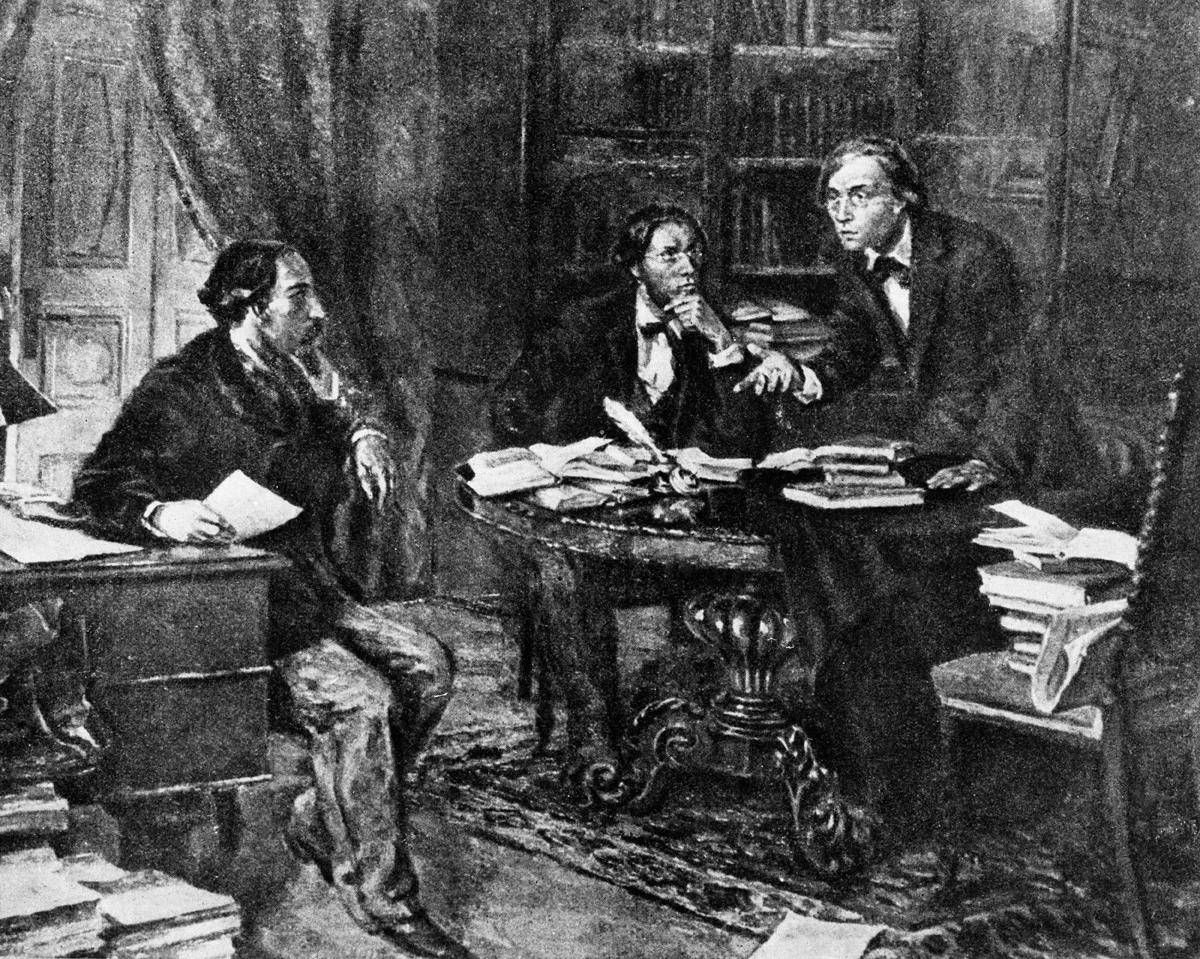
Life was seething and was full of “unjustified judgments” - in the editorial offices of magazines, in gatherings at apartments, in student circles. Life was full of courageous people who started secret printing houses in their estates and apartments, went to London to Herzen, transported non -certificate publications to Russia and prepared themselves for a great business. And in the center of all this, influential and calm, serious and friendly, was Chernyshevsky. He was visible and known to everyone as the voice of a “contemporary”, a journalist and critic, but behind this external manifestation, something secret rose, a hundred-point more significant. Or just seemed?
In circles and gatherings, they said that it was time to create “shark” - so jokes were called a secret society. The four conspirators in a conversation with the laid -in -law curtains created it under the name “Earth and the Will” - and immediately exchanged a recipe for invisible chemical ink.
For a strict rationalist of Chernyshevsky after “A” inevitably follows “B”, the thought follows the action - and now “Chernyshevsky was not only involved in the primary five, but was the initiator of them and a member of the first of them.”
A short -sighted man with glasses, often looking over his glasses, with an affectionate and at the same time mocking gaze, broke Russia into the districts: North, Ural, Moscow and Southern Volga region, and Siberia did not include in his plans - he could not reach there. The man of the word became the man of business:
“Guide bodies :
“The Central Committee in St. Petersburg. With the allocation of “advice” from oneself.
Regional Committee in St. Petersburg.
Regional committees in the provinces.
Practical activity:
The publication of proclamations.
Printing houses for underground publications.
Oral propaganda, especially in the troops (military organizations).
Organization of the transportation of literature from abroad.
Organization to help the exile.
Organization for the device of shoots.
Organization for collecting funds to carry out the intended goals.
Organization of communication with Poland: a) in St. Petersburg, where the department of the Red Polish "People's Rzhond" is located; b) in Poland itself; And finally, arising later
Organization of a detachment of supervision of the government. ”
“He perfectly understood the power of folk inertia and knew that the victory of progress would not come right away, that there would be several - and quite a lot - tide and tide. Ultimately, the truth and reason will undoubtedly win, but it will not be soon, and more than one generation - he did not hide this from us, youth - he will put his bones in the struggle for the reign of good. But what he did not doubt - this is that despondency, which has mastered the highest spheres after the Crimean defeat, will inevitably inevitably lead to a revolution, the triumph of which will be short -lived and will be replaced by a brutal reprisal with advanced elements. He knew about himself that he would die, but did not suspect that this would happen so soon. What was most in him - this is his faith, even to me seemingly naive, in the indestructible power of truth. He was convinced that everything reasonable was invincible, that progress is non -stop and immortal. And he also had a fetish - a people. Once the grain of truth fell into it, it cannot but fall on good soil: it will certainly rise and bring abundant fruits, invariably useful. ”
About what proclamations Chernyshevsky wrote, and what others wrote under his influence or without his influence - historians still argue about this. The proclamations went hands, there were many of them:
"From the Russian Central Revolutionary Committee",
"To educated classes",
"To the soldiers",
"To the people",
"Young Russia."
Chernyshevsky accurately wrote “to the people”, this proclamation, written by the popular language on behalf of unknown persons, explained a lot to the peasants and, in particular, told them about orders in England and France.
QUOTE
“And then what's the will of them. There are no paccounts; Everyone go wherever you want, live, where you want, from anyone, he does not need to be permitted.And here is what they have a will: the court is righteous. In order for the judge to take the money from whom, they are not heard from them. They cannot even believe when they hear that we have judges to take money. Yes, they would not have such a judge for one day in place, at the same minute in the prison. ”
“And besides, stock up with guns who can, and all kinds of weapons.”
Chernyshevsky walked along the acute edge, then all in the world of publicity - I am a journalist, all my articles are censored, so there can be no fault on me - then leaving for the underground, and in this shadow you will not see what matters are done there. Did he, at one time editing the “military messenger”, conducted dangerous conversations with Officer Serakovsky, who soon took part in the Polish uprising, was wounded and hanged? Ask Serakovsky ... Was it a proclamation written in handwriting? He denied this, but later, in hard labor, he spoke with a meaningful grin that he had several different handwrites.
The sympathetic student informed Chernyshevsky about close arrest and proposed to arrange leaving abroad - Chernyshevsky refused:
In Russia, his word means a lot, outside of Russia, he will be just a talker, like an old man, aristocrat Herzen, as opposed to which he, a strong rampant, considered himself a new person, a man of business.
Following then, someone more serious than the student appeared, the adjutant of the St. Petersburg Governor General Count Suvorov (grandson of the commander Suvorov) and proposed on behalf of the count a foreign passport and escort to the border so that no one could interfere. The count knew how things are being done here: if they are arrested, they would condemn, and if the writer is condemned, then what a shame for his friend, Emperor Alexander II. But here Chernyshevsky did not agree.
Many considered his arrest impossible, because his significance as the ruler of thoughts and respect for him were huge. How can the chief journalist of “Contemporary” be arrested, how can you plant the most intelligent person in Russia in prison? Yes, he himself did not believe and said with a smile, “that he would never be arrested and nullified, because he behaves quite carefully and does not engage in nonsense ...” But it turned out - naive and such a faith is not based on anything. Chernyshevsky arrived to arrest on tremors - this is now on a taxi - Colonel Rakeev, a specialist in working with writers, twenty years before the rank of captain, who accompanied Pushkin’s coffin to the Svyatogorsky monastery; They did not want to excite the audience with a type of carriage with a detachment of gendarmes standing at the Chernyshevsky House. When Rakakeev brought Chernyshevsky out of the house, the carriage suddenly appeared and quickly took place with a prisoner to the Peter and Paul Fortress. Special operation!
In the archives, the ideal handwriting written on yellowish sheets-not someone somehow scratched, but the scribe of the third compartment solemnly deduced, with beautiful curls of letters, with the perfect tilt of the lines! - Rakakeev’s reports, from which we know that he was engaged in the search for ways and ways, what the works of Herzen fall into Russia, but did not succeed - they seep, you understand, in the pockets and suitcases of those who go to Europe and vice versa, and diverge so that you will not find it: you will not find it: you will not find it:
“With all the constant observations, in my means consisting, to find out who exactly the compositions of the traitor Herzen are in St. Petersburg, there was no opportunity.”
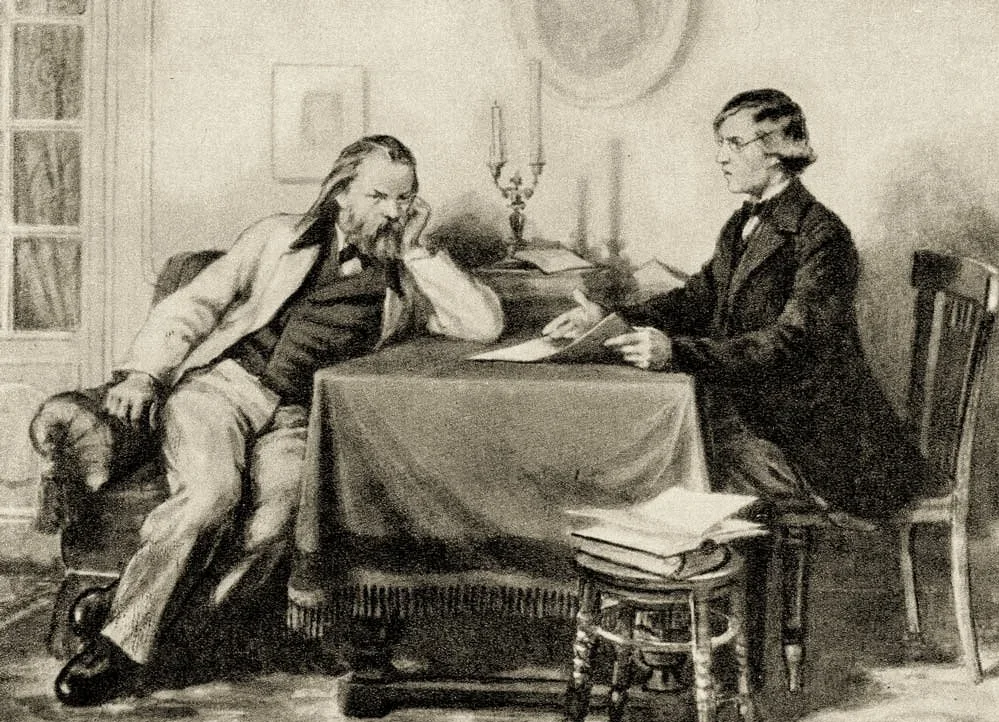
From this moment on us, we are familiar - in thoughts, in feelings, in the stories of subsequent times, from stories repressed under Stalin, from the situations of the arrests of dissidents under Brezhnev. It is dangerous to ask for a date with the arrested, but to leave him without a date meanly. How to act? Eliseev, the chief employee of “Contemporary”, and Antonovich, the critic, wanted to ask for a date, and Nekrasov convinced him and even begged them not to do this, because they would put themselves under attack. Nevertheless, they asked for a date and received it.
“He was pale, but in the expression of his face, neither a breakdown of the spirit, nor exhaustion, nor sadness and sadness” (Antonovich) was visible. And this is after two years of imprisonment, sentence and in anticipation of hard labor.
Once Chernyshevsky said: "I am not inferior to fools." Examples of his restraint are in interrogation protocols. With complete self -control, he repels, denies and discards everything that he is accused of. During the search, a alphabetical key for the cipher on four cardboard is found? “These shreds contain some kind of alphabetical prank, composed of unknown to me which of my relatives who lived with me.” Is there any evidence that you and Herzen were going to publish a magazine together? “I don’t know at all on what basis G. Herzen thought that I could agree to publish a magazine with him, because he had no relations with him, neither direct, nor through any through.”
And further, stubbornly and calmly, to different questions:
"I do not know anything about the appeal to Russian soldiers." “There was nothing like that. This information is unfounded. " “The note presented to me is not my handwriting; I do not recognize her with my own, and therefore I remain with the previous answer. " Kostomarov, who converted to him and at a full -time heading to convict him, received in response a deliberate, calm and cold: “I, Chernyshevsky, remain at my previous testimony: when G. Kostomarov was with me, I did not read him any appeal to the casing peasants; I did not ask G. Kostomarov to print such an appeal; Having been in Moscow in the spring of 1861, I did not see the set, I did not give him money for costs by printing house; In the summer (in August), who was with him, he did not persuade him to print this appeal; In the Znamenskaya hotel with G. Kostomarov, he was not a appeal to the schismatics dictated to him. When I was in Moscow in the spring, I did not leave a note to G. Kostomarov. When meeting in the summer, we sat with G. Kostomarov in the gazebo, but did not walk with him in the garden. ”
I didn’t even walk in the garden. Everything is lies in the scammer of Kostomarov. And in the archives and now there are secret documents of the third branch on the amounts that he was paid.
And so that they did not think that they can take it with great, keeping it in the fortress for years, Chernyshevsky made a statement of the investigative commission:
“No matter how much they hold me, I will get gray, I will die, but I will not change my previous testimony.”
The commission to a separate document entered this in the case file.
In conclusion, he sought a hunger strike with his wife Olga Socratovna. The date was promised, but not given. He stopped eating, only two glasses of water drank a day. They tried to deceive him, promising later to give him dates, and brought food to the cell. Не помогло: «После свидания, а теперь можете убрать». Дали свидание.
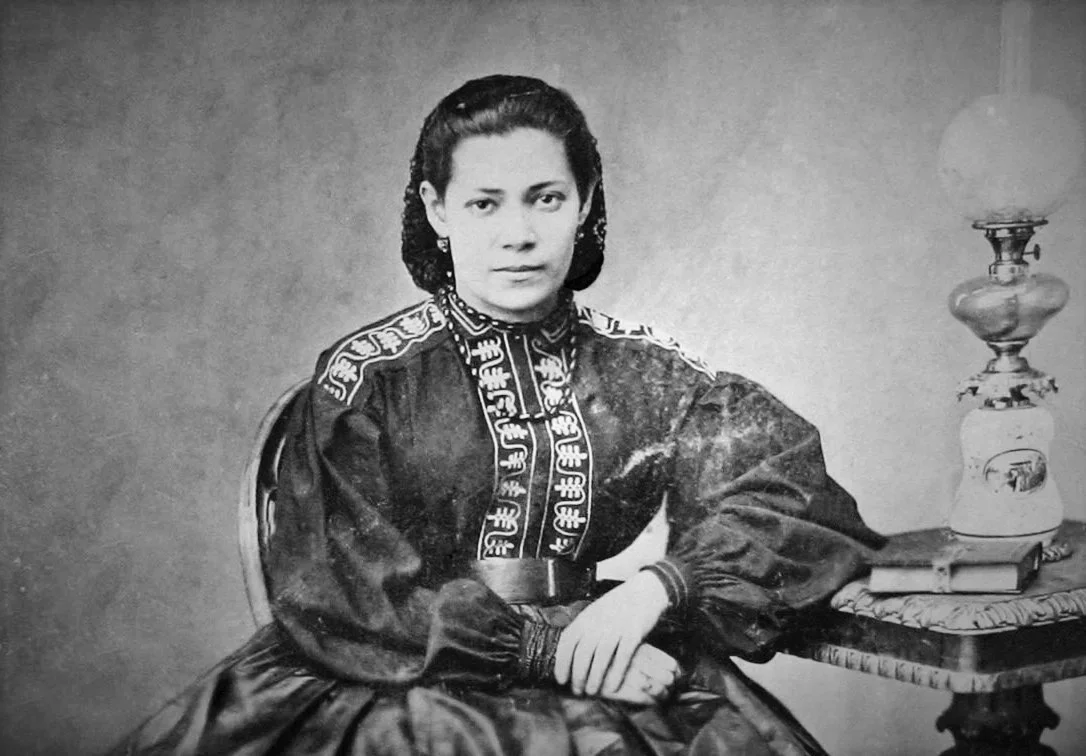
Не по своей воле сменив свой кабинет на камеру в Алексеевском равелине, он, которого министры царского правительства в своей переписке называли «дирижером радикального оркестра», не сменил ни состояния ума, ни образа жизни, ни своей привычки к умственной литературной работе. На воле был неприхотлив, ел овсянку и черный хлеб, не замечая, что ест, — можно и тут так же. Камера — ну так и в камере можно писать (тогда было можно). Припадая лицом в очках к листу бумаги, бледный человек с длинными волосами и бородкой, обмакивая гусиное перо в казенную оловянную чернильницу, неутомимо писал свой роман. Его он весь выдумал и написал в тюрьме.
Ни в одной строке этого большого романа нет ни тоски, ни отчаяния, ни грусти; давление крепостных стен не чувствуется; страх каторги не давит; роман написан деловым человеком нового времени, умным, резким, энергичным, иногда едким.
В романе он начинает с того, что хамит и дерзит публике, причем делает это холодно и с расстановкой. Так говорят не в порыве гнева или от избытка чувств, а в ледяном состоянии презрения к тому, чья пошлость и убожество давно и до конца ясны говорящему. Так он и говорит с публикой — как с дурой.
Невыразимой иронией и насмешкой исполнены его слова о «хороших людях», которые «коптят небо».
Сотнями страниц он разговаривает твердо и без сантиментов, но с героиней своей, Верочкой, в «первый вечер ее любви», когда она засыпает в свой день рождения, вдруг говорит со странной нежностью и так долго растолковывает ей кое-что, словно говорит с ребенком — и тут нам кажется, что этот холодный рационалист, убежденный в том, что миром правит эгоизм, совсем не так уж холоден внутри себя, в нем есть тепло, и он в Верочку влюблен.
«Умри, но не дай поцелуя без любви!» — фраза из романа вошла в разговорный русский язык и стала чем-то вроде пословицы, которую обычно произносят с насмешливой улыбкой или с циничным хохотом. Смейтесь, дураки, потому что ваш поверхностный цинизм пустяк по сравнению с жесткой издевкой Чернышевского. У него эту фразу говорит содержанка и бывшая проститутка.
Эта издевка не часто, но проскальзывает и просвечивает в романе, словно вдруг из-за спин действующих лиц выглядывает молодой длинноволосый господин в сером пальто и в золотых очках и отпускает замечания, которые уничтожают не столько действующих лиц, сколько человечество с его героями. «Но если я знаю, то мало ли чего-то знаю такого, чего тебе, проницательный читатель, во веки веков не узнать». С серьезным видом он вдруг заявляет, что алкоголичка Марья Алексеевна, мать Веры, то же самое, что Наполеон после битвы при Ватерлоо; и само внезапное появление маршала Груши и маркиза Лафайета посреди рассказа о семейном дельце отдает ледяной и злой насмешкой автора романа над пошлостью, корыстью и глупостью жизни.
Нет для него авторитетов, и те, кого человечество считает героями, для него не герои. О Наполеоне он очень непочтительно говорит, что он тащил сам себя за нос — и дотащил до острова Эльбы, а потом даже и до святой Елены. Вот так умелец!
«Смесь разной гадости с разной дрянью» — так он говорит о том, что происходит в мужчине, добивающемся женщины.
«Из-под маски порядочного человека… высовывалось длинное ослиное ухо».
«А если у всякого человека черте знает что на уме, то у такого умного человека и подавно».
«Одно, впрочем, натурально — допотопному миру иметь допотопное население».
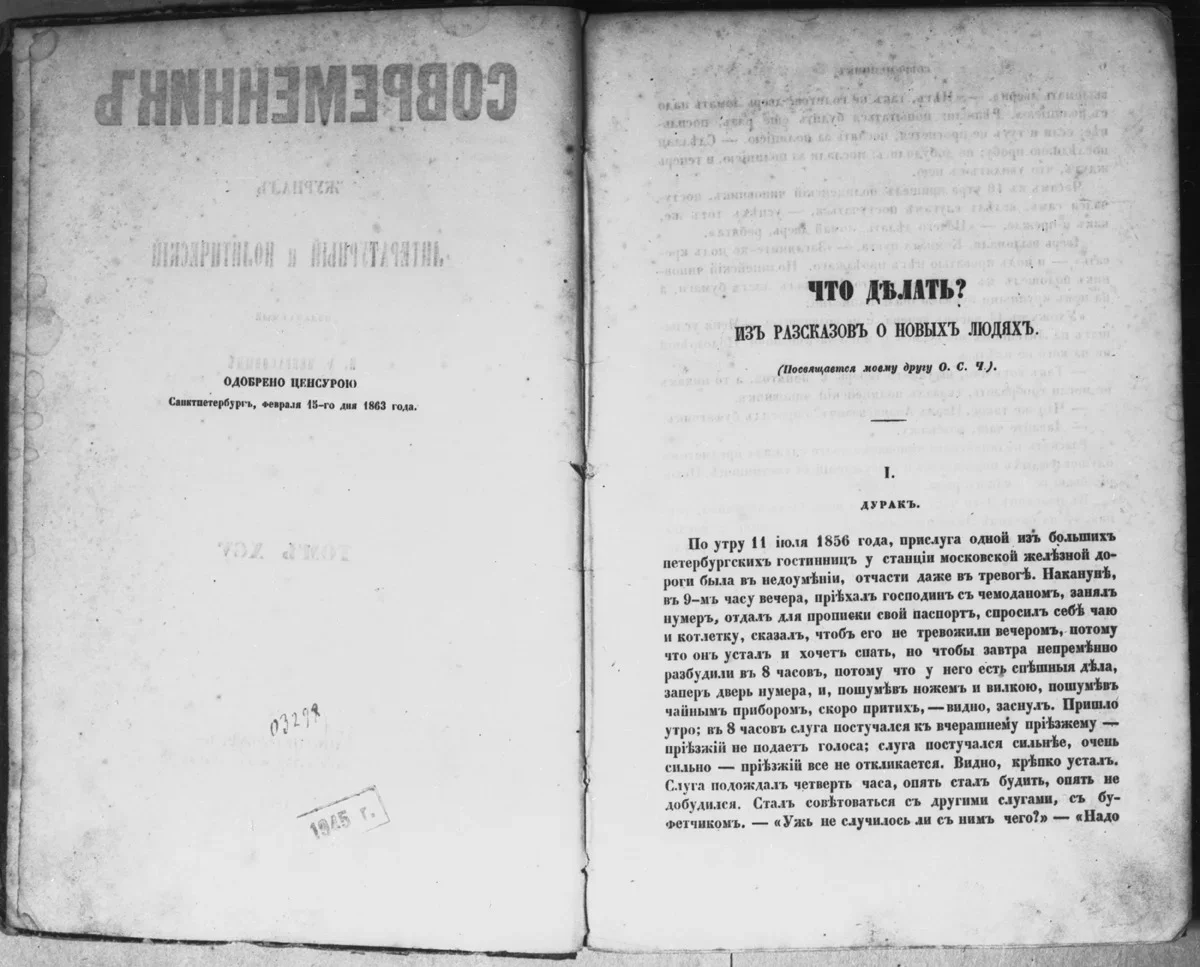
В сцене, где Вера Павловна запрещает целовать себе руку, потому что мужчина, целующий руку женщины, унижает ее, ибо не считает себе равной — заложен весь последующий радикальный феминизм. Тут уже угадываются они все — Эмма Голдман в пенсе на шнурке и с банкой динамита, и Сюзи Кватро в кожаной куртке и с бас-гитарой. Через столетие перекидываются мостики, соединяя очкастого длинноволосого русского нигилиста и обросших американцев протестных демонстраций. «Только до двадцати пяти лет человек может сохранять честный образ мысли» — это из романа Чернышевского 1866 года. «Не верь никому старше тридцати» — это Джек Уайнберг в 1964 году.
Рукопись романа «Что делать», листы которого были отмечены печатями цензуры, Некрасов повез в типографию и по дороге потерял. Как она слетела с его колен, когда он ехал на дрожках, — непонятно. Это происшествие повергло и без того издерганного, измученного и страдающего Некрасова в отчаяние и ужас. Потерять рукопись, которую Чернышевский написал в тюрьме, потерять слово, написанное узником и доставленное ему для сбережения! Он дал объявление в «Полицейские ведомости» об утери рукописи, обещал 300 рублей тому, кто ее вернет, и, страдая и маясь, в ужасных фантазиях видел рукопись в мелочной лавке, где ее листы пустили на обертку для селедки. Если бы не бедный чиновник, отец шести детей, который нашел рукопись на улице и принес Некрасову — в русской литературе не было бы романа «Что делать». Имя чиновника осталось неизвестным.
По следам героини «Что делать» Веры Павловны, создавшей швейную мастерскую на основах справедливости и добра, пошли многие люди, верившие в кооперацию людей без эксплуатации, в добровольный совместный труд и честную жизнь. Эти попытки были растоптаны, уничтожены, а следы их стерты из истории, но все-таки кое-что сохранилось. Например, в биографии Сергея Федоровича Рыбина-Луговского указано, что он в начале двадцатых годов XX века создал хлебопекарную артель «Трудовая вольность», позднее переименованную в «Муравейник» — дело, поставленное на тех же началах, что швейные мастерские Веры Павловны. Эсер Рыбин наверняка читал книгу Чернышевского и крепко держал в памяти его завет. Сначала это были две пекарни с магазином, а потом уже семь пекарен, девятнадцать магазинов, кондитерская фабрика. Работало в артели 393 человека.
«При артели существовали бесплатная столовая, парикмахерская, школа, библиотека, театральный кружок, покупались билеты в ложи театров, постоянно отчислялись деньги в поддержку политзаключенных, находящихся в тюрьмах, лагерях и ссылках».
За исключением помощи политзаключенным — это точный слепок с того, что было принято у Веры Павловны в ее мастерских и что Чернышевский считал началом новой жизни. В 1928 году артель закрыли, Рыбина и артельщиков арестовали. В 1937 году Рыбину припомнили его эсеровское прошлое и артель свободного труда — расстреляли.
Гражданская казнь Чернышевского совершалась под мелким моросящим дождем на Конной площади в Санкт-Петербурге. Лишали гражданских прав того, кто был гражданин по призванию и убеждению и больше других за гражданские права боролся.
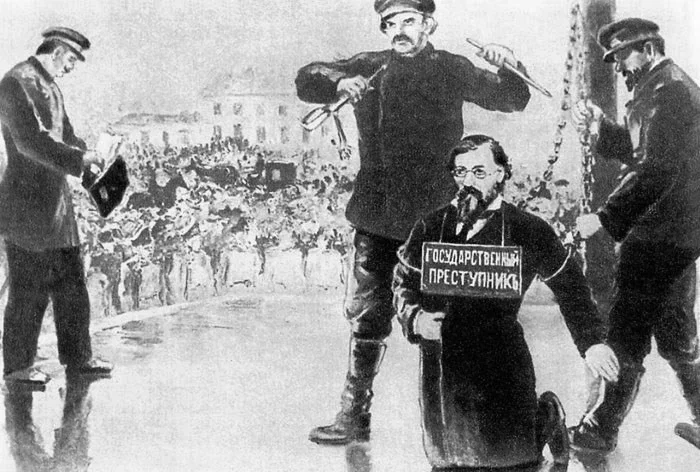
Все, кто видели его на эшафоте, не заметили волнения в его лице. Под дождем, стоя у черного столба, он иногда снимал с лица очки в золотой оправе и пальцами протирал стекла. А так — стоял спокойно и смотрел сверху на ряды войска, на конных и на пеших, за спинами которых колыхалась толпа. Когда его увозили в полицейской карете, девушки с извозчика бросили ему букет цветов, извозчика тут же остановили, и девушек забрали в отделение.
В Тобольской тюрьме он сказал знакомому политзаключенному:
«Как для журналиста, эта ссылка для меня прямо-таки полезна: она увеличивает в публике мою известность; выходит — особого рода реклама».
Не мог представить, что его законопатят в страшную дыру, в одиночество, в молчание на двадцать лет.
В тюрьме Александровского завода он ходил по двору в черном халате на меху и в валенках и громким голосом пел греческие гекзаметры. Если его кто-то замечал за этим странным занятием — смущался. К принудительным работам узников привлекали редко, Чернышевского никогда. Были еще домашние работы — принести ведро воды, почистить картошку, истопить печку, — но и к этим работам заключенные его никогда не привлекали, из уважения к нему. Но он поблажек не хотел и с ножом в руках упорно присоединялся к чистящим картошку. В разговорах между собой они его называли «стержень». Стержень добродетели, стержень достоинства, стержень ума.
Был он сдержан и никому не открывал душу. Никто во все эти длинные годы ни разу не видел его растерянным, подавленным. Только потом, много лет спустя, после двадцати лет каторги и ссылки, вспоминая, как его привезли в Акатуй, сказал:
«Кого только там не было: поляки, мечтавшие о восстановлении своей Речи Посполитой, итальянцы-гарибальдийцы, приехавшие помогать полякам, наши каракозовцы!.. И все — народ хороший, но все — зеленая молодежь. Одному мне под пятьдесят. Оглянулся я на себя и говорю: ах, старый дурак, куда тебя занесло. Ну, и стыдно стало…»
Стыдно жизни, проходящей впустую под бесконечным блеклым небом, стыдно огромных знаний, которые память хранит — ни для чего, ни для кого, стыдно перед Ольгой Сократовной, которая там, на бесконечном расстоянии, в России, должна зарабатывать шитьем и штопкой…
Потом из Александровского завода его загнали еще дальше, в Вилюйск. Вилюйск — это пятнадцать домов, церковь и тюрьма за частоколом. Других заключенных, кроме него, там не было. Из Иркутска для надзора над Чернышевским посылались жандармы. Раз в год их меняли. Начальник иркутского жандармского управления Янковский говорил, что «возвратившийся жандарм всегда оказывался заметно сообразительнее и развитее, нежели был до командировки в Вилюйск». И тут, значит, Чернышевский поработал… Но для охраны особо опасного государственного преступника просто жандарма было мало, с ним семь человек казаков и два урядника. Но узник ведь тоже был не один — у него маленькая собачка, он ее приручил и с ней гулял.
Суд, которым судили Чернышевского, заранее знал, к чему его приговорит. Это был прообраз всех последующих судов такого рода — сколько их в истории России и СССР! Обвинение было построено исключительно на показаниях Костомарова и Яковлева, получавших деньги от Третьего отделения. Это знали и члены следственной комиссии, и Чернышевский, и студенты, не побоявшиеся написать и подписать письмо, в котором приводили пьяные разговоры Яковлева, где он саморазоблачался как платный доносчик. Письмо равнодушно подшили к делу, на дело оно не повлияло. Решили изъять Чернышевского из жизни — и изъяли. Но как же обычно, рутинно совершается зло.
«Когда меня к каторге присуждали, старички сенаторы в перерыве приходили ко мне и, сидя рядом со мной на лавочке, разговаривали».
В тюрьме в Вилюйске были мыши, поэтому провизию Чернышевский хранил на платформе, подвешенной к потолку. Да что там мыши, это небольшое зло, а главное зло летом — циклопические тучи комаров, облеплявших человеческие лица, так что Чернышевский должен был сидеть в душном застенке, набросив тряпку на голову и поставив рядом с собой горшок с тлеющим навозом. Из другого горшка ел — все двадцать лет одной и той же ложкой.
«Посредине комнаты на крестовинах были положены плохо выструганные, непригнанные две плахи, изображавшие из себя и служившие столом… Перед правым от входа концом стола у стены стоял какой-то мягкий, вроде турецкого, но утративший всякую форму диван, который и служил кроватью Н. Г. Пыли в комнате было невероятное количество. Пол был настолько грязен, что можно было только догадываться, что он из плах, а не земляной. На столе стоял заржавленный, позеленевший, старый, покосившийся как-то на все стороны самовар — когда-то желтой меди, стояла грязная, немытая посуда. Самый стол представлял сплошную грязь. Местами на столе была постлана газетная бумага, тоже грязная. Очевидно, что очистки комнаты или никогда не производилось, или таковая была — и то небрежно — в несколько лет раз.
Стены комнаты, смазанные в пазах глиною, и потолок, когда-то выбеленные, пожелтели, почернели, побелка во многих местах обвалилась, и общий вид камеры представлял мерзость запустения.
На столе был пузырек, небольшой, с подозрительно бурыми чернилами, и ручка со стальным пером. Стульев в комнате я не заметил, почему и прихожу к заключению, что H. Г. писал стоя, наклоняя голову к самому столу, так как по близорукости своей Н. Г. читал и писал, держа бумагу почти вплоть к очкам».
Да, он и тут писал — думать, рассуждать, писать был смысл его жизни, его натура — и поначалу даже отправлял из грязной и душной камеры в Вилюйской тюрьме свои сочинения в журналы. Но их не печатали и не возвращали. Как в пропасть уходили они, исчезали в никуда. Он не перестал писать, но теперь, закончив, написанное сжигал или рвал.
Властитель дум всей молодой — не только молодой, а всей разумной России, человек, чье слово читали, слушали, обсуждали, ждали и впитывали тысячи и тысячи людей, — в Вилюйске ходил поговорить к жене жандарма и долго, долго говорил перед ней длинные речи обо всем на свете, о философии, истории, экономике, медицине, речи эрудита и энциклопедиста, речи человека, переполненного знаниями и мыслями, которые он готов нести людям — пока терпеливая женщина, не понимавшая в его монологах ничего, не прерывала его предложением идти к самовару чай пить.
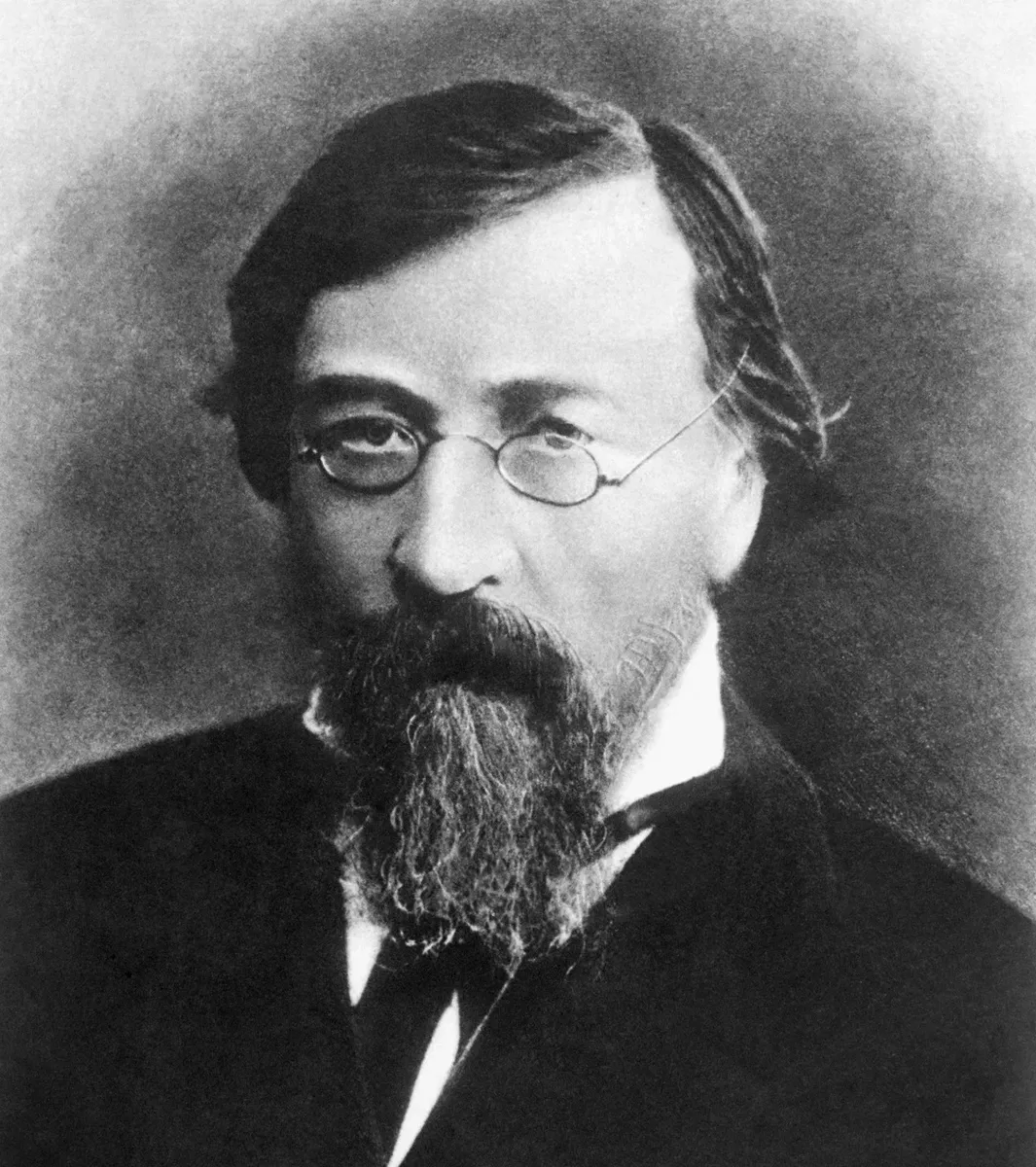
В 1874 году — двенадцатый год заключения Чернышевского — из Петербурга в Иркутск пришло указание, которое отправился исполнять в заброшенный на край света Вилюйск адъютант генерал-губернатора Винников. С Чернышевским он говорил на свежем воздухе, сидя рядом с ним на скамеечке. И вот сидят бок о бок на скамеечке, на берегу маленького безымянного озера, государственный преступник России номер один и офицер, когда-то читавший его статьи в «Современнике».
«При этом я заметил его откинутые назад волосы, морщины на широком, загоревшем лбу, морщины на щеках и сравнительно белую руку, которою он поглаживал бороду. Я приступил прямо к делу: «Николай Гаврилович! я послан в Вилюйск с специальным поручением от генерал-губернатора именно к вам… Вот не угодно ли прочесть и дать мне положительный ответ в ту или другую сторону». И я подал ему бумагу. Он молча взял, внимательно прочел и, подержав бумагу в руке, может быть, с минуту, возвратил мне ее обратно и, привставая на ноги, сказал: «Благодарю. Но, видите ли, в чем же я должен просить помилования?! Это вопрос… Мне кажется, что я сослан только потому, что моя голова и голова шефа жандармов Шувалова устроены на разный манер, — а об этом разве можно просить помилования?! Благодарю вас за труды… От подачи прошения я положительно отказываюсь…»
По правде сказать, я растерялся и, пожалуй, минуты три стоял настоящим болваном.
— Так, значит, отказываетесь, Николай Гаврилович?!
— Положительно отказываюсь! — И он смотрел на меня просто и спокойно».