
Translated material
The summit asks for peace
Brazil, African countries and even the Vatican tried to offer their ceasefire formula in Ukraine. Why did they not work and whether there is a chance for a new initiative from Denmark
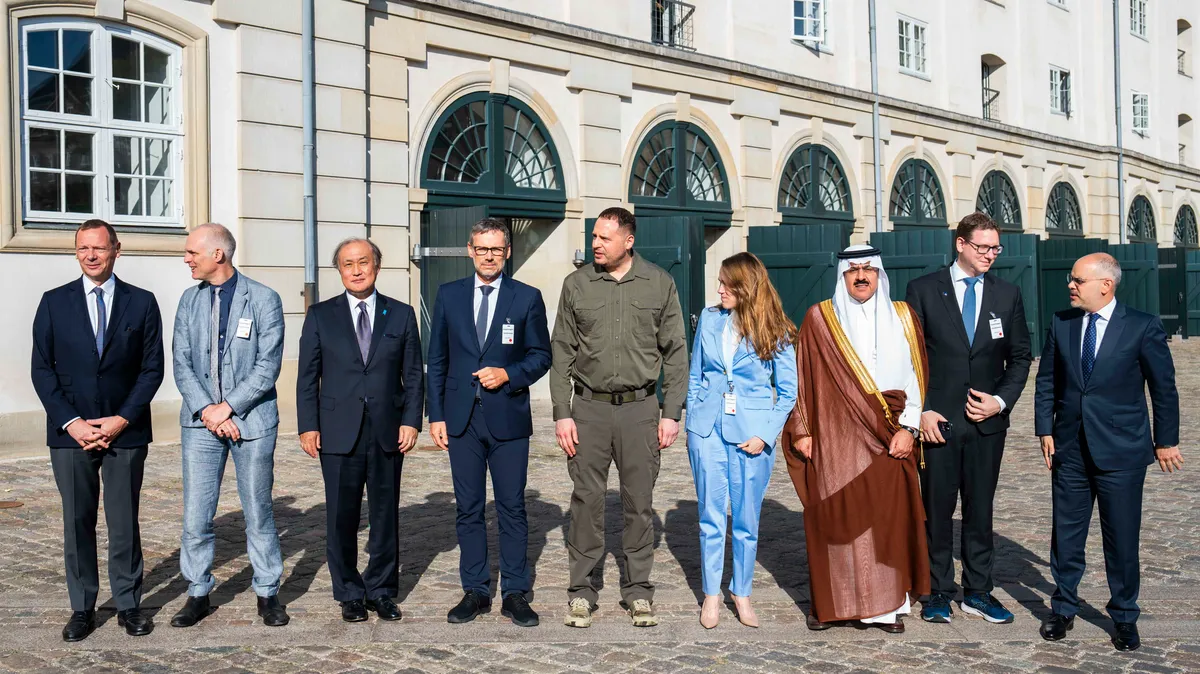
Meeting of representatives of Ukraine, G7 and BRICS countries in Copenhagen. Photo: EPA-EFE/Martin Sylvest
In Copenhagen, a meeting of representatives of Ukraine, G7 and BRICS countries took place. So there is a preparation for the summit of the world - measures for the development of a roadmap to resolve war in Ukraine under international mediation.
Over the past six months, there have already been several attempts to offer peacekeeping initiatives: China, Brazil, Indonesia, the countries of the African Union, and even the Vatican have made their projects. Unfortunately, not one of these attempts has yet been successful-primarily because the parties to the conflict are in irreconcilable positions, but also due to the fact that international intermediaries are trying to achieve their own goals with the help of peaceful initiatives. The new newspaper Europe understood what these peaceful initiatives were and why the participation of the countries of the Global South in them can create the necessary pressure on Moscow.
At the end of June, against the backdrop of a military rebellion in Russia in Copenhagen, a new meeting was held behind closed doors dedicated to the peaceful settlement of the conflict in Ukraine. The meeting was initiated by the Ukrainian side, represented by the head of the president’s office Andrei Ermak, and became a preparatory event in front of the world summit, which Vladimir Zelensky repeatedly spoke of. The last time the idea was expressed during the meeting with the leaders of the Great Seven (G7) in Hiroshima in May 2023, and Lyokke Rasmussen, the head of the Denmark, proposed to conduct a summit in Copenhagen in July of the same year.
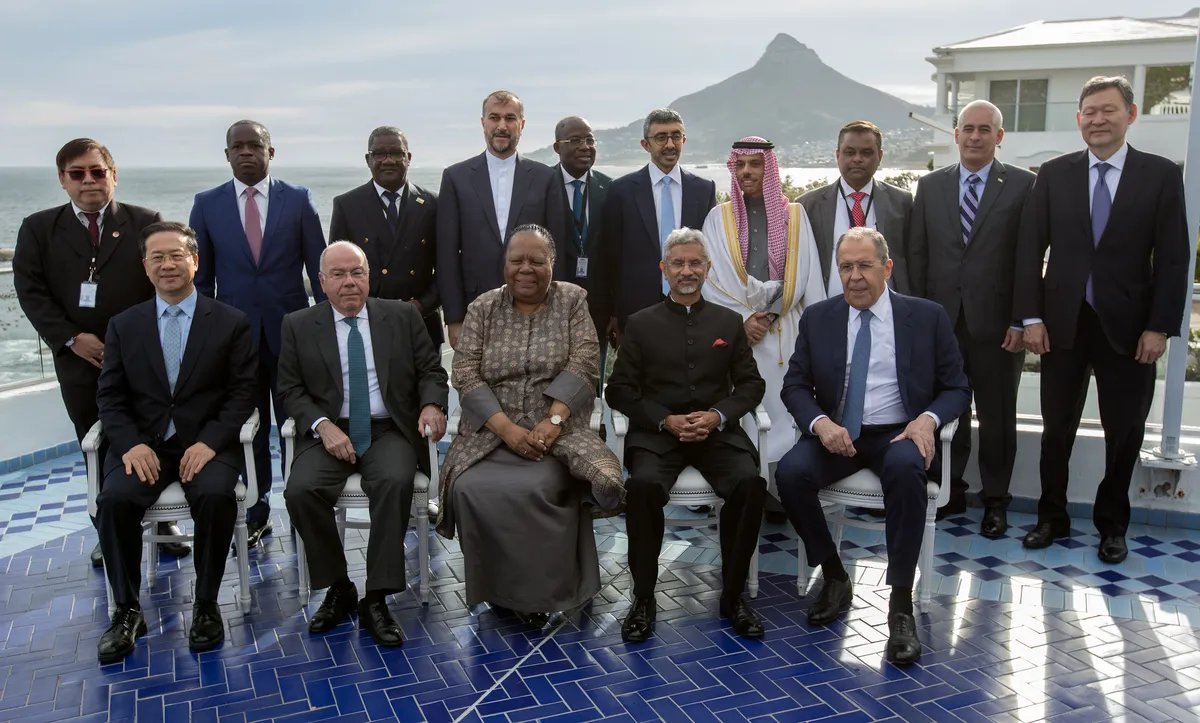
The exact list of participants in Copenhagen is unknown, but it is reported that it was visited by representatives - first of all, advisers to national security - all G7 countries, as well as delegates from the EU, India, Turkey, Saudi Arabia, Brazil and South African. Conflicting information is received regarding the participation of China representatives. However, back in May, Rasmussen noted that the presence of the PRC at the world summit is extremely desirable. Of course, Russia was not at the meeting.
Initially, the idea of the world summit was put forward by the Ukrainian side. The initiative is based on a peaceful Zelensky of ten points, the key of which is the withdrawal of Russian troops and the restoration of the territorial integrity of Ukraine within the international recognized borders - conditions unacceptable to the Russian side. However
If the world summit will still take place, it will become the most representative and multilateral peaceful initiative.
And the composition of potential participants can open new prospects in resolving the conflict in Ukraine.
The peace plan of Zelensky
President Zelensky first presented his peace plan, consisting of ten points, at the G20 summit in November 2022. It is formulated in the form of tasks that must be solved for peaceful settlement.
Ensuring nuclear and radiation safety in Ukraine. This is especially true for the Zaporizhzhya nuclear power plant under the control of Russian troops.
Ensuring food security, especially the export of Ukrainian grain.
Energy safety. This item implies both control over the prices of Russian energy carriers and the restoration of Russian energy infrastructure.
The liberation of prisoners of war, as well as the return to the homeland of Ukrainians, taken to Russia.
The restoration of the territorial integrity of Ukraine within the internationally recognized boundaries and in accordance with the UN Charter.
The full conclusion of Russian troops, the cessation of hostilities and the restoration of the state border of Ukraine.
Creation of a special tribunal for the investigation of Russian war crimes.
Prevention of ecocide, especially in terms of clearance, and the restoration of water treatment facilities.
Prevention of the escalation of war and building a new collective security architecture in Europe.
The signing of a formal peace treaty by both parties.
At the same time, the initiative to hold the world summit was far from the first peaceful proposal - over the past six months, Brazil, China, Indonesia, African countries and even the Vatican also managed to express them. Although these initiatives did not receive either the recognition of the warring parties, nor further development in the form of signing any agreements-largely due to the fact that they appeared more to solve the external and domestic political tasks of those countries that nominated them-they helped to involve the country of the global south and especially the country of Brix (in addition to Russia, this is Brazil, India, China, South Africa). Critically important.
Lula neutral moderators club
One of the first in six months of attempts to propose a plan for the peaceful settlement of the conflict in Ukraine was the initiative of the Brazilian President Luis Ignasio Lula da Silva, expressed during a joint press conference with the German chancellor Olaf Sholtsa after a bilateral meeting on January 30, 2023.
During this period, the Russian offensive continued . The troops of the Russian Federation occupied the soledar, and also tried to surround the Bakhmut, the capture of which was positioned by the Kremlin as a paramount military task. At the same time, Europe decided to begin the transfer of tanks for the Ukrainian army - by the end of January Germany, whose support in the sending of Leopards to Ukraine was expected by other Western countries, finally approved deliveries. It was against the backdrop of the inevitable new escalation of hostilities that the President of Brazil made the initiative.
The proposal of Lula da Silva was not particularly detail. The task, among other things, was to avoid planning escalation. For this, according to Lula da Silva, several countries need to unite and take on the role of the mediator in resolving the conflict - communicate simultaneously with Russia and Ukraine. “We want to offer [create a group similar to] G20, which would put an end to the Russian-Ukrainian conflict,” the president explained .
The list of countries that should have entered this club, Lula da Silva did not bring, but in subsequent speeches noted that states that occupy a neutral position in the conflict of Russia and Ukraine, such as China, India and Indonesia, can take on a key role. At the same time, the president separately emphasized the need for participation in this process of the United States and the European Union.
At that moment, the initiative did not become particularly popular and did not receive development. The Ukrainian Foreign Ministry noted that he was watching with interest the efforts of President Brazil, but condemned his approach to equalizing the positions of the “victim and aggressor”. For its part, Russia greeted Lula and Silwa to resolve the conflict, and Dmitry Peskov noted that Moscow is “ready to listen” to the initiatives taking into account Russian interests.
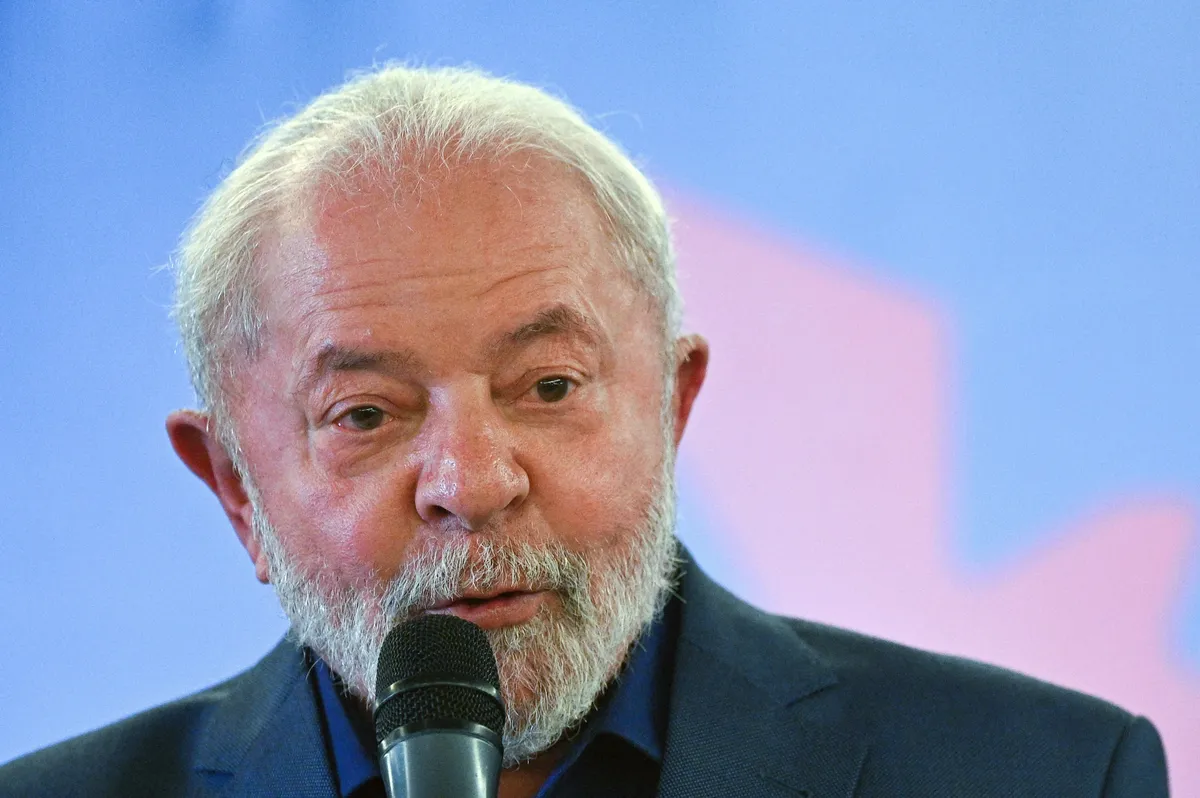
However, the proposal with which the Brazilian president made was not accidentally made in this form. The foreign policy of Lula da Silva is strongly intertwined with his domestic political approach, which is often described by the phrase “Brazil has returned”. It consists in the “return” of Brazil to traditional politics after the presidency of the extreme right Zhir Bolsonaru. In the domestic policy of the country, this, for example, refers to the termination of the dexterity of the Amazon, and in the external implies the doctrine of “active non -alignment”. In accordance with it, Brazil is advantageous to actively participate in international coalitions to resolve conflicts, without supporting any of the parties. So Brazil realizes its desire to be an independent world power - primarily autonomous from the United States, whose economic and political influence in Latin America is traditionally very great.
However, in the case of a peaceful initiative to resolve the conflict of Russia and Ukraine, Lule Da Silwa could not find support. The president tried to take a neutral position: on the one hand, he condemned the invasion of Ukraine and even refused to come to the St. Petersburg International Economic Forum, on the other hand he also condemned Western countries for the supply of weapons of the Ukrainian army, which, in his opinion, prolongs the war. In addition, and Silva noted that in the course of potential negotiations, Ukraine will have to stop claims to the Crimea. But this approach led to the fact that the United States and other Western countries refused to join the new group, and the Ukrainian side rejected the initiative.
Presumably Lula da Silva also discussed his initiative with Xi Jinping during his April visit to the PRC, but at the final press conference, the leaders of the countries did not comment on the possibility of China, emphasizing that "negotiations are the only way to resolve the conflict."

China's exit
The next initiative for the peaceful settlement of the conflict in Ukraine was the Chinese plan . The initiative was announced during the Munich Security Conference on February 17-19, which was stated by one of the leaders of Chinese diplomacy in Van I. And the plan itself was published on the anniversary of the beginning of full -scale military operations - February 24, 2023.
In addition to the symbolic date, the publication of the plan was accompanied by a fierce and unsuccessful Russian offensive on Bakhmut . Considering that by February 2023, attempts to take Bakhmut lasted several months against the backdrop of the complete absence of advancement in other sections of the front, the ceasefire proposal was very useful for the Russian side. This was confirmed by the ongoing statements of the Russian side about the readiness to begin peace negotiations. Moreover, an important condition for these negotiations, which Dmitry Peskov once again reminded at the end of February, was the preservation of “new territories” behind Russia, which already managed to become the “internal factor” of Russian politics.
The plan itself at the time of its publication also looked more profitable for the Russian side. On the one hand, he postulated the generally accepted truths, such as the respect of the sovereignty of all countries, the resolution of the humanitarian crisis in Ukraine, the protection of civilians and prisoners of war, ensuring nuclear security, maintaining international supplies and the post -war restoration of the conflict zone. On the other -
The plan proposed a speedy de-escalation of the conflict until the complete ceasefire and the resumption of peaceful negotiations, but did not provide for the withdrawal of Russian troops from the occupied territories, which would mean de facto recognition of these regions part of Russia.
In addition, the plan contained a clause on the inadmissibility of “unilateral sanctions” adopted without the approval of the UN Security Council, where both Russia and China have the right to veto.
The one -sidedness of the Chinese peacekeeping initiative explains and emphasized the cold reaction of the EU and NATO , and the double answer of Kiev. Ukraine welcomed China’s desire to resolve the conflict and approved some parts of the initiative, but the plan that does not include the complete withdrawal of Russian troops from the territory of Ukraine was unacceptable for Kiev, commented on Zelensky. The Russian side, in turn, unequivocally supported the initiative.
For what purpose did China put forward a plan, given its obvious unrealizability? The main task was to strengthen the international positions of the Middle Kingdom, said Alexander Gabuev, director of the Carnegie Berlin Center for the Study of Russia and Eurasia. Against the background of periodically increasing tension around Taiwan, aggressive Chinese policy began to be criticized not only in the United States, but also in Europe . In these conditions, it was and remains important to maintain the image of a constructive player in the international arena - the breakdown of trade ties with the West would be a critical blow to the Chinese economy. It was these motives that were probably due to the European tour of Van and before the announcement of the peacekeeping plan.
“China and Europe do not have fundamental disagreements and are natural partners.”
- then the Chinese diplomat said in the course of one of his speeches in the European capitals.
In addition, the predictable cold reaction of the Western countries played China into the hands - they say, the PRC, unlike the USA and Europe, stands for peace. This is also beneficial from the point of view of China’s reputation among developing countries, Gabuev believes, since China is the only permanent member of the UN Security Council that offers a de -escalation plan, while others either directly participate in the conflict (Russia) or supply weapons (USA, Great Britain and France).
Peaceful Crusade of the Vatican
In May 2023, when, after the capture of Bakhmut, the situation on the fronts stabilized and both armies began to prepare for the upcoming counterattack of Ukraine, and the EU tried to coordinate the new package of sanctions, the details of the peacekeeping initiative of the Holy See became known. Probably, the lull before the next exacerbation was regarded by the Vatican as a good moment for a new attempt to put the parties to the negotiating table or at least bring their positions at the expense of shuttle diplomacy.
Pope Francis instructed the head of the episcopal conference of Italy to Cardinal Matteo Dzuppy to become a special Vatican World Ambassador to "make his contribution to a decrease in the stress conflict in Ukraine, in the hope that the Lord never left, that this could launch peace processes." At the same time, Dzuppy was not chosen by chance. The cardinal has experience in participating in peacekeeping missions-in the 1990s he was a member of the intermediary groups in resolving civil wars in Guatemala and Mozambique, and in 2000 he headed the commission of negotiating in the Civil War in Burundi.
In early June, Dzuppy made his first trip to Ukraine, where he met with the President of Zelensky and handed him a letter from Pope Francis. Zelensky welcomed the efforts of the Vatican, but called on the holy throne to support the Ukrainian plan to resolve. The visit of Dzuppy to Moscow was scheduled for June 28–29. At the same time, the Russian side responded positively about the "sincere desire [dad] to promote the peace process."
At the time of writing, it became known that during his visit, Dzuppy had already met with the assistant president in foreign policy Yuri Ushakov. It is reported that during the meeting the possibility of negotiations was discussed even without the cessation of hostilities, although, according to Dmitry Peskov, no specific decisions were made. In addition, Dzuppy talked to the Commissioner for the Rights of the Child Maria Lvovo-Belova: during the meeting, “humanitarian issues” and “protection of the rights of children” were discussed. Lviv-Belova, whose arrest for the illegal deportation of Ukrainian children issued the warrant of the International Criminal Court, expressed confidence that "Christian love and mercy will help in dialogue and mutual understanding." A possible meeting of the cardinal with Patriarch Kirill was also reported .
In itself, such shuttle diplomacy may turn out to be a completely successful strategy, provided that the parties will be ready to compromise and mutual concessions. But it is still unknown whether the authority of the Vatican and the Exuppi experience is enough to persuade Kyiv and Moscow to such decisions.
Pre -election Indonesian initiative
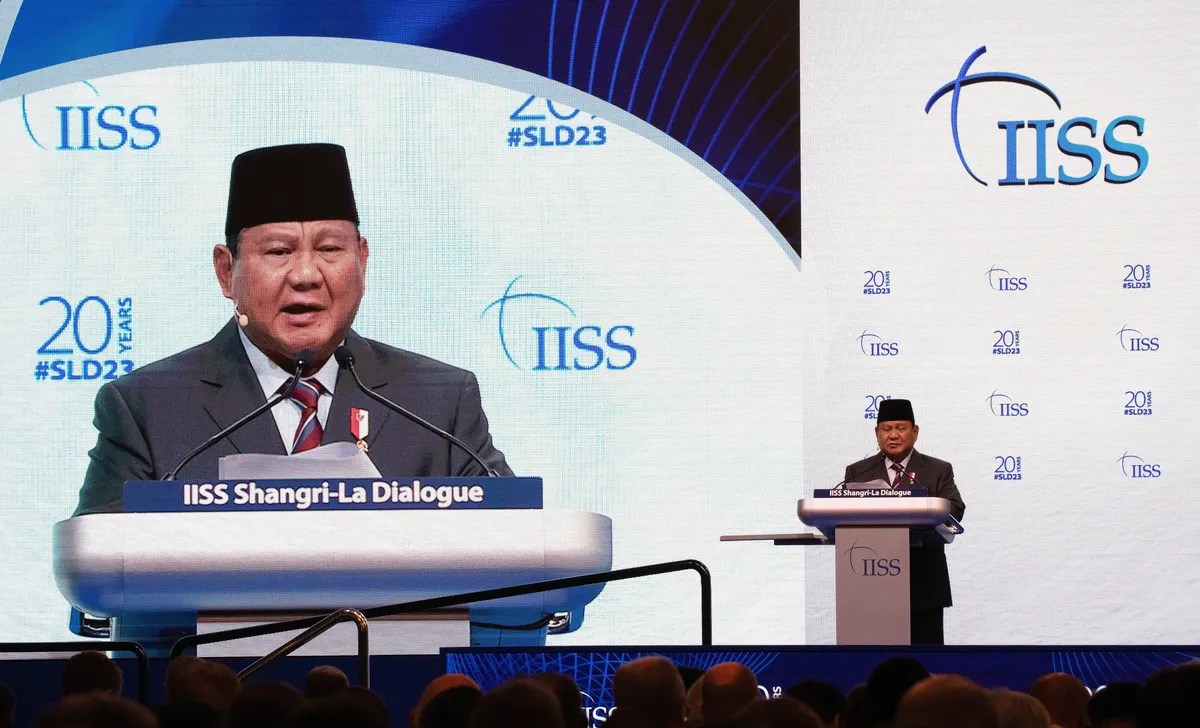
Simultaneously with the trip of Cardinal Dzuppy to Ukraine, it became known about the Indonesian peaceful initiative set forth by the Minister of Defense of the country of Prabovo Subianto during the security conference in Singapore. The place was not chosen by chance - the head of European diplomacy Josep Borrel also took part in this session of the summit.
The Prabovo plan was proposed orally and provided for a complete ceasefire, the allocation of troops 15 km from the contact line and the formation of a demilitarized zone there under the supervision of the peacekeepers of the UN. In addition, Prabovo suggested holding a referendum on the “controversial territories” under the auspices of UN observers and announced the readiness of the Indonesian side to provide the UN military units as a peacekeeping contingent to resolve the conflict.
Prabovo’s proposal entailed the predictably negative reaction of the Ukrainian side and did not cause special emotions in the Russian. The speaker of the Foreign Ministry of Ukraine Oleg Nikolenko repeated that any plan of peaceful settlement should include the full conclusion of the Russian troops. «Между Украиной и Российской Федерацией нет спорных территорий, на которых можно было бы проводить референдумы», — добавил Николенко. Министр обороны Украины Алексей Резников и вовсе заявил, что эта инициатива выглядит как «российский план». Дмитрий Песков, в свою очередь, отметил , что Россия не получала каких-либо официальных предложений индонезийской стороны.
При этом само выступление Прабово на конференции выглядело настолько провокационно, что вызвало критику со стороны ЕС: глава европейской дипломатии Жозеп Боррель заявил , что план фактически предлагает Украине сдаться. Спустя два дня министру иностранных дел Индонезии Ретно Марсуди даже пришлось выступить с разъяснением, что позиция Индонезии о неотчуждаемости суверенитета и территориальной целостности Украины остается неизменной.
Поскольку за заявлением Прабово не последовало никаких дипломатических действий — письменные версии плана даже не были направлены сторонам, — можно предположить, что целью вряд ли было непосредственное разрешение конфликта. Куда более вероятно, что речь была частью предвыборной кампании Прабово — в 2024 году в Индонезии состоятся президентские выборы, в которых действующий министр обороны собирается принять участие и является одним из фаворитов гонки.
Африканская инициатива
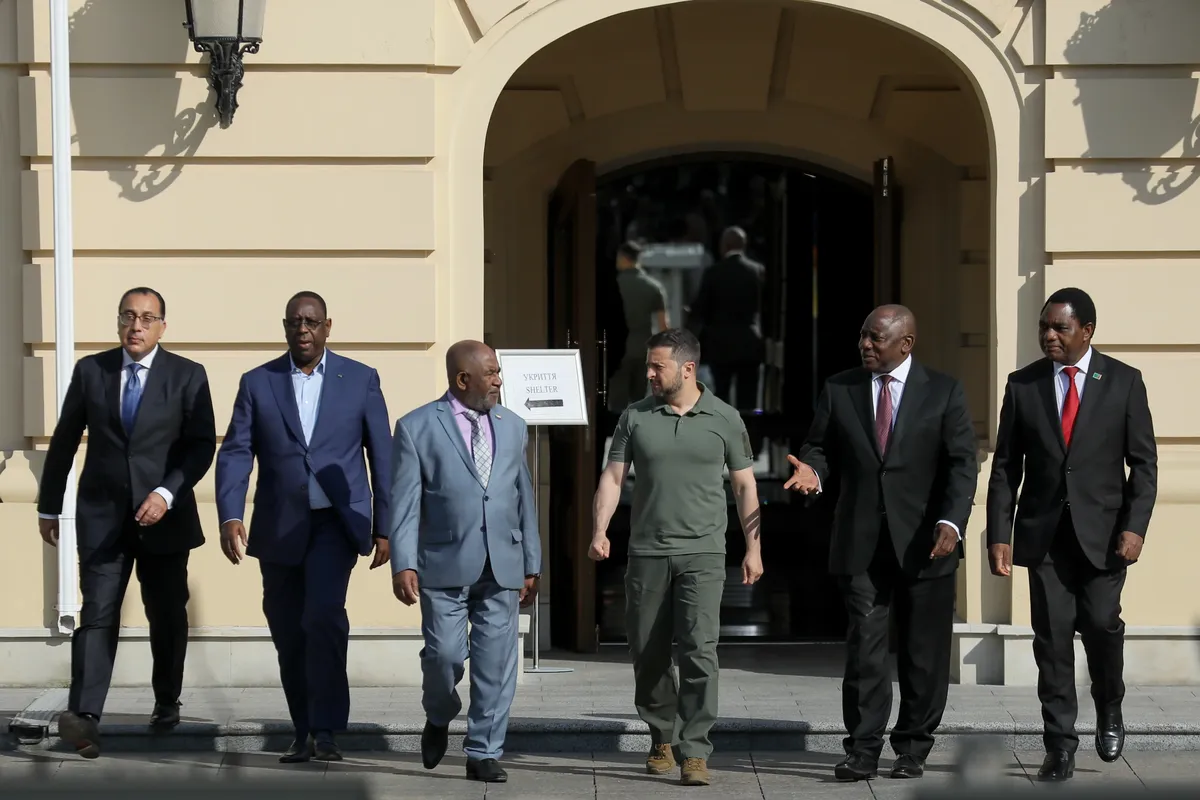
Наконец, 16 июня 2023 года лидеры пяти африканских государств, включая официальных представителей Африканского союза — самой большой межправительственной организации континента, — приехали в Киев с планом по скорейшему прекращению войны в Украине. К этому моменту украинское контрнаступление уже началось, а во время самого высокостатусного визита по Киеву был нанесен очередной ракетный удар . Так что если поездка африканской делегации ставила целью деэскалировать напряжение, эта задача точно не была выполнена.
Как и другие инициативы, африканский план основан на идее дипломатии как единственного инструмента достижения мира, призывает к немедленному переходу к переговорам и взаимному признанию суверенитета. Он подразумевает военную деэскалацию, выработку гарантий безопасности для обеих стран, обеспечение гуманитарной помощи пострадавшим, а также восстановление разрушенной инфраструктуры. Но особенно важным для африканской делегации стал пункт об обеспечении экспорта зерна и удобрений — от этих поставок зависит продовольственная безопасность не только Африки, но и стран Ближнего Востока.
Однако и эта миссия успеха не достигла. «Допустить какие-либо переговоры с Россией сейчас, когда оккупант находится на нашей земле, значит заморозить войну, заморозить всё — боль и страдания», — жестко отреагировал президент Украины Владимир Зеленский на инициативу африканских государств в ходе совместной пресс-конференции.
Несмотря на это, делегация продолжила дипломатическую миссию и 17 июня прибыла в Санкт-Петербург, где состоялись переговоры с Владимиром Путиным. План по мирному урегулированию, однако, был холодно воспринят и российской стороной. Путин раскритиковал его из-за самого подхода, основанного на международно признанных границах и взаимном признании суверенитета, а пресс-секретарь президента России Дмитрий Песков отметил , что «не все предложения по Украине коррелируют с позицией РФ».
При этом африканская инициатива, в отличие от других, имеет вполне реальную и осязаемую цель — обеспечить продовольственную безопасность своего региона. Из-за войны в Украине на континенте уже образовался дефицит зерна в 30 млн тонн. Кроме того, активное участие в миротворческом процессе и подчеркнутый нейтралитет выгоден стране — лидеру делегации ЮАР, которой нужно не допустить ухудшения отношений с США. В мае американский посол в Претории обвинил правительство ЮАР в поставках вооружений в Россию, в ответ Южная Африка инициировала специальное расследование и еще раз заверила западных партнеров в нейтральности своей позиции.
Продолжать попытки
Хотя каждая из этих мирных инициатив вызвала неприязнь либо в Киеве, либо в Москве, есть и другие причины, почему все эти планы оказались нереализуемыми, считает Мари Дюмулен , руководитель программы Большой Европы в Европейском совете по международным делам (ECFR). Прежде всего, страны, которые предлагают мирное урегулирование, основываются на собственных интересах — решении проблемы продовольственной безопасности, реализации внешнеполитических амбиций или даже вовсе внутриполитических задач.
Из этого, по мнению Дюмулен, следует вторая проблема. Поскольку общим местом всех инициатив является немедленное прекращение огня обеими сторонами, а каждая из стран-миротворцев старается занять нейтральное положение, их подход основывается на равенстве позиций России и Украины. Это сейчас неприемлемо ни для Киева, ни для Запада: для них важно , что Россия — агрессор, а Украина — жертва агрессии.
Наконец, существует и объективное препятствие для начала переговоров, подчеркивает в комментарии «Новой-Европа» директор Стокгольмского института исследования проблем мира Дэн Смит.
Сейчас отсутствует та переговорная база, которая могла бы стать отправной точкой для дальнейших взаимодействий. Ни одну из сторон не устраивает существующее положение дел на фронте,
каждая из них всё еще видит возможности добиться военного успеха.
Это, однако, убежден Смит, не означает, что нужно отказываться от поиска дипломатических решений. «Дипломатия никогда не работает, пока не добивается успеха», — считает эксперт. Поэтому необходимо продолжать попытки. И в этом контексте особенно важной становится роль стран глобального Юга — тех 35 государств, которые воздержались при голосовании в Генеральной Ассамблее ООН 2 марта по резолюции, осуждающей российское вторжение. Это не значит, что эти страны поддерживают Россию, подчеркивает Смит. Скорее, они не готовы занимать в этом конфликте сторону Запада.
В число этих стран как раз входят Китай, Бразилия, Индия и ЮАР. Их преимущество состоит в том, что к их мнению Россия прислушивается или по крайней мере делает вид: Путин принимает их делегации и благодарит за участие, хотя встречи ни к чему и не приводят. Именно на эти страны указывает Путин, когда утверждает, что Россия не находится в международной изоляции. Кроме того, страны БРИКС — прежде всего Китай и Индия — являются важными экономическими партнерами России, особенно в условиях западных санкций.
В связи с этим проведение Саммита мира в Копенгагене может стать еще одним шансом усадить стороны за стол переговоров. Поскольку на саммите будут представлены самые разные страны, объединенные общей задачей, можно надеяться, что личные интересы посредников будут с большей вероятностью отодвинуты на второй план и им удастся выработать общую позицию или даже дорожную карту по деэскалации. При этом страны Запада, такие как США или члены ЕС, смогут обеспечить участие Украины, а страны глобального Юга постараются привлечь к переговорам российскую сторону, особенно в преддверии грядущего саммита БРИКС в августе 2023 года.
С таким потенциальным составом у Саммита мира по крайней мере есть шансы помочь сблизить позиции воюющих сторон. Хотя ожидать, что он немедленно приведет к прекращению огня и деэскалации, не стоит.