
Translated material
Birthday
In Russia, a record decline in the number of newborns is registered. We figure out why
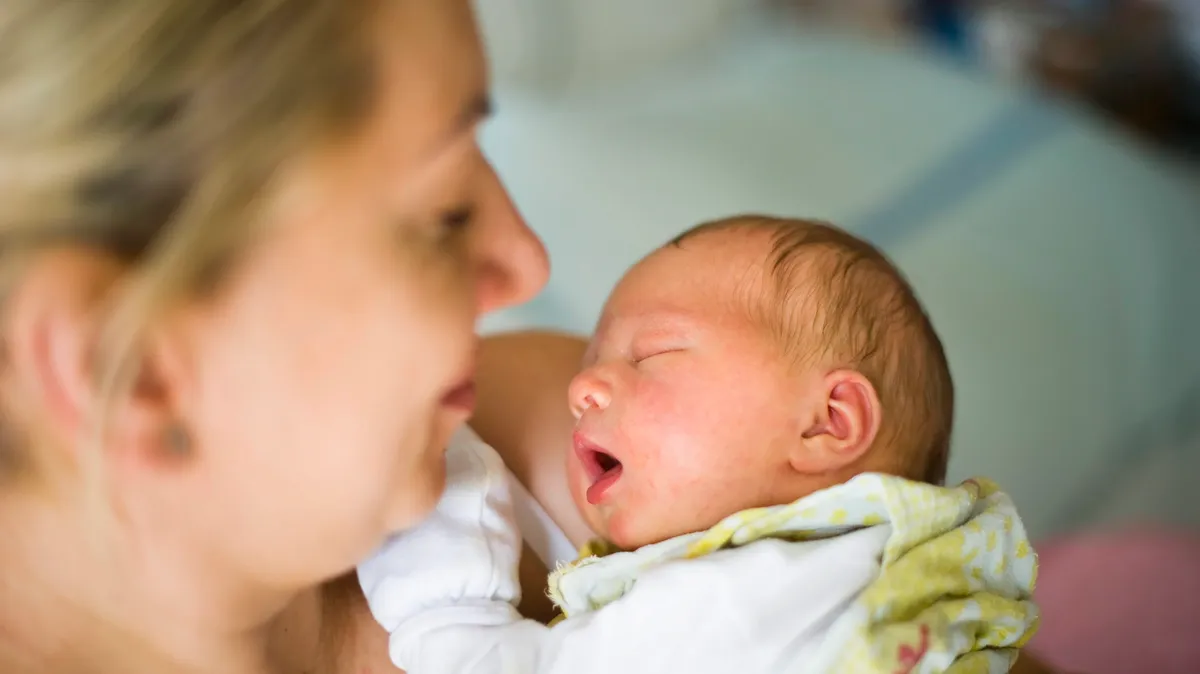
Photo: EPA
Vladimir Putin regularly calls a demographic decline one of the main challenges for Russia and promises to take measures. At the same time, he begins the war and the mobilization of the male population of the country. The statistics look quite sad: last June, the number of babies since the Second World War was recorded for this month. The same applies to January, February and April 2023. We figure out what is happening, along with an expert on demography, who helped us analyze statistics on anonymity.
IMPORTANT
We remind you that the “new newspaper Europe” is recognized as undesirable. Do not refer to us in social networks if you are in Russia.
"Russian Cross"
The number of born in Russia has been declining annually since 2016. Why is this happening? The main reasons are not even in the war and not in mobilization, but in the so-called “Echo of the 90s”-a reduction in the number of women of reproductive age. It, in turn, is explained by a sharp failure of the birth rate after 1987, which, in combination with an unprecedented take -off of mortality in 1992-1994, led to the fact that the demographs later called the “Russian Cross”: the intersection in the graphs of the number of births and deaths with a sharp transition from the natural growth of the population to its loss.
From 1987 to 1999, the number of children born approximately doubled: in 1987, 2.5 million people were born in Russia, in 1999 (excluding Chechnya)-1.2 million. As a result, from 2010 to 2030, the number of women of reproductive age will be reduced by a total of 40%: we have already experienced most of this reduction. In 2019, the reduction reached a speed of 3% annually, and after 2023, probably, he will begin to slow down.
The “bottom” of this demographic pit will become about 2030. At the same time, we are unlikely to ever return to the previous level of the number of born times in 1987: thinking and lifestyle have changed.
The price of motherhood
The “echo” of the so-called “Pit of the 90s” explains the decline in the birth rate of about half. The second reason is more prosaic - amending the laws on federal maternal capital. Initially, maternity capital, introduced in 2007, was intended for the second or subsequent children and increased the number of births: the growth began in 2007 and ended in 2016. Since 2020, maternity capital can be obtained at the birth of the first child.
However, the mistake of the authorities, according to the expert, is as follows: “Matkapits should be unlimited, not temporary (initially it was designed for ten years) - they are extended at the very last moment, thus hinting to women to“ give birth as soon as possible ”. People had no confidence in the future-we received a decrease in the number of born in 2017. Moreover,
The transfer of maternal capital from the second and subsequent children to the first -born played a negative role. Stimulating the birth of the first -born does not work, and subsequent children - yes. ”
Reducing income also greatly affects demographic growth: how to give birth to more children if there is no money? For example, in the Novgorod region since 2011, the regional maternity capital “Family” was supposed to be a woman for the third and (and not “or”, as in most subjects of Russia, where the allowance is issued only once) of each next child. Since 2012, the amount of maternity capital for each child amounted to 200 thousand rubles each. As a result, in seven years, the Novgorod region for the birth rate of third and fourth children managed to exceed the average Russian level for the first time, which is calculated taking into account Ingushetia, Chechnya, Tuva, Dagestan - those patriarchal regions in which there are no problems with birth rate.
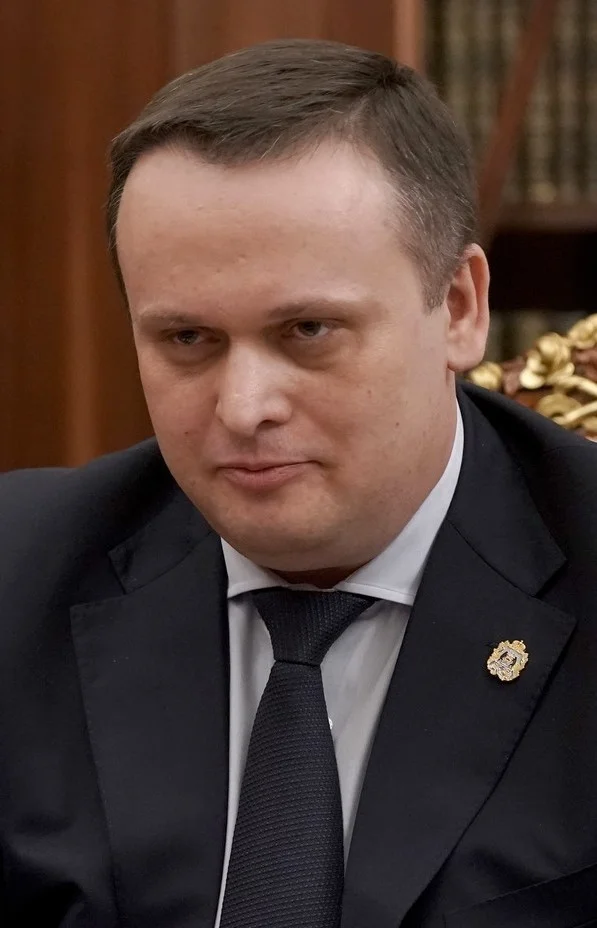
At the turn of 2018 and 2019, Andrei Nikitin, the Governor of the Novgorod Region, known as one of the initiators of the healthcare reform , thanks to which the budget for medicine was cut by closing branches in district hospitals, decided to do something with the uterus. “He removes the old regional capital“ Family ”who proven his effectiveness and introduces a new one, called“ First Child ”: for the first child, as the Ministry of Labor advised him, only 100 thousand rubles, some pennies, and only for parents under the age of 30. The result was not long in coming - a year later, the Novgorod region [had] the largest drop in the birth rate throughout the North -Western Federal District, and in the next two years the decrease continued with an accelerated pace, ”the expert says.
Children of the war
How does war affect demography? Not very good, but it is imperceptible, or noticeable in a detailed study. First of all, this influence is traced in the border regions: if in the whole country from January to April the decline in the number of births amounted to 3.1%, then in the Belgorod region - as many as 7.9%. North Ossetia is impressive - in it the largest decline in the North Caucasus Federal District has been observed for the second year: perhaps because more men were mobilized from there than from other North Caucasus republics. Surprisingly, things are stably bad in Ryazan: in 2021, according to Rosstat, 8,034 children were born, in 2022-6 971.
Such a decline is explained not only by the war, but also by low regional maternal capital: 82 198 rubles in Ryazan against, for example, 150 thousand in the neighboring Tula region.
As a result, more and more women from Ryazan go to give birth to Moscow, where all documents about birth in Moscow will be given a child, as well as a large gift box with the contents of 40 items or 20 thousand rubles to choose from.
In general, people began to have children a little less often not so much because of the war itself, but because of the worsened financial situation and economic uncertainty caused by the war. “So far, the influence of the war on the number of born does not go beyond the boundaries of white noise,” the expert says.