
Translated material
Nightmare seller. Chapter V. The first thugs
How Evgeny Prigozhin creates a PMC "Wagner"
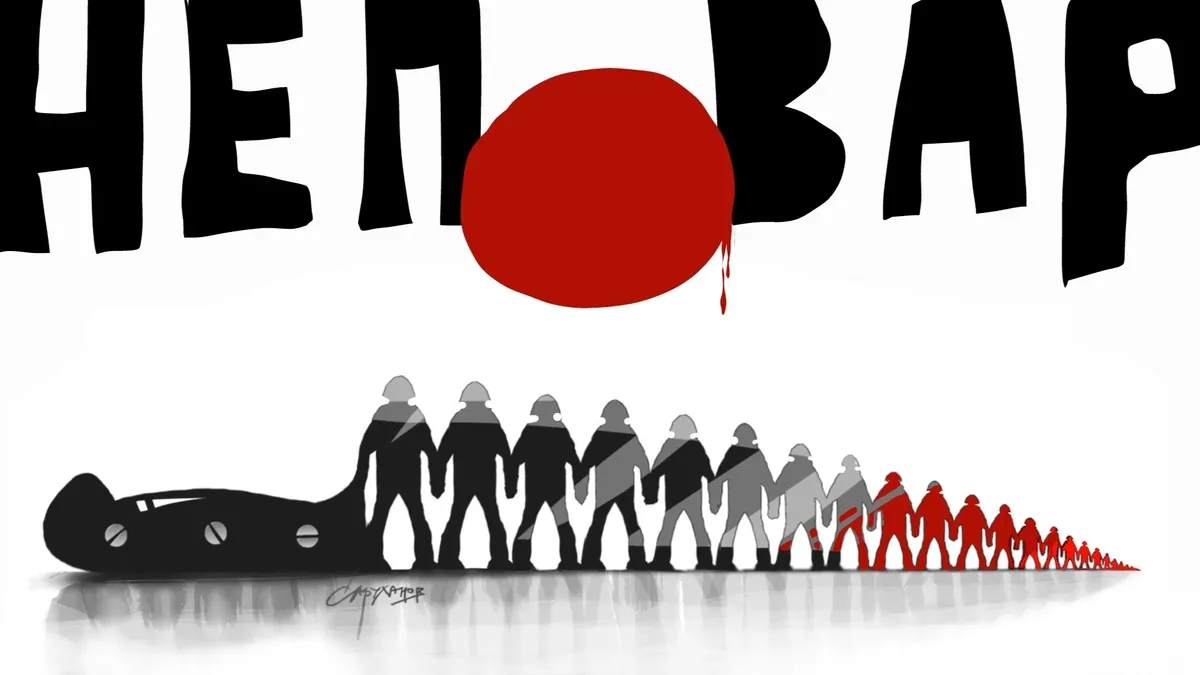
Peter Sarukhanov / "New Gazeta"
The series about the fate and projects of Yevgeny Prigozhin exceeded the equator. Today we are publishing the fifth episode out of eight - in it we will talk about who and how created the PMC “Wagner”. And in the previous series, read about how the Kremlin cook became direct access to the country's leaders at the distance of the pushed stool of the Kremlin cook in the interests of his patrons: he organized a campaign to discredit oppositions on the Internet and on TV, collected data on the highest guests of the Kremlin (including Putin's conversations), and stood behind the organization of an intimidation shares Larried bloggers and members of their families.
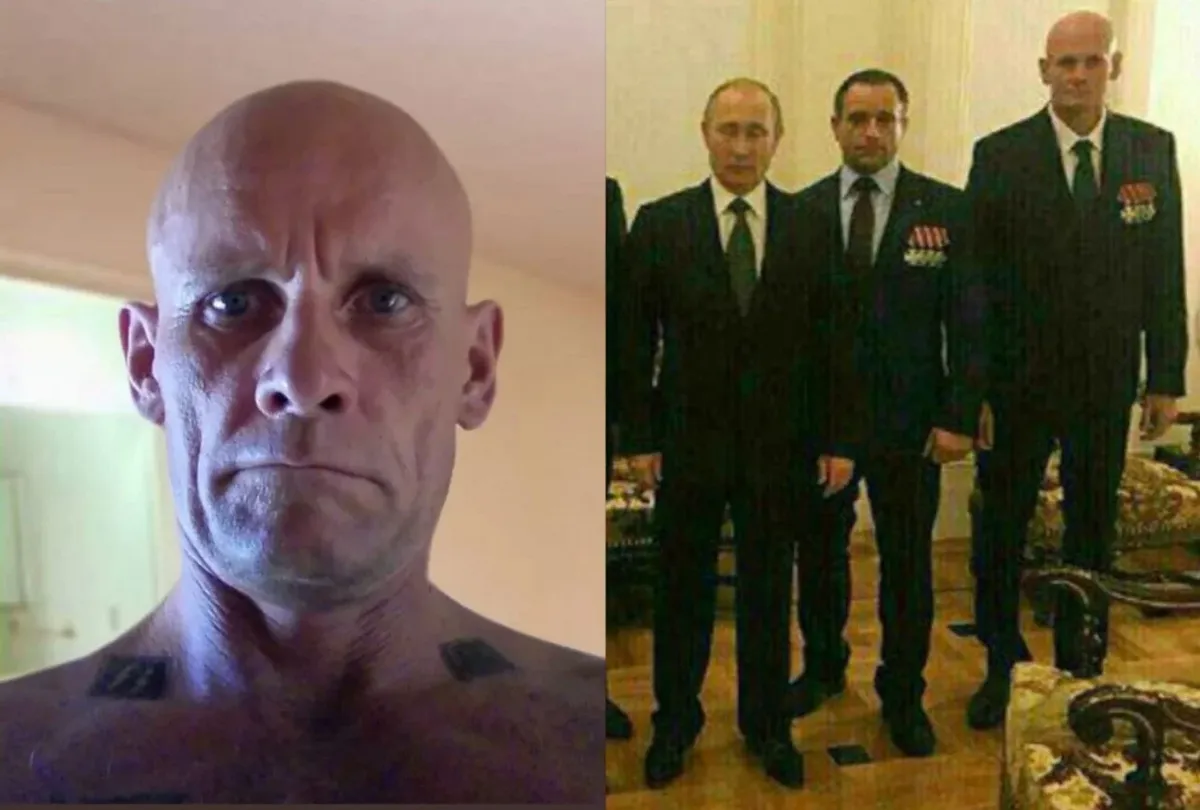
In February 2013, Lieutenant Colonel Dmitry Utkin quit the GRU, leaving a decent position of the commander of the 700th detachment of the 2nd separate special forces brigade. This decision was strange, because the 43-year-old officer could well continue the service and go up the career ladder. But he, who passed both of the Chechen wars, did not particularly seduce his peaceful life - because there was also dependence on the war, and could he know that the state itself would get into an armed conflict in a year? I did not have to count on this.
Utkin is a radical person who is fond of the Third Reich. For this, he received from his colleagues the nickname "Wagner".
Such as he, who feel superfluous in a civilian, quickly find work outside her: after the resignation of Dmitry, Moran Security Group, who was engaged in the protection of sea vessels in the pirate areas of the world ocean, invited Dmitry. He visited two business trips in the coastal waters of Africa, and then received another proposal.
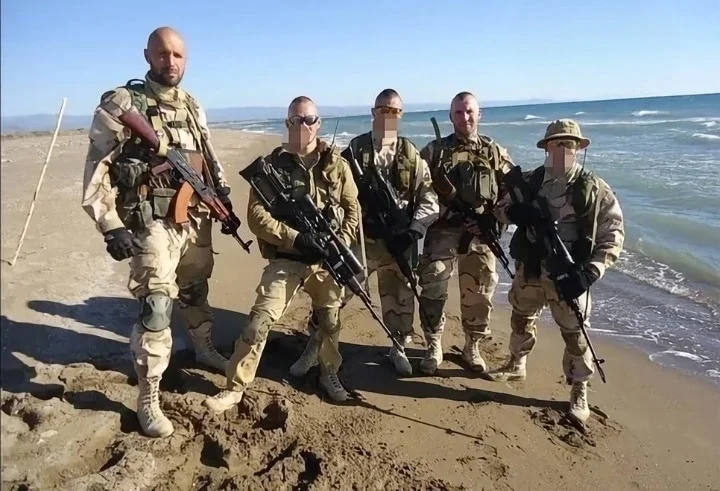
The Ministry of Oil and Mineral Resources of Syria called Moran Security Group to protect the objects of production, transportation and processing of oil in the country. The company, having evaluated all the risks, decided not to contact Damascus, but two of its managers - Vadim Gusev and Evgeny Sidorov - caught fire and registered the Slavonic Corps Limited Organization in Hong Kong. The office of this organization, which was directly involved in recruiting mercenaries (that is, committing criminal offenses), in 2013 was directly in the center of Moscow - in Potapovsky Lane, 5. There, the organizations managed to conclude contracts with 267 volunteers for working in Syria.
By September 2013, the mercenaries recruited by the Slavic Corps reached Latakia - the main Syrian port on the Mediterranean Sea. But here they were informed of unpleasant news: before proceeding with the protection of oil facilities, these objects still had to be discouraged from an armed opposition. By that time, the civil war in Syria had lasted the third year, and government troops did not particularly succeed in it. The first battle turned out to be difficult - thousands of rebels opposed the Russians. She saved the mercenaries, by their own admission, only the began sandstone.
The “Slavic Corps” had to be evacuated by the demoralized and not ready to fulfill the tasks. In Vnukovo, his fighters were detained, a criminal case was opened against Vadim Gusev and Evgeny Sidorov under Article 359 of the Criminal Code of the Russian Federation - “Mercenary”. But Utkin and the rest were lucky then - with them at the FSB only “preventive conversations” were held.
Some time after this retired officer tried to live an ordinary pensioner life, but in February 2014 they called him.
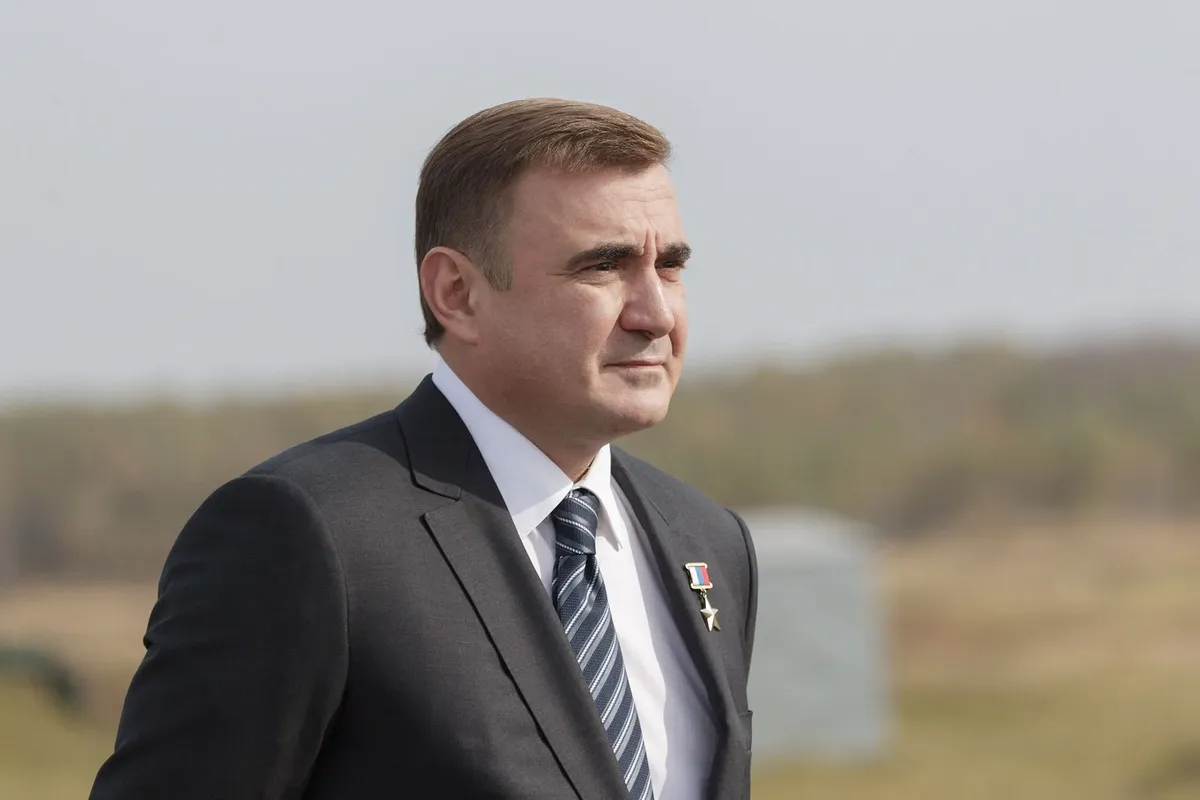
At the other end was the commander of the forces of the GRU special operations Alexei Dyumin (now the Governor of the Tula region). He invited Utkin to meet. He agreed. At the meeting, a retired officer with the call sign “Wagner” and met Evgeny Prigozhin.
There, both of them were instructed to create a paramilitary structure to perform specific tasks, to glow in which the regular army is undesirable.
A few days remained before the Crimean Spring, and months before the start of the armed conflict in the Donbass. The one who wanted to fight Utkin was brought with a businessman ready to become a “wallet” of war. The decision on the creation of the Wagner PMC was made .
By March, Dmitry Utkin was able to gain more than 200 volunteers. His deputy was the retired Lieutenant Colonel of the Ministry of Internal Affairs Andrei Troshev, artilleryman, veteran of hostilities in Chechnya and Afghanistan. The commanders of the first two companies were Alexander Kuznetsov and Andrei Bogatov.
Little is known about the participation of the Wagnerians in hostilities in the Donbass in the Tenths: they fought with the Armed Forces of Ukraine for Donetsk Airport and Debaltseve, as well as, allegedly, could be related to the elimination of some inconvenient “field commanders” in the “people's republics”.
But the real “glory” in Russia and in the world “Wagner” fought later - when they were thrown from Ukraine first to Syria, and then to the Central African Republic.
And this glory was bad.
Read more about this period
How the Wagner PMC was created - the details of the meeting of Prigozhin and Utkin from the deputy head of the main intelligence department . Material of 2023
TO BE CONTINUED
In the next series - “Head on the fence” - we will talk about how Wagner's mercenaries behaved in Syria, and how to brutal executions committed by Russian citizens in another country, the investigating authorities did not respond in any way in Russia. The absence of such a reaction and wild customs of mercenaries will lead to the fact that many ordinary Russians will hear and see their monstrous videos about such extrajudicial reprisals - during the participation of the “Wagnerians” (already opened by Prigozhin) in a special operation against Ukraine.