
Translated material
Inhabited prison
The whole history of Russia through the barred window of the most disastrous prison-fortress in the country-Shlisselburg
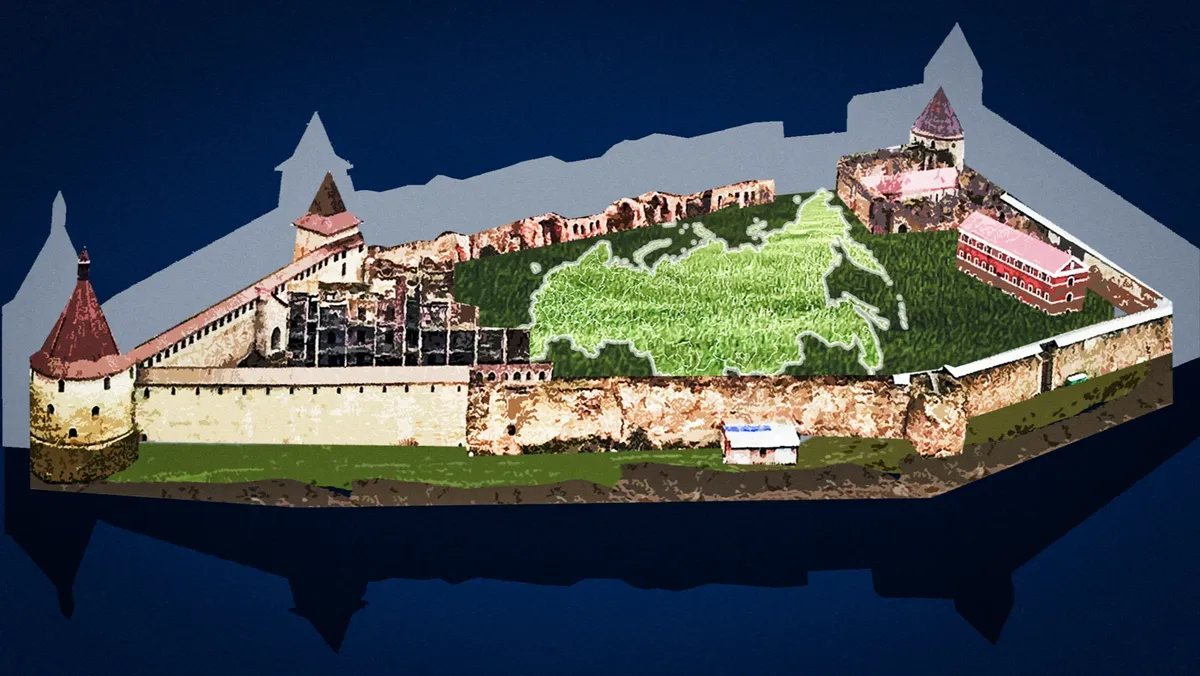
Illustration: "New Gazeta Europe"
“We will threaten the Swedes”, “The Military Creation of the Great Peter”-this is all about her, the fortresses of the Non-Noteborg. “Venzenos prison”, “royal casemates”, “Russian bastion”, “the most gygot place of the country”-and this is also about it, now the Fortress-Tullem Shlisselburg (German.-“Key-Gorod”). “Guardian“ Roads of Life ””, “Outpost of resistance to the blockade”, “A symbol of the unbending of the“ Nevsky Piglet ” - and this is also about her. What was a witness to one of the oldest fortresses of Russia, celebrating a double anniversary (700 years of fortress, 300 years in prison), and what it lives now-in the material of Novy-Europe.
IMPORTANT
We remind you that the “new newspaper Europe” is recognized as undesirable. Do not refer to us in social networks if you are in Russia.
Shlisselburg is the only prison in the world that acquired the glory of the most sinister and at the same time miraculous. As many legends are connected with any Russian prison or fortress as with Shlisselburg. Moreover, legends are indirectly confirmed even by some facts. Just as the Bastille for France, the Slisselburg fortress became not only the ruler of the rebellious souls, but also the fateful for all of Russia.
The "fraudulent" fortress
The fortress “Oreshka” was laid in 1323 by the grandson of Alexander Nevsky - Prince Yuri Danilovich. Then, after a 30-year-old sluggish war between the Novgorodians and the Swedes, the first international agreement in Russian history was concluded, fixing the distinction between territories. The Novgorod residents reserved the right to own the eastern part of the Isthmus-the state border was outlined, which passed from the Gulf of Finland to the north to Lake Sima (current Finland), and then to the northwest to the Baying Bay. Thus, the merchants of Novgorod gained access to the Baltic Sea and profitable sea trade. And in order for the Swedes it was difficult to violate the “eternal” obligations, Yuri Danilovich built a fortress on the southern part of Lake Ladoga at the Lake Ladoga, the money for the construction of which was obtained by fraud.
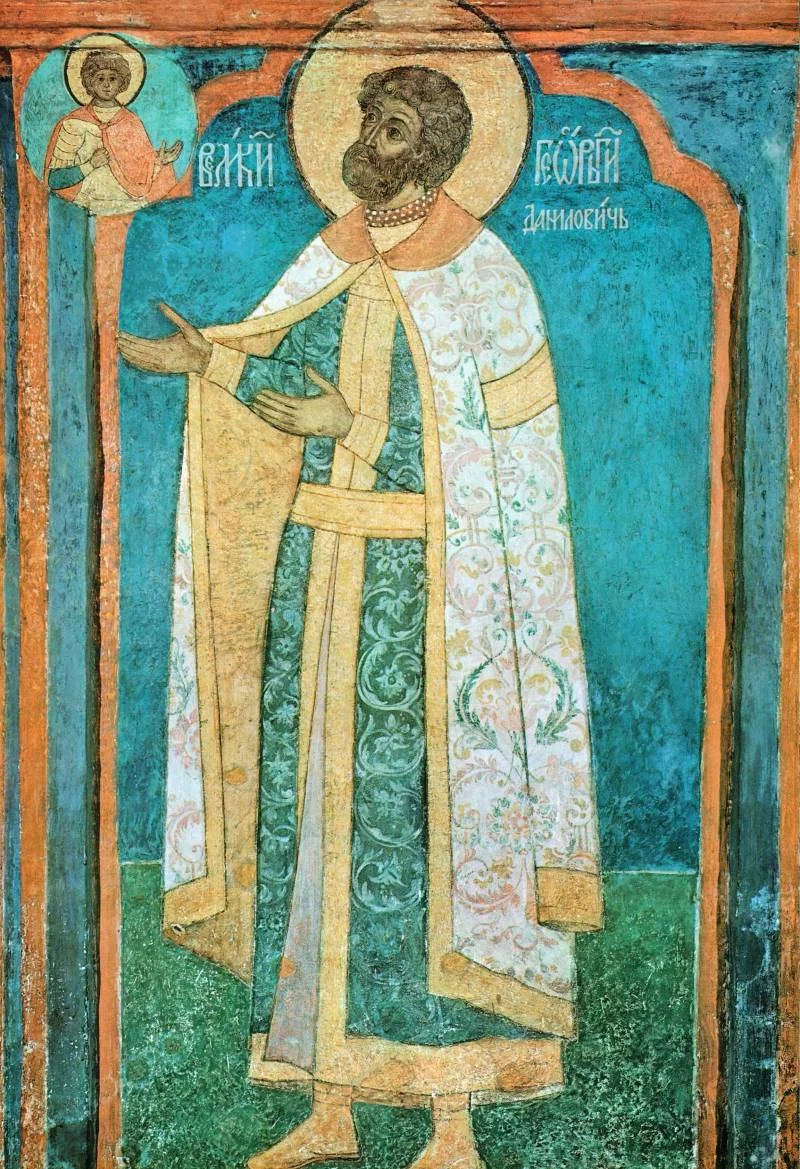
The direct descendants of the Grand Duke Alexander, the nickname of Nevsky, were in the Golden Horde at a big hold. Yuri Danilovich was even honored to become a “Genghisid” (having married Konchak, the sister of Khan Uzbek, a direct descendant of the fourth son of Genghis Khan Toleuy). In 1318, the prince receives a label from the Uzbek to the great reign in Rus'-the title of Prince Vladimir. In 1321, Tver Prince Dmitry Mikhailovich handed over to Grand Duke Yuri Danilovich a tribute from the Tver land for the Golden Horde.
Instead of giving tribute to the Horde, Prince Yuri gives money to the Novgorod merchants “in growth”. Tver, the prince will learn about this and informs Khan Uzbek. He calls on his son -in -law, but Yuri is justified by the fact that a threat arose from the west, and leaves for Novgorod to deal with the Swedes. Having figured out and laying on the interest received from the Tver Dani, the fortress on the Neva, Yuri is still forced to go to the Horde in the fall of 1325. Having received a tribute in full (that in two years the capital doubled, Yuri modestly silent), the Uzbek forgave his son -in -law, but he was killed by Dmitry Tversky, who also paid his life for this murder.
So far, in the Golden Horde there were proceedings between princes and khans, construction was under the mouth of the Neva on the Orekhov Island. Around the fortress, warehouses and berths for Novgorod ships were organized, on which they began to carry their goods along the Neva to Europe. In 1612, the Swedes captured the fortress and put an end to the direct trade of Novgorodians with Europeans. Now the Swedish merchants bought up Russian raw materials in Novgorod (in those days it was a ship forest, hemp, linen, wax, honey, Pushnin), and then with a thousand percent profits sold to the Germans, Dutch, the British, and the French.
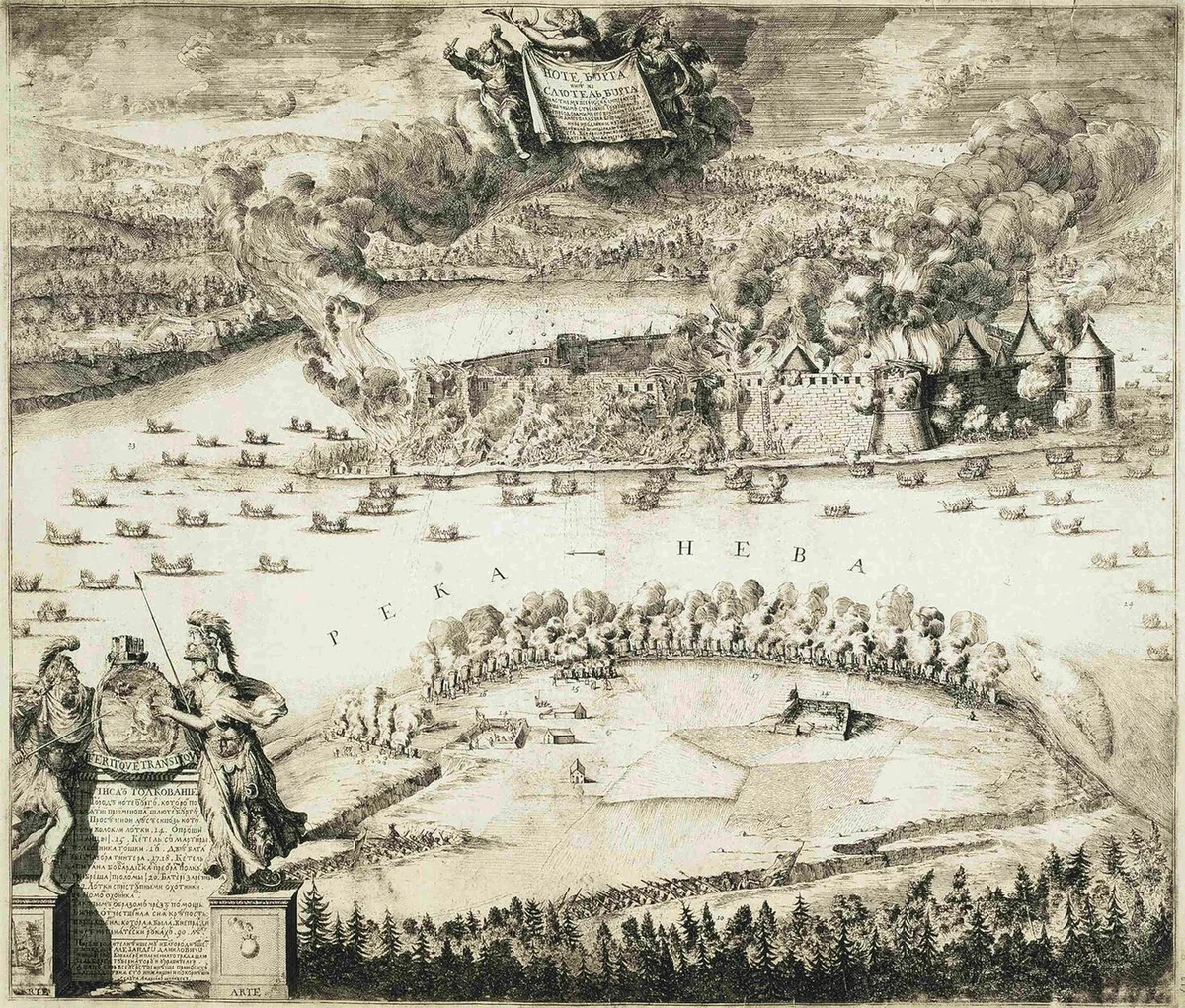
Understanding that the fortress of Oreshka plays a key role in this whole situation-it locks the Russian exit to the Baltic Sea-the Swedes after the capture immediately began to build a capital stone citadel in place, naming its noteborg (walnut fortress), which, with great difficulty, but still managed to “gnaw” Peter I in 1702. This was the first victory of the Russians in the Northern War, threw the Swedes a couple of hundred kilometers to the west, ensured the construction of St. Petersburg, who cut the desired “window to Europe”.
The first prisoners
After the construction of the Kronstadt forts and the Peter and Paul Fortress, covering Petersburg from the Baltic, a noteborg-noreshki, called Shlisselburg (“key-fortress”), ended up in a deep rear and no longer represented value. Peter I came up with a new function. It was to Shlisselburg in 1718 that the sister of Emperor Maria Alekseevna was sent, who was in close relations with both his first wife Peter Evdokia Lopukhina and their son Tsarevich Alexei and took a direct part in the conspiracy of Alexei against his father.
Maria spent Princess in Shlisselburg, then still a purely military facility, a little less than three years, replacing the serfs for house arrest. But the idea to use the unnecessary fortress as a prison seemed to Peter I interesting. In 1723, some premises of the fortress were transferred to the prison department, and prison cameras began to be prepared there, which was the first to test in 1725 Evdokia Lopukhina (after the death of Peter I).
The future emperor married Lopukhina in 1689. In 1690, they had a son and heir to the Russian throne Alexei. For the first three years, the young lived together, but in 1692 Peter became interested in Anna Mons. Evdokia continued to live in the palace as the mother of the heir, but did not have much influence. In 1697, a conspiracy was revealed, in which the father and two uncles of the queen took part. Peter at that time was abroad, and when he returned, he demanded that Edokia are tonsured in the nun. She flatly refused, which speaks of the remarkable character of a woman. The enraged emperor ordered his wife to execute, but Lefort dissuaded him from this step. Evdokia, under the escort, was delivered to the Suzdal-Pokrovsky monastery, where it was forcibly tonsured in the nun.
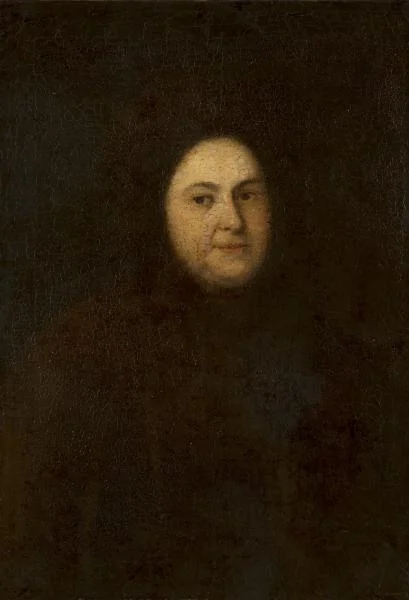
In 1718, when the investigation was conducted in the case of the treason of Tsarevich Alexei, it surfaced that his mother and former queen did not lure her sins from the icons, but leads a secular lifestyle, without denying himself in sexual pleasures. It also turned out that in the Russian nobility, especially in its church part, Evdokia is very popular and continues to be a significant figure on a board called politician. With her, the opponents of Peter's reforms connected the hopes "to return everything by the old days." Evdokia from Suzdal is transported to the Ladoga Monastery and was established after it.
In 1722, the employees of the secret office intercepted two letters to Lopukhina at once, in which she discusses who will become the heir to Peter after his death. This meant that about the illness of Peter I, no matter how hard they tried to hide it, were aware of the church environment. After getting acquainted with the letters of the former wife, Peter issued the “Decree on the throne of the throne”, in which he canceled the direct inheritance of the male line, and legitimized the transfer of the throne at the choice of the reigning monarch (that is, the reigning named, he will be). Or the “choice of worthy of the next relatives” if the monarch did not have time to name the successor.
After the death of Peter the Great, Catherine I, fearing competition from a more legitimate wife (there was no official divorce, and forced tonsure could be canceled), ordered Evdokia to secretly transfer to Shlisselburg.
In 1727, after the death of Catherine I and the accession of Peter II (son of Tsarevich Alexei, the grandson of Peter I and Evdokia Lopukhina), the widow of the emperor was restored in all rights and moved to Moscow. In 1730, after death from the smallpox of a 14-year-old grandson, she abandoned the throne offered to her in favor of Anna Ioannovna. Lopukhina spent only two years in Shlisselburg, but the beginning was laid, and in the following years the casemates of the fortress almost never empty.
"Famous prisoner"
The most famous prisoner of the Shlisselburg fortress is undoubtedly John VI Antonovich. It was he who was called by his successor Anna Ioannovna, who reigned in the Russian Empire from 1730 to 1740. The daughter of John V, the brother and formal co -ruler of Peter I, in 1710 was given to Peter married the Duke of Courland Friedrich III Wilhelm. The marriage lasted only two and a half months, which passed behind the magnificent festivities in St. Petersburg. As soon as the couple finally left for Courland (the current western part of Lithuania), the duke died suddenly. As the legend says, on the eve he competed in drinking alcohol with Peter I himself and simply did not survive the morning hangover. So the newly made duchess arrived in Mitava (the capital of Courland) already a widow.
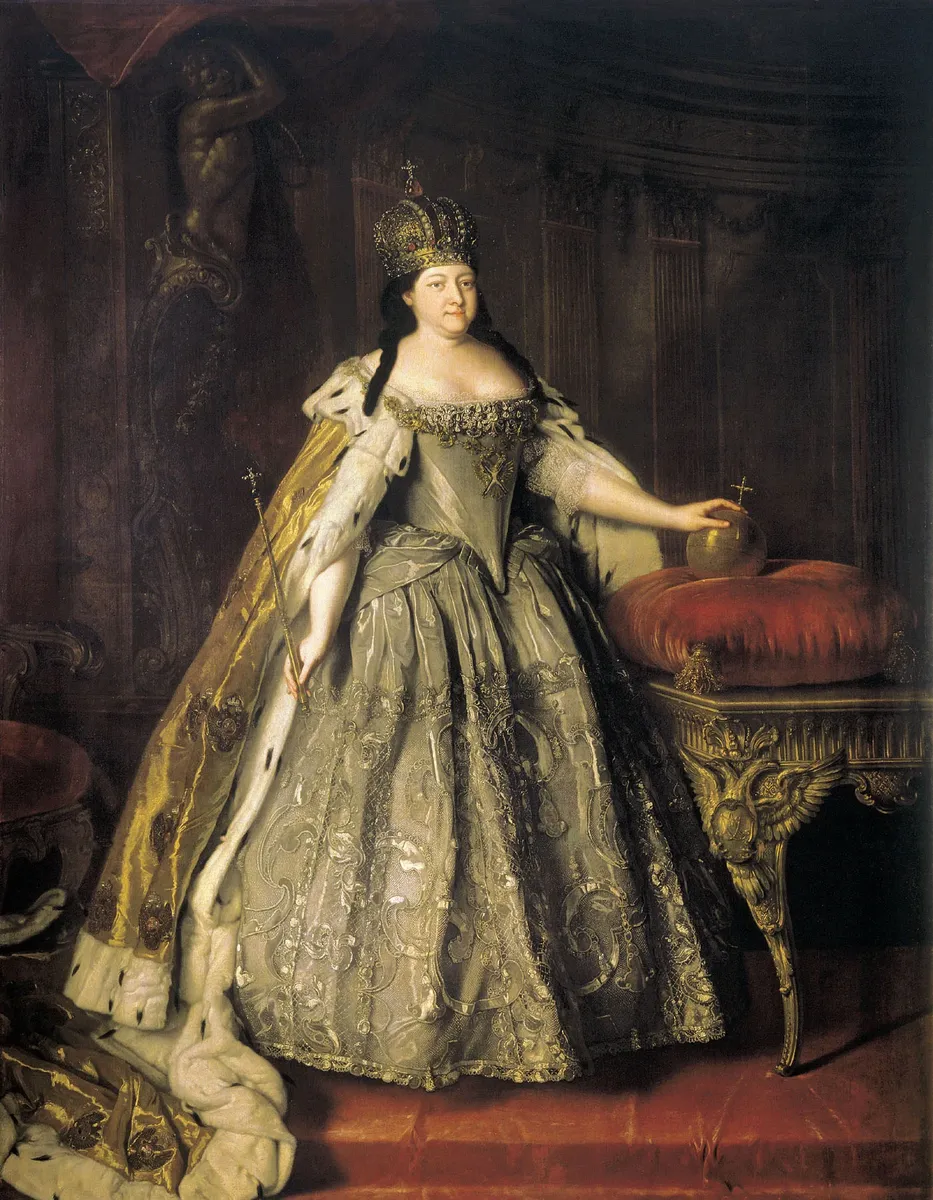
Anna invited the Higher Privy Council to the reign (established by Catherine I in 1726), who decided to violate the order of Catherine I, who called Peter II with his successor, and in the event of his death until he achieved adulthood (which happened in 1730), the throne passed to Karl Peter Ulrich (future Emperor Peter III, the son of the daughter of Peter I Anna). At that time, he was only two years old, and therefore the Supreme Secret Council, which consisted mainly of the princes of the Golitsins and Dolgoruky, decided to ignore the decree of Catherine, and invite Russian blood to the throne. The choice of Anna Ioannovna was not accidental. Although she was born in Russia, but, living in Courland, she had no influence in St. Petersburg and Moscow. Therefore, it was supposed to become an obedient weapon in the hands of members of the Privy Council.
In fact, the decision of the Supreme Council was nothing more than an oligarchic coup. The Empress, according to their plans, became the decisive “face of the state”, and then the then oligarchs took real power. But in their plans, Dolgoruky and Golitsins did not take into account the opinion of the estate nobility, which did not approve of the ideas of the oligarchs. This was used by the Chancellor Andrei Osterman.
As a result, Anna Ioannovna was anointed to autocrats without any restrictions, and the members of the Privy Council went to Shlisselburg - to settle the recently arranged prison chambers.
The oligarch princes did not stay in the fortress for a long time, were sent into exiles or died, but after they were in Shlisselburg, the fortress finally turns into a prison for the highest aristocracy, in which there were casemates (chambers with a minimum of amenities) and VIP cameras. In one of them, the emperor of the Russian Empire spent quite a long time.
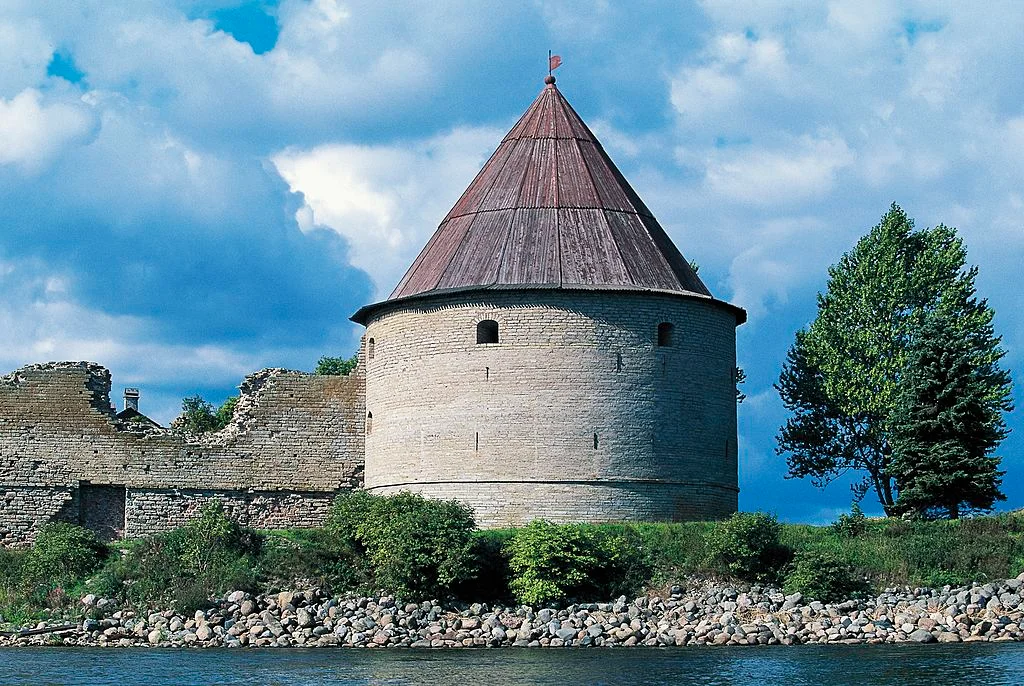
Having hated everything that was connected with Peter I (after the death of her husband, she begged her uncle to let her return to Russia, but Peter was inexorable, and Anna was forced to live in a distant castle for 20 years, on a modest content and ignored by everyone), Anna Ioannovna dreamed that her father John V was inherited by her own children (at any case, official children) She was not, the empress decided that after her the throne would inherit John VI Antonovich, the son of her niece Anna Leopoldovna. At the time of accession, the emperor turned two months old. First, on his behalf, Russia was ruled by the former lover of Anna Ioannovna Biron, and after the exile of the last mother of the infant Anna Leopoldovna. Rather, the Chancellor Osterman and Field Marshal Minich ruled, the Mussatric mother only appeared at official ceremonies with the baby in her arms.
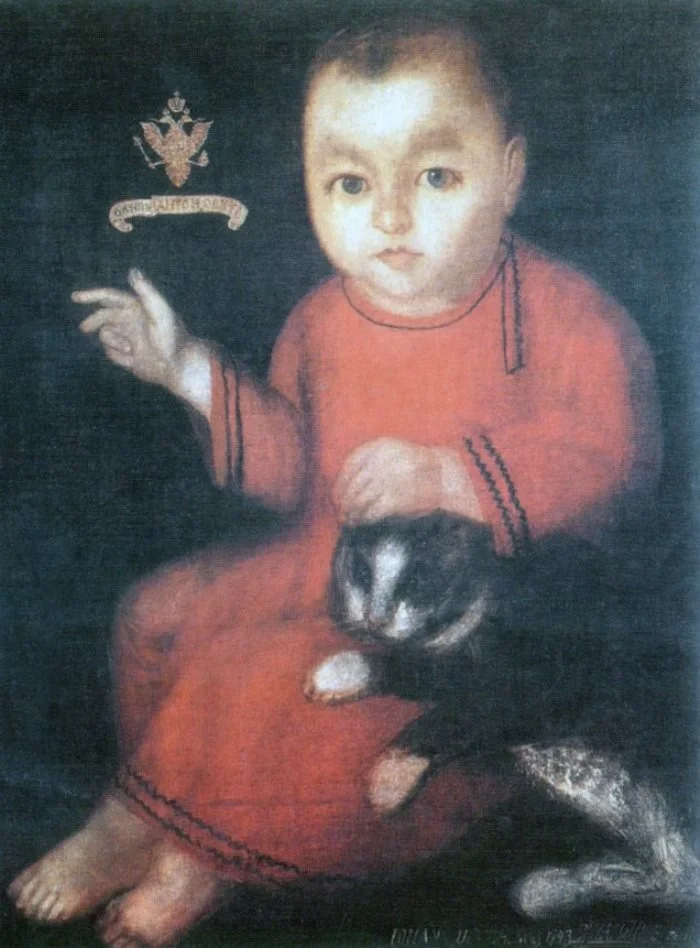
In December 1741, Elizabeth I, with the help of the guards regiments, made a palace coup and occupied the throne. John VI with relatives was first placed in the fortress of Dunimyunda (Riga), and then transported to Kholmogory of the Arkhangelsk region, from where he was transported to Shlisselburg in 1756. In the fortress, it was forbidden to call him by name, even in the documents he was listed as a "famous prisoner."
There is a legend that Alexander Dumas wrote “Iron Mask” (the character of the novel “Musketeers 30 years later”) under the impression of the fate of John VI. But this is far from the case. The novel, in which the Iron Mask acts, saw the light in 1850, and in Russia Dumas Sr. lived from 1858 to 1859. But the writer was very interested in the fortress. The archives of the police department, who followed Dumas, have reports on at least five visits by the writer of Shlisselburg, as well as a request to the imperial court on the provision of some archival documents about famous prisoners. The request of Dumas was refused: he was considered unreliable since 1840, when Roman about the Decembrists “Fencing Teacher”, written by Dumas from the words of the Frenchman Grazier, saw the light. He really was a teacher of fencing, lived in St. Petersburg for some time and was familiar with the Decembrist Ivan Annenkov and his bride (who followed the groom to Siberia and his wife), the Frenchwoman Polina Göbble. Dumas met her and her husband in 1858 in Nizhny Novgorod, where Annenkov and his wife settled after serving a 30-year exile in Siberia.
The novel “Fencing Teacher” in Russia was prohibited, and therefore his author was refused to familiarize themselves with archival documents. Everything turned differently, and the light could well see the novel "Heir to the Russian Thronage." So Dumas called his idea in one of the letters to the editorial office of Monte Cristo magazine (founded by Dumas himself). As follows from the letter, the writer planned to beat rumors that John VI was not killed, but managed to free himself and punished his offenders.
Be that as it may, but the novel was never written. The "famous prisoner" was killed already during the reign of Catherine II, July 5, 1764. According to the official version, the former emperor was killed by the guards Vaslaev and Chekin, so as not to let the second lieutenant Vasily Mirovich release the prisoner.
According to an unofficial version, an attempt to liberate 24-year-old John VI was initiated by Catherine II to finally get rid of a competitor.
Both death and miracle in one place
In addition to the fact that John VI was the most famous prisoner of prison-fortress, it was with him that the practice of “double supervision” began to be used, which showed itself perfectly during an attempt to liberate the former emperor. Directly prisoners were guarded by employees of the secret office (later - the gendarme branch of the tsarist office). And they were already supervised by the guard officers. So that the gendarmes and guards do not have thoughts to unite, antagonism was planted between these two services, which came to the point that in the late XIX - early XX centuries, the guards officer disdained the gendarme's hand. Later, this behavior received a reflection in the “thieves' law”. If one of the usual prisoners shook his hand to the “omitted”, then he himself was low to the lower rank in the prison hierarchy.
It was “double supervision” that caused the Shlisselburg for more than a hundred years remained in double subordination: part of the premises were under the jurisdiction of the penal system, the rest belonged to the military department. Thanks to this supervision, the most dangerous criminals were sent to Shlisselburg. As already mentioned, members of the Supreme Privy Council were delivered there, who invited Anna Ioannovna, who dragged Biron to Russia to the throne. Ten years later, Biron will be in Shlisselburg to expect a solution to his fate.
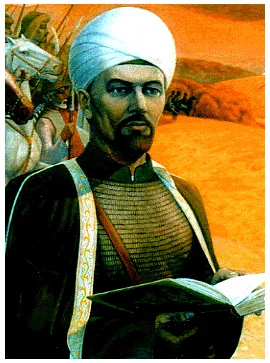
In Shlisselburg, he found his death in 1762, the mullah, publicist, leader of the Bashkir uprising (1755–1756) Gabdullah Galiev (Batyrsha). In 1758, he was sentenced to punishment with whips, tearing his nostrils and lifelong hard labor. For four years, he tried to achieve a meeting with Elizabeth I in order to tell her about the heavy fate of Muslims, forcibly converted to Christianity and toxic against the Russian governor. Having not achieved a meeting, but not wanting to finish his life, in July 1762, a mullah chained into shackles grabbed an ax from the overseer and rushed to the guards. He managed to cut two, hard to injure two more, after which he fell, struck immediately with three bullets.
In 1794, at the age of 34, the first imam of the North Caucasus Sheikh Mansur died in Shlisselburg. In 1785, he raised an uprising against the Russian Empire, whose participants were Chechens, Dagestanis, Adygs. He was captured after the bloody assault on Anapa in 1791. In Shlisselburg, he was kept as a "rebel against autocracy." In the same status, the Decembrists Nikolai and Mikhail Bestuzhev, Ivan Pushchin and Wilhelm Kuchelbeker (friends of Alexander Pushkin according to the Tsarskoye Selo Lyceum), the founder of the anarchism, Mikhail Bakunin and the killer of Grand Duke Sergey Alexandrovich Ivan Kalyaev, were expected there or executions.
According to legend, a certain Kruglov, revered by saints among the Old Believers, was in the alive in Shlisselburg. In the summer of 1796, a monk of Abel, who received the nickname "Russian Nostradamus", was delivered here. Abel fell into Shlisselburg after he predicted the date of death of Catherine II.
Upon learning of this, the empress enclosed him in the fortress-Tourm, from where the monk freed Paul I after the prophecy came true.
Именно с последними двумя узниками связывают чудотворность знаменитой тюрьмы. Якобы кто-то из них, то ли старообрядец, то ли православный монах, замуровал в стенах одной из камер некий священный предмет, дающий тому, кто много времени с ним проведет, долгую жизнь. Первым, кого вспоминают в качестве доказательства этой легенды, стал польский дворянин Валериан Лукасиньский. Он был помещен в Шлиссельбург в 1830 году. Поляку тогда исполнилось 44 года, и его уже начинали мучить старые ранения. Содержался Лукасиньский в одной из самых суровых одиночек. Но несмотря на это, прожил в заключении 38 лет, умерев в 82 года.
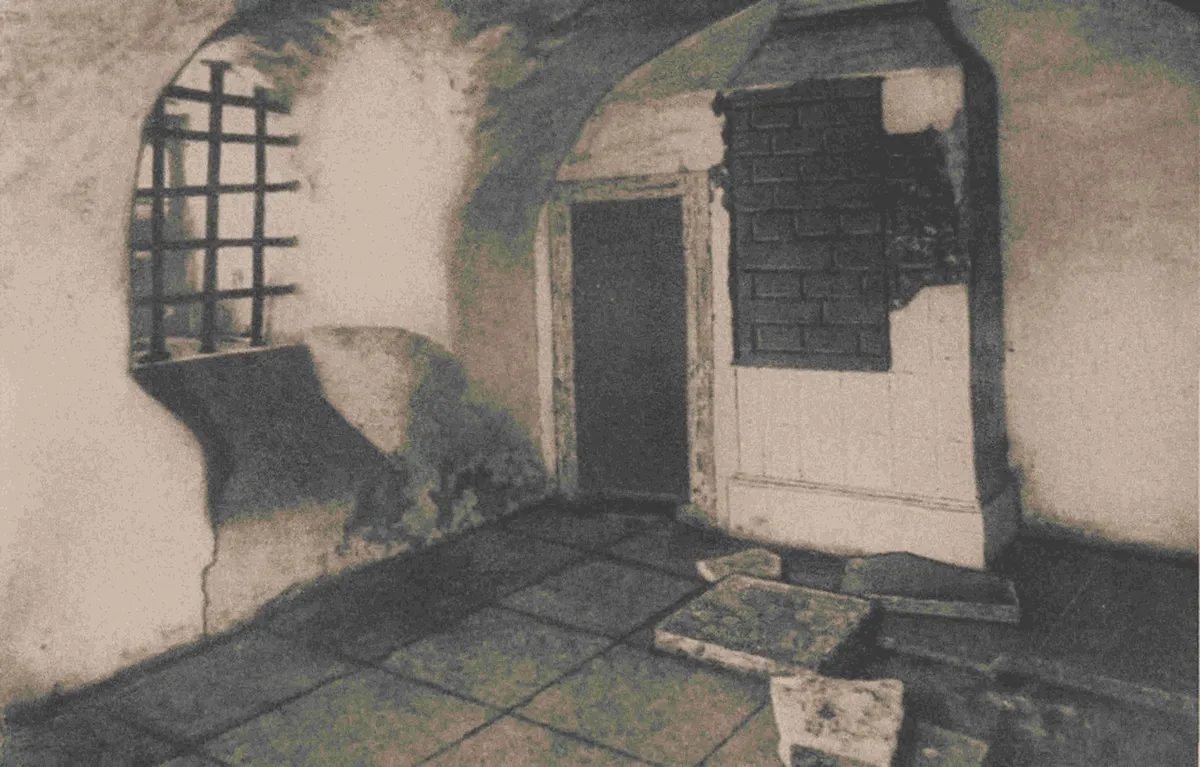
С середины XIX века Шлиссельбург становится одной из главных политических тюрем России. Именно сюда попадают члены самой опасной на тот момент террористической организации «Народная воля». Участницу подготовки убийства Александра II Веру Фигнер в Шлиссельбург доставили на носилках. Врач констатировал у нее последнюю стадию туберкулеза. Ее бросили в одиночку и оставили умирать. Каково же было удивление охраны, когда Фигнер через неделю встала с кровати и потребовала вывести ее на прогулку. Она провела в Шлиссельбурге 20 лет, а умерла в 1942 году в возрасте 90 лет. Также до почтенного возраста дожили еще два участника убийства императора, узники Шлиссельбурга: Николай Морозов (провел в крепости-тюрьме 25 лет, умер в 92 года) и Михаил Фроленко (20 лет в Шлиссельбурге, умер в возрасте 90 лет).
Гораздо меньше повезло их последователям, народовольцам, которые готовили покушение на Александра III в 1887 году. Пятеро из 15 арестованных были приговорены к повешению. Среди них был Александр Ульянов, отказавшийся подавать прошение о помиловании (впрочем, без его ведома прошение было подано, но в удовлетворении отказано). Приговор привели в исполнение во дворе Шлиссельбургской крепости.
Эта казнь оказала огромное влияние на 17-летнего гимназиста Володю Ульянова. The result is known.
Возрождение крепости и туристический провал
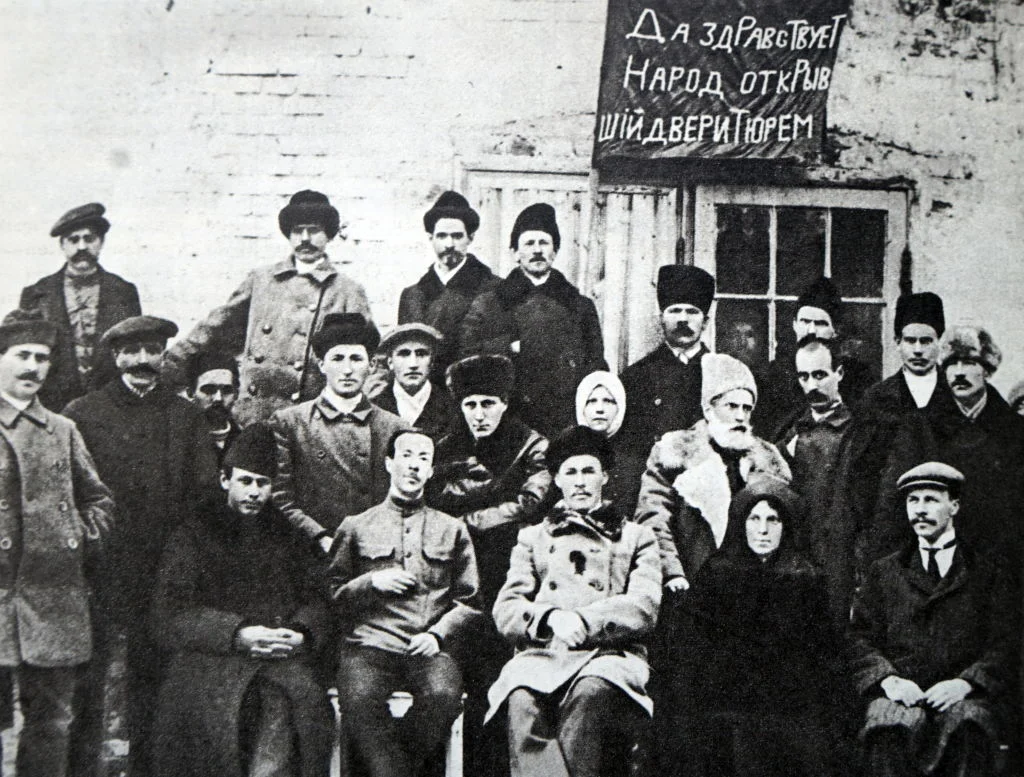
В феврале 1917 года крепость-тюрьму захватили рабочие Шлиссельбургского порохового завода. Они освободили заключенных, а тюремные казематы набили порохом и подорвали. С 1918 по 1924 годы в Шлиссельбурге размещалась база Балтийского флота. В 1925 году в крепости-тюрьме начинается реставрация, в 1928 году в ней открывается музей, посвященный «кровавому царизму» и борьбе с ним.
7 сентября 1941 года немецкие войска захватили город Шлиссельбург, но крепость почему-то не заняли. На следующий день туда переправились два взвода Первой дивизии войск НКВД. Обнаружив, что крепость стоит пустая, они организовали круговую оборону и притихли, ожидая подкреплений. Руководство Ленинградского фронта решило использовать крепость в качестве плацдарма для штурма города, который захотели отбить в конце сентября 1941 года. Попытка не удалась, но в крепости было решено оставить постоянный гарнизон, который усилили артиллерийской батареей и минометным дивизионом. В 300 метрах от немецких позиций возник укрепрайон, вооруженный двумя 76-миллиметровыми и пятью 45-миллиметровыми пушками, двумя 50-миллиметровыми минометами, четырьмя противотанковыми ружьями, шестью станковыми пулеметами. Позже туда доставили еще две 76-миллиметровые и три 45-миллиметровые пушки.
498 дней 500 бойцов гарнизона крепости Шлиссельбург были постоянной занозой во всех мягких местах немецких войск в районе Невской Дубровки. Немцы неоднократно пытались выбить русских из крепости, но всё осложнялось тем, что она была расположена на острове и штурмовать ее было проблематично. Тогда решили просто сровнять крепость с землей, но шведы построили Нотеборг на совесть. Несмотря на массированный артиллерийский и минометный обстрелы при поддержке бомбардировщиков (всего по крепости в период с сентября 1941-го по январь 1943-го было выпущено 50 тысяч снарядов крупного и среднего калибров), крепость продолжала сохранять боеспособность.
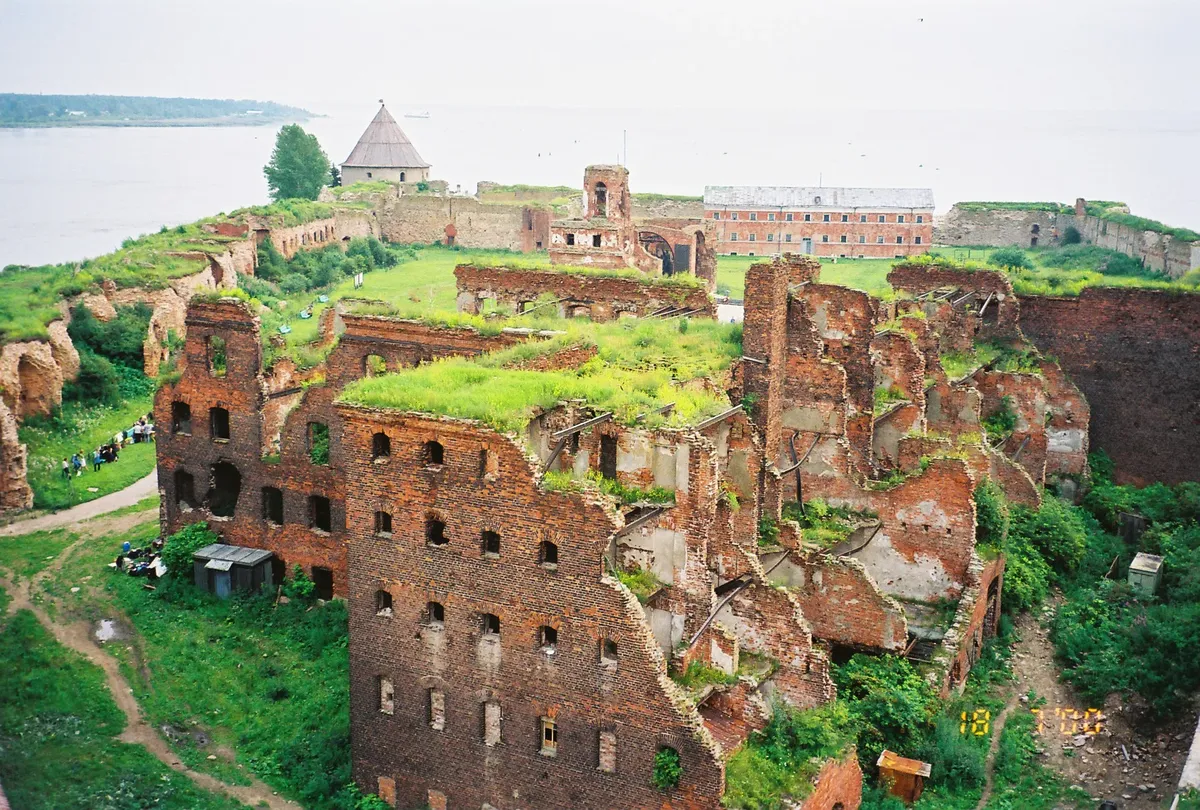
После того как кольцо блокады окончательно замкнулось, лишь крепость позволяла просачиваться в Ленинград немногочисленным обозам (зимой) и баржам (летом). Защитники крепости просто не позволяли немцам полностью перекрыть устье Невы, оставляя для советских войск узенькое, но окошко для снабжения.
Главной проблемой гарнизона было пополнение боеприпасами в период белых ночей. Переправиться к крепости незамеченными даже ночью было трудно. И тогда бойцы, умевшие отлично плавать (таких в крепости было не меньше половины), надевали ласты, маски для подводного плавания и отправлялись к барже.
Заполненная боеприпасами баржа утонула в 200 метрах от крепости на глубине около 10 метров еще в августе 1941 года. На ней бойцы гарнизона и пополняли боезапас, когда ощущался острый дефицит в снарядах и минах.
После окончания войны крепость решили не восстанавливать. В 1985 году в ней открылся мемориальный комплекс, посвященный событиям Отечественной войны. Позже там стали появляться экспозиции, посвященные более ранним годам крепости-тюрьмы. К двойному юбилею сотрудники музея истории Санкт-Петербурга, филиалом которого является крепость, подготовили многочисленные квесты, театрализованные представления на самые разные темы, реконструкторские развлечения, полное погружение в эпоху (хочешь — в «петровскую» или «елизаветинско/екатерининскую», а можешь и в «декабристскую» и «народовольскую»). Для подготовки программ, закупки необходимого реквизита, пошива исторических костюмов, изготовления аналогов пушек времен Петра I, реставрации некоторой части стен и строений требовалось довольно много денег. По данным «Новой-Европа», в 2019 году филиалом и тесно связанными с ним частными фирмами были взяты крупные кредиты (по разным данным, от 50 до 200 миллионов рублей).
Сотрудники музея рассчитывали в юбилейный 2023 год не только вернуть все деньги с процентами, но и прилично заработать, для чего во многих странах еще в 2020 и 2021 годах была развернута обширная рекламная компания. Однако февраль 2022 года перечеркнул эти планы. Бизнесмены питерской туриндустрии попытались перестроиться на китайского и российского туриста, но уже сейчас понятно, что туристический сезон 2023 года для Шлиссельбурга оказался провальным. Слишком серьезным ударом стало резкое снижение количества иностранных туристов. Как по секрету рассказал корреспонденту «Новой-Европа» один из сотрудников музея, если денежные поступления резко не увеличатся, то в конце года не наберется даже половины той суммы, которую должны выплатить по кредитам. А уж о прибыли забыли думать еще в прошлом году.