
Translated material
Bad "taste of Russia"
How Moscow is trying to colonize the occupied territories with the help of a non-existent "chicken in Herson"
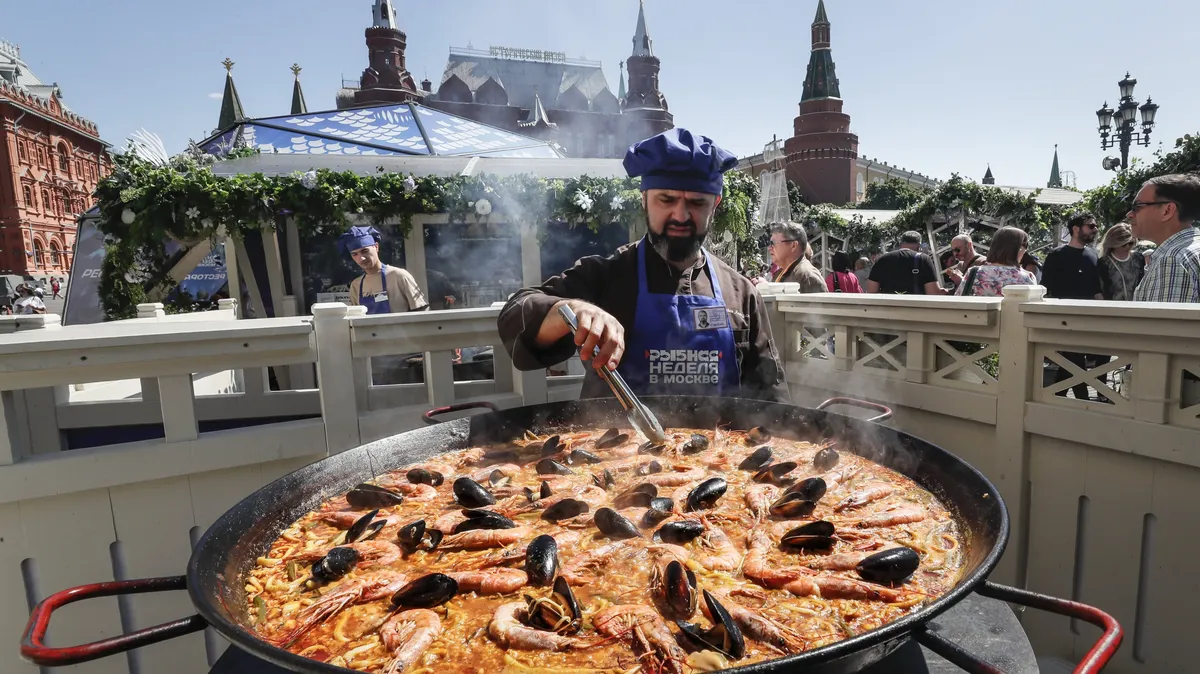
Photo: EPA-EFE / Yuri Kochetkov
A year and a half ago, in the early days of the war, Igor Sukhomlin, a well -known Ukrainian restaurateur, desperately appealed to his once friends from the Russian restaurant business (the style and spelling of the original are preserved):
"The attention of my Moscow colleagues
Stanislav Lis, Dmitry Levitsky, Dmitry Zotov, Kirill Martynenko, Ilya Tyutenkov, Anna Tsfasman, Dmitry Borodai
Your country saves us as they can. Today, a nine -story building, two schools, a hospital, a pharmacy are demolished in Chernigov. Nearby are the bodies of torn children and adults. Demilitarize and denact the bitches. I wonder in what order you take the tags. And what do you say? "
Needless to say, no one responded. The most radical thing that happened is now a hidden post “The world needs peace” in the tape of the cook of all Rus' Vladimir Mukhin. Representatives of the “most peaceful profession” chose to discuss the departure from the country of McDonald's as a chance and an opportunity for new businesses. With the beginning of mobilization, restaurant critics and gastronomic movements pleasantly diversified their lives by settling in Yerevan or Tbilisi, and now they sometimes run into the Russian Federation to smell at events.
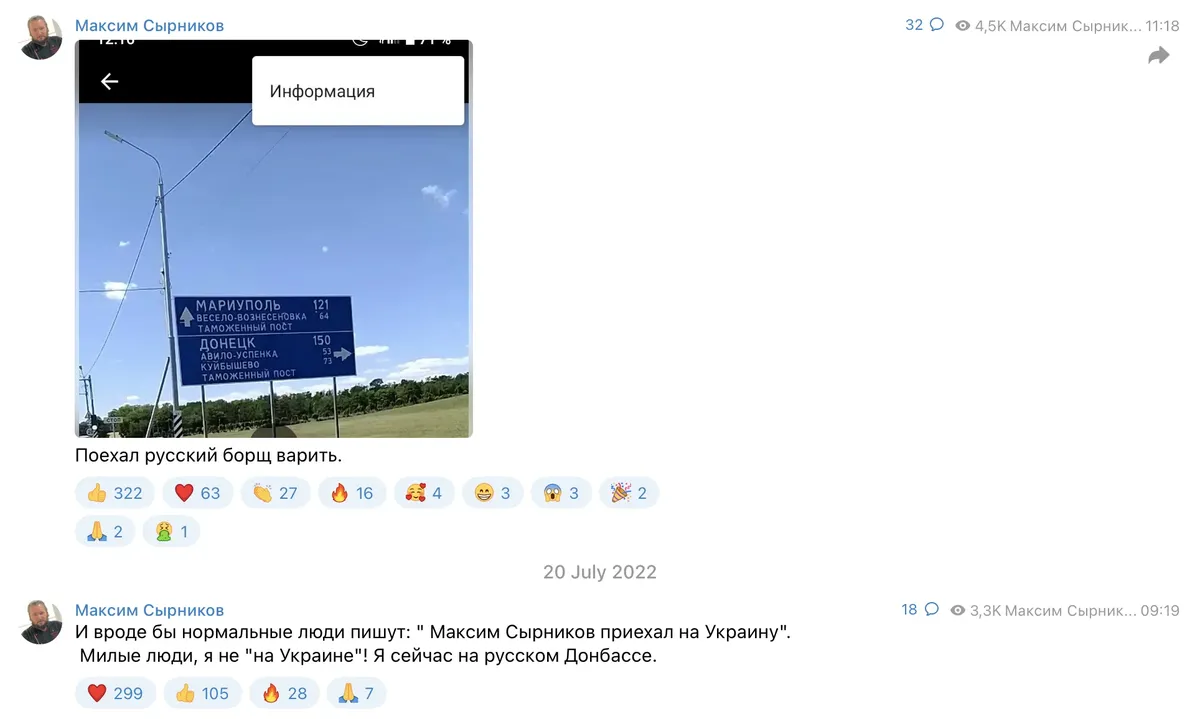
It must be said, however, with rare exceptions and abundant active wire actions from the Russian restaurant business, it was also not particularly followed. Obvious Nazis such as Maxim Syrnikov can not be considered. He went somewhere to the front line to prepare the show-off “Russian borsch” and cutlets. Some cook left as a volunteer, someone is publicly proud of being a Black Hundred.
Most cooks and restaurateurs pretend that everything is fine, everything was as it was or even better, sighing sometimes, when the results of international awards are published, which excluded Russia from consideration. Another thing is that neither restaurateurs, nor ordinary people, nor popular bloggers disdain products from the occupied territories. In the midst of a aggressive war to the sound of bombing, joyful posts in a forbidden instagram about a delicious Crimean strawberries are perceived wildly. “Bow,” said one of the commentators. Including - yes, I agree.
The beginning of the war exacerbated the perception of all spheres of life, including a gastronomic one. The anecdotic “tasty - and point” and the surrogate Stars Coffee caused legal laughter and contempt. In Moscow, a completely inappropriate eatery of “Kiev Cutlets” with a neon inscription in the window “Love defeats everything” was opened.
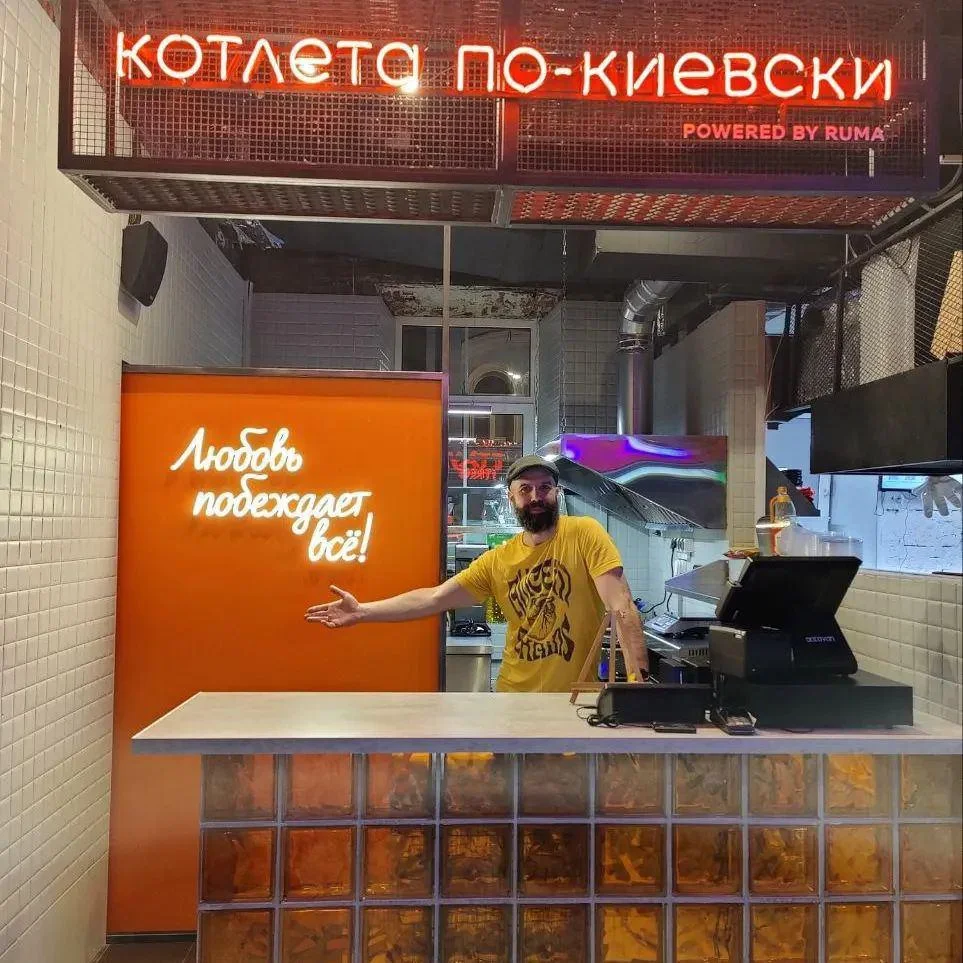
It is very characteristic, it should be noted, the inscription is an attempt to hide the head in the sand, to hide from the “negativity”, to distance himself from collective responsibility, and also not to notice the fact that the idea to open in March 2022 in Moscow an institution of “Kyevsky cutlet” is an unethical, heartless, stupid, inhuman. Cultural appropriation - both on the spot and on the removal.
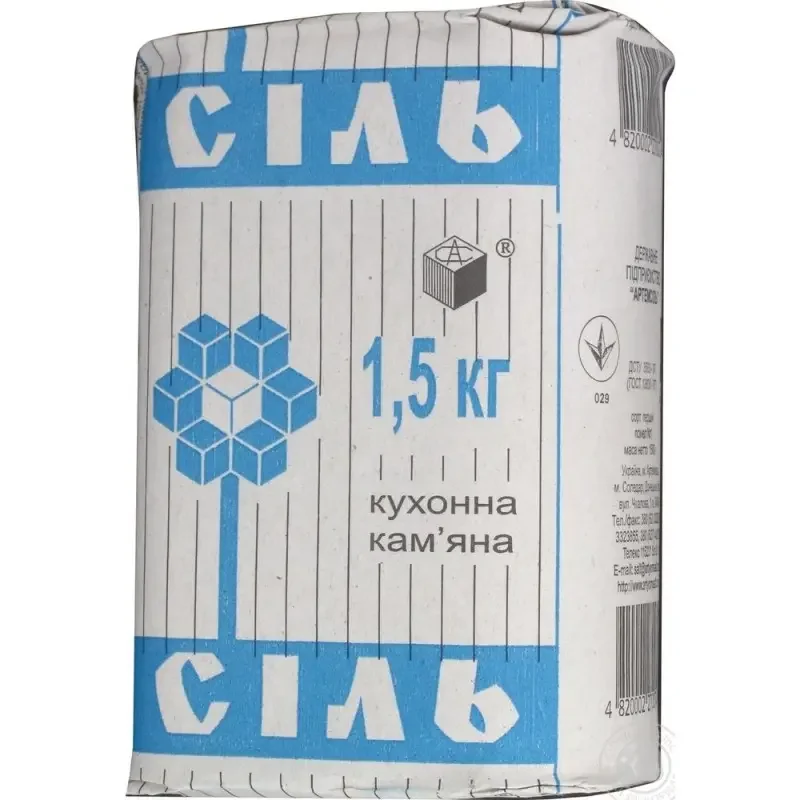
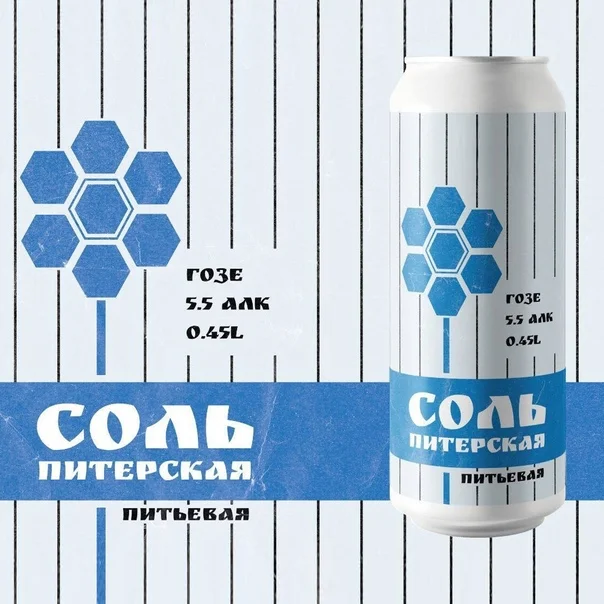
A few months ago, at the final stage of the battle of Bakhmut, St. Petersburg craft brewers were wittily joked. They released beer in banks, which, without peering, were transferred for a long time to the religious design of a pack of arteman stone salt. Obviously, they did not think, did not know, were not interested in and would not be, what kind of ornament they have at the bank and what kind of tragedy is behind it. Artyomovsky mines are no longer there, the city of Soledar is erased from the face of the earth, the salt industry of Ukraine ceased to exist. And here the problem is not so much in erudition as in ethics. The problem of bad taste that turns ordinary people into cannibals.
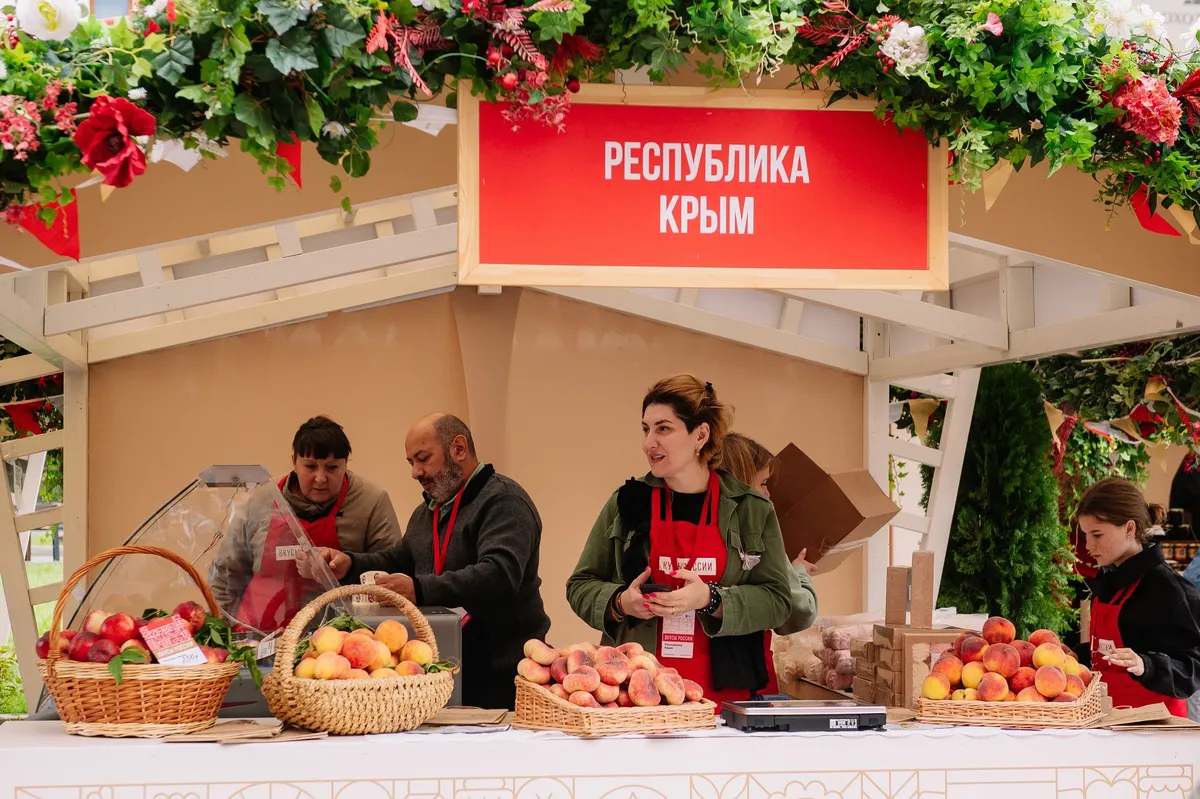
And these are not private cases. This is a systematic approach that a state machine is brought up. She also controls the official gastronomic space. The festival “Taste of Russia”, organized by the Moscow Government and the Russian Ministry of Agriculture, has a state -owned view of the product abundance and culinary portrait of the country.
Popures of the joke, it would be unnatural if the festival “The Taste of Russia” did not occur fraud and substitution of concepts. A striking example is one of the flagship dishes, "Crimean grill shrimp." This is a product of aquaculture, Pacific white -legged shrimp, which have been bred in Crimea from the middle of the tenths on the basis of the former fishing room named after Crimean partisans. That is, geographically they are Crimean, but their origin is completely alien. Black Sea shrimp-crustaceans known to everyone who once visited Crimea or lived in Odessa-are not related to this arthropod. Now the undesirable Greenpeace attributes them to products from the so -called “red leaf” - with a high potential risk to the environment.
The menu of the restaurant courtyard was also offered smoked terpukh - non -existent fish, and Vargashinsky cutlets from the Kurgan region were called "Vorgashi" - one, and the new gastromonym is ready.
At demonstrations of cooking craftsmanship, the cook Molkin and Kuznetsov prepared an abundance of dishes, the list of the main ingredients of which was limited by chicken and turkey - probably for political correctness or cheapness. This turned out to be mutants - for example, Kaliningrad clops from turkey (worldwide known as the Königsberg), while it is supposed to be inherently from veal. But these are trifles.
In Soviet public catering, the recipes were given to geographical bindings. So, the Belovezhsky Zrazya appeared, Vyatka cutlets and the sea of the like. These dishes were in a very different degree to the indicated place of origin, from a well -known similarity to complete fantasy.
So on the Manezhnaya, a Krasnodar roulet of chicken with spinach and young cheese, thigh fillets with nuts and cranberries, chicken rolls in Yaroslavsky, Altai-well, why and why? -Pancakes with chicken breast and sour cream, Volga steam cutlets made of chicken and spinach, chicken fillets in voivostok, you can’t remember everything. But you can be sure, not a single region was left without chicken, spinach and sour cream.
The menu was crowned with sandwiches “back to the USSR” - another indicator of nostalgia for times when everything was clear and clear when everything was decided and “began to stand for us a mountain”.
But the "tastes of Russia" went on. Once again, I would say, it would be strange if there were no meanness. There was enough meanness. The festival announced in a food court and in master classes invented dishes of occupied territories. In the section “Tastes of South-Western Russia” under a photograph of borsch are such dishes as hot “in Shakhterek”, chicken “in a cheerson” in sour cream, potatoes in bacon “Cossack” on the grill, “Zaporizhzhya” vegetables and a Lugan appetizer (spelling)-all this sounds mysteriously, stupid and barbaric. My wife, a native of Donbass, a certified food industry technologist, was at first outraged, and then waved her hand. What else could be expected. But “Donetsk meat” is no longer funny.
These absurd names, even the very fact of their presence, characteristically shows the complete neglect of the culture and tradition of people living on these lands. This is the imperial manner to indicate - and slave readiness to fulfill. By ordering from the authorities in Lugansk, they eat their “snack”, and in the Kherson region-some kind of chicken. Because there is no need to retrain current functionaries, they are former communist officials - and did not change habits. They will indicate his place to everyone.
Of course, there is no such dish as chicken in Kherson, and if there were where to fulfill it to these marriage. The main thing is that hot in a shakhteresky is the same sick illusion as South-West Russia in the understanding of the organizers of the festival. This boorish term means the east of Ukraine, which was so tormented that they did not even find there national and regional cuisine, replacing it with empty amateur performances. Surely also stolen money.
Alas, the taste of Russia is getting worse and worse.