
Translated material
Do not go outside!
In Russia, they offer to send homeless people to work houses. We tell you why this will not solve the problem, but will aggravate
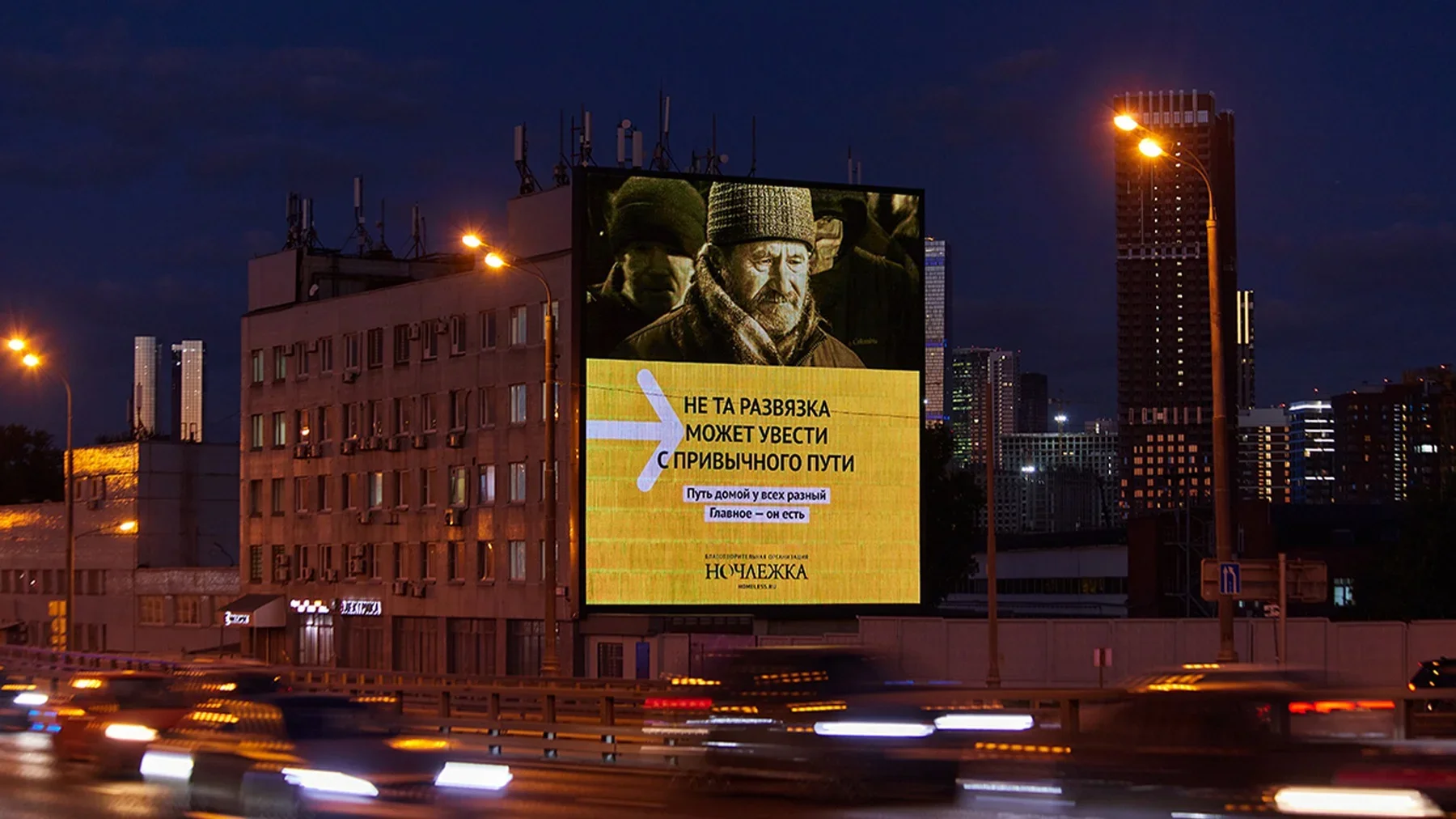
Photos provided by the "overnight"
The Council for Board of Trustees in the social sphere under the Government and the Public Chamber (OP) offer to direct homeless people to labor rehabilitation. The corresponding letter to the Ministry of Labor and the Ministry of Health includes the draft regulation "on the identification and life structure of persons without a specific place of residence." To introduce a pilot project, the Moscow region was selected.
The idea of forced labor rehabilitation of homeless people has been sounding recently quite often. For example, the mayor of Yakutsk Yevgeny Grigoryev, who said: said:
- Hospital is one of the visible consequences of alcoholization of the population and the mass unemployment of the category of the population that could work. Instead, they are engaged in drunkenness, corruption of people and spoil public places. They must be held accountable. I am not sorry for them. And here you also need to work on the creation of the medical workers in Yakutsk and return the labor camps.
Such statements and rule -making initiatives from people whose duty is solved to solve social problems, unfortunately, show how little people are in power about homelessness and how to work with this social problem.
And how deeply mistaken are based on their beliefs from the standard set of stereotypes that have nothing to do with reality.
It seems to me important to try to explain how the situation with homelessness actually looks and why the proposed measures will not affect in any way to reduce the scale of homelessness in Russia, but rather aggravate the problem.
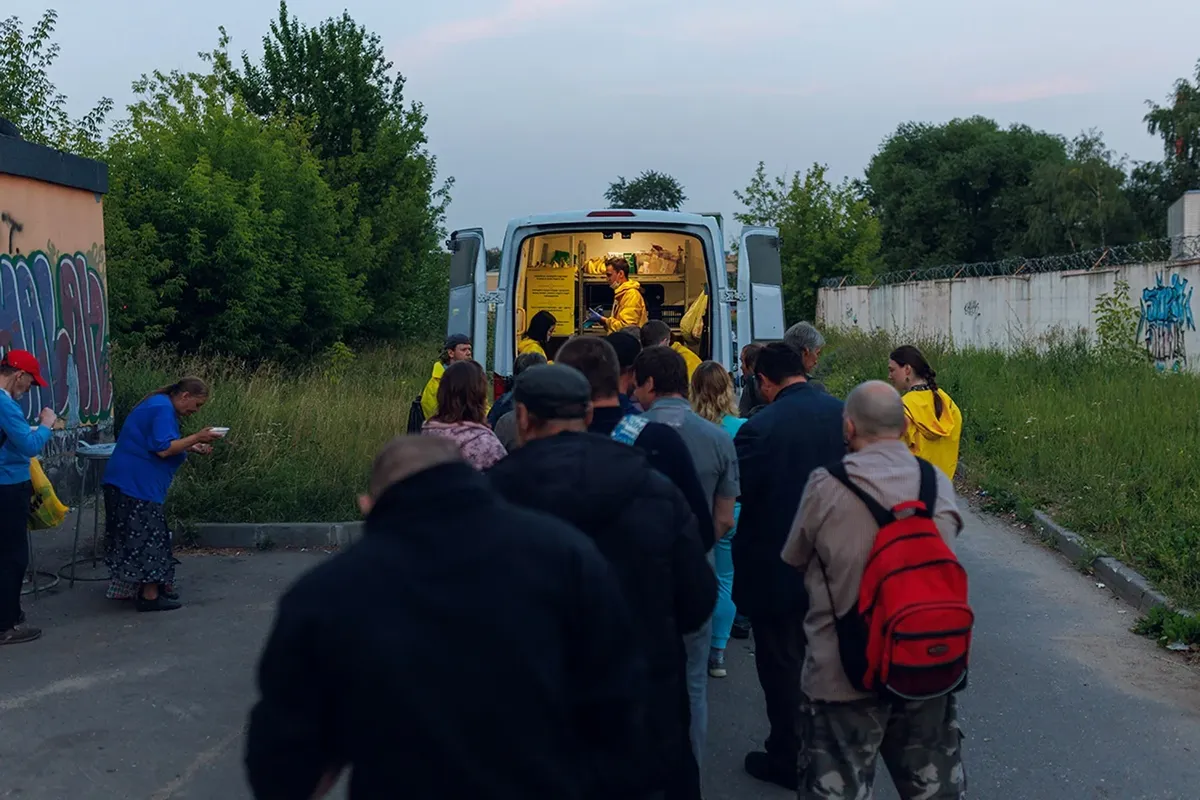
But first, a few words about what the Public Chamber and the Council under the Government of the Russian Federation on the issues of trusteeship in the social sphere are offering. The mechanism is offered about this. First, any indifferent citizen, police, active social activists and other interested parties has the opportunity to identify homeless people.
By the way, homeless people in the proposed initiative are determined as follows:
The proposed definition
“Citizens of the Russian Federation, foreign citizens, stateless persons who have lost social, labor and (or) family ties that are actually living on the street, in public places, in other conditions that are dangerous for their life and health, engaged in vagrancy, leading an asocial lifestyle that offends human dignity and public morality that does not have registration at the place of residence, or not living at the place of registration in the place of registration in the place of registration The result of the destruction of the home, fraud or combination of other circumstances. ”
That is, if a person has stopped communicating with relatives, someone does not approve of his lifestyle, the person sold the apartment and did not manage to arrange a new registration for himself or just the address of residence does not coincide with the stamp in the passport-all these initiatives are directly related to such people.
As soon as such a person was revealed (it is proposed to call 112 for this), the police will come within 20 minutes, take it to the station and remove the fingerprints.
No crime needs to be committed for this, but enough, for example, not to live at the place of registration.
After dactyloscopy and identification of each able-bodied person, it is proposed to be transferred to a social and labor house. In work houses (and there are already hundreds of them throughout the country) they are engaged in disenfranchised and hard physical labor for shelter and food. No official employment, no compliance with the norms of the Labor Code is required.
Most of all, this is similar to a modern form of slavery.
According to VTsIOM:
Every third Russian (more than 40 million people) has no ownership of any residential real estate in Russia,
3% (this is about 4 million people) has no permanent registration,
Among homeless people in Russia, more than 85% are citizens of the Russian Federation.
By law, they have exactly the same rights as, for example, Yakutsk mayor Evgeny Grigoryev.
Alcohol is a frequent consequence of homelessness, but not its reason. In the absence of an affordable and effective assistance system, people, being on the street, begin to drink to warm up, cope with stress and at least sleep a little.
This is the cheapest and most affordable way.
The main causes of homelessness in Russia are the loss of work and the ability to rent housing. That is, this is not a characteristic of a person, but a difficult period in life. They become homeless
From poverty,
total unemployment in certain regions,
Registration systems that binds many rights (to benefits, medical care, pension allowances, etc.) to the stamp in the passport.
And they also find themselves on the street, making a choice: take a microcredit or throw a mother without expensive medical care. To agree to the ghostly possibility of unofficial work in an unfamiliar city or to leave a family without money even on products. To go outside or stay with a husband who hits each time more and more.
It is the task of the state and regional leaders to work in such a way as to solve these problems. The system should adapt to each person, and not vice versa.
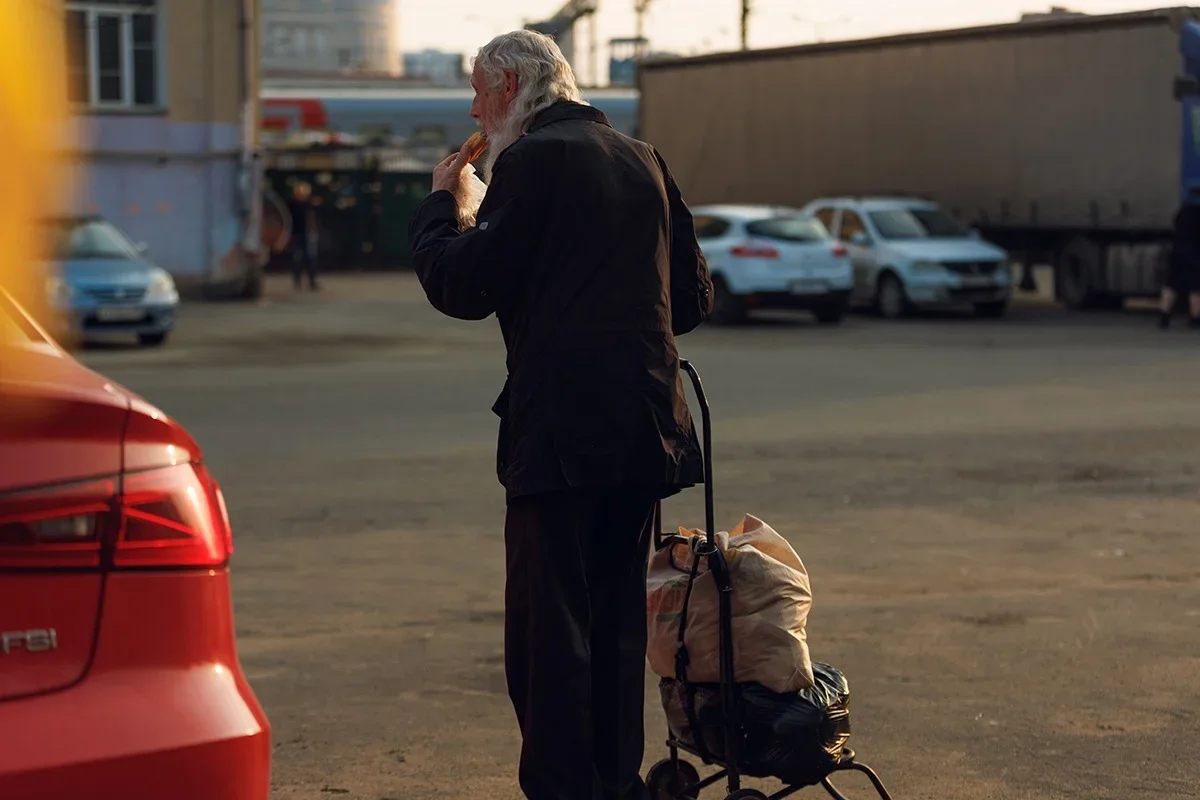
Forced unofficial free work will not help get out of the street. Because in this case, there is no way to accumulate money or get the right to a pension, confirming the length of service. As soon as the physical forces end in work at a construction site or digging trenches (namely, this is most often offered in work houses), a person is on the street in an even more difficult position.
As a result of such initiatives, we will receive many injured people with undermined health, which will need much more resources than before such “rehabilitation”.
It solves the problem in any region the creation of available assistance centers in each area of the city, where you can take a shower, restore documents and find a job. And also the creation of rehabilitation centers for people with addiction. Where a patient with a serious chronic disease, which is it, could receive professional help. Voluntarily, without registration, collecting documents and other barriers.
And then the majority will be able to get out of the street and return to ordinary life: work, pay taxes, create families.
No need to "identify" them. Identify criminals. And according to the Ministry of Internal Affairs, homeless people are much less likely to commit crimes than become their victims.
It is important to help, inform, create available projects that will really, and not formally work. To create opportunities and respect the right of everyone to work in conditions that meet the requirements of safety and hygiene, to reward without discrimination and not lower than the minimum wage established by law, as well as the right to protection from unemployment. And forced labor is prohibited. So the constitution says, which means this is for all of us. Even if in our life now a period of homelessness.
Daria Baibakova,
Director of the Overnight charity organization in Moscow