
Translated material
READING HADE in Spain
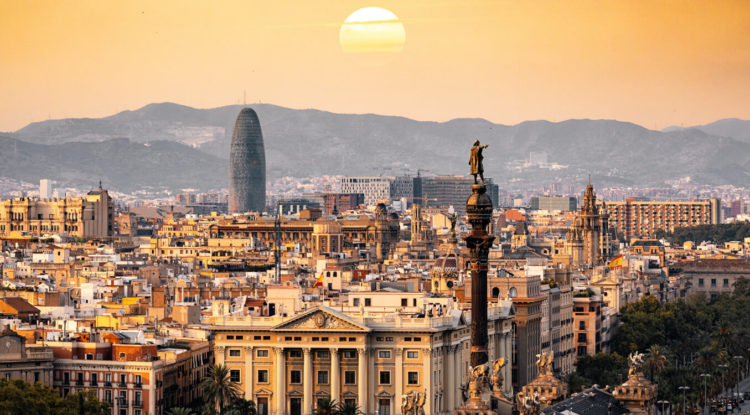
We tell you how to move to a country with a tolerant society and a good climate. Spoiler: This can be done even on a tourist visa.
The advantages of emigration to Spain are several ways to legalize and get citizenship, the ability to get a refugee status for LGBTK-Person, free medicine and a developed Russian-speaking community. “Cold” asked the organizer of the Russian-speaking Quir-comic in Barcelona Milu Home to tell how to get a residence permit, how much life costs in the country and whether it is safe there.
In order not to miss the main materials of the "cold", subscribe to our Instagram and telegram .

Residence permit, visas and citizenship
In Spain, there are many ways to get a residence permit. And one of the most unusual - to come on a tourist visa and stay in the country illegally . For this, they do not pursue or deport. You can submit documents for a residence permit after two years for labor seduction (if a person has worked and can confirm this) and three years - for social (if he did not work, but can confirm that he lived in the country for three years). But the most popular and affordable ways to get a residence permit are a student visa and visa of the digital nomad Nomad Visa. You can be submitted to them yourself, but you can understand the intricacies of filling out documents is quite expensive in time, so you can use the services of agencies or lawyers.
Student visa
This is the easiest and most effective way to move to Spain. You will need a document on enrollment from the educational institution (linguistic or other courses, school, university), a certificate of criminal record, extract from the Spanish bank account ( at least 7200 euros), Spanish insurance for the entire period of training, a certificate of health, a declaration of entry into Spain (or a stamp in the passport), a copy of the reserve and two filled statements.
You need to be submitted to a student visa online, but it is better to enter Spain on a tourist visa and do it while in the country. Important: the validity of the tourist visa by which you entered should exceed 30 days. You can request a student visa from Russia, but the probability of failure will be much higher.
If you have chosen a move for training in language courses, they must be accredited by the Cervantes Institute (the only organization that has the right to issue diplomas on behalf of the Spanish Ministry of Education). You can choose other courses, not necessarily linguistic, but it is very important to find out in advance whether they are accredited.
The minimum number of training hours per week for a student visa is 20. Such training will cost from 3,500 thousand euros per year. In fact, to move using the courses you do not need anything but money.
In addition to courses, you can study at the university or receive a secondary special education at the school.
A student visa is issued for one academic year - then it needs to be renewed or modernized in another type of visa.
Nomad Visa
Such a visa makes it possible to live in Spain from several months to several years and to work from the country remotely.
To get Nomad Visa, they usually ask for evidence that you have a stable income for a long stay in the country without employment on the spot (for example, a labor contract). Insurance, information about the place of residence and other documents may also be required - it depends on the specific case.
To find out what documents you need to submit, you can contact the Spanish consulate or embassy in the country of your stay.
Citizenship
It can be obtained a year after the marriage or birth of a child, five years after receiving refugees and after 10 years - through other types of residence permit.
Is it possible to have dual citizenship in Spain? Yes, if you are citizens of Latin America, Andorra, the Philippines, Equatorial Guinea and Portugal.
The residence permit provides foreigners with a wide range of rights, including living in Spain an unlimited number of days, as well as, depending on the type of residence permit, work and use free medicine. The main difference between a residence permit and citizenship is that foreigners cannot vote in the elections.
Accounts and cards
It is guaranteed to open an account with a local bank only to residents. If you do not have an official work contract in Spain, additional documents may be requested to open an account.
Some foreigners manage to open accounts in the provincial branches of banks only with NIE (an identification number of a foreigner), but then how lucky. Banco Sabadell, Bankia and Caixabank are loyal to non -residents.
There are still many online banks-for example, Revolut, Vivid, N26, Wise. Unfortunately, often opening an account depends on a specific bank manager. The situation and conditions for opening an account can be monitored in the Chat of Spain and a summary table for banks . A detailed analysis of taxes can be read in this telegram channel .

Job
The unemployment rate in Spain in the first quarter of 2023 is 13.26%. Average wages - 2127 euros. To find a job without specialization, you will need knowledge of Spanish. In the autonomies of Catalonia, Valencia or the Basque country, you will also have to learn the local language. The required level depends on the work and responsibilities itself. IT companies often work in English.
If you are a service specialist (for example, a babyite or a manicure master), then in large cities for your work high demand from the Russian -speaking community.

Kindergartens and schools
State schools are also free for immigrants without documents and refugees. There are also partially paid semi -state and private schools. Average school prices at a private school: an entrance fee - from 300 euros, training - from 300 to 2000 per month, textbooks - 200-300 per year.
Education in public schools takes place in the language of the region. In private schools, they teach in different languages (for example, in English or French).
Kindergartens (Guarderías, Esculas Infantiles) are private and state. They accept children from three months to three years old, and some are possible to visit up to six years old (Centros de Educación Infantil). There are also free gardens for children with special needs (centros de atención a la infancia). In Spain, you can find gardens with various approaches: Montessori, bilingual, speech therapy.
Food can be provided with a family or purchased in the garden, depends on the desire of the parents and the institution itself. The cost of private kindergartens can vary from 150 to 800 euros per month. The time of visit can be at the discretion of the family: from 09:00 to 16:30.
It should be noted that the Spaniards are very warm about children - their mental state is appreciated more than assessments or achievements. Educators hug children when meeting or during farewell, is always accompanied by compliments or kind words to the child. In the garden itself, everything is built in a game format, there is no desk and rules. Children play, sing, dance study letters and numbers in the game, walk and visit the pool (depending on the institution).

Higher education
If you have a diploma of a Russian university, you can go to a magistracy in Spain for a similar specialty. The magistracy in Spain usually lasts a year. The cost varies from 800 euros to several thousand (on average 2200 euros). For admission, it is necessary to apply on the website of the selected university by attaching your documents. Next, you will need to pay for the pre -trial, wait for the approval of the application, approve the matrix (list of selected disciplines) and pay for study. In addition, the university may request a certificate of knowledge of the Spanish language and, if not, offer to go through an online interview. It is important to remember that there are specialties (for example, medical ones), for the receipt of the legalization of the diploma (confirmation that it complies with Spanish educational standards).

Prices
The minimum salary in Spain is 1080 euros per month in 2023. At the same time, you can live here both in the villa and "without money under the palm tree." For example, there are overnight stays and social canteens in which people can close their basic needs for free. There are also programs for assistance and provision of refugees provided by the Red Cross.
Transport
Taxi is expensive (at least 15 euros for a trip in Barcelona), and you will have to wait for it for a long time. The most popular services are Free Now and Cabife .
Metro - 2.5 euros for a trip, 20 euros - for an unlimited travel travel for a month, and travel for people under 30 years old - 40 euros for three months.
Cycling rental - 50 euros per year and a small fee for a trip (several cents per hour).
Internet and communication
Mobile communications - from 10 euros per month.
The three largest communication operators are Vodafone , Movistar and Orange . The rates for their tariffs are approximately the same. You can buy a SIM card according to the passport, but to make ESIM, you need to draw up an agreement (you need NIE for it).
Home Internet - 30 euros. Speed - from 300 Mbit/s.
Providers usually offer to arrange a package with a mobile and home Internet, it comes out cheaper.
Of the pluses-all services are available without VPN, but at the beginning of the war many Russian state services closed access from abroad. Therefore, in order to use the "public services", you will have to look for a VPN with a server in Russia.
Products
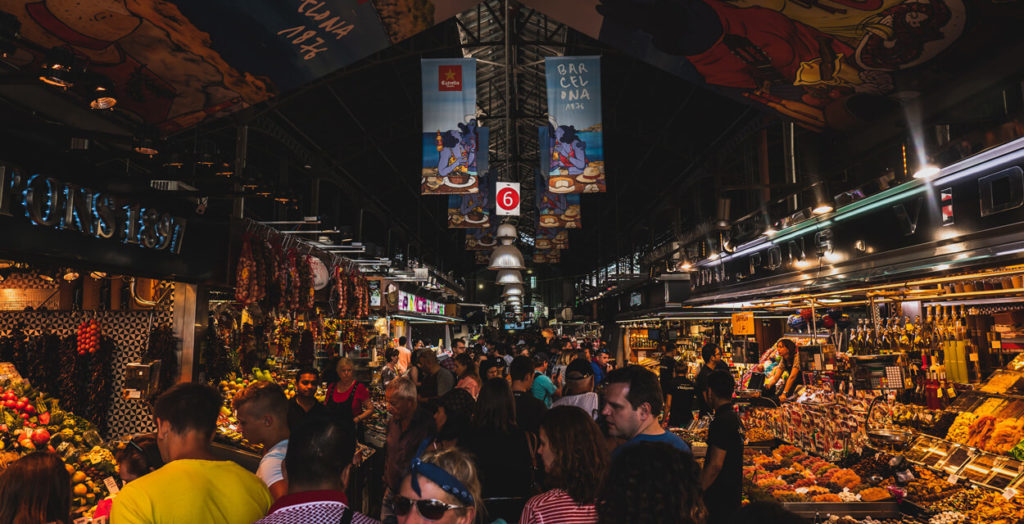
The choice is very good, as well as quality. There are small shops on almost every street, and in each area there are dozens of chain supermarkets: Aldi , Alcampo (Auchan) , Bonàrea , Caprabo , Carrefour , Dia , Consum , Lidl , Mercadona , SPAR .
Even in stores there is a large selection of vegan products .
Food in restaurants is much more expensive than in Russia. Coffee and croissant will cost from 3.5 euros, business lunch or lunch in fast food-from 10 euros. A separate dish in a restaurant or cafe is also from 10 euros.
In Spain, food delivery from restaurants is well developed, basically everyone uses the Glovo application. You can save on payment of delivery itself, if you subscribe. Products can also be ordered at Glovo, while most chain stores also have their own delivery.
Marketplais, in fact, only one is Amazon. If some stores are trying to sell goods through their sites, then they most often turn out to be much worse (long delivery, lack of feedback and complexity with return). Delivery, if the seller is Amazon, are most often very fast - the next day (sometimes on the same day, if you order in the morning). Prices can be monitored through applications, for example Keepa , there are often promotions and discounts.

Housing
In small cities (Alikant, Mursia, Granada, Malaga, Cordoba), renting a room will cost 200-300 euros per month, and a three -room apartment - about 800. In Barcelona or Madrid, you will pay 600 euros for a room and a minimum of 1,500 euros for a three -lash. However, it is important to take into account the prices of utilities that cause unpleasant surprise. 100-200 euros are automatically added to the rental cost per family of three. To save, wash in the hours when the electricity tariff is low, or get a discount on housing and communal services for separate garbage collection.
Due to the problems with the squatter, it is quite difficult to rent an apartment through the agency. You will need a work contract, lease insurance, a deposit, an advance payment for two to three months and the payment of a realtor. At the same time, housing owners will consider other candidates. Therefore, to make it easier, many are looking for apartments from the owner through friends and groups in social networks.
Medicine
Foreign citizens with a residence permit (Padrón) have the right to medical care on the same conditions as the Spaniards. With bouts of threatening diseases or accidents (for example, an accident), foreigners with a residence permit (adult and minors) are provided with free emergency assistance (ambulance, urgent operation). Gynecology for pregnant women, auxiliary reproduction , antiretroviral therapy and psychiatry are also included in the compulsory medical insurance .
In fact, in Spain, the healthcare system is similar to Russian. You will have a fixed family doctor (general practitioner), to which you contact for any reason, and he prescribes analyzes, prescribes recipes and, if necessary, directs you to other specialists. You need to sign up for a doctor in advance in the registry or by phone, the queues are usually large (in the Barcelona of the reception you will have to wait about a month). If something urgent happens, you can consult a doctor on duty or in an ambulance. If you move to another city of Spain, then you will be accepted in the ambulance, but they will be sent to the clinic to which you are attached to the doctor.
In Spain, there are many private insurance medical companies ( Adeslas , ASISA , SANITAS , MAPFRE , PREVISION MEDICA , CASER ). Private insurance advantages - a larger selection of doctors and a faster record. For example, ASISA’s full bag includes doctors, tests, dental and veterinary insurance (reception for free, procedures - with a discount of up to 30%).
MHI in Spain does not cover dental services - you can only count on help in an emergency emergency, when you need to urgently remove the tooth. When registering private dental insurance, as a rule, basic services are included in the price, and such as, for example, implantology, significant discounts - up to 50%.
There are no policies that include all the services of dentists, orthodontists and implantologists in Spain. The cost of a dental policy is usually from 5 euros per month. In many cases, you can contact the clinic the very next day.
For some, the type of visa is required full health insurance (for example, for student).
Medicines are more expensive than in Russia. Much in Catalonia can be bought without a recipe (or by Russian), including antidepressants. But if you buy them according to a prescription from a doctor, then the price will be much lower. For example, the Valdoxan antidepressant, if you buy a recipe, costs three euros instead of 30.

Climate
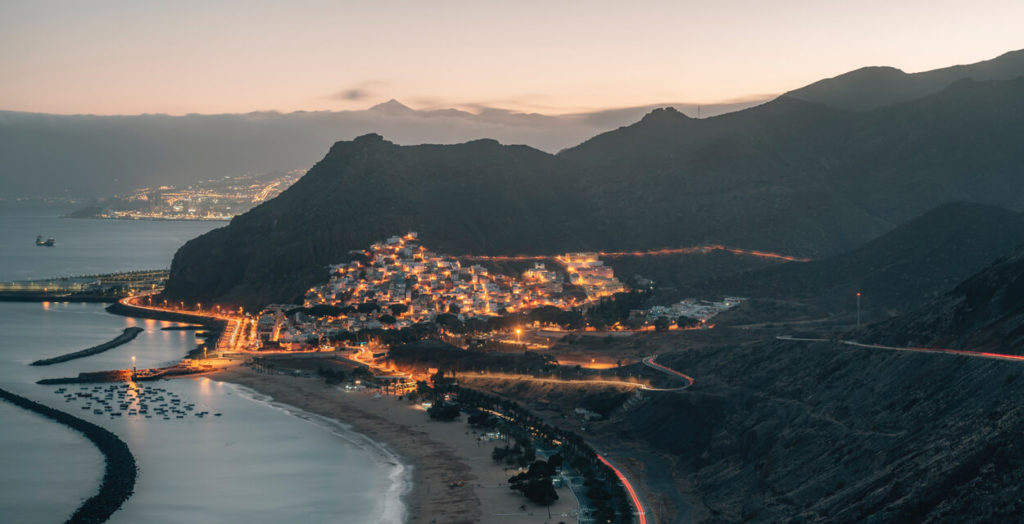
In the north of the country, the climate is soft and wet, with cool winters and a little cool summer. In the south of Spain - Mediterranean, with a long hot summer and warm winters. In July, in Madrid, an average of 30 ° C, in Barcelona - 27 ° C, in Malaga - 26 ° C, in Bilbao - 24 ° C. In January in Madrid, an average of 6 ° C, in Barcelona - 10 ° C, in Malaga - 13 ° C, in Bilbao - 10 ° C.
In Spain, there is everything that you can wish: the sea and the ocean, mountains, deserts, tropical landscapes, green hills with lakes and thick forests, as well as exotic islands.

Safety
Spain is considered a relatively safe country. However, in Barcelona, due to a large flow of tourists, an prohibitively high level of pocket thefts-never wear a phone in your pocket if you arrived in this city.
Also, one of the biggest problems of Spain is squatter, or instructions - people who illegally occupy abandoned housing. According to the law, they are almost impossible to evict, which causes discontent in society. This phenomenon arose in response to problems with affordable housing and social injustice.

Animals
Spain-Dog-Frendley a country in which pets are part of the family. There are parks in cities, areas for walking dogs and space, where they can run and play without a leash. Most public places, such as cafes, restaurants and some shops, allow dogs to bring with them.
However, the rules and politics regarding pets may vary depending on a particular region. For example, dogs must be registered and a veterinary passport in all regions must be made, and cats are required to be registered only in seven (in Catalonia, for example), in the rest - at will. It is also important to comply with local norms and requirements, including the use of a leash and observance of hygiene in public places.
Russian -speaking community
It is quite diverse and active. In large cities such as Barcelona, Madrid, Valencia and Malaga, there are many Russian -speaking organizations and communities. There are also shops in the country where you can buy Russian products.
Many Russian -speaking residents organize concerts, exhibitions, cultural events. This is a great opportunity for socialization, exchange of experience and each other's support. So new immigrants from Russian -speaking countries can be easier to adapt, get advice and help from those who have already gone through such an experience.

Feminism
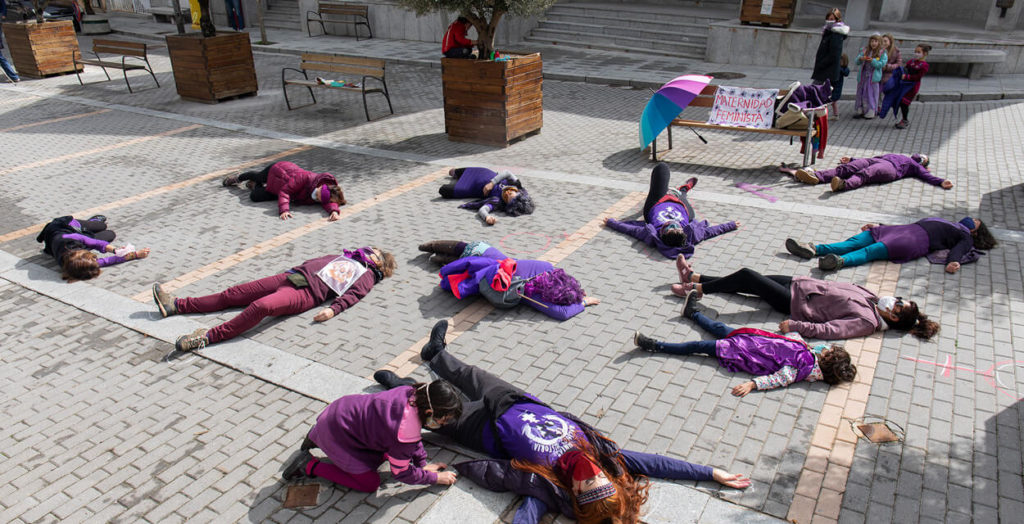
In Spain, promotions, rallies and campaigns against violence against women are held, for equal wages and an increase in women in politics. Feminist organizations and activists work at different levels - these efforts help create a more equal and inclusive society in the country.
With the reform of the law on sexual and reproductive health approved in February this year, they also introduced the opportunity to take sick leave at work due to painful menstruation. Also, girls of 16-17 years will be able to terminate pregnancy without the permission of their parents.

Attitude to LGBT community and transluchea rights
In Spain, the rights of the LGBT community are protected by law-the country is recognized as one of the most advanced in Europe on equality and non-discrimination. For example, since 2005, a law has been adopted in Spain, which allows the same -sex couples to marry and have the same rights and obligations as heavily pairs.
According to the law, transgender people have the right to legally change their gender and name without passing surgical procedures. They can also get a new document reflecting their preferred gender.
OMC covers hormone therapy for translies, vaginoplasty or phalloplasty, psychological assistance. В зависимости от автономии, могут покрывать логопедию, хондроларингопластику (видоизменение гортани с уменьшением ее выступа), маммопластику, мастэктомию (удаление молочной железы) или орхиэктомию (удаление яичек).
Кроме того, в Испании дискриминация на основе сексуальной ориентации и гендерной идентичности запрещена законом. Крупные города, такие как Мадрид и Барселона, известны своей открытостью и дружелюбием по отношению к ЛГБТ-сообществу. Каждый год в разных городах проводятся парады гордости и другие мероприятия, посвященные правам ЛГБТ-людей.
Однако, как и везде, есть отдельные случаи дискриминации, и важно помнить, что опыт и восприятие могут различаться в зависимости от конкретного региона или общины. Главное — то, что Испания продвигает равенство и толерантность и в случае дискриминации у ЛГБТ-людей есть механизмы правовой защиты.