
Translated material
No barbie - no tears
The long -awaited pink saga with the eyes of Greta Gervig
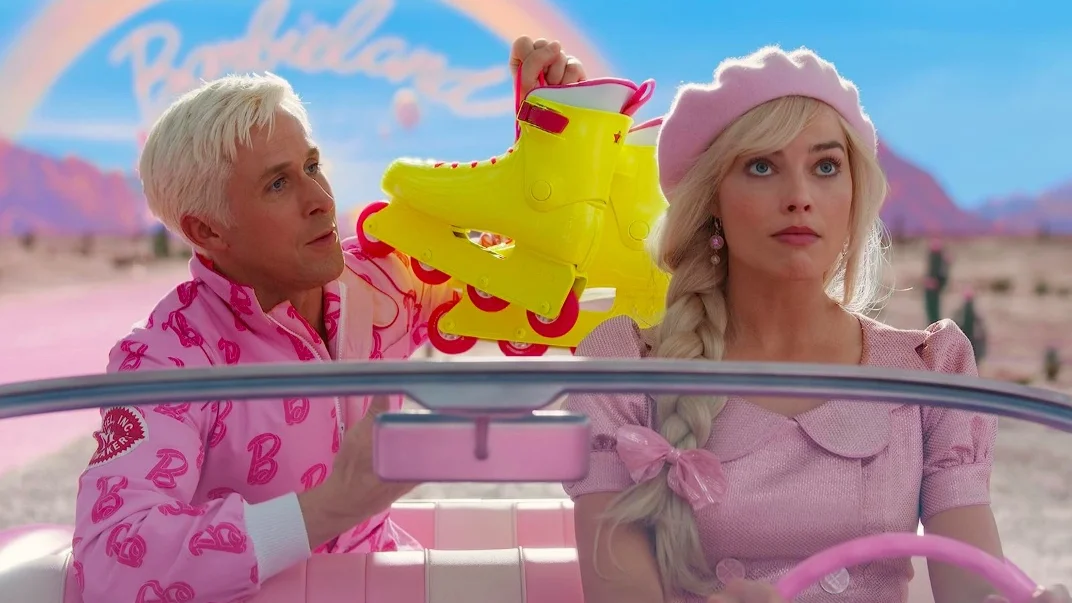
Shot from the film "Barbie". Source: Kinopoisk
One of the most anticipated films of the year was released - “Barbie” Greta Gerwig, written along with the screenwriter Noah Baumbach (“marriage story”, “Calmar and Keith”, “Dear Francis”). Blessed by Mattel, which invented the Barbie doll, the comedy from the very beginning raised questions and fears. Can the French director Gervig can embody a fascinating and ambiguous story on the screen, given the commercial background and the cult status of a doll? Will Margot Robbie and Ryan Gosling get something more than the operation of sugary characters? And will Barbie dissolve in the ocean of other films with the strong presence of the brand? The film critic Oleg Tundra was one of the first to watch Barbie in the crowd of hundreds of young spectators in the pink and reports that Greyta Herwig and Noah Baumbach clearly succeeded, and what leaves much to be desired.
I give a tooth that in no mainstream comedy in the entire history of the movie you will not hear the word “patriarchy” so many times. “Barbie” is not only a comedy, but also a manifesto of equality, a playful manual on gender issues and a source of quotes and memes for years to come. The directness and sharpness with which Gervig and Baumbach give out a slap in the unjust modernity, makes him joyfully smile and beat his head on the plastic waves of the beach of dreams. But about everything in order.
The stereotypical barbie (this is important, because in the Barbie script there is both a barbie president and Barbie with disabilities) wakes up in Barbilend to enjoy every day. Around her-careless Barbie friends with excellent self-esteem, pleasant work and men who climb from the skin to earn their promotion and attention. For Barbie, every day is good for Ken - only the day when Barbie will pay attention to him. There are no laws of physics and chemistry in Barbilend: they drink from empty glasses, stand in plastic waves on pink sand, live in houses without stairs (after all, you can just fly out of the room to the street), do not know longing and go all their lives on tiptoe. Every evening is a bachelorette party, every day - under a painted cloudless sky. There is no sex in Barbilend either - there are bulges in the right places, but how to handle them, neither Barbie nor Kena even guess.
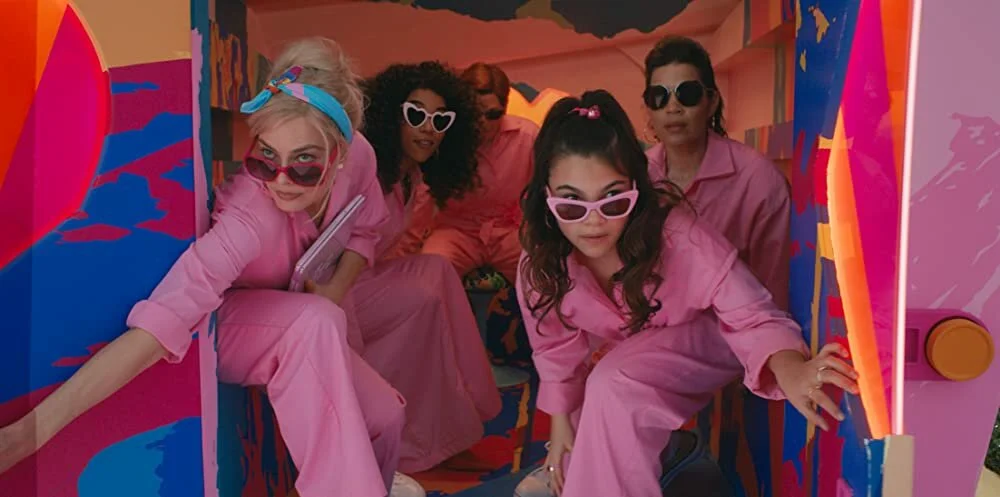
The stereotypical barbie (Margo Robbie) wakes up in the morning with flat feet and realizes that something went wrong: on the eve, she first thought about death. Girlfriends tell Barbie that this is because in the real world they somehow play with her incorrectly: “This is not just confusing hair, everything is much more serious!” Barbie goes to meet the local strange Barbie (Kate McKinnon), who was broken in reality for a very long time: instead of thick long hair, she has an Iroquois, and her legs are constantly moving in a twine. The strange Barbie confirms suspicions, and in reality with Barbie the truth is somehow unusually: "Humanity begins to invade your puppetment." And there, not far from cellulite and suicidal thoughts. The stereotypical barbie goes to California to find his American mistress Sasha, and Ken (Ryan Gosling) sticks her to her, although no one called him - so, out of habit.
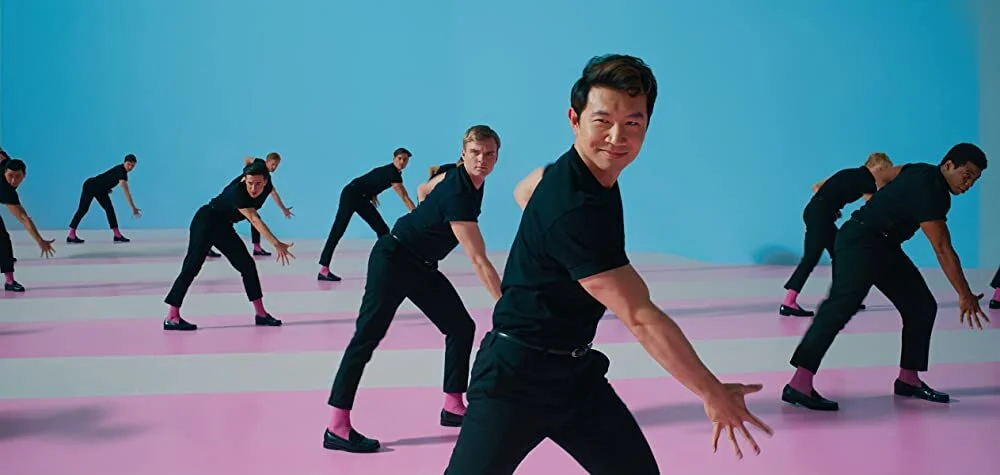
In general, Barbie, and this may surprise, the movie is much more about Ken, the “walking jar of protein”, and about his unexpected empauerment in reality. At the time when women in America could not vote, Mattel came up with the perfect young doll girl, her girlfriends and her consumption: Ken was not even bought by the second toy, but as an optional addition, often after the house, kitchen and ponies. In the film, Greta Gerwig Ken gets into real America, which mirrors Barbie's utopia. Here the Supreme Court is not the Miss Universe contest, but the cloned men, in gyms, everyone appeals to each other “man!”, They rolled up to the beauties on the street, and in the top management of corporations, 12 identical, as from caskets, jackets and build themselves as well. And if Barbie must be selected between stilettos and birkenstocks, going into reality, then Ken explodes the brain from other people's capabilities: Abraham Lincoln, George Washington and Sylvester Stallone, posing in a large white fur coat, look at him from all sides. Once in the library, in the department of gender research, Ken finds out what Patriarchate is, and understands that it can be easily adapted for barbilend. The resentment that all his life he was perceived for granted, wakes up a thirst for retaliation in him.
“We just took Patriarchate and made it more patriarchate,” Kenya will be proud of, turning the pink world of Barbie into an equestrian-breed economy.
Barbie at that moment meets a teenage girl playing with her. Sasha does not climb into his pocket for a word and blows an indictment with her friends about how much Barbie is hated as “professional FIFA”, how many girls and women suffer from self-doubt because of her image, and finally calls Barbie a “fascist”. And if Ken needs the whole film to understand what is wrong with the matriarchy, and with the patriarchy, then the stereotypical Barbie will have to find out a lot about the driven real women who once played with the doll: about their neurosis, hyper-resistance and an “unbearable sense of shame” for their imperfection.
For all skeptics and those who are not a fan of Robbie and Gosling, it is worth saying that their screen duet is even brighter than the photos from acidic filming on the rollers a year and a half years ago. Gosling plays his first frankly comedic role - and this is what was so lacking in his fermented image of a saddened romantic hero. And Margo Robbie is a truly unique combination of canonical beauty and comic talent.
Many monologues sound in Barbie as manifestos, and this didacticity can push away those who learned about gender inequality, relatively speaking, not yesterday. But even for the picky spectators, Gerwig and Baumbach prepared enough Easter days: there is not too much raisins in the bun, but not too little. The authors of Russian dubbing came up with several cool neologisms (my beloved is the kid to “put it up” in the meaning of “to exclude” and the soup down called “Machi-Dachi-Khata House”), perfectly converted the lyrics into subtitles (thank God, no one sings in the dubbing!), Inserted into the Russian-language translation of feminity and did not even lose their joke about the joke. Picture Barbie Proust. Being a film for absolutely everyone-for 15-year-old girls in pink, and for their classmates, and for bearded men, and for grandmothers-Barbie is clearly trying to please everyone at once, and by and large she succeeds. Here they are staring over the “boy” cinema of Zach Snyder and smart men who explain why it is worthwhile to love the “godfather”.
They are mocking the fact that on any problem in the modern world you can make money by inventing the goods: “Novelty: Barbie in depression. Anxiety, panic attacks and OKR are sold separately! ”
That all the inventors want the best, but for some reason it turns out as always. They quote Monty Pieton, say the word “shit -eaters” and play perfectly with words. The fans of one of the first super-associated actresses Helen Mirren can hear her sunbathing voice, and millions of spectators first recognize the story of the creator of the doll Ruth Handler: unfortunately, the inventor did not live 20 years before filming the film and did not appear in the film with her own person.
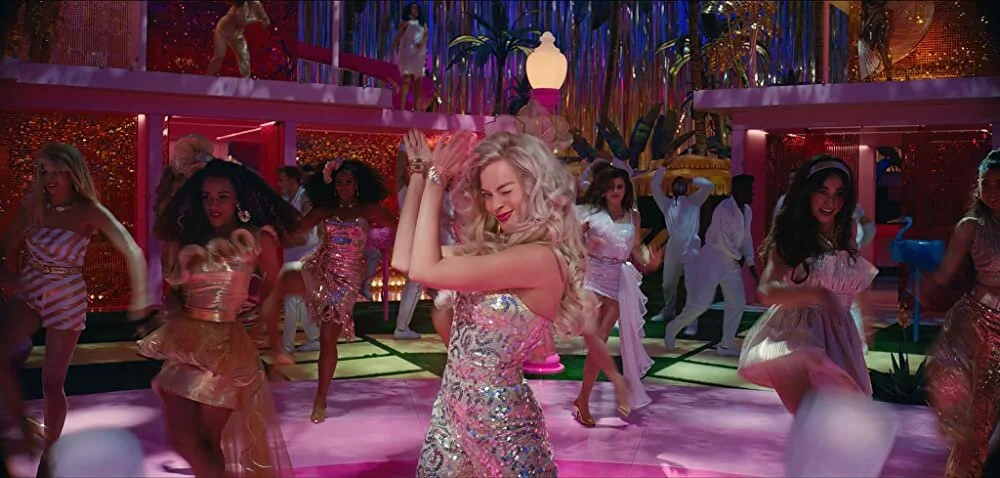
You can make claims to the film Gervig for a lot-for the rhythm, and for the freshly secondary heroes, and for the predictability of most fire monologues-but for some reason I do not want to. Nevertheless, there are not many comedies in the world where the head of the corporation admits: “I need a corporate party, where we will just tickle each other,” and on a plastic beach there is a battle with scooters for scourging and volleyballs. And even fewer films with the perfect last replica, knocking out the tears of laughter from the audience of both sexes.