
Translated material
"Deathnomy"
Vladislav Inozemtsev* - about how "grave" and other payments changed the country's economy
Photo: Anatoly Zhdanov / Kommersant
18+. This material (information) was produced, distributed and (or) sent by foreign agents Borukhovich (Tumakova) Irina Grigoryevna and Inozemtsev Vladislav Leonidovich or concerns the activities of foreign agents Borukhovich (Tumakova) Irina Grigoryevna and foreigner Vladislav Leonidovich
Economist and sociologist Vladislav Inozemtsev* calculated: the life of one Russian soldier "costs" today 15 million rubles. Many of them have not earned that kind of money for their work -free life. The country adapted to the "military rails" and learned to go well along them. Where she will come in, Inozemtsev told the "New".
- You calculated that the life of a soldier, or rather, his death now costs up to 15 million rubles, and many of the soldiers for the entire remaining period of their ability to work will not earn so much. And where exactly such numbers are?
- Over the past 12 months, the Kremlin has seriously reviewed the money payments to the military. When the special operation began, it was not supposed to be very much spent on the personnel. The only measure in the first weeks was the introduction of a presidential payment of five million rubles. Moreover, this was done so that it was not fully clear: it was introduced instead of a regular payment of three million, which was previously provided for in the event of the death of a soldier, or beyond these three million. This was the first step on which everything stopped in March 2022. It was said that contractors are fighting, but their salary was not revised and remained quite low: officially, according to statistics, about 42 thousand rubles for ordinary.
- Really for the ordinary it was less.
- Yes, many experts said that there was less. Given deductions, taxes and other things - 30–35 thousand. Here with this, Russia [into a special operation] entered. And then a constant increase in the amounts began. When mobilization happened, a bunch of all kinds of goodies were immediately promised mobilized.
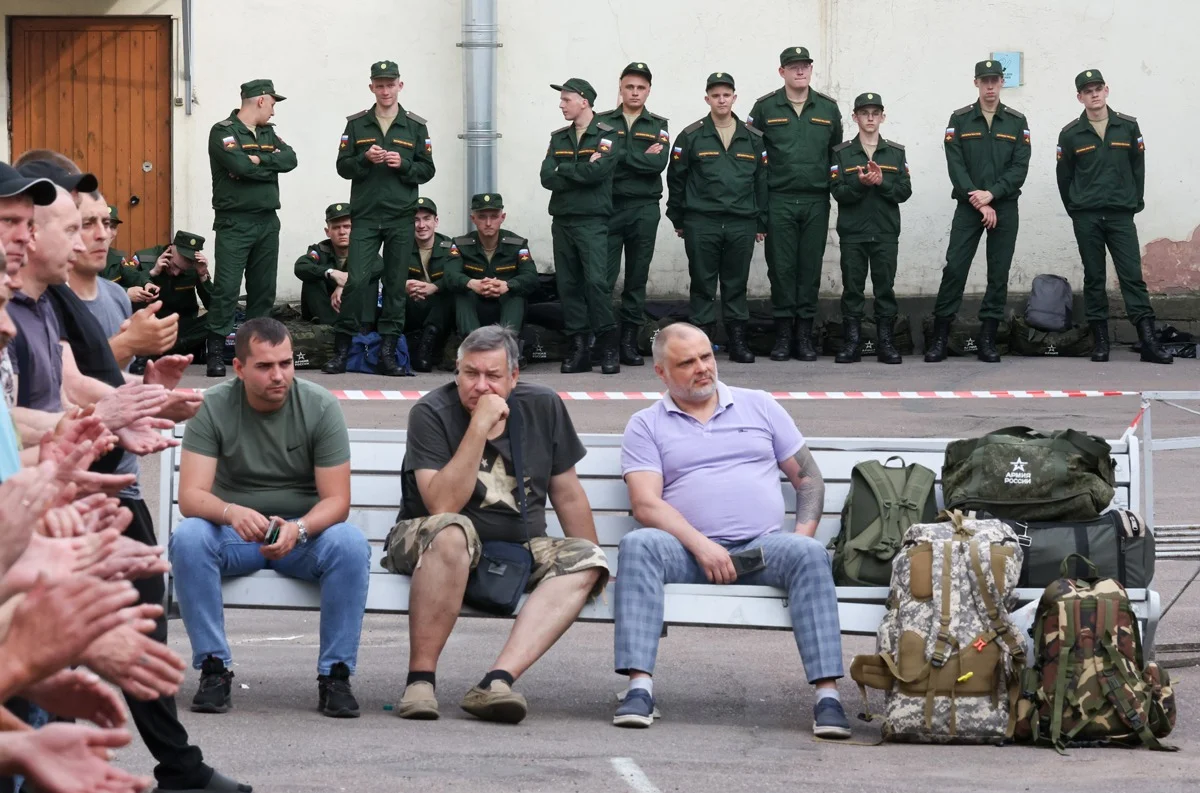
At first they talked a lot about a one -time payment at the time of partial mobilization. They called some crazy amounts-up to 600 thousand rubles. In practice, they were never paid, the real amount at the time of mobilization reached a maximum of 250 thousand, but again not everywhere and not always. Then they unified monthly monetary allowance mobilized at 195 thousand rubles.
And then it turned out that the contractors were not raised and the mobilized receives several times more than them. This gap was liquidated in November, contractors began to receive as much as mobilized.
We can say that this new system has developed. On the one hand, there are monthly payments, on the other hand, payments in case of injury and in case of death. The latter consist of several components, and there is an official amount declared, but there is what they are paid. What is paid for sure is always five million “presidentials”. Plus, the standard three million.
- Is this insurance?
- No, this is a single benefit that paid back in the pre -operational period and now migrated in modern times. Insurance is going on separately, but there are more formalities. Plus, there are also regional allowances depending on the well -being of the regional budget: from a million to three.
There is also a separate topic that I generally tried not to touch, because we do not know how long it will work and how successfully it is: these are the payments of all kinds of pensions and benefits to relatives and children.
It is formally assumed that this should continue for many years, while the widow is alive, until the children have grown up to 21 years old, but it is now difficult to discuss. Although, for example, if we look at any Western countries, then 75-80 percent of payments account for these amounts. If a soldier dies, for example, in America, then the initial payments are only 100 thousand dollars, which is very few on an American scale, but then his wife and children begin to receive military pensions, which amount to several thousand dollars a month.
In fact, the differences between the Russian system and the Western are reduced to the fact that payments, at least on paper, are skewed towards the simultaneous.
I see in this one of the elements of turning the entire Russian system towards militarization. Putin is trying to make the “recording” of people in the army itself more acceptable in terms of social guarantees.
- profitable?
- More profitable than before. In fact, it is difficult to say how this affects the decision to join the army. But according to indirect data, you can already say something. 10 months have passed after the start of partial mobilization. We do not know the exact statistics of how many people went to the army after the winter of 2022–2023, but one way or another, judging by the reports, the Russian army is quite actively conducting military operations in Ukraine, a large concentration of manpower is observed in some areas. When Shoigu says that there is no particular shortage of personnel at the lower level in the army, this is probably not entirely true, but there is a certain element of truth in this. That is, they managed to cope with the lack of ...
- ... manpower.
- Yes, manpower. I think that due to these conditions, among other things,.
- Did you lure money?
- Yes. Remember, Putin talked about how much money was transferred to Wagner, everyone was horrified and touched? In fact, not only Wagner. In fact, in the Russian army all these years, when weapons were accepted and Putin talked about the revival of the armed forces,
A skew towards the purchase of military equipment, the creation of infrastructure and other things was huge compared to the monetary allowance of military personnel, which grew very slowly.
Brequers at all received practically nothing, they now receive very few - two thousand rubles. Contractors received a salary that officially less than the country in the country. It seemed that the contract army could, in principle, exist due to the fact that people are on state allowance. It was believed that if someone earns 35 thousand and serves two and a half-three years, then he receives his million rubles by the end of the contract, and this money is a good ticket to the life of a civilian. In fact, this, of course, is not entirely true, and the money was not the most enticing moment in the army.
- The main enticing moment was, as the military themselves told me, not salaries. In addition to the desire to ensure employment and earnings, without making special efforts to receive education, this moment was a military mortgage, the opportunity to get an apartment at the end of 20 years of service. And these apartments are military, this mortgage is also quite large expenses for the army.
- That's right. But, whatever one may say, the scale of the current payments declared and real exceeds the former several times. Moreover, there are also a lot of benefits: both the admission of children to universities and much more.
It can be stated that the authorities in the head of a click occurred, and they decided, in fact, to make the entire army hired.
If earlier they said that, they say, Wagnerians, mercenaries earn a lot of money, now they have done the whole army. They understand that the people have no other motives to go to the army.
- You say that the country was invested in the militarization of the country for many years. Actually, we saw this. But at the same time we know in which the military lived, how the passing score to military universities decreased. Why did the authorities not began to invest in the military, in human material?
- And I'm not sure that they began to invest in it now. It is one thing to take and pay people money, another is to create infrastructure, normal conditions for life in the army, normal barracks, housing, provision and so on. Russia is a corruption country. When you simply transfer a person once a month a certain amount, then corruption losses, if there is, are minimal. As for, for example, the arrangement of military towns is completely different, here you can steal at all levels. I think, to specific performers, to those companies that should carry out construction and repair, if half - this is already happiness. I am absolutely convinced that people knew about this that the money was allocated for this, but why there was no result - this is a question for our entire army system. This is the most corruption part of the Russian economy.
You say correctly that people did not go for the salary, they followed the apartments. People who had access to at least some financial flows went behind the cut. It was just in the army that it was more noticeable than anywhere else in Russia.
- It turns out that now quite a lot of families have begun to get quite a lot of money. Moreover, this happens in the poorest regions where such changes are especially visible. Is it already noticeable in the Russian economy that such “new Russians” appeared in it?
- We need to talk not only about payments, but in general, in general, about the militarization that goes such a pace. The most interesting thing is to dig, and it turns out that these are the effects of militarization of recent years. The money was huge, in total - under 20 trillion rubles, that is, more than the then annual budget, but the results of this process were very ambiguous.
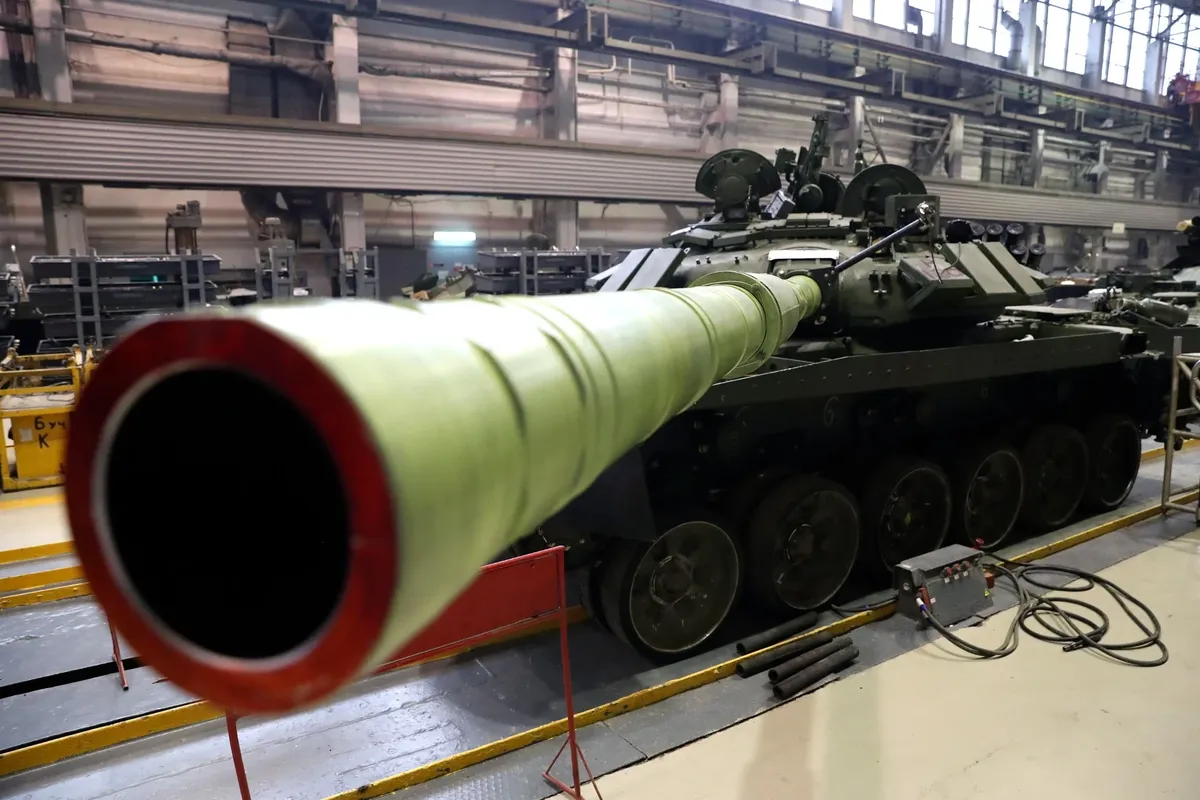
The official statistics of 2019 said: at that time in Russia it was produced and modernized - this is the favorite phrase of our officials - approximately 250-300 tanks per year. As a rule, 2/3 went to “modernization”, we will assume that about 100 tanks per year were produced. One Uralvagonzavod is about six to seven tanks per month. In any case, this amount has not changed for years, no matter what was done. We remember the stories about the Armata tank, about the Su-57 fighter for a crazy price, there was a lot of talk about what we had achieved. A variety of prototypes were produced, but very little went into the series from what they made such a showcase of the “military revival”. What has happened over the past year changes the situation in a radical way.
-In the meantime, this all happened-100 tanks per year, 20 trillion rubles and so on, did you see that this somehow affects the standard of living in the country? This is the same production, which is then not “multiplied” in any way, that is, the tank does not help any more production, it is only knocked out or it breaks.
- This influenced the standard of living in the country. Because the scale of corruption costs was very large.
In order for this to affect the standard of living, money should reach the manufacturer, they must turn into real orders that increase the volume of production.
Remember, in the first months of special operations in Russia, they announced work in three shifts in military plants?
- announced, yes.
- They did not achieve three -shift work, but two shifts appeared a lot where. And for this it is necessary to hire additional people, you need to pay a large number of overtime if people work on a night shift or on weekends. On the same Uralvagonzavod, production over this year has grown six to seven times.
- Is it really so growing or only according to reports?
- Really grew.
-These tanks will be destroyed at some point, that is, they will not bring any profit further. The fact that the tanks were produced, bought metal, paid salaries, is it enough for this to affect the economy?
- Certainly. No matter how cynically it sounds, the most profitable thing for the economy is that the product produced in the reporting period is disposed of as soon as possible. In a few years, manufacturers of iPhones cease to maintain software update on old models, forcing people to buy new ones. This artificially accelerated technological progress in many industries has the same consequences as the actions of the Armed Forces of Ukraine. In one case, you throw a phone that has become non -modern, in the other - a tank. Both that and that and this is a great joy for the manufacturer: there will be new orders, new investments, and it is great to adjacent to the relaxed.
So far, in my opinion, the influence on the economy, due to an increase in military orders, is more significant than what is due to an increase in payments to the military.
- Is military operations profitable?
- Limited - yes.
- Limited what?
- At the beginning of any hostilities that do not affect a large part of your territory, the economy has always shown high dynamics. Let us recall the US entry into the first and second world wars: all indicators increased sharply.
We perceive the abstract war in the categories of the Soviet era, when the war is a disaster, when everything goes to military rails, grocery cards are introduced, people work at 14 hours a day, children are at the machines and so on. This is a purely Soviet war. For any other warring country over the past 100 years, such a situation did not exist.
In the First World War, the front stood 100 kilometers from Paris, but no one was starving in France, and industry worked at full power. After 20 years, the American economy, by and large, finally left the great depression only thanks to the placement of military orders in the late 1930s.
In a country leading limited military operations, where the state increases military expenses, there can be no economic recovery.
It is not like Russia, but Ukraine also demonstrates the same dynamics. Only we give money to the government, financing the special operation at the expense of internal debt, and allies give them to Ukraine, directing Kyiv military and financial assistance.
- Russia has less oil and gas and other revenues, there is less money in the budget, there is a shortage. This internal duty-it still needs to be taken somewhere and somehow extinguish?
- Probably, the Central Bank ultimately finances it, that is, it is largely drawn money.
- Wouldn't this be terrible inflation?
- This is a matter of the quantitative volume of emission. In the first half of the year, the budget deficit amounted to 2.6 trillion rubles, this is about 3% of GDP. Such numbers are not problematic for several years. Inflation of the 1993-1994, I recall, took place against the background of a budget deficit that exceeded 10% of GDP and, moreover, in the conditions of collapsed economic ties and paralysis of entire industries. And during the period of Putin’s boom 2000-2007, inflation in Russia exceeded 11% per year, and the economy and well -being grew. So now I would not consider inflation the largest threat.
- Payments to the military and their families are a kind of analogue of Western “helicopter money” during Covid. That is, money that falls regardless of labor costs.
- Absolutely. These "helicopters" fall - the standard of living in the regions associated with the military -industrial complex is growing.
And today it is very clearly visible how the regions working on the defense industry grow best in the Russian economy.
-What was dying in the 1990s.
- And now it is recovering very quickly. But the effect of this is not the same as in the USSR. How many soldiers died?
- Shoigu said - about six thousand, let's believe Shoigu.
- I can’t believe Shoigu ... even if there were many more, it is still less than 0.1% of the population. The salary fund in the Russian Federation in 2021 - about 60 trillion rubles per year. By the most optimistic standards, if the Ministry of Defense pays everything for everyone who died, was missing, wounded, it will take about trillion rubles a year-1.5% of the total cash income of the population for the year. That is, such an amount itself will not shift inflation.
- You are talking about “grave”, but there are still regular salaries to the participants in the special operation. Previously, a person received 20 thousand rubles or did not work at all, went - he receives 200 thousand.
- Yes, there is such a moment. But how many people are at the front now? Let 300 thousand. Yes, their salaries are very high, these people and their families could not even dream of such. But 300 thousand people are much less than 1% of the population. The maximum of only one of 100 families in Russia is associated with receiving these payments. But when manufacturers of bread and milk sell their goods, they focus on the general total demand, but it has not changed much. In some small provincial town, let's say, 200 families mobilized.
Prices in stores will not begin to jump from the fact that every hundredth person can pay more. And before there were many wealthy people, but this did not cause prohibitive rise in prices.
At the same time, the total income of the population did not grow very much. The government is now indexing salaries and pensions to inflation so that people do not have the feeling that living has become much worse. But they still have about the same purchasing power as before, therefore manufacturers cannot uncontrollably increase prices. Competition has not gone anywhere: if you increase the price of your fermented baked milk or sausage, then people will go and buy another ash and other sausage.
- I listen to you - and I directly want to thank the government for this our happiness. The country turned out to be very successful ... But in general, the standard of living of people - how does this happiness reflect on it? The standard of living is not only goods, it is medicine, education, this is all that is called human capital. How does the special operation reflect on it?
- On it it is poorly reflected for now. At the same time, a large social group of those who are interested in continuing the special operation is formed in Russia. These are employees of military plants, who, in certain estimates, are about two million people in the country. Это и предприниматели, работающие в секторе, а доходы и откаты тут гораздо выше, чем в среднем по экономике.
В России возникает новый олигархический класс, заинтересованный в милитаризме.
Нам часто говорят: скоро наступит разочарование населения, люди увидят снижение уровня жизни и пойдут протестовать. Я этого не жду. Объективно большого снижения уровня жизни в России сейчас нет. Что касается снижения расходов на образование и медицину, то его пока в явном виде не происходит. Есть снижение, но оно несущественное.
— То есть урезанный на 5% бюджет на здравоохранение — это несущественно?
— Российское здравоохранение обеспечивается в основном не из бюджета, а из фонда ОМС. А его траты в этом году, 3,22 триллиона рублей, более чем в 10 раз превышают расходы федерального бюджета на нацпроект «Здравоохранение» — 311 миллиардов рублей.
И если говорить об образовании и здравоохранении, я отмечу не столько снижение финансирования, сколько падение качества услуг за счет бюрократических новаций и депрофессионализации работающих в этих отраслях специалистов.
— Получается, что рост за счет расходов на спецоперацию раскручивает экономику, но делает это с сильным перекосом и на ограниченное время?
- Certainly.
— А на какое время?
— На весь период конфликта. Выход из конфликтов для рыночной экономики всегда сопровождался большими проблемами. В США конец Первой мировой войны вызвал рецессию 1920–1921 годов. В России сокращение государственных вливаний в ВПК и армию вызовет тяжелую «ломку». Путин говорит, что российская экономика растет на 1,5–2% в год, но это абсолютно дутые цифры. Если вкладывать дополнительно 4% ВВП в виде бюджетного финансирования, а получать на выходе 2% роста, это значит, что без такой подпорки экономика падала бы на 2–3%. Вкладывая деньги, вы порождаете искусственный рост. Такая политика не ведет ни к какому долгосрочному развитию, потому что вы закончите спецоперацию — и эти 800 танков в год вам будут не нужны.
— Вот я все время хочу спросить, как же тогда получилось, что СССР развалился на гонке вооружений. То есть и сейчас будет что-то похожее на позднесоветский период, когда на выходе из холодной войны остановились оборонные предприятия?
— Отчасти, но надо корректировать прогнозы с учетом масштаба военных трат. Во времена холодной войны советская экономика была перекошена безумно. При этом никогда в США (а я думаю, что и в Европе) ни одна крупная корпорация не была чисто военной. Для 10 крупнейших подрядчиков Пентагона доля военных заказов в общей выручке составила в 2018 году 46%. Если начать сокращать военный заказ, это повлияет на многие компании, но ни одну из них не убьет. Даже если компании потеряют треть военного заказа, их выручка сократится на 15%. Это большой объем потерь, но не смертельный. В России в том же 2018 году десять крупнейших поставщиков Минобороны получали от его заказов 86% своей общей выручки.
— Поэтому я и вспомнила про СССР.
— В СССР доля военного сектора в экономике составляла, по разным оценкам, примерно 15% ВВП. Сейчас в России это намного меньше.
— Даже прямо сейчас меньше?
- Certainly. Если брать уровень до 24 февраля 2022 года, то военная система не обходилась дороже 3%.
- And now?
— Сейчас эти значения могли вырасти максимум вдвое.
—Так их еще наращивают? Хотят же еще кучу гражданских предприятий, как говорят, «переводить на военные рельсы».
— Здесь есть все-таки предел. Не будут производить по пять тысяч танков в год и не мобилизуют миллион человек.
Я думаю, что сейчас мы вышли на некое плато. В начале спецоперации терялась военная техника, произведенная раньше и лежавшая на складах, а в 2023 году основная причина роста расходов на вооружение — в том, что большие потери в технике надо компенсировать. Поэтому оборонный заказ резко вырос. Но я не думаю, что он может вырасти еще вдвое.
— В любом случае, с этой иглы экономике когда-то слезать придется. Насколько болезненной будет «ломка» для тех, кто уже привык получать с этого профит?
— Будет болезненной. У России фактически ликвидированы все источники потенциального роста. Санкции привели к тяжелой ситуации с нефтегазовыми доходами, они уже упали на 45% по сравнению с прошлым годом и на таком уровне останутся.
То есть сейчас вливание денег в экономику позволяет не чувствовать падения статистически. Если подпорку убрать, я думаю, что года три снижения ВВП России гарантированы. Не радикального, но наверняка.
— Как это почувствуют люди? Не статистически, а именно на людях это как скажется? «Снижение ВВП» — это для среднестатистического человека абстрактные слова.
— Думаю, люди почувствуют это умеренно. Сегодняшние авральные меры в экономике порождены необходимостью сделать так, чтобы народ не вякал. Я говорю в том числе и об индексации пенсий и пособий. Если бы не было спецоперации, индексации были бы гораздо ниже. Долгие годы индексации не достигали даже официального уровня инфляции, а теперь они стали даже чуть выше, чтобы народ понимал: у нас все хорошо.
Как только спецоперация закончится, все индексационные выплаты начнут падать, я думаю, вдвое, они будут закрывать 50–60% от инфляции. Плюс свернуто будет, пусть частично, производство на военных заводах. Видимо, два-три миллиона человек сильно потеряют в зарплате. И надо готовиться к тому, что средние денежные доходы будут снижаться на 2–3% в год в течение лет трех лет.
— Получается, что «весь советский народ как один человек» заинтересован в том, чтобы спецоперация шла как можно дольше.
— Как ни странно, заинтересованы в этом действительно очень многие. Повторю банальный тезис: с экономической точки зрения людям в России сейчас нечем быть недовольными. Это было совсем не так весной 2022 года.
Если у Путина хватит драйва продолжать увеличивать расходы бюджета в условиях дефицита год, два или три, удерживая контроль над инфляцией и не допуская сильного падения рубля, спецоперация будет оставаться выгодной многим.
— Какой кирпичик из этого надо вытащить, чтобы это перестало быть выгодно?
— Здесь есть только один такой «кирпичик»: все это не дает эффекта.
— Эффект наши власти, я так понимаю, не интересует, если вы говорите об эффекте на будущее.
— Я имею в виду эффект чисто военного свойства. Если вы танков производите больше, а победы не наступает, вы понимаете, что с этим надо что-то делать, надо как-то договариваться и из всего этого выходить.
— Зачем, если они от этого только богатеют и радуются?
— Все имеет стратегические цели. Если они не достигаются, их пересматривают.
— По вашим словам получается, что никто и не должен хотеть, чтобы стратегические цели были достигнуты. То есть и их достижение, и окончательное недостижение бенефициарам спецоперации невыгодны одинаково.
- Right. Поэтому я хочу еще раз повторить: что Путину удалось за эти полтора года, так это то, что экономический ужас от … [спецоперации] прошел. Он остался в некоторых отраслях, и то уже не настолько сильный. А появилось ощущение, что с этим можно жить, и даже неплохо.
— Украине предстоит гораздо более масштабное восстановление экономики, запуск большого числа производств. Будет ли это неким самораскручивающимся механизмом? То есть станет ли это само по себе подстегивать рост? Она ведь тоже сейчас сидит на военной «игле».
— Нет, украинская экономика сидит на «игле» западной помощи. Сегодня не меньше трети всех бюджетных расходов в Украине обеспечивается прямыми западными вливаниями. Сейчас украинское правительство свою социальную сферу не финансирует вовсе, этим занимаются западные доноры. Военная промышленность Украины сегодня работает активно, но все равно она не определяет облик украинской экономики. В рыночных ценах до 2022 года украинская экономика составляла около 200 миллиардов долларов. Военные расходы Украины были издевательски малы и чуть ли не сокращались, составляя 3,5–4 миллиарда долларов в год. Сейчас одни только поставки вооружений за последние 12 месяцев составили не меньше 40 миллиардов.
Для Украины послевоенное восстановление будет обеспечено помощью Запада.
Западная помощь никуда не денется еще несколько лет. Плюс наверняка пойдут программы с учетом будущего вступления в Евросоюз. Плюс явно будут какие-то элементы «плана Маршалла», пусть не очень большого. То есть, я думаю, Украина будет получать после окончания военных действий чистый финансовый трансферт минимум в 20 миллиардов долларов в год на протяжении многих лет. Это, конечно, не очень много по сравнению с оценкой ущерба в триллион. Но на территориях, сейчас контролируемых Киевом, этот ущерб значительно меньше. Если Украина не вернет себе территории, то ее экономика быстро пойдет вверх.
— А если вернет?
— Если вернет, то они камнем повиснут шее украинской экономики. Тогда Запад может найти схему, чтобы профинансировать восстановление Украины из замороженных российских активов. Я думаю, что тема восстановления Украины, тема тамошней налоговой политики и вообще все, что будет происходить с украинской экономикой, станет самой горячей темой второй половины 2020-х годов.