
Translated material
Children of Tinyakov
It is to the most vile poet of the Silver Age, and not to the Twardowski and Simonov, most modern militaristic poems rose
Photo: AP / TASS
(18+) This material (information) was produced, distributed and (or) sent by a foreign agent Bykov Dmitry Lvovich or concerns the activities of the foreign agent Bykov Dmitry Lvovich.
When American students asked me about the fundamental difference between Soviet military poetry and what it is customary to denote the letter Z, this question at first put me at a dead end - not because this difference is difficult to do, but because it is too obvious. But if the native speaker is easy to catch the difference between the lyrics and the order, then for the Slavist, even if the qualified, then the poems are quite quite.
In this comparison, Z-Poesia in a losing situation is already because the great verses of the Patriotic War are filtered out by time, and we are dealing mainly with the masterpieces who survived their creators. In the poetry of the Sorokov, there was a lot of tin muffling, stamps and self -pose. One masterpiece like “Praskovi” or “Soloviev” - that the Fatyanovsky, that the Dudinsky - falls on a hundred on -duty glory to the inspirer of all our victories or clicked hymns to the Motherland.
Time has done its work, and we do not know what will remain in half a century from the verses of today's “military commissars” or the adherents of the “Russian summer”. Suppose those of them, which are heard, compensate for their own insignificance with excess Piarov activity, but I do not exclude that among them there are a dozen sincere and talented authors who are honestly mistaken.
It is impossible to judge that it will remain in history from modern patriotic rhetoric in principle - if only because it is not known whether Russia will preserve a lot. She wanted to put everything on the card - well, she put it.
It would be possible to repeat the mantra for the thousandth time that God takes the talent from immoral or inhuman authors who put this talent for the service of the false idea, but, no matter how sad it is to recognize this, there was plenty of Mayakovsky in world poetry. You can’t compare the late Moritz with mature - but this applies to almost any author. The inhumanity in poetry, as in life, is usually badly tough, but it is quite human Andrei, for example, Dementyev also cannot be suspected of excess taste. And not all Z-Poesia is inhuman, not all is permeated with hatred-there are a lot of just human, caused by envy, resentimal, a thirst for compensation for his own mediocrity or unsuccessfulness; Not all of it is custom -made - there are a lot of sincerity in it, it is another matter that this sincerity testifies to the rather dark sides of the author’s nature.
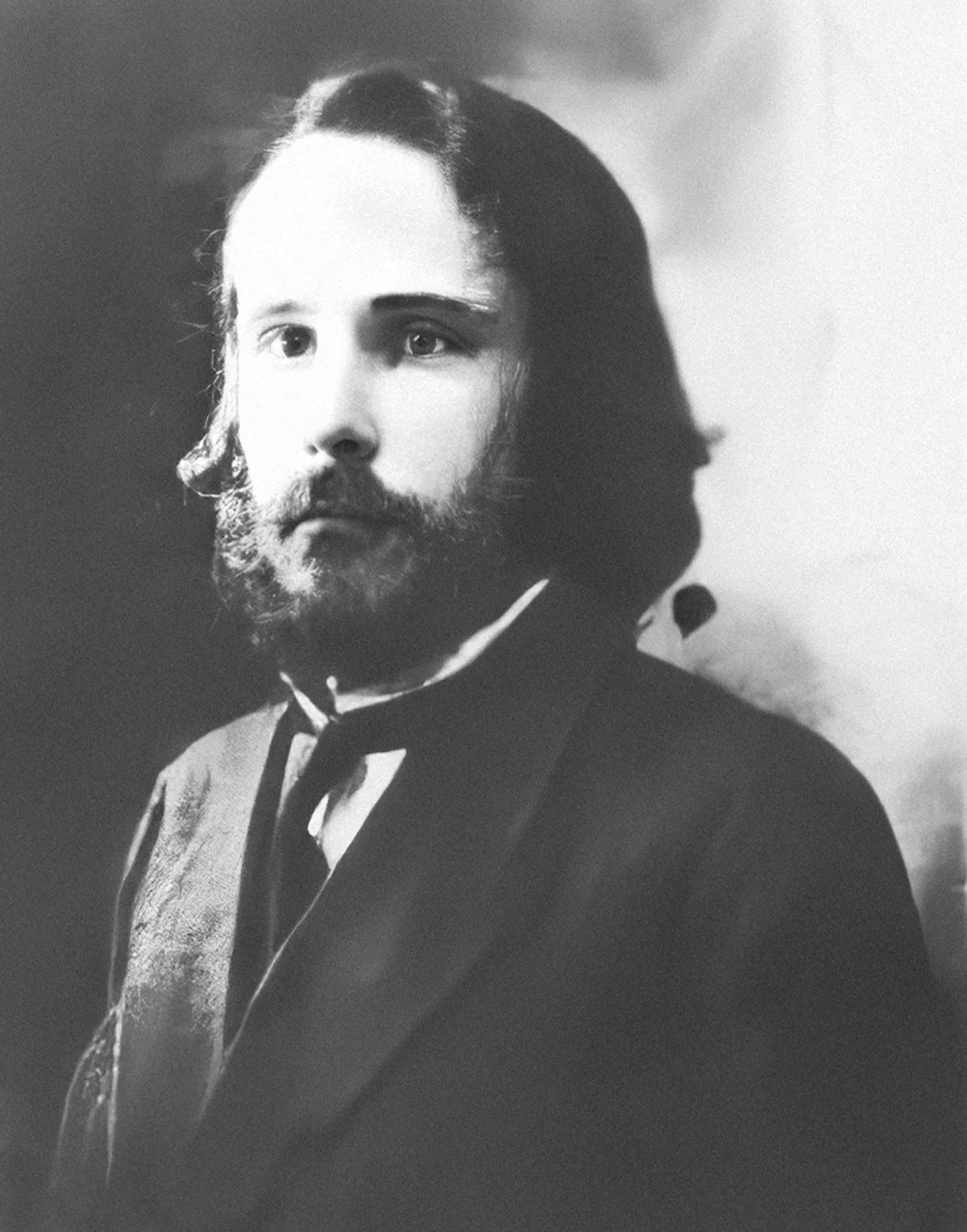
Well, it’s not all the same to idealize a person - it is time to recall that he remains a rather dirty, evil and ungrateful animal. Those who talk about it are boring, sink, but those who tell about their personal decay and fall with Tinyakov’s frankness may well remain in the history of literature at least like a curiosity. Tinyakov (1886–1934) was not so hot with a poet, but due to commendable frankness he survived, even giving rise to his own school. It is to him, and not to the majority of modern militaristic poems drawn to the banner of Twardowski and Simonov. You can’t take the famous self -and -explosive energy from them. I fully admit that adolescence self-promotion-a common emotion that also needs literary design-will someday find comfort in these verses.
If we talk about the radical difference between Soviet military poetry and post -Soviet, it becomes clear why the Soviet military uniform does not fit into a new lyrical hero. The Great Patriotic War, paradoxically, was a return to the norm, the discharge of a long pre -war psychosis, when fear, hatred, mutual suspicion - all the symptoms of the Stalinist paranoia, all methods of Russian guardsmen were discontinued.
The war, according to Pasternak’s memoirs (and only Pasternak!), Remembering as a respite, an outlet - is it possible to represent another country in which the terrible of the wars in history could be perceived as the best time of life?!
“And it would be nice again to war” - there is no tuning in this Samoilovsky confession. “If you cross out the war, what will remain? Negrustly ”-this statement of it did not cause objections to the reader-dissent. The war was a return to the norm when it was possible to sincerely mourn the dead, to love the country not by ideological, but for biographical reasons, even to send away the preserved sorester, about what episodes was told by Vladimir Bogomolov in his very ambiguous late journalism. The war was generally a gleaning in aodective Soviet ideology: dogmatic, as Slutsky wrote about that, they either caught or died there. The war gave rise to its mythology, its mountains of lies - but then this is when the authorities began, as usual, to punish the innocent and reward the innocent.
And during the war, Akhmatov and Platonov, Grossman and Kazakevich, Nekrasov and Gudzenko received the right to vote; Let the trench prose sounded ten years later - trench poetry managed to say its word.
Simonov also had its own authenticity, who managed to create a new image of the Motherland, in many respects alternative officially: it was no longer a formidable mother, always demanding that she die in her name, but an echoing beauty, an object of not only veneration, but also ordinary male desire. And Simonov was good or bad, and his love lyrics of wartime gave a dictionary and voice to many.
The war distracted the authorities, "thinking only about their own salvation," and returned to people the right to be people. For a short time, not in everything, with extreme reluctance (the NKVD was also rampant in the blockade Leningrad), but Vladimir Livshits was also right, forced to issue these poems for translation from English: “There were five of us in the dank dugout, the command of the dream and drapalo already, and, the distant battle, the miserable slave of the Lord, was for the first time, for the first time.
That war was a time of permitted humanity, and the value of the poetry is in the power with which the naturalness of the semi-recessed living feelings breaks out from under the offspring. The current one has become a time of permitted inhumanity, joyful and fierce “sunbathing!”, The time of sinful pleasures, sadomasochistic fantasies and Nietzschean dreams.
I’m not talking about a huge amount of slag, which received the legitimation due to ideological correctness, about the rhymed versions of official propaganda, about poster manifestations of hatred for the rest of the world - this is a lot, but in anti -war poetry there are enough blades.
I am talking about what can be a fact of art. Of course, hatred of Ukrainians most often does not give rise to real poems, because this hatred is self -induced, self -build.
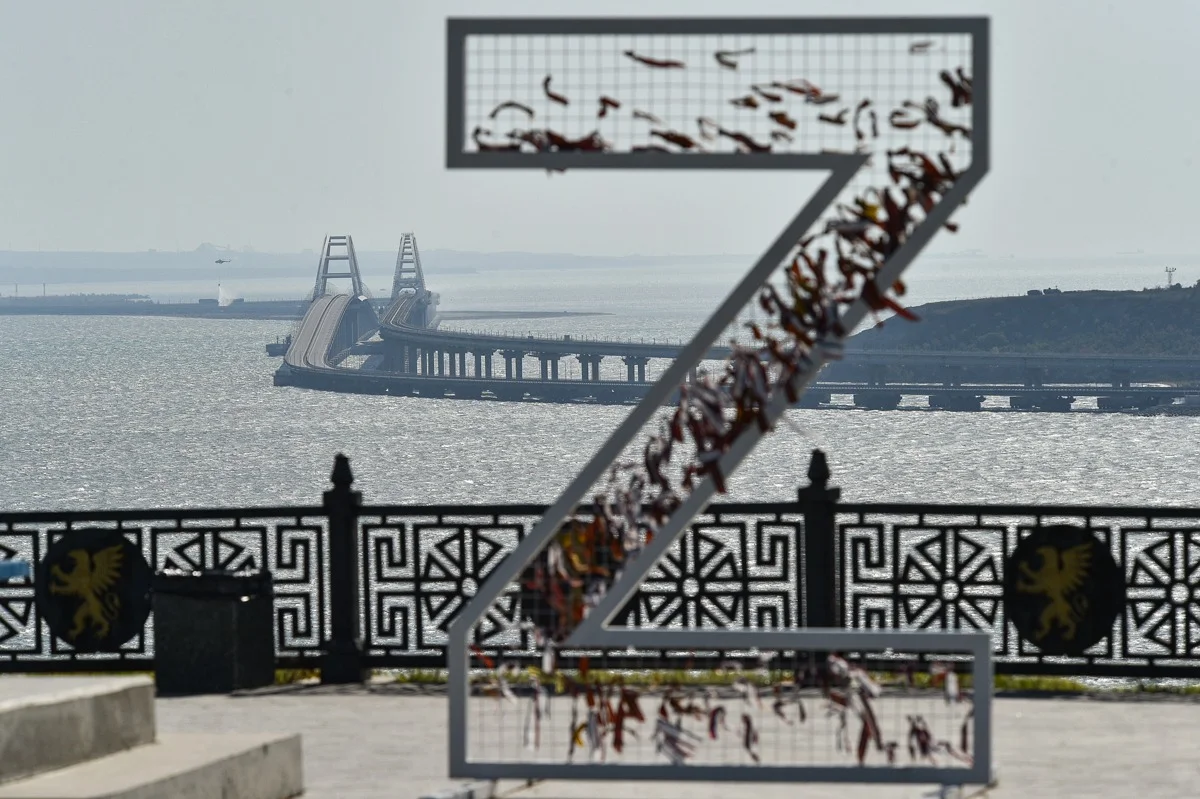
In fact, the lion's share of Z-Poesia is generated by completely different feelings-envy of more popular and more talented colleagues, hatred of girls who do not pay reciprocate, and to a state that does not give opportunities for growth. Some of it is inspired by other feelings that are customary to be ashamed of - necrophilia, for example, that is, by perversion quite common; The mourning of past lover has the character of frankly bloodthirsty. Some are inspired by bloody scenes and sadistic dreams - why should poetry be ashamed of this? Bryusov was not shy, and Khodasevich wrote An Marichen, and nothing, many liked it. The problem of Z-Poesia is not that her disgusting feelings and shameful emotions inspire her, but that all this, according to Akhmatova, is not shameless enough.
This is pretended by patriotism, but is a greed for material benefits or a thirst for recognition; pretends to be loved by mythical genuine Ukraine, and is undisguised masturbation for all kinds of luminous insides.
Pretended to be longing in greatness, but is longing for bloody orgies, torture or hobbing. In the same way, the Ordlo pretends to be the “Russian world”, almost Valgall, but are the usual dream of a criminal element about unpunished sadism “on the basement”.
And it is bad in these verses not that they are cruel or inhumane, but that they are false, that genuine, although they put on bad feelings in an unusual Soviet form. The Soviet animal was ashamed in man - the post -Soviet was proud of it and released these feelings out, but neither Vladimir Putin nor his writing adherents tell the whole truth. Inhumanity is still customary to be shy, and therefore politicians are funny, not scary (here Vladimir Solovyov is a little terrible - he is no longer pretending to be a person).
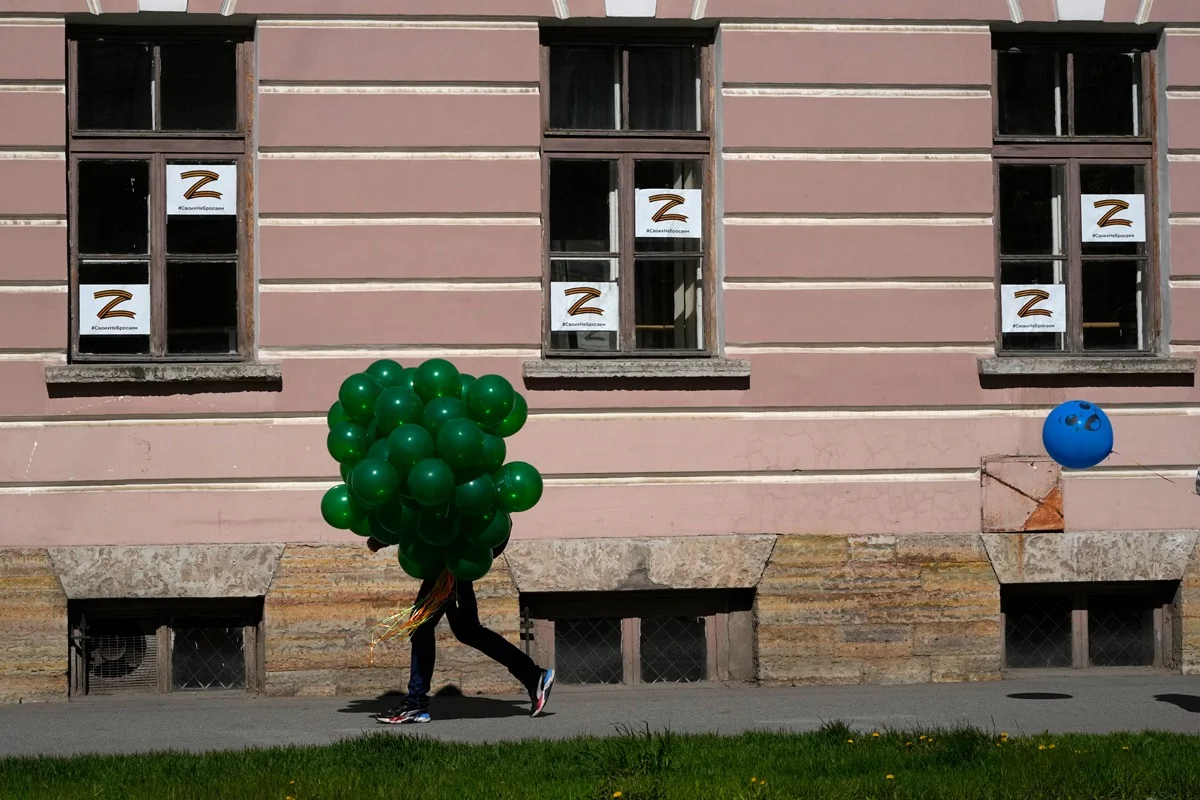
Z-Poesia could well possess at least the expressive power that the “damned poets”-Rimbo, Baudler; Khodasevich did not hesitate to admit: “I’m waiting for everything: someone will crush a furious car”! Poetry is different and far from always expresses good feelings. Mayakovsky was not weak to say: “Star - to kill. On the ashtrays of the skull! " Real poetry should not be embarrassed by laziness, lust, envy of other people's well -being; Poetry should not pretend to be noble - poetic expression deserves not only love, but also disgust, not only longing, but also cowardice, not only heroism, but also atrocities. You just don’t have to pretend to be good - and then future readers will even be grateful to you for admitting them to the most disgusting. Such honesty, of course, does not guarantee you mercy on the tribunal of history. But she can provide you with poetic masterpieces, which, so far, frankly, are not visible.
Let's hope that the last petals of bashfulness will fall from the poetry of the Russian summer and the devilry of our time will appear in all its nakedness.
This promises to be very useful not only in literary, but also in historical, and mainly in a medical basis.
And I will not quote and name the names with your permission. Why spread the infection?