
Translated material
You can’t get used to it
Application "Medusa" about the verdict Alexei Navalny
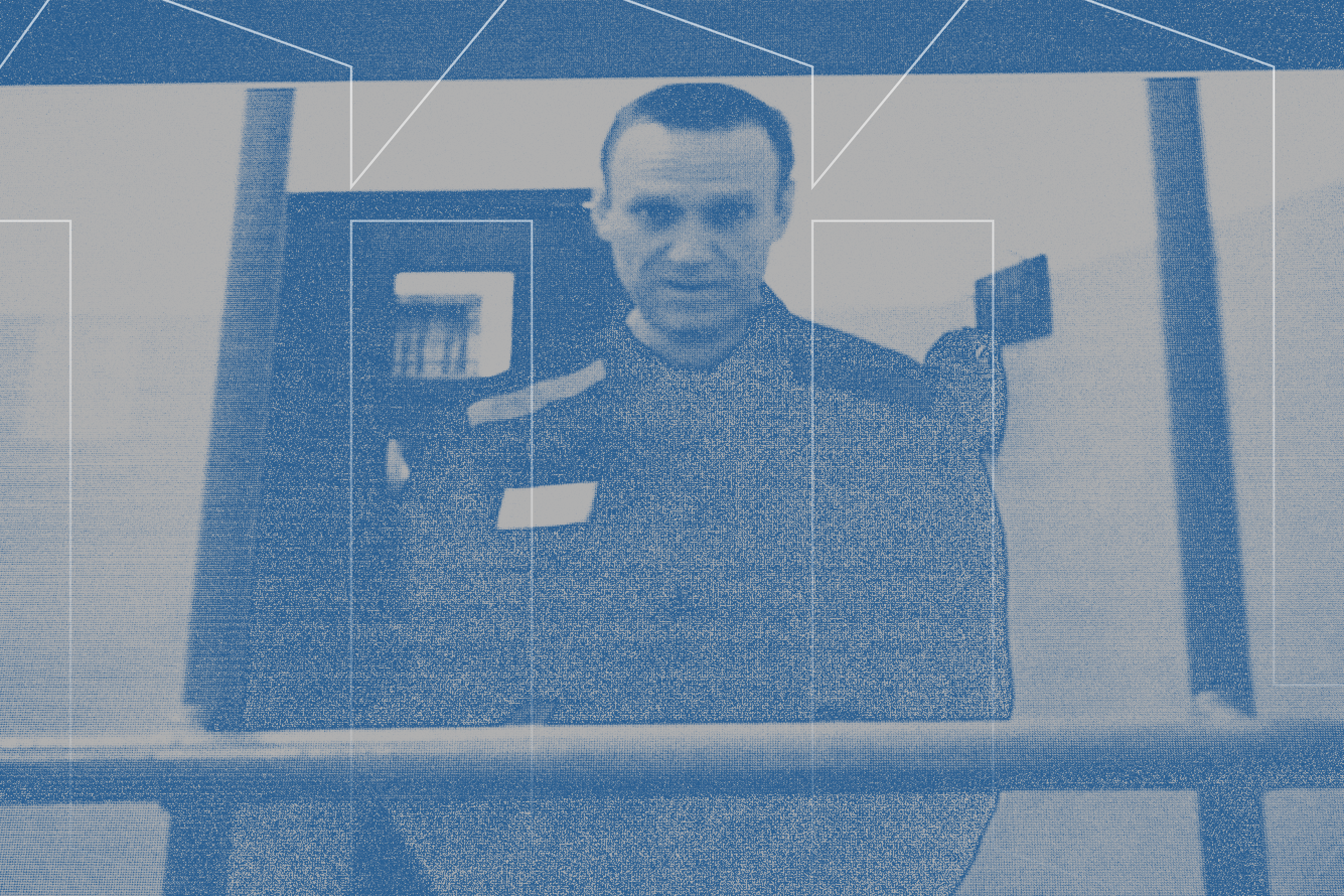
Alexei Navalny was sentenced to 19 years on charges that the Russian authorities call extremism. The court considered the most popular opposition policy of Russia a “particularly dangerous recidivist” and sentenced him to exactly one year less than the prosecution required, with serving a “special regime” in the colony, that is, in the most strict conditions from existing in Russia.
The path that we went in two and a half years from the moment Navalny returned to Russia and his first real term is impressive. Then he was sentenced to less than three years in prison, but it seemed to many that this was the end, could no longer be worse. Thousands of people who disagree with a court decision, which were launched from above, took to the streets. Then there were nine years of strict regime, now nineteen - “special”. But between the first and second term of Navalny, the Putin regime has begun a full -scale war against Ukraine - and everything is now seen from a different angle.
The fact that the opposition can be planted, and indeed anyone who openly opens against the criminal actions of the Russian government has not been surprising for a long time. Even huge terms are not surprised: Navalny himself, after his previous sentence, wrote that "the numbers do not matter, this is only a sign above the bunks." Vladimir Kara-Murza was sentenced to 25 years in a maximum security colony, and our colleague, journalist Ivan Safronov, by 22. If something may surprise, is that in a year and a half an aggressive war, the Russian authorities did not return the death penalty.
But in the case of Alexei Navalny, as in the case of Vladimir Kara-Murza, who was also poisoned before the prison, it is important to remember: this is nothing more than a sophisticated assassination attempt to kill. There are no reasonable doubts that it was the representatives of the Russian authorities who tried to kill both. And judging by what is happening with Navalny in the colony, where he is now, they did not abandon this goal.
Against the backdrop of the war against Ukraine, the wave is already quite “Stalinsky” (so far not in scale, but in fact ) repression went to the periphery of public attention. A consensus has formed, according to which the future of the repressed depends on the outcome of the war: if it turns out to be unfavorable for the Kremlin, then political prisoners will be able to be released to build a beautiful Russia of the future. Unfortunately, this is not guaranteed, and even Putin’s death in itself does not promise democratization. It is highly likely that in the event of a defeat, the regime will want to recoup on the disagreement.
That is why we have no right to get used to not only war crimes in Ukraine, but also criminal policy within Russia. Resistance to this addiction is what is available to everyone. This is what gives hope for the termination of repression, the change of regime - and that Alexei, along with other political prisoners, will be released.
And those who are trying to kill him today will receive a well -deserved punishment.
Medusa editors
Photo on the cover: Natalya Kolesnikova / AFP / Scanpix / Leta