
Translated material
Briefly summary of the previous Syria
Having gotten into the war on the side of Bashar al -Assad, Russia could not finish it. And now Moscow is squeezed out from there - literally
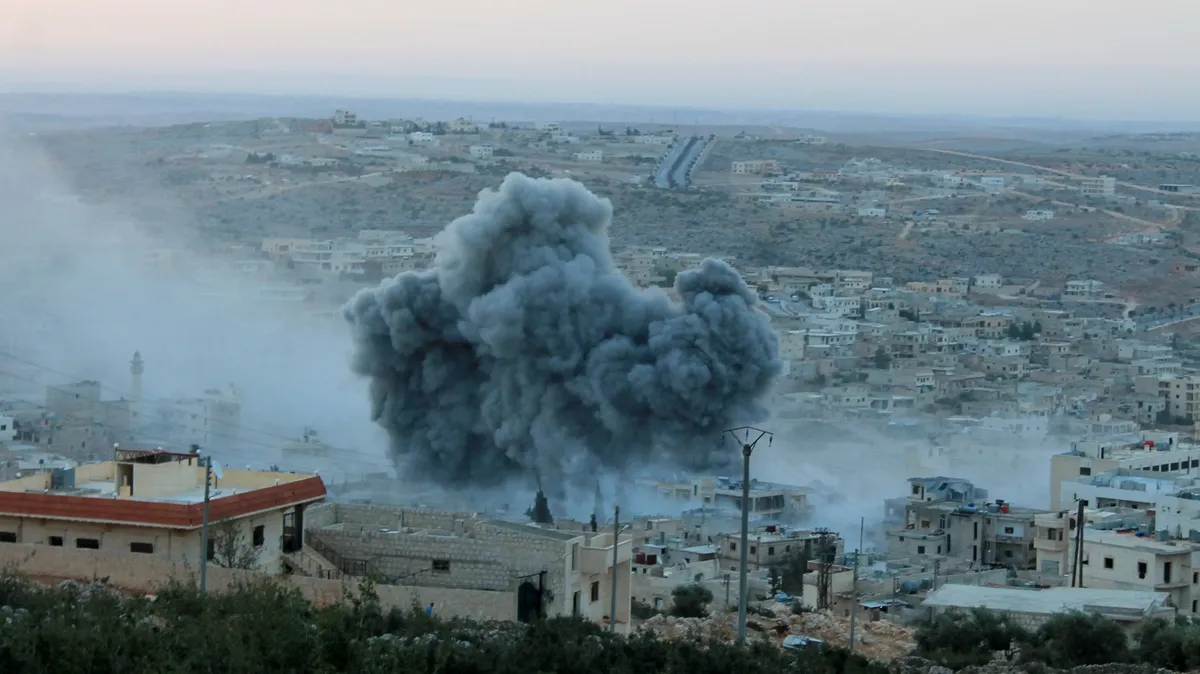
Smoke over Aleppo after Russian warships struck the city controlled by the Syrian opposition, October 13, 2015 Photo: Mamun Abu Omer/Anadolu Agency/Getty Images
On July 27, the White House said that the Russian fighter released lighting missiles and struck the American drone MQ-9 Reaper over the Syrian airspace. This is far from the first such incident in recent years; He naturally provoked the exact opposite reactions of Moscow and Washington. The White House spokeswoman Karin Jean-Pierre said that "the approach of Russians to American drones during a regular mission violates international norms." Rear Admiral Oleg Gurinov, the deputy head of the Center for Reconciliation of the warring parties in Syria, put forward his version, saying that, on the contrary, the American drone flew in dangerous proximity from two Russian combat aircraft. The on-board systems of Russian Su-34 and Su-35 aimed the target, which caused automatic launch of missiles.
“The United States continues to misinform the public about the illegal flights of its drones, while accusing the Russian side of dangerous maneuvering,” Gurinov said, widespread by Interfax agency.
Unlike the Ukrainian War, which was imprinted in the matrix of Russian everyday life, the Syrian war is not so familiar to the layman. She is not in sight, they don’t say about her every day on TV, and, probably, the majority of Russians immediately will not remember that Russia is fighting somewhere else other than Ukraine-and not on the words of propagandists, but in fact is directly encountered by NATO forces.
Meanwhile, this is like this:
Russia has been fighting in Syria for almost 8 years, the goals of its participation in this conflict are unclear, for this reason the prospects of victory are a big question.
Recall how a war ensued, which a year and a half ago was rightfully considered the most terrible misfortune of mankind.
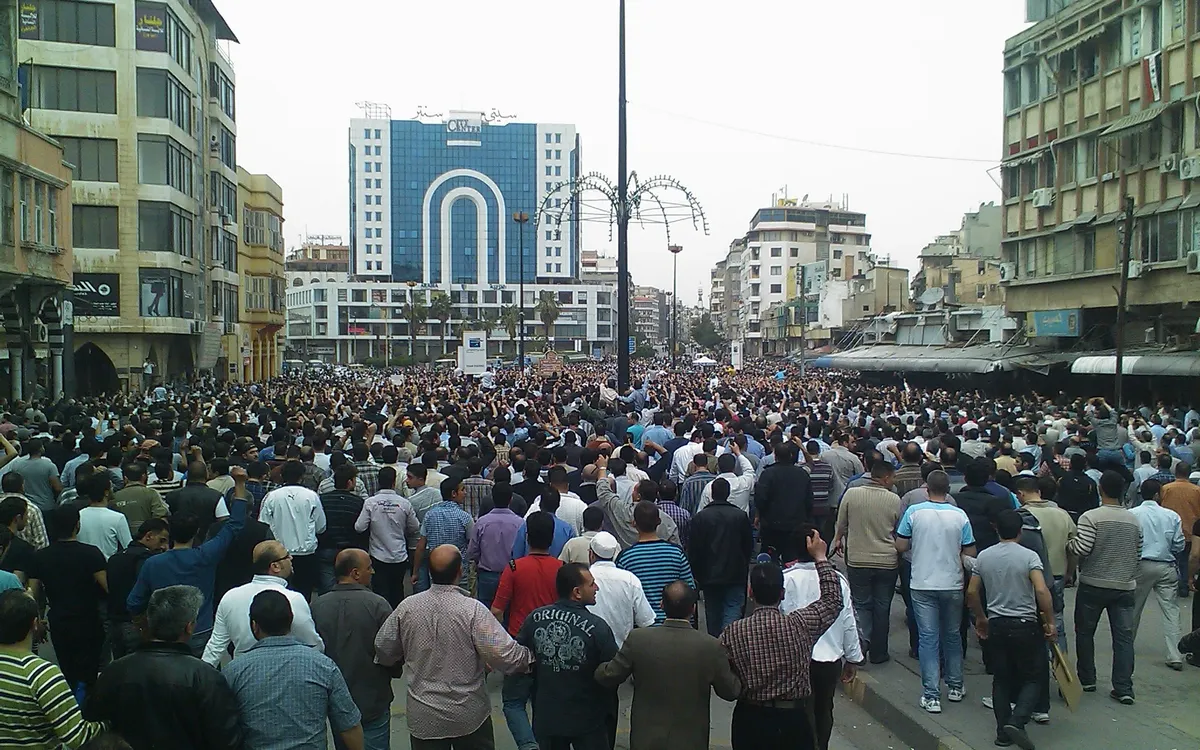
On March 15, 2011, in several cities of Syria there were mass performances provoked by adolescents in the city of Deraa - for antisading graffiti on the wall. The speakers demanded democratic reforms and the liberation of political prisoners.
Mass protests, which did not stop for many days, grew into a full -scale civil war.
At first, this war was purely secular in nature: on July 29, 2011, a group of officers deserting from the Assad army announced the creation of the first organized opposition armed force, a free Syrian army. However, very soon, in confrontation with Bashar Assad, another power - Islamist resistance designated itself. It was numerous scattered groups, but the “Islamic state” (or ISIS) that came from Iraq was louder about itself.
Unlike a secular acce, Igil extended his goals far beyond Syria. Its main task was proclaimed the construction of universal prosperity existing on the Sharia laws for Muslims. At the same time, prosperity was supposed to be ensured by leaving the property of the infidels, with whom ISIS entered the sacred war.
World War
Very soon, the world realized that the war in Syria is not only the trouble of Syria itself. Thousands of Muslims from all over the world reached there for the construction of an ideal state. Meanwhile, the news that came from the captured areas were terrible: for starters, the Igilovites trampled the Yezidov - the small people who professed Zoroastrism. They killed thousands of Yezidic men and enslaved thousands of Yezid women. All the fault of the people came down to the fact that the Igilovites considered them pagans.
Then they taxed the Christian population of controlled areas of Syria. Introduced strict control of compliance with Sharia standards for the Muslim population. The death penalty through stones clogging, chopping off the hands, public bodily punishment - all this became part of the Syrian everyday life.
By 2014, ISIS captured about 60% of the territory of Syria, on which about 8 million people lived.
The first wave of refugees stirred in Europe, but this was not the worst. And the worst was that the idea of a fair Islamic state was extremely contagious. It was rapidly spreading among the second generation of migrants from Muslim regions that have settled in Europe. And she began to pose a serious threat to world security.
In 2014, about 60 countries led by the United States organized a coalition acting against ISIS in Syria. Among the most noticeable participants in the coalition are European countries with large Muslim diasporas: Germany, France, Great Britain, Denmark. Australia, Canada joined them. From the Middle Eastern states - Bahrain, Saudi Arabia, the United Arab Emirates, Qatar and Jordan.
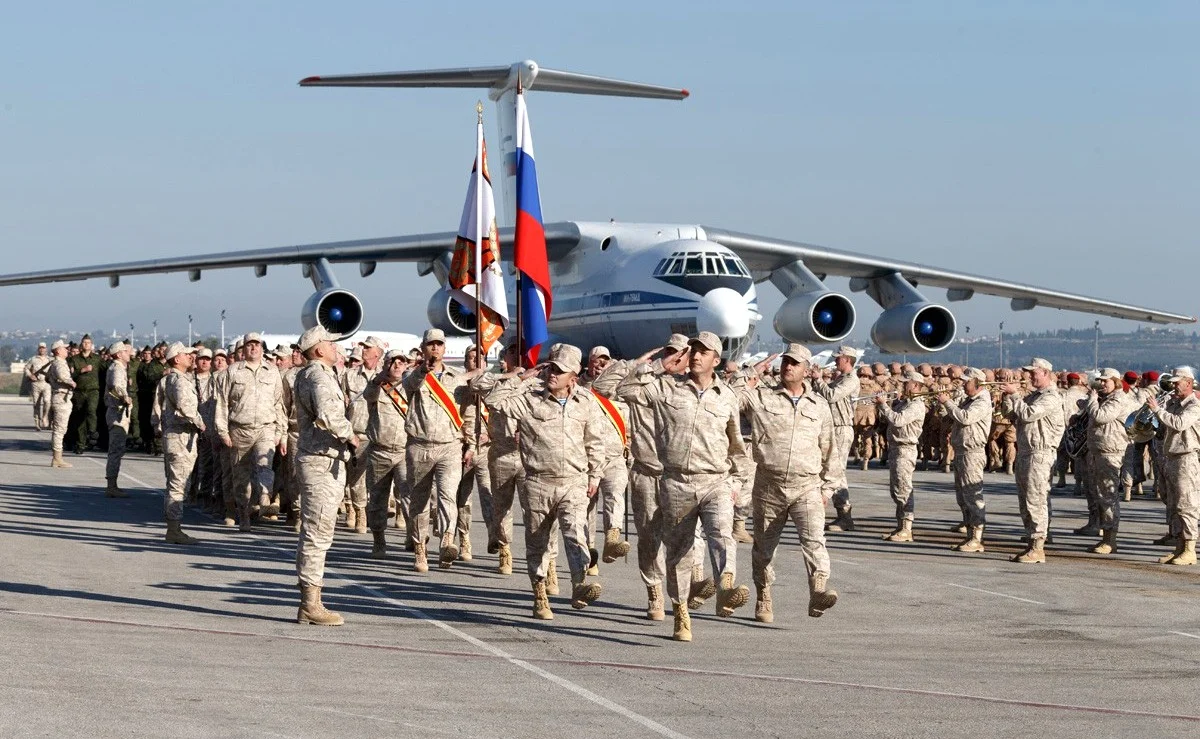
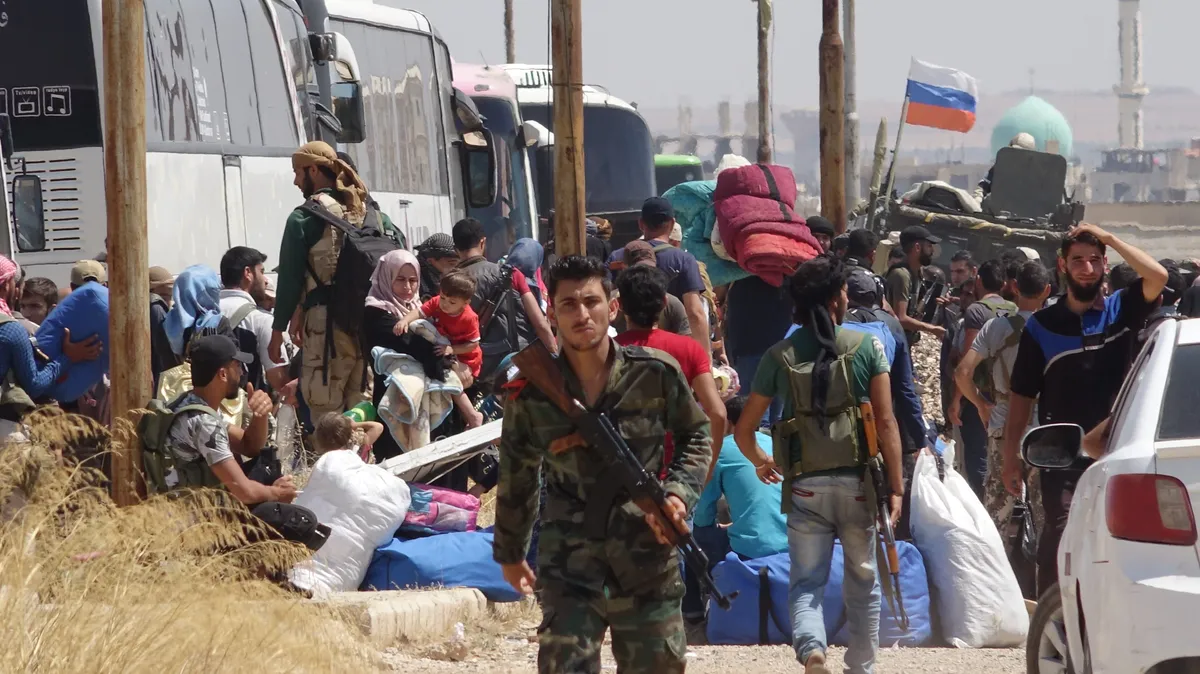
And on September 30, 2015, at the official request of Bashar al -Assad, Russia officially entered the war. Unlike the forces of the coalition, which initially declared the main goal of the destruction of ISIS, the Russian armed forces struck both ISIS and the secular anti -Asadian SSA (while this was presented to the internal consumer as a struggle with Islamic terrorism). The operation was carried out exclusively by aviation forces, so it was not selective.
A terrible dwell in Syria’s history will enter the battles for Aleppo , which Russian aviation rolled together with peaceful residents sealed inside it.
General Surovikin, who managed this operation, received among the Syrians the nickname "Butcher Aleppo."
Soon after the start of the Russian operation, US President Barack Obama stated that the United States would continue to support the Syrian opposition, despite the fact that Russia has joined the conflict. He authorized the provision of material resources, weapons and uniforms of Syrian Kurds and secular Syrian opposition.
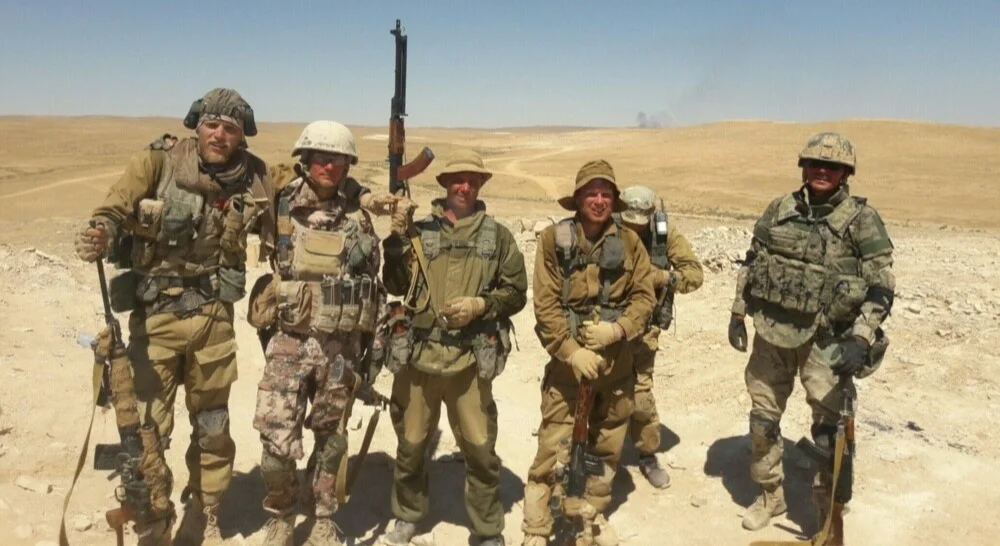
For Russia, the Syrian conflict has become a landfill to run the mechanism for attracting PMCs to armed conflicts abroad. Moreover, at first this mechanism started, as it were, without the participation of the state. In 2013, consisting of former Russian military and Slavonic Corps Ltd (Slavic Corps), registered in Hong Kong), concluded an agreement with the Government of Syria. Formally - to protect the oil facilities of the republic, in fact, the fighters of the "Slavic Corps" participated in ground operations in the interests of the official Damascus. Among the commanders of the "Slavic Corps" was Dmitry Utkin , a retired commander of the GRU special forces with the call sign "Wagner".
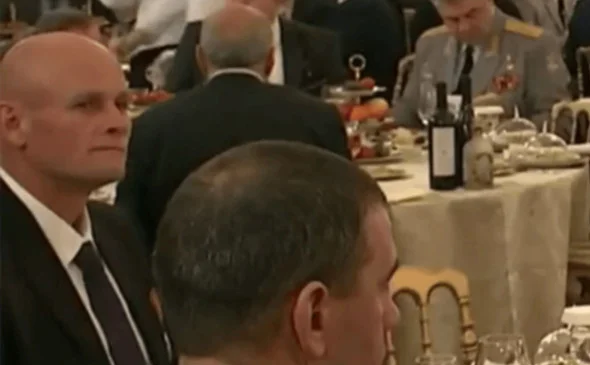
Upon returning to Russia, the corps fighters were detained. Some participants in the corps even received a criminal record under the article “Mercenary”, but Utkin avoided this fate. It was he who soon headed the paramilitary structure, created specifically for situations “Imtamet”. The new militarized group was called “Wagner” - according to the call sign commander, and the state no longer had any complaints, since now it was completely under control .
Losses among the "Wagnerians" Russia were easily experienced. So, for example, in February 2018, while trying to capture the oil field in the deserted area of Deir ez-Zor, controlled by the United States, about 300 Pr andArd militants were killed, including more than 200 Russian citizens. Russian mercenaries and their Syrian comrades moved on the T-72 tanks, were armed with anti-aircraft guns, provided with artillery support. The United States had Reaper Drones, F-22, F-15E fighters, AC-130 AC-130. The battle ended without even starting. The attackers receded under the ruthless airstrikes of the United States, returning later to pick up their dead.
There were no condolences to relatives or notes of protest addressed to the Americans from the Russian leadership. These people did not seem to exist for Russia.
Later, the garrisons in Syria scattered information that the Americans requested from the Russian command whether the Russians were in the coming column. To which they received the answer: "Our military personnel are not there." What was formally pure truth.
Parties
It will be a mistake to think that only the United States and Russia intervened in the internal confrontation in Syria. This is not so: the weakened Syria attracted the attention of so many players. In particular, Iran , and before the war, had a tremendous influence on the Syrian elite, now directed his military and militants of the Shiite group “Hezbollah” to protect the Assad regime. The strengthening of Shiism in Syria is a long -standing strategy of Iran, which has no direct boundaries with Israel, but irreconcilably ate with it. Fixing in Syria would guarantee Iran directly to the Israeli borders.
At the same time, Israel regularly inflicts missile attacks on the positions of Iran and Hezbollah in Syria.
Started at Syria and Türkiye: until recently (in historical retrospective), Syria was part of the Ottoman Empire. And the mess on the territory of the neighbor Empire will never pretend to wrap in its favor (is it not to know Russia?). And so it so happened that the main stream of Islamists who rushed from all over the world on the construction of the state of universal prosperity, got into Syria from the territory of Turkey, which opened all the input gateways for them.
However, not only imperial phantom pains excited Turkey. The fact is that in the north of Syria, with the support of the Americans, the Kurds were seriously strengthened (which, in fairness, I must say, were the main ground force in the world of the world with ISIS. More than 20 thousand Kurdish militants died in this war). However, the Kurds living in Turkey and claiming autonomy are considered extremists there, their organization - terrorist (often justified). And the invasion of Syria for Turkey was primarily an operation against the Kurds .
On August 24, 2016, the Turkish armed forces invaded Syria in the Dzharabluz area controlled by ISIS. Thus began the operation “Shield of the Euphrates” proclaimed by President Erdogan, sent, according to his statement, both against ISIS and against Kurdish “terrorist groups”, which threaten Turkey.
So Syria, embraced by the Civil War, turned into the arena of the fight of several powers at once, each of which, under the pretext of fighting ISIS, pursued its goals.
The alignment of forces
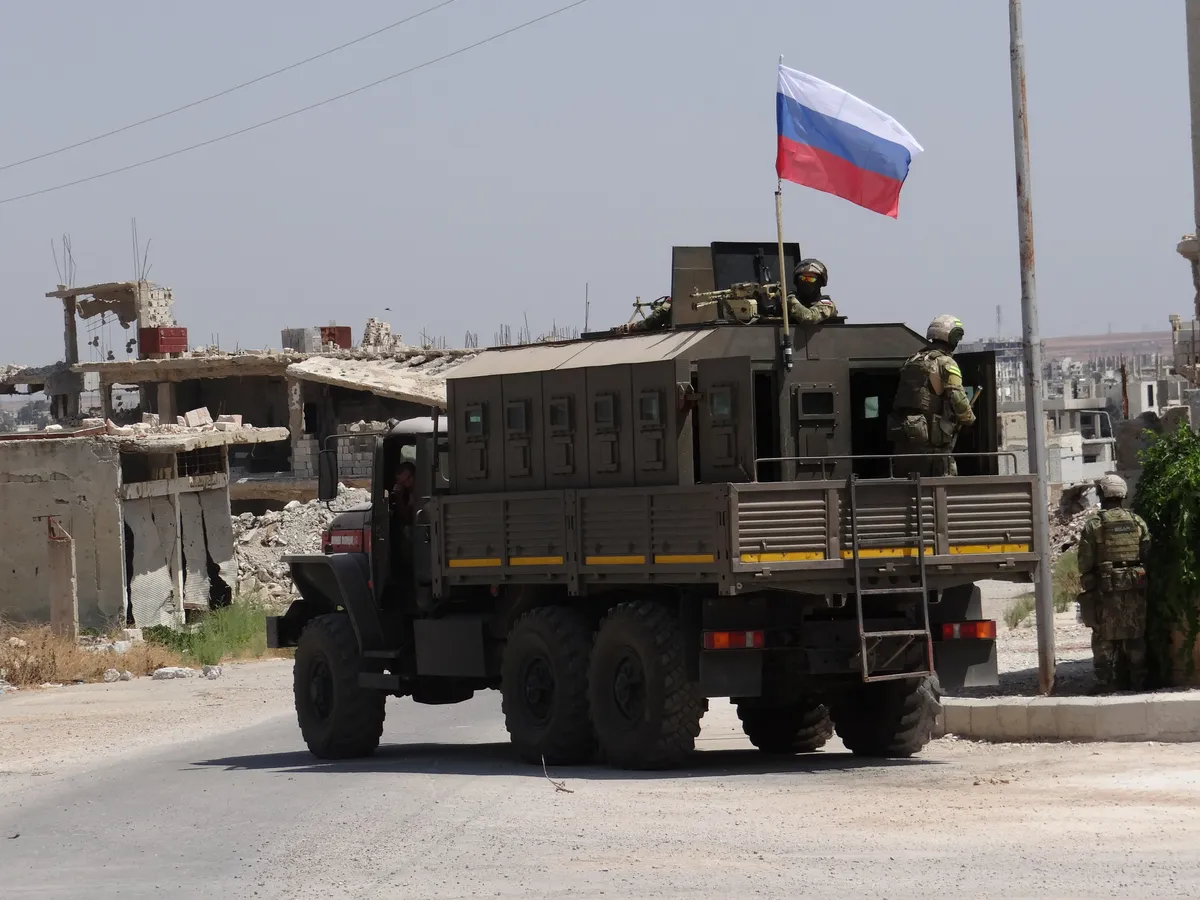
Since the beginning of military intervention in Syria, Russia has created a number of military bases on the Syrian Mediterranean, this seriously strengthened its position in the region. Here is the naval base in the Syrian port of Tartus with plans to build a floating dock to expand the capabilities of ship repair in the port; And the air base in Khmeimim, where new runways are built. In addition to these two main bases, Russia had 83 positions of regular forces scattered throughout Syria. 23 In the province of Hama, 11 in the Kurdish province of Al-Hasaka, 10 in Aleppo, 7 in Deir ez-Zor, 6 in Rakka, 5 in AS-Suvay, 5 in Idlib, 5 in Homs, 2 in Lakakia, 2 in Kunnyatra.
At the same time, the United States has only 33 military bases, all are located in Kurdish areas. Türkiye has 114 bases in Syria.
During the coverage of the Syrian war (when it was still covered), Russian propaganda insisted that the Prosadov coalition (that is, Russia plus Iran with his proxy) - in Syria, a decisively dominant force.
This was already the truth then only partly.
Indeed, Iran had 131 military base in Syria, and 116 bases controlled by Hezbollah. So the Iranians dominated (in any case, according to this criterion). However, Iran and Russia are allies only in the official statements of ministers, on earth everything is not so simple. There were even clashes between the representatives of the two armies, although formally both of them are fighting for Assad.
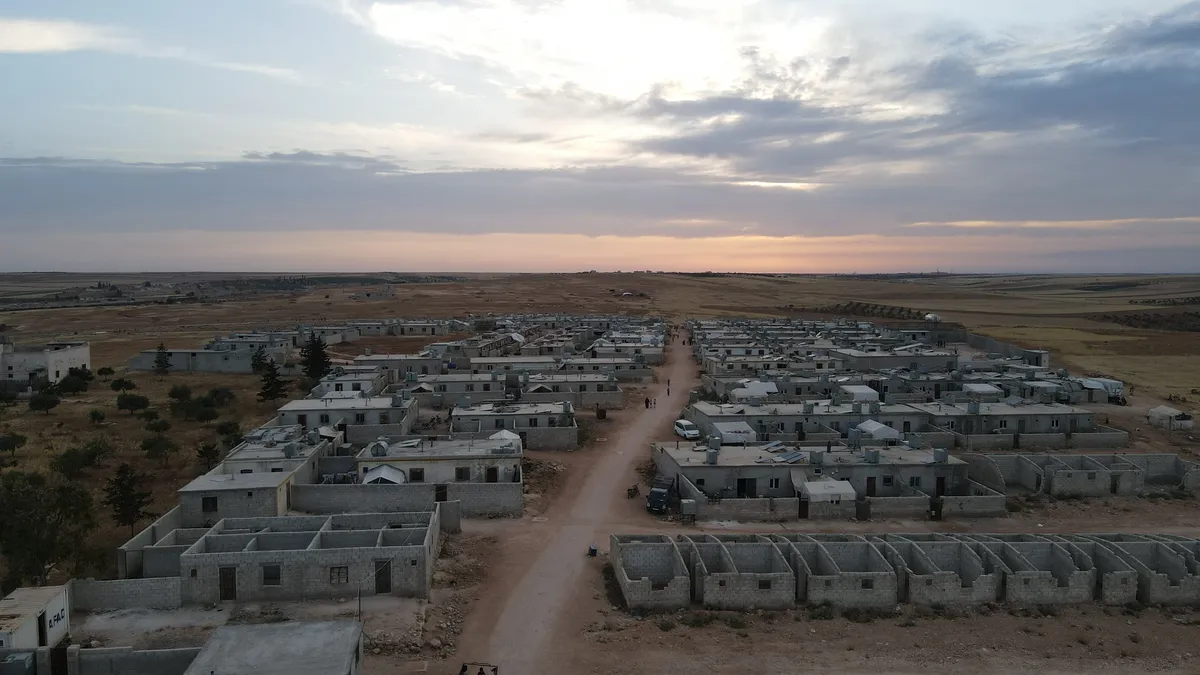
In the last one and a half of the most difficult for Russia, the Iranians are increasing their presence in Syria - at the expense of Russia. In the literal sense: the bases previously occupied by the Russians turn under the control of the Iranians. This became especially noticeable after Iran began to supply drone-Kamikadze to Russia. In Deir Ez-Zor, El-Mayadin, Hama, Homs and Damascus, Russians are almost not visible (although before in many cities many signs on the streets and price tags were duplicated in Russian). At the same time, the presence of Shiite militants is becoming more noticeable.
The fifth Corps of Assad Army, consisting exclusively of Syrians, fully funded, armed and trained in Russia, today practically does not exist. The same corps that helped Palmyra to win ISIS is now reduced to several companies. The fighters essentially perform the functions of couriers, delivering goods from stores to the Russians so that they do not leave their bases.
In the summer of 2022, satellite images of loading the S-300 complexes on the vessel ٍ Sparta II appeared on the Web, which belongs to Oboronlogisti. Later, this ship was already filmed on unloading in the port of Novorossiysk.
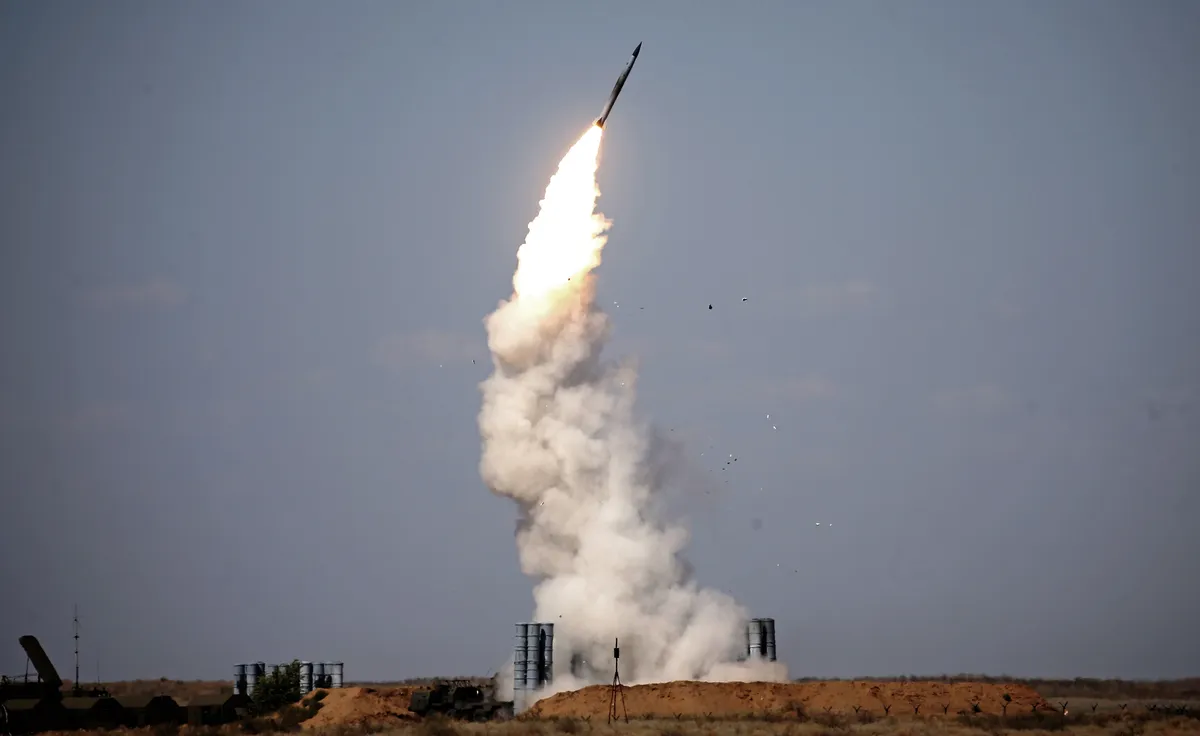
S-300 complexes, the movement of which were recorded by satellites, were transferred by Russia of Syria back in 2018 . However, in connection with a change in foreign policy circumstances, Russia took them.
After the failed coup of Prigozhin, the Wagnerians also began problems.
Just a few days after the “march of justice”, on June 27, the Arab television channel Al-Khadas published information that the Russian military police (Rosgvardi) detained several prominent commanders of Wagner PMC in different areas of Syria, at least four of them were detained in the ES Swuid region (this is Southern Syria); In addition, the detentions took place in Deir ez-Zor, in Hama and in Damascus. The military police also conducted searches on three Wagner bases. A source in Syria then said that the detained Wagnerians had a direct connection with General Surovikin and supposedly prepared to withdraw their units to Russia.
They were taken to the base of the Ministry of Defense in Khmeimim, the further fate of these people is unknown.
In fact, the Russian presence today is limited by the Khmeimim air base and the tartus naval base, with a very modest representation in the regions controlled by Kurdish groups in the northeast of Syria. From time to time, “incidents” occur when American patrols, feeling in a strong position, literally drive Russian cars from the road or completely block the road to them, forcing them to unfold and return to their bases.
In areas controlled by Turkey, things are no better. Consolidating the opposition of the opposition in the North Syrian district Idlib right near its borders, Turkey, on the one hand, guaranteed this restless public relative security, and on the other, it got the opportunity to manipulate this resource. So, with the complete silence of Turkey, the numerous Russian-speaking jihadists were resettled to the Syrian Mountain District of the Jeel-al-Turkman and armed, according to eyewitnesses, modern MLRS of Turkish production. Thus, the Khmeimim and Tartus bases were directly on the line of fire extremely unfriendly people in relation to Russia.