
Translated material
"She hid that Finnish." Torn ties of the Ingermanlanders
On July 12, the NATO summit was held in Vilnius, at which the organization welcomed its new member - Finland. Her entry into the transatlantic alliance simultaneously symbolizes the greatest tension in relations with Russia from the end of World War II. As the indigenous Finns of Russia (Ingermanlanders) experience a breakdown of diplomatic relations, the correspondent of the North Realia found out.
Since the beginning of the war with Ukraine, the Russian Foreign Ministry systematically covered the diplomatic missions of "unfriendly" states. The General Consulate of Finland in St. Petersburg will cease its work on October 1. This dealt a serious blow to all that was built as a result of friendly relations between Finland and Russia over 30 years. Now the Russian state accuses Finland of supporting separatism and extremism in Karelia.
"There were Finns here, but there are no Finns"
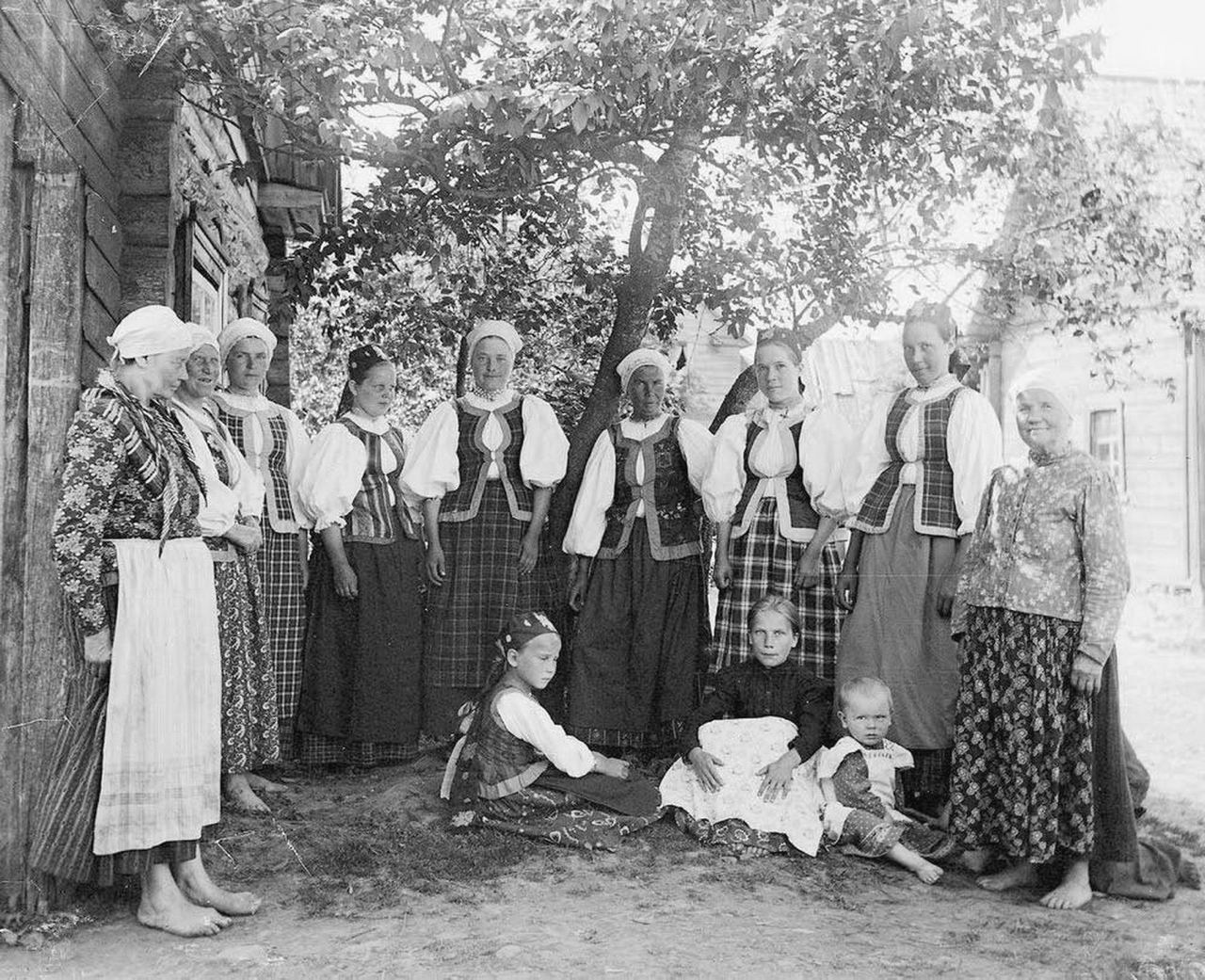
On the territory of the present St. Petersburg and the Leningrad region, the Finns appeared in the 16th century. Then Sweden relocated them here from the north, promising them tax benefits. To understand how Finnish this region was before the founding of St. Petersburg, it is enough to see the etymology of the names of villages and regions. Shushary, for example, is an island (Šoari) in the middle of a swamp (Šuo), and Pulkovo is named after either lingonberries (Puolukka), or Lopar sleds (Pulkka).
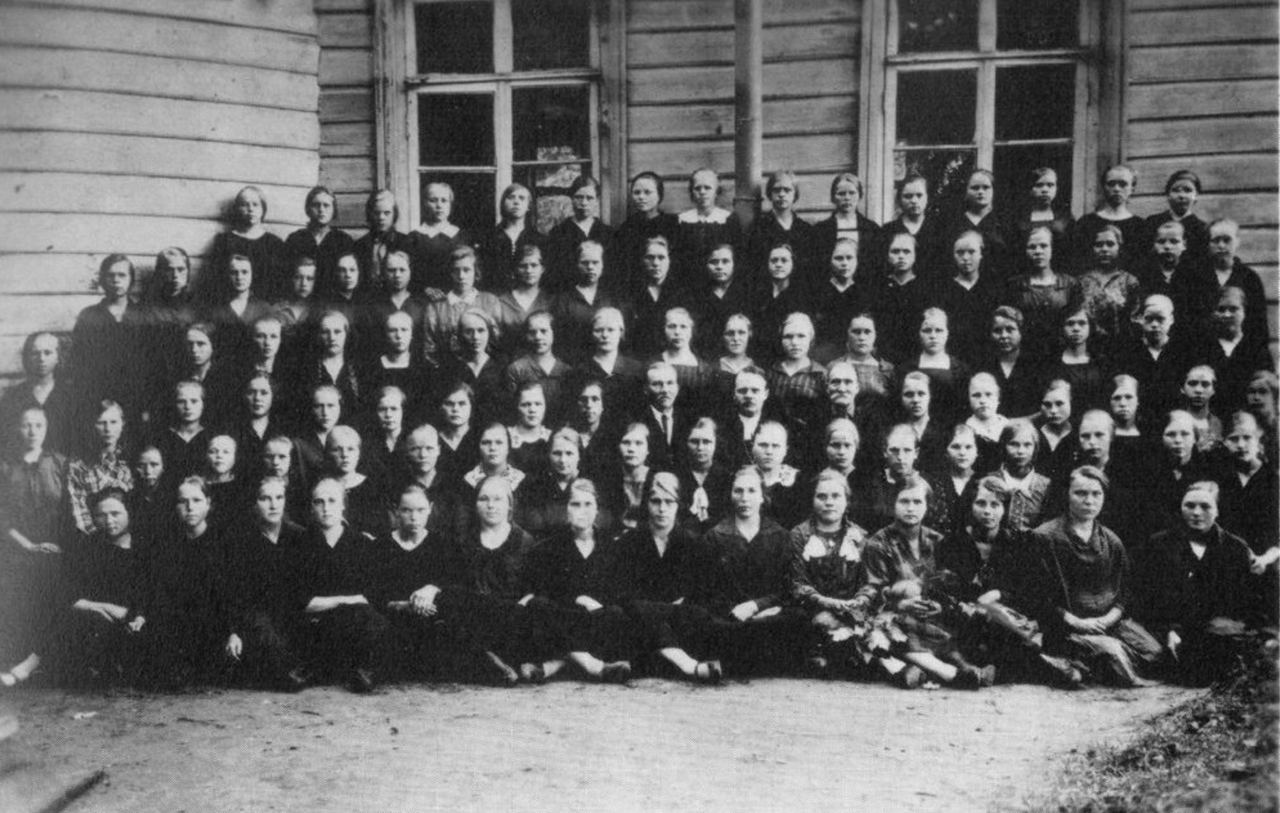
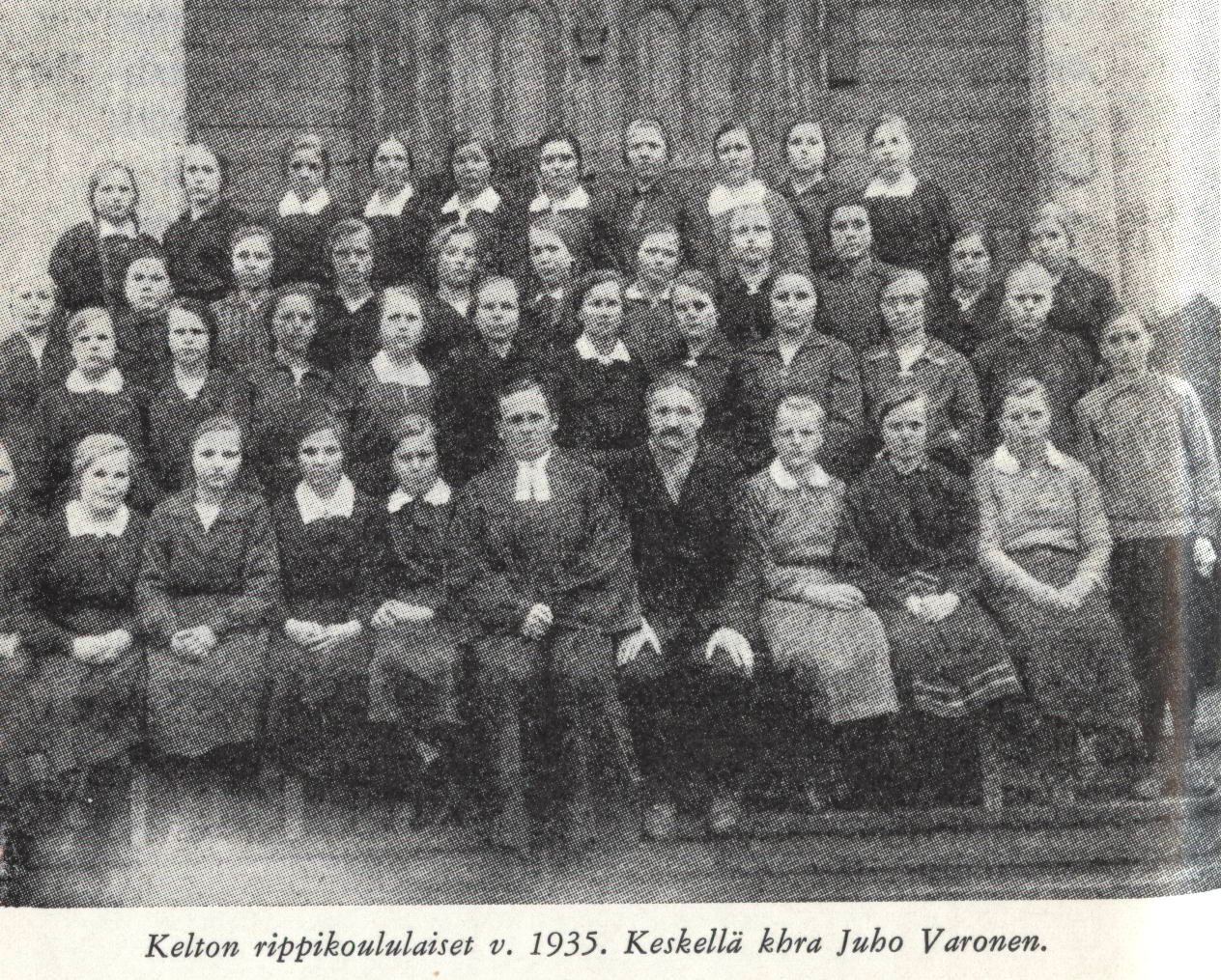
After the founding of St. Petersburg, the Ingermanlanders have not gone anywhere. Before the revolution, dozens of Finnish -speaking Lutheran churches and schools worked throughout the St. Petersburg province. And even after the Civil War, 114 thousand “Leningrad” Finns remained in the city - this is known thanks to the census of the 1926 population. For comparison: according to the 2021 census, the Finnish in all of Russia remained only 7778 people, and the Ingermanlanders were a little more than half a thousand.
But, even despite the small number, many Ingermanlanders tried to maintain their legacy, revive and popularize it, although it was not easy. And when the war with Ukraine began, the faith that it will work out at least something became even less.
Pavel, a descendant of the Ingermanland Finns, says that it was extremely important for him to preserve Ingermanland culture.
- People who were born in Leningrad, in St. Petersburg, in the Leningrad region - they do not even understand what Ingermanland is. Where did all these names come from: Toksovo, Kavlovo, Vaskelovo ... For me it was a discovery that the majority thinks that it was Finland. And I decided to do educational work, talk about our past. I was burning directly with all. And now I understand that I don’t have enough life to wait for the moment when everything is normalized, and I can talk about it normally - without the sad consequences for myself. Because it gets worse and worse. Now the only thought is to leave and try to tell your children about their story there, ”says Pavel.
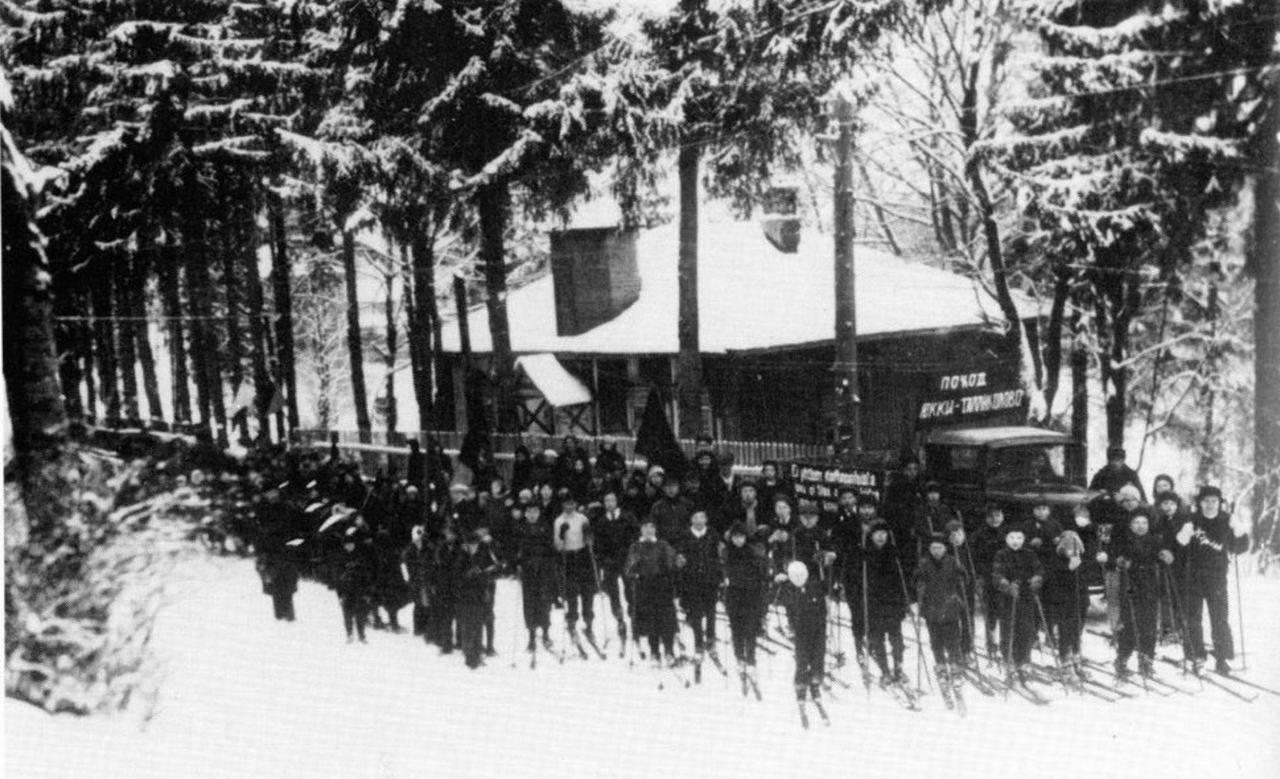
Soviet Finns
The most serious test for the Ingermanlanders was Stalin's rule. First - collectivization. Pavel recalls his ancestors from the now -not existing village of Kuurumyaki near Toksovo.
- In 1936, my great -great -grandfather was dispossessed and exiled to Monchegorsk. During the collectivization, a new house was taken from him, it was dismantled for logs and a police building in Toksovo was built from them. And his daughter, my great -grandmother, after she took away the last cow, gathered all the children and moved to him.
Many Ingermanlanders were even less fortunate: they were taken to Northern Siberia. Not everyone managed to get there - Toyvo Flink tells about this in detail in his book "Home to exile". Elma recalls the same events (the name was changed at her request. - SR), Ingermanlander living in Finland.
- Father was taken to the Far North. My grandfather died on the way - and this was not the only case. There was such a practice: the people who were dying left on the road at the stations. Therefore, I still do not know where my grandfather is buried.
After collectivization, the Ingermanlanders turned out to be hostages of relations between their native country and independent Finland. Due to the Soviet-Finnish war of 1939, all Lutheran parishes, Finnish-speaking publications were closed, and training in schools was completely translated into Russian.
-Until the 1930s, there was teaching in his native language. My uncle said that when I went little to school, all the lessons went in Finnish. And then the decision was issued, and after the next holidays, the children came to school, and everything was already in Russian, ”Elma recalls.
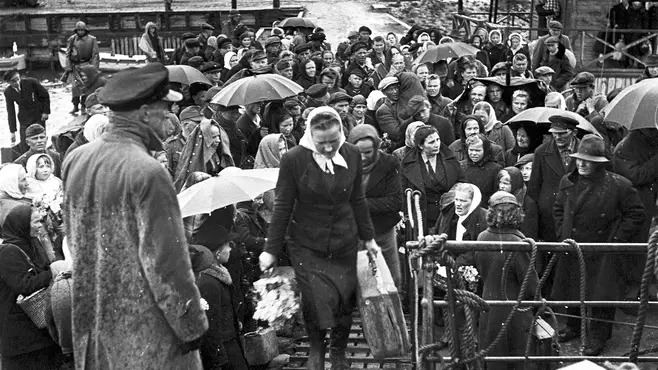
During World War II, the Leningrad region was occupied by Germany and Finland. Then the Finnish authorities agreed with the German and evacuated 63 thousand Ingermanlanders, mainly women and children. At the same time, in Finland they were as refugees, often they had to help local residents of the housework just for food. This did not last long: in 1944, a truce was enclosed between the USSR and Finland. One of the Kremlin conditions was the return of all evacuated Ingermanlanders.
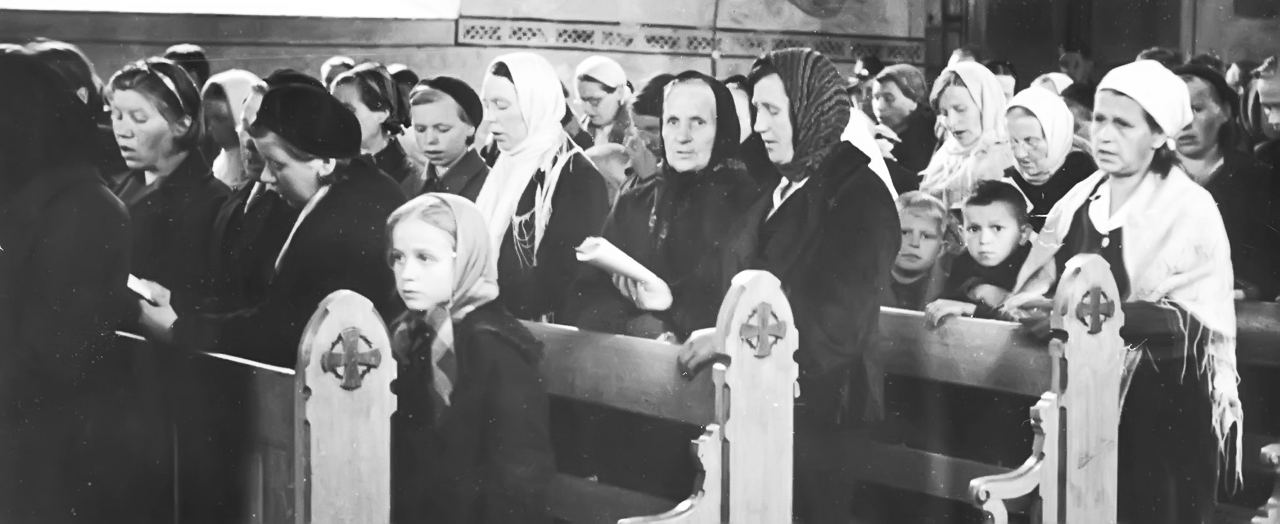
On the territory that found themselves in the blockade, the "Leningrad" Finns also remained. They have already been taken through the road of life - to Kazakhstan and Siberia.
It was difficult to return back after the war. Firstly, it was necessary to somehow get to the house without a ruble in your pocket. Secondly, there was no guarantee that the houses were no longer busy with other residents on the orders of collective farms. Thirdly, in 1947, the Council of Ministers of the USSR adopted a resolution according to which the Finns were forbidden to settle in Leningrad and in a 100-kilometer zone around it. It acted until 1952, but by that time few were able to return.
“The police came to the house and stated that my grandmother was in Finland during the war, and now she needs to move out, leave, gave 24 hours,” recalls Elma. - So they gathered and went to Estonia. But my mother’s family was able to live there for only about a year, and they again were given 24 hours to leave - on a national basis. We went on, again to Russia. And this is not only my family, many have similar stories.
“My grandmother, when she received a passport, put a seal that she could not approach Leningrad,” says Pavel. - She was very worried about this - that she could not get married. And my grandmother’s cousin somehow managed to move to Toksovo and take her father with her. But she hid that Finnish. The surname was also hidden: they changed stress so that it was not clear that it was Finnish, they removed the signs on the graves of parents, so that names and surnames were not visible. Even from their children hid that they were Finns.
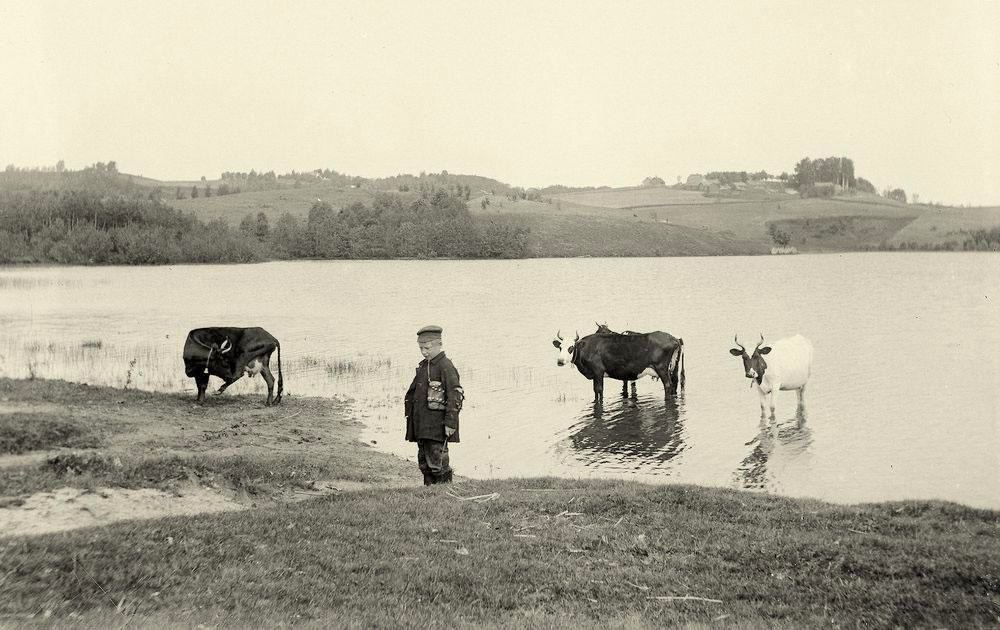
After the death of Stalin and the removal of restrictions on a national basis, to live the Ingermanlanders, it became easier. Many went to work in Karelia and Leningrad. Over time, the revival of the Ingermanland community began.
In 1975, a decree "On Religious Associations" was adopted in the USSR, which allowed, even not without difficulty, but legally open the churches. Two years later, the Ingermanlanders opened Kirkh in Pushkin - and even conducted services in their native language . Elma was a parishioner of this church.
“This is the church in which I grew up, in which I realized that I have my own identity, that I belong to some people,” she recalls. -What, it turns out, I am not alone in Finnish at home or grandmother, that there are many people like me. When I came to this church, I saw that there are full people, people are sitting, standing, and everyone speaks Finnish. I heard the same language in which we speak at home. I think that faith and language are what has preserved Finnish culture, because everything else was prohibited. It was an important place of the meeting. And we had a common pain of the whole nation, everyone had the experience of evictions from our native territories.
Over time, more and more such parishes throughout the country began to open - from Karelia to Kazakhstan. And from the church communities, the Society of Ingermanland Finns has grown, which is still engaged in the maintenance of the national language and culture.
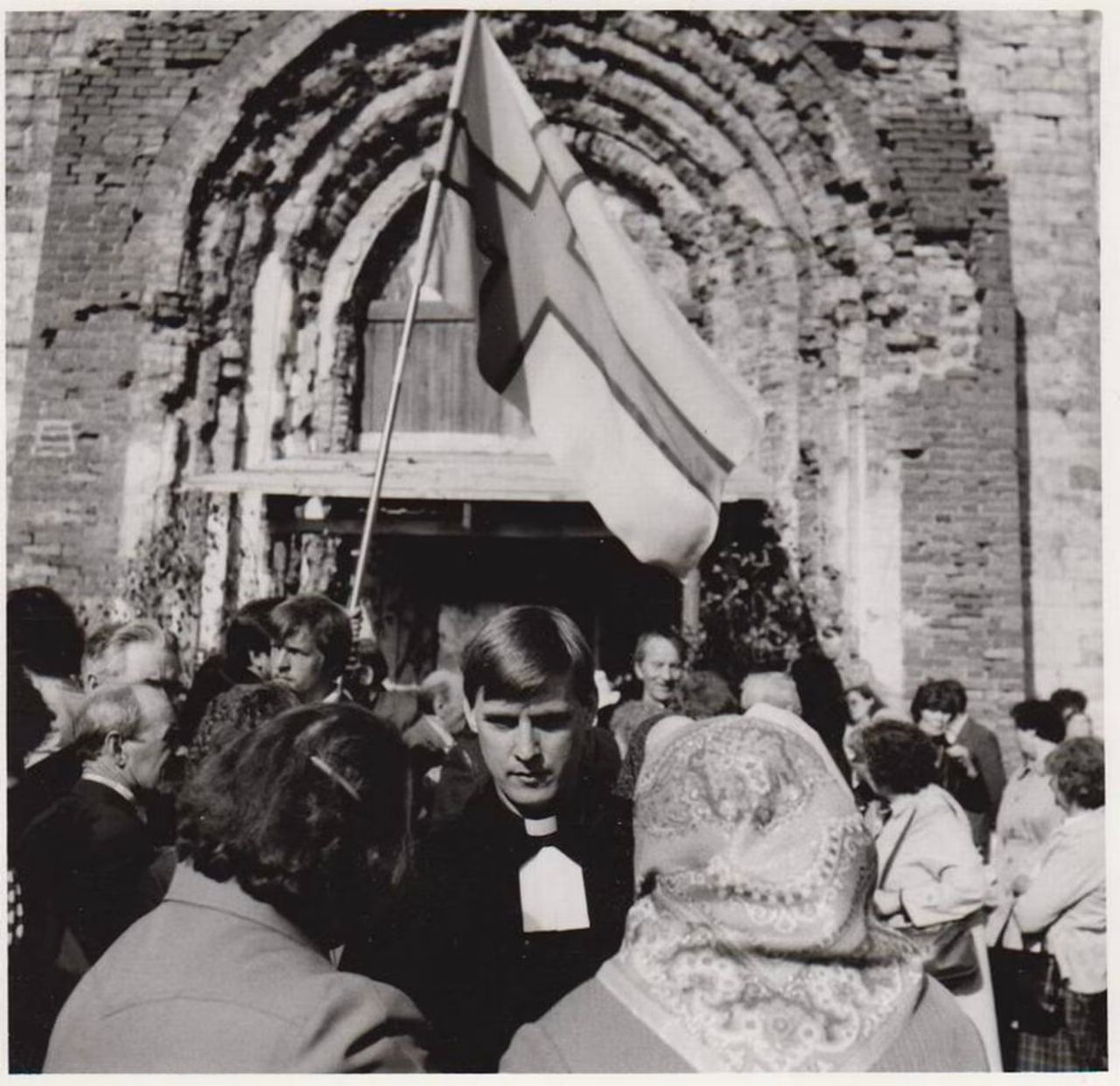
Home to Finland
On April 10, 1990, on the air of the State Finnish television channel Yle, Finland President Mauno Koyvisto made a statement that forever changed the fate of the Ingermanlanders: he urged them to come. From now on, the Ingermanland Finns were equated with the Finns in Finland and had the right to repatriation.
On the one hand, the Ingermanlanders wanted to restore their own culture in their native land. Santeri Packanen from the Union of Ingermanland Finns in Karelia told the same Yle that their community was expected to help from Finland, and not to call for there. On the other hand, the social and economic realities of Russia in the 1990s and the lack of interest from the Government of the Russian Federation in maintaining Ingermanland culture provoked many to leave. Among those who left was Elma.
“I decided to move because I was left alone with the children, and it was very difficult for me,” she recalls. - Thinking about their future, I decided that it would be easier to raise them in Finland.
The move was given in different ways. Someone was already used to difficulties and quickly adapted to a new environment, and for some, Finland never became a full-fledged house.
- The older brother moved back to Russia's grandmother back to Russia. He expected a different attitude towards himself in Finland, ”says Pavel. - It is clear that the Ingermanlanders for the Finns are still Russians. Ingermanlanders surprised that they were Finns in Russia, and here they were Russian, although they were talking in Finnish. Well, Finnish another - has changed over so many years, so in a new place I had to get used to talking differently. But it seems to me that this is all in their heads. My grandmother is very sociable, and it happens that she is talking with the Finns on the streets. She is complimented, they say, you say so well, she replies that she is an Ingermanlander. And they are very positive about this. But this does not happen to everyone. I have a relative who believes that the attitude towards them has spoiled greatly, although his daughter is Finka and feels good there.
According to Paul’s observations, all his relatives who watch Russian television channels, pro -Russian sentiments, and they are afraid that they can be expelled at any moment.
“They believe that they are supposedly non -citizens, although they have citizenship.” But this exists only in their heads, as it seems to me. There is no reason to worry. Of course, if you walk and tell the Finns everything that I heard on TV, who will like it? Grandmother's brother, because of this paranoia, once gathered to sell the house almost and move to the Crimea. Although he got a job well, at normal work, everything is fine with him. And so, he began to write to other relatives that they allegedly beat Russian or did not accept the doctor. They do not pay attention to him, because they understand that nothing of the kind happens. But still, he didn’t go anywhere.
According to various estimates, for 26 years, until the closing of the repatriation program from Russia to Finland, about 35 thousand Ingermanlanders moved to Finland. The Finnish state denotes them as "returners", that is, not as emigrants of a different nationality, but as Finns. The same is also noticeable in state statistics, where the Ingermanlanders are not taken into account as a separate ethnic group.
At the same time, one of the conditions of moving - knowledge of the language - led to the fact that the Ingermanland communities in Russia lost one of the main resources to preserve culture - Finnish media. Even the services in the key to the Ingermanlanders of the Institute of Culture - the Church of Ingria are now in Russian, and the bulk of the parishioners are Russians who are not related to their culture.
True, Elma now hopes that the Ingermanlanders will continue to support their culture in Russia.
-I hope that someday I will also somehow participate in all this culturally. I really want my children to know their roots. And I do this not even for myself, but for future generations. I want my descendants to have a story.
"After the winter, spring is always going on"
After February 24, 2022, relations between Finland and Russia began to break through not only at the state level. The Finnish businessman Seppo ( name changed. - SR) says that woodworking enterprises have lost traditional suppliers, and tourist facilities were faced with the threat of bankruptcy.
- The tourist business between Russians and Finns brought a lot of money and gave jobs. Now, due to the fact that it is no longer there, the Lappeenranta area loses about 1 million euros per day. Every day! We do not yet know how everything will be, but the abbreviations are everywhere, there are no guests in many hotels, they are threatened by bankruptcy. If this continues for several years, then it will definitely come. One hotel the other day has already sold for a very low price after the owners announced bankruptcy. There are also many residential block houses, half of the apartments in which belongs to the Russians. Now they cannot come - they do not pay for utilities, and the companies that belong to these houses also lose a lot of money. I know that on the other side of the border, Russian sawmills are still working, but they supply wood to the domestic market and to China. They get much less than when the business was with us.
Pavel, periodically visiting Finland after the outbreak of war, says that huge stores were left without buyers, a lot of inscriptions in Russian: “Sold”, “Lent out”. Everything is pounded. The tire center is also closed. Until the lappeenranta, nothing works, even fish shops.
While the Finns are experiencing economic difficulties due to the lack of tourists, Russians from the border regions are experiencing due to sudden isolation. According to Elsa, a descendant of the Ingermanland Finns from Petrozavodsk, the border before was not felt at all as such, you could take a car or a bus and go to Finland, to Europe. Cheap and fast. Now Karelia, Elsa believes, as if divorced from the world-in order to leave somewhere, you need to spend all day.
Paul also says the same thing.
- I used to go to Finland quite often, stopped with my grandmother. And this very much influenced life when it became clear that there would be no more opportunity to ride. It became difficult without Finland, without relatives. Suddenly, in our time there are restrictions in movement. Previously, you just come there-and breathes differently, and everything is seen differently. For example, I really like walking on foot, and in Finland everything is for this. You just come, look around and rejoice. Habits, products - it seems to be trifles, but in fact they greatly affect life.
The closure of businesses, a strict border that suddenly appeared between Finland and Russia, regular news about the war and repression - all this could not but affect the Ingermanlanders. Especially considering that almost all movers have preserved not only Russian citizenship, but also ownership in their homeland. And in order to follow her and pay bills, I had to regularly ride across the border. They also go for a pension - repatriates in old age can only count on a minimum pension in Finland.
On both sides of the border, the heirs of the indigenous Finns of the Leningrad region involuntarily recall the difficult past of their people. And, faced with the present, they talk about cyclicity. According to Paul, all his relatives parted, and he now also thinks about moving.
- It’s just hard for me to live in this society. In relation to the history of my family - if I begin to accept the realities of this society, then it will be a betrayal, or something. The betrayal of my grandmother, for example. Because everything goes in a spiral, ”he believes.
Elma still goes to the Leningrad region to take care of his house. She says that while in Russia, she tries not to touch political in order not to attract attention, since she does not want to part with her native places.
- You know, sometimes Finns buy real estate in Spain and leave there in old age. But when I come to the Leningrad Region, to Ingermanland, I feel at home. I had a dream when I retire, spend time in my historical homeland. But ... see how everything changes quickly ... Once my mother had a seal "The daughter of the enemy of the people" in the metrics. Many had this. Then it was canceled, there was a good period. And now again in a different way. We do not know what will happen tomorrow, the day after tomorrow. After the war, there is always a truce. After winter, spring always comes, it is also cyclical.