
Translated material
The Central Bank picked up the ruble
Will an emergency increase in the key rate stop the collapse of the Russian currency: forecasts of economists
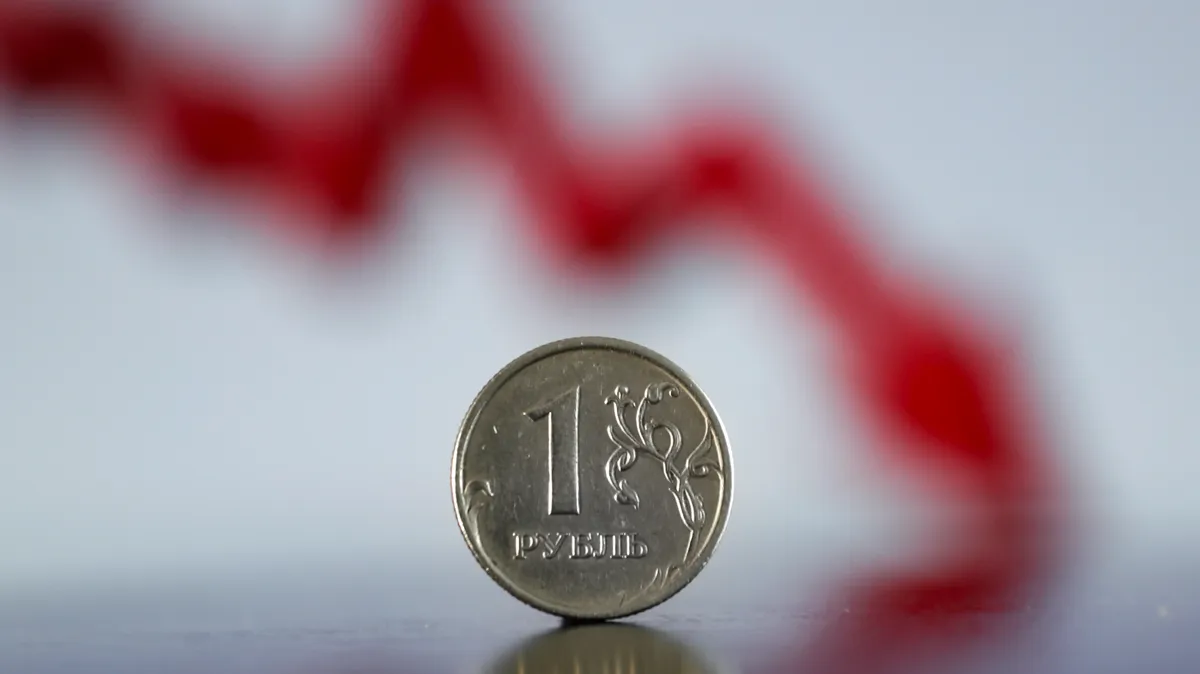
Photo: EPA-EFE / Yuri Kochetkov
To stop the collapse of the ruble, the Central Bank at the urgent meeting sharply raised the key rate. The course responded weakly to this decision, so the regulator warned that they could continue to tighten monetary policy.
We tell you what the essence of the emergency measures of the Central Bank and whether it will help to keep the ruble from further fall.
Oreshkin vs. Nabiullina
On the morning of August 15, the Central Bank at an extraordinary meeting raised the key rate by 3.5 p. - up to 12%. The Central Bank announced the meeting the night before. Then the dollar reached the next maximum this year - 101.75 rubles.
That evening before the announcement of the Central Bank, he was criticized by the assistant to Vladimir Putin in economics Maxim Oreshkin. In the column on the TASS website, he tied the fall of the ruble with the soft policy of the Central Bank - that is, too low, which dispersed lending to the population and companies, and it, in turn, increased inflation and demand for imported goods. “In the interests of the Russian economy - a strong ruble,” the main thesis of Oreshkin sounds.
The head of the Central Bank Elvira Nabiullina, commenting on the fall of the ruble, focused on other reasons: reducing revenues from export and the growth of budget expenditures, which this year are much higher than the norm.
In her opinion, budget expenses and a shortage of personnel in the economy have led to the fact that the pace of internal production did not allow us to satisfy the increased demand.
Economists note that both factors affected the weakening of the ruble - both a low rate and record budget expenditures. However, lending largely dispersed preferential loans from the state that the Central Bank’s rate will not affect, the economist Dmitry Poleva writes .
What will happen next
It is too early to judge the market reaction to raising the rate. After the announcement of the Central Bank of the Extraordinary meeting, the dollar on the exchange fell to 97.7 rubles. Although the Central Bank raised the rate about twice as much more than the economists expected , the dollar began to rise in price again during the day - up to 99 rubles. Soon after, the Central Bank hastened to release an additional comment, in which he emphasized that "in case of intensification of dialogue risks, an additional increase in the key rate is possible."
Many economists suggested that the authorities can go to new restrictions: to force exporters to sell foreign exchange earnings (including informal methods), limit the withdrawal of currency abroad for citizens, and so on.
Without these measures, due to a deficiency of currency in the market, the ruble can fall by another 70%, said Viktor Tunev’s former chief analyst in Ingosstrakh investment.
By the evening, after the end of the trading session, the dollar nevertheless moved away from the psychological mark of 100 rubles-to 97 rubles, which is four rubles less than until the rate increased.
Bloomberg chief economist in Russia Alexander Isakov predicts that the decision of the Central Bank will help the ruble to strengthen. In his opinion, this will also contribute to the reduction of budget expenditures, which has been outlined in recent months.
Field expects that the dollar will return to the range of 85-95 rubles, but will hesitate to hesitate. The same forecast for analysts Raiffeisen Bank. They note that the Central Bank rate will act on the course over time, and the ruble in the coming months will strengthen the growth of export income.