
Translated material
Poisoning in Munich
Our friend and colleague Elena Kostyuchenko spoke about a possible attempt on her life
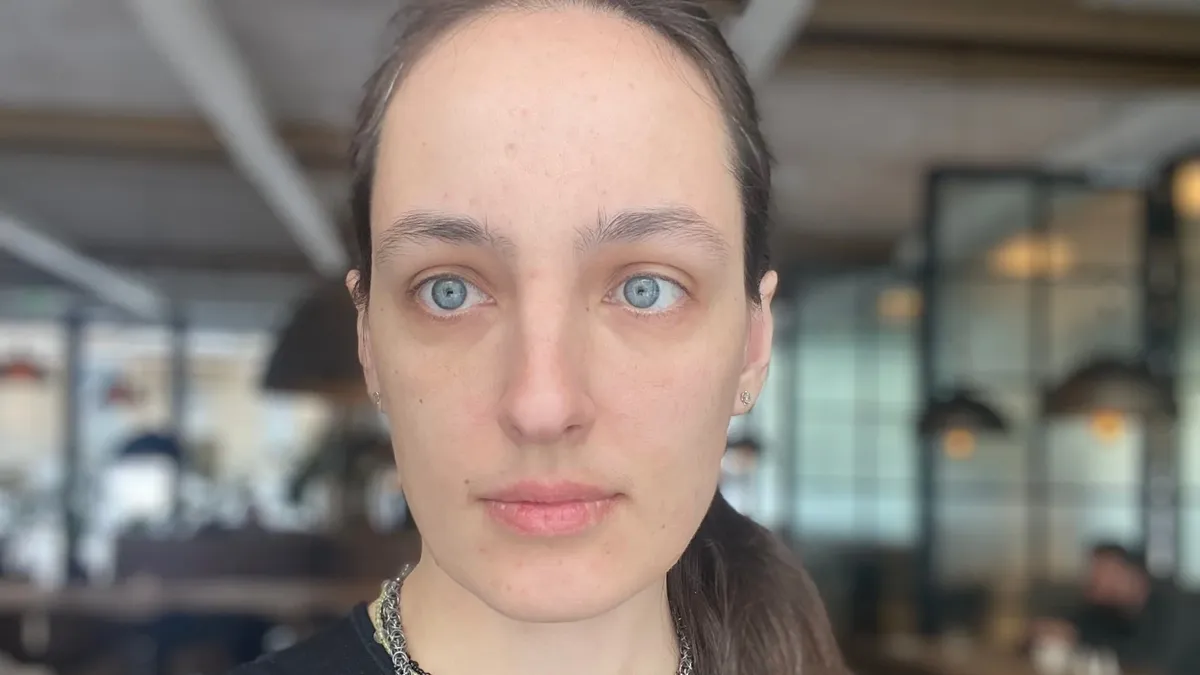
Elena Kostyuchenko. Photo: social networks
The prosecutor's office of Berlin is investigating the case of the possible poisoning of the journalist Elena Kostyuchenko, who worked for a long time in Novaya Gazeta, but was forced to leave Russia. According to German doctors, serious health problems that began in Lena in Germany in the fall are due to the fact that they tried to poison her.
We retell the main thing from what Lena Kostyuchenko said in the program with Yuri Dudia (entered the Russian authorities in the register of “foreign agents”-approx. Ed.) And in his article, which we simply cannot reprint due to the requirements of the Russian censorship and the Criminal Code.
On February 24, 2022, the special corner of Novaya Gazeta, Lena Kostyuchenko, on the instructions of the editorial office, went on a business trip to Ukraine. Lena wrote four reports from there-from the Polish-Ukrainian border, from Odessa, from Nikolaev, from Kherson. When she was going to go to Mariupol, the editors warned her that, according to sources, she was specifically in danger - a certain order was given: to find and kill. Lena says that this information was also transferred to her by her sources in Ukraine: the murder of the journalist of Novaya Gazeta is being prepared.
On the night of April 2, Lena left Ukraine. She writes that she left in very poor condition: lice, pig, PTSR. Friends, girl Lena Yana took care of her, helped to recover.
Kostyuchenko plans to finish the work on the book and return home. To Russia. However, in April, Dmitry Muratov, editor -in -chief of Novaya Gazeta, contacted her and informed her: it is impossible to return to Russia - it is dangerous.
On September 29, Kostyuchenko went to work at Medusa ( recognized as a foreign agent and unwanted organization. - Ed. ). The first business trip was to be a trip to Iran, and after work was planned to work in Ukraine. Lena managed to agree that she would be accepted at the Munich consulate in order to issue a visa.
She recalls that she talked about a trip to Munich, corresponding to the Facebook messenger ( part of META, which was recognized in Russia with an extremist organization. - Ed. ), And did not take into account the safety rules that has been in Russia for many years.
On October 17, Lena went to Munich with a night train. The consulate took her documents, asked what she was going to do in Ukraine. But she failed to apply for a visa application. There were malfunctions in the internal system of the consulate.
Near the consulate, a friend took Lena, and the two of them went to dinner. We sat on the veranda of the restaurant, on the street. Lena moved twice, then returned to the table. Twice to the table were her friends familiar - a man and two women.
When Lena and her friend went to the Munich station, she said that a very unpleasant smell was coming from Lena. Lena recalls how she got on a train and immediately went to the toilet to wipe the sweat, which she suddenly covered with napkins - just a pungent smell of rotten fruits came from sweat.
She had a headache, it was difficult to concentrate. By evening, the pain intensified, and the body continued to sweat. Kostyuchenko wrote off this on the possible consequences of Covid, which she got ill three months ago, but at the station she could not even navigate how to get home, in the subway did not understand which direction to go. Passengers helped her.
Kostyuchenko at home began very severe abdominal pain. It was painful to touch the skin. The head was spinning and was very sick.
This condition was preserved. And after 10 days, Lena was able to get an appointment with a doctor in Berlin. Two doctors expressed the opinion that these are the consequences of Covid. They conducted an ultrasound and, at the request of Lena, took blood from her. The enzymes of the Alt and AST were exceeded by five times, which may indicate damage to the liver. There was blood in the analysis of urine.
Lena was handed over to another specialist who said that it was most likely one of the viral hepatitis, which the journalist could catch when she worked in Ukraine. But hepatitis analysis was negative.
Lena recalls how further the symptoms changed:
There was no strength, his face began to swell strongly, his fingers swelled, so had to remove the rings from them. The feet were swollen. Tachycardia began, palms and feet seemed to burn and became red.
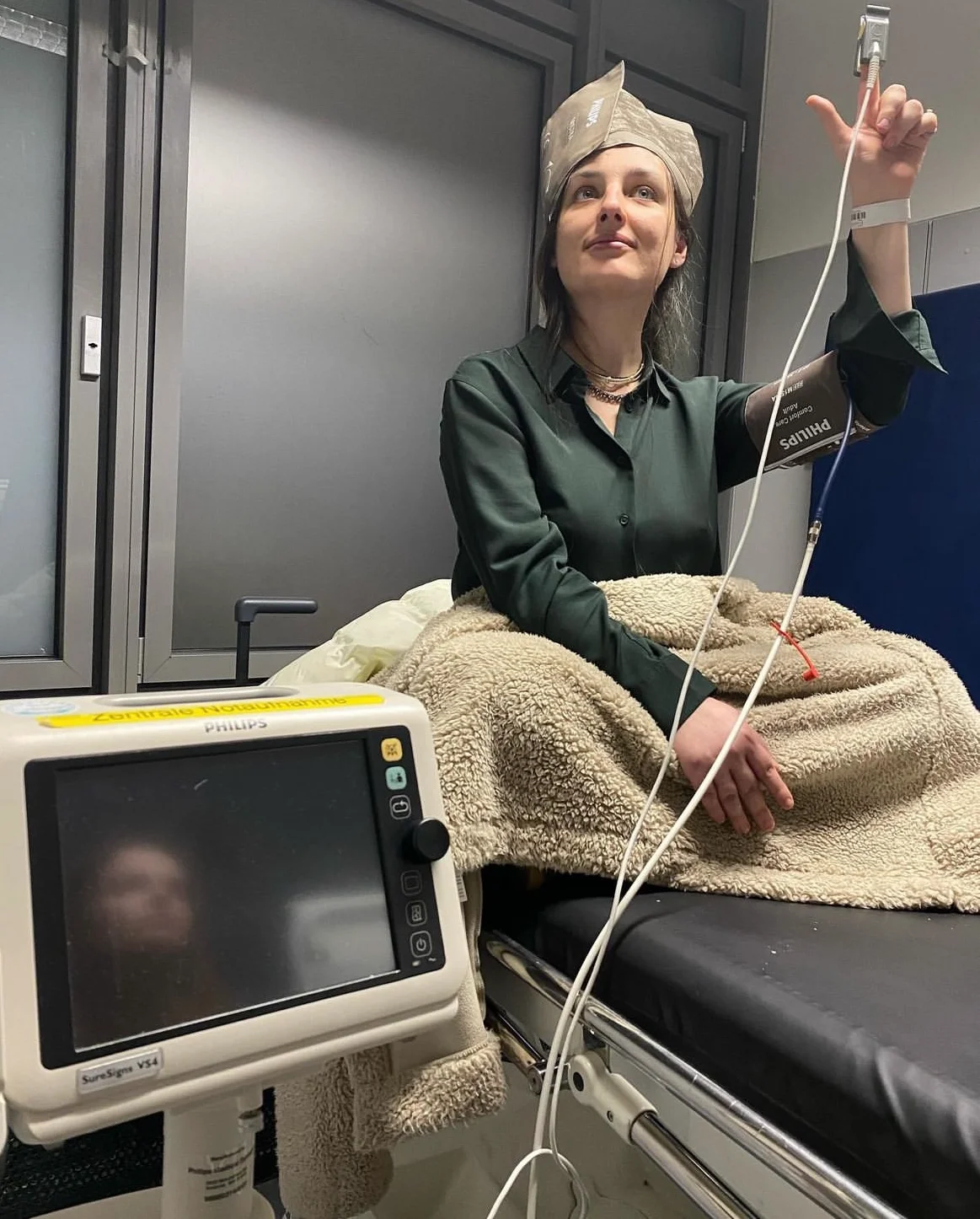
In December, Lena again took tests. They were even worse. The doctor in the clinic put forward two versions: either these are the consequences of the long -term reception of the antidepressants that Lena were registered, or, perhaps, poisoned her.
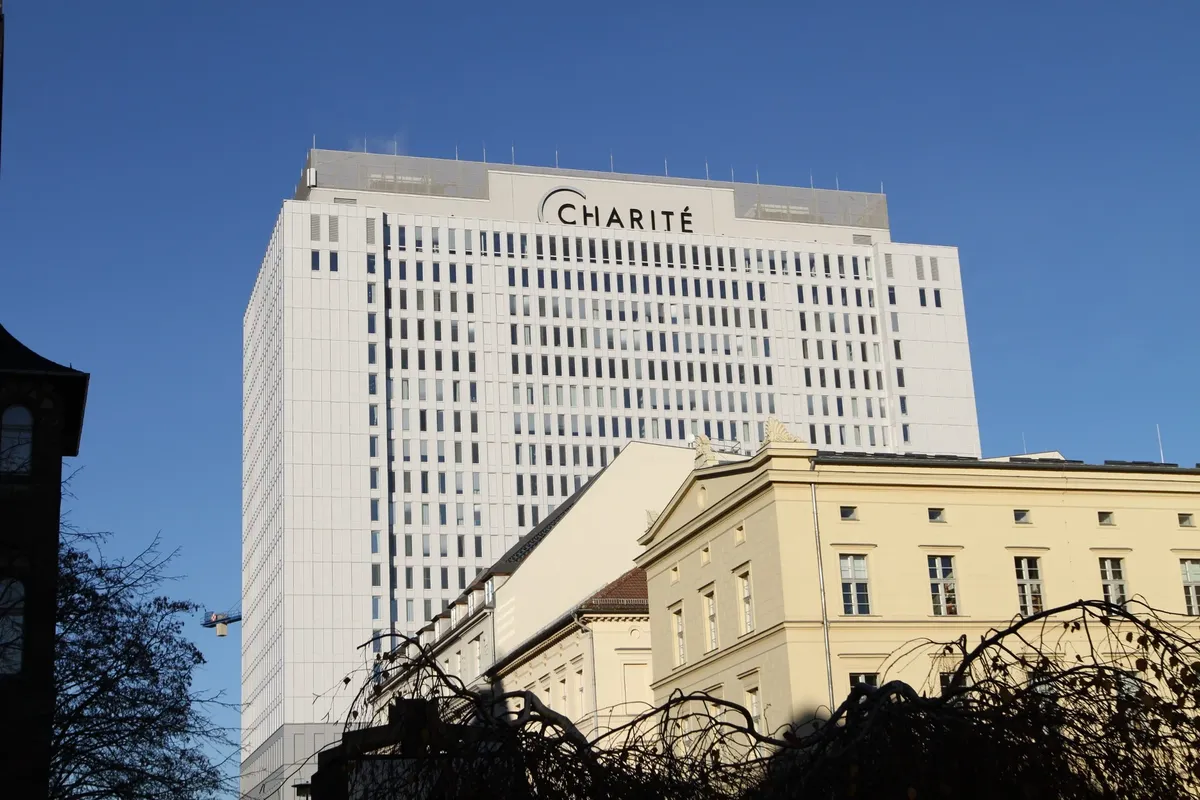
Lena was sent to the toxicology of the Sharyl clinic, where, in particular, rehabilitation was undergoing after poisoning in the summer of 2020 Alexei Navalny.
To take tests for toxins, Lena had to contact the police. After the interrogation, which lasted nine hours, the apartment, the things of Lena, the clothes in which she was in Munich, and her herself was tested for radiation. The police also asked the journalist why she did not go there immediately, because political killings are also taking place in Europe.
The police investigation was going on, but Lena was not informed about his course and results. She recalls how, in April, at the journalistic conference, Roman Dobrokhotov ( recognized by a foreign agent. - Ed. ), The editor -in -chief of The Insider ( recognized as a foreign agent and an unwanted organization. - Ed. ) And said that he was together with Christ Grozhev ( recognized as a foreign agent. - Ed. ), The head Recognized by a “foreign agent” and an undesirable organization - ed . Russian journalists.
Doctors who consulted public journalists told them that, most likely, Lena’s poisoning had a chlorgaric compound.
On May 2, the prosecutor’s office of Berlin told Lena that her case, which was initiated under the article “Attempted murder”, was discontinued. It was argued that the investigation did not reveal clear evidence that they tried to kill the journalist.
But in July, Lena handed the police information from doctors. And the case was opened again.
Now she is undergoing rehabilitation.
Pain, nausea and swelling passed, but the forces did not return. Lena announced that in a few weeks her book would be released, but the police fear that this event could become a trigger for people who tried to kill the journalist first in Ukraine, and then in Germany.
In addition to Elena Kostyuchenko, the journalist of Echo of Moscow, Irina Babeloyan and journalist Natalya Arno, spoke about the possible poisoning abroad over the past year.