
Translated material
Women suspected of arson of the military enlistment offices were included in the list of terrorists and extremists
The defendants about the Augusts of the St. Petersburg military registration and enlistment offices were included in the list of terrorists and extremists, the Rosfinmonitoring website says .
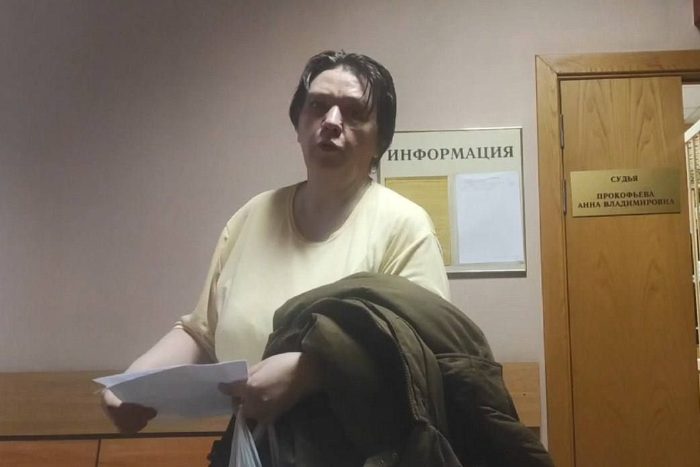
Details . Natalia Kolyadin, who is charged with an attempt on arson, the military enlistment office of the Kronstadt and resort regions of St. Petersburg, was included in the list on August 21. Fontanka writes that this is her birthday-she celebrated the 54th anniversary.
66-year-old Zhumagul Kurbanova fell into the list last week. She is suspected of intentionally damage to other people's property. The woman was detained after arson of the door of the military commissariat in English Avenue on August 1. Now she is under house arrest
General picture . Zhumagul Kurbanova-a 66-year-old employee of the supermarket. She explained her actions by the fact that in May she was called “from the bank” and stated that the scammers took possession of her personal data and plan to take a large loan to her name.
Fraudsters connected Kurbanov with Alexander Fedorovich, who first convinced her to take a loan for 200 thousand rubles, and then called on August 1 and offered to find a debt if a woman helps to detain scammers. Fraudsters, according to the legend of Alexander Fedorovich, were in the building of the military registration and enlistment office and would run out after the arson, where the police would detain them.
Natalya Kolyadina entered the building of the military enlistment office of the Kronstadt and resort regions on August 1. According to preliminary information , the guard felt the smell of gasoline coming from her and detained the woman.
In a bag of residents of the resort district, two bottles with incendiary mixture were found.
Kolyadin did not dispute the crime she knew and did not object to the chosen measure. Before the meeting, she told the 78 correspondent that she was diagnosed with schizophrenia.
According to Petersburger, two women called her before arson and demanded that she removes savings in the amount of 865 thousand rubles, assuring that the money was “swept” and should be redirected to the accounts indicated by fraudsters.