
Translated material
I'm so worried I'm about to die
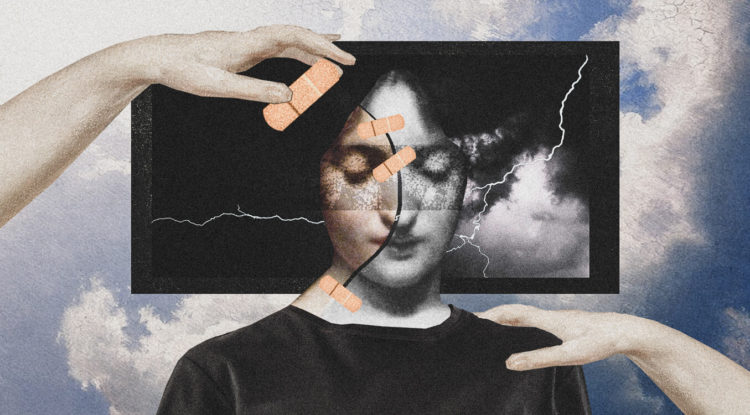
Clinical psychologist - about what a panic attack is and how to survive it
How do you know if you are having a panic attack? How is it different from anxiety? How to help yourself during an attack and after it? “Kholod” learned about all this from clinical psychologist Artem Annenkov.
In order not to miss the main materials of “Cold”, subscribe to our Instagram and telegram .
Why do panic attacks occur?
A panic attack is a sudden attack of intense anxiety with a variety of unpleasant physical and psychological symptoms that usually lasts from five minutes to an hour. A person experiences especially intense emotions in the first minutes, then the condition gradually normalizes.
Panic attacks don't just happen. Although each individual case is unique, several reasons can be identified.
Psychological:
- Stress and anxiety.
- Suppressed emotions.
- Psychological traumas, as well as memories or associated triggers and associations.
- Fear of panic attacks. Often, after the first panic attack, people are so afraid of its repetition that they provoke new attacks.
- Mental disorders. For example, depression, obsessive-compulsive disorder (OCD), panic disorders, post-traumatic stress disorder (PTSD) and others.
- Individual factors. This may be dissatisfaction with life, low self-esteem, phobias, sleep disorders.
Physiological:
- Chemical disorders in the body. Hormonal imbalance, vitamin B problems, increased production of adrenaline and norepinephrine, imbalance of neurotransmitters (serotonin).
- Psychoactive substances. Caffeine, alcohol, nicotine, drugs or medications.
- Diseases of the thyroid gland and adrenal glands, as well as cardiovascular diseases.
- Heredity.
How to understand that a panic attack has begun?
It is expressed by vivid, unpleasant physical and psychological sensations. Symptoms can appear individually and overlap each other. Here are some of them:
Physical:
- rapid heartbeat, high pulse;
- increased sweating;
- body pulsation or trembling;
- difficulty breathing, feeling of suffocation or a lump in the throat;
- feeling of discomfort or pain in the chest;
- dizziness, lightheadedness;
- fever or chills, numbness of the extremities;
- loss of balance, feeling as if the ground is disappearing from under your feet;
- nausea or abdominal discomfort.
Psychological:
- severe anxiety, panic or fear;
- depersonalization (feeling disconnected from oneself);
- derealization (feeling of unreality of what is happening);
- fear of dying or losing your mind.
How to distinguish a panic attack from anxiety?
When experiencing anxiety , we are focused on a certain situation, we go through scenarios for the development of events, and anxious thoughts are spinning in our heads.
During a panic attack, we are immersed in physical sensations and intense emotions (fear, panic), and cognitive and physical abilities deteriorate.
How to help yourself?
- Accept the fact that you are having a panic attack. Realize that this is a temporary condition that will soon pass. Repeat this.
- Try to move to a quiet and safe place.
- If there is someone you trust, ask him to stay with you. If you know something that can help you, ask for it.
- Breathe deeply and slowly. Count to four with each inhalation and exhalation.
- Find something you can focus your full attention on—any subject will do.
- Try to relax your body. For example, you can alternately tense and relax different muscle groups.
- Close your eyes and think about what calms you down and makes you feel safe.
Exercise "54321" . It helps to shift attention to the world around us. For example: notice five objects and four physical sensations (things you can touch), hear three sounds, notice two different smells, feel one taste in your mouth.
"Breathing in a square." This is a technique that helps reduce stress and anxiety.
-
Close your eyes and concentrate on your breathing.
-
Inhale slowly through your nose, counting to four. Fill your lungs with air.
-
Hold your breath while counting to four again.
-
Exhale slowly for a count of four. Try to exhale all the air.
-
Pause before your next inhalation, again counting to four.
Exposure method. It is not suitable for everyone and, as a rule, is worked out together with a specialist. The goal is to live through a panic attack without drowning it out: a person does not resist the attack, but lives through it with all the accompanying emotions and feelings. It is important to realize that there is no real threat to life, and the attack will end soon. The body adapts to fear, the intensity of subsequent attacks decreases, and it becomes easier for the person to cope with them.
How to help another person?
The main thing is to switch a person’s attention and help him return to reality. The first attacks of a panic attack are especially intense and can be very difficult to cope with. Often a person thinks that he will die or go crazy. Here's what you can do if you experience a panic attack:
- Stay calm.
- Be there to provide support and control the situation.
- If you don't know each other, first politely ask if the person needs help. If you refuse, you should not give advice or try to force help. If the person agrees to accept help, ask how best to do this (talk, switch attention, move to a safe place, or just be nearby).
- Help him regain his breathing. Breathe deeply with him, counting to four on each inhalation and exhalation.
- Support with words. Help the person realize that they are safe and that the attack will soon end.
- Smoothly redirect his attention. You can touch him (if this is your loved one), ask what color your clothes are, what street you are on, how many trees or certain objects he sees now.
- Call an ambulance if the attack lasts longer than half an hour or the person gets worse.
What to do after a panic attack?
Typically, cognitive abilities are not lost for the entire day, so after an attack you can continue to do your business. If you need a break, give yourself time to recover. In addition, it is recommended:
-
Consultation with a specialist. A psychiatrist will help assess the situation, find the cause, give recommendations and, if necessary, select treatment.
-
Examination by a neurologist. You can also check your cardiovascular system and thyroid gland, since panic attacks can be associated with physical illness.
-
Breathing and physical exercises, meditation. This will help you if the attack recurs.
-
Maintaining a healthy lifestyle. A balanced diet, physical activity and quality sleep have a positive effect on the psycho-emotional state, which is very important for the prevention of attacks.
-
Talk about your feelings and thoughts with loved ones if you need support.
-
Do not avoid situations that can provoke a panic attack (noisy and crowded places, going outside, loud streets). At first glance, avoiding triggers seems like a logical solution. However, this approach increases a person’s anxiety and fears, which worsens his condition and quality of life.