
Translated material
Life without salt
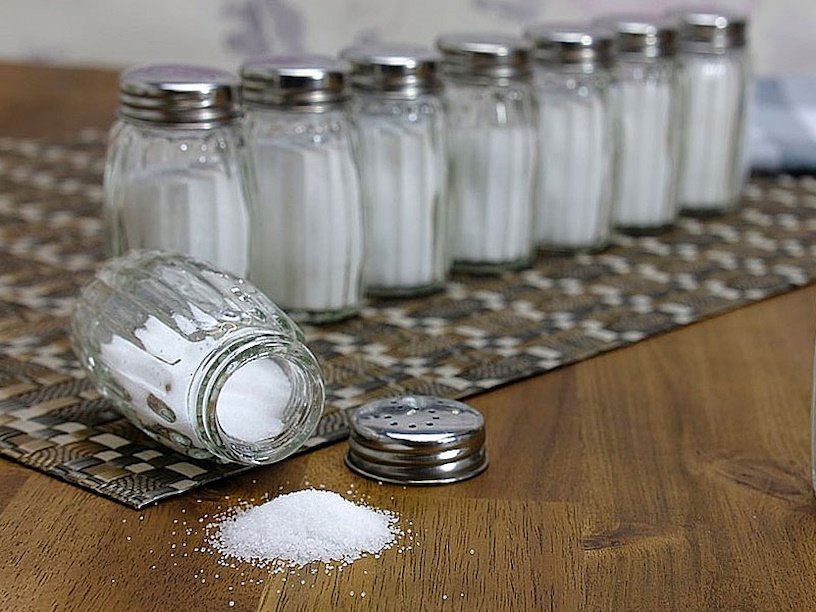
Sinoal diet can reduce the risk of heart problems by almost 20 %. A new major study using the data of the British bio -Bank shows that even a slight reduction in salt consumption can be healthy. The results of the study were presented in Amsterdam at the annual conference of the European Society of Cardiologists.
Previously, studies have shown that an increase in the amount of salt in food increases the likelihood of cardiovascular diseases and premature death. Now experts have come to the conclusion that by reducing the amount of salt in food or even abandoning it, a person can significantly improve the state of his heart. In particular, they found that those who excluded salt from their diet are 18 % less likely to develop atrial fibrillation. With this disease, irregular and abnormally high heart rate leads to dizziness, shortness of breath and fatigue. People with atrial fibrillation have five times higher the risk of stroke. Now in the UK 1.5 million people have such a diagnosis, over the past ten years, their number has increased one and a half times.
The study used the data of the British bio -Bank, covering more than 500,000 people aged 40 to 70 years throughout the UK from 2006 to 2010. Those who at the time of the start of the study already diagnosed atrial fibrillation, coronary heart disease, heart failure or stroke were excluded from the study. Each participant was asked how regularly he sniffs food. Then scientists tracked their health for 11 years. Compared to those who always salted food, those who never did this had a 18 % less likely to develop atrial fibrillation. People who sometimes add salt to food, the probability of this disease was 15 % less. Even for those who have only reduced the level of salt consumption, the risk decreased by 12 %.
“It is well known that the use of too much salt can lead to health problems. This study was a useful reminder that we could all benefit if we adhere to recommendations to consume no more than six grams of salt per day, about a teaspoon, ”Professor James Leeper from the British Cardiology Fund comments on the result.