
Translated material
Anyone is my brother
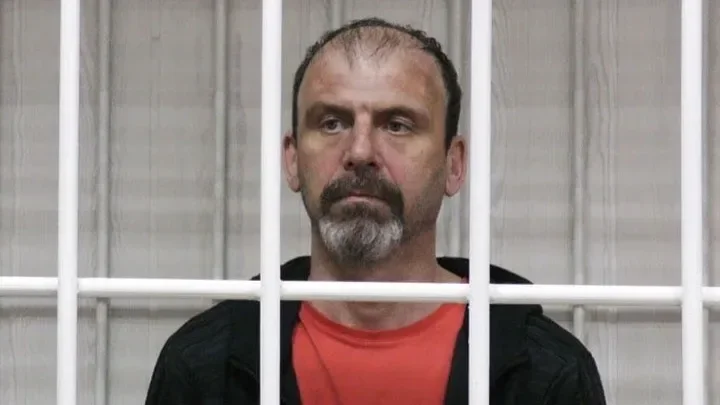
Crime cannot defeat the police, the disease should not expel the doctor, and society ulcers cannot overcome journalism. The last word of the political prisoner Mikhail Afanasyev
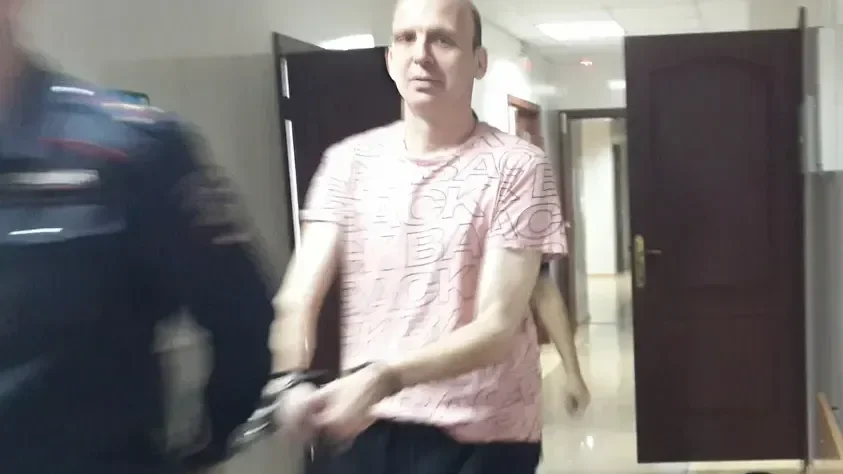
Mikhail Afanasyev in the corridor of the court. Photo: Alexey Tarasov / "New Gazeta"
“During the years of Soviet power, children in Khakassia were persistently taught to love the writer Arkady Gaidar. Among them was my same age, a student of the 9th grade of Abakan school No. 19 Tatyana Solomatova. In the fall of 1992, Tanya read in the "interlocutor" that her hero was involved in the execution of hundreds of the soldiers of the tsarist army in Crimea. The vile slander of Arkady Petrovich was so outraged by the young Tatyana that the girl decided to once and for all refute the blasphemy to the writer with examples of his noble deeds.
Tatyana turned to the republican archives, and then a girl met with the reverse side of life, who first put her before a difficult moral choice.
As it turned out, Gaidar in the first years of Soviet power built in Khakassia not a “bright future” of the new state, but a concentration camp for ordinary local residents. He also introduced the practice of taking hostage. He arranged mass executions, including women with young children.
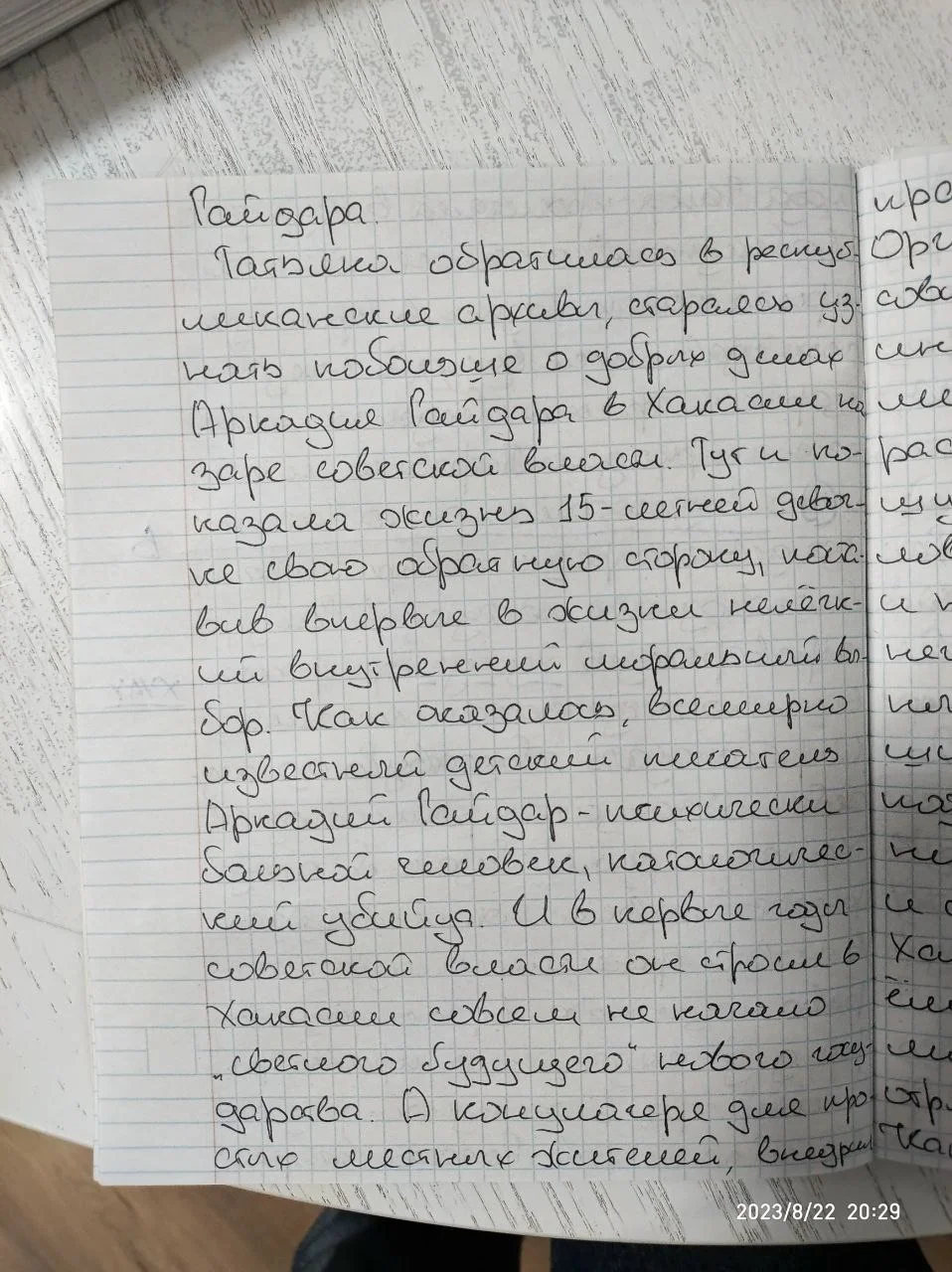
Invented incomprehensible by reason, paralyzing the mind and soul, the practice of executions of children in the eyes of their parents, and vice versa. He often killed absolutely illiterate and completely innocent villagers. He executed the teenagers who showed to him suspicious. Massively drowned men from uluses, aals and villages. The future idol of children in Khakassia succeeded in his bloody craft that even his direct chief of detachments commander Jung of the Yenisei province, Cacoural, was forced to pull the young Khakass commander, convicting him in a number of terrible crimes.
Haidara was saved by high patrons, and his terrible atrocities against the inhabitants of the republic hid, forced to love and sing his executioner.
So the young Tanya Solomatova faced a difficult choice - to turn away from the terrible truth and preserve her illusions or to act according to conscience and disrupt the mask of virtue from a bloody ghoul. The 15-year-old Tanya chose to tell the truth, acting as the other world famous writer Mark Twain taught Soviet children: “You will not be mistaken if you do the right thing.”
With the help of her history teacher, Boris Grigoryevich Chuntonova, Tatyana, wrote the essay “The actions of Jung (special purposes) in the territory of the Achinsky and Minusinsky districts of the Yenisei province in 1922–24. The study of his Solomatov and Chuntons was transferred to his creative evening to the famous writer Vladimir Soloukhin. Tatyana's work shocked the writer so much that, having collected additional information, Soloukhin wrote about the atrocities of Gaidar in Khakassia the book “Salty Lake”. In 1994, her publication paid an influential Abakan businessman Mikhail Khlenko in those years.
Tanya Solomatova is an unconditional hero, it was about such unique Mikhail Saltykov-Shchedrin that in his youth a person more a bit to the suffering of his neighbor ...
But if you consider the book “Salty Lake” from a legal point of view, then it is slanderous, or even if you make efforts, deliberately false!
The information published in it does not contain a single evidence that Gaidar is involved in at least one crime attributed to him. There is no evidence in the book that these crimes were committed altogether. The whole book is built on the testimonies of local residents. The archival documents given in the book have an indirect attitude to Gaidar and, although they contain important information, such as the names of the executed children and the negative characteristic given by Arkady Petrovich with their own commanders, but there is no documentary information directly indicating Golikov’s involvement in a crime. All these are absolute dummies, from the point of view of legal evidence of the guilt of Arkady Gaidar, are words that are sometimes anonymous, and nothing more.
According to the writer Soloukhin, people were drowned in ponds, but the executioners were sent to the unfortunate under the water only in lakes. And about the execution of 76 elderly women with grandchildren and granddaughters in an unnamed village personally, there is no information from the machine gun.
Believe me, if you set the goal, then exclusively a legal fact can be crossed out in the root and declare all the work of Tanya Solomatova and Vladimir Soloukhin obviously false, and they themselves were fully recognized as slanderers. A criminal case against them is initiated against them - and they could not provide the investigation authorities with any documentary confirmation of the prosecution against Gaidar.
Because ordinary citizens are not investigators.
It’s not for me to tell you, especially here, in the courtroom, that some evidence of people, especially in a significant part of the anonymous, is not enough to bring the charges to Gaidar. From the point of view of the Criminal Code, crooks are rather those who distributed the documented information about the brave commander.
The same can be said about any literary works based on real events. For example, about the book “I was in this war” of the Krasnoyarsk writer, former officer Vyacheslav Mironov: how, tell me, he could legally prove that he had to remove the body of a crucified call from the Abakan from the cross? And Lev Tolstoy in the immortal story “The Death of Ivan Ilyich”, written off from real history, proved that the first thought of the colleagues of the deceased judge of the Tula District Court, Ivan Mechnikov, was: how they would advance after his death.
But how is it possible? In reality, the events took place, and from a legal point of view there were no them at all. Moreover, everyone who has the courage to claim that these events still took place can easily be a criminal.
How to exist literature and in general any creativity, if a legal fact can be crossed out of any free thought and even a whole work?
Jurisprudence is a soulless science, while creativity is a continuous process of studying the life and place of a person in it, diseases of society and methods of their healing. Constant search for answers to the questions of both the day of the current and riddles and secrets of the past. The greatest scientist Vladimir Vernadsky said that any study is engaged in the search for a person’s place in the world, and writer Mikhail Saltykov-Shchedrin-that a noble thought cannot dwell for a minute. For only a constant renewal process can save society from wildness. Creativity is a pulse of life. This is a sphere in which the future gets rid of the vices of the past and the present. Legal science operates with an accurate fact, and at the disposal of creativity - law. Jurisprudence protects order and justice in the state, and creativity is on guard of the natural course of life and the rights of each person for tomorrow. Legal science protects the single organism of the state, and creativity - its common good. But the state with its monopoly for legal persecution and Karu A priori is stronger than creativity, attracting the attention of society to its ulcers with the help of the artist’s hand, the word of the writer, the music of the composer and the pen of the journalist. The writer, a researcher of the depths of man and society, has no such opportunities, and duties, as the “guards of the law” - police officers, investigators or prosecutors.
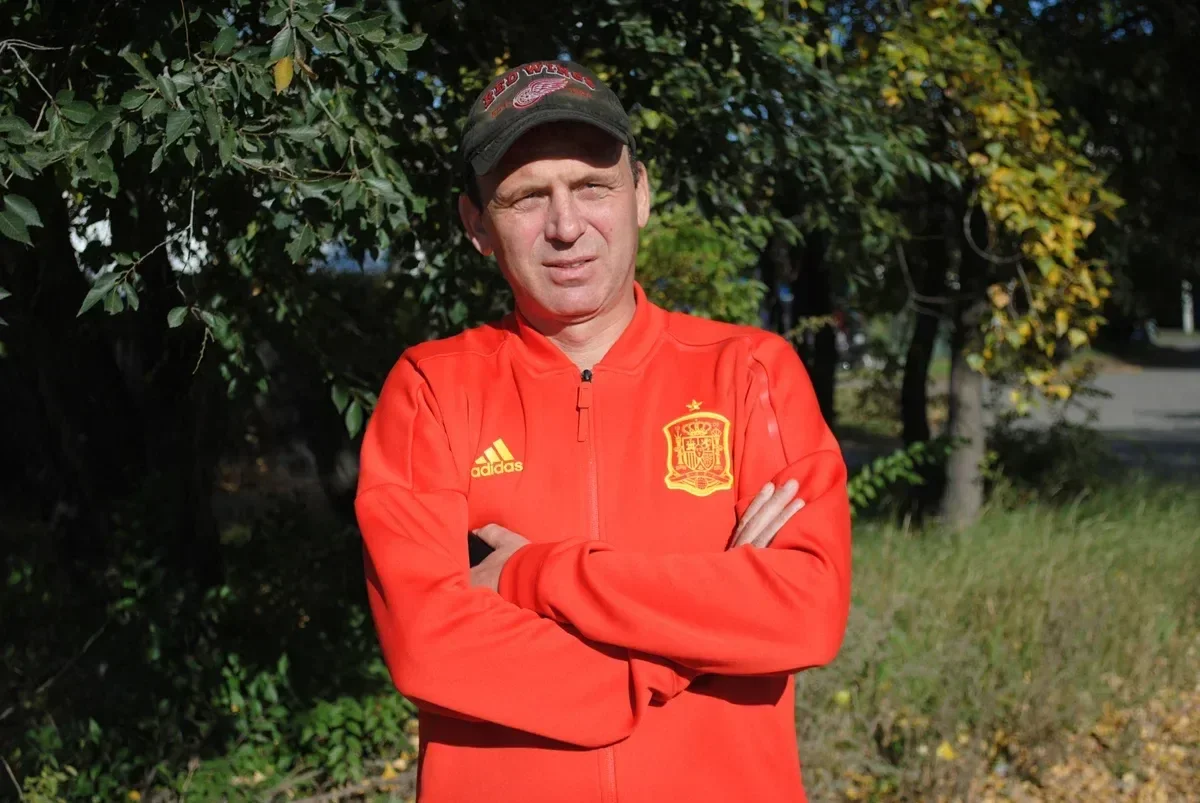
The guards of the company- journalists- cannot carry out operational-search activities, interrogate under the protocol of witnesses of events or incidents, seize documents, photo and video materials, conduct confrontation- in order to later, if necessary, prove impeccable legal purity in their articles. In the arsenal of any journalist - only a word. Human right to share (including anonymously) information or opinion, assessment, judgment. The source of the journalist can hand him copies of documents. And the “Guardian of Society” itself can take advantage of its right to its own conclusions and assessments of the test of the test.
The journalist cannot (and should not) be perfectly competent and impeccably accurate legally when he sets out the history illuminated by him. And if, having a powerful system of multi -level control over legality, compliance with procedural accuracy and sharing decisions in one case, operatives, investigators, prosecutors, and even judges are mistaken, then exploring the ulcers and injustice to a person and forced to be content only with the words of his interlocutors and sources, a journalist in the nature and capabilities of his craft cannot be responsible for an impeccable legal legal The provenness of the events presented in its materials. And even more so to bear such a burden of responsibility for only suspicion and even an accusation of an error or error.
A legal fact cannot suppress such a brutally professional duty and the right of a journalist to study the life and ulcers of society. Such is simply dishonest against those who can only write an article in defense of fellow citizens. The journalist indicates a problem in society, and does not prove in articles legal facts and truth.
But how then, with obvious contradictions, get along in the same space to two opposites: soulless legal science and natural need to explore and understand your life, discuss its vices and look for medicines for common ulcers? Established by the legal fact and in constant search for law? After all, both sides are important, and life without them is simply unthinkable. The most accurate answer was given more than 150 years ago by the greatest French writer Victor Hugo:
- This struggle between the right and the fact lasts since the emergence of society. To finish the duel, to fuse a pure idea with the reality of human life, to force the right to peacefully penetrate the area of fact, and the fact into the field of law is the matter of the wise.
The same author in the same work called the right of the second soul of man. And journalism has long been recognized in the world of the soul of society. And the soul will always fight for life, its continuation and progress. The famous Russian statesman of the XIX century Yegor Braudke about the Word, which is on guard of the interests of society, said:
- The letter can be a hindrance to good, but, with the imperfection of all human relations, bypassing it, you are subjected to even more serious misunderstandings ... We should never forget that it is essentially only a servant of the spirit that helps to protect the requirements of this in the corruption of human relations ... If this is not strictly this correlation, then the spirit will lose its meaningful and social system, and as a tombstone, and as a tombstone inscription, and as a tombstone, and as a tombstone, and as a tombstone. There will be one dead letter.
But the letter, no matter what meaning, no matter what problem it carries in itself, can only be printed on paper and be read. And the legal fact is capable of much. In 1937, the last romantic of Khakassia, the head of the region, Mikhail Torosov, in writing proposed to give Khakassia the status of an independent region of Soviet Russia. And he was shot for this, declaring a spy, on the instructions of the enemies of the prepared department of Khakassia and already writing a specific plan. Torosov’s desire to improve the life of his small homeland, each of her residents was declared a crime, sentenced to death and officially recognized this established by a legal fact. They apologized after 50 years, said: it was like that. Already Khakassia is a separate subject of Russia, and where Torosov’s body is buried to this day. I looked after his symbolic grave and every time I thought:
For what? For what? Who won from his death?
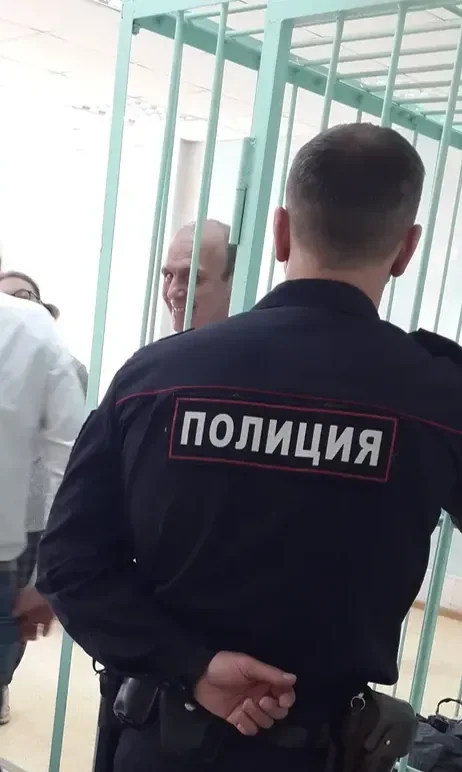
Hugo said:
- The clash of principles is like the clash of the elements ... The king protects the royal power, democracy protects the people.
So the world is arranged that power and society are absolute opposites. The power and spokesman of its interests is a policy, soulless, cynical mechanism. He is alien to the exalted ideals of humanity, the eternal value of the struggle for his neighbor, compassion for other people's pain. Indifference is the nature of power, its rod and support. This is natural, grass is green, no matter how colorful I would like. Guided exclusively by the ideals of love for his neighbor, it was unlikely that the authorities could fulfill its functions. During periods of political threats, shocks and crises, any power with all its power seeks to protect only their own interests. Just like any person at the time of danger throws every effort to save his life.
But crises come and go. Those who were the first enemy yesterday may turn out to be the best friend tomorrow. In 1983, the shot down civilian South Korean Boeing with hundreds of passengers on board only miraculously did not cause a nuclear war. 5 years later, the South Korean government proposed the USSR to participate in the Olympics in Seoul, and in return promised to withdraw claims on the knocked liner. Learn about such a cynical disinsection by the memory of their loved ones by politicians, the relatives of the dead and the press would have made a scandal for the whole world. This one and hundreds of similar examples show that
The authorities put its interests above universal values and easily unfolds 180 degrees, if it is beneficial to the political agenda. And that is her nature.
And the society and the expressor of his interests - journalism - cannot afford the privilege of changing interests for the sake of trends of time. The society either strives for justice and the eradication of common sores, or does not live at all. With any cataclysms, people help each other, which makes us people. Otherwise, it does not happen, otherwise, as Chekhov said, "paralysis of the soul." Society has only values, and they are unchanged for centuries. Nevertheating, mutual assistance, mercy and love for neighbor. Power can change interests, and society will never.
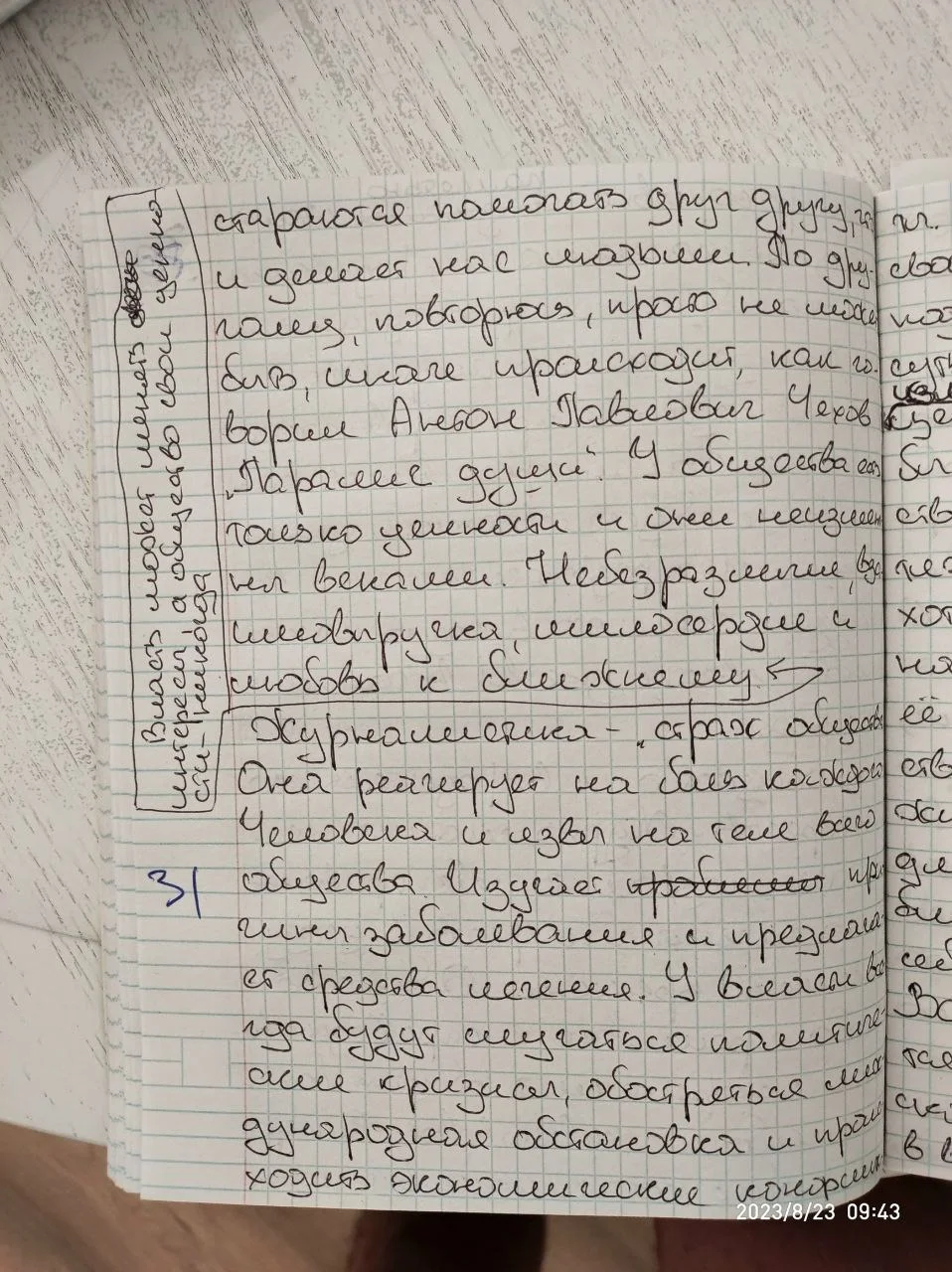
Journalism is the guardian of society. She reacts to the pain of each person and ulcers on the body of the whole society. Studies the causes of the disease and offers treatment products. Political crises will always happen in power, an international situation is aggravated and economic conflicts occur. And always the authorities will fight for its interests, the status quo in the subject areas. That is her essence. And journalism cannot change the values of its craft. No matter how hard it is, there should always be those at least one who will constantly resemble the authorities, that in addition to its interests there are still a person in the state. He is alive, he wants to live, love, raise children, belong to a common noble idea close to him and leave a good memory of himself. There should always be those who stand up for a policeman and talk about problems in the department. The one who tells about the troubles of the doctors. Anyone who tells about the arbitrary dismissal of a simple worker, so that respect for a person of labor will turn into normal. The person is not to blame for the fact that he wants to live, and not die by the stupidity and negligence of his boss. And the journalist is that he seeks to help this person, as he tells professional duty. How is the lines of the great Nikolai Nekrasov ask: "To the people to excite the attention of the powerful world - what could Lira be more worthy?"
In the struggle of a journalistic word for man, a priori can be no sunk. Indeed, under the uniform of a policeman, under the white robe of a doctor or under the special forces of a worker - the same person, and he wants to live and not be indifferent to what is happening in his life. And together we want to live in a fair and safe society. But no one will make him such.
The journalist is on guard of the interests of society. As a policeman does not have the right to turn away from the crime, so the journalist cannot look away from injustice only because the interests of one alcoholized mediocre suddenly coincided with the geopolitical crisis of power, and innocent people could suffer. The journalist cannot evade the confusing topic only because it can be interpreted otherwise.
Journalism changes the nature of its craft when it evades the study of injustice. And most importantly - its reasons. “When we find out the reason,” the great researcher of humanity Vladimir Ivanovich Vernadsky wrote in the article “War and the Progress of Science”, “we can easily solve the problem, and then humanity develops in the right direction.” The legendary Soviet journalist Anatoly Agranovsky taught that the main function of journalism is a search for an answer to the question: “What are the roots of our problems.”
Without a desire to get to the bottom of the truth, without the intention of healing society from the identified sore, journalism loses its meaning. And most importantly - without the desire to substitute the shoulder to the neighbor, the image of humanity itself disappears.
Saltykov-Shchedrin in the 80s of the XIX century was very relevant on this topic:
- Why, seeing a person helpless, do not have the right to give him a helping hand? Why, having the opportunity to tell a person a useful advice, oblige to defile his brains instead of well -intentioned nobility? Indeed, in the very nature of the human nature, there is a desire to sympathize with his neighbor and desire to raise his spiritual level to his spiritual level! Why should I deny myself this natural requirement? Почему, в случае неотказа, я обязан иметь по сему предмету объяснение с становым приставом? ( «За рубежом», 1881 ).
Несомненно, любой журналист заинтересован в том, чтобы найти громкую негативную историю произвола чиновников против человека или, скажем, хищения казенных средств. В этом смысл журналистики и требования читательского интереса. Но разве можно встретить более благородную картину, чем доктор, заинтересованный в поиске болезней и избавления от них организма? Справедливо ли обвинять, скажем, обувного мастера, стремящегося качественно чинить ботинки, чтобы прослыть хорошим специалистом? А можно ли упрекнуть в нечестности полицейского за то, что он прикладывает все усилия, чтобы раскрыть громкое преступление? Но исключительно
в моем случае стремление делать нечто полезное на общее благо, сама идея слова на службе общества названа аж мотивом совершения тяжкого преступления, цитирую: «в стремлении привлечь повышенное внимание к своей личности и осуществляемой им журналистской деятельности».
Великий композитор, поэт и певец Александр Вертинский считал самым трудным привлечение внимания к себе и своему творчеству, а актеры МХАТ им. Чехова отказывались выходить на сцену, если их фамилии отсутствовали в афише спектакля. Моя, тогда еще совсем маленькая, дочь София, занимаясь танцами, не хотела выступать, если я не смотрел в зале. А сын Иван просил, чтобы бабушка отправляла мне его фото, когда он брал новый рекорд количества кругов на пробежке. Рембрандт пририсовал себя на картине «Христос во время шторма на море Галилейском», художник Николай Ге висел на кресте, стараясь понять, о чем думал Иисус, а Лев Толстой смотрел и говорил: «Так и было». Желание поделиться с миром своими успехами и талантами — в самой природе человеческой. И только мне, только потому что я — личность и осуществляю журналистскую деятельность, запрещено привлекать к себе внимание, ибо исключительно для меня это мотив тяжкого преступления.
Европейский суд по правам человека, до середины 2022 года (в соответствии со статьей 15 Конституции России) толковавший профессиональные законы и стандарты журналистики, ясно определял, что она несет в государстве функцию — дословно — «сторожевой собаки общества» и «стража общества». Точно так же, как полицейский — «страж закона», прокурор блюдет его точное исполнение, а суд — хранитель права. Но моя профессия абсолютно беззащитна, когда орудием против нее используется безусловность юридического факта. Журналистика, заведомо слабая, безусловно, окажется повержена строгими юридическими требованиями. Но исследование журналистом болячки на теле общества, даже если он в чем-то ошибается, никак не может быть мотивом тяжкого преступления, а привлечение внимания к проблеме словом в статье — злодеянием против ни много ни мало общественной безопасности.
Никак не может быть в интересах общества игнорирование причин массового отказа бойцов полицейского спецназа своей республики служить в силовом ведомстве. Ведь полицейские охраняют правопорядок в регионе, а людям завтра отводить детей в детсады и отправлять в школы.
В законном и вполне объяснимом интересе общества априори не может быть крамолы. И тут я вновь обращусь к одному из своих моральных авторитетов — писателю Виктору Гюго:
— Изучать уродливые черты и болезни общества, указывать на них для того, чтобы излечить, — это не та работа, где можно выбирать… Когда речь идет о том, чтобы исследовать рану, пропасть или общество, то с каких это пор стремление проникнуть вглубь, добраться до дна считается предосудительным? Мы всегда считали это проявлением мужества, во всяком случае, делом полезным и достойным сочувственного внимания». ( «Отверженные», глава «Арго» ).
Журналистика априори не может быть виновата в том, что она исследует болячки общества и причиняет неудобства власти, подвигая решать проблемы. Полицейского не отправляют в тюрьму только за то, что он выявил хищение бюджетных средств чиновниками — и это бросило тень на государственную власть в целом. Врача не сажают за решетку за то, что он обнаружил у человека опухоль — и это испортило статистику Минздрава. Пожарный не может сидеть в заключении только за то, что увидел клубы дыма на горизонте и ударил в набат. Журналист не может нести ответственность за то, что он разглядел скрываемую чиновниками язву на теле общества. Преступность не может побеждать полицию, болезнь не должна изгонять врача, а проблема в обществе не может одолеть журналистику. Общество не может жить и развиваться, будучи лишенным права знать о своих язвах и болячках. Без права исследовать их, обсуждать и всем вместе искать лекарства.
— Вопрос самый жгучий именно тогда и утрачивает значительную часть своей жгучести, — пишет Салтыков-Щедрин, — когда он подвергнут открытому исследованию (допустим, даже самому страстному). ( «Письмо 11-е» , 1882 ).
Живое всегда будет бороться за живое и стремиться залечивать раны на своем теле. Дерево выбрасывает смолу на поврежденный участок не для того, чтобы скрыть уязвимость, а для того, чтобы защитить организм от развития болезни.
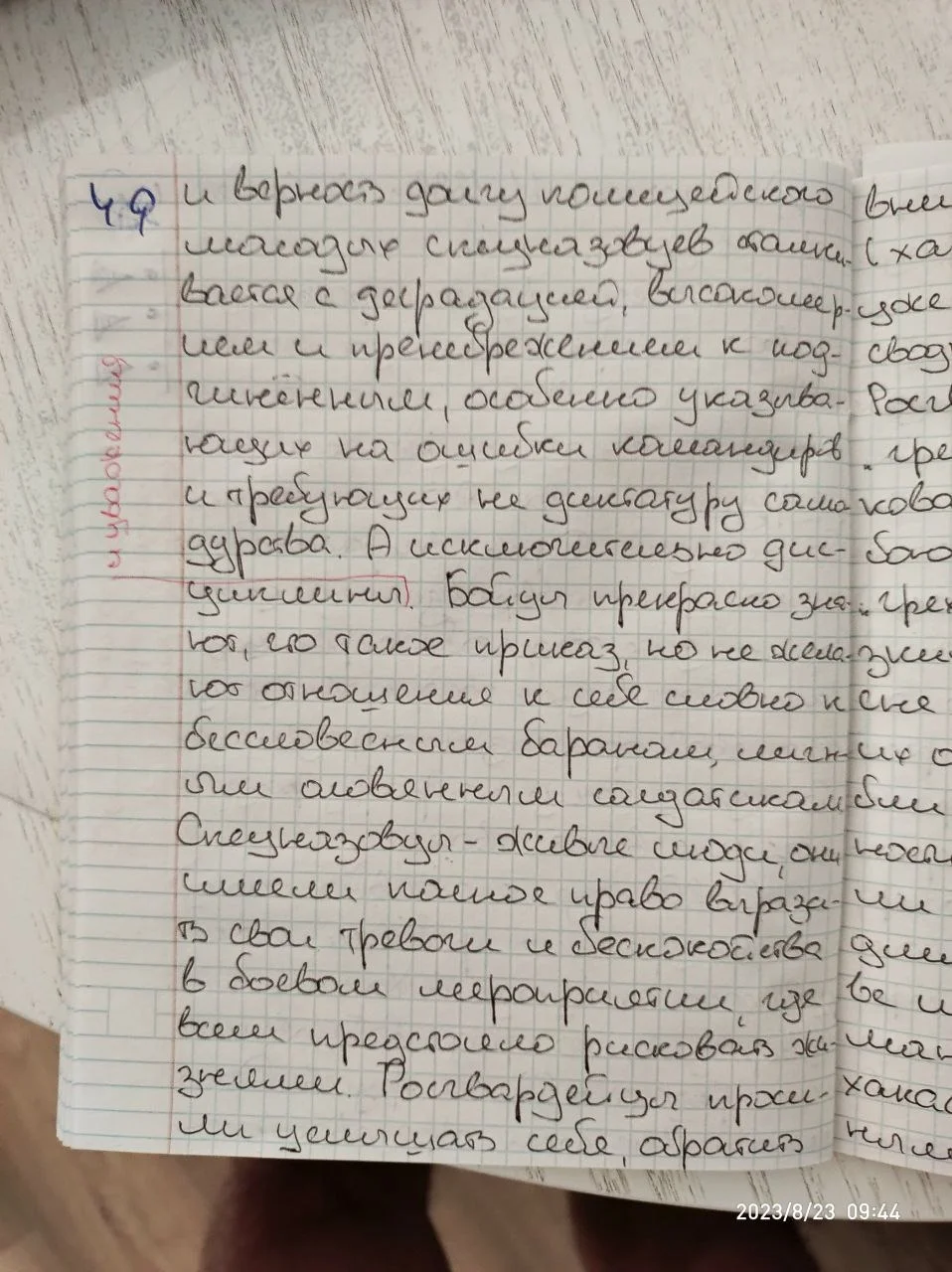
С 2020 года я активно освещаю внутренние проблемы полицейского спецназа в Хакасии и утверждаю, что среди бойцов нет ни предателей, ни трусов. Достоинство личности, образованность и верность долгу полицейского молодых спецназовцев сталкивается с деградацией, высокомерием и пренебрежением к подчиненным. Особенно к тем, кто указывает на ошибки командиров и требует не диктатуры самодурства, а исключительно дисциплины и уважения. Бойцы прекрасно знают, что такое приказ, но не желают отношения к себе словно к бессловесным баранам, личным оловянным солдатикам. Спецназовцы — живые люди, они имели полное право выразить свои тревоги и беспокойства в боевом мероприятии, где всем предстояло рисковать жизнями.
Росгвардейцы просили услышать их, обратить внимание на общие проблемы хакасского ОМОНа и избавить уже от, как выразился командир сводного отряда республиканской Росгвардии Алексей Корниенко, «грешка» Александра Ломаченкова. Никто не хочет умереть в бою из-за частого впадения в «грех» командира. Никто из близких отказников в страшном сне не захотел бы увидеть, что их отцы, сыновья, мужья погибли из-за чьей-то «греховности», безответственности.
В итоге полицейские были вынуждены искать справедливости в журналистском слове и публично привлекать внимание к застарелой проблеме хакасского ОМОНа.
И единственным мотивом моей публикации было стремление заступиться словом за рядовых бойцов, привлечь внимание к несправедливости и разрушительным проблемам в отряде, в полной мере проявившимся в критической ситуации.
В этом нет злого умысла, это нормально для общества, желающего знать причину отказа каждого третьего бойца спецназа полиции их республики от выполнения приказа. И как минимум версию самих рядовых полицейских. А в первую очередь в независимом выяснении причин заинтересована сама власть. Именно так исцеляются болячки общества — словом и светом.
— Только разделенное страдание может помочь отыскать выход из тьмы к свету, — пишет в «Письме 14-м» Салтыков-Щедрин в 1882 году.
За 26 лет в журналистике 16 из них меня бьют, судят, держат в тюрьме только за то, что я словом, только журналистским пером заступаюсь за человека, сограждан и журналистской деятельностью привлекаю внимание к болячкам на теле общества. Я умею, повторюсь, постоять за свою профессию и ее ценности борьбы за человека. Потому что наше ремесло не менее важно, чем профессия полицейского, стоящего на страже правопорядка, или судьи, охраняющего право. И функции журналистики в обществе нужно уважать, а не топтать, пользуясь беззащитностью нашего ремесла перед юридическими уловками. За всё время преследования я никого не ударил, не потребовал судить и тем более не добивался отправить своих гонителей в тюрьму. Я всегда просил только об одном: уважать самое благородное ремесло — слово журналиста на службе общества. Ведь ничего, кроме слова, у общества для своей защиты нет.
Преследуя же за слово в защиту ближнего в моих статьях, меня тем самым словно пытаются приучить к тому, что проявление произвола, самодурства, беззакония, равнодушия, а порой и убийственной глупости разного рода чиновников — это не моё дело.
Нет, это именно моё дело.
— Никакое правдивое перо, — пишет всё тот же «наше всегда» Салтыков-Щедрин, — не возьмёт на себя вычеркнуть из наличности то, что хотя бы не в равной степени, но всеми чувствуется как основная и жгучая боль минуты.
Мне есть дело до причин гибели в пожаре троих детей на станции Аскиз, включая неспособность местных спасательных служб пресечь развитие трагедии и уберечь ребятишек от смерти.
Мне есть дело до причин гибели водителя в кабине грузовика в Сорске и последующего несправедливого отношения работодателя к его семье.
Мне есть дело до отцов, потерявших в роддоме жён и детей. Сегодня у них у всех новые семьи, родились малыши. У одних я стал свидетелем венчания, у других — крёстным их детей.
Мне есть дело до матерей, чьи, пусть и взрослые, дети были убиты, а причастные к этому преступлению ушли от ответственности.
Есть дело до забытой иконы Албазинской Божьей Матери, сейчас она возвращена в один из абаканских храмов, и есть дело до памяти детей, погибших более 60 лет назад в жуткой катастрофе под Минино.
Мне до всего в Хакасии есть дело, потому что я — журналист, и каждый человек — мой ближний. Я пришёл в журналистику не для того, чтобы отводить глаза от несправедливости и от язв на теле общества. Я не могу вот так просто сидеть
и рассказывать своим детям о верности идеалам гуманизма и при этом не замечать, что ищет справедливости потерявший семью отец, что забыт герой восстания или что творится произвол против омоновца из моего города. И мне не нужны ни власть, ни деньги. Я просто хочу быть рядом с униженными и оскорблёнными, отстаивая своим словом, своими публикациями их достоинство и вместе с ними добиваясь справедливости, подталкивая власть и людей к диалогу о том, как нам вместе справляться с язвами нашего социума.
Именно это и делает меня человеком и журналистом, и именно поэтому мне есть дело до любой несправедливости в хакасском обществе.
«Самый забитый, последний человек — тоже человек, и называется брат мой», — проповедовал Виссарион Белинский. «Тайна бытия человеческого не в том, чтобы только жить, а в том, для чего жить», — писал Достоевский. «Жив всякий человек не заботой о себе, а любовью», — подчёркивал Лев Толстой. И уж лучше пусть я ошибусь, даже не по своей вине, приводя в своей статье дату боевого столкновения или говоря о наличии человеческих жертв, чем равнодушно пройду мимо этой больной и страшной темы.
Известный советский писатель Юлиан Семёнов, рассуждая в романе «Противостояние» как раз об ошибке журналиста, особо подчеркнул: «Ошибка угодна обществу. Она — результат поиска».
Уже не говорю о том, что действовавшее на момент публикации европейское законодательство о свободе слова прямо разрешает ошибку в материале журналиста, в котором он исследует социальную проблему. Ведь, повторюсь, журналист — это не следователь, он не доказывает безусловную юридическую истину, а словом указывает на проблемы и пороки общества.
И ещё я точно знаю, что долг общества — заступаться за полицейских, потому что настоящие полицейские защищают общество и каждого человека в нём. Это и есть то, что во всём цивилизованном мире называется гражданским обществом.
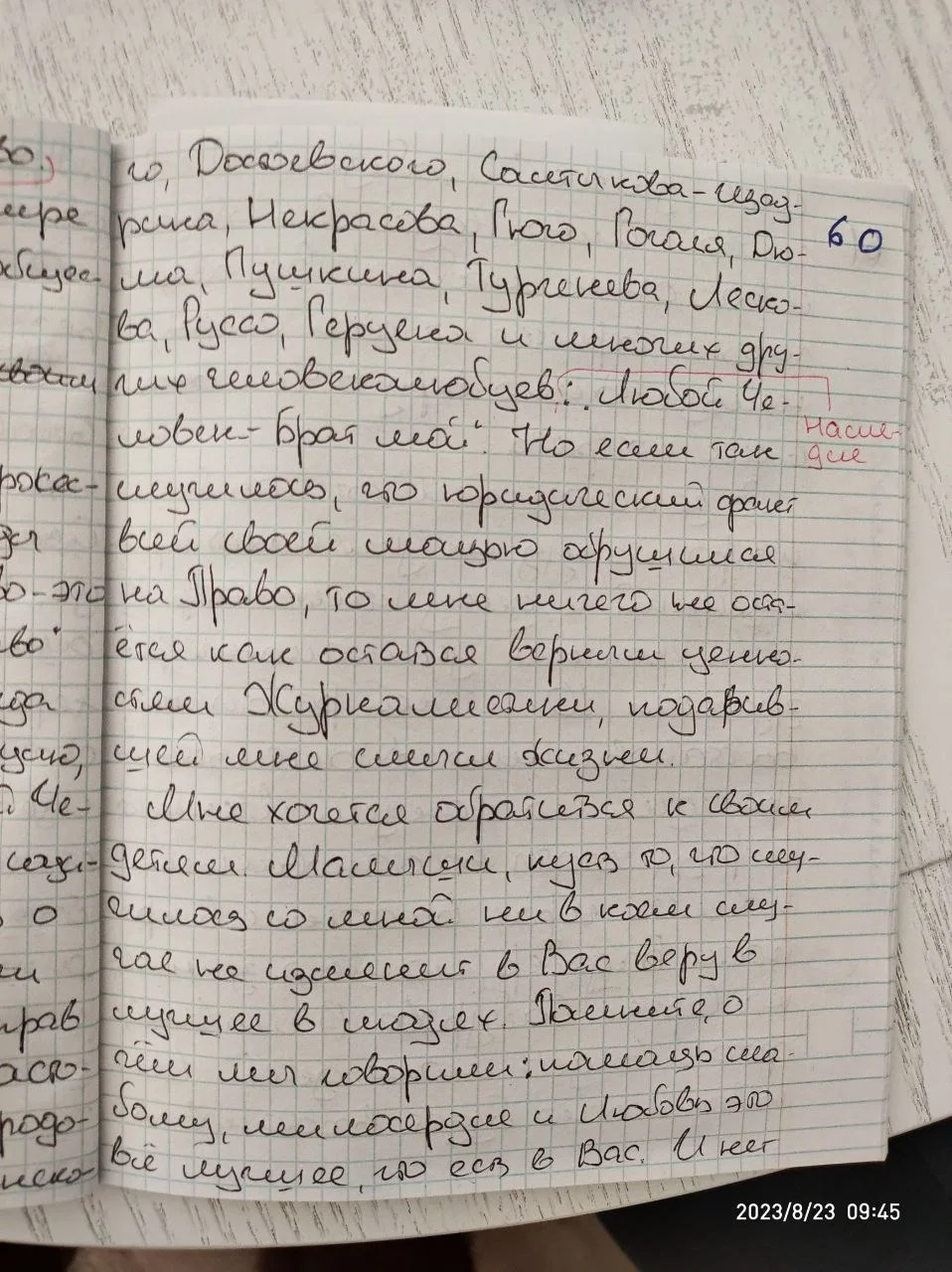
Виктор Гюго считал: «Торжествующему праву нет нужды прибегать к насилию. Право — всё, что истинно и справедливо» (роман «Отверженные»). У меня всегда была мечта создать редакцию, куда мог бы прийти любой человек — любой профессии и любого социального статуса — и рассказать о своей проблеме или трагедии, чтобы получить защиту своих прав журналистским словом настоящих «стражей общества», продолжающих великое дело Белинского, Гоголя, Достоевского, Салтыкова-Щедрина, Некрасова, Пушкина, Лескова, Руссо, Дюма, Герцена, Гюго, Тургенева и многих других человеколюбцев: любой человек — брат мой.
Но если случилось так, что юридический факт всей своей мощью обрушился на право, то мне ничего не остаётся, кроме как остаться верным ценностям журналистики, подарившей мне смысл моей жизни.
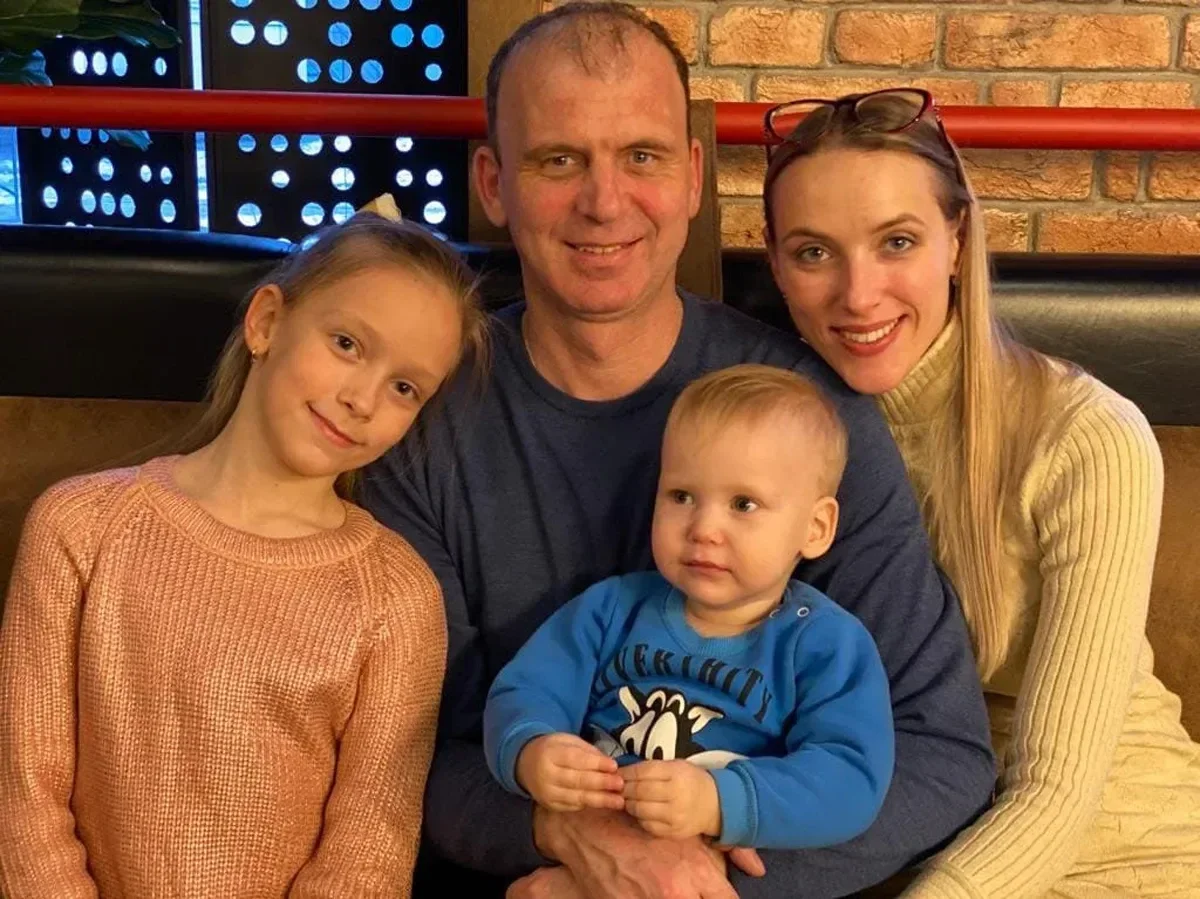
Мне хочется обратиться к моим детям. Пусть то, что случилось со мной, ни в коем случае не поколеблет в вас веру в лучшее в людях. Помните, о чём мы с вами говорили: помощь слабому, милосердие и любовь — это самое лучшее, что есть в вас. И нет слов «должен» и «обязан», а есть слово… слово «надо». I love you very much! Всё обязательно вернётся на свои места, нельзя только потерять в себе веру в человека.
В заключение хотелось бы попросить суд не уничтожать приобщённый к делу компьютер. В нём хранятся уникальные результаты 10-летней работы по восстановлению обстоятельств трагедии на станции Минино и результаты восстановления памяти героя восстания в крепости Бадабер (1985) нашего земляка Сергея Сабурова. А главное, фото и видео моих детей — их невозможно будет восстановить.
Завершить хочется моим любимым посланием к российской интеллигенции великого Михаила Салтыкова-Щедрина: «Сознайте же свою силу, но не для того, чтоб безразлично посылать поцелуи правде и неправде, а для того, чтоб дать нравственную поддержку добросовестному и честному убеждению. Право, без этой поддержки невозможно сделать что-нибудь прочное».
Спасибо, что выслушали.
29.08.2023»