
Translated material
Monument to his misfortune
“My father Buruzhev Osman Amimevich, my brother Buruzhev Daud Osmanovich, my brother Buruzhev Ibrahim Osmanovich, my brother Buruzhev Khizir Osmanovich, my uncle Buruzhev Magomed Amievich, my cousin Buruzhev Abdul-Azit Magomedovich. - Hanifa Buruzhev shows the names on the monument, explaining the degree of kinship. “And my aunt, the letter was not written here, a typo: Buruzheva Madina Amidevna.” All these people are considered missing. We meet with Hanifa Buruheva at the memorial to the victims of the events of the fall of 1992. The memorial was opened in 2014 at the entrance to the Nazran. The monument is dedicated to the Ossetian-Ingush conflict in the suburban area. This armed conflict arose due to a historically determined dispute about the lands of the suburban region. The territory of the memorial frames the semicircle of evergreen thui. Opposite a small mosque of three black steles: two in memory of the victims of the conflict. Only 378 surnames. On the central stele of 192, the names of the missing: 152 people disappeared during the days of the conflict, other disappearance occurred in the following years in the same area. On the same tombstones with a crescent, only the name and year of birth. There are no dates of death, these graves are empty. Meetings are held annually here: August 30 - on the day of memory of the missing, and on October 30 - on the anniversary of the conflict
I
Since 1922, the territory of the suburban district was part of the Ingush Autonomous Region, since 1934 it became part of the formed Chechen-Ingush Autonomous Soviet Socialist Republic. After 10 years, in 1944, after the deportation of Chechens and Ingush, the district became part of the North Ossetian Autonomous Soviet Socialist Republic. In 1956, the national autonomy of the Chechen and Ingush peoples was restored, but the suburban district remained in North Ossetia. In April 1991, the Supreme Soviet of the USSR adopted the Law “On the Rehabilitation of the Repressed Peoples”, which provided for territorial rehabilitation among other things. The situation in the suburban area was already difficult, and at the end of October 1992 it resulted in an armed conflict.
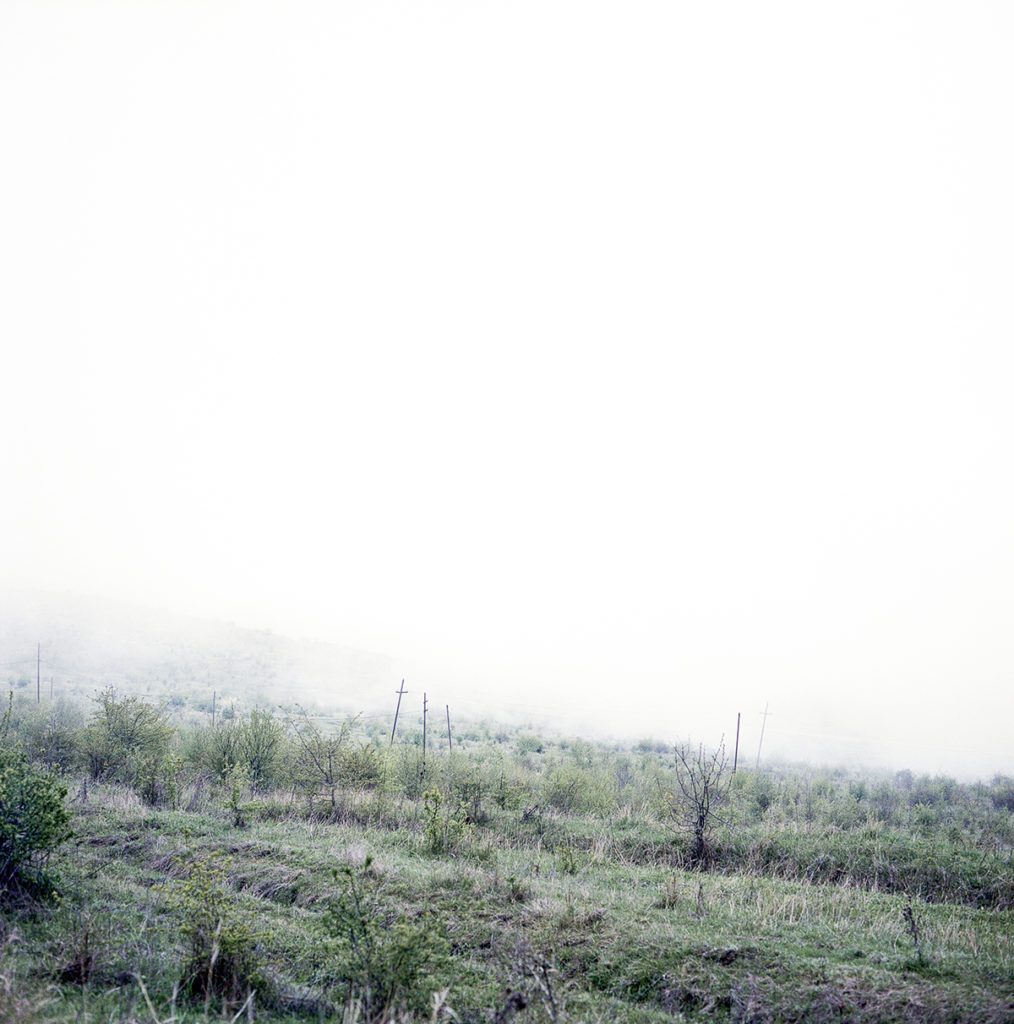 Malgobek district, Ingushetiyakoto: Svetlana Bulatova
The Khanifa Buruzheva family in the village of Oktyabrskoye Primurical District. When the shooting was heard, no one dared to leave the house, even the cattle was not fed. On the morning of November 3, Hanifa’s mother decided to take her daughter -in -law with her grandson and two of her sons from the house. It saved their life. Hanifa recalls that her mother returned the very next morning: “She said that she could not distinguish where human blood, because everywhere in the yard lay the severed heads of chickens and turkeys.” The house was plundered by looters, none of the remaining men were.
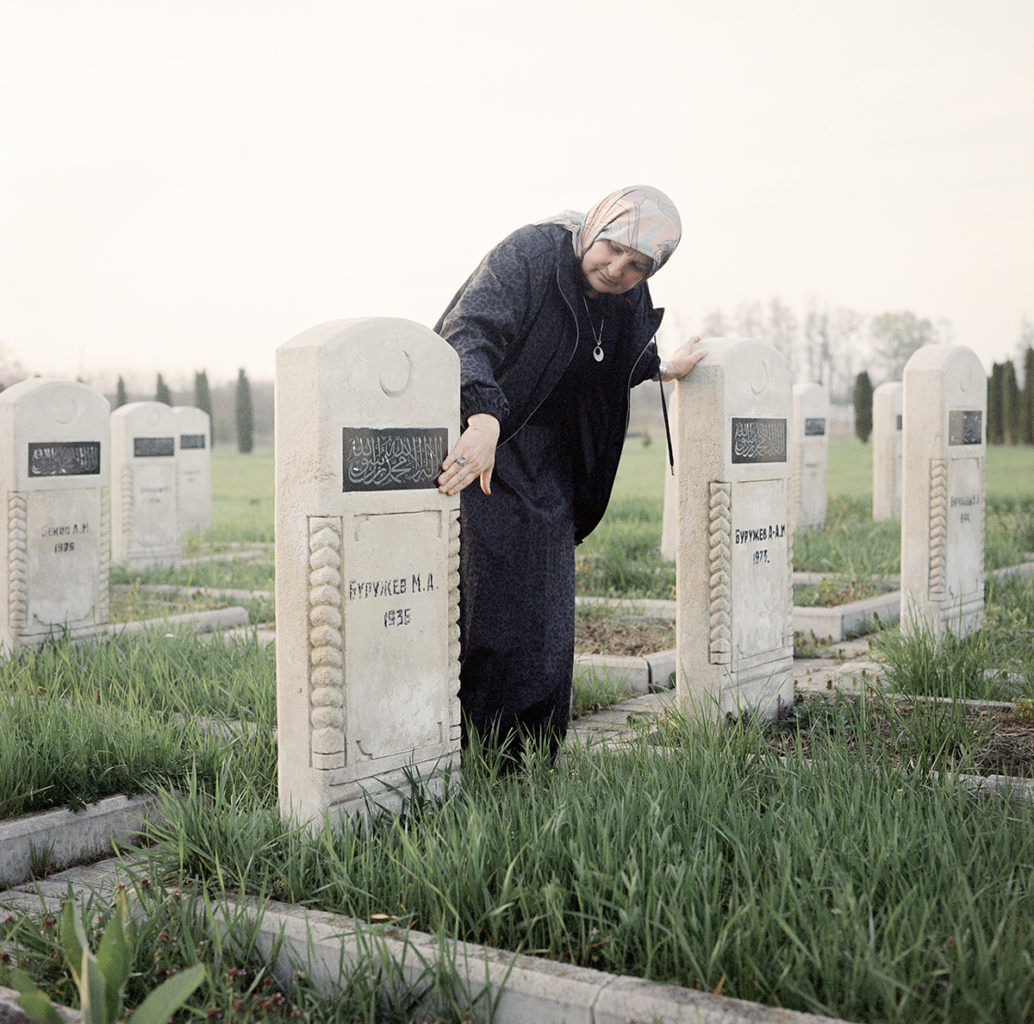 Hanifa Buruzhev’s symbolic tombstones of his family. In the fall of 1992, seven people disappeared in the Hanifa family. Hanifa works in the "Committee for Promoting the Search of hostages and missing." All employees work there free of charge. Memorial complex of victims of the Autumn 1992
years. Budders, Ingushetiyapoto: Svetlana Bulatova
The Hanifa family is not the only one who in those days did not know anything about the fate of their loved ones. In fierce armed clashes, which lasted five days, hundreds of families lost relatives. Then the relatives of the missing spontaneously founded the "Committee for Assistance to the Search of hostages and missing." All these years he was headed by Ayup Tsurov, 11 relatives of which are listed as missing. All his life Ayup hoped to find them and bury the remains. In May of this year he was gone. None of his family members failed to find.
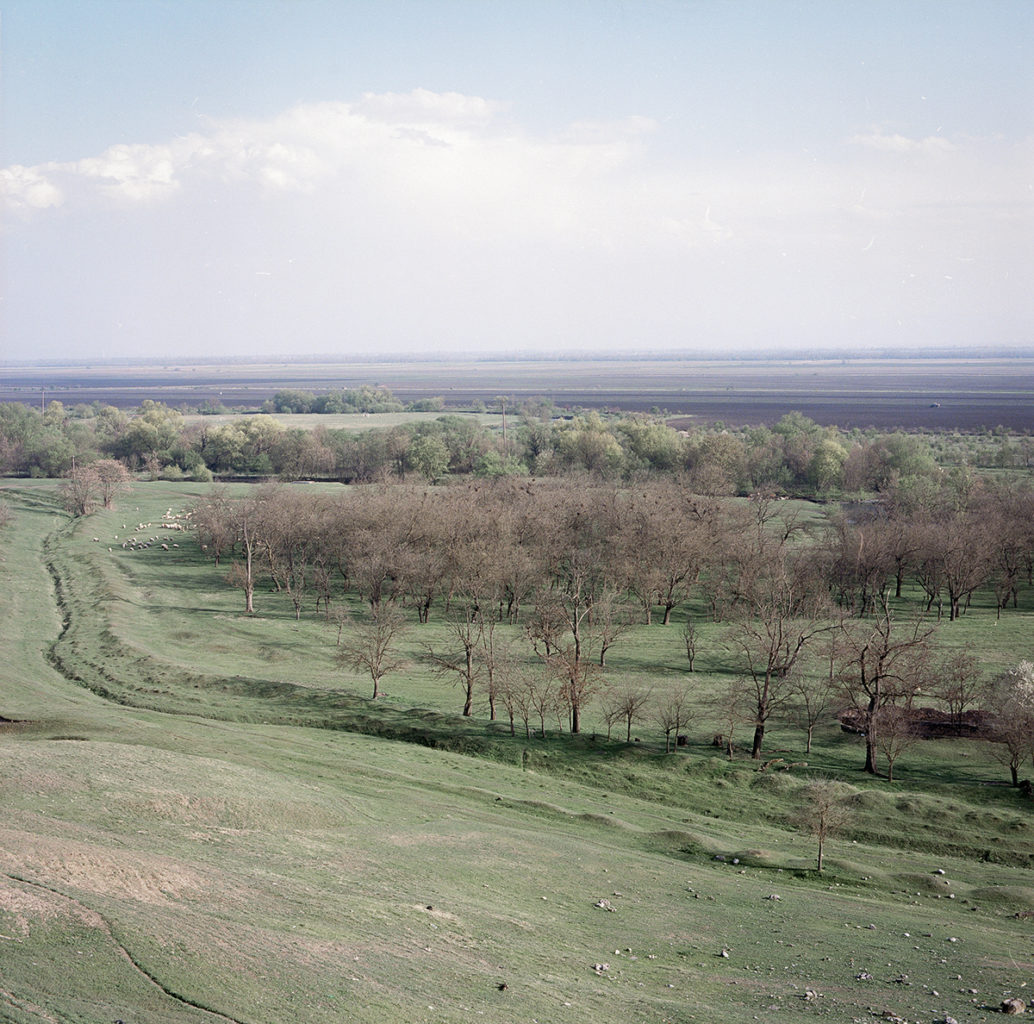 Kanteshevo, IngushetiyFoto: Svetlana Bulatova
II
“We have no right to forget bitter history lessons and must do everything so that in our country there are no more such tragedies that human life always remains the highest value, and violence against the individual and ideological impatience never repeated again,” the former president of Ingushetia Yunus-Bek Evkurov said at the opening of the memorial.
The place for the memorial was not chosen by chance: those who died in October 1992 were buried here, at the National cemetery "Gio -theazot Kashmash". Hanifa’s mother bequeathed to be buried there: “If my boys are buried here, I want to be near.” When the first identifications were carried out in hot pursuit, the woman hoped that none of her relatives would be among the dead, but the rest of her life was grief that she had not found anyone.
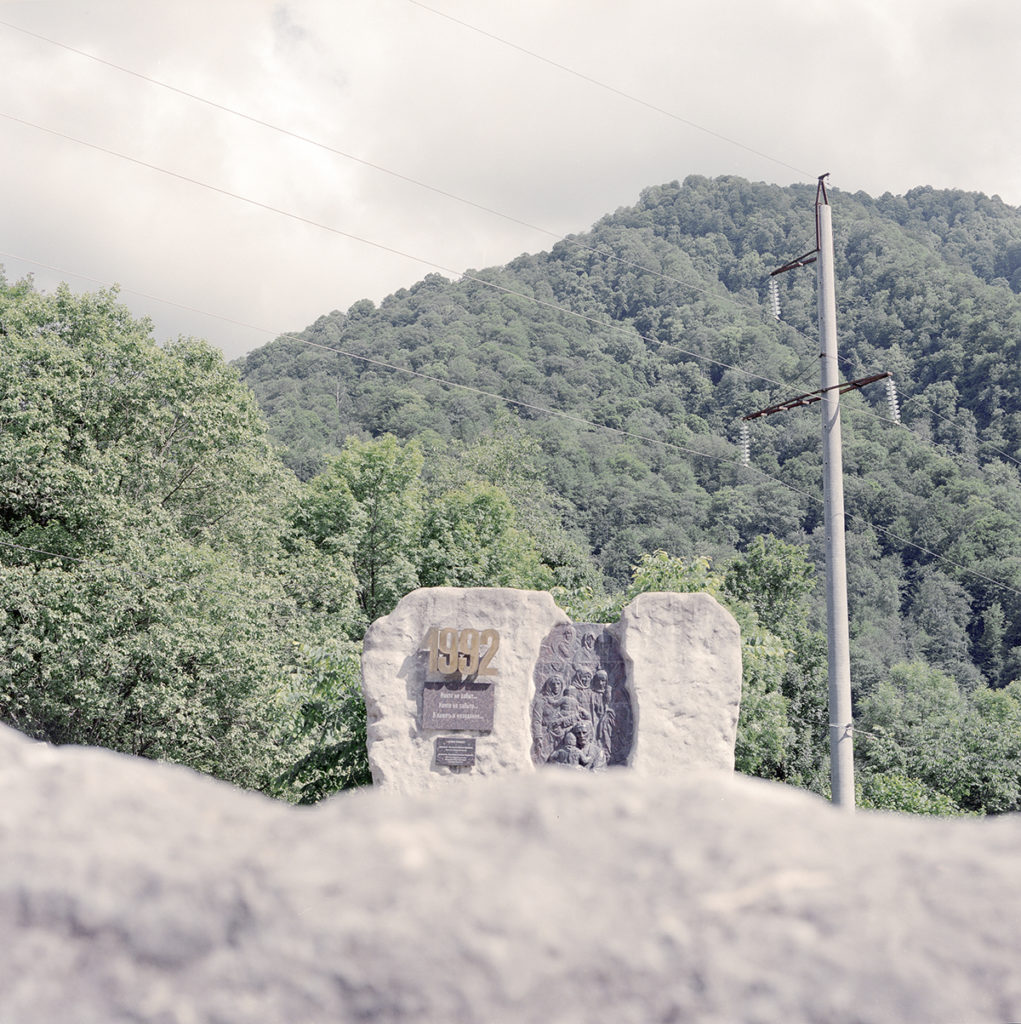 The Memorial "Road of Life" in the Assinsky gorge is dedicated to the inhabitants of Ingushetia, who helped those who were forced to leave their homes in the suburban area in 1992. The monument was erected in 2017 at the site of the refugee reception. The authors of the project: sculptor I. Polonkoev, architect Z. Polonkoev. Ingushetia, April 2023 Photo: Svetlana Bulatova
In 1998, in the neighboring Chechen Republic, General Alexander Lebed agreed with Akhmat-Haji Kadyrov on a joint search for missing persons, including military personnel. Thus, the Interregional Public Organization "Peacekeeping Mission named after General Lebed" was founded. Now it is headed by a member of the Human Rights Council Alexander Mukomolov. In 2009, with the assistance of a mission at the National Cemetery, 20 unidentified burials were exhumed. Then it was possible to establish the names of nine people: eight Ingush and one Ossetian - Elbrus Tsokhoev. His remains were transferred to his relatives in North Ossetia. Buried in the remaining 11 graves remained unidentified: their remains were not subject to DNA expertise. These ladder slabs are stained in yellow, the inscription on one: “Unknown decapitated woman 50–55 years old. Buried on 12/13/92. "
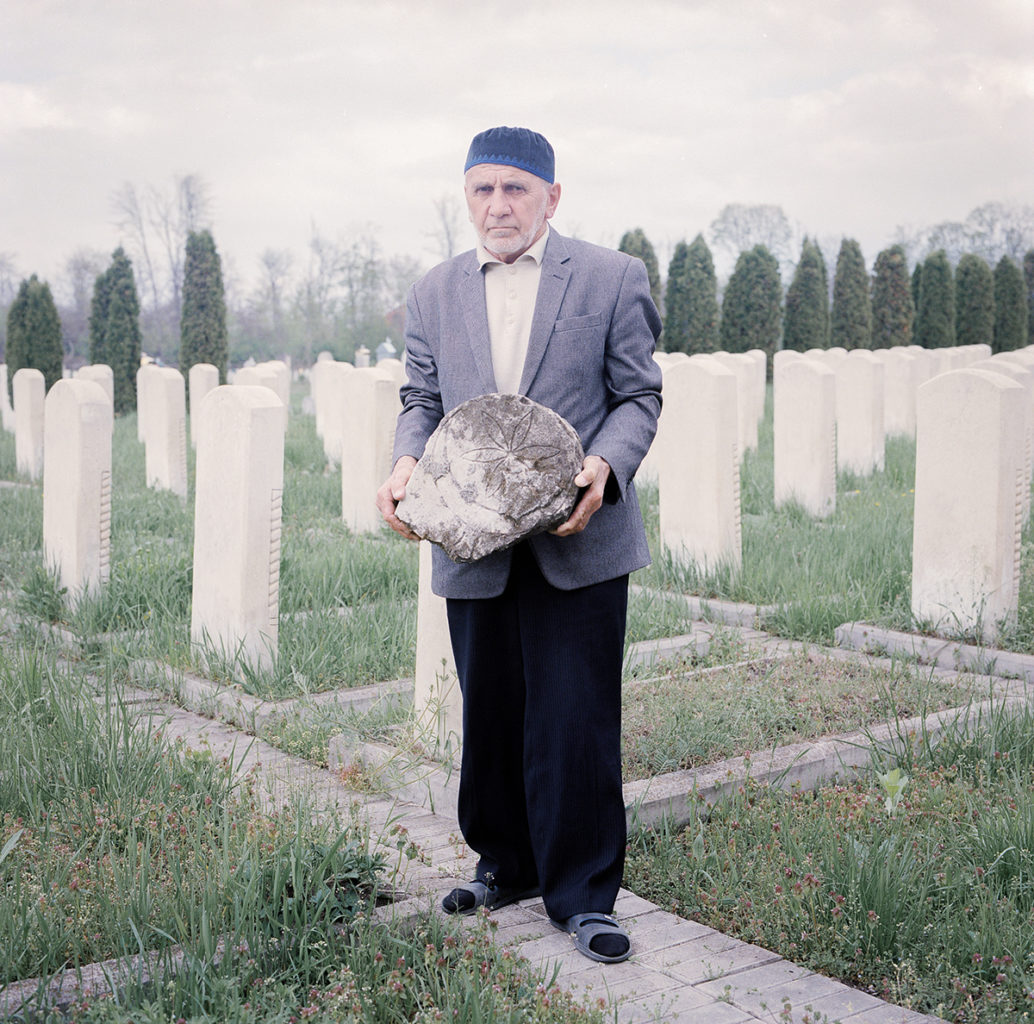 The caretaker of the cemetery Havage Sultygov holds in his hands a fragment of an old tombstone. Several such fragments were transferred to the Museum of the History of the Gulag. The memorial complex to the victims of the events of the fall of 1992. Budders, Ingushetiyapoto: Svetlana Bulatova
III
Then, in 2009, on the initiative of Yunus-Bek Evkurov, and thanks to the work of the “peacekeeping mission” in Ingushetia, a database of relatives missing appeared in Ingushetia. Specialists of the Rostov-on-Don military laboratory-one of the leading identification laboratories in the country worked on its creation.
Relatives of the missing on both sides - both the Ingush and Ossetian - passed blood samples. In such cases, experts advise using samples taken from children and parents for comparison. After the molecular genetic studies, a DNA profile is compiled, and on its basis a genetic passport is issued to a relative of the missing one. The passport is valid indefinitely and will be necessary in case of detection of the remains and their subsequent identification. In total, more than one hundred genetic passports were issued in Ingushetia.
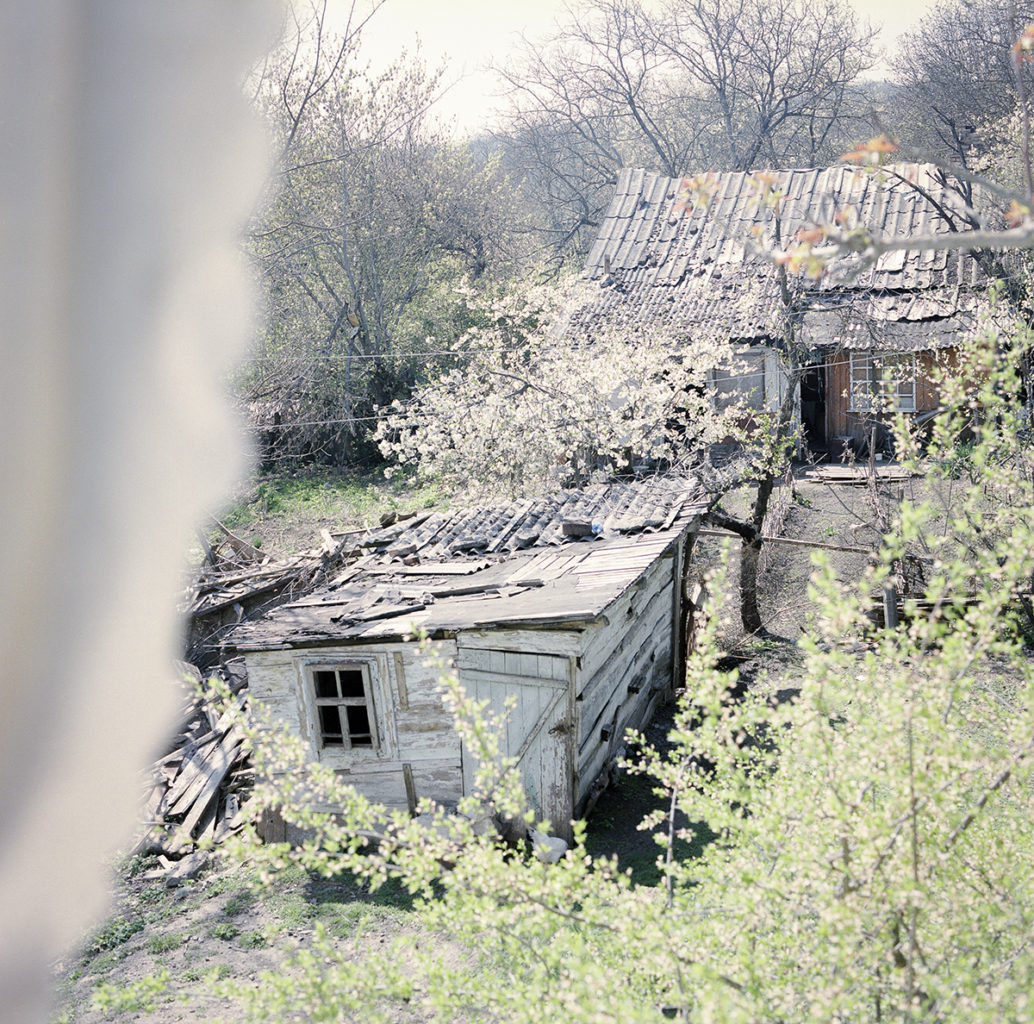 Voznesenskaya village, Ingushetiykoto: Svetlana Bulatova
If the remains are found, they will be properly collected, and then sent to analysis, during which the expert will answer the main questions: are the remains of human? Do the remains have the attitude to the conflict under consideration or disaster? How many persons have the collected remains? Who are these faces? What are their names and surnames? What is the cause of their death?
Posthumous data includes not only the general information about the remains (age, gender, growth), but also medical information, for example, dental information. Special signs of the remains: signs of old bone fractures or traces of surgical operations, the condition of the teeth and signs of dental intervention, seal; The presence of injuries and posthumous damage to the remains, both intentional and random. The posthumous data also includes clothing and personal items found in the remains. All this information is compared with the lifetime data of the missing person.
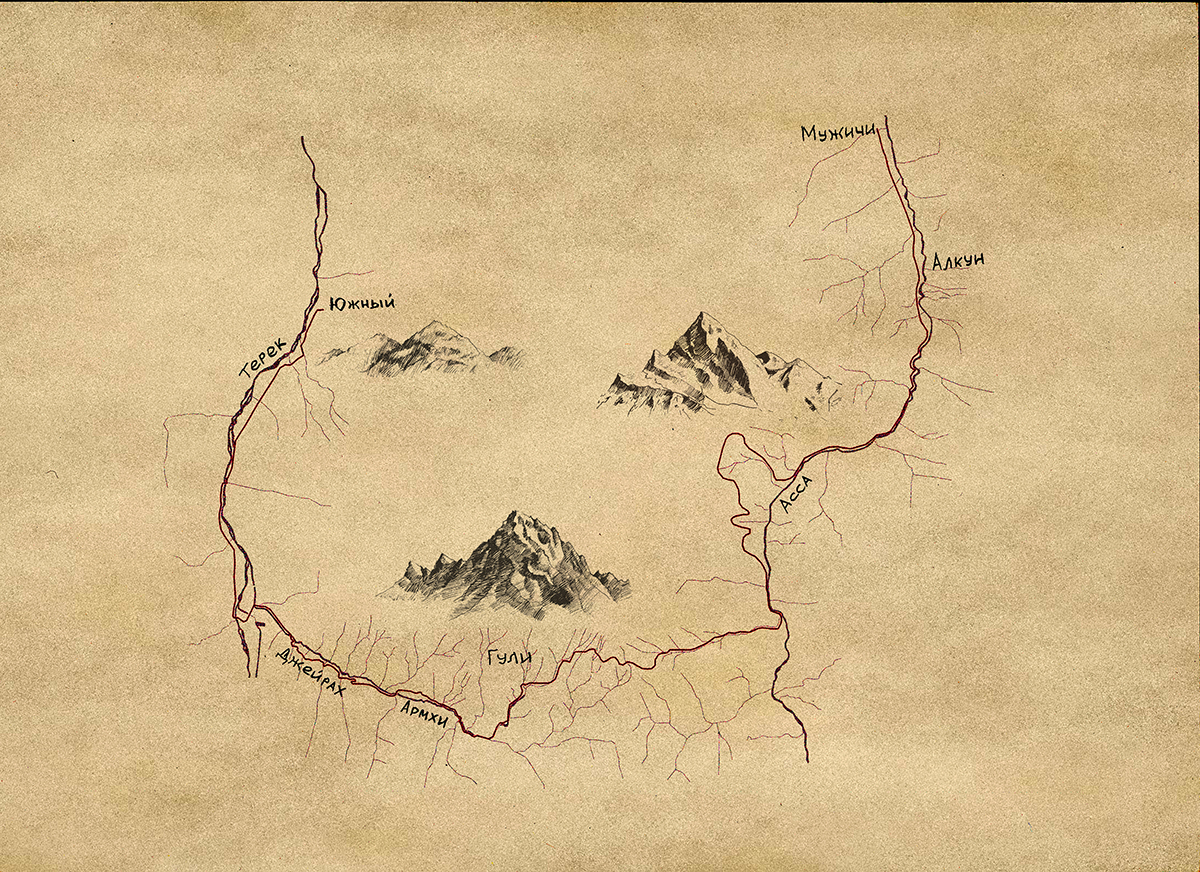 The route of the road of life along which the family of Ruslan Akhilgov and other forced migrants)
Psychologists, specializing in the psycho -trauma of relatives of missing people, note that a person is forced to live in a situation of constant expectation: either news of death, or returning home. It can only become easier when the fate of the missing person becomes clear. When it will be possible to mourn and with dignity to say goodbye, buried according to the accepted tradition.
In Ingushetia, if there are no obstacles, the deceased Muslim is buried on his death day or the next day in his family village. Many of those who live outside the republic often bequeath to the family to bury them on their native land. At the entrance to the territory of the Ingush cemetery, a reminder: “Peace to you! About believers living in this cemetery! Truly, we will also join you if you want Allah. I ask Allah well -being for us and for you. ”
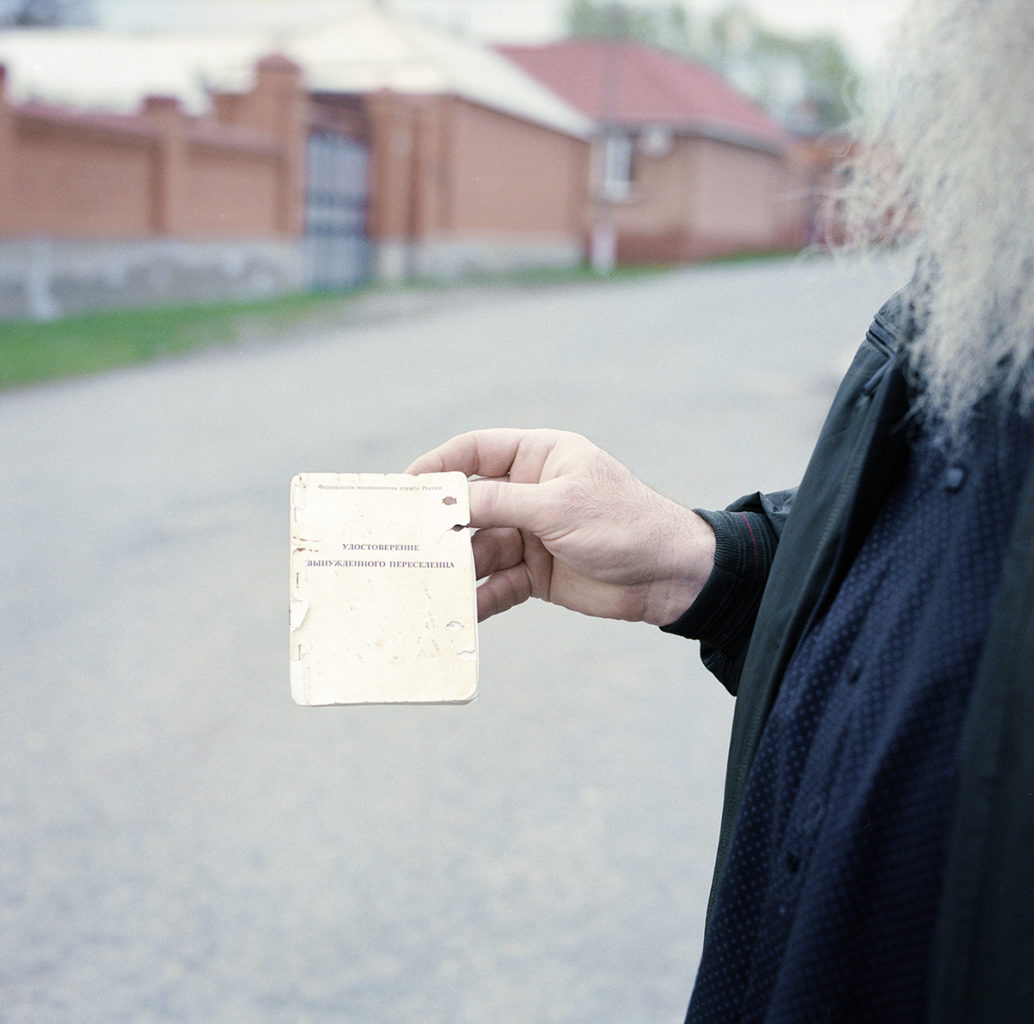 Ruslan Achilgov shows the certificate of a forced immigrant. Kanteshevo, IngushetiyFoto: Svetlana Bulatova
IV
In the fall of 1992, the family of Ruslan Akhilgov managed to escape: they were able to leave along with other residents of the suburban district through the Jayrakh gorge along a complex mountain route, which in Ingushetia is called the "road of life". Within two weeks, about 40 thousand people, according to various estimates, had been released from the zone of military operations along the narrow paths of the rocky ridge and the Assinsky gorge.
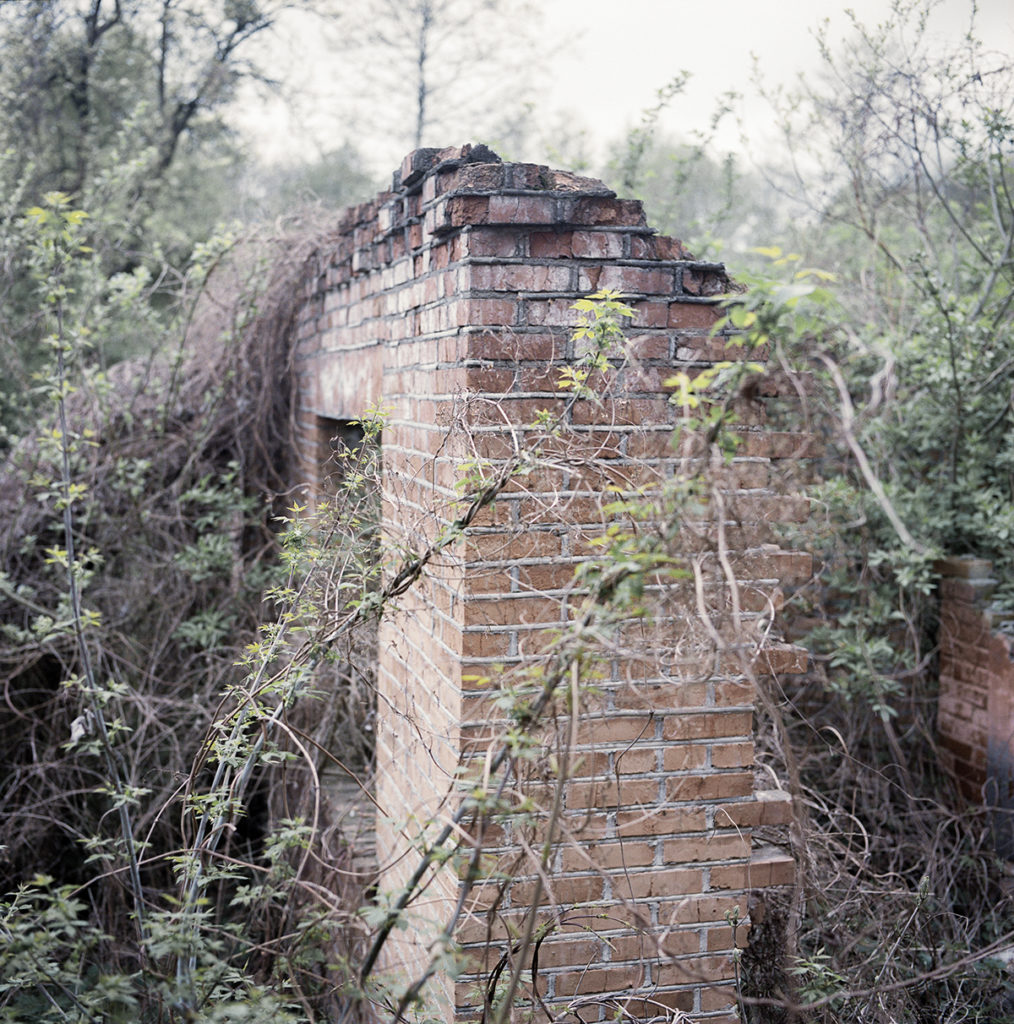 The house that Ruslan Achilgov began to build. Yuzhny village, Vladikavkaz, North Ossetiyakoto: Svetlana Bulatova
Based on the special order of the first president of Ingushetia, Ruslan Aushev, temporary barracks from plywood were built for the families of forced immigrants. Journalist Julia Akhmedova in the material of “such affairs” “We did not know that we are leaving for life” describes the barracks as follows: “In winter it is cold, and in the summer it is unbearably stuffy. Each has 20–25 rooms and a common corridor, amenities on the street. During the construction, no one thought that people would live here for almost 30 years. During this time, the walls squinted, swelled, and from the side these buildings are similar to thick long worms, which accidentally found themselves on the ground, where they have no place. ”
In one of these barracks in 2003, 103-year-old Bazilov Bazilgova, grandmother Ruslan for his father, died. His parents, Magomet and Madina Achilgov died here. Ruslan promised them that he could return the house in the village of Yuzhny, and held his word. In fundamentally, abandoning the housing certificate, which, as compensation, was offered to families that lost housing, Ruslan still remains in the status of an forced migrant.
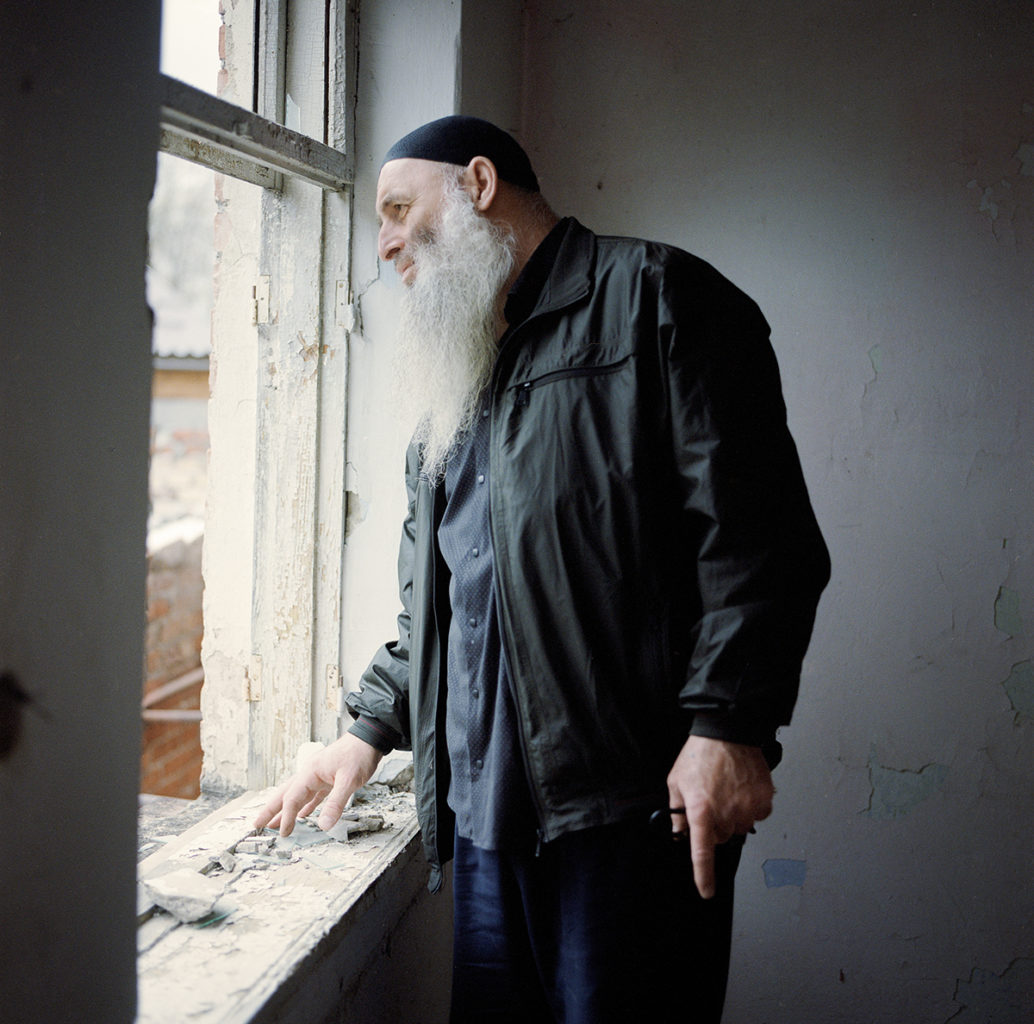 Ruslan Achilgov in his house. Yuzhny village, Vladikavkaz, North Ossetiyakoto: Svetlana Bulatova
Now Ruslan lives in a hut with his younger brother Ibrahim. Ibrahim is seriously ill from childhood, Ruslan took upon himself all the concern for him and helps his brother cope with the attacks of epilepsy. Starting the lawsuit in 1996, Ruslan was able to return to his house only in 2017. During this time, the house was dilapidated and became unsuitable for housing. There is nowhere to return to Ruslan and Ibrahim.
Among the broken glasses and bricks on the ground floor of the house, Ruslan suddenly finds a couple of boots. Once they belonged to his father Mohameta, who built this house. In 1992, Magomet Achilgov left the house a second time in his life, the first-in February 1944.
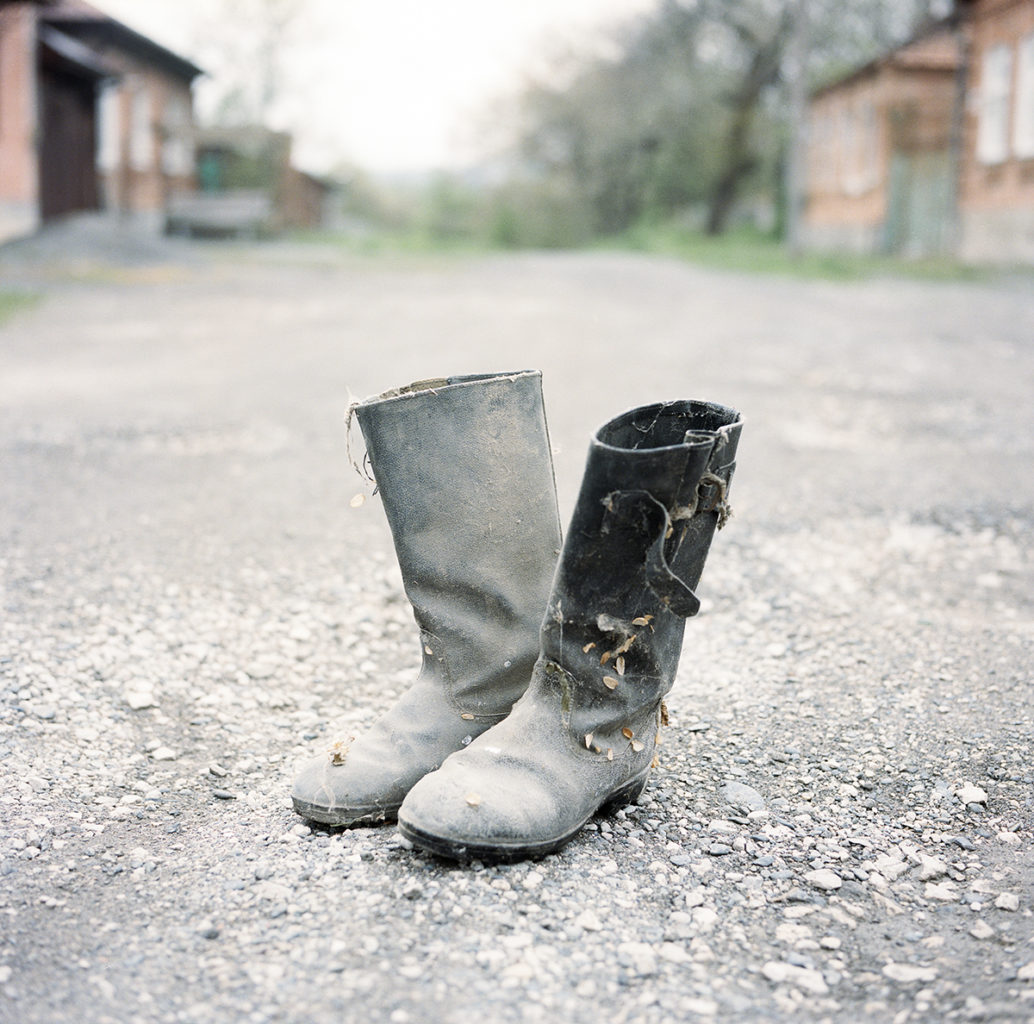 Fatherland boots that Ruslan found on the ground floor of the house. Yuzhny village, Vladikavkaz, North Ossetiyakoto: Svetlana Bulatova
V
In the early morning of February 23, 1944, Chechens and Ingush were evicted from their houses and sent to Kazakhstan and Kyrgyzstan. The deportation of peoples was one of the forms of Stalinist repressions in the USSR - families were given very little time for fees and in trucks were brought to the nearest railway stations. There, people were transplanted into commodity covered cars with one window and sliding long doors. There were no conditions there - usually the cattle were transported like that.
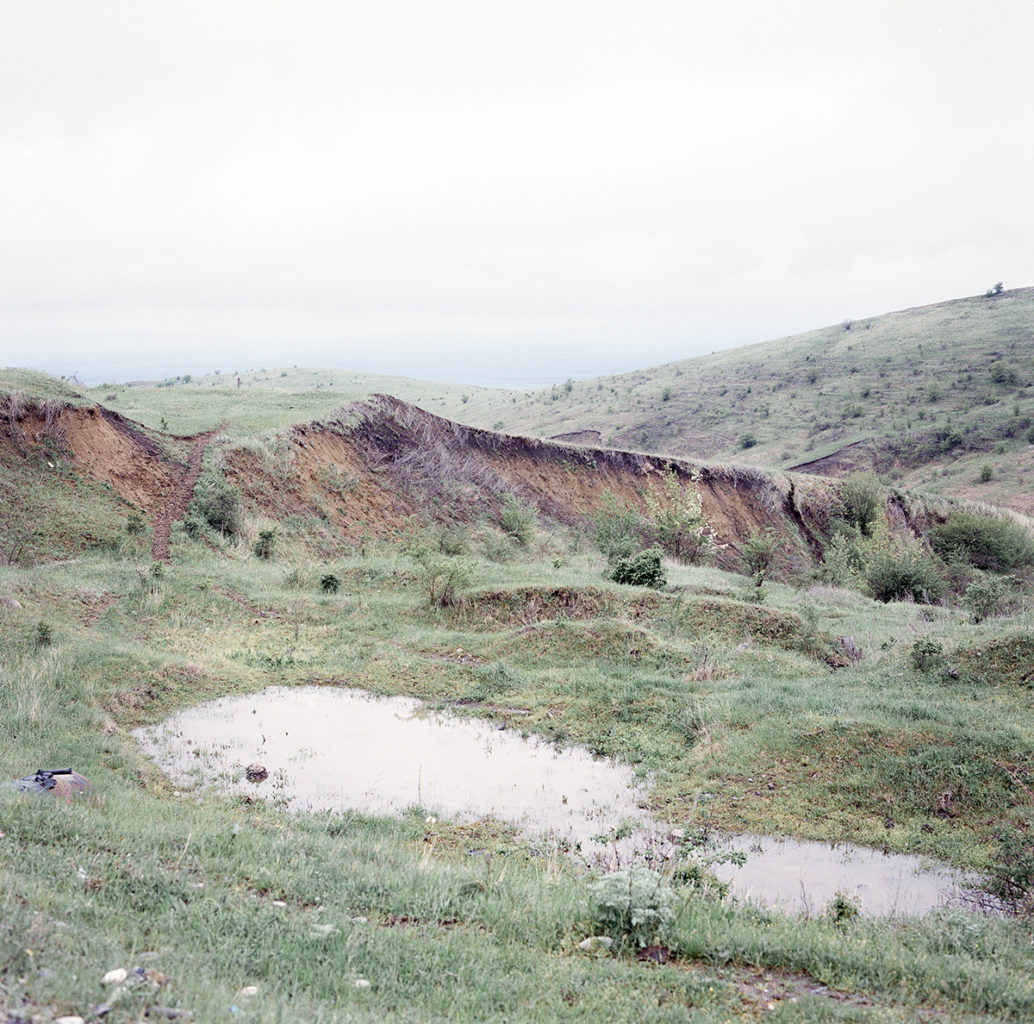 Malgobek district, Ingushetiyakoto: Svetlana Bulatova
Eyewitnesses recall that in every car there were 40 people or more. On the way, which took more than two weeks, there was no talk of any medical care. In total, according to various sources, from 500 to 650 thousand people were evicted to the territory of Kazakhstan and Kyrgyzstan. A quarter of them did not survive the deportation or died shortly after it. The Chechen-Ingush Autonomous Soviet Socialist Republic was abolished.
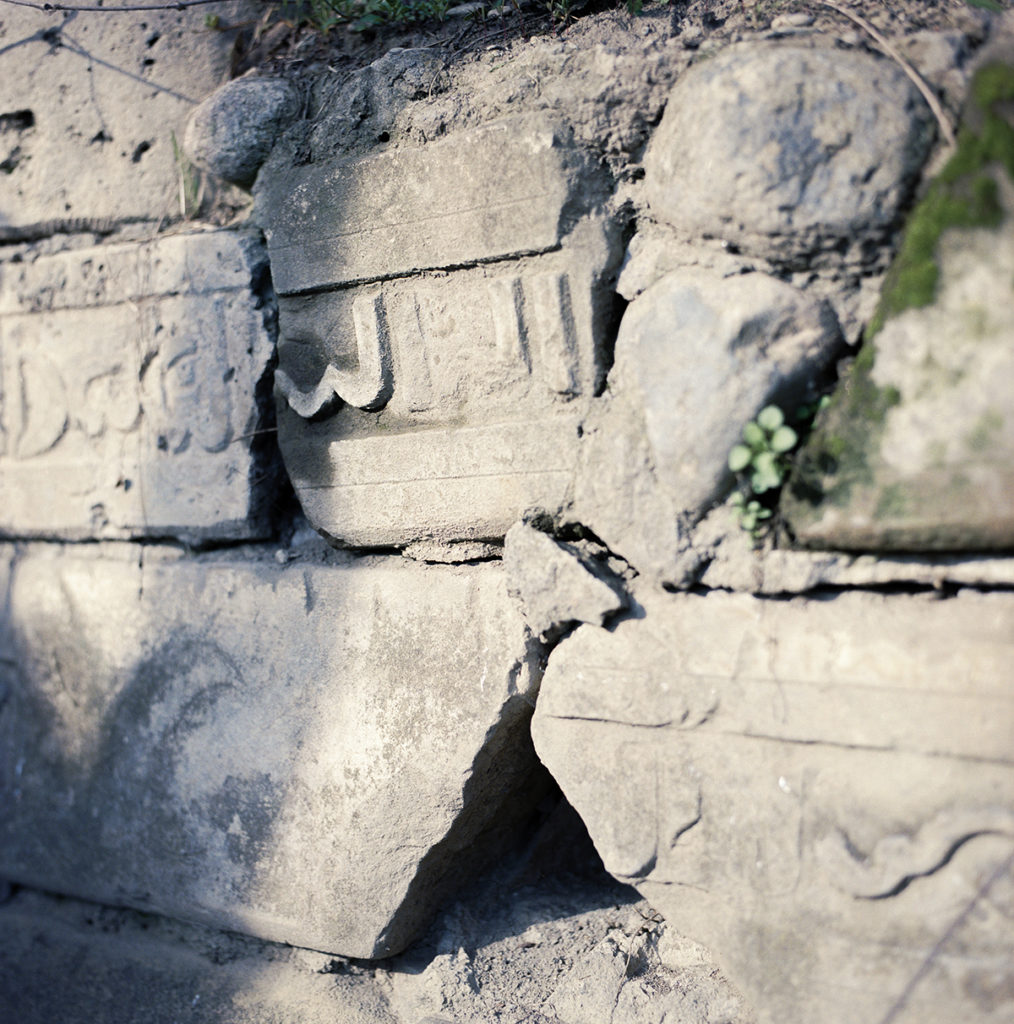 The foundation of the former hydroelectric power station, at the basis of which, during construction, tombstones were used. On some, fragments of the Arabic Vazi have been preserved. Kanteshevo, IngushetiyFoto: Svetlana Bulatova
In 1957, 13 years after deportation, the USSR government restored Chechen-Ingushetia, and the “special migrants” were allowed to return home. Over the years, many villages and auls ceased to exist: residents had nowhere to return. Many families remained to live in Kazakhstan. Folk crafts have disappeared, only rare samples remained from traditional items of life, clothing, weapons. Valuable subjects of material culture were disposed of in museums, in the exposition of which were marked with "household items of the Caucasus."
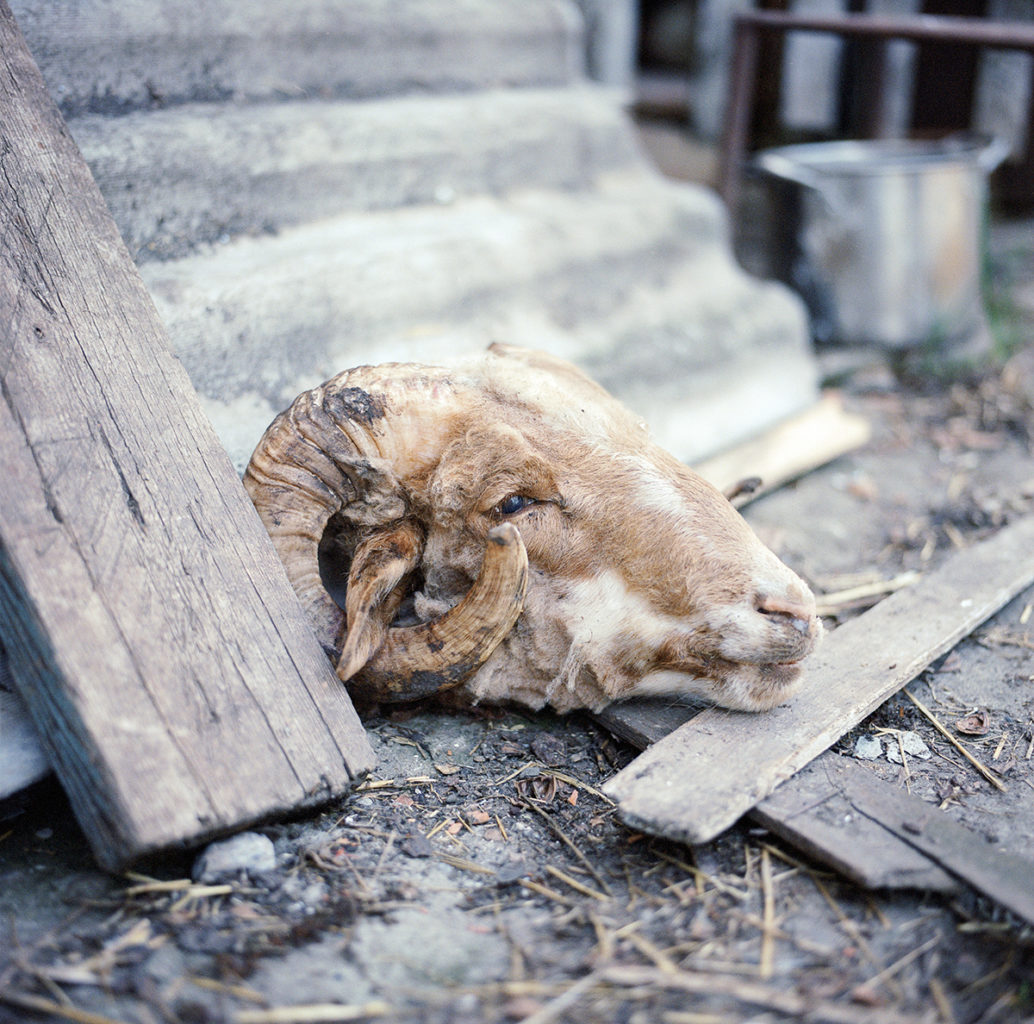 Preparation for the holiday of ID al-Fitr. Voznesenskaya village, Ingushetiykoto: Svetlana Bulatova
The tragic fate also suffered Churts - tombstones. During the years of deportation, Churts were used as a building material instead of burnt brick, concrete pillars, slabs and stone. In the rural areas of the republic, they are often found and still fragments of Churts, laid out as a roadway, permits for monuments to revolutionaries and government officials or used as part of the foundation for farms on farms and during the construction of hydroelectric power stations. Now it is already impossible to establish which state body has given such an order.
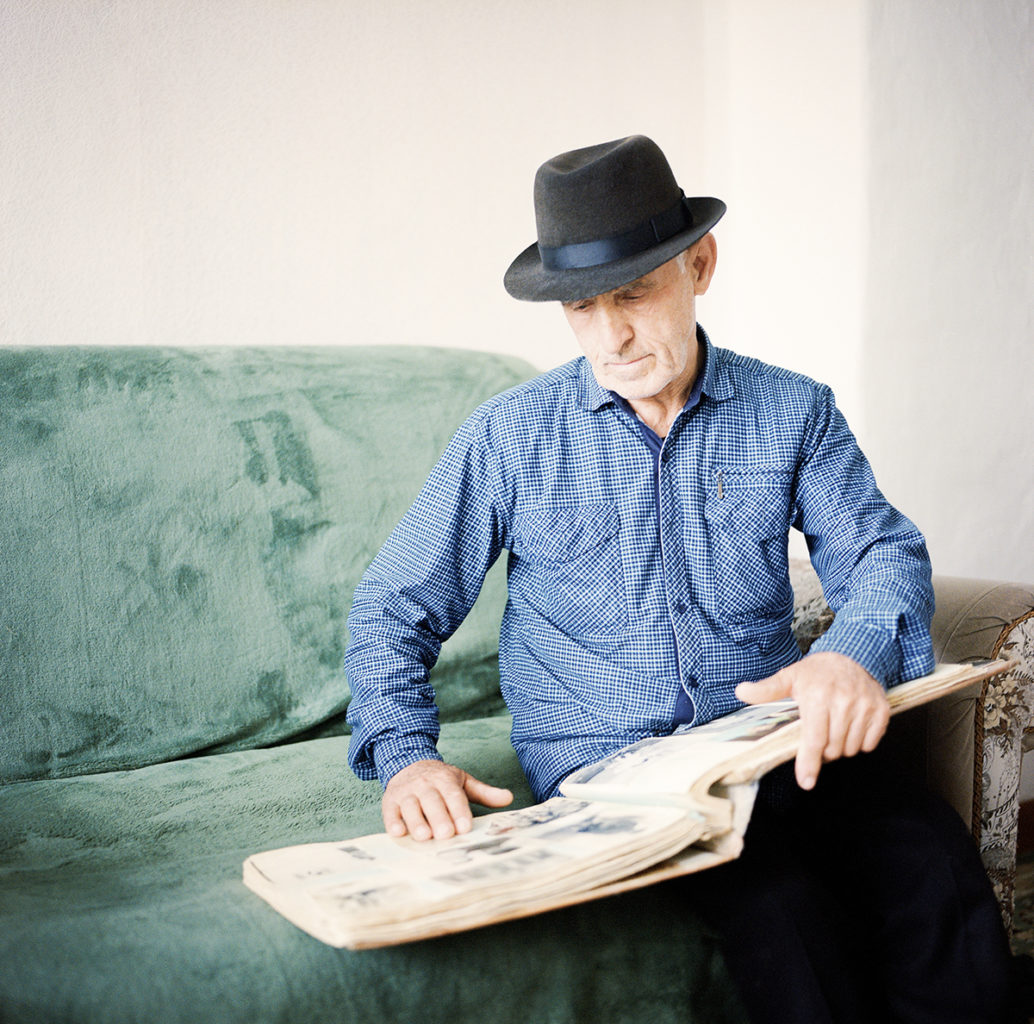 Mukharbek Khadziev with a family photo album. Voznesenskaya village, Ingushetiykoto: Svetlana Bulatova
In 1990, the newspaper Ingush Word printed the memoirs of Guban Veszizheva: “I was born in the village of Plievo and from here the child was exiled to the Kazakhstan steppes. Returned to her homeland in 1957. I will not talk about the suffering and humiliations suffered by our people in those years. It is terrible to recall not only the link, but also our return home. Our cemetery was destroyed. Warehouse No. 3 of Plievsky Bakery Point and the Club in the village of Plievo were completely built from the grades of the trenches. Among the tombstones, from which the walls of the warehouse are composed, I found the ladder of my father Oscanov Edie Osievich. Do I need to write in what condition I was then? I could no longer work there. ”
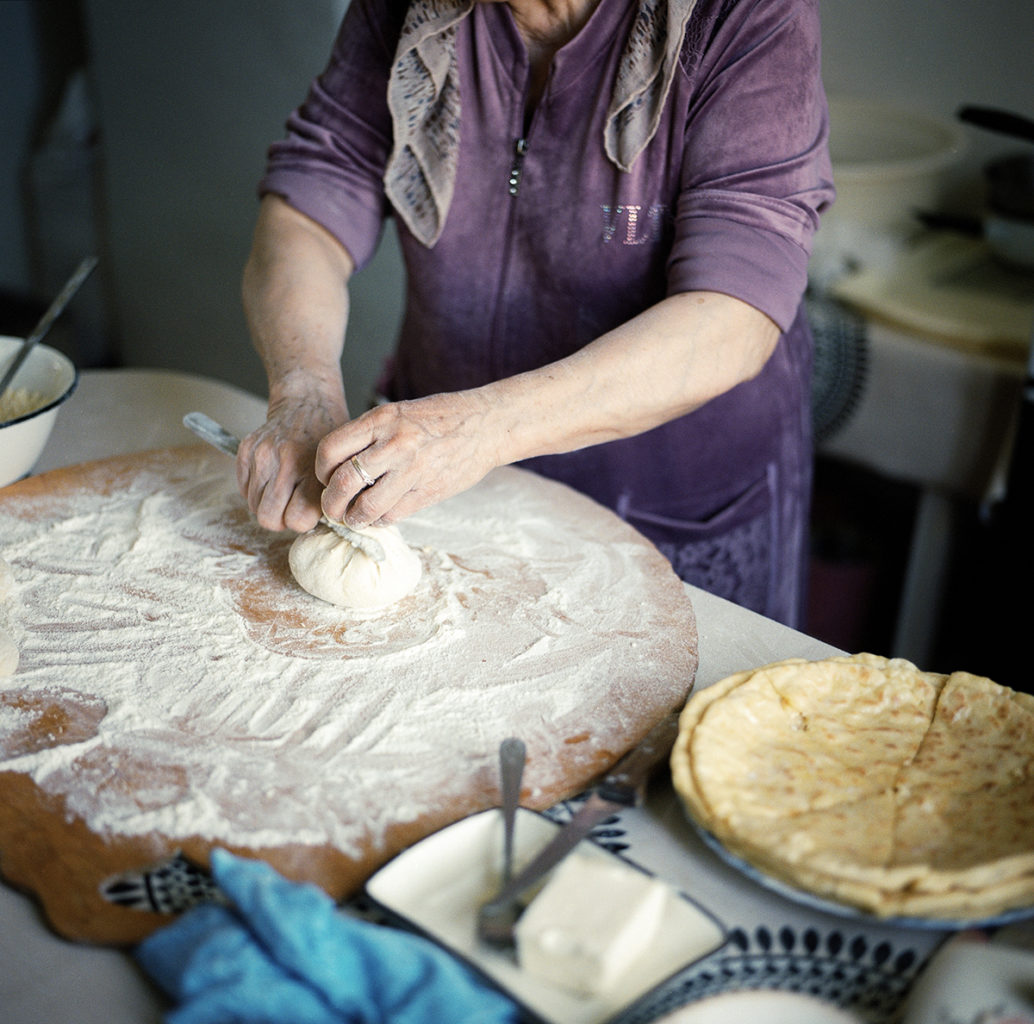 Fatima is preparing a national dish of Chapilg (white round cakes made of wheat flour). Voznesenskaya village, Ingushetiykoto: Svetlana Bulatova
VI
A month after the deportation, in March 1944, several regions were transferred to the North Ossetian Autonomous Soviet Socialist Republic: Achaluk, Nazranovsky, Pedahsky, Prigorodny, also the city of Malgobek. In the Soviet period, the basis of the Malgobek economy was oil production. The oil field was opened here in 1915, the development began 20 years later. Due to the unsatemplam of oil producing enterprises in one of the villages of the Malgobek district-Voznesenskaya-there was a threat of landslides. Many residents were forced to leave the village, houses began to gradually collapse.
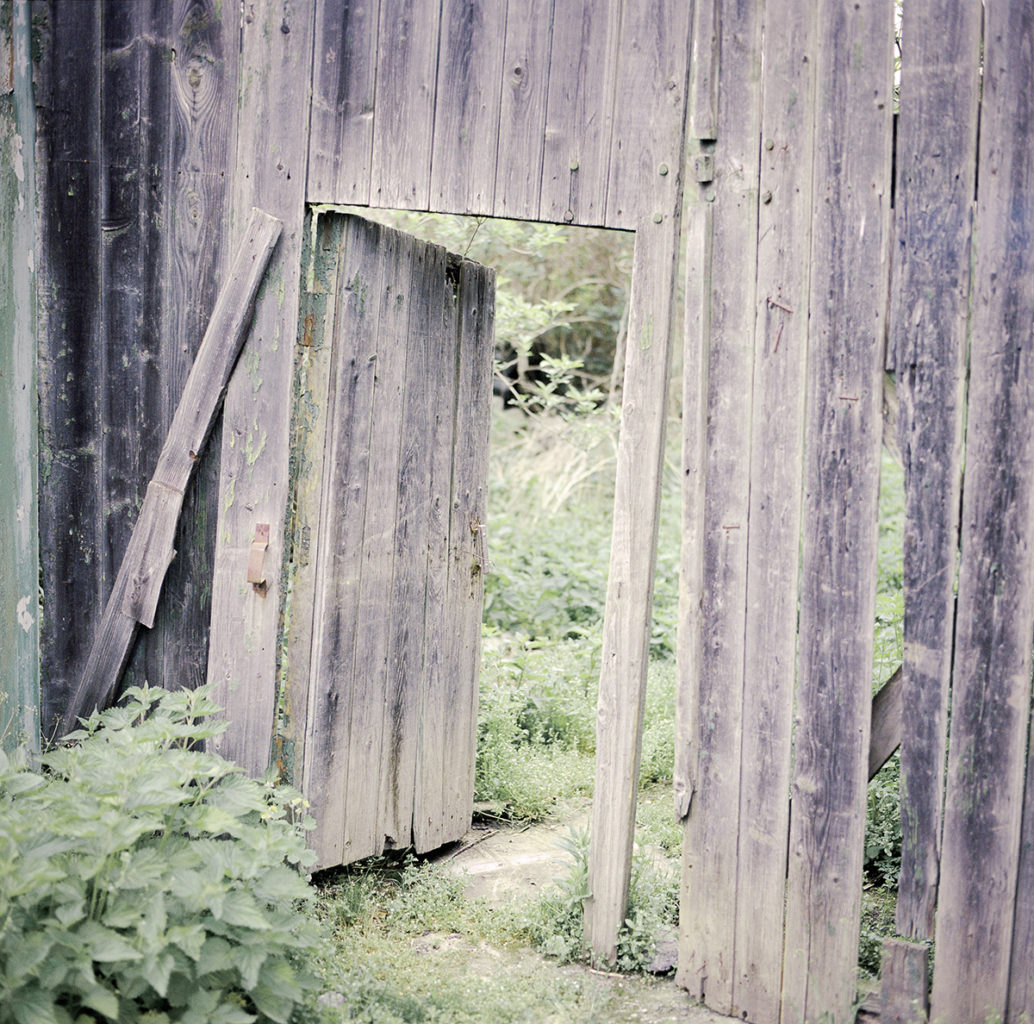 The abandoned and abandoned house, where until 1992 the Ingush family lived. Yuzhny village, Vladikavkaz, North Ossetiyakoto: Svetlana Bulatova
In 1946, a school was built in the village, and on the contrary a two -story house - a hostel for teachers. The foundation of the hostel was hidden by a thick layer of plaster. In the nineties, to discover what was hiding under him by chance: playing with a kitten, the boy climbed after the animal and, accidentally seeing characteristic ornaments, ran to his parents with a cry: “Kashmash! Kashmash! " ("Cemetery! Cemetery!"). It turned out that at the base of the former hostel, tombstones were used, allegedly brought from the cemeteries of neighboring villages - the upper and lower Achaluks.
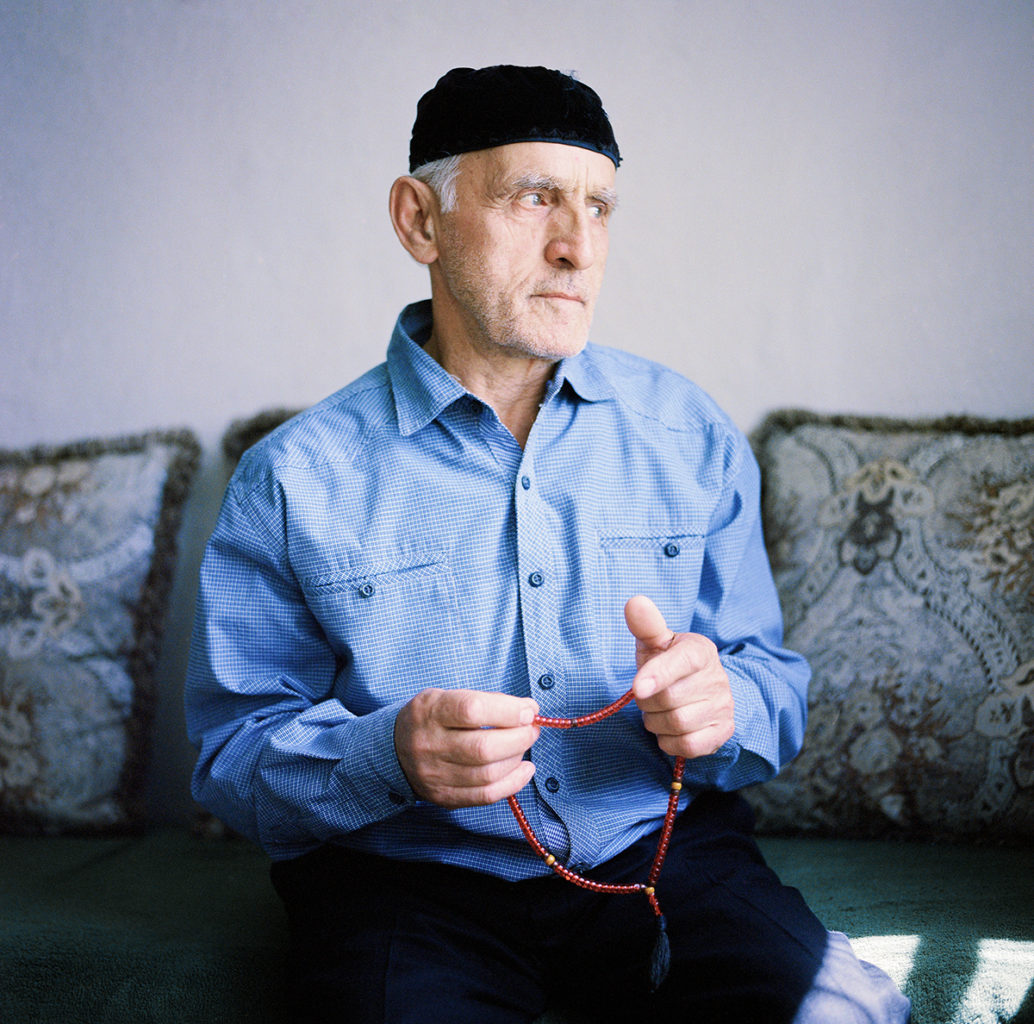 Mukharbek Khadziev. Voznesenskaya village, Ingushetiykoto: Svetlana Bulatova
A child who discovered a tombstone is the son of Mukharbek and Fatima Khadziev. Like Ruslan Akhilgov, Khadzievs are forced immigrants from the suburban region. In the fall of 1992, the father of Mukharbek Alaudin Khadziev, born in 1915, died. The elder brother Maksharip went missing on November 4, 1992.
Mukharbek Khadziev was able to get some of the tombstones from the foundation. Heavy stones remain in the yard. According to Bekhan Vadelov, one of the elders of Ingushetia, this house should serve as a reminder to the younger generation: “I propose to fix the house behind the museum. It cannot be demolished, you need to leave it in its form. The house is a living witness of barbarism. ”
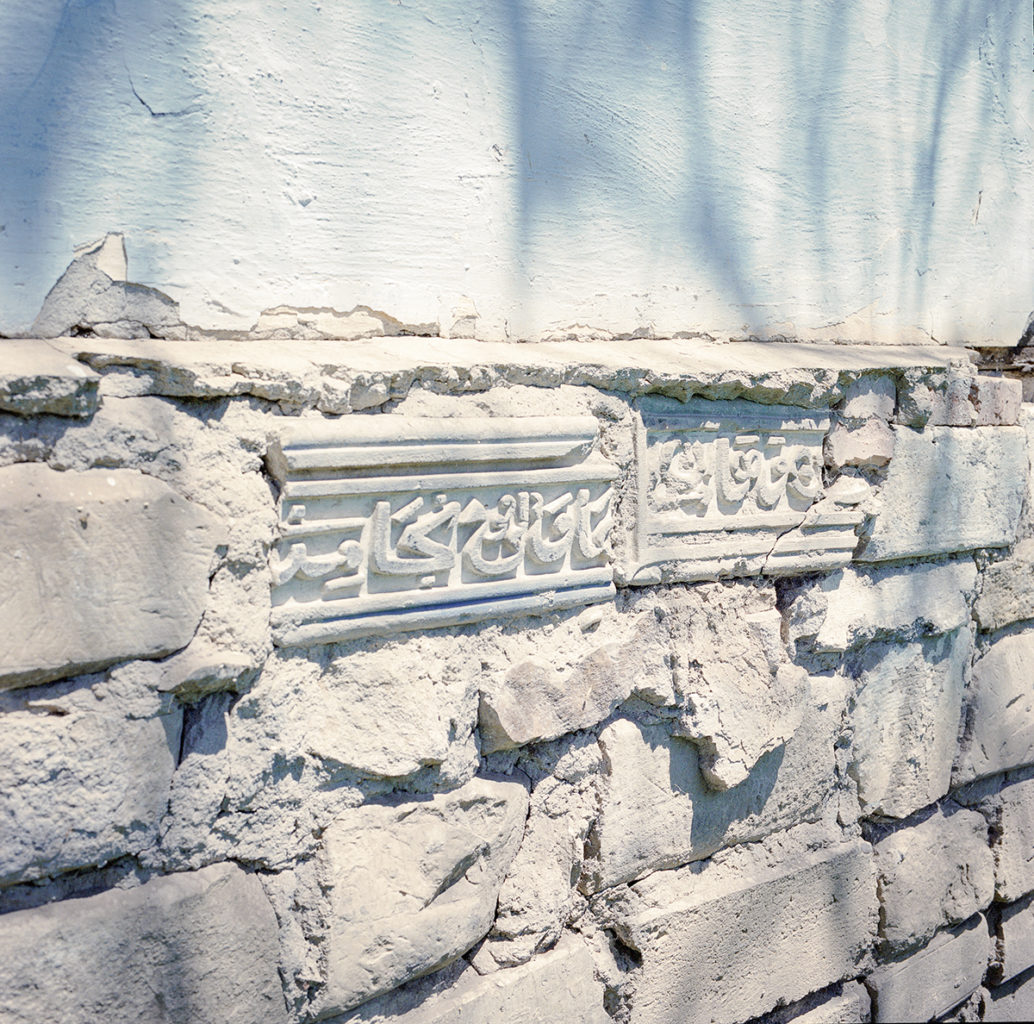 Tombstones in the foundation of the house. Voznesenskaya village, Ingushetiykoto: Svetlana Bulatova
After all the shocks that fell to this family, a terrible tragedy happened two years after the armed conflict. On May 19, 1994, Mukharbek, a schoolgirl Lida Khadzieva, went missing in Vladikavkaz. She was 16 years old. It was not possible to find her. In the list on the central stele, her name is 148th. Every year, Lida’s father comes to the memorial to the victims of the events of the fall of 1992. It will come today - on the day of memory of the missing.
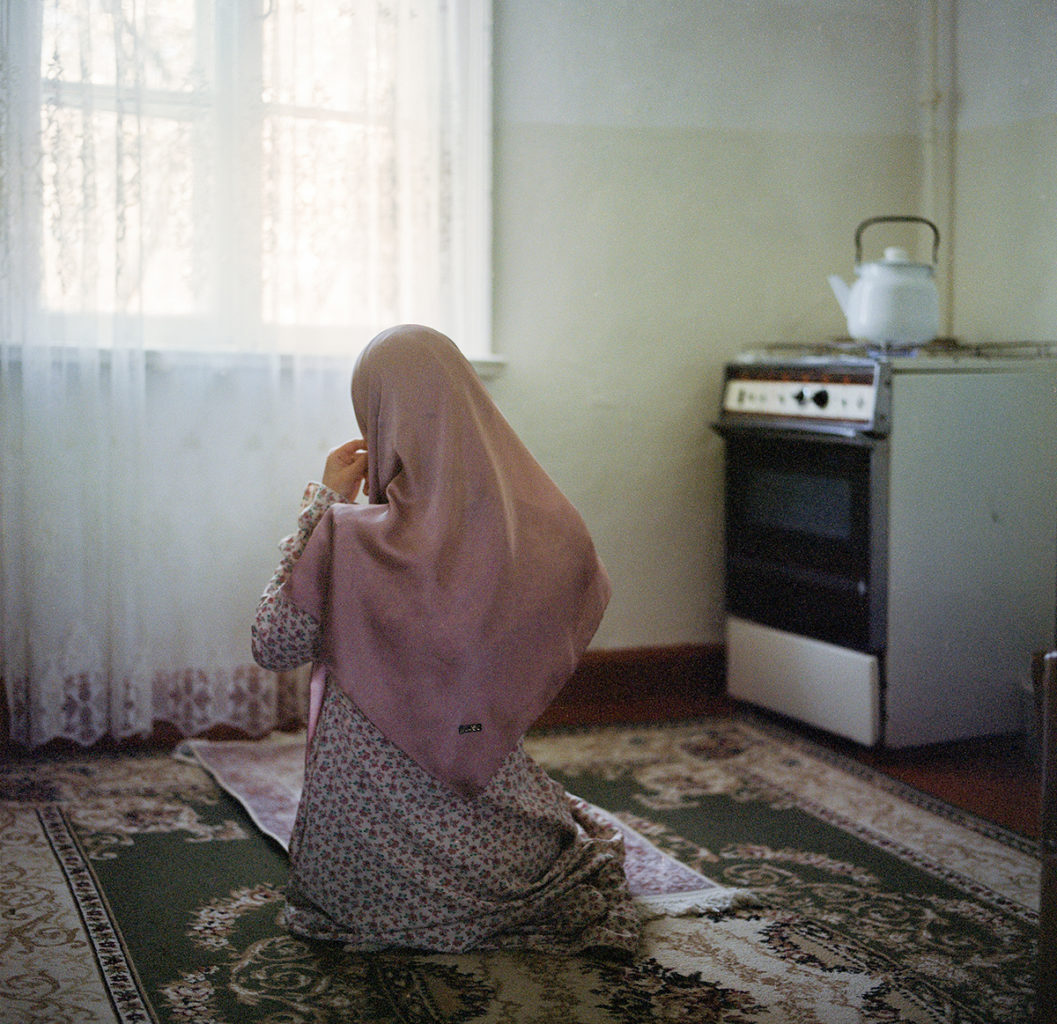 Hava is the granddaughter of Mukharbek. Voznesenskaya village, Ingushetiykoto: Svetlana Bulatova