
Translated material
Venice-2023. "Poor Snowesses"
The film by Yorgos Lantimos is one of the best this year. Emma Stone plays a dead girl who transplanted the brain of her unborn baby
The Venetian Film Festival showed the fantastic melodrama “poor and nasty” Greek director Yorgos Lantimos (“favorite”, “lobster”). The main character - the dead woman who is returned to life by the scientist (Willem Defoe), having transplanted her the brain of her unborn child, ”plays Emma Stone. The film critic Anton Dolin tells how an unobvious picture, the action of which unfolds in an alternative to Victorian London, turned out to be one of the main premieres in 2023.
The defiant and comforting, repulsive and attractive, innovative and classic, conditional and naturalistic - the new film by Yorgos Lantimos contains all the qualities of a masterpiece. “Poor-Snow”-a picture by which they will recall 2023. At the same time, the Greek director did not make the usual radicalism, having done - it seemed impossible - the film is even more bizarre than “Fang” or “Lobster”.
Being a worthy participant in Biennale and representing a work of ultramodern art, the film of Lantimos is also a fascinating fairy tale for adults. In it, Victorian Dr. Frankenstein named Godwin Bactster (abbreviated as God, that is, God) revives a self-assembly woman, transplanting her the brain of her unborn baby. And he triggers a chain of events much more wild and amazing than described by Mary Shelley .
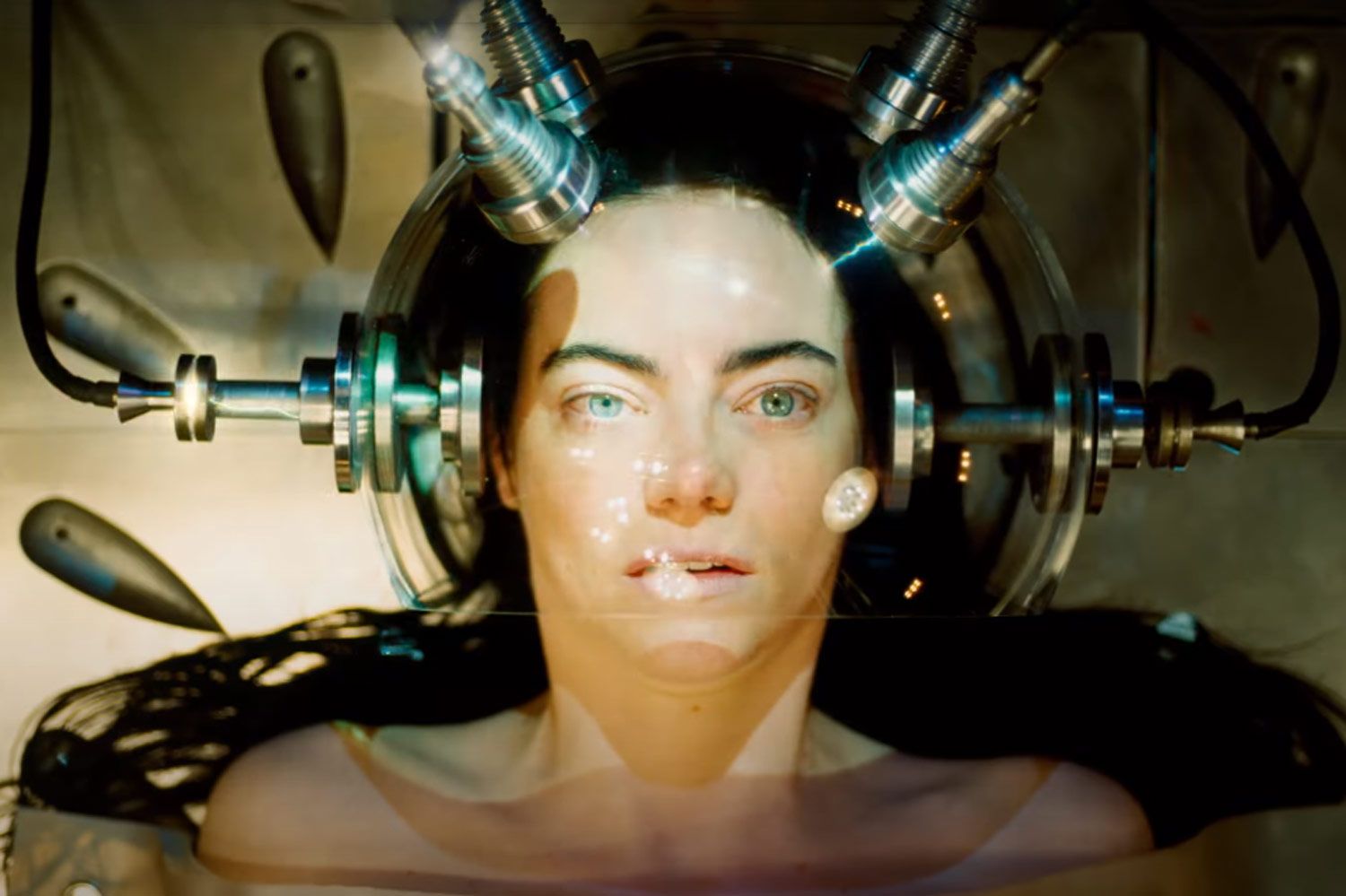
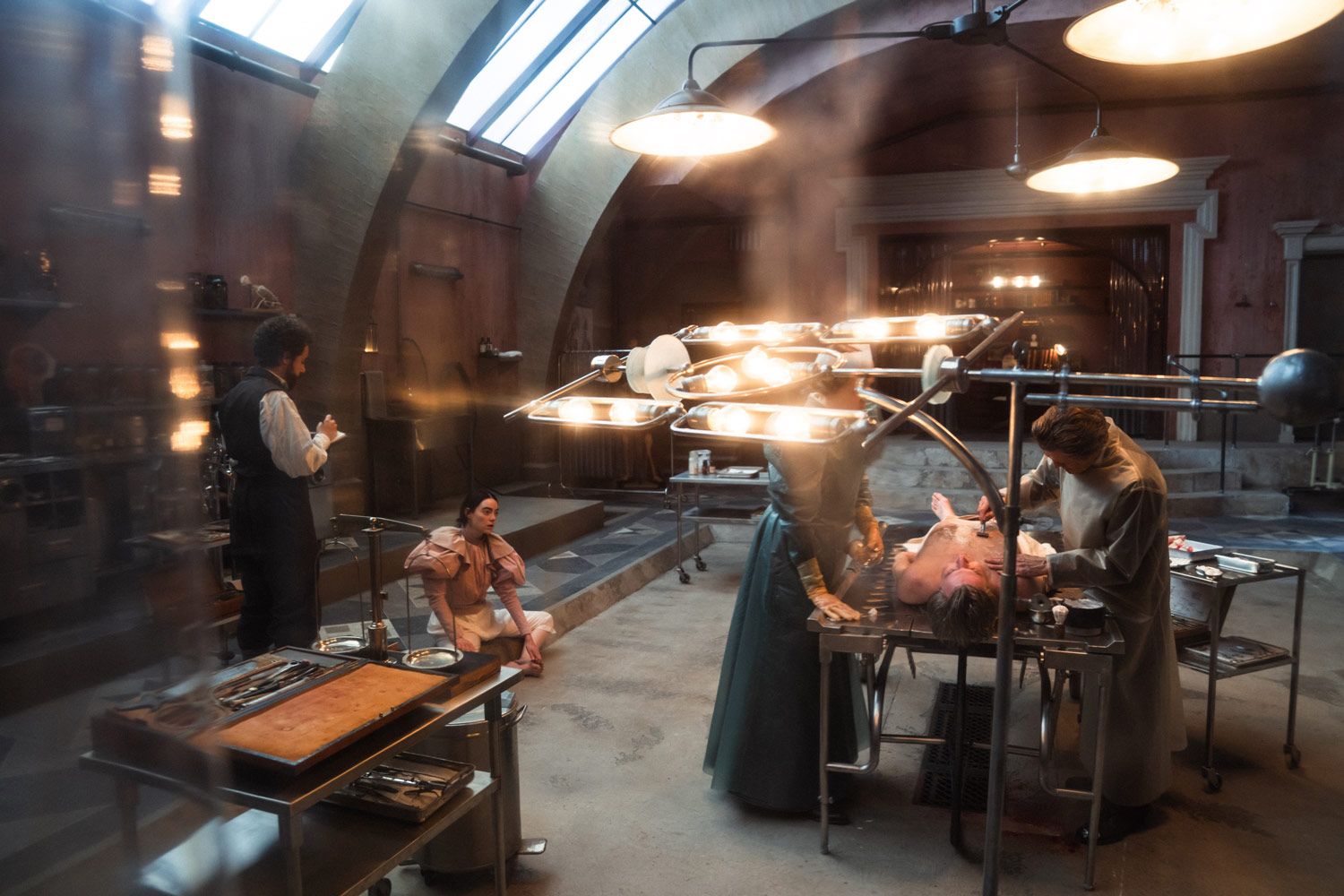
The leader of the “new strange” , who alone brought to Greece, the Kinematographic Renaissance, Lantimos shortly after the first festival successes (“Fang” rattled in Cannes, “Alps” in Venice) switched to English, as the Dange of Lars von Trier before him, they often compare them. A wider audience and star casting require concessions towards the mainstream, this is an immutable law. This compromise was a brilliant “favorite” - a film of the year according to the European Film Academy, which gathered a bunch of awards, including nine Oscar nominations and an acting figurine for Olivia Kolman. But it seems that the costume tragicomedy from the life of the English court was needed by Lantimos to gain genuine freedom of action and a budget worthy of his ambitions.
The same “fang”, “Alps” and “lobster” sinned in some speculation: the concept prevailed over visuality, the authors had a word. In the "poor-united" Lantimos finally gave himself free rein-and built in his steampunk fantasia the breathless worlds worthy of Georges Meles .
In the sky, airships soar and air trams drive, dog-gushi and pig-curses walk along the grass. And even in this frame there is no one than the main character - Bella Baxter played by Emma Stone. The actress, whose unexpected faces Lantimos showed already in the Favorite, played the role that she is unlikely to be able to ever surpass. Inhibitory sex is combined with a genuine tragedy, a grotesque of theatrical properties and clowning - with high psychological accuracy, albeit expressed in eccentric form. Bella is a wonderful monster that is in dreams to almost everyone around her.
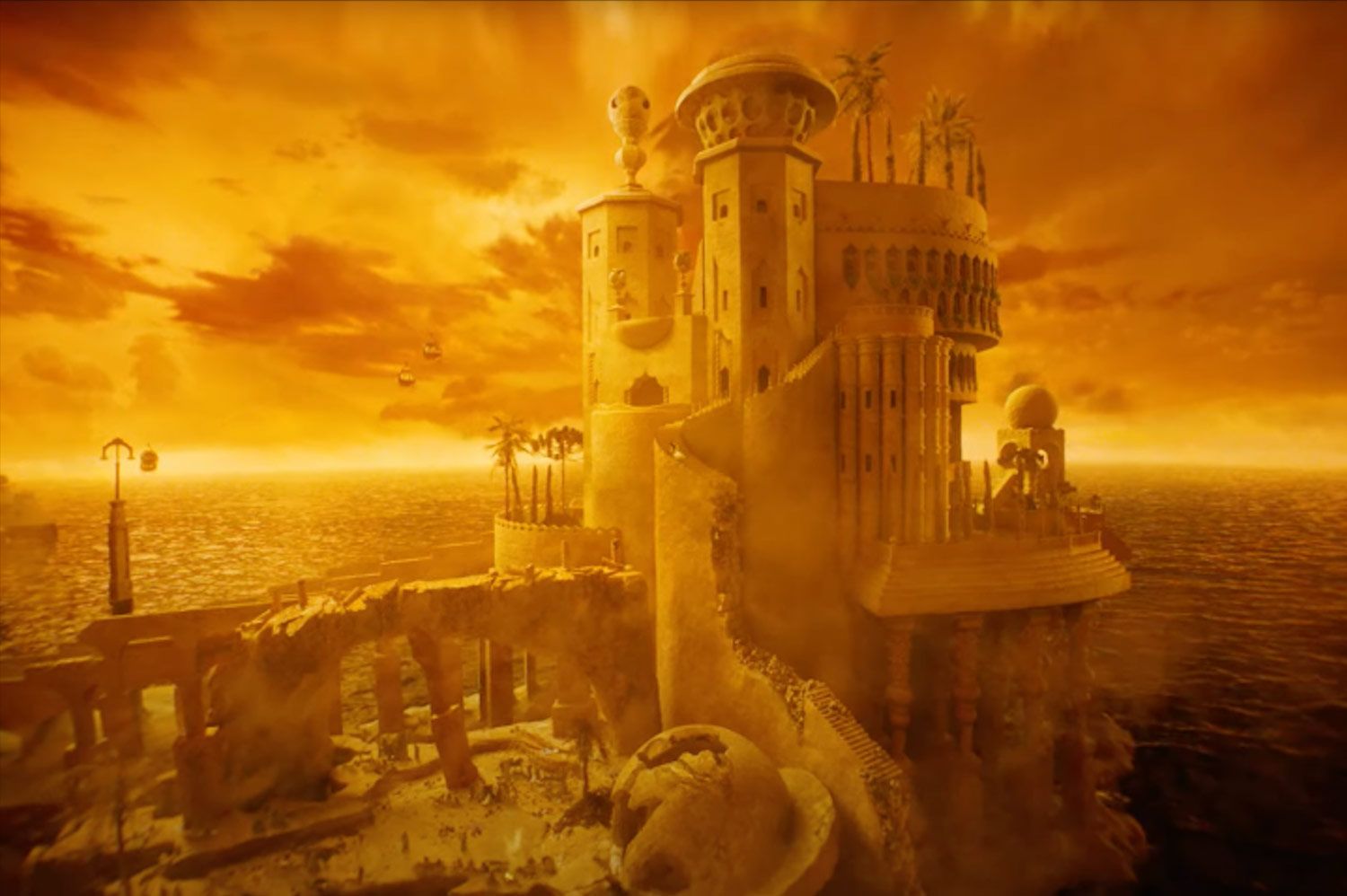
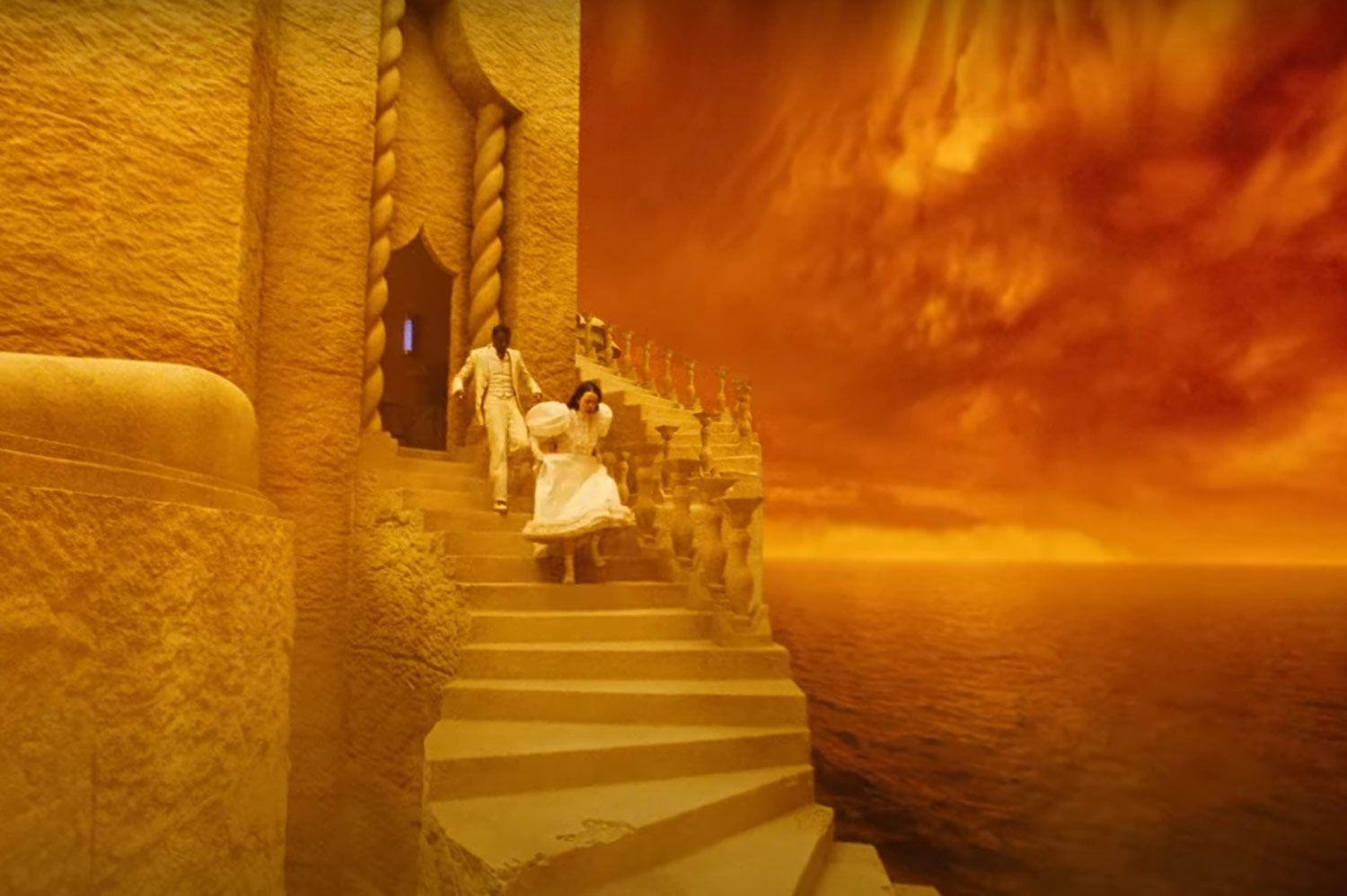
They deserve the “poor-united” and places in the list of the most accurate and inspired, but, with all the fidelity of the primary source, original adaptations. The novel of the same name in 1992 was written by the patriarch of Scottish postmodernism Alasder Gray (before his death, the writer allowed Lantimos, whose "fang" highly appreciated, adapt the book for the cinema).
The “poor-nasads” Gray rethought the Victorian canon, combining “Frankenstein” with the “Pygmalion” and trusting the narrative of an unreliable storyteller-an assistant to the brilliant surgeon of the Bella Max McCandless . In the final, it turned out that his version of events was at least unreliable and, in particular, was refuted in the epilogue of Bella herself, which denied the wonderful history of his resurrection.
Lantimos and his co -author Tony Maknamara - he also wrote the script of the Favorite - decided to surrender to the imagination of the exalted Max. And even went further, finally freeing his relaxed heroine from the "male gaze." More precisely, several. In progress, Bella is limited in rights by her creator and guardian God, groom Max, a carnivorous lover of Dankan and, finally, the man with whom she was in the past, even before death, and about whom she does not remember anything. She manages to defeat them all. Including in a competition for the right to tell your own version of your own biography.
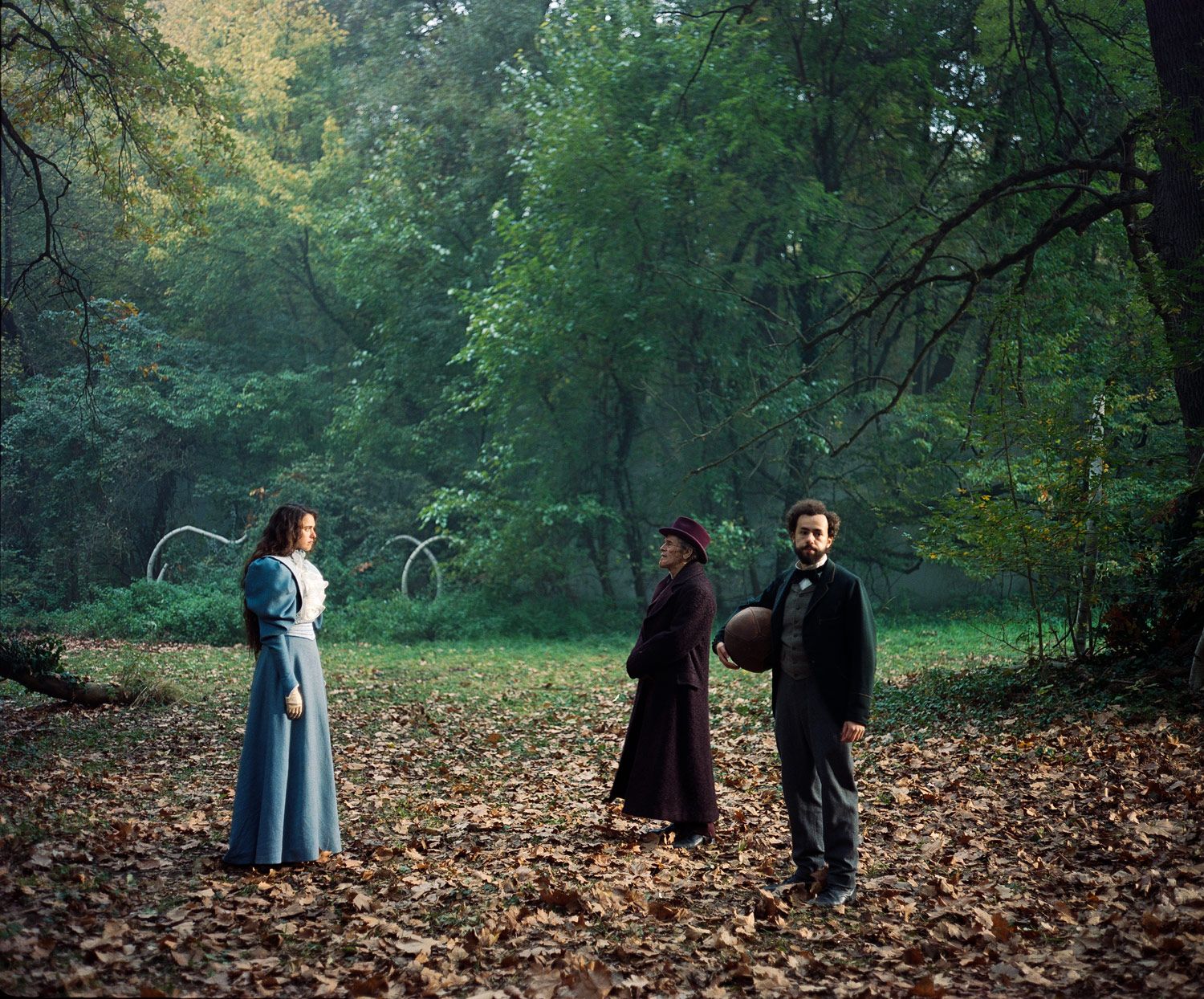
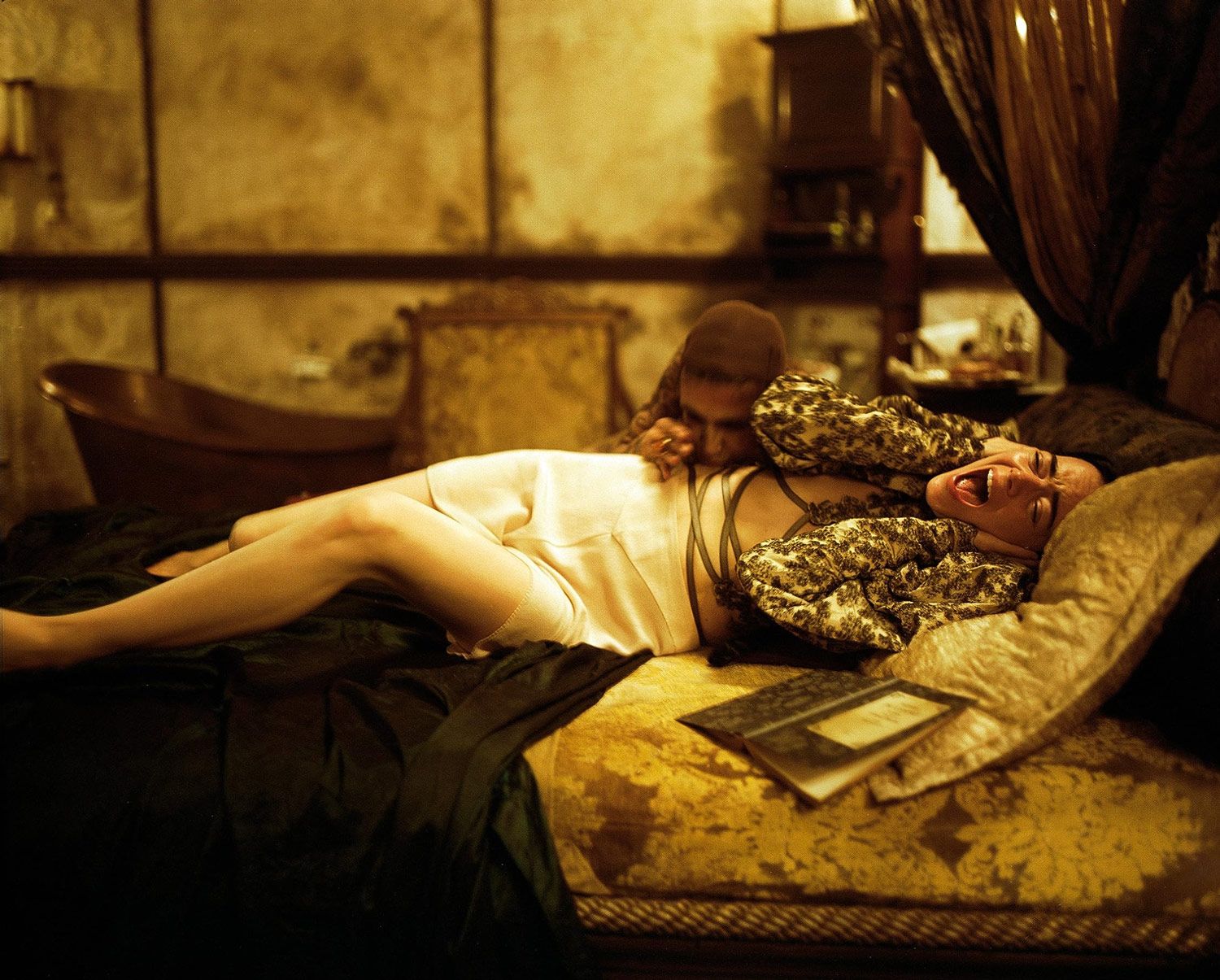
Bella was born a baby in a healthy female body precisely in order to despise all the conventions imposed by society and gain absolute independence. To choose a life trajectory, a sexual partner, friends, hobbies, a place of residence and a vocation. To become an ideal creature is not just to the fall, but in the absence of the serpent, Adam, the Archangel of Michael and the Lord himself.
The world of the “poor-universal”-it is precisely such Bella who is unsubscribing that men claiming her-shown by the eyes of the heroine, will live from the first black and white steps through acid-radiation adventures to the peaceful balance of colors in the finale. This allows Lantimos to go into experiments. Before us is at the same time the most high -budget and most bold, anarchically impudent of his films, shot as if the director would re -ify the cinema on the move.
The first trump card is the incredible decorations of the fully invented Europe of the Border of the Century, built by the British James Price (“The Adventures of Paddington 2”) and the Shone Hit (a debutant in the cinema, but a celebrity in the world of fashion photography) in the pavilions of Budapest. The other is the retro -futuristic costumes of Holly Waddington ("Great"), who sent a resident of the 19th -century conditional to walk around Lisbon in a short skirt. The camera of the famous Irish Robbie Ryan - Compare this work with his strict classic style in Ken Louch's paintings! -He uses the most incredible angles to convey Bella’s childish gaze to the incomprehensible world of adults: a vintage lens of the Petswal and a specially printed 35-mm film was used.
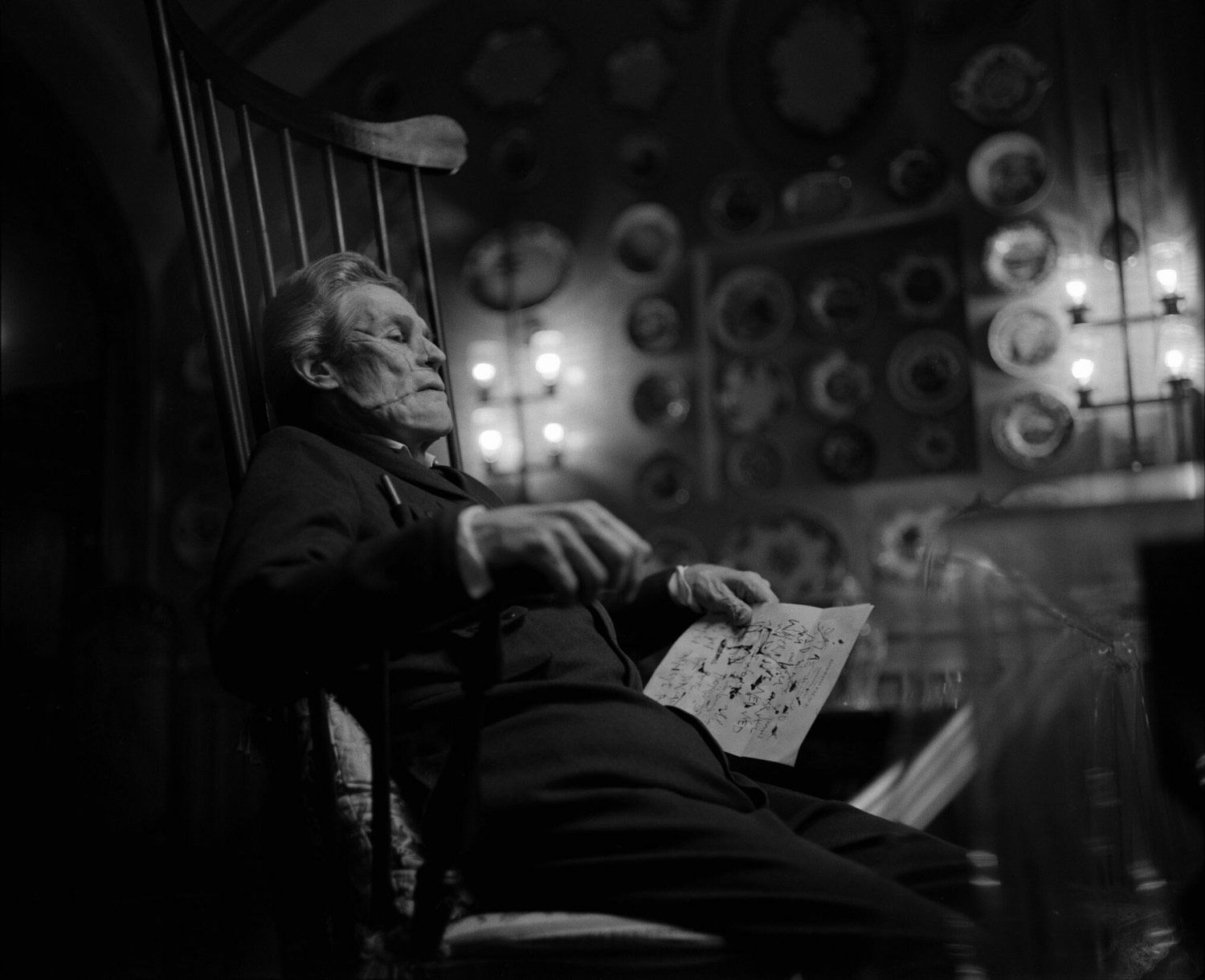
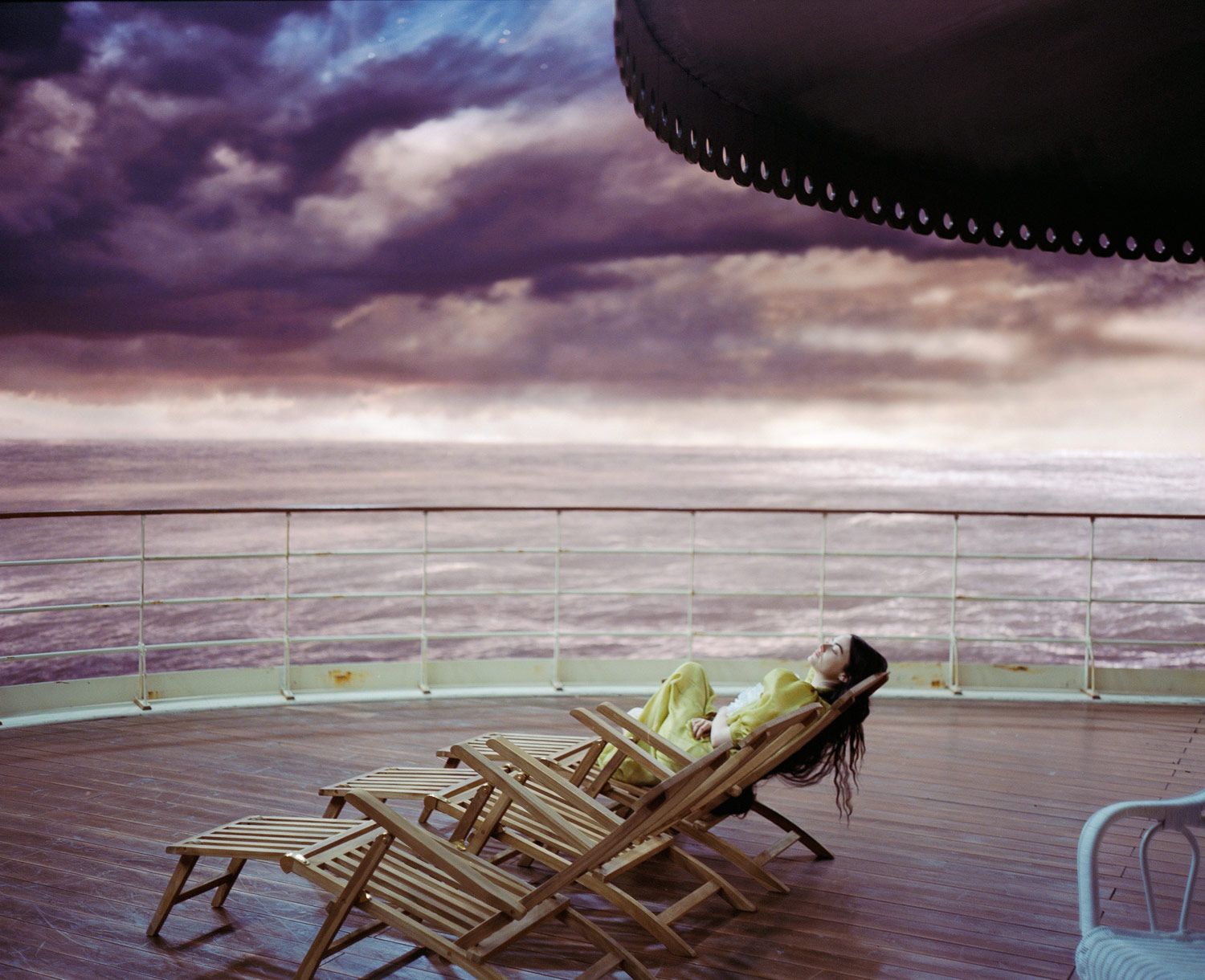
Finally, the soul of the “poor-nasads” is the avant-garde soundtrack of the young British Pop Roker Jerskin Fendricks, a friend of musicians from the collectives of Black Midi and Black Country, New Rad. Lantimos caught fire, hearing his debut album “Winterreise”, and invited to create a melodic landscape of the film, overwhelmed with the sounds of upset instruments in the range from the harp to the barrel organ. Until now, the Greek director used classical music, now he found a suitable ally - the same eccentric and the original as he himself. The tracks of Fendricks really sound like the films of Lantimos.
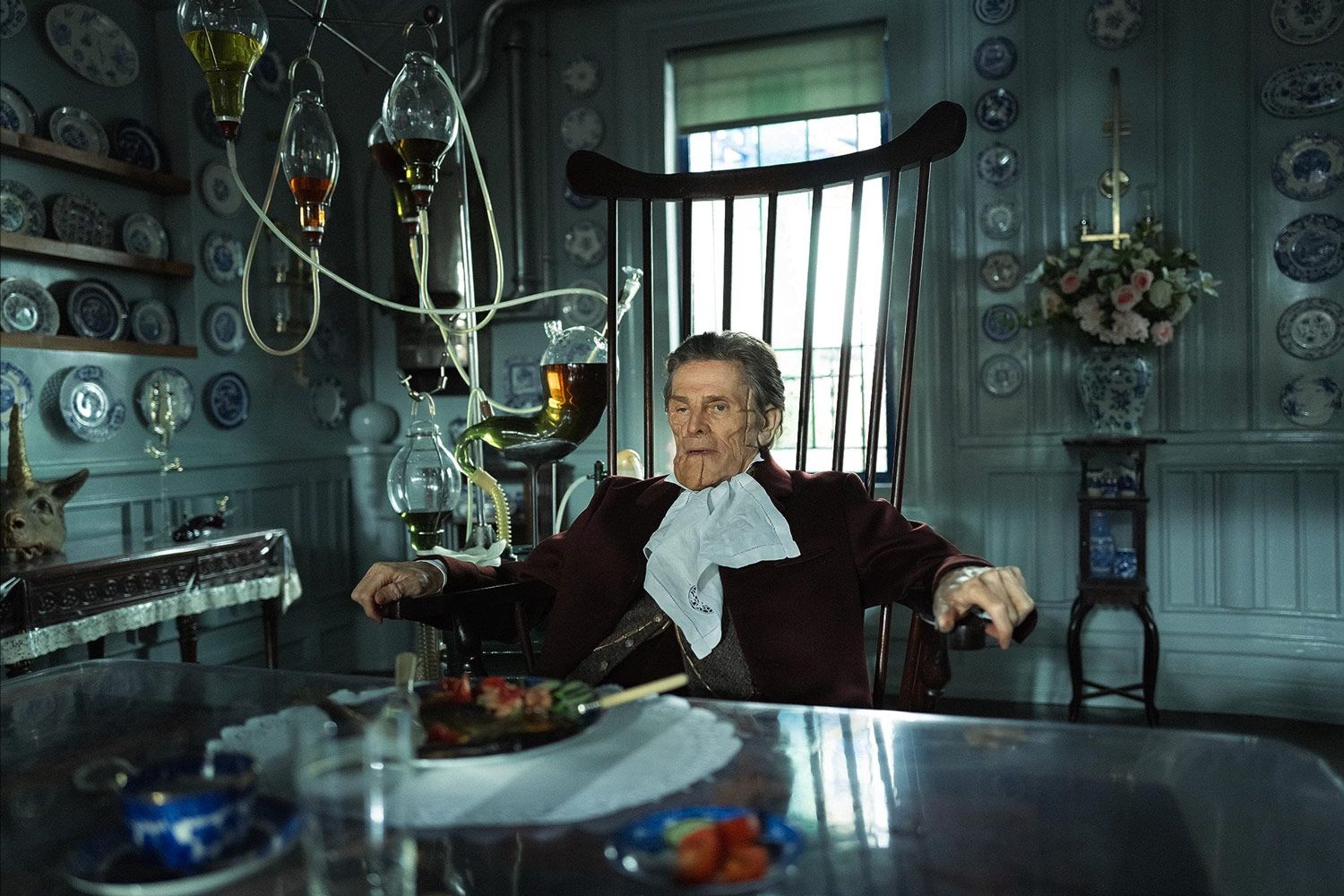
The inversion of "Frankenstein" is expressed both in the intrigue and the appearance of the main characters. Bella is not only a bizarre creature with an intellect of a smart child and childish ability to unlimited empathy, but also a beauty. A brilliant doctor was bred by the monster. He himself is the result of his own father’s experiments, as if roughly sewn from fragments of other people's bodies. Professor Baxter is physiologically unable to have sex, he is forbidden to human food, after each meal instead of belching, he produces a large soap bubble from his mouth. Of course, Willia Defoe has this role perfectly.
The entire cast (including Hannah Shigullah, Margaret Kuelly and Rami Yussef) is very good, former Hulk Mark Ruffalo, who played the sulfed lawyer Dankan Vedermbran, deserves special mention. At first it seems to him that he deceived Bella, kidnapping literally from under the crown, but then Wedderberne is forced to submit to her vital power and gives up to tireless curiosity. The rest also surrender, characters and actors. The acquired subjectivity of Bella rhymes with the new status of Emma Stone - not only an actress, showing a unique relaxation and courage for the American, but also the producer of the picture, that is, her full co -author.
Outwardly, a frivolous and eccentric shell allows the director to hack templates in relation to several eternal themes at once. This is romantic love, as well as the institution of marriage, the crisis of which just began at the junction of the 19th and twentieth centuries: Bella refuses to accept imposed ideas about these two ideas. And the social equality, about which Bella begins to think in a Parisian brothel. Finally, this freedom is a key value to the Greek director.
Sexual liberation becomes synonymous with the liberation of the creative, turning the picture into an extremely personal statement. “Poor-Snow” resembles: without emancipation of the form in art, an upgrade of content is impossible, and a traditional cinema is a voluntarily chosen prison that should be destroyed.
In addition to Frankenstein and Pygmalion, the Lantimos film refers to other textbook sources. More than once I will remember Pinocchio: Bella's plastic is initially similar to the movements of the puppet, which learns to walk independently (we owe it to another grandiose dance scene that is not inferior to the similar episode of the “favorite”).
Even more curious parallels with the “Justina” of the Marquis de Sad, the cornerstone of libertine - the Odyssey of an innocent girl who torture, torment, rape and torment a variety of bastards. The same text was inspired by the trier in “dissecting the waves” and “nymphomaniac”. Lantimos and Stone managed to completely rethink the Justine. Formally, Bella’s story is no less monstrous: it is kept locked up, then she finds herself in the power of a cynical seducer and a villain, after that in a brothel, where it is used by heartless Madame. Nevertheless, Bella manages not only to extract a lesson from each ups and downs, but also to get a sincere pleasure from them, to grow up, to grow wiser, learn to feel and love, find friends and friends.
The optimism of the "poor-united", funnyly contrasting with the name of the film, is its most amazing property. In an endless series of tragic and activist paintings built on the ideas of feminism, this one will always stand apart as a bold, uncompromising and ultimately joyful utopia of a happy future of humanity, in which women will cease to be objects in the eyes of men. Or its parallel past.
Anton Dolin