
Translated material
Venice-2023. "Palace" of Roman Polanski
The 90-year-old director again insulted the audience-a comedy about the New Year's Apocalypse. He himself did not come to the festival
The Venice Film Festival showed a new film by Roman Polanski "Palace". The public accepted the work of the director accused of rape, ambiguously (some critics left the hall). The plot of the comedy develops on New Year's Eve 2000-the guests of the chic hotel in the final paintings meet the holiday together. Kinocritic Anton Dolin talks about the film of a 90-year-old director who ignores the issues accumulated to him.
No matter how you talk about Roman Polanski, it is impossible to ignore his criminal case of rape: it is less likely to separate the author from his works. The outstanding film of 2019 “Officer and Spy” (Grand Prix of Venice) about the case of Dreyfus, the opponents of Polanski read how his attempt to expose himself innocently pursued-the director himself fiercely denied such an interpretation. Now it is embarrassed to imagine how the indignation around the 90-year-old director will affect the reception of his latest work, the “palace”.
The case of Polanski
Roman Polanski in 1977 was accused of rape of 13-year-old Samantha Galei (later changed her surname to Gamer) in Los Angeles. According to the investigation, Polanskoye drove it with champagne and gave a narcotic substance, and then forced him to sex. After the arrest and charges, Polanski pleaded guilty to soften the prosecution. When it turned out that he was facing a real term, Polanski fled from the USA to Europe. In 2009, the director was detained in Switzerland at the request of the United States, but a year later the local authorities refused Polanski's extradition. Subsequently, Samantha several times asked the American court to withdraw charges with the director. Its last petition was rejected in 2017.
The classic himself did not come to Venice for the premiere, allowing the film to speak for himself. And, as it happened in Polanski’s career more than once, the viewer is offended (in Venice the audience left the show) - and it is unclear than more: the very fact of the director’s participation in the festival or his defiantly frivolous, and sometimes simply idiotic comedy, so unlike the will of the respectable director. Before us is no longer a judicial drama about the prisoner of conscience, but a mocking New Year's burlesk with apocalyptic motifs.
Maybe Polanski says goodbye to the cinema, rhyming the end of the world with the end of his career? Or sends a solid audience to hell - "after me at least a flood"? The most believable option is the simplest: Polanskoy only continues to do what he best succeeds and without which it is impossible for him to imagine his life. That is, it makes an ironic and exciting movie, neglecting hierarchies, prohibitions and social taste.
For the first time of frivolity, he was accused during the time of the “knife in the water” (1962), whose co-author of whose script, another modern classic-85-year-old hedgehogs Skolimovsky, returned to Polanski to help with the drama of the “palace”. Then they were indignant - but they also admired - the hooligan “vampire ball” (1967), whose shadow obviously hung over the “palace”. And so all the way until the 21st century, the onset of which has become the central plot of a new picture.
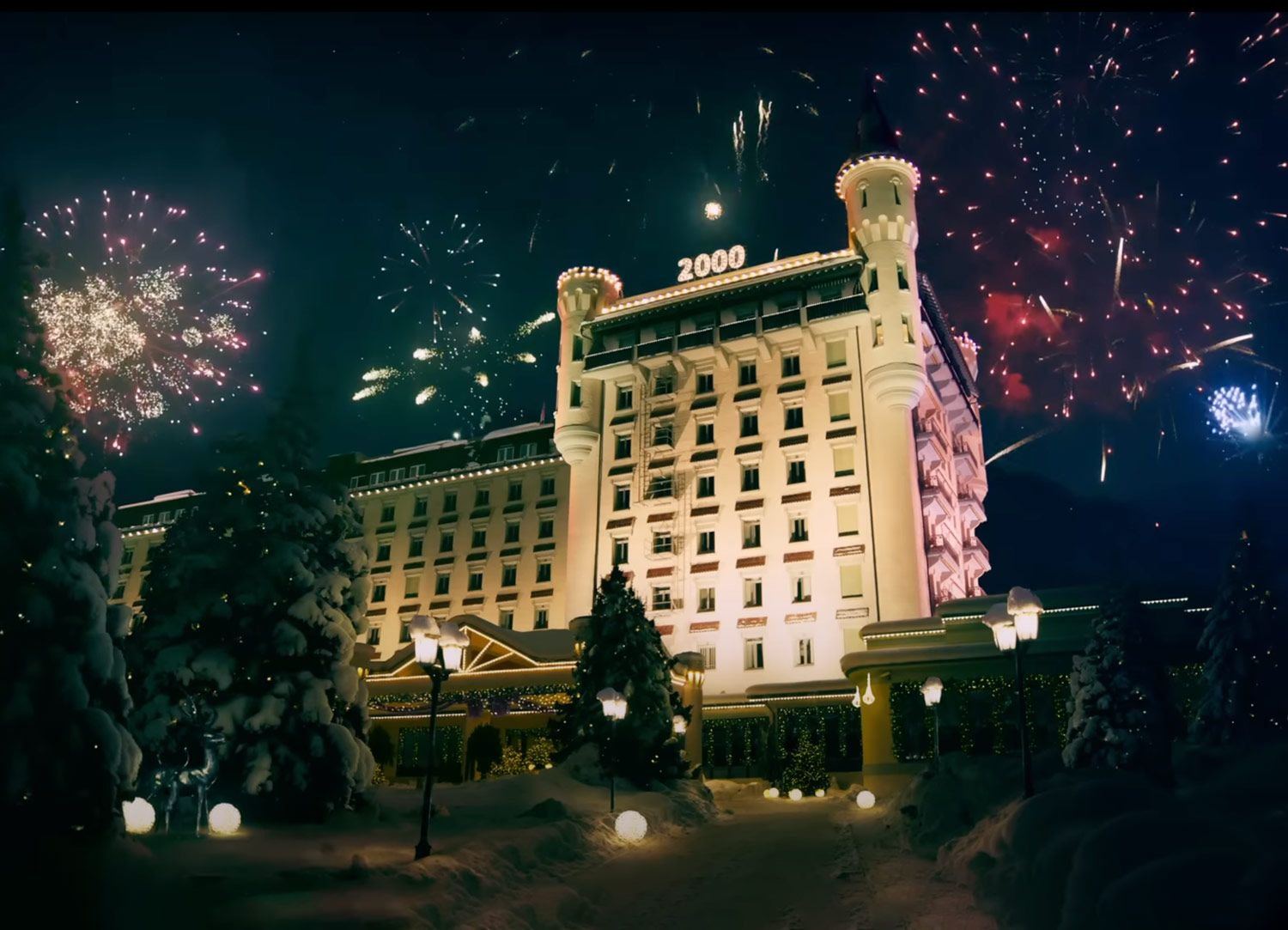
Actually, the “Palace” is actually “Palace”, the legendary five -star hotel at a ski resort in the Swiss Gstada, where the director himself rested more than once. The caught moment is a significant change in numbers on the calendar, the onset of a new one, 2000, which its privileged guests will meet in the Palace. The unity of the place and time is provided, and this allows Polanski to neglect the unity of action.
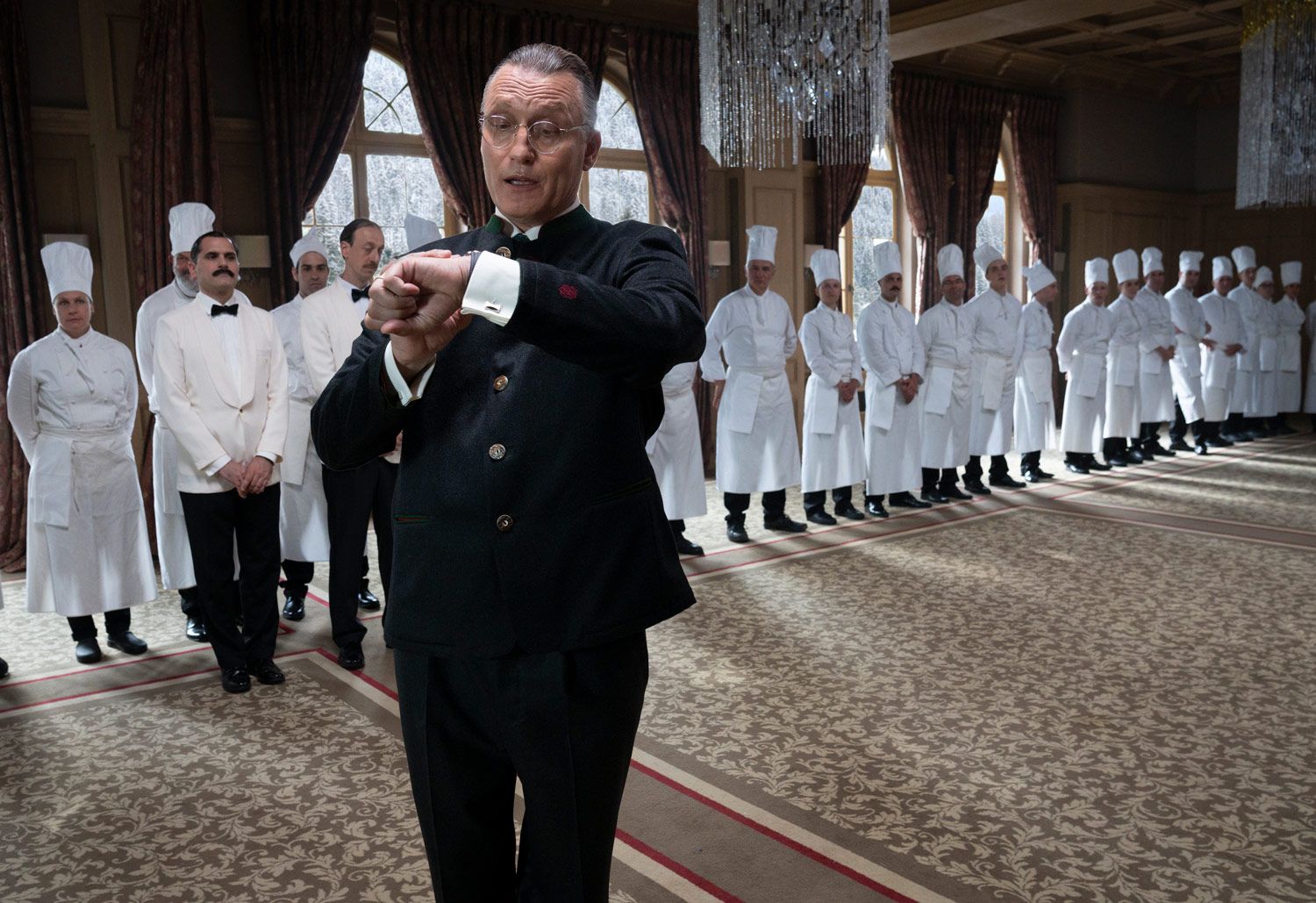
A dozen plot lines develop in parallel, almost without intersecting. The only thing that connects them, in addition to the inevitable meeting at the final banquet and the subsequent fireworks, is the efforts of the kind and attentive to all the Hansueli Metordotor (Oliver Mazucci, glorified not only by the series “Darkness” on Netflix, but also by Hitler’s role “He is again here”) and the rest of the maintenance personnel: Porters, cooks, mining, mining, mining, mining, mining. corridor.
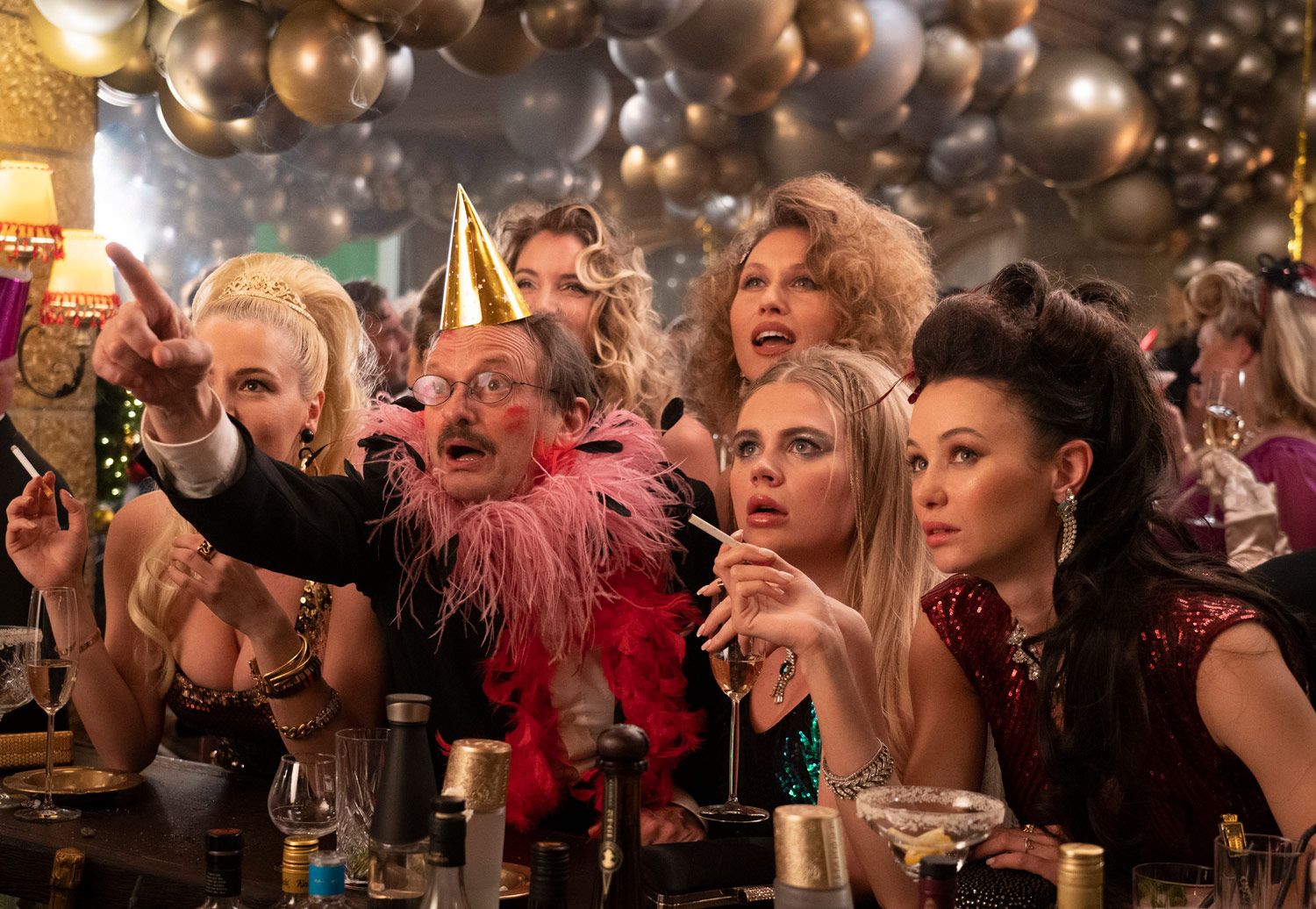
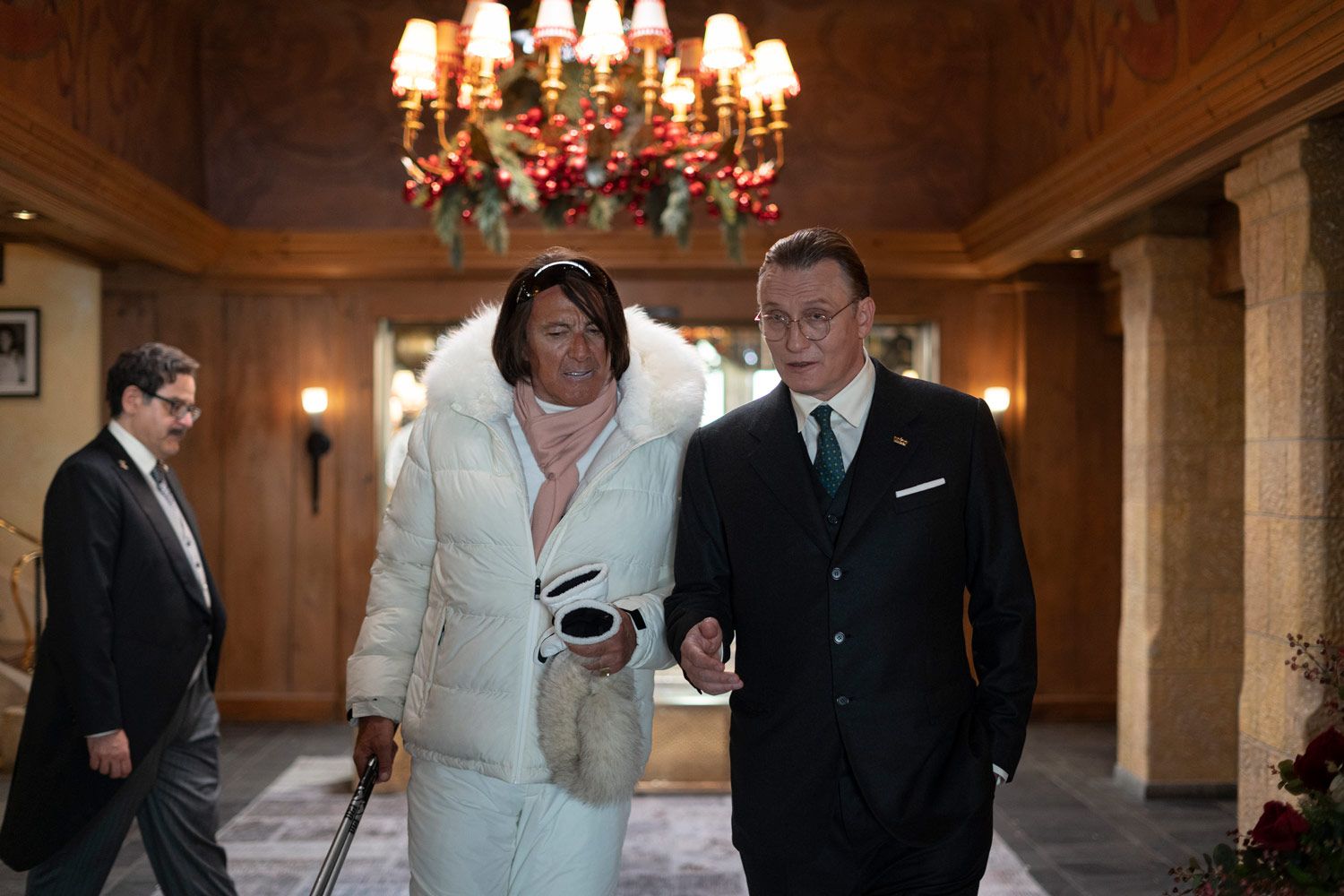
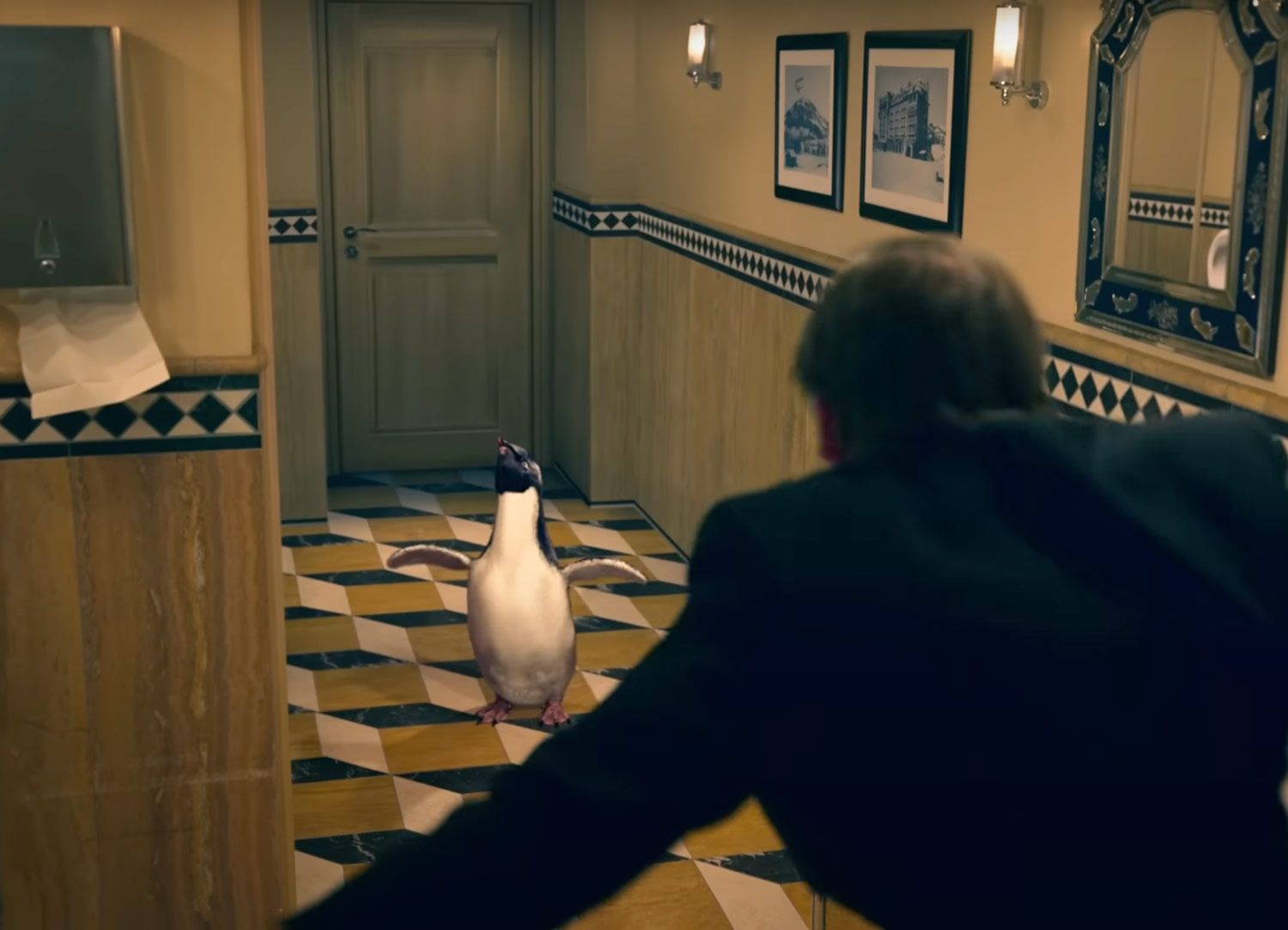
Each of the micro-attack of the Palace would not cost a separate film, but it works well in the complex-not because of some particularly outstanding wit or acting, but exclusively due to the ability of Polanski to keep the rhythm and not lose pace. The 97-year-old billionaire Arthur William Dallas III (the funny coming of the comedian from Monty Pyton John Kliz) is trying to please the 22-year-old laughter of Magnolia (Bronvin James) with a living penguin for the anniversary of the wedding. The guests of all ages admire the article of the Porn Actress Bongo (Barbareska) of the Porn Actresses. Bill Kras, an aged playboy, in his implausible wig (Mickey Rourke), is trying to breed a modest clerk Caspar Tyl (Milan Peskel) on the scam. Almost every of these stories seems to be a carrion: Polansky’s self -irony cannot be taken away today.
But this filling of the film - and the "Palace" - is not limited. Here is the Marquis ( Fanny Ardan ), whose dog shit right on the sheets of luxurious luxury. And the world -famous specialist in plastic surgery, Dr. Lima (Zhoakin de Almeida), forced to consult a dog and her mistress. And the family of provincials from Chechka-Budyovitsa, who suddenly came to his father, who does not recognize them, is the same. And the cheerful team of “new Russians” on their armored jeeps, in the company of drunk models and gloomy guards (heads the colorful group Alexander Petrov with his own person). In a word, Polanski speaks of the same thing that Ruben Estlund is in a “triangle of sadness” , but his vocabulary is more elementary and clearer.


Interesting coincidence. In Venice, also outside the competition, the first 90-year-old superstar of European directors-the Italian Liliana Cavani showed its first playing film in 20 years. Her “time of time”, based on the scientific essay of Carlo Rovelli , is strikingly echoing with the “palace” of Polanski. In the picture of Cavani, representatives of the modern intellectual elite - a lawyer, translator, doctor, psychoanalyst, scientist - gather on the villa by the sea to celebrate his birthday, and at the same time, as it turns out, the apocalypse: a deadly meteorite rushes to the ground. Cavani also has a Russian acting participation - Paola is the most beautiful of the guests, whose role is perfectly played by Ksenia Rappoport. But the tone of the “time period” is thoughtfully elegian, and the trial of civilization ends with an acquittal and conciliatory bathing in the sea waves. Polanski is traditionally sarcastic and merciless.
He fearlessly invades the noble tradition of the “hotel cinema”, known for the masterpieces in the “Grand Hotel” range of Edmund Gulding to the “Budapest Grand Hotel”, while pressing on the New Year's key: her obsessive rumble in other moments of the “Palace” resembles not so much about the Hollywood classics as about about the Hollywood classics as "Christmas trees." However, carelessness here is not at all. “Problem 2000” , it is also Y2K, fills the film with branded ambiguities and anxiety for Polansk. This is undoubtedly a comedy, but by no means a holy story. Ahead of disappointment, resentment, even death. When the disconnection of electricity in the “Palace” is not a sign of a global catastrophe, but only with a spectacular trick of management (from the darkness the fireworks look better) - everyone is experiencing clear relief.
This feeling is premature. Even the inclusion in the “Palace” of documentary personnel - appeals to the “dear Russians” first resigned Yeltsin (“Was Buhoy, maybe it will sober up tomorrow?” - timidly assumes one of the spectators), and then the young Putin, for whom the restrained hero Petrov immediately raises the toast, unequivocally proves: the end of the world was not canceled, he was only transferred to a couple decades. And the way out, it seemed, was a completely optional comedy of Polanski right now, in 2023, filled with a new meaning.
The director, however, is true to himself. No moralizing-and the final frame with Chihua Hua, which in the morning has sex with the unfortunate penguin (drawn on the computer, so that not a single animal was injured). Decide for yourself whether it is considered a happy end.
Anton Dolin