
Translated material
Spanish enclave in the middle of Morocco is an epicenter of migration crisis
Thousands of refugees are trying to get through it to the European Union and are subjected to violence by the police. But Madrid distance from what is happening
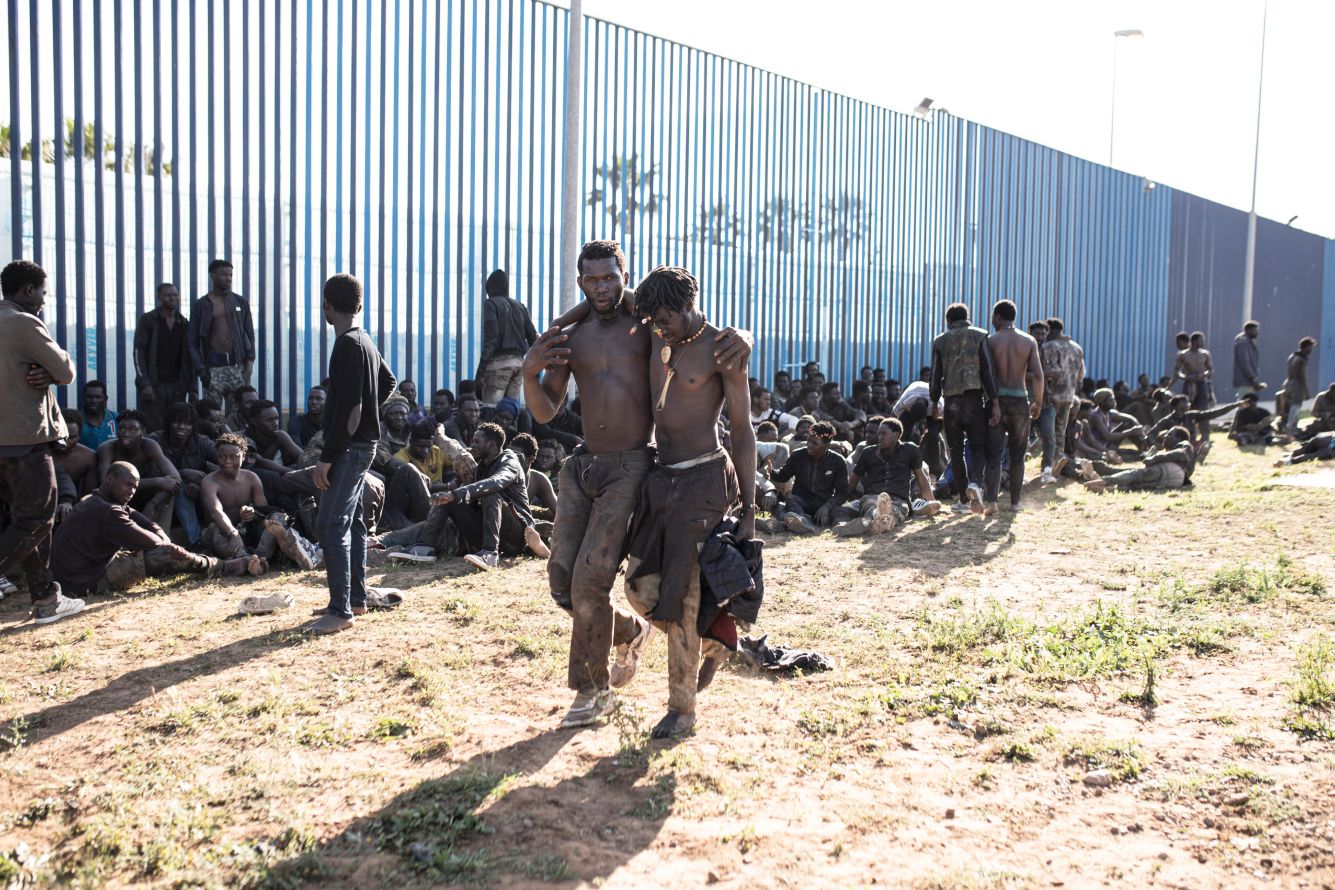
The Spanish Autonomous City of Mellya is on the border with Morocco. In recent decades, refugees from all over Africa have been striving here to get into the European Union. In June 2022, the next mass attempt of migrants to penetrate the territory of the Enclave ended with a crush, police violence and numerous wounded and killed. However, the authorities of Morocco and Spain deny cases of abuse of authority by the police. Spanish officials and responsibility for those who still managed to cross the border do not take on. Medusa retells the material of The Guardian about the situation in Melille and the fate of refugees who were expelled from the enclave back to Morocco.
Mellya - territory with a special history and multicultural heritage
The city of Mellya on the Mediterranean coast of Africa became part of Spain more than 500 years ago - in 1497, when it was conquered from the Berber . In the 19th century, the official borders separating the European territory from the state in the north of the continent were established under the terms of agreements between Queen Spain and the Sultan of Morocco. Now Mellya, like the half -Eksklav Seuta, is the status of an autonomous city. However, since the acquisition of independence from France in 1956, Morocco disputes the belonging of both settlements to Spain.
The territory of the Melilla is approximately 12 square kilometers. The architectural structure of the enclave resembles Barcelona and other Spanish cities, although the Berber fortress of the XIV century has been preserved. Mellya is a bizarre combination of two cultures: Spanish is considered the official language, but many speak Arabic and Berber, Muslim names are transformed thanks to Spanish suffixes, lamb and pork, mint tea and beer are equally popular. Almost half of the population - Catholics and about the same - Muslims. The Jewish community of Melilla has about a thousand people, and even a hundred citizens profess Hinduism.
Despite the obvious Moroccan influence, the majority of enclave residents consider themselves Spaniards. According to the vice-president of the Legislative Assembly of Melilia Dunya Al-Mansimim Umpierres, local residents are often offended when compatriots take them for Moroccans. Moreover, they fought for the right to be considered the Spaniards.
According to the laws in force before joining the European Union in 1986, the Spanish government granted the right to receive citizenship to representatives of some groups related to Spain historically and culturally, for example, residents of Latin America. However, Moroccans and natives of Western Sahara did not enter this list, although they also came from the former colonies.
Due to the bureaucratic confusion, about 14 thousand Muslims from Melilla suddenly began to be considered foreigners, although they were born and lived in Spain. In response, Muslims organized demonstrations and strikes. Pictures of police officers aiming at a group of women who protested in the city square appeared in the press. Public discontent forced the government to make concessions and provide Spanish citizenship for long -time residents of Melilia.
The combination of different cultures is one of the inalienable features of the enclave. Even the tourist logo of the Melilla consists of four letters, each of which belongs to the alphabet of the language of one of the peoples living in the city: Latin, Arabic, Hebrew and Sanskrit.
Protect the city - a high fence and visa regime
In the second half of the 20th century, Spain and Morocco signed an agreement that allows the inhabitants of Melilia and the neighboring Moroccan city to move across the border unhindered. Many Moroccans began to come to the Spanish enclave daily, to work.
In 1991, Spain joined the Schengen zone, in which Europeans could travel without visas. Since then, Brussels-there is the headquarters of the European Union-has repeatedly called on the Spanish government to reduce the flow of migrants. When refugees from Algeria and Subsichar Africa were massively headed in 1995, the Spaniards authorized the construction of a three-meter fence stretching more than 11 kilometers along the border. The construction of the fence ended in 1998.
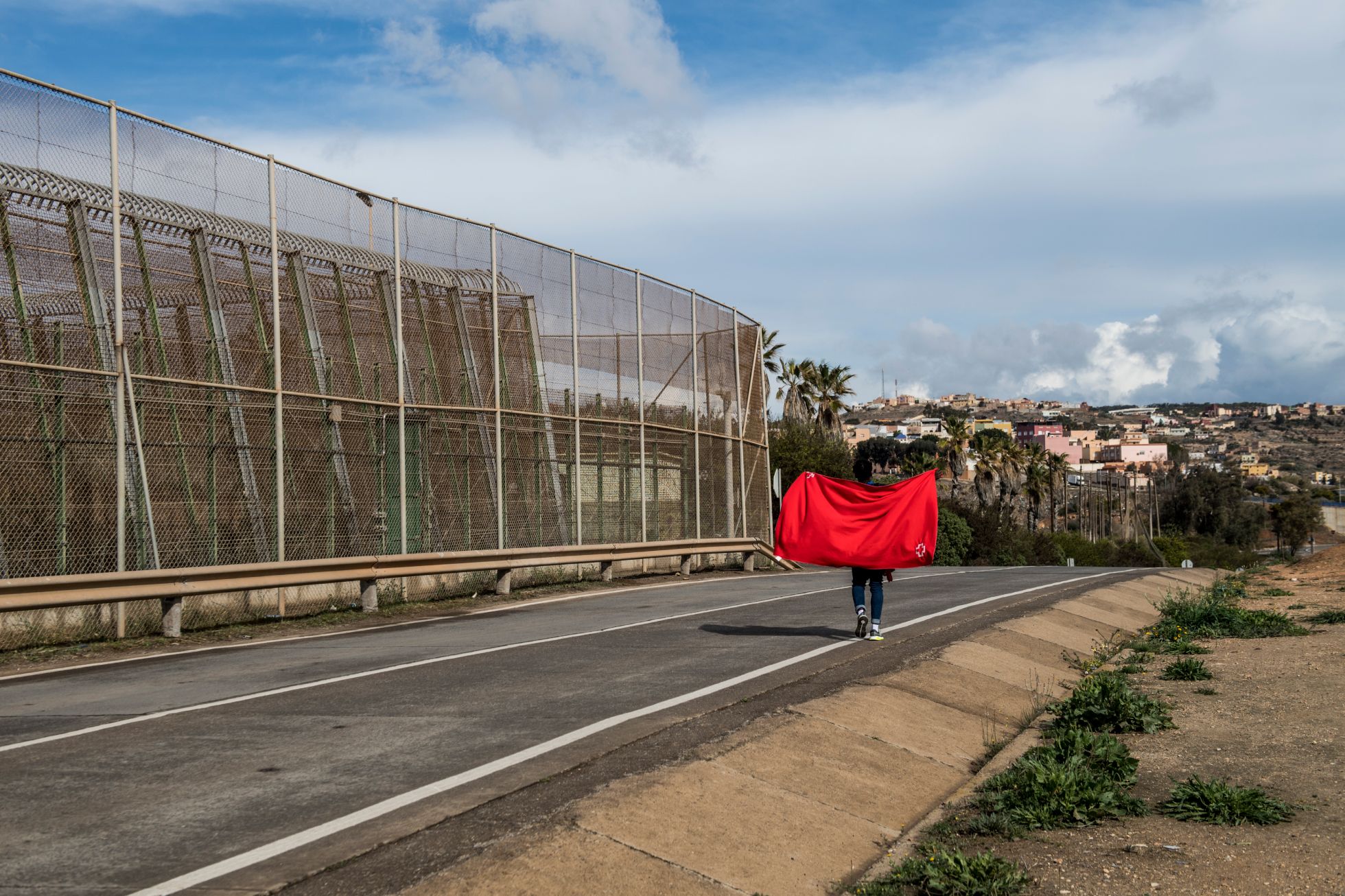
However, the hills surrounding the hills and rocks did not allow the setting to establish a fence along its actual border - as a result, some Moroccans living in the vicinity of the Spanish enclave were cut off from their own country with a three -meter fence. The same thing happened with the inhabitants of Melilla, whose houses, due to the complex topographic structure of the region, were on the Moroccan side of the fence.
One of these people, Miguel Angel Ernandes, in the early 2000s offered a 50-meter passage a meter wide, through which he could move from his villa to the nearest checkpoint on the border. Each time he wanted to get from his house in Melila or vice versa, he had to show documents and explain the situation to the border guard. In the end, Ernandes bought a new house in the center of the Spanish Enclave and moved there.
As the stream of migrants from Africa in Melille grows, the device of the fence at the border became more complicated. In 2005, its height was already six meters. In 2014, the Spanish authorities installed a grid around it, which it is more difficult to climb, and individual sections were provided with barbed wire. The latter in 2020 was removed , as directed by Prime Minister Pedro Sanchez, but the height of the fence in some places was increased to nine meters.
After the beginning of the Pandemia of Coronavirus, the Spanish government annulled the right of the inhabitants of the turned to a simplified crossing across the border. Since then, no Moroccan can get into the territory of Mellya without a visa.
Modern Mellya is rather not characterized by multiculturalism, but by the almost unique status of African territory related to the European Union. For many migrants, autonomy represents the opportunity to get into the Schengen zone without crossing the Mediterranean Sea. However, in recent years, Mellya, like Seuta, has become a stronghold of the “European fortress” , the main purpose of which is to not allow residents of other countries to penetrate the territory of the European Union.
The position of the border city affects the situation inside the reclaim. The share of civil servants in the autonomous territory is almost 50 percent - more than in any other Spanish region. The streets are filled with police cars, and the total number of patrol and border guards is estimated at about 1,200 people. In addition to them, about 3,000 soldiers from the army and the Spanish legion patrol the territory of Melilla.
Migration processes in the city have become an integral part of everyday life. In Melilier, there are departments of the Red Cross, the Office of the UN Supreme Commissioner for Refugees and many non -profit organizations. In 2020, the Spanish Supreme Court allowed migrants to freely move throughout Spain with a passport and a petition for the provision of asylum. Then most refugees chose to leave the enclave and settled in other regions of the country. Since then, fewer foreigners have remained in Melille for a long time, and it became almost impossible to get into the territory of the most autonomous city.
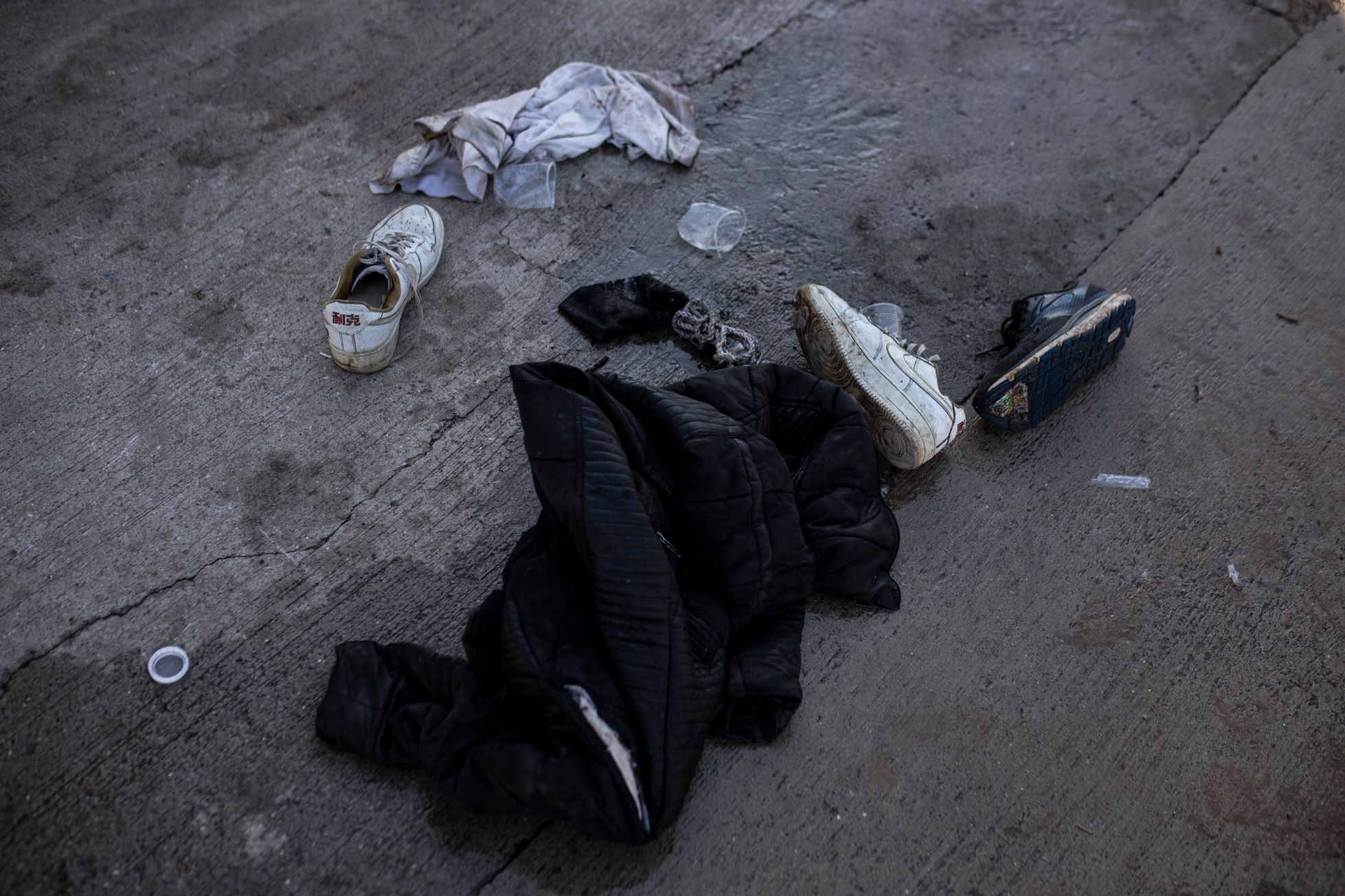
The most massive attempt to penetrate the mellya ended with a crush, violence and death of 37 people
At the beginning of the summer of 2022, several thousand people-mainly refugees from Sudan and South Sudan-settled on Mount Gurugu in the northeast of Morocco, hoping to get to Melilia from there. The local police regularly arranged raids on their settlements and dispersed migrants. The merchants were forbidden to sell them food and essentials, and taxi drivers to take them to the Spanish consulate in Readu, the neighboring Moroccan city.
Refugees could not remain on the Gurug, because otherwise they would have been arrested, but could not take advantage of the official channels in order to submit a petition for the provision of asylum in Spain. Many decided that the only remaining option was to penetrate the territory of Mellya illegally.
About 1,700 people reached the border between Morocco and the Spanish enclave at 8 in the morning on June 24, 2022. They headed to one of the checkpoints closed during the pandemic period, and began to climb over the fence. Hundreds of people overcame the barbed wire and ended up in the courtyard surrounding the checkpoint from Morocco. As they accumulate around the fence of an increasing number of migrants, Moroccan police surrounded the border post and began to throw stones at people and shoot with rubber bullets.
According to the Lighthouse Reports investigation organization, at least 20 cylinders with tear gas were transported to the territory of the checkpoint. Its use turned people into a panic flight. Many rushed to the fence, trying to get into the territory of Spain, before the police get to them. Those who did not hold and fell, trampled off other refugees.
Among those who still managed to cross the fence was 24-year-old Bashir. In Melilier, he managed to take only a few steps before an officer of the Civil Guard of Spain grabbed him and dragged him back. While he was led, Bashir saw migrants who hung on the fence, trying to crawl to the Spanish side. Such a crowd formed on the territory of the checkpoint that there was not enough air. People pushed, trying to free up more space next to them; Several people lay on the ground and did not show signs of life.
Plastic handcuffs were put on Bashira and put on the ground together with other refugees. They spent the next few hours under the scorching sun at a temperature of about 27 degrees Celsius. Moroccan police beat the detainees with batons. Bashir desperately wanted to drink, but he did not dare to move. Many people around him also lay motionless. He suggested that they pretend to be dead to avoid beatings. Those who received fractures were ignored - ambulances came only in order to pick up corpses or provide first aid to patrol.
After about eight hours, refugees were distributed through buses that carried them to different Moroccan cities - as far as possible from the border. “We were no longer people, we were turned into animals,” said Bashir, who agreed to talk with journalists on anonymity.
According to official figures, out of 1700 migrants, who tried to cross the border on that day, 133 managed to submit a statement for the provision of asylum, and 470, including Bashir, fell into the territory of Spain, but were expelled back. At least 37 people died, and the fate of another 77 refugees remains unknown.
The Spanish authorities almost immediately tried to refute the information that the tragedy partially touched their territory. Prime Minister Pedro Sanchez thanked the power structures of both countries and called the “cruel attack on Spanish land” that happened on June 24. Later, Sanchez admitted that he made a statement before he saw the recordings made from the surveillance cameras and eyewitnesses on the territory of the checkpoint that day.
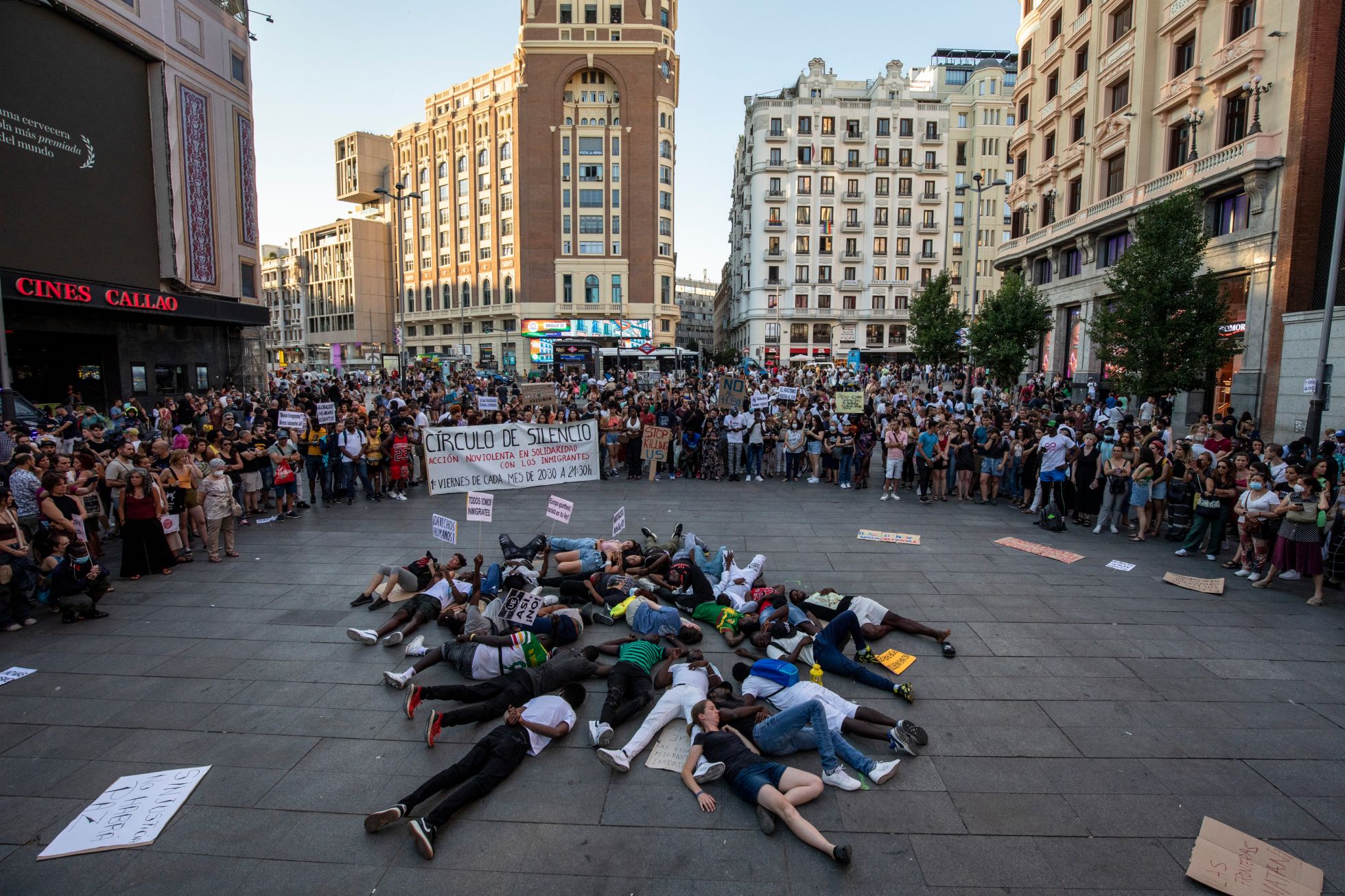
In Morocco, 33 immigrants were sentenced to conclude up to 11 months for material damage and attacks on officials, and another 32 were charged with human trafficking. According to the Moroccan Human Rights Association, two days after the incident, the witnesses saw how the Moroccan border guards dug up about 20 graves near the checkpoint.
Surviving refugees have to hide from the Moroccan police and hope for a European bureaucracy
From 2014 to 2020, the European Union allocated Morocco 346 million euros to regulate the flow of migrants and is going to pay another 500 million until 2027. Brussels concluded similar agreements with other North African countries. As soon as the migrant manages to cross the border, the burden of taking care of him passes to the state in whose territory he is located. Such logic implies that until the refugees remain in Africa, neither Spain, nor the European Union bear moral or legal liability for it.
However, the policy pursued by European bureaucrats often has tragic consequences. Bashir, who tried to get to Melilia in the summer of 2022, at the age of 15, escaped from the village in Sudan, where during the local conflict, his father and older brother were killed. He settled with his uncle in the province of Sennar, where from him for five years they demanded to renounce Christianity and accept Islam. When Bashir accumulated enough money to get to Europe, he went to Morocco through Egypt, Libya and Algeria. Along the way, he was detained four times and once quitting to die in the desert. He repeatedly turned for help to the Office of the UN Supreme Commissioner for Refugees, but faced indifference from the employees.
After an unsuccessful attempt to cross the border with Melilia on June 24, 2022 Bashira and other immigrants from Sudan, eight and a half hours were brought to the city of Beni-Melll in the central part of Morocco. From there, the refugee managed to get to the west coast. Since then, he wanders between cities, relying on random acquaintances.
Unlike other migrants who want to try to get into the Spanish enclave again, Bashir decided to get refugee status in a legal way. He contacted local human rights activists, and through them - with Madrid lawyers. Those helped him compose and apply to the embassy in Rabat.
At the time of the conversation with reporters, Bashir had been waiting for a response from Spanish officials for several months. He had to constantly move from place to place out of fear that Moroccan police would traveled and arrest him. According to Bashir, he constantly recalls the mass death of compatriots on the border between Morocco and Melilia, and after all that he had a chance to go through, dreams of only a normal life.
“Despite everything, I still want to hope,” he wrote in the name of the Spanish Prime Minister Pedro Sanchez.
The main goal of the Spanish government is to relieve themselves of responsibility for refugees
According to the officer of the Civil Guard of Spain who agreed to talk with the journalists, in recent years, the influx of refugees in Mellya has rapidly increased. “20 years ago, they moved across the border at night and small groups,” he said. -Now everything is different. They come in large groups, with weapons and an attack plan. The biggest difference is an increase in the level of violence . ”
The Spanish authorities claim that they respect the basic rights of foreigners, even if they penetrate the territory of the enclave illegally. However, special decisions adopted in Set and Melille allow border guards to expel migrants without appropriate procedures and without risk assessment that they may encounter if they find themselves in Morocco. Such a procedure contradicts the principle of non -division prescribed in international agreements, implying that it is impossible to return refugees to where they can be persecuted and other violations of human rights. According to the Spanish Ombudsman, on June 24, 2022, the authorities illegally returned 470 people to the territory of Morocco.
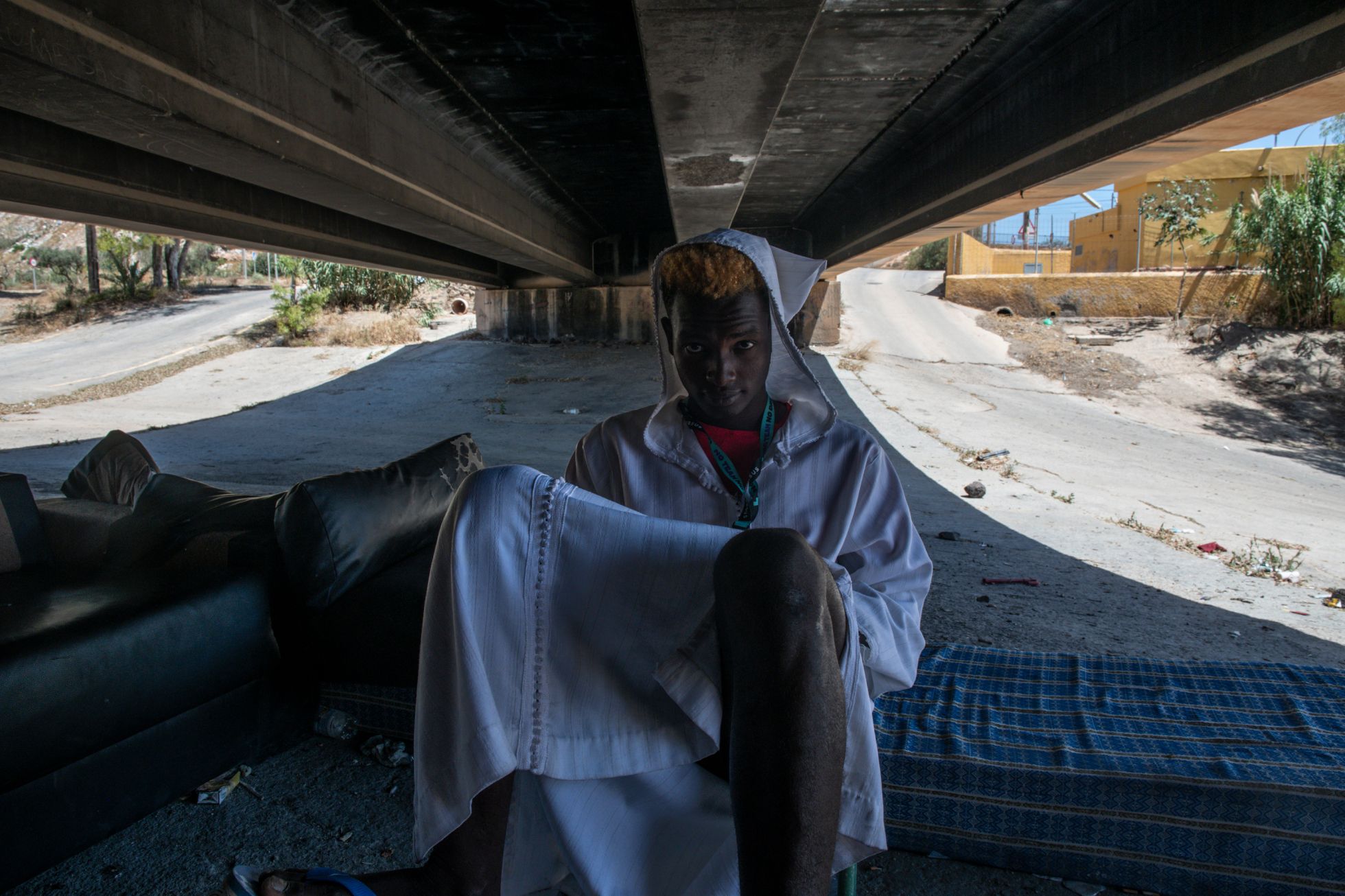
Melilla police officers told reporters that on that day they did not exceed the authority and referred to the investigation report, according to which their actions did not threaten the life and health of migrants. The prosecutor came to the conclusion that the border guards did not know about the toll among refugees, so "they could not assume that people were in a dangerous situation and needed their help."
The Minister of Internal Affairs of Spain added that the closed checkpoint is considered a neutral territory and is outside the Spanish jurisdiction. His words diverge from the data on land registration, according to which the border post officially refers to Melilier. Nevertheless, the Spanish authorities still argue that on that day, not a single person died on the territory of the enclave, so neither they nor the European Union are responsible for what happened.
Most of the residents of Melilla try not to pay attention to incidents with migrants and distance from the status of the border territory. The center of the enclave resembles any other Spanish city where people meet in a cafe, hurry to work and discuss ordinary things. По словам одного из горожан, жители Мелильи не могут нести груз чужих страданий, поскольку у них не меньше проблем, чем у других испанцев, и нет времени думать о трагедии, разворачивающейся на границе.
"Jellyfish"