
Translated material
Why Digmsk Poles were on the verge of disaster
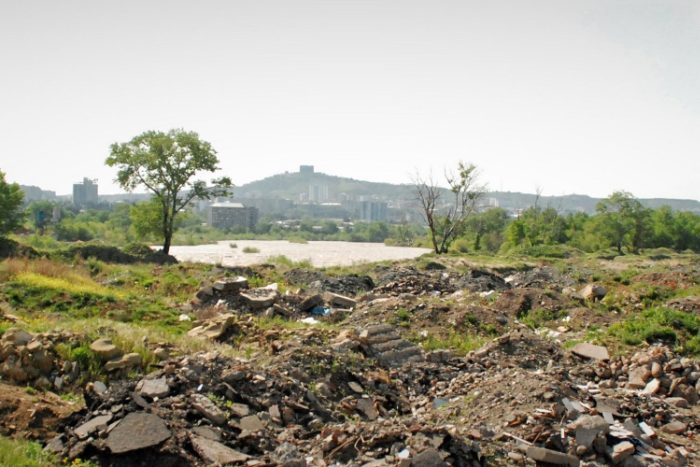
The Digers' floodplains are an important Tbilisi ecosystem, which was almost destroyed by the secret production of materials. What happened and how do the terrain save?
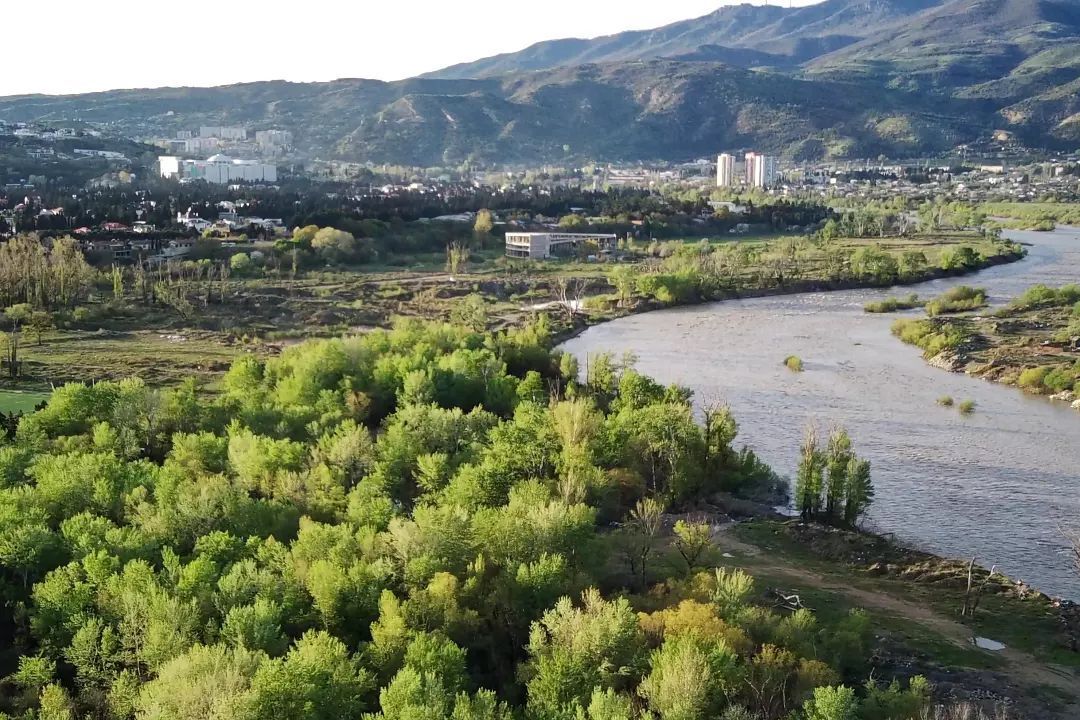
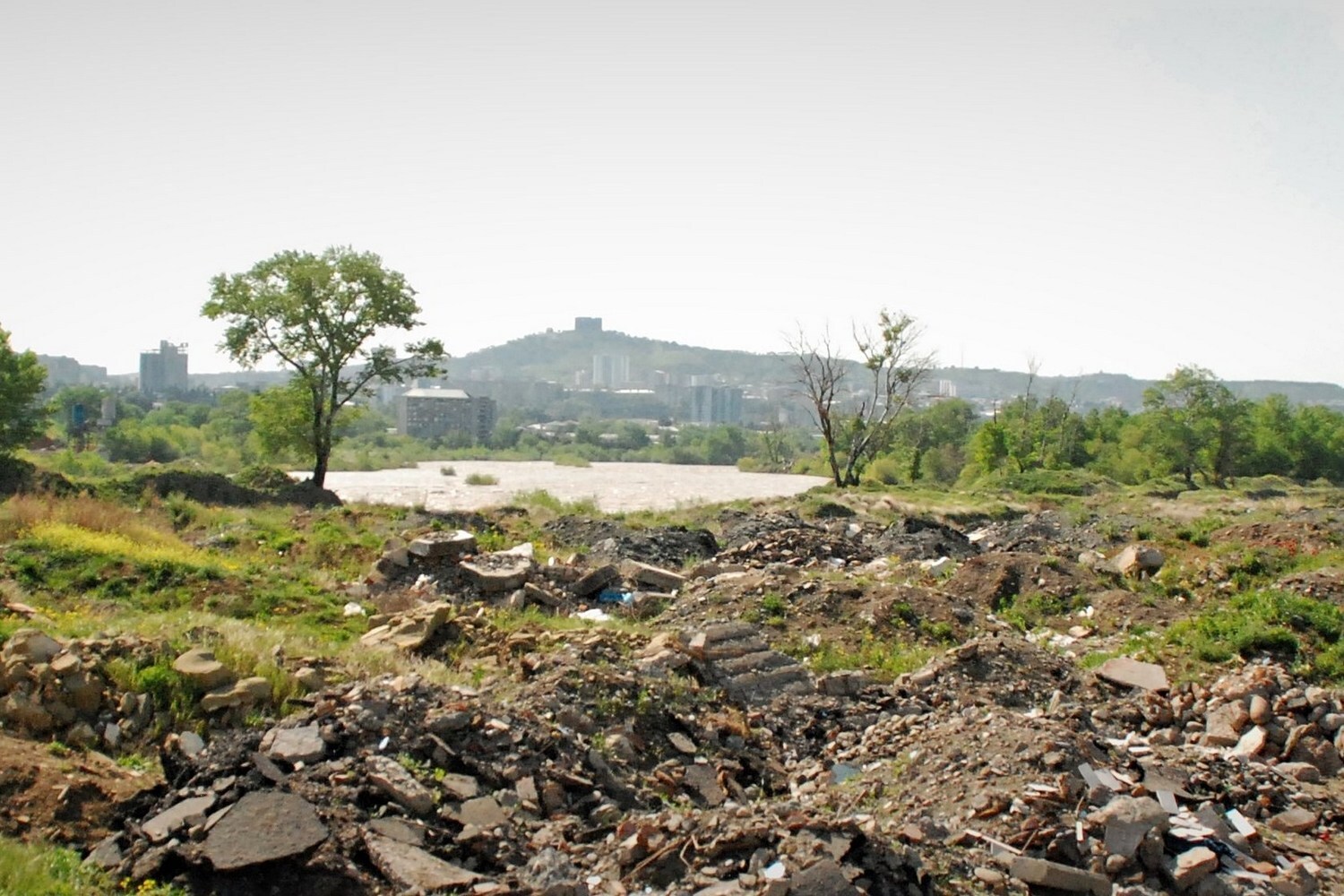
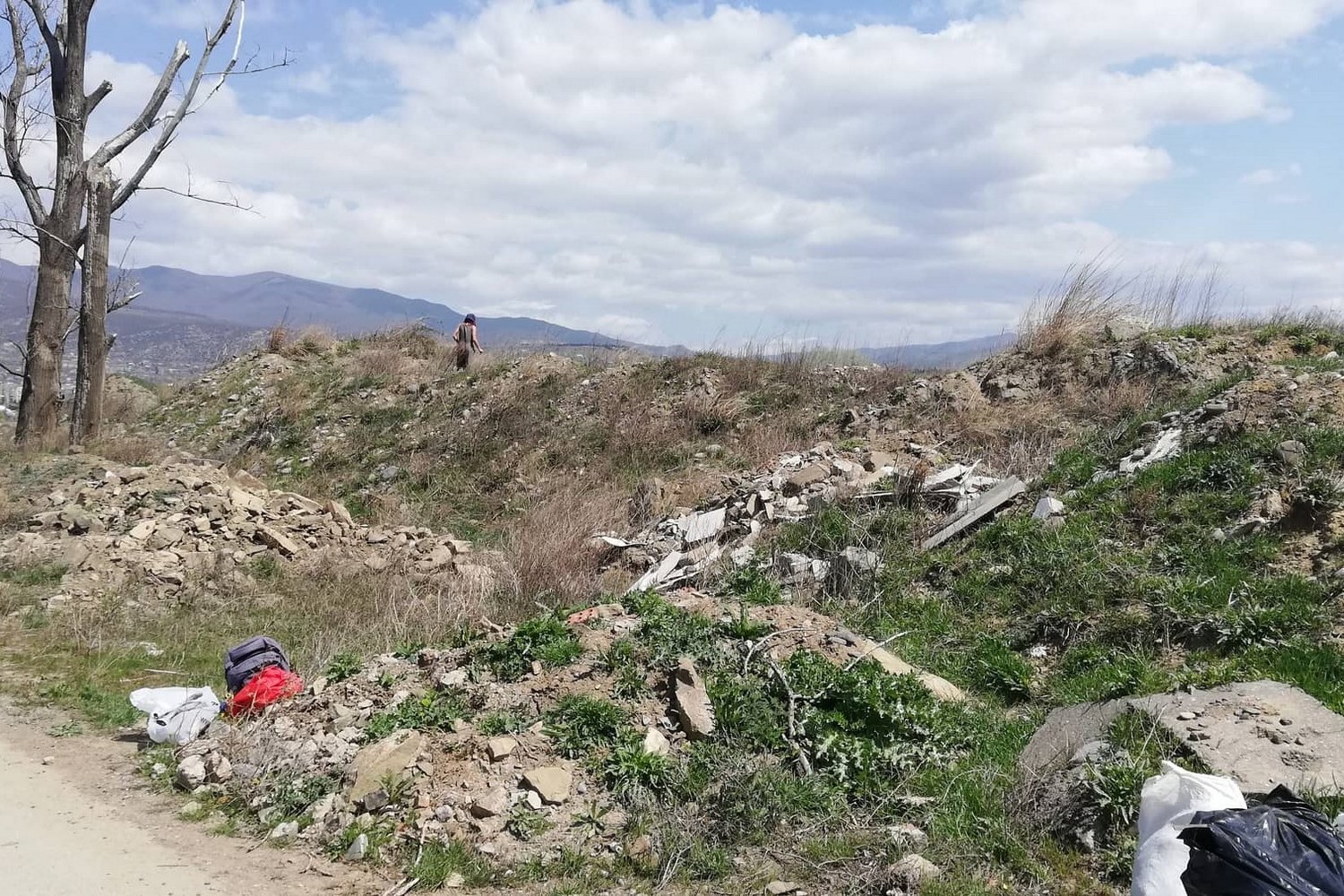
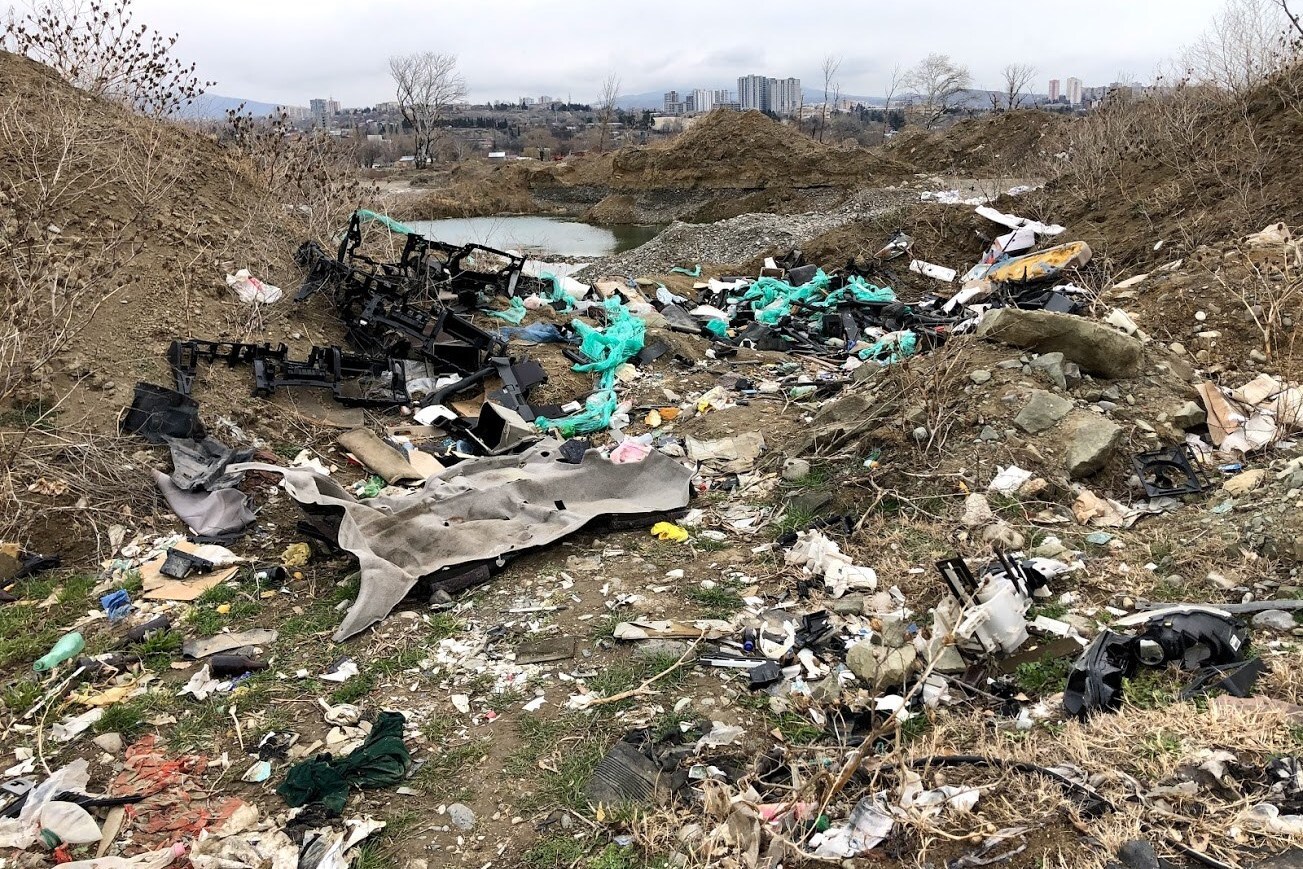
In the north-west of Tbilisi, in the Valley of the MTKVVAR River, there is a forest that is considered an important ecosystem with the richest bio-zone in the capital. In 2015, as the activists found out, the extraction of sand and gravel material, which led to pollution, and then destroy most of the terrain, began to secretly began.
Once the green forest is stripped, the mountains of garbage lie at the river, craters remained in the ground - local residents undertook to solve these problems. They achieved the study of the territory: by May 2024, the International company SMEC should provide a strategy for the restoration of floodplains and an action plan. After the scandal, the authorities also confirmed the illegality of the work.
Paper Kartuli tells what the Dig -palls are important, what happened to them and how the Georgians united to save the terrain.
What are the Dig Putoles and what happened to them
Dig Putoles - parts of the river valley of MTKVVAR (chickens), which are flooded in floods and during floods; Thus, floods are prevented. They are located in the metropolitan district of Digomi, next to the Olympic village and near residential complexes erected over the past eight years.
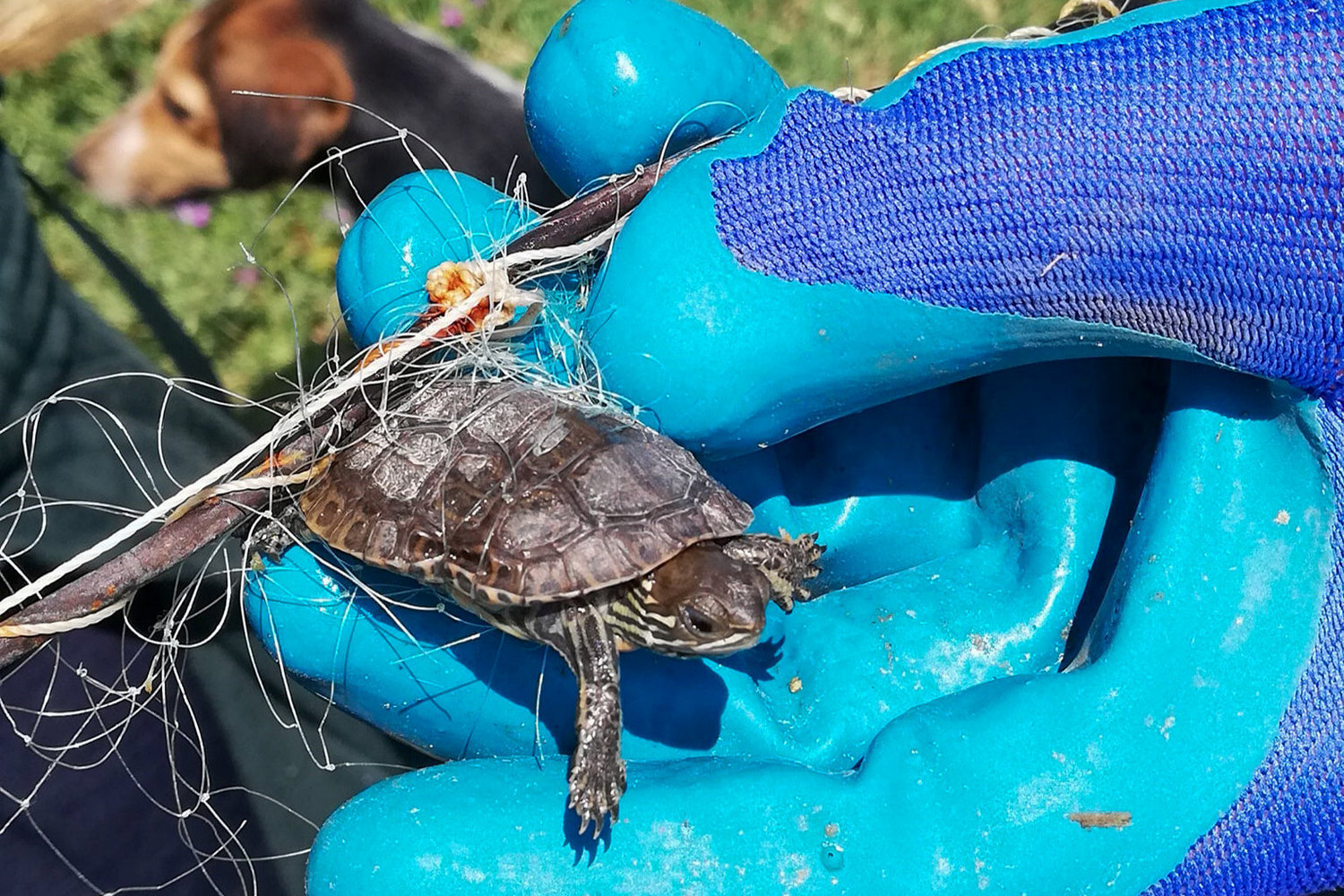
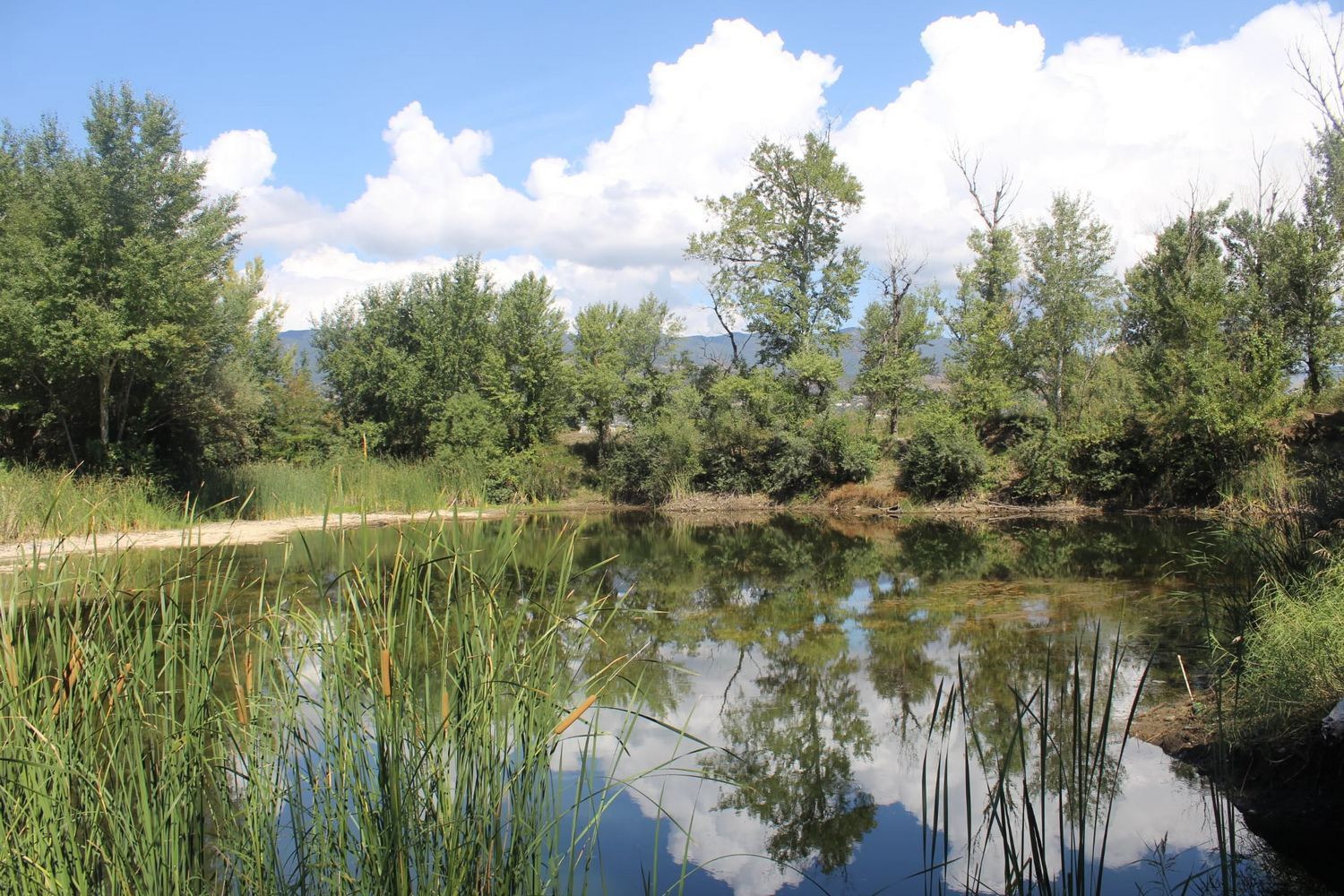
The total area of the ecosystem is 190 hectares, it is like a dozen areas of freedom. Floody forests clean the rivers from pollution and improve the quality of water. Several lakes are located here, poplar, oak, suckers, shrubs and meadow grasses grow, many rare birds and animals live, including turtles, foxes and otter . In honor of the latter, even a whole island is named inside the ecosystem, which in December 2020 became a candidate for inclusion in the Emerald Network.
Currently, only 67 hectares of floodplains are private property, and 123 hectares belong to the state and the municipality. According to the law, the ecosystem is subject to protection and protection by the state, like any other floodplain forest. Despite this, as the defenders of the territory claim, it was destroyed for six years.
Presumably, the problems began in 2015, when the Tbilisi City Hall planned to build a park in the Dig Poles. The project has changed four times, until now, but the construction has not begun. Nevertheless, as activists found out, some other illegal work on the extraction and processing of building materials - stone and gravel started in a special environmental zone.
Until 2020, they almost did not talk about these works. For five years in the forest, workers at that time of unknown companies soaked and processed a stone, as a result of which hundreds of thousands of cubic meters of waste were formed. Also, 70 % of the trees were destroyed there - some of them were cut down, some were covered with sand and garbage. Information about this in 2020 was confirmed by Publika Urbanist Ani Bibilashvili, who studied the Digfs.
At that time, the authorities did not comment on what was happening. But, as the activists stated in 2021, it was these works that posed a threat to the river bed and the conditions for the spread of dust formed from the stone in floodplains in residential areas.
At first-due to the expectation of the promised park-the local population could not understand what is happening in the floodplains, the local resident and activist Anna Trapaidze, who now protects the floodplains, notes in a conversation with Paper Kartuli . According to her, the city hall often resorted to the trick, pretending that there were allegedly no problems in the floodplains and that there is a construction of a park that will solve everything.
In February 2022, the mayor of Tbilisi Kakha Kaladze nevertheless confirmed that illegal work was carried out in the floodplains to extract stone and gravel. He did not say anything else, but noted that they plan to build a park on the territory when the project will receive financing from international financial organizations.
How did the plans of the Park Construction change? ↓
First, in 2015, the mayor of Tbilisi David Narmania promised to build a recreation park with an area of 50 hectares - over time this figure decreased. In 2019, the mayor of the city of Kakha Kaladze, who replaced Narmia, presented a new project of a park with an area of 15 hectares. By 2021, the project area was reduced to 8 hectares.
To the question of Publika , why the park area decreased to 15 hectares and what is planned to be done in the rest of the territory, the city authorities replied that in 2015 they announced the construction of the park, and then - after detailed design and drawing up the general plan, the area said. The publication said that they did not plan to do anything with the rest of the floodplains.
According to the Kaladze plan , in the floodplains they should have built sports spaces and recreation areas, as well as an artificial lake with pedestrian and bicycle paths. The city hall estimated the cost of work at 14.8 million Lari.
The project was promised to implement in two years, having finished in 2022. However, the Covid-19 pandemic began, and the work on arranging the park did not start. The mayor of the capital did not comment on why the construction of the park is delayed.
At the same time, in the 2020s, the authorities were criticized by eco-activists and independent specialists. “Our main pain was that the project of a park with a fairly solid budget covered only 8 hectares of Digskiy water-bobby land, while this amount would be enough to clean and put in order of the entire territory, as well as to restore at least 70 hectares of an impregnated forest,” Anna Trapaidze notes in a conversation with Paper Kartuli .
Activist Anna Trapaidze is sure that when the works that were in Digomi are conducting in the natural zone, and the authorities do not prevent this, it shows either the weakness of the city hall or corruption. Trapaidze believes that it was for the second reason that the mayor of Kakha Kaladze has not yet announced environmental problems in the Dig Poles. Paper Kartuli sent requests for comments to the Georgian environmental departments, but there was no answer.
How the inhabitants of Digomi proved the existence of problems in a unique ecosystem
36-year-old biophysicist scientist, a doctor in the field of nano and micro-technology Anna Trapaidze settled in a recently erected residential complex next to Digomsky floodplains at the beginning of the Covid-19 pandemic, in February 2020. She wanted to live near the park, promised by the city authorities, an imputed forest and a river, but instead stumbled upon construction work.
“When I settled down, our complex was still being built at that time. At that time, many residents did not even know that around the floodplain-the Digu water-bolot lands. Most by that time have not yet been settled, foreign tenants lived in many houses. There were those who noticed what was happening in the floodplains, but they did not care, ”the scientist recalls.
Trapaidze was one of the first to publicly attract attention to the problems of the area. “We [with a neighbor] noticed that there were a lot of dirt on the road, trucks moved at high speed and frequency. Dust and constant noise came to us. It was unbearable, and we went to check what was happening there. On the spot, we found an illegal landfill, illegal careers in the extraction of stone and gravel, ”said Anna Paper Kartuli .
Women appealed to the department for the protection of the environment of Georgia, but they were ignored. After that, Trapaidze shot photo and video materials of illegal landfill and quarries in the Dig Poles and, with the help of television and social networks, turned to the public for help. As a result, she created an initiative group to protect the floodplains.
“We were supported by other neighbors, we had supporters throughout the city. Before that, neither I nor my neighbor were eco -activists. But this was our civic position to do something [to eliminate environmental problems in floodplains], ”says Trapaidze. Since 2020, residents began to publicly discuss the problems of construction in the Poles area with urban planners, environmental defenders and ecologists.
In June 2020, Trapaidze held a high-profile promotion and talked in more detail about the problem of pollution of floodplains as one of the largest recreational spaces of Tbilisi. According to her, career works violate the riverbed, which is why the area is flooded, an epidemic is created due to bacteria entering the water.
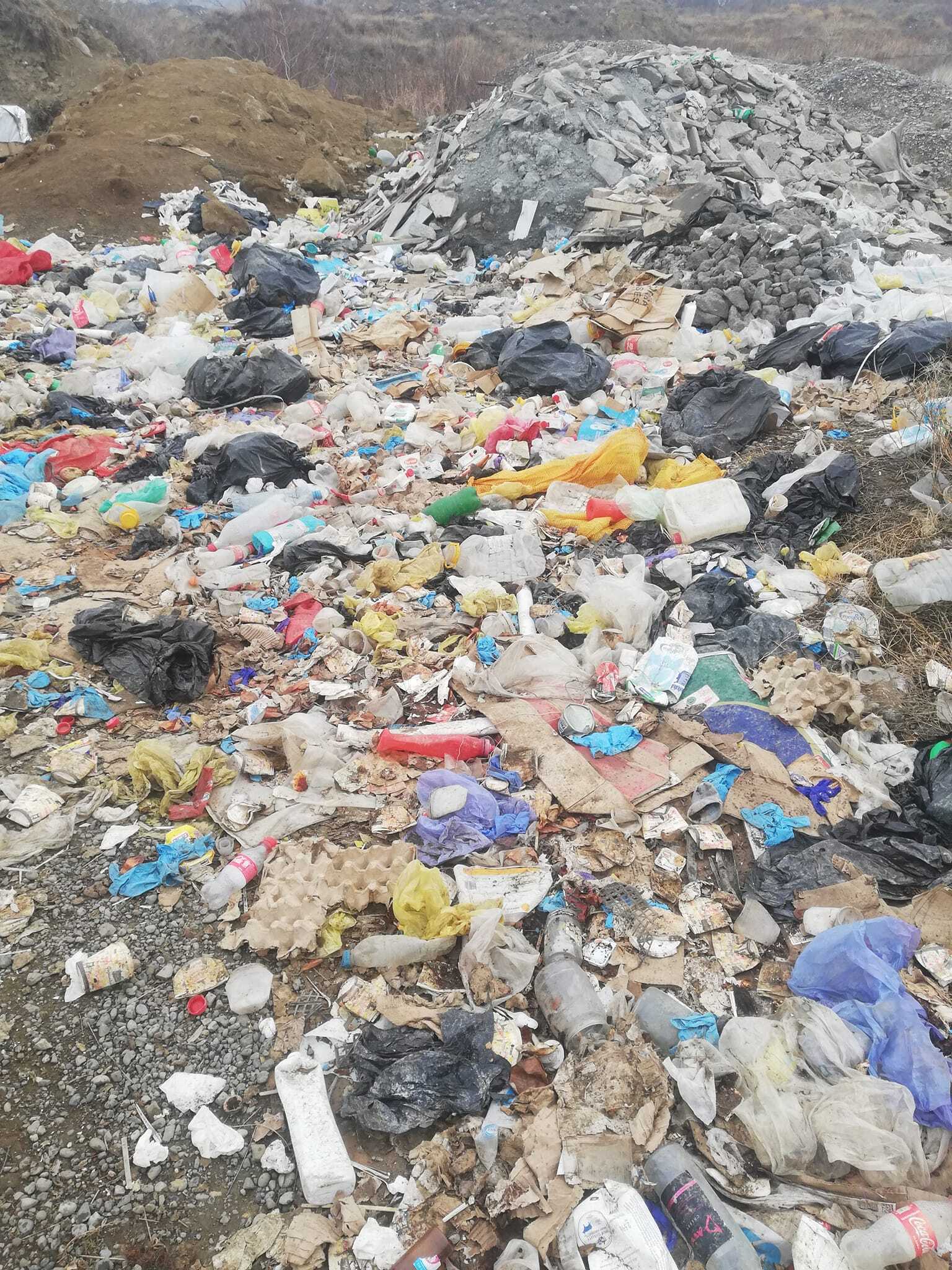
In addition, the floodplains are littered with construction garbage, toxic substances fall into the river, which flows towards the city and thereby poisons nature in the entire capital, Anna claimed .
Subsequently, experts also started talking about the environmental problem. The cleaner Anna Bibilashvili explained to Publika that, according to the Tbilisi General Plan, a certain part of the Digskoye floodplains bears the status of the recreational territory, and the other part - the status of the forest zone, which, on the one hand, involves the development of the recreational potential of the territory, and on the other hand, non -interference in the natural landscape.
According to Bibilashvili, the project developed by the mayor's construction, which provides for the construction of the park, does not correspond to the landscape, microclimate and the potential of the Digers Poles. Bibilashvili believes that it is necessary to prepare a long -term plan for the restoration and rehabilitation of the territory.
In 2021, Anna Trapaidze and the scientist, the environmental researcher Mariam Khvedelidze together prepared a report based on their own investigation in order to “fix the degradation of the environment”. In this, they were helped by the NPO Open Society Foundation, which supports Georgian activists.
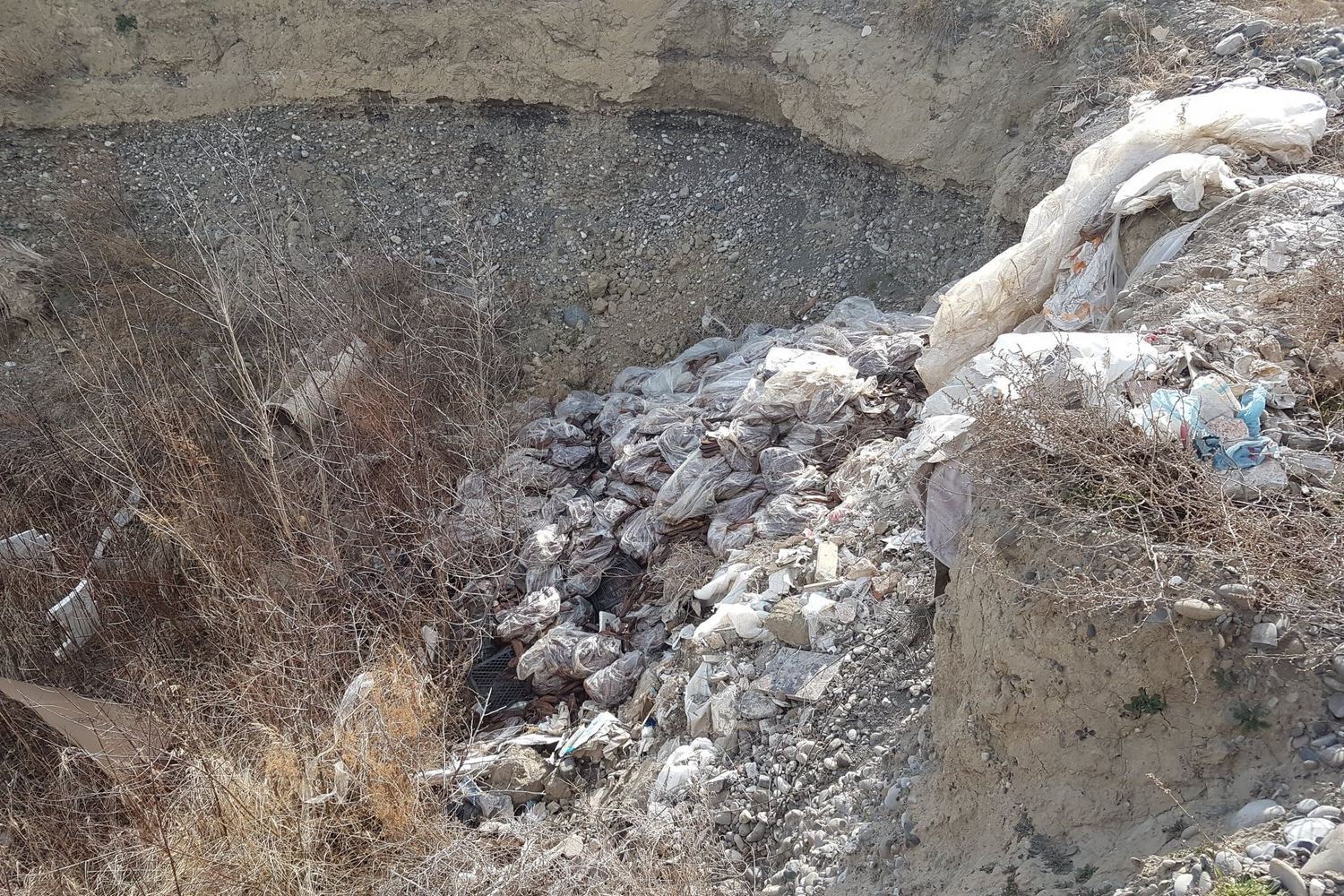
One of the conclusions of the report-the floodplains are facing an ecological catastrophe due to hundreds of thousands of cubic meters of stored waste; quarries where the water remaining after mining work stagnates; as well as construction dust, polluting air and interfering with residents.
What exactly did the activists say in their report? ↓
- The main problem is the pollution of the territory and the detrimental effect of waste on microflora and fauna. According to the report, up to 40 hectares of the territory of the Poles were polluted by 400 thousand cubic meters of waste: construction, communal and household garbage, as well as tires, electronic devices, motor oil and fuel oil.
- The waste is damaged by the landscape, destroy the microflora, plants, and also pose a great threat to the representatives of the fauna that lives in the MTKVIA River (aka Kura) and on the island of Otdr. Due to pollution, a unique Poles ecosystem is destroyed, and some animals listed in the Red Book were on landfills.
- On the coast of floodplains there are quarries with a depth of 3 to 6 meters and an area of up to 15 hectares. They remained after the work on the extraction of sand-gravel material, which also polluted the forest. In the quarries, soil and water stagnate, which is detrimental to the fauna.
- The dust formed as a result of processing activities is dangerous to the environment, pollutes the air and has a harmful effect on local residents.
As a solution to the problem, Mariam Khvedelidze and Anna Trapaidze proposed prohibiting career and improving work, cleaning the territory of garbage, restoring the environment and reclaiming the soil that suffered as a result of career and processing activities. They also recommended that the facts of illegal pollution and tighten state control over the terrain.
The authorities did not comment on the study and proposals. The author sent out a report to the City Hall of Tbilisi and the relevant departments, but there was no answer from the authorities, Anna Trapaidze told Paper Kartuli . But activists also sent a copy of the report to international organizations - and this helped them in the future.
What did the activists achieve in three years of work and how they are suing the mayor
Three years have passed since the locals began the struggle to save the Dig Poles. They managed to stop career work: in April 2021, activists filed a lawsuit in the Tbilisi court and demanded that the city hall remove garbage from the territory.
The city hall demanded that the enterprises dismantle buildings and structures - and, although the structures and waste remained, the production of materials itself ceased. The Ministry of Environmental Protection, in turn, annulled permission to companies Leader Concrete and Gr Motors, which, as the department said, conducted work on the extraction of building materials in floodplains.
As Anna Trapaidze explained in March 2021 Publika , the city hall provided the companies with 20 days to demolish structures, otherwise they should be demolished after a municipal audit. Nevertheless, the territory is still clogged, the garbage from the forest and the coast of the lake nobody took it out, says Trapaidze.
“It took us a year to, through protests, constant monitoring, statements and litigation, stop the pollution of digs,” the activist says.
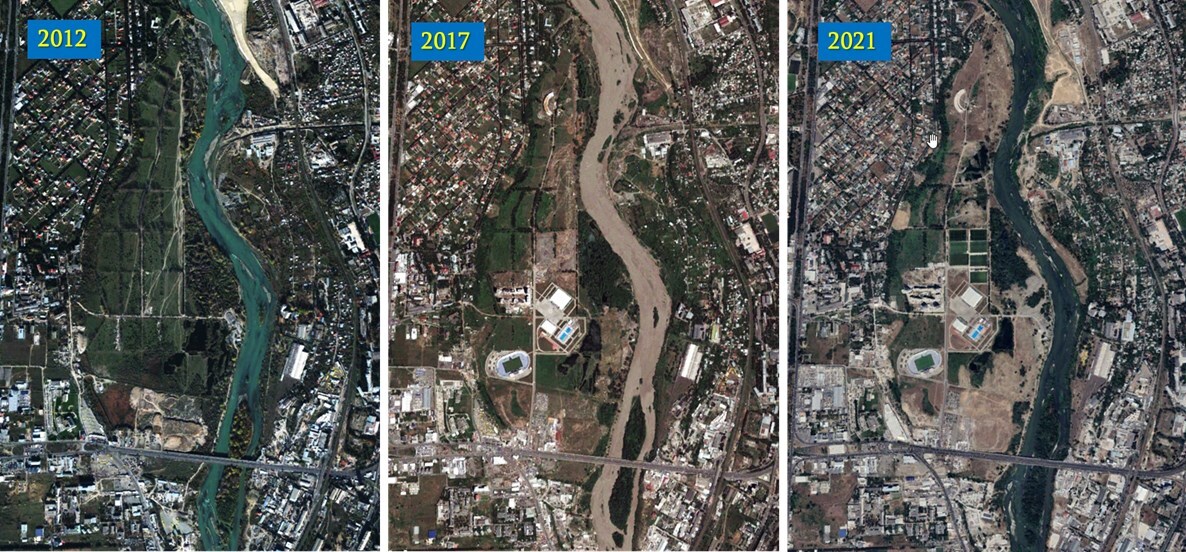
By 2021, only 15 hectares of flooded forest survived in the Digfs, which is 20 % of its original square, says Trapaidze. The satellite images shows: if in 2010 the vegetation cover in the territory was still preserved, then after 10 years there are almost no trees or grass. Activists claim that the soil has become unsuitable.
Now local residents want to hold accountable in the pollution of the Digsk Poles. On February 23, 2022, an initiative group of ecosystem defenders filed claims against the City Hall of Tbilisi and the Ministry of Environment and Agriculture.
“The ministry and municipality are accused of inability to effectively prevent illegal and criminal use of state and municipal lands by those private companies that were engaged in prey, processing and production of building materials, and also promoted the illegal placement of a large amount of construction waste and pollution of air, water or soil,” the initiative group of residents said .
Filed claims are still under consideration:
- The first case is associated with the removal of construction waste from the territory of the floodplains. According to Trapaidze, the clogged territory is owned by the municipality, so the city authorities must take the responsibility for cleaning the floodplains. Nevertheless, according to the activist, officials refused to clean.
- In the second lawsuit, residents demand to determine the damage caused by the environment and bring the guilty companies to financial responsibility and the payment of a fine for the restoration of floodplains.
According to Anna Trapaidze, the trials are delayed, and the prosecutor's office is slowly investigating the case, although the salvation of the surviving imputation forest requires timely actions. “We expect court decisions that will oblige the state and municipality to take appropriate measures, and we hope that they will become precedent decisions-the basis for legislative changes in the field of waste management and eco-responsibility,” the activist notes.
What is happening in the Dig Poles now
By 2023, activists have achieved the terrain to test the international organization. Even after the publication of the study in 2021, local residents sent a copy to the Asian Bank of Development-the donor organization of the company financing the design and construction of a city park in the territory of the Poles.
As a result, the development bank agreed to finance a large -scale study of the ecosystem. The work started in July 2023, they are conducted by the International company SMEC, which should prepare the strategy and plan for restoring the area by May 2024.
Activists hope that they will be able to clear the Dig Putoles and save this ecosystem. But the most important result of the struggle, Trapaidze calls the fact that the inhabitants did not allow interested parties to completely destroy the territory, and then privatize it and turn it into a bridgehead for new construction.
Now activists are engaged in the fact that they continue to attract attention to the Digfish fluids. Back in September 2021, they organized near the littered and almost destroyed territory the educational platform “Ecological Museum of the Palace of Digomi in the open air”, to which they began to attract schoolchildren.
During the existence of the project, 50 schools and 1,500 students participated in it. Eco-activists held a series of online lectures for schoolchildren and teachers, excursions and workshops. “As a result of the struggle of residents and activists, the public’s awareness of the Dig Poles increased. Many people learned about the recreational potential of floodplains and [about what] that environmental crimes are taking place, ”says Trapaidze.
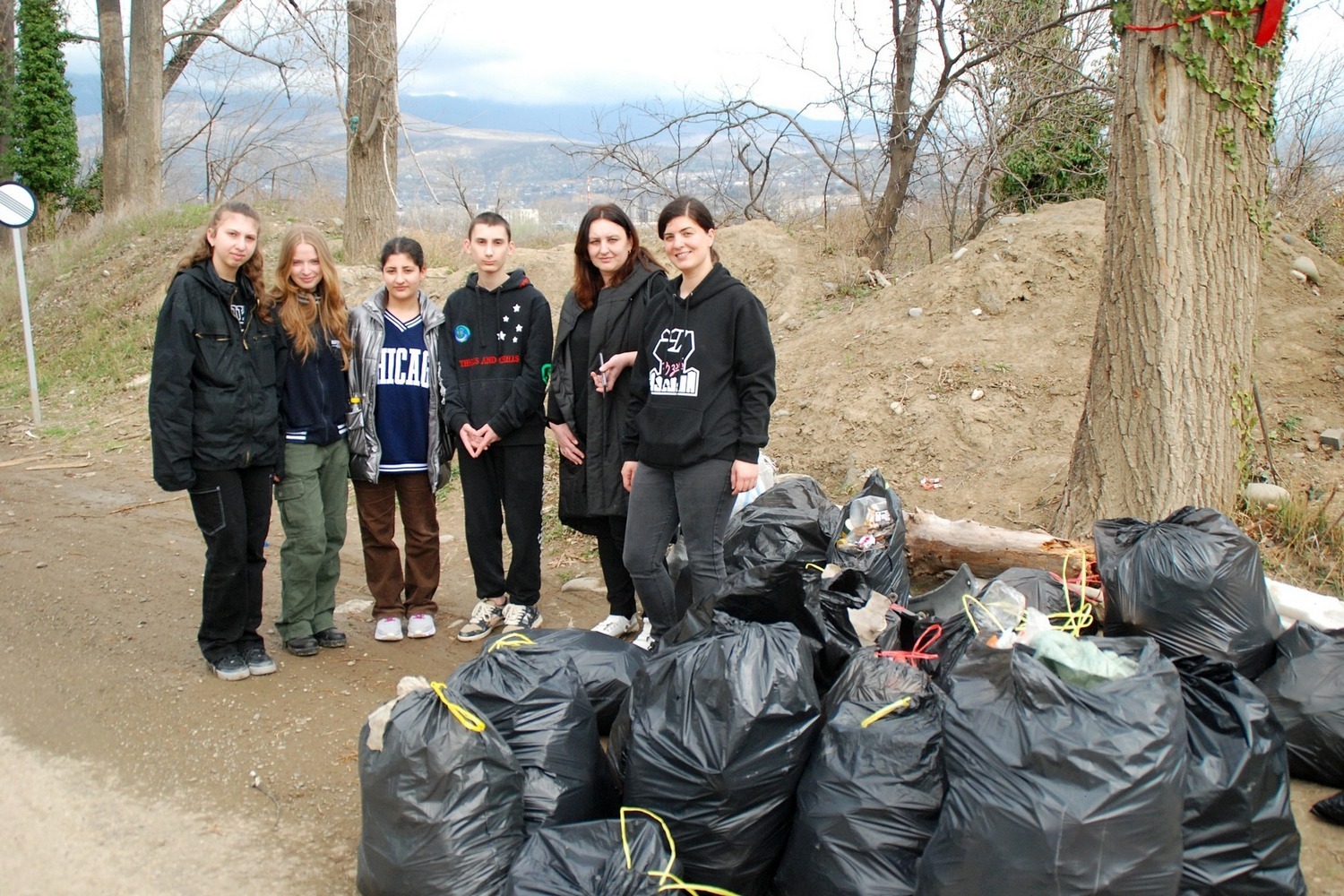
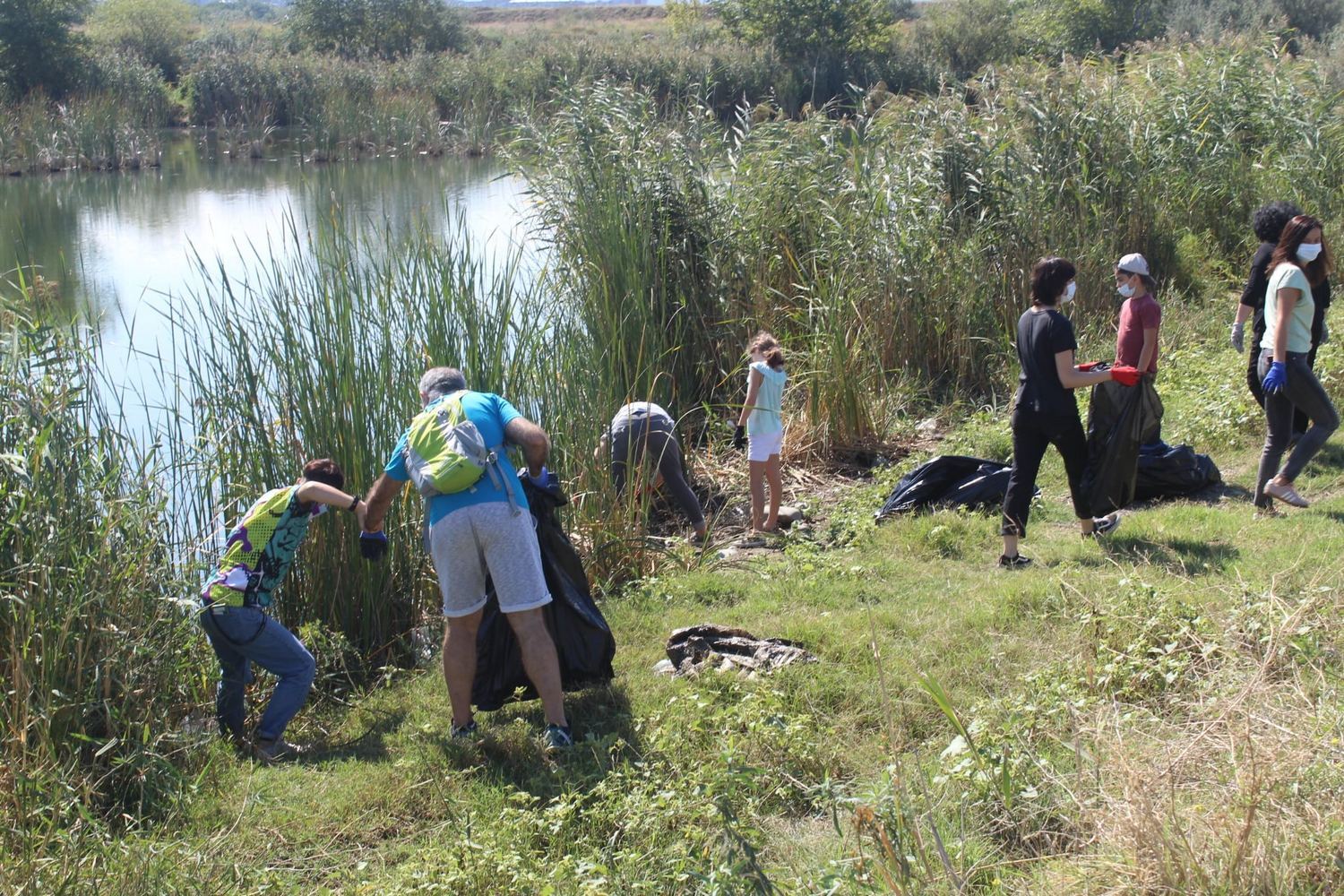
In addition to the educational part, eco -activists held thematic meetings and promotions on monitoring of birds and cleaning. In June 2023, in honor of World Environmental Day, the creators of the project organized an ecological festival , which, as the schoolchildren told the Formula television channel, there were board games and games, where it was necessary to answer questions related to the environment.
“We offered teachers an alternative environment for classes that they can tell students about environmental issues related to the environment,” Anna Trapaidze notes. According to her, the schoolchildren saw with their own eyes, "what the flooded forest means and what the ecological crime looks like."
How to survive difficult times? Together 💪
Support our work - and we will help look for solutions where it seems that they are not
support "paper"What else to read:
- Activist who returned to save others, Ukrainian and a seven -year -old child. Who died because of the landslide in rang .
- "We do not want to turn into a country of Khinkali, Khachapuri and Vinishka." The head of the Georgian travel company - about the crisis of the industry, laws and Russians .