
Translated material
Delete a copy
The Iranian film "Subtraction" is released in Russia. This is a psychological drama about doubles in the style of Dostoevsky and everyday anti -utopia
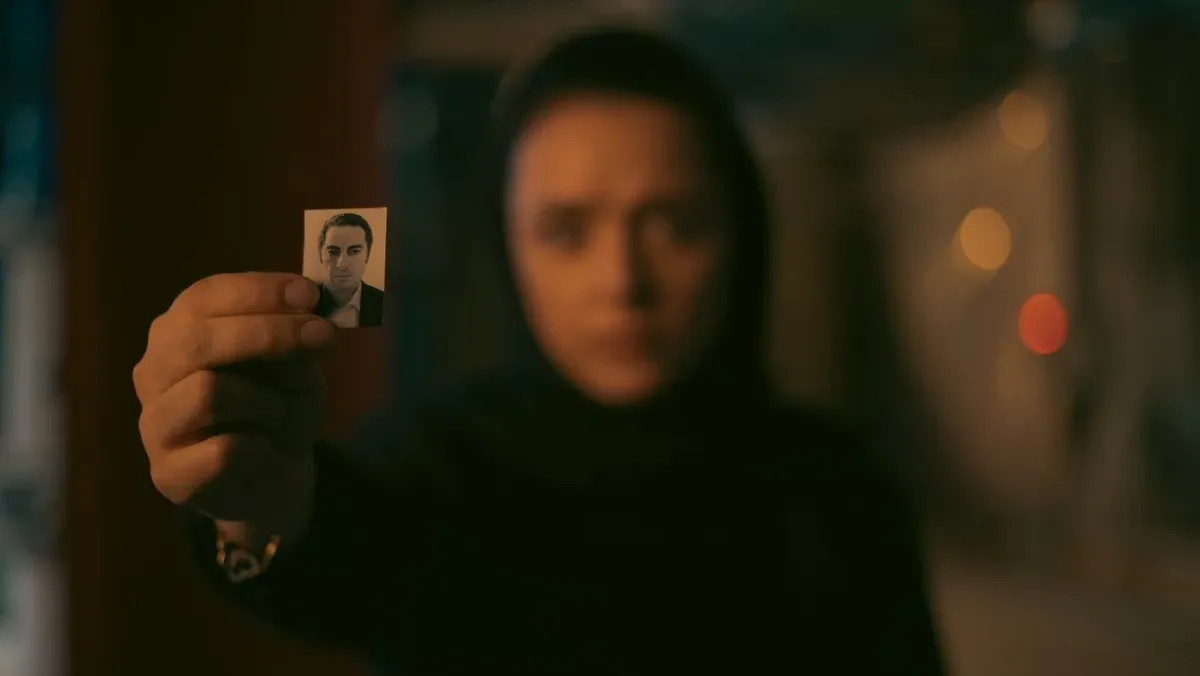
Shot from the movie "Subtraction". Photo: screen video
The Iranian psychological drama "Subtraction" directed by Mani Hagigi is released in Russian rental. Hagigi is a modern Iranian author, which differs from the rest of the Iranian cinema school with black humor. But “subtraction”, despite the elements of science fiction, is very reminiscent of the family dramas, which Iranian cinema is famous for - primarily the works of Asgara Farhadi known to the world (“Divorce of Nadera and Simin”, “Kommigoen”). About how the detective plot of “subtraction” helps to imbue the atmosphere of human lack of freedom, says film critic Oleg Tundra.
In Tehran, it pours pouring rain day after day, and such that roofs flow and entrances are flooded. This is not a sunny city with hot white machines, but raw jungle, where cars are in traffic jams and have nothing to breathe. The young pregnant woman Farzane (Taran of Alidity, the star of the Iranian dramas “Communist Party” and “About Ellie”) suffers from the abolition of psychiatric treatment: the drugs she are accustomed to are incompatible with bearing a child. Her melancholy husband Jalal (Navid Mohammadzade) almost lowering his hands from despair, not understanding how to help her beloved woman. Tormented by doubts in everything, Farzana once meets on Jalal Street, which travels by bus to the other edge of the city. Farzane surveillance will end with a more terrible discovery than cheating on her husband: it turns out, in a multi -storey building where she tracked down Jalal, a couple of their doubles live. Also husband and wife, the same appearance (though with other names), but with a little son. Having met his own copy, Farzana cannot believe his eyes and tries to find out the nature of the appearance of the family of doubles. And all this - under the ongoing Tehran rain, taking the scale of the natural disaster.
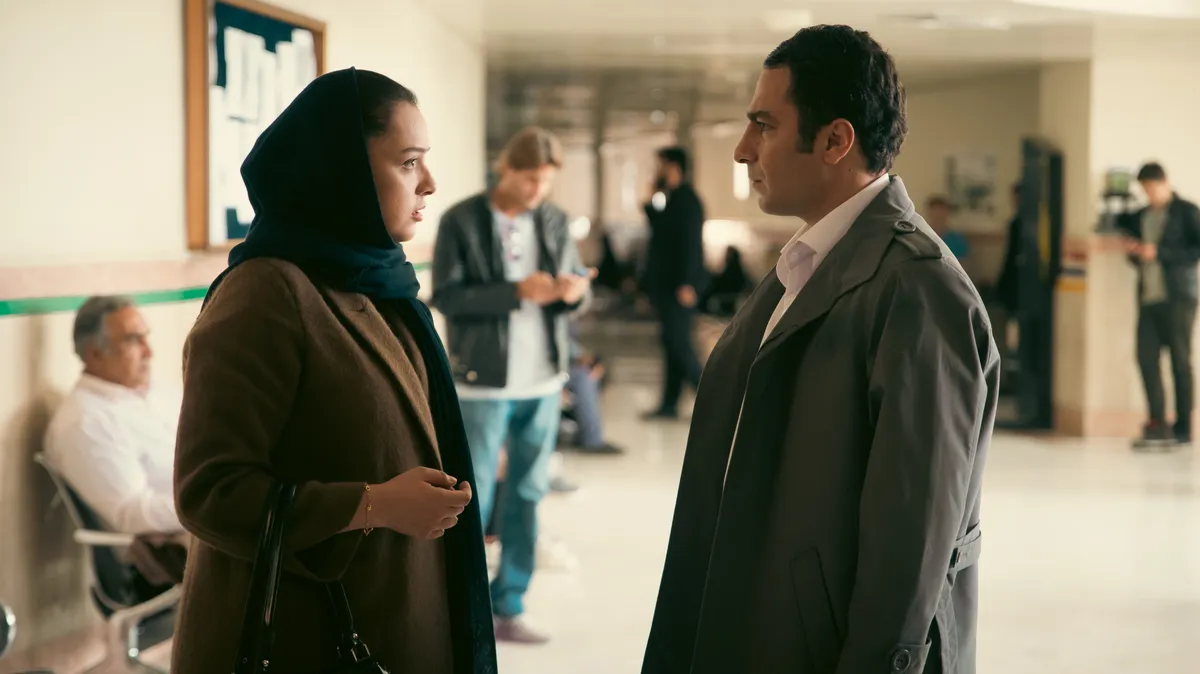
Iranian Mani Hagigi, who had previously experimented with genres - either with a fantastic Ister (“Dragon comes”), then with a bloody satire on Iranian film industry (“pig”), this time takes off the thriller in realistic decorations. Its doubles - Gogol and Dostoevsky in nature, and not from the "black mirror" - live in the wet hassle of the city, from which sunlight and hope disappeared. The situation is everyday, and the story is anti -utopian: in order to lose peace and doubt in the order of things, neither atomic bombs, nor world conspiracies, nor deadly viruses are needed. There are enough pairs of identical people leading in another area a mirror life. Doubles Farzane and Jalal are not antipodes, but iterations: a married couple has a different dynamics of relations, an already born child, other professions and a situation in society. But this pair of the news about the doubles will be unremarkable: outwardly a prosperous marriage to both will seem to be a cage.
The fans of Hitchcock or the psychological thriller “Enemy” Denis Villenev “Subtraction” will seem a very familiar film - but still a self -value statement, and not a lazy copy. Hagigi brought his own transcendental experience on the idea of “subtraction”. Once in a mosque in a small town for an exhibition of photographs of the Iran-Iraqi war, Hagigi saw a photograph of the Iranian soldier wounded in the neck, just like himself. During the war, the director was still a child, and in the war there were no closest relatives, but the portrait similarity pierced Hagigi and did not let him go for many years: “It was a very familiar feeling of horror. It reminded me of what to live in Tehran, where you constantly face the events with events that seem completely unreasonable to you. But every day, everywhere, no matter what you should live with them, tolerate them and pretend that they are normal. ”
Iranian cinema is known for how to gently includes a political context in a household history. But in the “subtraction”, Hagigi specially distanced from the local tradition to bind personal and political.
Farzane and Jalal, together with their doubles, is easy to imagine in Australia, Denmark or Russia, with other names - the narrative about the multiplicity of partners will work in any country in any language.
All unfortunate families are unhappy in different ways, but in one way or another marriages most often crumble from unjustified expectations.
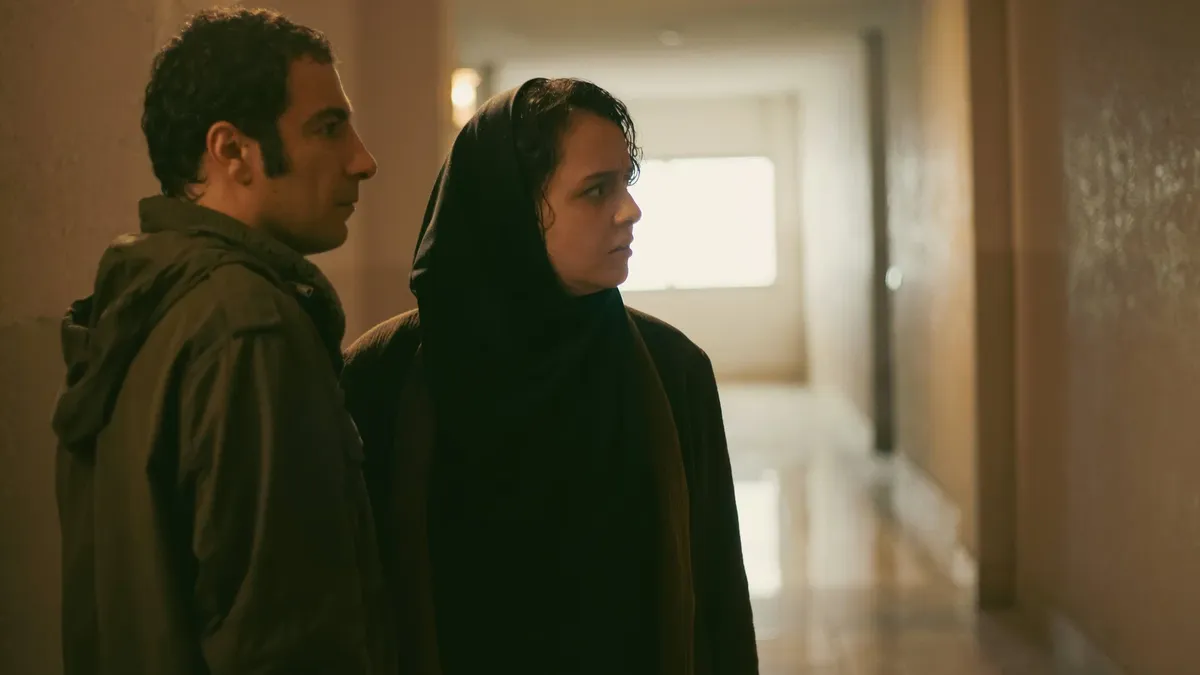
However, in the details of “subtraction”, very Iranian nuances slip through: conversations with doctors and disputes about bribes, shame for violating the structure and fear of taking out the CRU from the hut. In short scenes and the nuances of the nuances that are not thrown in the eyes, he shows how difficult it is to be in modern Iran and how a constant game of the public for “others” irreversibly changes both the attitude towards the partner and the attitude to himself. “Subtraction” is not only a film about how waging love changes us, but also about existential horror - horror to live not his life, not with that person, blindly obeying the duty. And about how, from doubts, neurosis and self-deception-half a step before they say about you: "Yes, he is not his own." Half a step, several years - or one bus route.
An attentive Russian spectator who does not like straightforward and “relevant” political statements will find a rare combination of a clear genre, excellent acting and subtle psychologism in “subtraction”. Hagigi speaks in a language that is clear to us all, about the riddles of the human soul. It may not be easy to imagine himself in the place of the hero of antitotalitarian resistance or director suffering from the need to go to creative compromises under the yoke of censorship. But to feel a deeply unhappy person in a boring and unbearably predictable marriage is much easier. This picture is a kind of Iranian “dislike”, but the not -tired son, but exhausting partners, disappears here.