
Translated material
Serbian pride
In Belgrade, an annual LGBT march of pride was held. The authorities allowed the procession, but before that they held their parade of "traditional values"
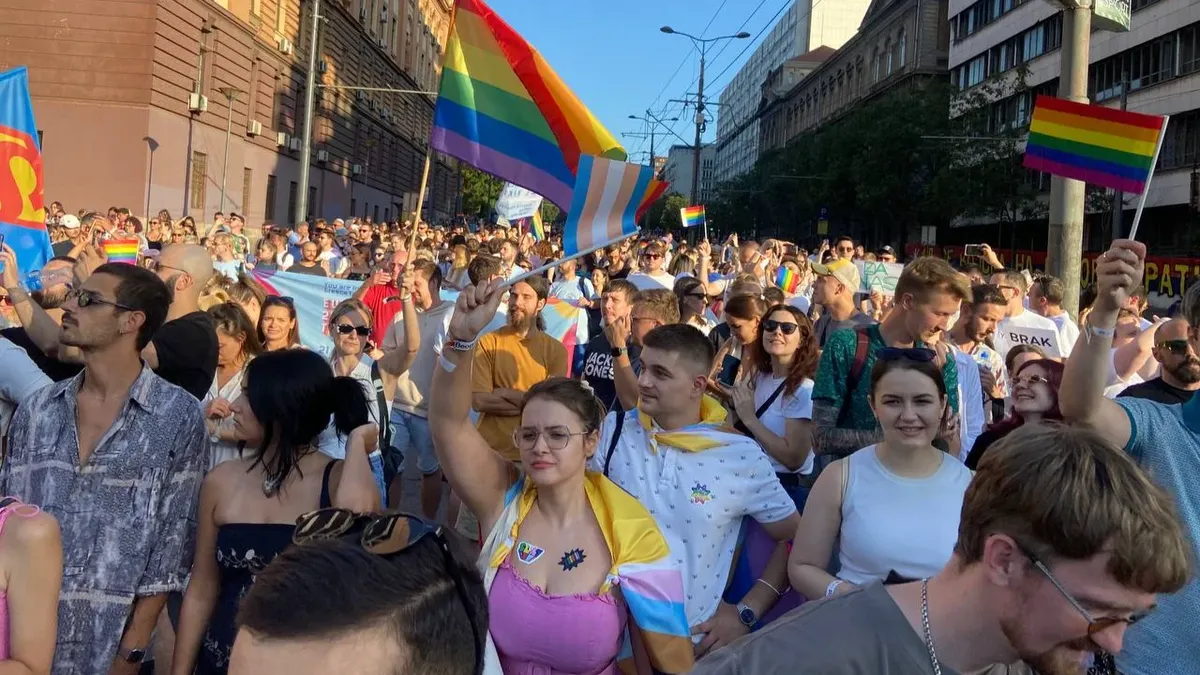
The procession of LGBTIQ+ Belgrade activists. Photo: Dimitar Belyavich / especially for "New-Europe"
In Belgrade, pride week ended - the annual LGBTIQ+ festival organized by human rights groups from Serbia and other European countries. This year he took place under the slogan “We are not even close”, emphasizing the problems that LGBTIQ+ community in Serbia faces.
A week from September 4 to 10 for guests of the festival, thematic exhibitions, public-toki, performances and parties worked for the festival. However, the main event was the pride of pride, whose participants walked along the central streets of Belgrade with banners and rainbow flags. It is this part of the festival that causes the greatest irritation among its opponents. The New European Europe figured out why, despite the coordination of the march of pride and the desire in the EU, the Serbian authorities continue to allow homophobic statements, which are more reminiscent of the rhetoric of Russian politicians.
22 years of struggle
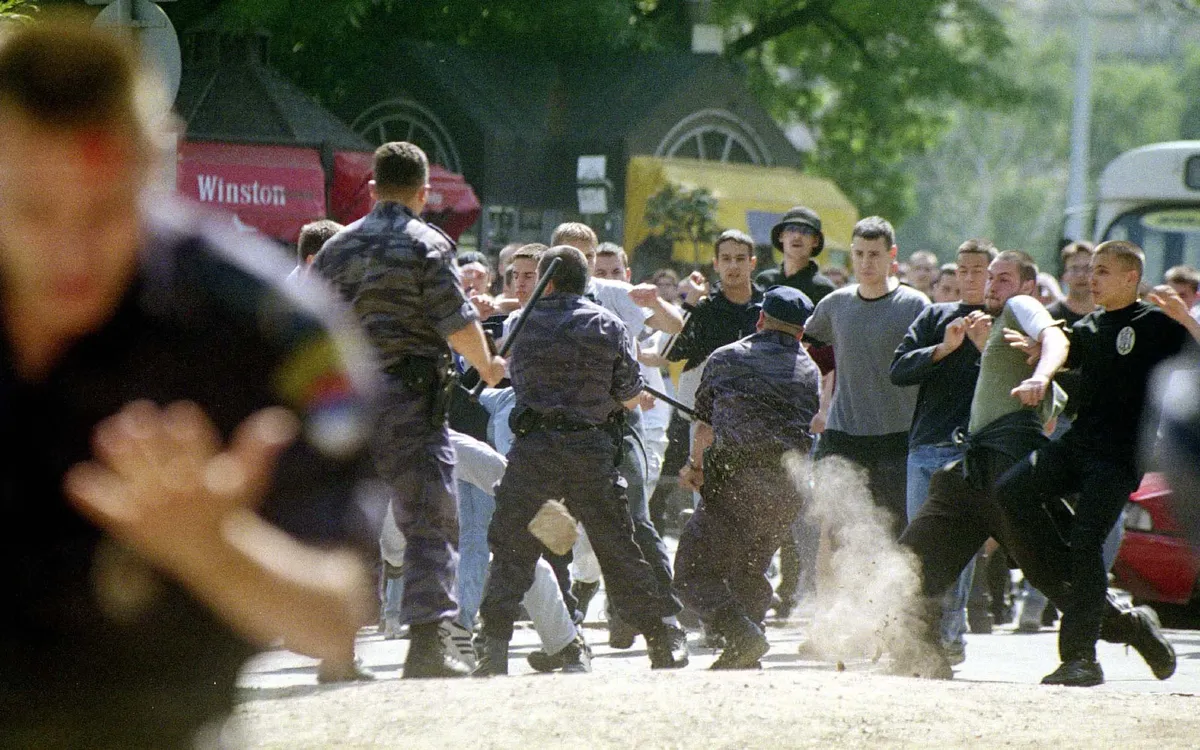
The first pride of pride in Belgrade was held in 2001 and ended with violence. More than 40 of its participants were injured, since the police could not restrain the angry football hooligans and members of the ultra -right groups.
After that, the prides in Serbia tried to ban four times: in 2009, 2011, 2012 and 2013. Each time, the Constitutional Court made a decision: the state has no right to impose such prohibitions.
Only in 2014, Pride first passed without serious incidents. In 2018, The Pride Info Center was opened in the government quarter of Belgrade - the first public space in the country where you can get information materials about LGBTIQ+ and Belgrade Pride.
In 2017, Ana Brnabich became the Prime Minister of Serbia-an open lesbian and the first woman in history in this post. Many perceived its purpose as a “thaw” and a sign of improving the situation with the rights of homosexual couples, especially since Brnabich participated more than once in the processions of Pride. In fact, the appointment turned out to be symbolic and did not help improve the situation with LGBTIQ+ rights in Serbia: Brnabich did not concern these issues.
The pandemic of coronavirus, the war in Ukraine and the euroskepticism growing in the country only rolled Serbian progressive undertakings.
The threat of security
In 2022, the authorities banned the procession within the framework of the Europraida in Belgrade. The ban also affected the anti -globalists, who were going to hold a "family procession" on the same day.
President of Serbia Aleksandar Vuchich explained his decision to exacerbate the situation in Kosovo.
“We take into account the severity of the situation in which the country is located. We will not play with this and invent stupid things, to prohibit the “smallpox of the monkeys” due to supposedly ... We are concerned about the safety situation, ”Vucich summed up.
Concerned safety is a frequent argument of the Serbian authorities to cancel uncomfortable events. For the same reason, in February 2023, the anti -war procession of the “Russian Democratic Society” was torn , dedicated to the anniversary of the war in Ukraine. Instead of a march in the center of Belgrade, the activists had to hold a rally of memory literally under one of the city bridges.
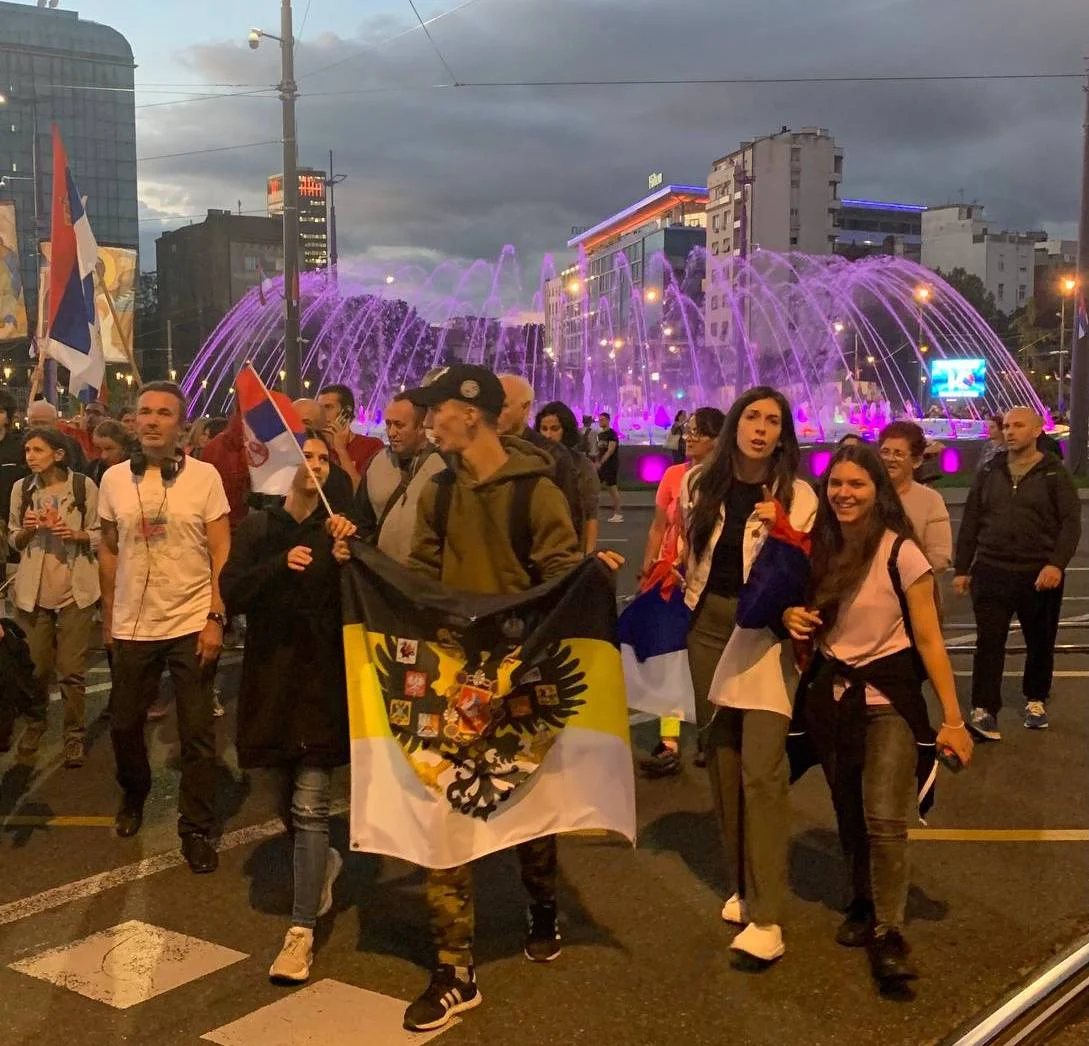
The ban on Pride in 2022 was supported by the Serbian Orthodox Church. Shortly before the beginning of the week of pride, religious activists held several thousands of prayers in Belgrade in defense of traditional values. Orthodox activists took to the streets with crosses, icons, and some with Russian flags and portraits of Putin.
Nevertheless, the organizers of the Pride held a procession in a truncated format. And again the police had to resist the radicals. In total, on that day, law enforcement officers detained 87 people, 13 police officers received easy injuries. Several visitors of the festival were attacked when they returned home.
Parade of traditional values
This year, the authorities did not forbid pride, but openly demonstrated disapproval.
In the summer, the mayor of Belgrade, Aleksandar Shapich (former waterplane) announced the annual family days, which, according to him, is a “real parade of joy” and “healthy and normal emotions”. In fact, the mayor organized the annual parade of traditional values.
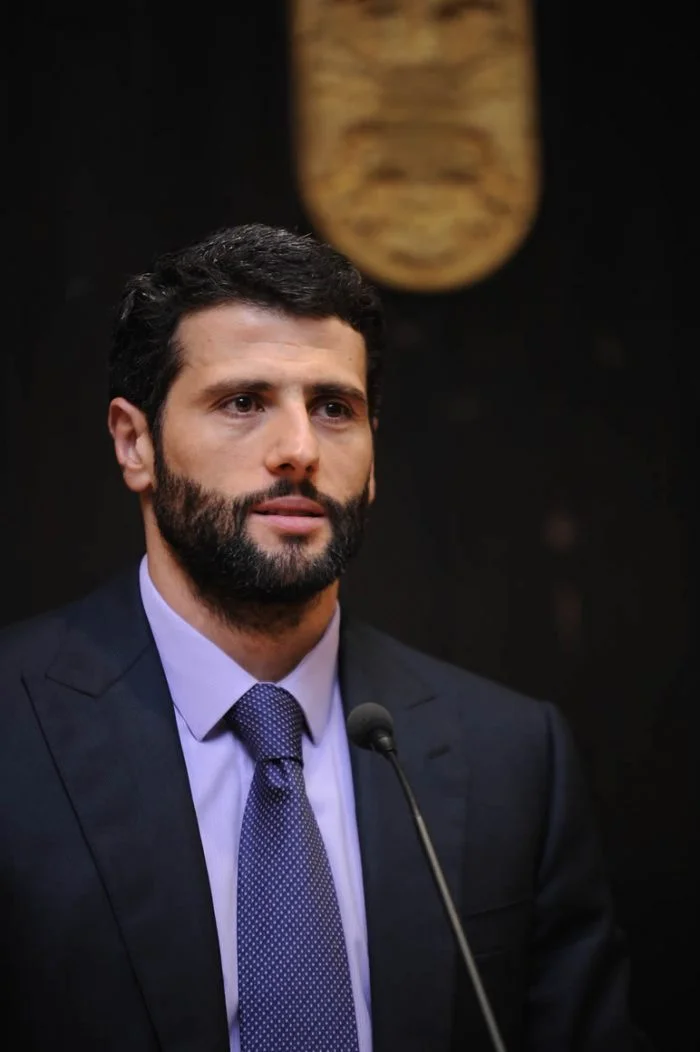
“There are different forms of families today, but none of us would have life without a mother and dad. Today they are trying to introduce new terms, but there are no more beautiful words than “mom” and “dad”, ”Shapich said at the opening of family days on June 24. After that, he went to a public meeting with the bishop of the Serbian Orthodox Church by Patriarch Porphyry.
In 2022, Shapich refused to participate in the opening of the Europrude, as well as hang a rainbow flag in the Belgrade Week of Pride in the city hall.
This year, President Wucich, refused the rainbow flag on the government building. On the eve of Pride, he stated that “he received a letter that he had to hang the LGBT flag tomorrow. It says "answer urgently - whether you hung a flag." I won’t hang, and what? ”, - said Vuchich on the body.
In August, the president stated that while he remains at his post, no document would sign a Serbia to recognize same-sex marriages or "some other gender, except a man or woman."
The adoption of the Law on same -sex unions is one of the seven requirements of the Belgrade Pride.
Activists urge the authorities to adopt a law on gender identity and the rights of intersexuals, as well as improve medical care of transgender people.
The first draft document on same -sex unions was published back in February 2021, but since then it remains without movement.
“Today you feel like a woman, and the next day is a man. All this crazy atmosphere that reigns in these Woke moves. Let it be in your country, but this will not happen in Serbia, ”the president added .
European course by Russian methods
The rhetoric of Vuchich about the “third floor” was consonant with the statements of his colleagues from Russia. Just a few days after the Serbian president complained about the “crazy Woke movements”, the head of the SVR of the Russian Federation Sergey Naryshkin said that in the West they want to replace the divine image of a person with transgender people and “biomechanoids”.
The coincidence is not by chance. Russian contexts in one way or another continue to be present in domestic Serbian politics, especially when it comes to the topic of LGBTIQ+.
The pride on Belgrade streets may look like a sign that Serbia hesitated between the West and East headed for joining the EU.
And this means an inevitable parting with Kosovo, anti -Russian sanctions, and in the future, NATO membership, which two decades ago bombed Serbian cities.
“The current Kosovo process is much wider than the dispute between Belgrade and Profina about the status of the territories: now this is the only way to integrate the whole region of the Western Balkans in the EU and NATO, whose priority has sharply increased after the start of the Russian war in Ukraine,” the political scientist, expert on the Balkans, Alexander Djokich , wrote earlier in Novo-Europe.
Balancing between the two poles, Vucich flirts with both pro -Russian and projuroral sentiments. Even in winter, he admitted that Serbia depends on the EU and the country is unlikely to have alternative development paths. At the same time, it periodically reminds that no one wants to see Belgrade in the European community, and the West presses him on the issue of Kosovo.
On the one hand, Vuchich also allows the procession, on the other, it promises to save the country from Woke-Bezmiya and defiantly releases homophobic and transfob comments for the internal audience.
“I asked the Prime Minister not to sign same-sex marriages (law about them.-Approx. Ed.), As long as I am the president. So do not attack Anu Brnabich, I did not allow it. We are a traditional society, this is impossible here. While I am the president, it will be so, ” said Vuchich.
Pride-2023
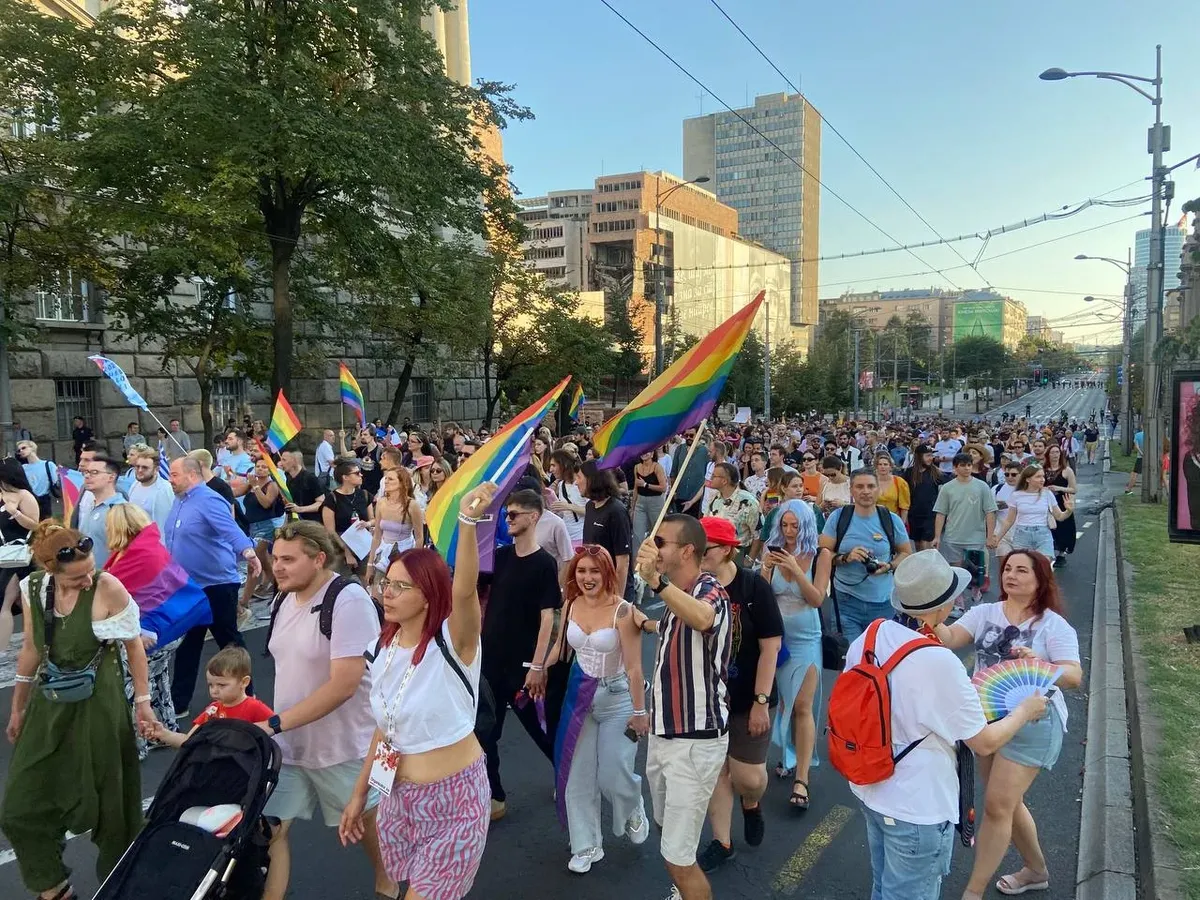
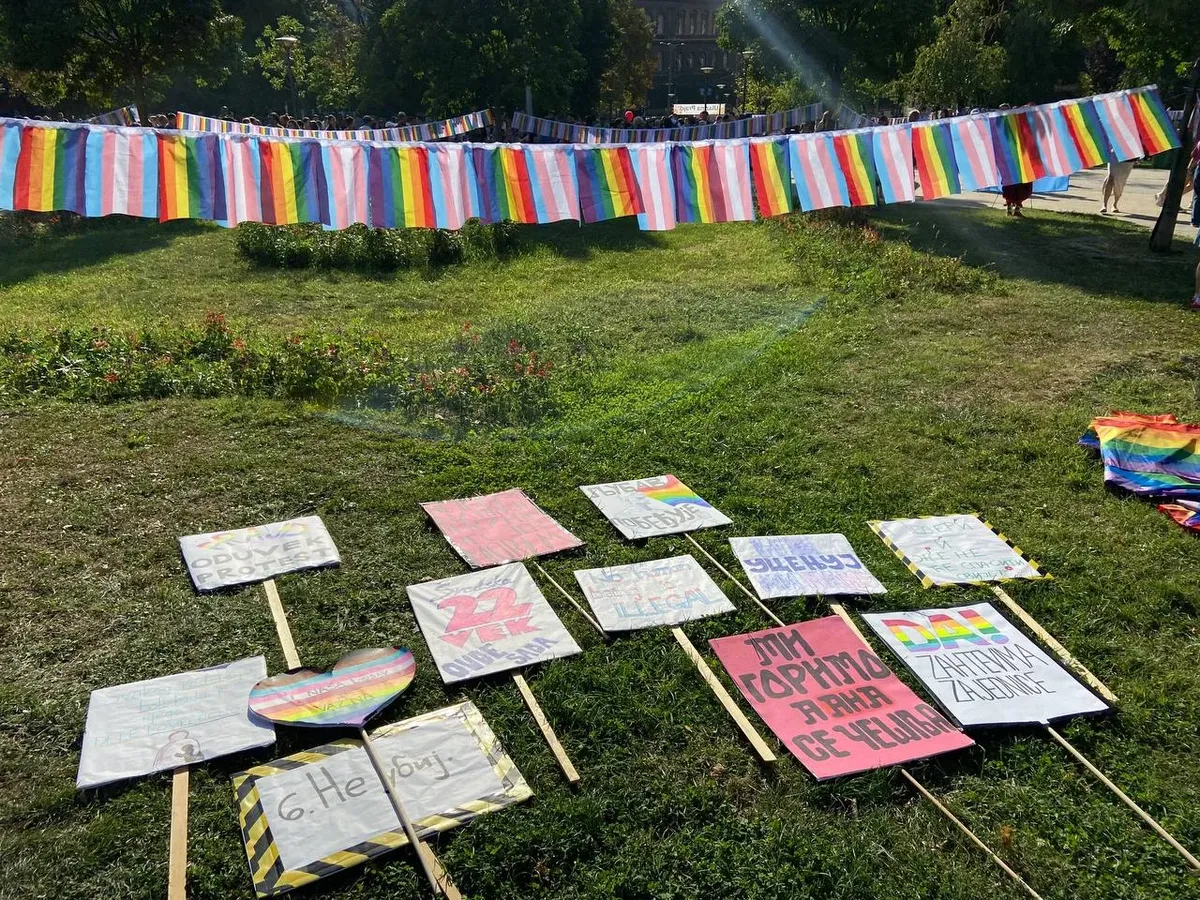
Participants in the Belgrade Pride pride went through several central streets and completed the procession with a concert in the Manezh park. According to the organizers, this year the procession visited a record number of people for all the time - from 10 to 15 thousand. On the procession, one could notice banners, including in Russian.
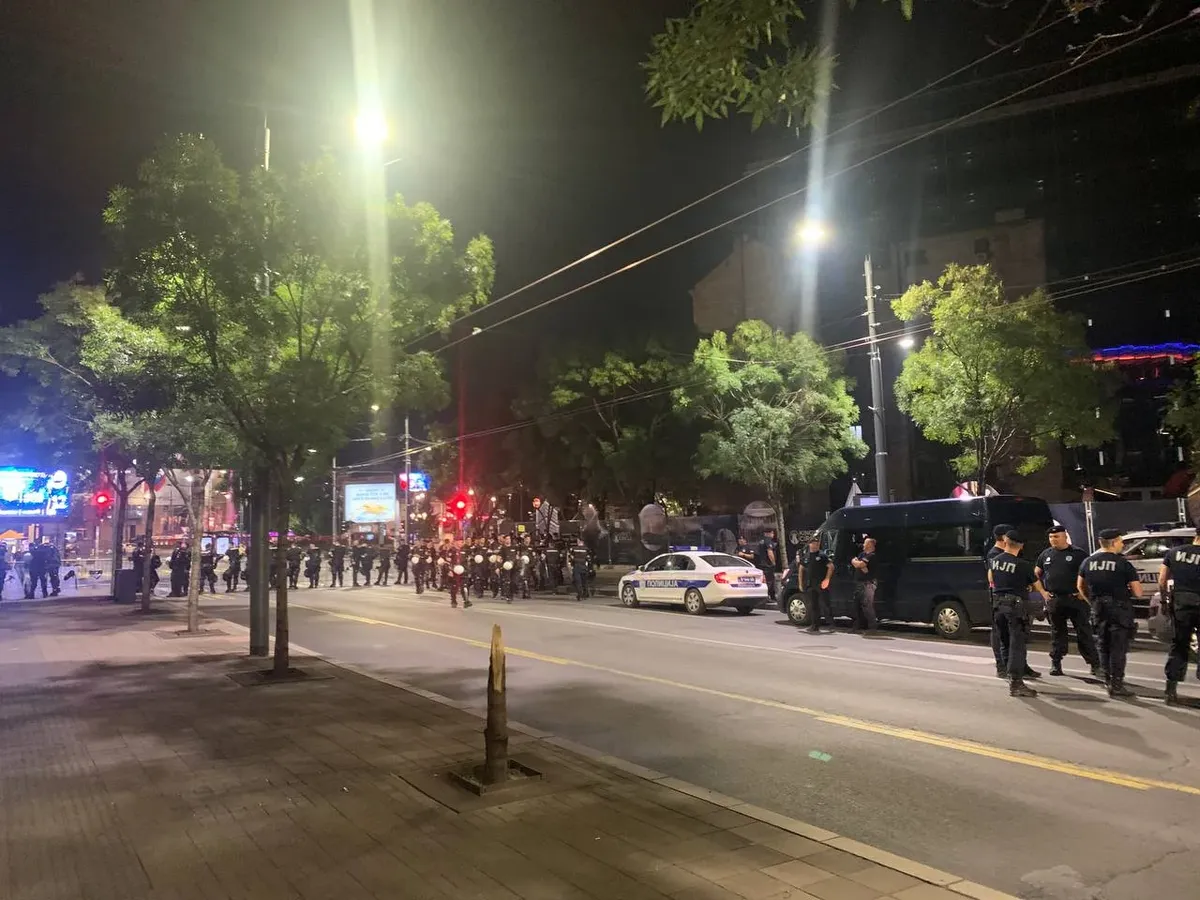
Police, volunteers and employees of private security enterprises were responsible for the safety of the festival participants. Pride passed without incidents, law enforcement officers blocked only a small group of Orthodox activists who approached the fence with crosses, icons and incense.
The Pride supported the representative office of the EU in Serbia and 25 other foreign embassies. In a joint statement of September 7, they called for protecting the values of the pride and LGBTIQ+ rights in Serbia. Militsa Dzhurich, a partner of Prime Minister Ana Brnabich, European integration Minister Tanya Mishchevich, US Ambassador to Serbia Christopher Hill and representatives of opposition parties, also took part in the action.