
Translated material
Politico: EU imposes sanctions against Russians, based on Wikipedia and inaccurate sources
"There are more culinary recipes than journalism"
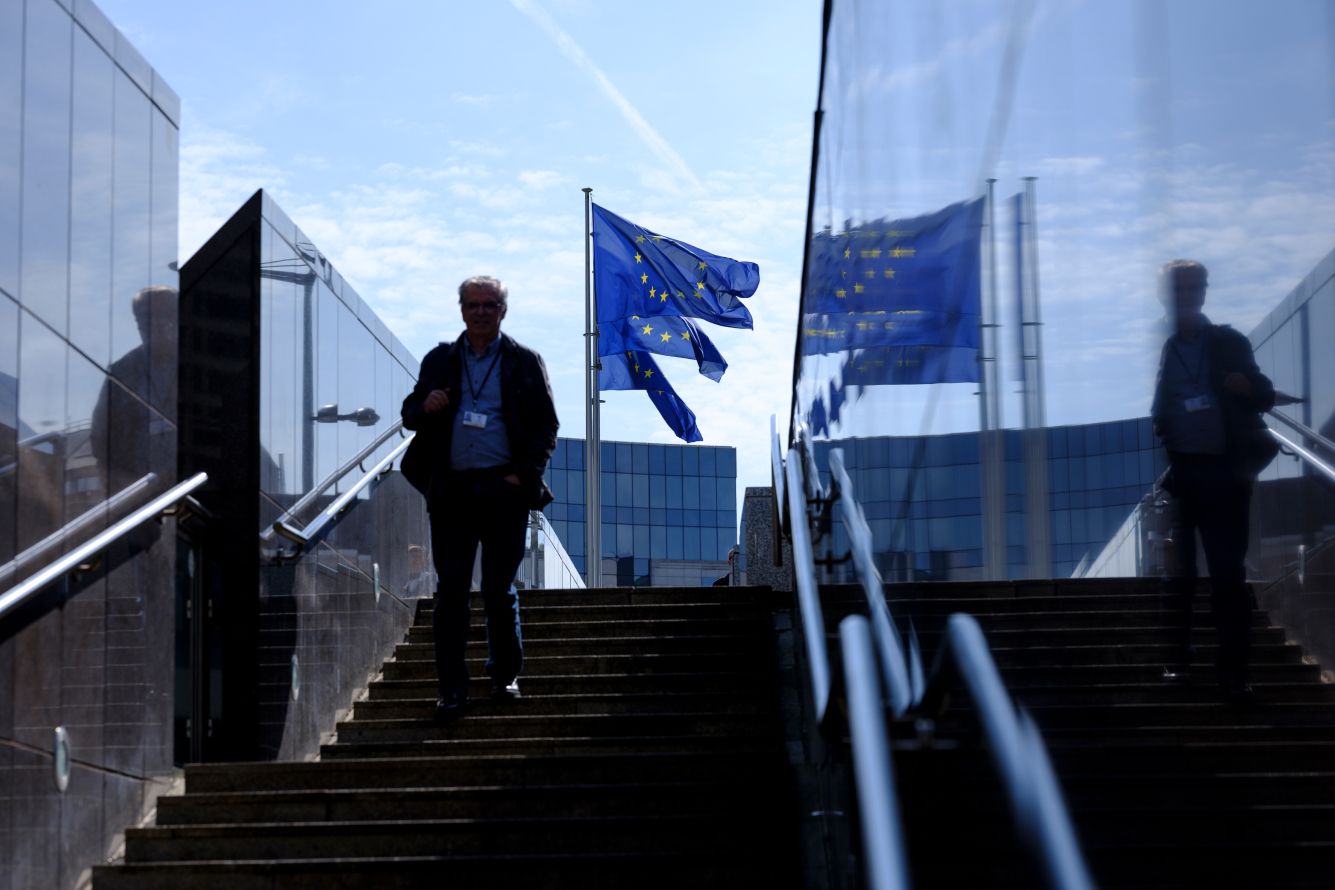
The EU imposes sanctions against Russian businessmen based on materials hastily collected by European officials from Wikipedia and unreliable sources, Politico reports.
The journalists of the publication came to this conclusion by studying five documents that were used in the Council of the European Union to justify sanctions against Russian businessmen. These materials included the legal basis of sanctions, a brief biography and a list of evidence confirming the need for sanctions in each particular case.
The documents that the journalists familiarized themselves with, data from open sources are given. In some cases, the compilers of the dossier referred to the materials of Financial Times and Reuters agencies. But in other cases - to machine translations of the texts of Russian and Ukrainian media of varying degrees of reliability.
One of the dossier quotes the text from the magazine connected with the Russian authorities about the lifestyle, in which “more culinary recipes than journalism,” writes Politico (the name of this magazine in the publication is not indicated).
In another dossier, the compilers quoted the material published on a little -known site dedicated to the "doubtful adventures of wealthy Russians." As reference materials, the authors of the documents used short notes on the businessmen drawn up by Forbes magazine and articles from Wikipedia.
In general, notes Politico, the requirements for the evidence base, based on which the EU Council decides to include a person in the sanctions list, are very low. In the dossier of the beneficiary of Akron Vyacheslav Kantor, advertising materials appeared without indicating that it was advertising. In a similar document concerning the head of the Group of Companies, Grigory Berezkin (sanctions were removed from it in September 2023), an article compiled by the Carmen chat. In addition, in Berezkin’s dossier, materials taken from the site appeared, the texts on which are published under the names of journalists, the existence of which Politico doubts - in their profiles, stock photos are exhibited on the site.
Lawyer Michael Okane, specializing in the affairs of sanctions, in the comment of Politico noted that the quality of evidence collected by European officials for the introduction of sanctions has sharply decreased after the outbreak of a full -scale war in Ukraine, since it became necessary to introduce restrictions on hundreds of people.
This was confirmed by a diplomat from one of the countries of the European Union, who did not want to publicly name his name. According to him, after the start of the war, decisions on sanctions were made at an accelerated pace - employees responsible for collecting evidence in his country, all last year worked 12 or more hours a day, collecting new dossiers and supplementing the old ones.