
Translated material
"I am writing for a sewing machine"
There are writers who see beautiful people. There are-who see the terrible, but for some reason it is perfect in their image. About the writer Leonida prey
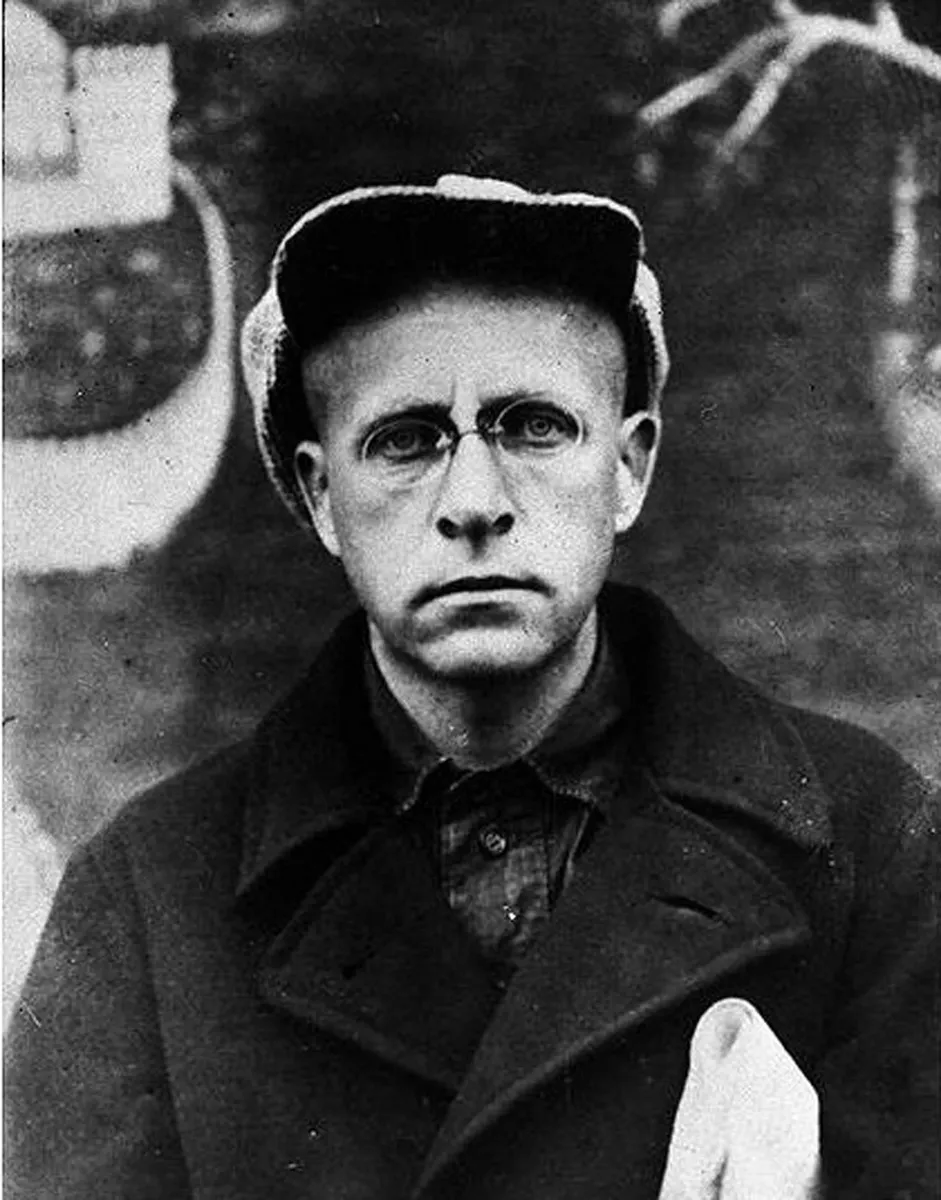
Suddenly, from Bryansk, someone begins to send stories. The surname is his preychin. Under the letter, for some reason he writes: "The Gubprofsota." Who is it? Editor Korney Chukovsky from Leningrad writes to him: wants to meet the author, learn more about him. Who works in Bryansk? How long has been engaged in literature? Enough understandable and even natural issues for a person from the world of magazines, reviews of the novelties of prose, publishers and other and other. The answer is somewhat dumbfounded.
“What am I doing in Bryansk? I have been killing for six and a half years and I do not hope that someday it will change. ”
“How long have I been“ engaged in literature ”? It looks like a mockery. I am not engaged in literature. I lose everyday life in the office, I don’t have my own table at home, five people live in one room. Those two or three things that I wrote, I wrote in the summer on the street or when my throat was sick and I sat at home. I do not read any books (because they are not here), except for the official. ”
Um. Strange type. He calls his stories "products." And how much they pay for stories and whether they pay at all, does not know, but he wants to find out whether they will pay me in “Contemporary” for my products and what the price is for them. ” The fee seems to him so magnificent that he writes a word with a capital letter: a fee. “Today I received money from a contemporary for a story. So, it costs twenty -one rubles. ” In the last phrase, bewilderment and respect for the sum.
He feels himself with a clerical rat. And slowly reveals his secrets in letters: “If you allow me this intimacy, then I am writing for a sewing machine.”
What is there in Bryansk? Everything is as always. He went to the office to work and "got bogged down in the 3rd International Street, former Moscow, and tore his left galosh, for which they would scold me at home." This is in the fall. But in the summer, “Gardens with orchestras opened (opening took place), one walking was stabbed in the dark, and in a fuent (nine miles from us) two were hanged: intellectual trends among youth.” However, we must somehow live and have fun even in Bryansk, and therefore, once again unemployed, he “went to the“ Bryansk Worker ”and USA to the parcel of three collective farms. There I am very amused and wrote a funny little thing, but of course she did not go, and I stayed and not in the solo and, in debt for 30 cells for an advance. The literary career is over, and tomorrow I am going to the exchange - to look for a chance in other areas. ”
"Dust raised in a day."
"Drakhlyatina pulled."
"The old women with brooms were trampled, belted with towels."
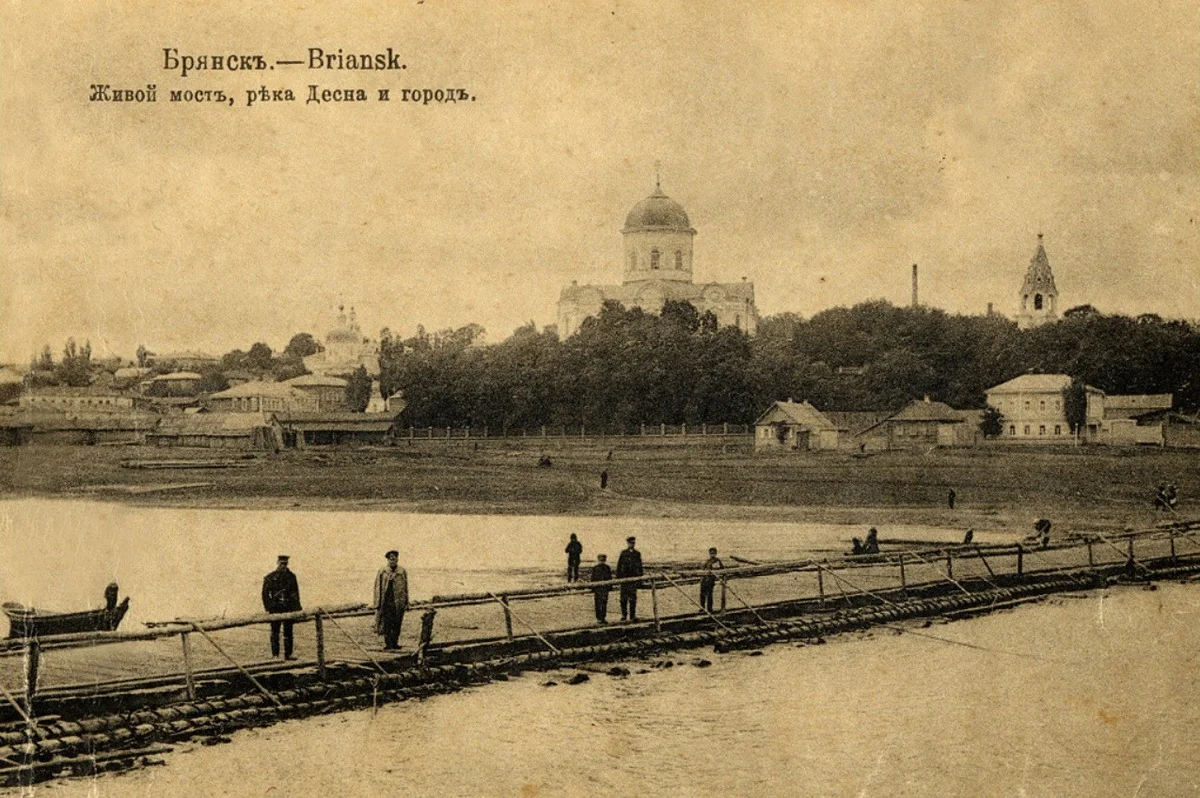
All this is Bryansk, as well as three more hundred provincial cities lying in dust or in the snow. Picture of life.
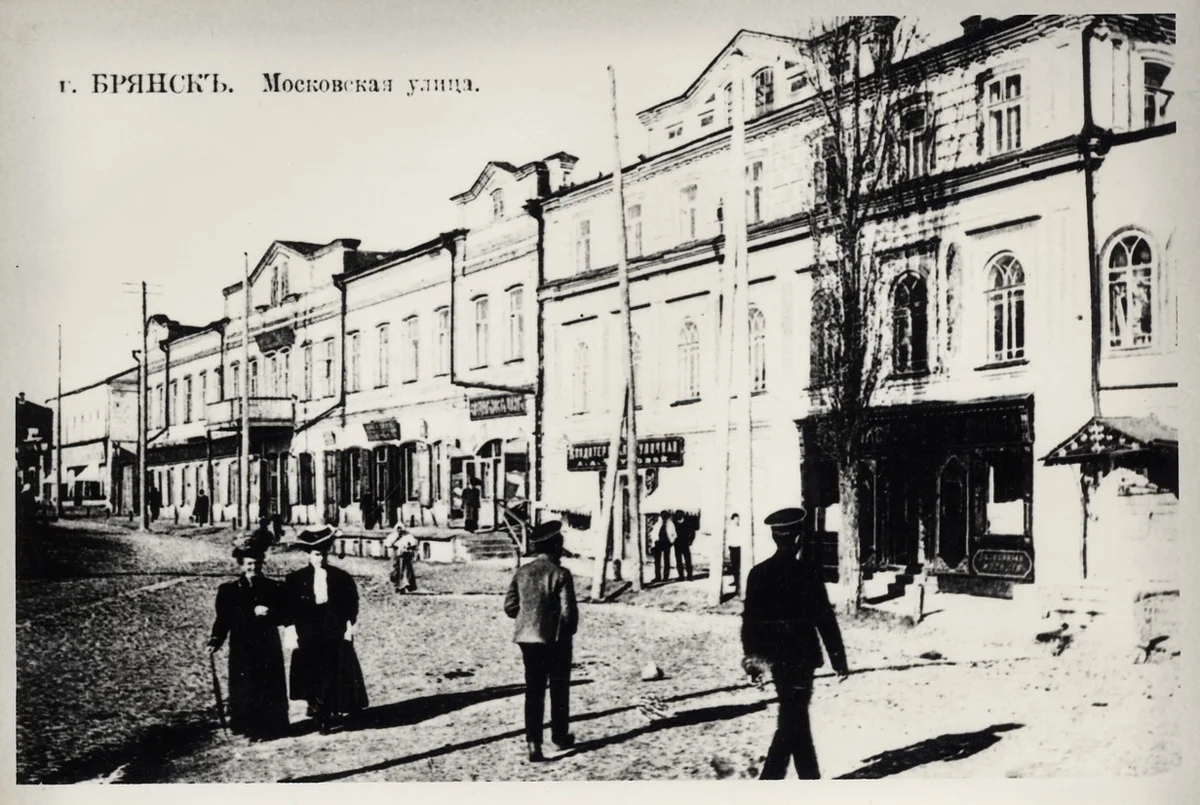
And what is good in Bryansk in the summer - you can swim. The prey in the city is known as an avid swimmer floating five times a day. And also "daily I eat more than 50 pears."
From Bryansk, he sent his stories - to everyone whose name he knew in literature. Now they would say - a fan newsletter. Suddenly, who will respond. He sent, for example, to Mikhail Kuzmin - why Kuzmin? The sophisticated poet of the Silver Age, almost pushed out of literature, is incapable of helping himself - and besides, not close in the warehouse of writing and soul prey. But he sent, and wrote a letter in a start-up, with the letter "yat". Thought that so Kuzmin would be more pleasant? But Kuzmin did not answer.
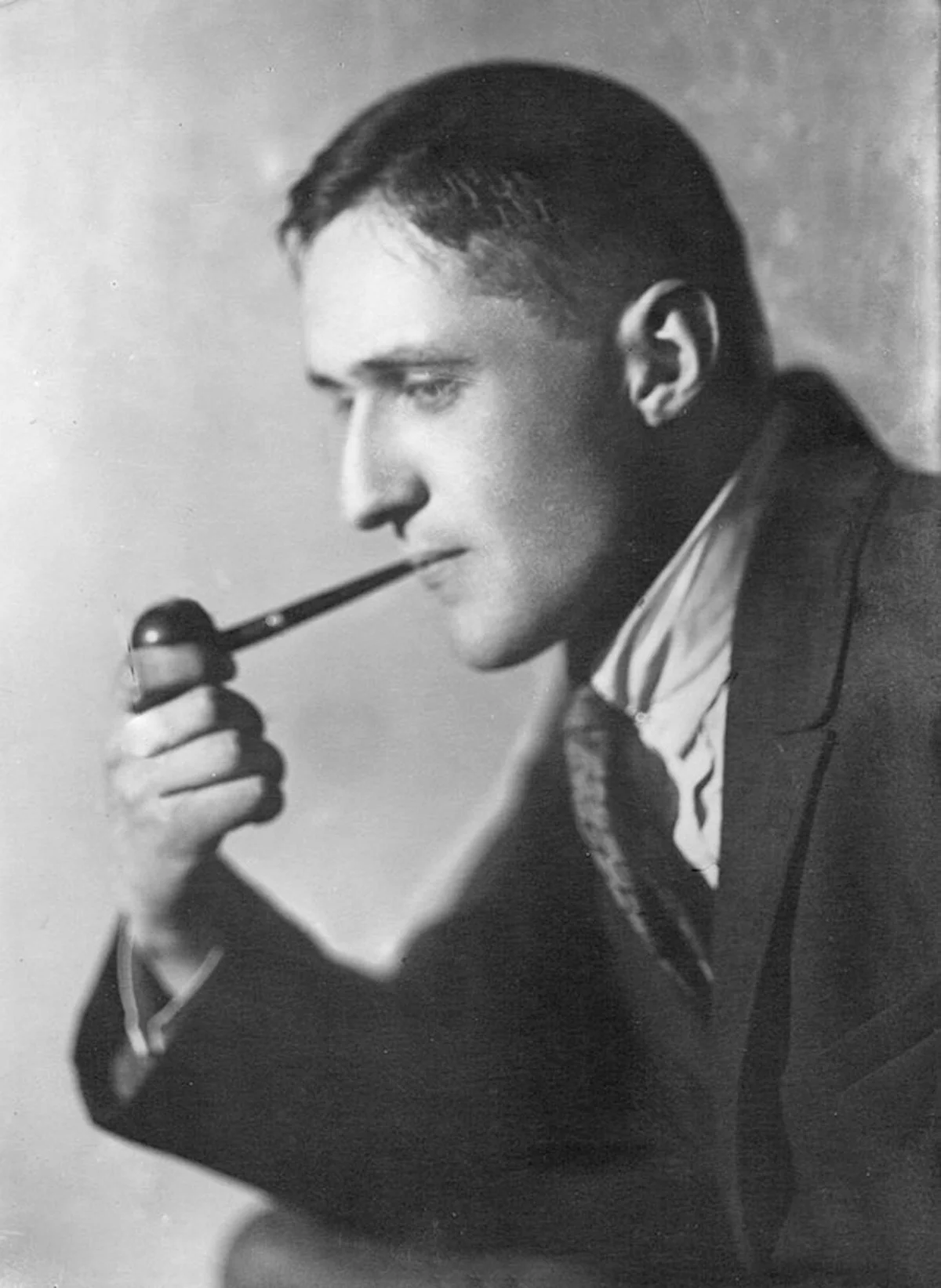
Kuzmin did not answer, but Nikolai Chukovsky, the son of Korney, entered into correspondence with him, helped him, arranging his stories in magazines. "The man is closed and gloomy, L. Pretychin, as V. Kaverin noted, was friends with one N. Chukovsky." (L. Levin) after many years, in a completely different era, when Nikolai Chukovsky will write memories, he will lead a folder called "Eccentrics of the twenties." He will have preychin in this folder. But he will not write memories of him.
There are writers who see beautiful people. There are others who see terrible people in people, but for some reason it is also great in their image. For all of them, a person is not some kind of fitulka, but oh-hey what is it! HUMAN! And for the prey, he is not even a fitulka, but something mechanical and wooden, a doll that can speak and think primitively, but by the way, this is not necessarily. The devil knows what he is, curve and thick or straight and thin, he thinks there. Pretychin sees in people not beautiful and not terrible, but small and ugly.
It’s not that he directly leaning against ugliness so that he can be suspected of a tendency; No, not at all, no intent, no trend. It's just that people are.
So.
Dasha - forty -year -old, black, busty and boss.
Rosa Klyskina is yellow -haired, with a porous nose and cheeks.
Priest Balul - with a pimple face.
Katerina Aleksandrovna - a protruding stomach, bony hands, and even in a hat with a strong tail.
Chernyakova - in a red tie, in curls over wrinkles. "Doev, wiped her lips with a tie."
Barb Sobakin - bony, with a gray mustache and a beard.
Is that an old woman Paskudyak? She "smiling timidly, came at sunset and sat in the yard." And for some reason she is sorry.
This is all so strange, so outside the person suffering for a person and together with a man of Russian literature that Korney Chukovsky from Leningrad is surprised to ask the prey in Bryansk, where he gained this. Reads the books of the most important Western writers? This question is strange. He did not read anyone, in Bryansk about Joyce and Dos Pasos no one heard.
No, this disintegration of perception is a restrained disgust from life, this look at it with pursed lips, with alienation, with dumb longing - from here, the local, local, Bryansk, arose here,
On the street of the 3rd International, where galoshes broke in the mud, in the office of the hungerials, where clerical rats are folded and multiply for days, and one of them, a mutant, secretly writes wild stories on a sewing machine.
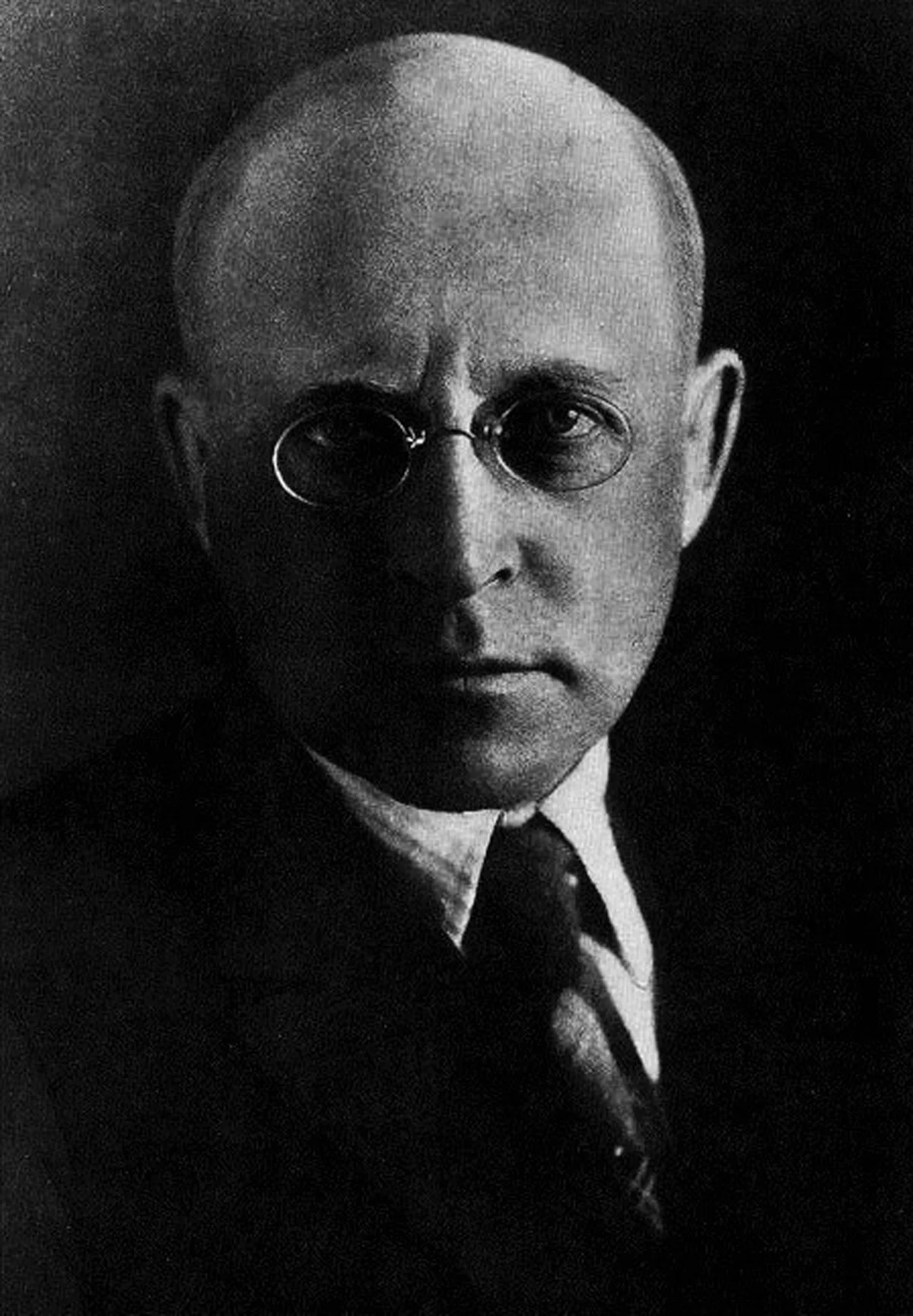
Yes, full! The world crashed, and the brain crashed. There was once an integral world with shops, lawyers, doctors and ladies who, in bad weather, attached the hem of dresses to the buckle, in turn, fixed on the elastic bands that hung from the belt-but everything scattered and fragments fell into the mud. Between the past literature of the exalted elders, reflecting on the purpose of man and female beauty, and this, the current, writing in Bryansk, the statistics in the pince -nez and galoshes - the bumpy field of world war, and the revolution, and the civil war, and the terror lifted with funnels and graves. At this time, the All-Russian lice fit, and the Chekist of the Atarbekov, who cut the hostages with a dagger, and trains hung with clusters of people, and children-skeletons, and adults with transparent faces, and corpses on the sidelines, and much in such a spirit that he repels the desire to speak the old smooth language of long phrases and rounded descriptions and drives a small man into the ground, as a small man. Some worthless stumps.
“You picked me up from the ground,” Prebychin Chukovsky wrote gratefully.
He knows the price: she is small. But who knows what the thought of himself and what faith lurks inside this modesty? He writes about himself with irony. He calls himself “the writer for half a percent” - with an emphasis on the second O. asks: “Water from time to time to the cabbage of my talent with your letters.” Signed "L. Preychin (county writer). " His writings, sent according to the capital's editions, where life boils and grip people make literature, calls the “provincial souvenir”. And of course, at the end - with a mockery of “Plampriv”, which means “fiery greetings”.
Pretychin knows how to unscrew the phrase so that the soul rejoices: "Let me present you to the pre -person at this." Yes, but these are trifles compared to the hairdresser who once asked him: "Do you wander the most?"
There is no flight and pathos in his prose, statistics do not fly, but wanders in the longing of alienation from everything, but primarily from people. He already knows what the products are paid: "The story ... is very short (rubles for seven)." Now he calls his stories not by products, but with hack - in the sense in which, for example, the engineer takes hacks at home. They pay little statistics in Bryansk. He walks and boils, takes his eyes, thinks where to get a few rubles. “I need to tear off the wool of the clock from where it may have been.” “If possible, I will share with you a little joy: today I received a coupon for repairing boots.” But there are also good: “I learned to catch a hat thrown up. If we meet, I will show you. ”
A short phrase of the world famous Hemingway, who at the same time writes his Short Stories, contains the whole world, combines it into a whole, keeps feelings.
A short phrase of a little well -known prey split the world into unrelated pieces, degrades the world to individual cubes.
The injection of mechanically short and individual phrases leads to the fact that it seems as if we were placed in the consciousness of a degenerate, which is going through life, which is not able to connect in a holistic picture what he sees and hears.
So preychin writes from the story to the story of his man. A goat died, a man came to get married in a Karakuley hat, went to the bathhouse with a basin, flirted and drowned, the sailor played on the balalaika, that's all things. And all life.
How many people with a dream and longing looked at the clouds, how many clouds captured by their slow journey through the sky, how much they wrote about them poetically ... But what? He is a prose writer, not in the sense that he writes prose, but in the fact that he sees everything prosaically. Zero poetry. Extremely prosaic. "At the edge of the sky, a cloud in the form of a herring was motionless." "Finally, Golovlev left the altar and went for boiling water for participle." And where is faith, thoughts, feelings, lips, whispering prayer, where everything is thin, foggy that fluctuates in the soul? This is not. But this is what is: "cripples voted at the corners." And that's it.
So it is with the poor. Someone will see the beggar and immediately come in screaming, write a hundred pages about injustice, sink with pity with tears, wind up philosophy and, you still look, will turn his life over. But preychin will only say fleetingly, with indifference: “The poor and, voting, extended their hands” - and will go further.
And also - "The cut neck of St. John was inside red with white circles, like a sausage, drawn by Tsyperovich above the tavern door." Preychin, what are you? The neck of the saint and the sausage ... well! What did you want? And this says, as always, not higher and not lower, on one note, alienated, evenly.
In his stories - an exhibition of human squalor. Teachers, learning children to write, as if in, stupidly repeat: "Sleep seals go to the satchels." Children obediently write. “You have a worm on your head,” people say to each other. Because the first of April. Funny, huh?
The man from whom his wife left gives her a postcard with a rooster and writes: "Come back, asyuta, to his cockerel."
“Babs with bonds of unscarried bast shoes walked in strings and laid down on the belly in front of the hole and, with their heads, sucked water.”
His women are all ugly. Men are stupid.
And you think: after all, he did not come up with all this, he saw so.
But what if he saw it correctly, and we are all the ones that he saw people, that is, us, miserable, ugly, miserable?
Statistics Prevychin works in a bastard. The organization is located in a private residential building. “Sometimes a cow passes through the canopy, stomping his feet ... There are only three officials. A bust is sitting near me - with a red beard of such a style as that of Garin on the portrait (see Applications to the Niva). When a woman jumps up and screams from the threshold: "There is no need to milk?" - He strictly replies: "Here is an institution."
Sometimes loses work. Well, statistics will not disappear, statistics in the planned Soviet national economy are always needed. “Yesterday I visited a lot of office for cleaning my conscience, but I did not feel the attraction in them and remained idle.” Atho Barry, you see, "did not feel attraction." And what to live for? Therefore, “Tomorrow I will hire in the Gubstatburo for seventy -five targets per month with an obligation to serve until October 1“ without time limit ”, that is, simply, more than six hours a day - how much they are ordered.” So again he was fixed. But luck is ahead! “Temporary work today has become unusual until the opening of an extremely brilliant position (150 rubles !!!!!!!!) in the local economy ...” One and a half hundred a month! Oh, now he is rich!
Sitting in Bryansk, on his station street, having lost a galosh, having eaten fifty pears, having bathed a unadcounters of times, he sees the whole thing: “It seems to me that the secret is only to print and what is printed is completely.” The Bryansk simpleton comprehended the secret that cunning people, having conspired, pass on the literature. But literature is different, this is something that lives inside, that pain and the longing that have already entered the knock of the heart and in the blood and became you, you will not get rid of. But talking about this is not a trace. And if someone praises him and even winds up the commendable monograms, withdrawing that if Bryansk lies near the eagle and Tula, and the eagle is Turgenev, and Tula is fat, then Bryansk then he, L. Prebychin, then he cuts off coldly. This is not necessary. "Yes, and not the Bryansk self."
Now you need to write differently. That is required by the party and the Soviet government! "I rally my steel ranks and whores Plampriv." This is how it should be written in the New times, in the era of marches and speeches, physical education and Stakhanovites, heavy industry, labor exploits and a new language, in which the mosch “meaning”, “Medsanbrot”, “work”, “Okraspes” are teeming. "Her father, cutting Okrambeit."
All that is solemnly-grind that is pronounced from the stands and printed in the newspapers, dropping into a thick, dirty, dishonest life, where people are naughty and people laugh, turns into a brown mura and nonsense of the dog. “Nikishka,” said the hemisphere and cried over horseradish, “painted the picture“ Lenin ”: this is a sight for sore eyes.” And Comrade Leningradov “fell in love with the intellectual Gadov, calls her to the RCP (b), she is not yes or not. What is the matter? Here, Gadova goes to feed chickens. Comrade Leningradov looks into the boxes and opens a conspiracy ... "
The red neck is poured with some secretary on ideology set to follow the literature: this L. preychin is mocking us, or what?
The fact that he, with his strange stories and ugly heroes in Soviet literature, is not a tenant is clear to him. He does not fit into her, he does not coincide with her, he - the little Bryansk stubborn - contradicts her. Is she all about exploits, about accomplishments, and he is gloomy and abruptly mechanically? —Inces the heater on the mud, human poverty on human vulgarity. Forty stories, all in short phrases. Hard and monotonous. He doesn’t say anything directly - but it’s not right - but if on one page he “stood over the soul and licked the empty bowls”, and nearby, in the dining room, putting his head on the table, a man dies from hunger in a row in a row, when “the well -fed Kronstadt clapped each other on the shoulder, shouted and laughed” - what is it?
Censorship will not miss this.
The futility of everything that he does is standing behind him with a long figure, leaning over, looks over his shoulder. He thinks about himself as a writer (and writes in letters) with constant irony. “Although I’m not a writer, if the case is about the book, I could do as writers act in such cases, but what they do, the devil knows.” “Once I tasted something like glory: on the street, a man came up to me and said:“ You seem to be the author of one of the books. ” And if serious? Seriously, “there is nothing that would encourage to write, and time (even the average age) is leaving. This gives the money completely insignificant, and the noise - it happens more when the frog jumps into the water. "
But all the same, he writes, stubbornly and hard, twisting the phrases, distorting the order of words, which gives the phrases a strange sound, writes and rewrites the stories by hand, because he does not have a machine. It works on its own tongue -tied tongue, so to speak. His tongue -ties are so tongue -tied that it even causes something like delight. Everyone can write smoothly, but you can rot like it like that! “When it was ready, A.L. showed us this. " What is this, preychin? And this.
Powering in these specific conditions turns the devil knows what. “The composition of the chapters is delayed by the absence
a) throughout the winter of electricity,
b) for more than a month - kerosene, resulting in a lack of lighting, the weekend is devoted to standing in lines. "
But to move to Leningrad. But to stop being a statistics and become a writer. But I would no longer go to service in the provincial council and a district soldier, but to go to the editorial office with a impressive writer and, coming up, in a way to ask: “Well, Ivan Ivanovich, how is my product there? What number do you put in? " “In October, I can be in Leningrad for two weeks ... And I will go in all the difficult ones for the final implementation of myself in it.” Again twisted well, well done, preychin!
He did not manage to jump from here there, from the squalor of the province into the meaning and significance of the writer's life in Leningrad. Magazines are published there, fate is decided there, there is literature.
Two attempts failed, began the third.
With the help of the writer and figure of Slonimsky, who patronizes him at a meeting of some commission, received a room in a communal apartment in a house in Moika. The front entrance is clogged, which, however, is not surprising in the USSR, the entrance from the yard into a narrow door next to the drain pipe. The few who were with him remembered that the room was empty. No chair, no table. Однажды позвал в гости человек десять и читал свои рассказы, но как-то не так всё было, как должно быть в литературном салоне, скованно, странно. Да и какой салон из комнаты в коммуналке, где вместо стула ящик.
Рецензий на его рассказы было немного, но те, что были, язвили с ненавистью, били наотмашь. Раздражал совкритиков этот невысокий провинциал в круглом пенсне, с серьёзным и жёстким лицом, упорно выдававший странные рассказы. Кто вообще такой? Where did you come from? Кто ему позволил? «16 истерик (рассказов) этой позорной книги представляют, собственно говоря, разговоры ни о чём… По улицам Ленинграда проходят различные люди, большинство из них здоровые: жизнерадостные и энергичные строители социализма, но автор пишет: «Толкались мошки». Прибавим — они неоднократно толкались и продолжают толкаться в советскую литературу, проникая сквозь плохо прикрытые двери некоторых издательств». Так написал критик.
Это из рецензии в «Литературной газете». Называется рецензия «Позорная книга».
Другой критик назвал статью о нём «Автопортрет врага».
Они знали ему цену, а он — им. Они смотрели на него с ненавистью, он на них — с презрением. Старый большевик Воронский был поставлен на руководство литературой. Вероятно, думал о себе, что он умный, глубокий критик, прокладывающий путь новой социалистической литературе. Добычин видел иначе — с опасной для его жизни ясностью. «Что касается «А.К. Воронского», то конечно, ему «моя рукопись» не понравиться обязана — на то он и полицейский». «С детства привык не любить полицейских». Даже тех, которые выдают себя за литературных критиков. Этих — особенно.
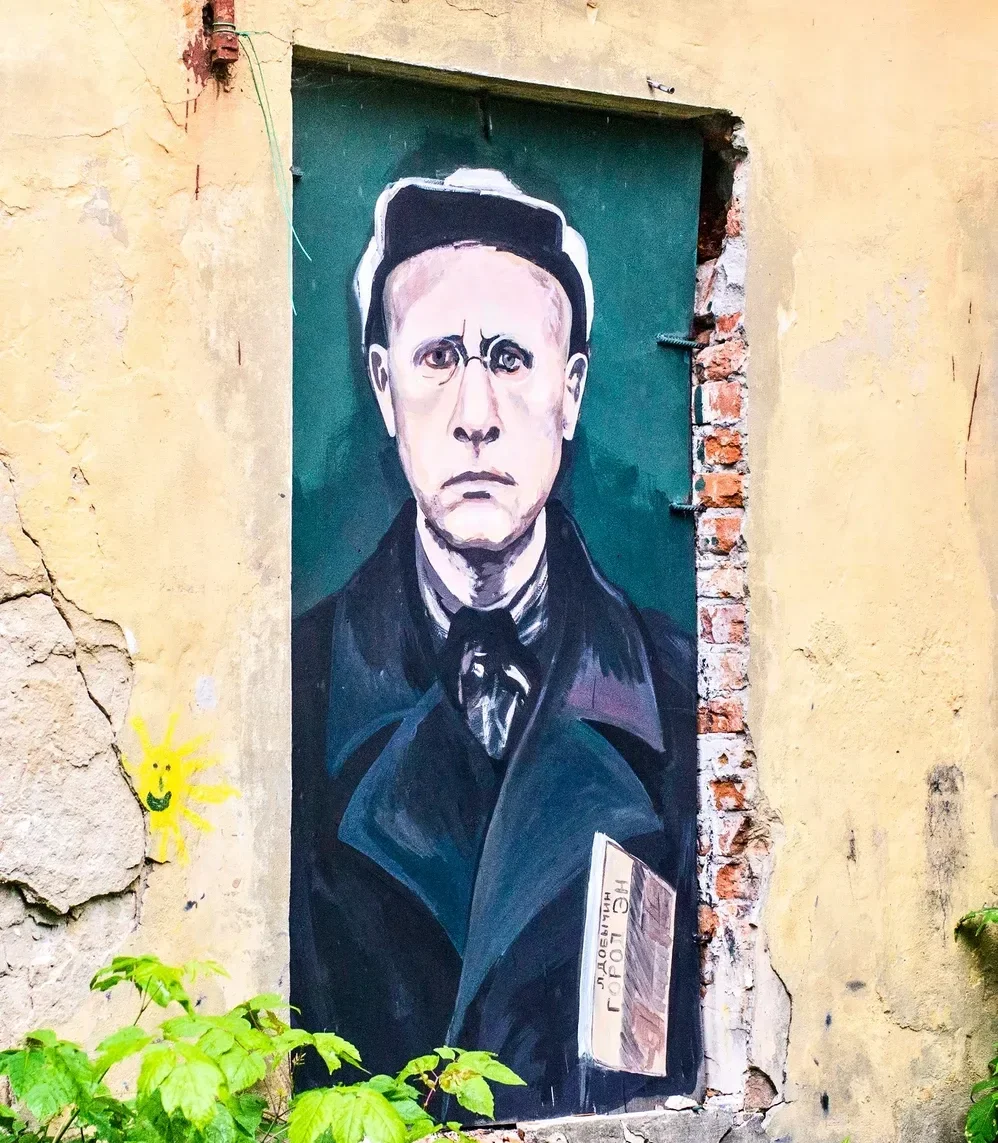
Оргсекретарём Ленинградского отделения Союза писателей в то время был Виктор Васильевич Беспамятнов, прежде работавший в Спортинтерне, автор брошюры «Интернациональная работа физкультурников». Ну, руководил физкультурниками, теперь поставили руководить писателями — обычное дело. Надо полагать, что он — по должности — был организатором собрания писателей для обсуждения произведений Л. Добычина. Назначил докладчика, предписал выводы.
Кто выбрал Добычина в жертву, мы не знаем. Может быть, из ЦК было спущено указание в череде кампаний, проработок, арестов «усилить борьбу с формализмом», а жертву выбирали в Смольном или в Союзе писателей,
но может быть и так, что жертву указали товарищи из ЦК, давно обратившие внимание на брянского статистика с его двусмысленной прозой. Беспамятнов справился, образцово организовал мероприятие. Это ему не помогло: менее чем через год его арестовали и расстреляли.
В детстве Добычин мечтал, чтобы родители купили бричку. Вот сядут они в бричку, и все вместе поедут к Гоголю в город Эн. «Там нас полюбили бы. Я подружился бы там с Фемистоклюсом и Алкидом Маниловыми». Чувствительности явно повышенной был странный близорукий мальчик. Однажды он не заметил на улице учителя чистописания, и его за это посадили на час в карцер. После этого он рыдал целый день, и «маман подносила мне капли».
Жил в Гоголе, в его поэме. Себя представлял то Чичиковым, то Маниловым. «Я стоял как Манилов».
Потом стал читать Достоевского и думал, что он смешной. «Вдруг, — ждал я в темноте, когда вечером, кончив уроки, бродил, — мне сейчас кто-нибудь встретится: Мышкин или Алексей Карамазов, и мы познакомимся».
Была и мечта у одинокого мальчика, рано потерявшего отца: выиграть с маман двести тысяч в лотерею и уехать «жить в Эн, где нас будут любить». Но где он, этот Эн?
А Гоголь рядом, Гоголь неизбежен, он тут как тут, хотя нет ничего общего между ним и Добычиным. «В окна был виден закат, и я думал, что, должно быть, это и есть цвет наваринского пламени с дымом».
Мир когда-то был точкой, об этом говорит физика, точка была веществом невероятной плотности. Проза поспевает за физикой, но напрасно. Прозе не нужна физика, ей не надо сжиматься и некуда спешить. Но Добычин обуян сжатием. Он идёт в сторону от главного русского шоссе, прочь от любимого Гоголя, его маленькая одинокая фигура идёт по чёрной дорожке вбок в дебри неизвестного. Там неизвестна плотность вещества, тяжесть слова, длительность, на которую способно внимание. Все его рассказы — это попытка и проба. Неудачная? Так тоже можно сказать, потому что нужно много терпения, чтобы пройти сквозь монотонность и плотность его однообразной прозы.
На убийство Добычина народ валом валил. Всем интересно, все заинтересованы. «Дом писателей им. Маяковского был переполнен» (Каверин). Всё писатели, критики, партийцы. Из нескольких сотен бывших в зале людей только один, Вениамин Каверин, сохранил описание того, что там происходило. Сделал он это в своих мемуарах, которые через 35 лет, в начале 70-х, писал в стол. Ещё через 18 лет они были изданы.
Больше никто вспоминать и помнить про то, как однажды уничтожали Добычина, не захотел.
Добычина громили долго, смачно и со вкусом. Гневом звенели голоса выступающих. Обвиняли в оправдании мещанства, в апологии черносотенства. Выступали назначенные ораторы, но выступали и те, кто вызвался сам, по зову души. Втаптывали, вбивали в грязь невысокого человека в пенсне, с серьёзным, редко улыбавшимся лицом, с крепко сжатым, как будто замкнутым ртом, молчаливого, одинокого. «Добычин такой писатель, который либо прозевал всё, что произошло за последние девятнадцать лет в истории нашей страны, либо делает вид, что прозевал». (Берковский) Таким, всё прозевавшим, в советской литературе не место.
«После прений слово было предоставлено Добычину. Он прошёл через зал, невысокий, в своём лучшем костюме, сосредоточенный, но ничуть не испуганный. На кафедре он сперва помолчал, а потом, ломая скрещённые пальцы, произнёс тихим, глухим голосом:
— К сожалению, с тем, что здесь было сказано, я не могу согласиться.
И, спустившись по ступенькам, снова прошёл через зал и исчез». (Каверин)
Последние дни его неизвестны и непонятны. Видимо, он провёл их в тоске, в сомнениях, в беспокойстве, в волнении. И в одиночестве. Он был одинок всю свою жизнь, семьи не имел, одинок и неприкаян, что старался скрывать иронией, деловой сухостью, краткостью, отчуждённостью. Но всё это только внешние уловки, не помогающие спастись от той тянущей боли внутри, что называется тоска, отсутствие смысла во всём, что делаешь, растерянность. «Мне как-то очень неспокойно, хочется немножко жаловаться, а народу мало». Это из его письма, датированного февралём или мартом 1936 года, — последнего из сохранившихся.
«А меня не ищите — я отправляюсь в далёкие края». Он якобы написал это в последнем письме Николаю Чуковскому, но в полном собрании сочинений и писем Добычина письма с такой фразой нет. Исчезло? Или эта фраза — легенда последующих времён?
Некоторые из тех, кто его громил, благополучно пережили эти времена и через 30 лет оказались уважаемыми, милыми, интеллигентными людьми, советскими критиками с множеством публикаций и учёными, чей талант был признан всеми. О Добычине никто из них не вспоминал. Они похоронили его в прошлом.
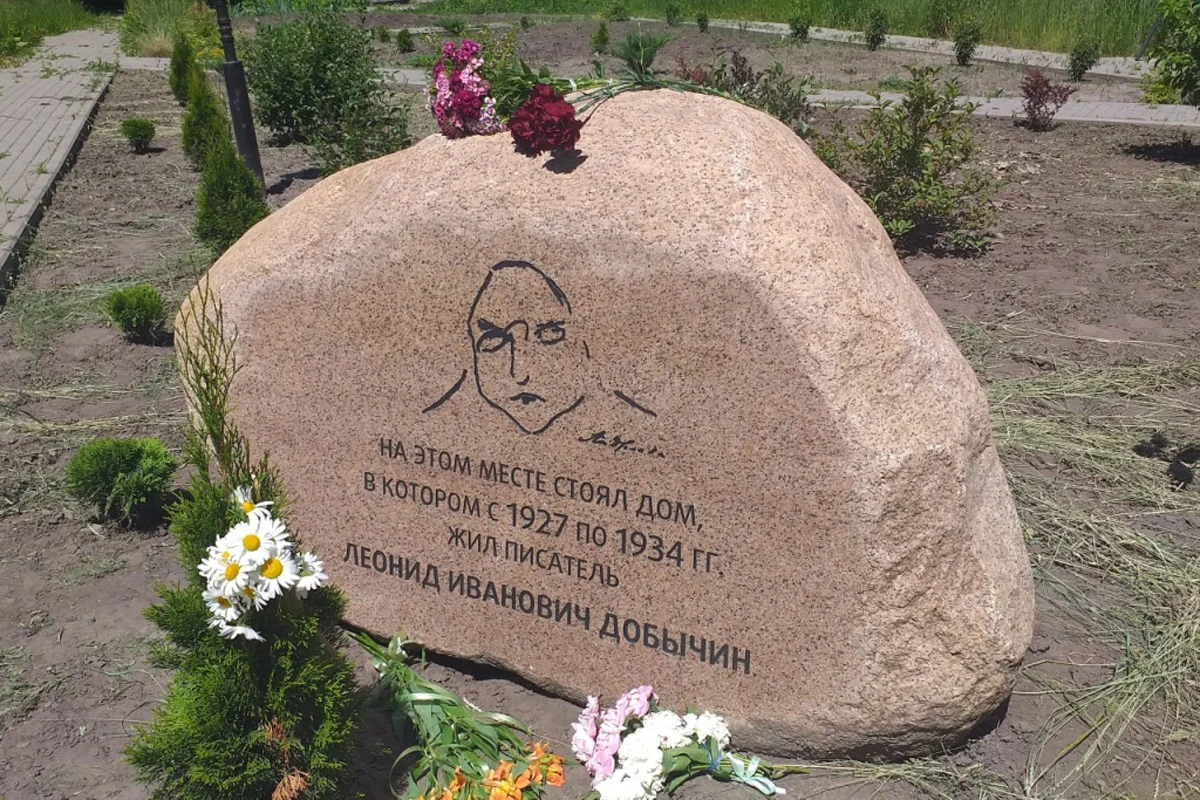
Однако кое-что мы знаем точно. В пустой комнате в пустом ящике письменного стола — ого, значит, он всё же завёл себе стол! — он оставил паспорт. Носильные вещи отправил в Брянск маме без каких-либо объяснений. Она получила вещи и бросилась звонить и писать в Ленинград, чтобы нашли сына. А его не могли найти. He disappeared.
Люди из Союза писателей, устроившие его проработку, отвечали на все вопросы о нём: «Беспокоиться нечего. Добычин уехал в Лугу. Там его видели». Почему в Лугу? Они лгали и сами знали, что лгут. У него не было друзей в Луге. Луга — это был синоним смерти, а вернее, бесследного исчезновения.
Тела не нашли.
Был Л. Добычин — не стало Л. Добычина.