
Translated material
Who killed Aita?
Roskomnadzor took up Yakut cinema. We watched the film that caused the dissatisfaction of the authorities and talked with his director
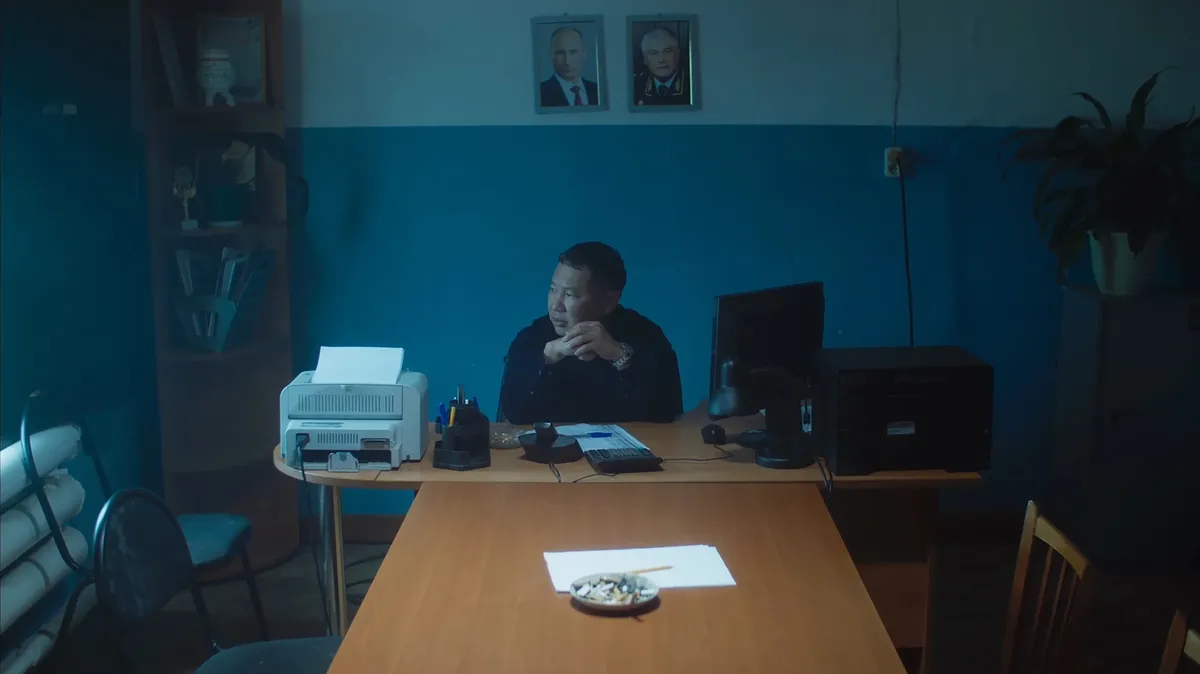
Shot from the film "Aita". Photo: Kinopoisk
In September, Roskomnadzor began to delete the film by the Yakut director Stepan Burnashev “Aita” from the video platforms. The authorities saw in the film "destructive information contrary to the principles of the unity of the peoples of Russia." There was also information that supposedly the audience themselves began to complain about the film due to the fact that the main antagonist is Russian.
A few days later, the Ministry of Culture refused to rent another Yakut picture - “candidate” by Dmitry Shadrin. In the film, officials found the propaganda of LGBT+. The comedy about the election of the head of one of the premiums (rural councils) in Yakutia is now shown in a “pirate way”: just like Barbie and Oppenheimer.
The material was first published in Novaya Gazeta Baltiy.
Badcomedian blogger (who was banned for this in the official group of Roskomnadzor in VK) and one of the main modern Russian directors Alexander Sokurov stood up for this. “Yakutsk Evening” came out with the inscription “Roskomorzor” in the first lane, and even the representative of Yakutia in the State Duma called the decision of the department controversial and offered to change it.
Aita appeared on large screens in Russia back in March 2023 and raised a record amount for modern Yakut author’s cinema at the box office, fully recording its own production (26 million rubles with a budget of 4 million). The picture was made without state support. Ksenia Gapchenko watched the film and talked with the director.
This is the thirteenth tape of Stepan Burnashev. It is difficult to define the genre of this film (like other films of the author) - here is a thriller, and a fighter with Western elements, and a serious psychological drama.
What is the movie about?
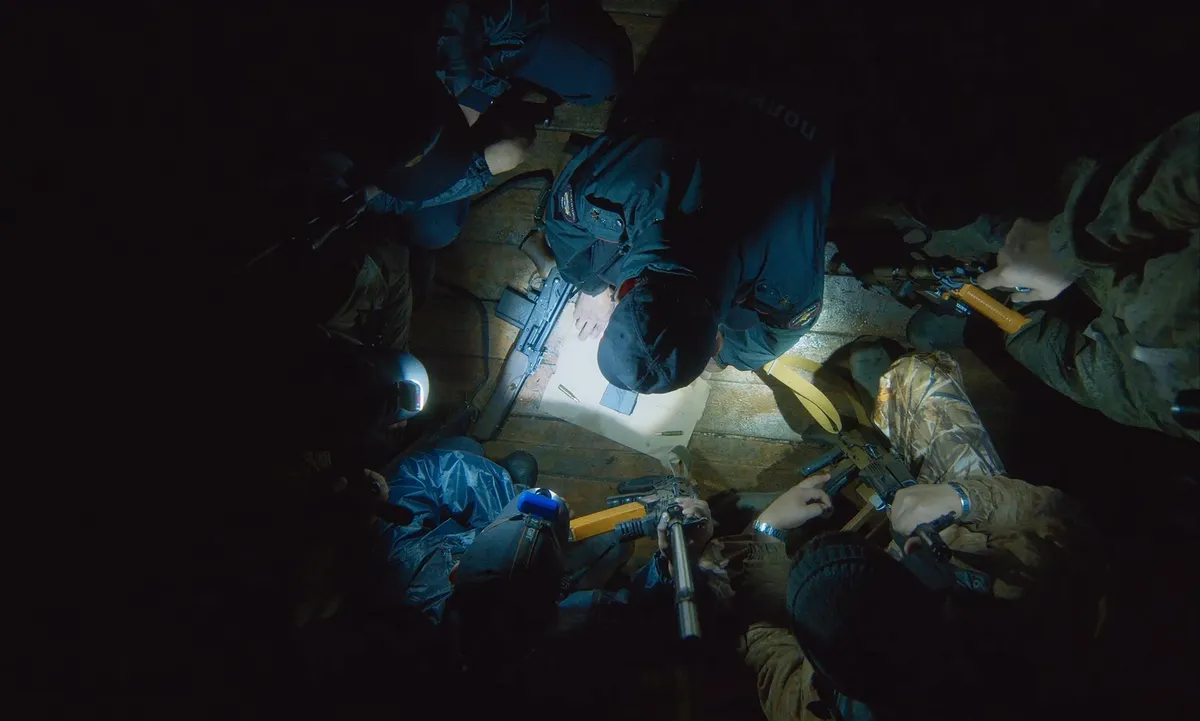
The film takes place in a small Yakut village. The neighbors complain of the police about a group of noisy teenagers who drink alcohol. A police outfit arrives. Aita, the only sober, takes home a policeman Afonya. Later in the hallway of her own house, the girl makes a suicide attempt.
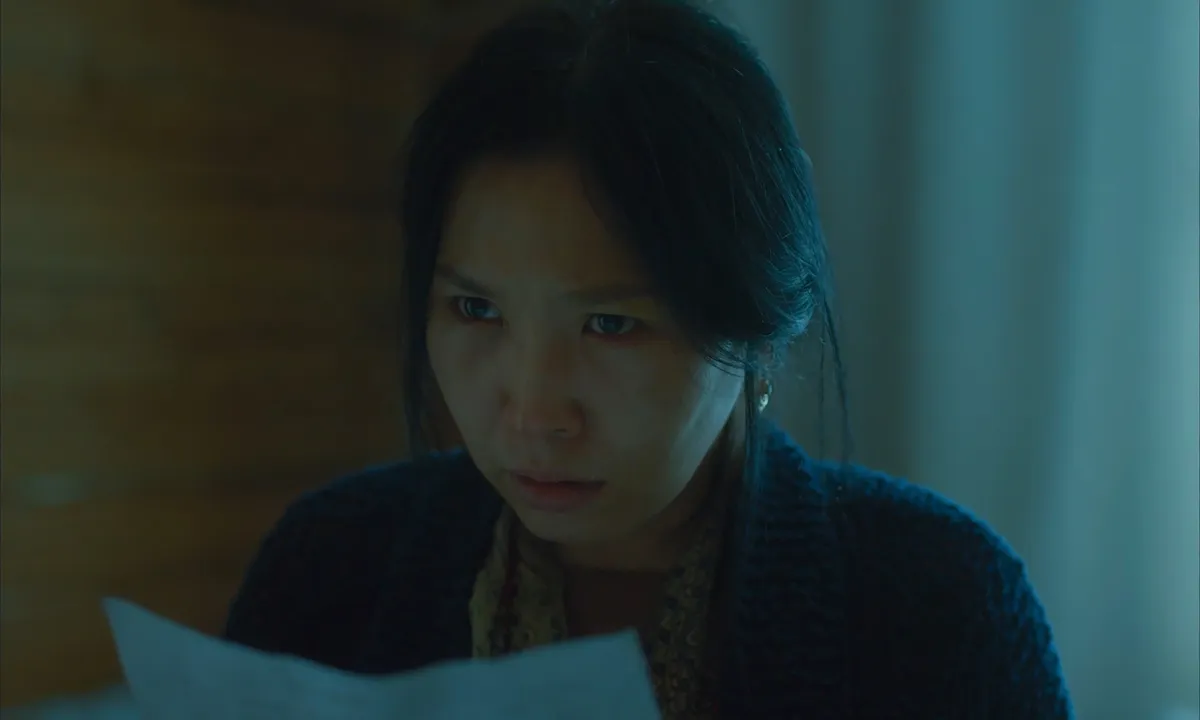
Aita wants to hang herself on school tapes that her parents recently gave her. Mother manages to save her, but after a few days Aita still passed away in the hospital.
In the pocket of the jacket, the girl finds a note “Afonya! I hate you! ” And the results of the autopsy, against which Aita's parents hold strongly, showed that the deceased's parents are highly held, showing that the deceased was pregnant.
The tragic case and the remaining question of who or what killed Aita launches a chain reaction of hatred in the village: the neighbors want to arrange a lynching over the only local Athanasius, diluted by a 35-year-old police officer who came to the Yakut village to work from Voronezh.
He found here a new wife almost twice younger than him. But Afonya could not get used to it, did not learn the tongue and for the locals is one of those visitors who came here "behind a long ruble and spoil the local girls." Afonya and the worker are so-so, they took him only because of the lack of working hands in the village, and he speaks too much and often inappropriately, which annoys his silent boss Nikolai.
Therefore, when a tragedy happens, literally everyone rises against a stranger.
The only ones who doubt the fault of Afoni are the gloomy investigator Nikolai and the wife of the suspect Sardaan, whom rural women have already called the “bed -bedding”. Investigator Nikolai and his colleagues of Sargylana have very little time to understand why Aita died. If they do not have time, the fellow villagers will take the police building by force and punish Afona according to the laws of the taiga.
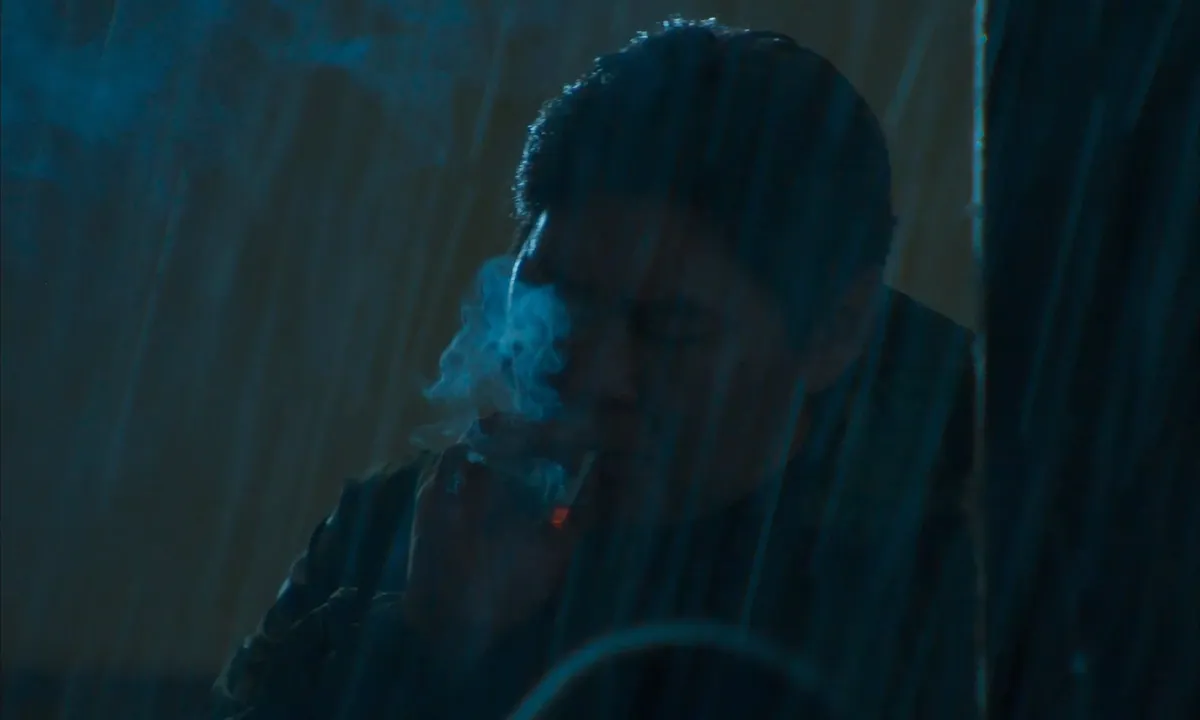
In the film, rain pours a wall, bad weather becomes a metaphor for the impossibility of human dialogue. People seemed to stop hearing each other. Parents know little about the life of their own children, although they control every step.
Afonya gives out a chauvinist remark that all the Yakuts are on one face. The inappropriate proverb is almost immediately returned by a boomerang-one of the Yakut-Police-Police says that all Russians are the same.
Stepan Burnashev’s film is a serious social statement about widespread chauvinism, indifference and intolerance. Primitive hatred and desire for revenge cover the villagers of the eyes, and even the investigator acts illogically, as if doubting whether he did the right thing, that he decided to protect Afona.
It is impossible to find a destructive element in the picture and guess what the staff of Roskomnadzor did not like in the film. It is also difficult to understand why right now, after almost six months from the start of successful rental, he caused a similar reaction.
Stepan Burnashev
Director, screenwriter, producer and actor
- They say that it was the audience who began to complain, they did not agree that the antagonist is Russian.
- Well, rumors rumors, but in fact it seems to me that in our film there is no antagonist. The main antagonist is the situation itself. But in general, the characters of the film "Aita" are ordinary people who do not differ from you and me. I believe that there is no antagonist there. Especially the Russian antagonist. They all have life experience. These are good people.
- Why do you think this strange reaction from Roskomnadzor has happened right now?
- I don't know, it's very strange. The film was at the box office first in cinemas, then in the online rental. And then after so much time it happens. In fact, I have not seen an official prohibition document.
It is impossible now to unambiguously say that the film is prohibited. There is a letter with recommendations for platforms. But there was no official justification and official response to my request yet.
We should have a meeting with distributors, with representatives of Roskomnadzor. We will live - we will find out why such a reaction is and why it happened after so much time.
- There is not a penny of ministerial money in the film. How did you collect the budget?
- I had my own savings, about 300 thousand rubles. Then I decided to sell the car donated to me. Thus, I had about 1 million rubles. Loans, debts. It is also important to note that I received a non -governmental grant from the local Syette Sakhavud Foundation businessman Arsen Tomsk. There are no state funds in this picture.
-Were there already claims to you from the authorities because of your previous works?
- There were no complaints before. I hope that in the future it will not be, because I make cinema, works of art. I have no desire to make a destructive movie. I am talking about humanity in the first place, for me it is very important.
- Will you continue to work in the Russian Federation?
- Certainly. I worked and will work here. I have a family and work here. Moreover, I plan to submit to state financing and my next project.
- Your personal attitude to this situation?
- I believe that this is a misunderstanding, misunderstanding. I hope this situation will be resolved soon. Time will show.
About the film
- How did work on the Aita script take place?
- We started working with Svetlana Tiko in the spring of 2021. They took the story of my second cousin as a basis. But only the basis - the story was modified, many of my observations fell into it.
- Does your father play the role of the former head of the village?
- Yes, my father really plays the role of the former chapter, who has recently become an actor. For example, he starred in a very interesting role from Dmitry Davydov in the film "Illegal". I had conceived a character, the former head of the village. I wanted to show how the young chapter makes decisions, given the opinion of the previous chapter. And then the investigator talks with them both. And I decided to invite my father. My father was also the head of the village, in which we shot. In its own way, this is a tribute to my father and his work.
- I read a few reviews for the film, many people like it. There is one general claim: according to many spectators, there is a certain illogicality in the actions of the investigator - why the Aita’s phone is in their hands during the conflict. How do you explain this?
I thought and came to the conclusion that all the inhabitants, including the investigator, fall into the darkest state - the desire for revenge in which logic is completely disconnected. The investigator tries to deal with his own attitude to Athos throughout these few days. Not an investigator comes to the first row, but a father, a husband and just a man. He does not think about the phone, although he sees an iPhone in the hands of his daughter daily.
- Many thought that this story lasts a whole week. In fact, history happens in two nights. The situation is so rapidly developing that they allow omission, the human factor is turned on. I do not see a scenario hole here, Aita just dies on the second day when they begin the investigation. The situation after that begins to radically, change rapidly. This omission of investigators, in my opinion, emphasizes that the characters are ordinary people. Police do not work like robots. They are people. The events of this story are just developing. Therefore, such a logic in this film.
- For me personally, your movie is a very timely and important decolonial statement. With an important phrase: "You, Russians, all on one face." This is a whilly answer to the rudeness of Afoni at the beginning of the film, to him: “You, Yakuts, all in one face”, “And in Russian?” It doesn’t matter that the antagonist is justified, we feel that the Russians left in the region.
- You emphasized his whipping answer, I so wanted to emphasize the manifestation of chauvinism in modern society. This happens for many reasons: we were brought up like this, certain fears are said in us. I hope chauvinism will disappear soon. Now everyone can find out everything about different nationalities. I want to know about Georgians, about the inhabitants of Niger, about the Argentines and Icelanders. They have their own mentality, their traditions, their own language. But in fact we are all the same, we are people with similar problems, passions and questions. You need to live easier, you need to talk to each other. The main thing is to be human. Cinema - about love and humanity. Let's not divide each other into nationality. This is partly the meaning of the film.
For me, the most important thing is the problem of fathers and children, a misunderstanding between them, which does not go anywhere. We, adults, are very often strange to behave with our own children.
As if we forgot that one day we were teenagers. Hyperopeca became a replacement for upbringing. You need to communicate, recognize your children.
There is another question raised in the film - this is free information, which, as an element, can destroy everything in its path. Especially not backed up by facts human rumor. Very often, without receiving information confirmation, we draw very strange conclusions. They sent me a review of Aita, in which someone, without watching the film, claims that I made a movie with a "destructive element against the unity of the peoples of Russia." It's stupid.
- In the film, I drew attention to the names of the heroes. Men have almost all Russian names, the name of the father of Aita Yakutskoye. The names of young heroines are also Yakut. Was there an additional message in this?
- No, I did not put an additional meaning in the names. When I write, the names appear on their own. In previous films, Athanasius often appeared in me. The name itself was an ephemeral character. Apparently, the time has come to materialize Afoni. All other names, except for the name of the main character, are names taken from space.
- When to the audience to wait for your new film, "ET"?
-On October 12, 2023, Dmitry Davydov and I launch the almanac “ET”, this is supposedly the continuation of the almanac “Yt”, which we also shot together. These are giant stories. There are funny, there are sad ones. We hope that the viewer will like it. We already had special shows. Our almanac is six films in one. It is very convenient.
Bonus - recommendations from an expert in Yakut cinema
Stepan Burnashev is one of the most active young Russian Yakut directors, but the school of modern Yakut cinema includes many authors working in various genres. Specialists in Yakut cinema selected paintings that should be seen by those who are interested in modern Yakut cinema.
1. "Saylyk", dir. Semyon Ermolaev
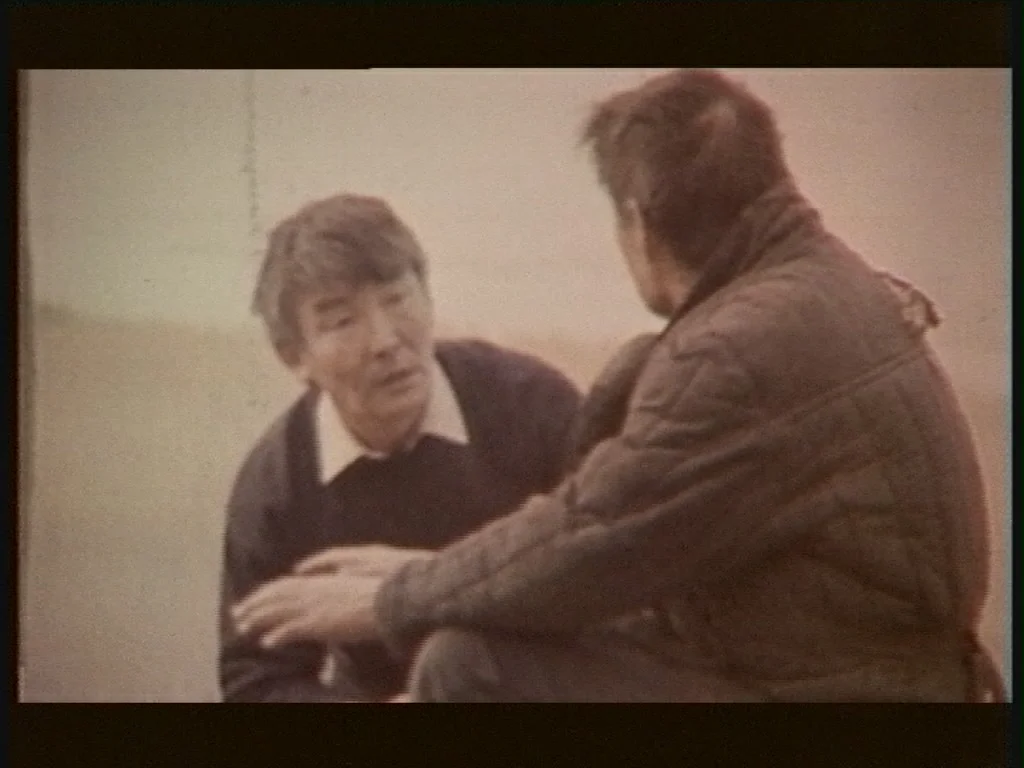
This film, shot in 1992, is one of the first Yakut films in the Yakut language. Despite the obviously limited budget and uncomplicated techniques, the film is very nice to watch, it seems to me, the movie language here is very clear. The creators who, even in difficult times for cinema, created such good paintings, can be reviewed, can be reviewed today.
2. "Do not bury me without Ivan", dir. Lyubov Borisov
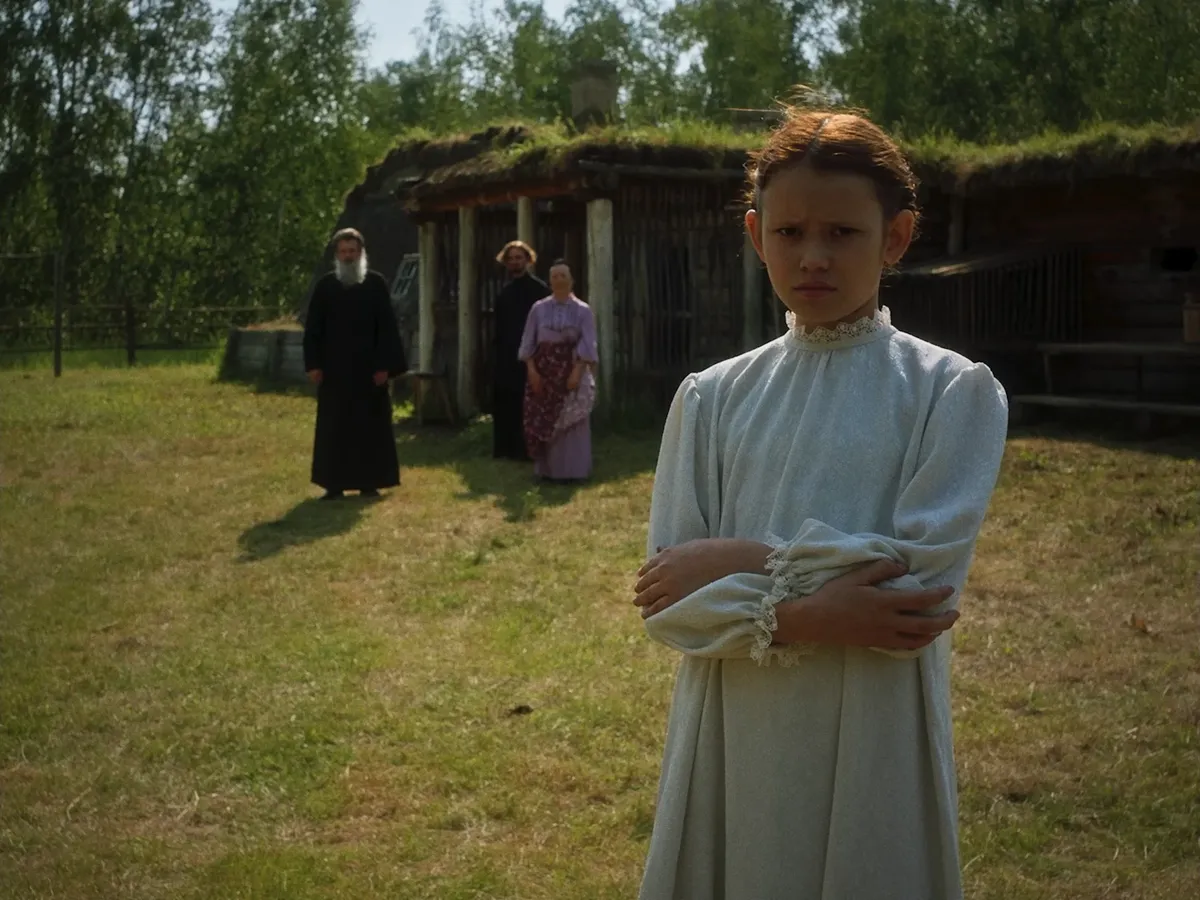
Most festival Yakut films are very gloomy, social and complex, this is what Yakut cinema fell in love with critics of the whole world. The films of Lyuba Borisova, on the contrary, are very cute and positive, after them it becomes pleasant in the soul. Her previous film “I must not sit down by me” also positive and life -affirming, but “Ivan” also reveals the life of the Yakut people of the 19th century, each frame is an aesthetic masterpiece. I think many spectators from Yakutia, like me, watched this film with wet eyes, so much this dreamy romantic picture takes by the soul and reminds of their home. I advise everyone as a positive life -affirming movie and reliable ethnographic material.
3. "Illegal", dir. Dmitry Davydov
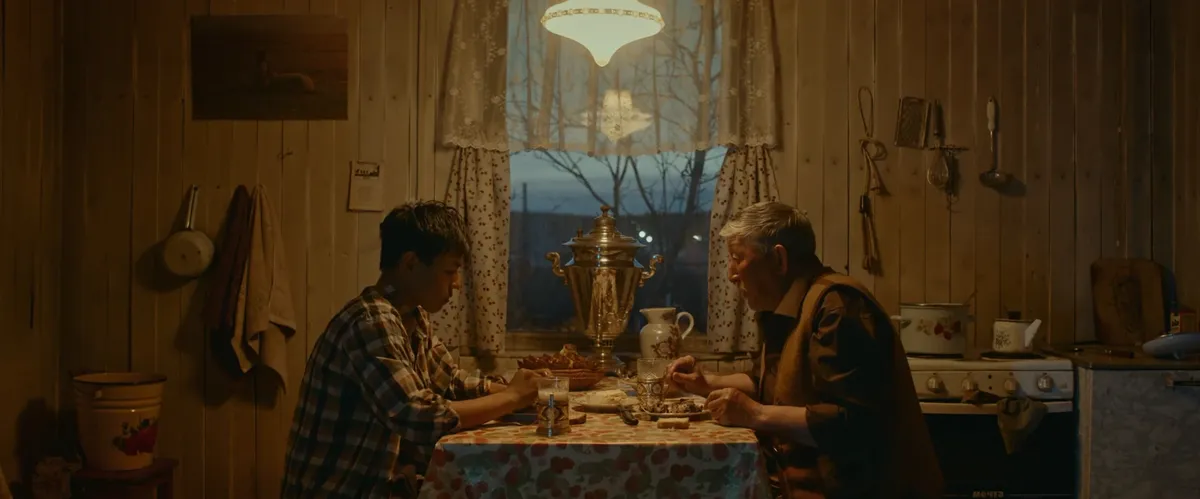
In many films of Dmitry Davydov there is a theme of an outcast of society. In this film, the main character is a working migrant from Kyrgyzstan, a boy who comes to Yakutia in search of his father. In general, the film is very tough, perhaps a little tightened, not everyone will like it. But he was very hooked, because it raises the topics of rejection in society, the conservative village as a closed community, xenophobia in Russia. I liked to observe the change in the character of the protagonist in the process of the path, in the end he reached his goal, but it becomes not entirely clear whether it needs a new to him.
4. "Duulur: Mas-Srestling", dir. Valentin Makarov
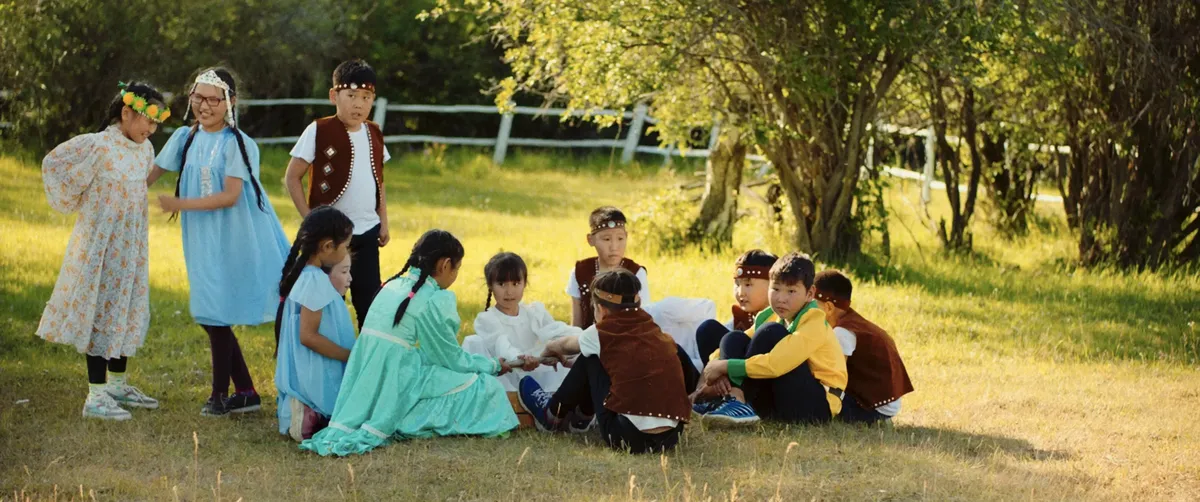
Sports drama: The main character falls into trouble, which can only get out of the championship. Everything is extremely simple and understandable, a little naive (especially the image of the main opponent), but for some reason it plays very well together: you believe in Duoluur and his love for the family and the desire for victory. The film was shot to popularize the Yakut sport-Mas-srestling, which is gradually gaining popularity in different countries (the picture shows international competitions in Yakutsk, and they really take place in life). A successful “pop project” for Yakut cinema, an extremely understandable film at once in the best traditions of American sport cinema.
5. "Aita", dir. Stepan Burnashev
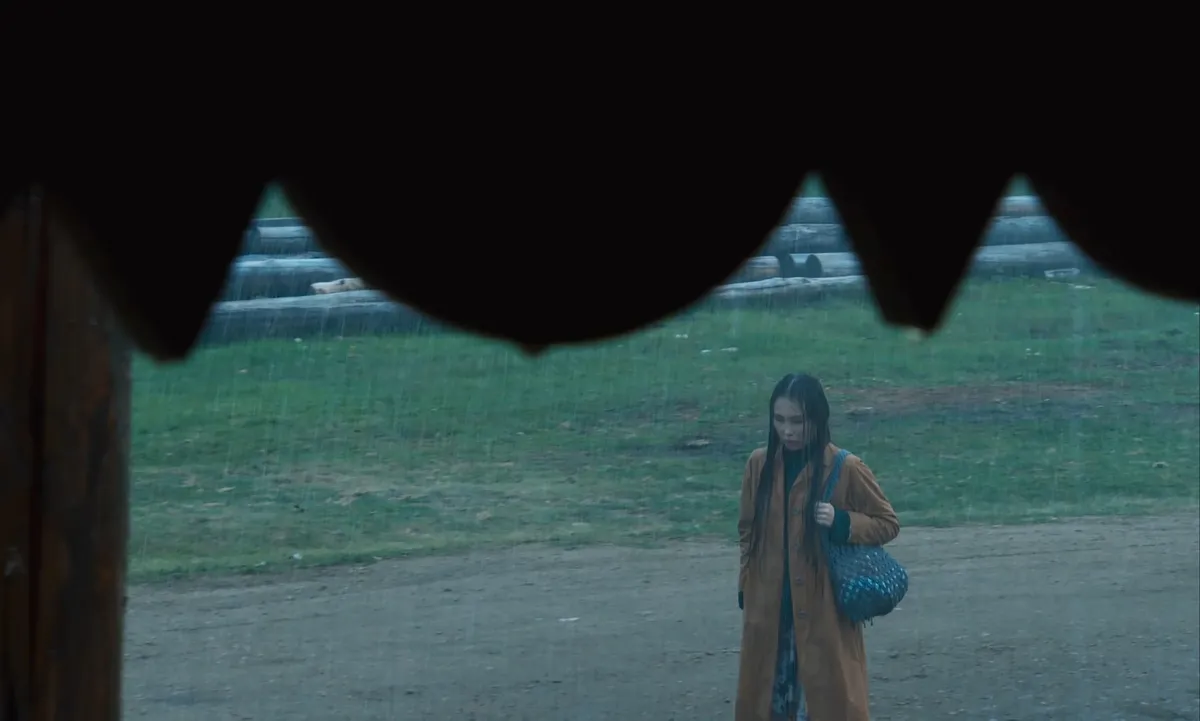
The most cash yakut film, and now the most famous after recent news. In general, I really love Burnashev’s films because they are very literal. I do not mean that everything that happened in his films could happen exactly in life, but he shoots very clearly, his dialogs and small details are very pleasant to consider and ponder, it seems to me that he feels the Yakut reality very well and sees it as it is, revealing this look to any viewer. This is generally a successful “dark” criminal drama with accompanying scenes, details and an excessive atmosphere, but with an absolutely unexpected end that each viewer can interpret in his own way.
6. "Nuchcha", dir. Vladimir Munkuev
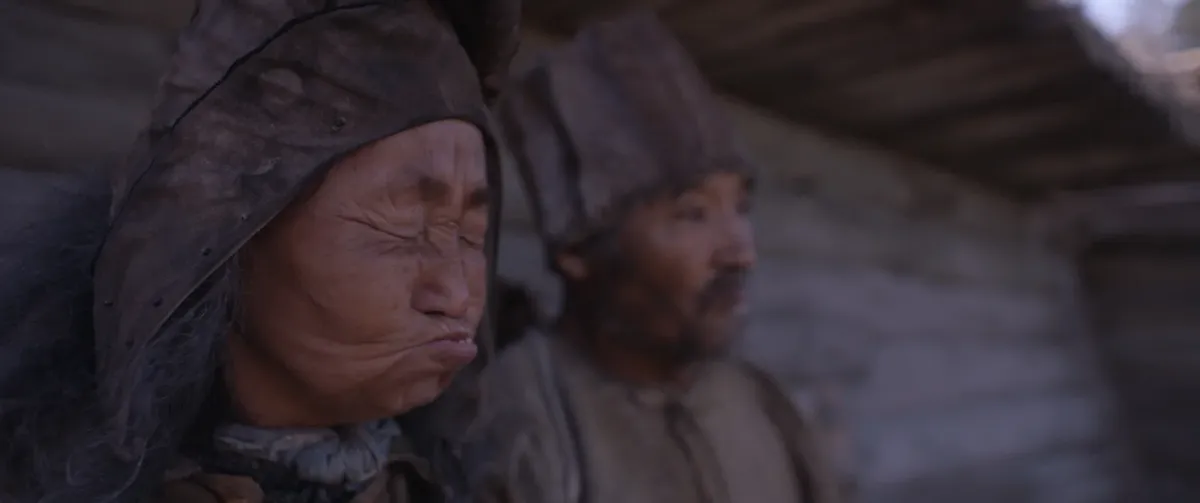
The word "noucance" is translated as "Russian". The film is based on the story of the Polish ethnographer Vaclav Seroshevsky “Khailak”. A village couple is preparing for a heavy taiga winter. Suddenly, they are hooked on a cursory hard labor. The couple has no choice, it remains only to accept an unexpected guest. The guest almost immediately begins to behave as a full -fledged owner.
7. "Scarecrow", dir. Dmitry Davydov
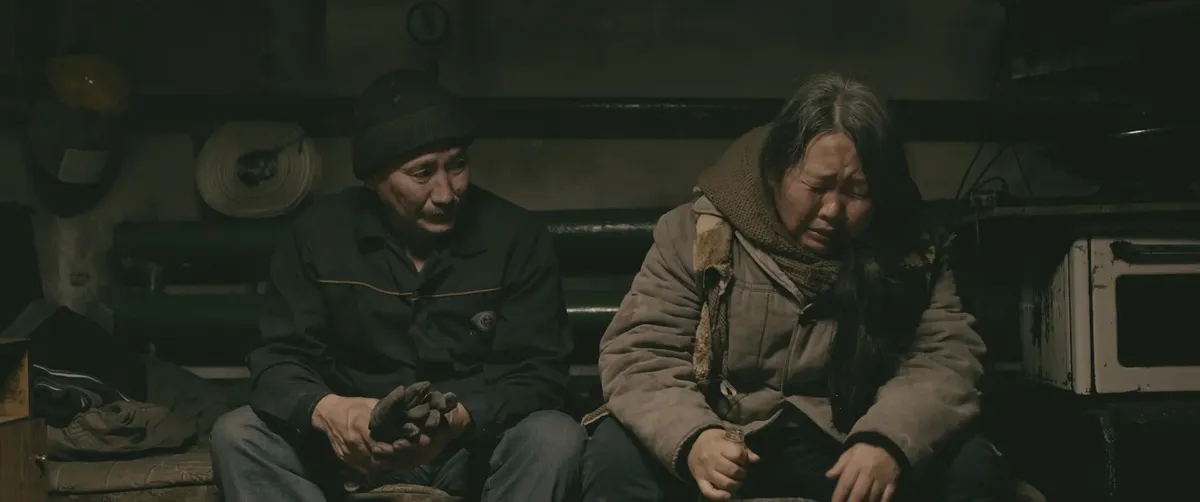
Scarecrow is a healer, a healer, for many neighbors - the only affordable assistant. It helps during childbirth, treats different diseases. The scarecrow takes someone else's pain. They listen to her and respect her, but only when the neighbors need something from her. As soon as she crosses the threshold of her house, she immediately encounters constant humiliation and violence.
Ksenia Gapchenko