
Translated material
Human child
The right-conservative hit “Sound of Freedom” about the fighter with the trading of children conquered the American box office and is at the Russian box office. Oleg Tundra - about what is the political significance of the film and what is wrong with him
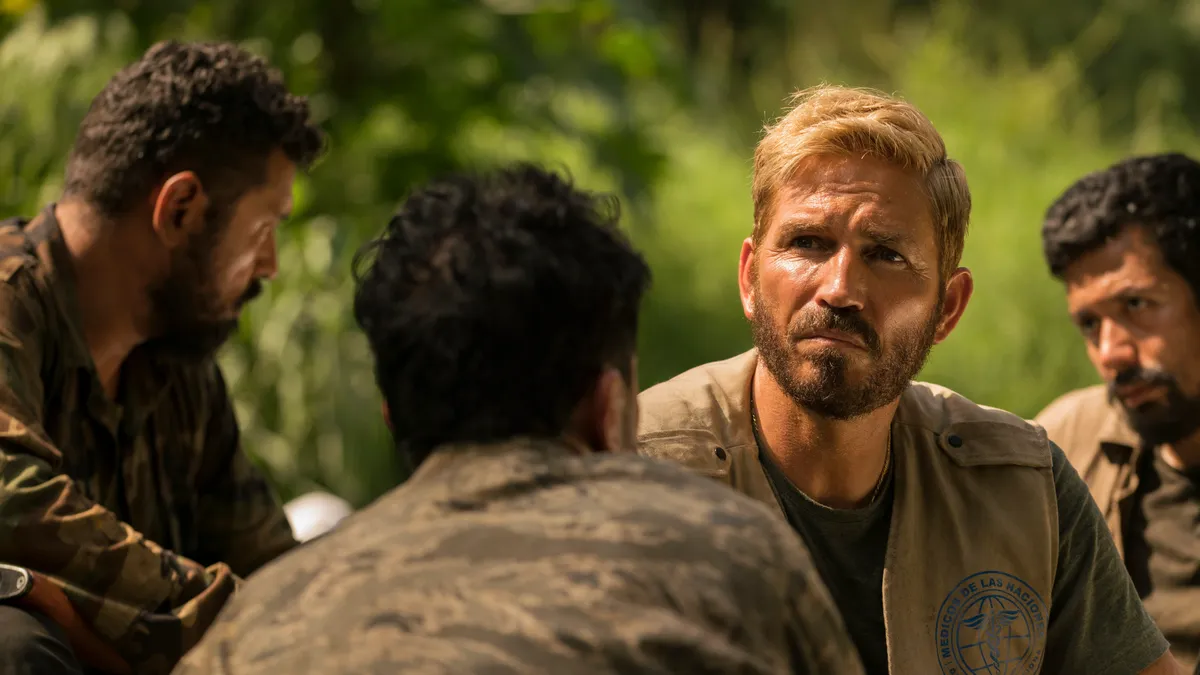
Shot from the film "Sound of Freedom." Source: Kinopoisk
In the Russian box office there is a “sound of freedom”, an American detective based on real events, about a hunter for children Timothy Ballard. The film of a little -known director without superstars raised huge $ 212 million for a movie (many superhero epics do not reach this figure). In Russia, the successes of the “sound of freedom” are still more modest, but in the first ten in a week of rental it still entered. Film critic Oleg Tundra understands what the phenomenon of the popularity of the film about the American hero - the Savior of the children, as the “sound of freedom” has become an important message of American conservatives and whether the movie can, in principle, influence the industry industry, which has a turnover of $ 150 billion.
The “sound of freedom” begins with documentary frames of abduction of young children on the streets of cities: most often, adults are simply not nearby, the only witness of the crime is the street-street camera. Immediately after that, we see how a beautiful young woman knocks on a single father in Honduras with a proposal to take his two children to the casting of two children-the ten-year-old daughter of Rosio and the seven-year-old son of Miguel. After the casting, the father will not find them: they will take the children to the port from the hotel room, and from there they will be delivered to the black market of slaves to the Columbian Cartayena.
The CIA officer Tim Ballard at that time catches the next pedophile, distributing photos and videos of stolen children. His work is to track American consumers of children's pornography, but after the shift he returns to his wife and children, and the whereabouts of the victims remains unknown: the CIA does not search for stolen children outside the states. This torments Ballard, since he considers his work unfinished. After the detention of one of the pedophiles, he gets closer to him and pretends to be interested in buying one child - a boy nicknamed “Teddy Bear”. The pedophile is suspiciously quickly issues its sources, and the bear is found on the American-Mexican border in the car of the White American.
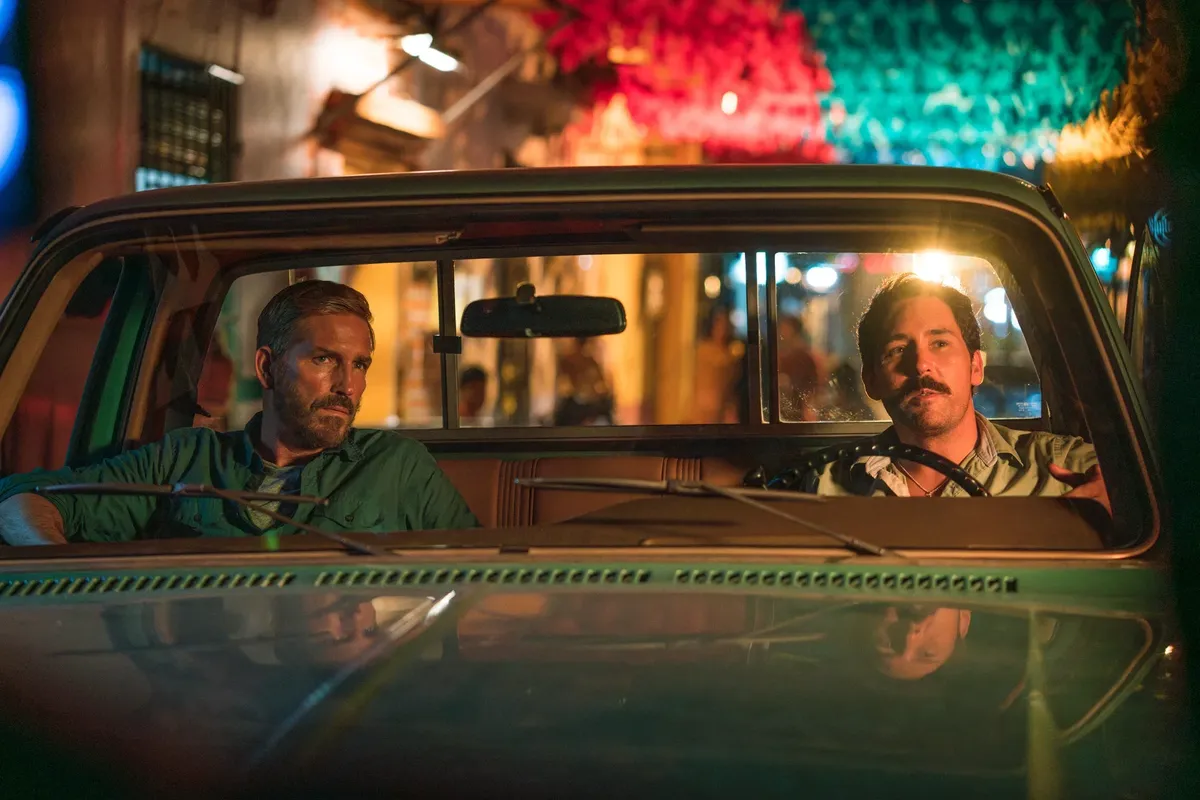
This is the same Miguel, stolen in Honduras a year earlier. From a conversation with Miguel, Tom finds out that his sister is still in slavery, and gives the boy and his father a promise to return her to the family. Ballard decides to leave the CIA and, with the support of his wife, leaves for Kartateen to conduct an international surveillance. Before the local mafiosi, he decides to play an American interest, who plans to open an elite club with young “talents” in Colombia, where children will be engaged in prostitution with wealthy Western customers.
So Tim Ballard hopes to go on traces of children's traders and find the girl Rosio, who, in his opinion, can still be in Colombia.
From the director with a very mediocre filmography Alehandro Monteverde, no one was waiting for an outstanding film, especially on such a sensitive topic. “The sound of freedom” can be called speculation, especially since the film was actively advanced and used by the conservative movement of Qanon: Tim Ballard and the main role of James Cavisel (most known for the role of Jesus in the conflicting Baiopis Mel Gibson “Passion of Christ”) are participants in this movement. Qanon - conspiracygologists supporting Trump - promoting ) the idea that the former American president is one of the main fighters with pedophiles, Satanists and their lobbyists in the Democratic Party of the USA and the seedling of the vice of Hollywood. No matter how absurd this movement from afar, Qanon is an important part of neoconservative propaganda, which systematically uses the topic of protecting children to combat “non -traditional values”: LGBTK+ movement, movement for reproductive rights, inclusive initiatives, and migrant support societies.
So Tim Ballard in the flesh and his real exploits to capture pedophiles, and then a rescue operation in Latin America is a real find for neoconservatives. On his account, the search for more than 7,000 children and adolescents (according to his own data . - Approx. Ed. ), Enforced in one of the fastest growing illegal industries in the world - children's and teenage pornography and trading children for prostitution. In addition, Ballard is the head of a large family, who himself adopted two children saved from sex merchants, a man of action against the backdrop of millions of demagogues.
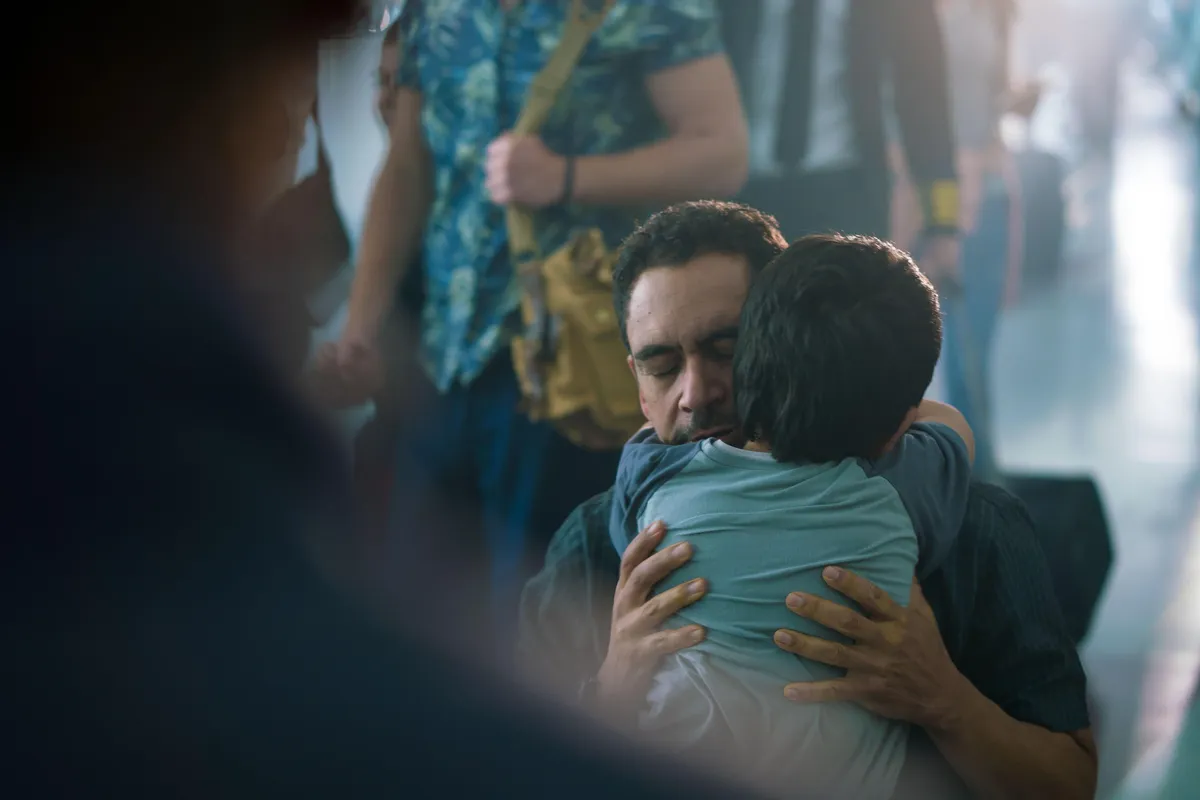
People who have learned about human trafficking and sex storage do not the day before yesterday share the opinion that the “sound of freedom” not only simplifies, but also distorts the real mechanism of the existence of children's and teenage prostitution. Most consumers of pornography and people who are ready to pay for sex with children live in more wealthy countries, as correctly and speak in the film. But the hit of children on the black market is a established shadow system, where the efforts of Tim Ballard and its special operations are a drop in the sea. Unfortunately, most children fall into the industry through acquaintances and their own relatives, and model castings on the street from outsiders are a very rare script. Parents and acquaintances of families themselves give good to the sex exploitation of children: narcotic wars, economic instability, the flight from criminal areas, the dependence of the parents are the most common reasons for the appearance of a child or a teenager in this black industry.
The “sound of freedom” uses very sentimental dramatic means within the framework of superhero ideology: one warrior against all is able to save thousands of children.
But the struggle against the trafficking of people and children's sex trains, as real experts tell us, should not be associated with the individual heroism of neoconservatives, but with systemic humanitarian aid and consistent policy in the region. While countries turn a blind eye to sex tourism, narcotic cartels dictate the laws of entire regions, and the guardianship authorities are not able to influence domestic violence, no ballard will be enough for them. It is also worth saying about the religious background of the film and the repeating refrain "The Children of God is not for sale." Caring for children is not a distinctive feature of religious Christians: people from any religious views, including atheists and agnostics, can engage in the salvation of children from sex. From this point of view, Jesus -like James Cavisel with his engaging neoconservative position is an unambiguous agitation technique.
What can be said about the quality of a film that took to chew a hidden humanitarian catastrophe for millions that do not understand the audience? To begin with, there is practically no films about children's sexual slavery (“Lily Forever” or “Mammoth” - single examples), so “The Sound of Freedom” appeared in the void. For many viewers, this film has become a real revelation about what is happening outside the doors of their prosperous houses. A high audience rating is often accompanied by comments: “Thank you for talking about this problem.” Before the “sound of freedom”, the Western world was clearly not aware of the scale of the sex merchant and the profit that it brings.
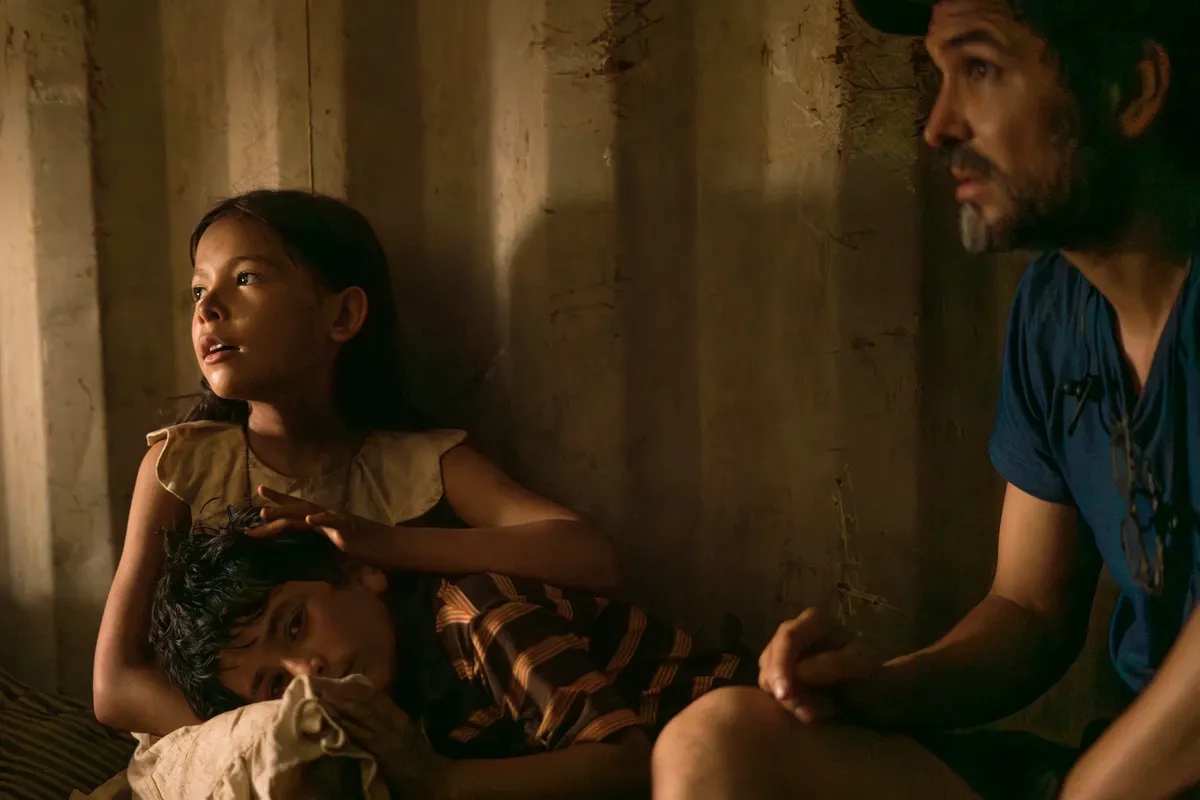
But if we talk about the critical statements of the film itself, then you can’t call it more than an ideological video line. A blue -eyed brown man without flaws decides to fight the villains. Scoundrels all behave like reptiles as one. Beautiful and frightened children pose in front of the camera, and in the worst scenes we see the tears of the CIA agent.
Pedophiles only do not go in T -shirts “I am a pedophile” and look like feeded animals. Father prays on an empty bed of his daughter for her health. All the rules of tear drama are made flawlessly.
What could the authors “sound freedom” do for the audience and why did they consciously do? They did not talk about how international politics and military conflicts in Latin America are directly involved in human trafficking and children's prostitution. That sex trade is happening with the silent support of local governments and the full connivance of international organizations for the protection of children. And that the efforts of one former CIA agent are not enough to break the vicious chain of the international illegal labor market, the transportation of drugs and the systemic discrimination of children. Instead of slippery pedophiles, the audience deliberately did not show officials signing agreements on the purchase of weapons, and the heads of financial corporations with fabulous profit from instability in entire countries and regions.