
Translated material
The minimum of winter ice in Antarctica decreased immediately by a million km²
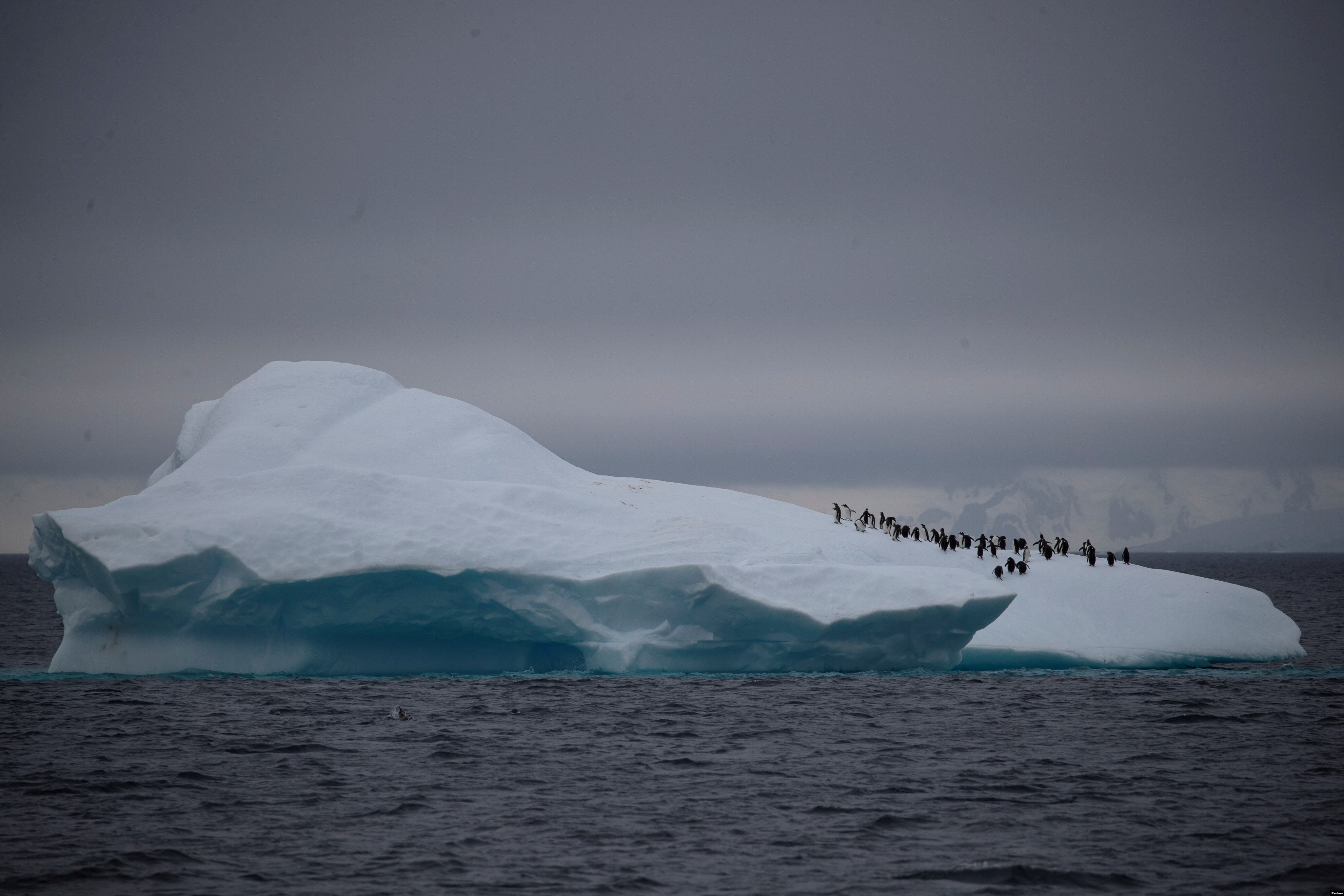
In 2023, the winter area of sea ice in Antarctica broke the record minimum, established in 1986, immediately by a million square kilometers.
In September, the sea ice of Antarctica reaches the maximum area - an average of 18.71 million square kilometers. On September 10 of this year, the Square of Sea ice reached 16.96 million square kilometers, after which it began to decline, it should be from the infographics of the US National Center for Snow and Ice.
On September 10, Antarctic Sea Ice Likely Reached Its Annual Maximum Extent of 16.96 Million Square Kilometers (6.55 Million Square Miles). This The Lowest Sea Ice Maximum in the 1979 to 2023 Sea Ice Record by A Wide Margin. https://t.co/y7ljie6xff pic.twitter.com/XQ7LWAZAG
- National Snow and Ice Data Center (@nsidc) September 25, 2023
Scientists associate the disappearance of ice with natural phenomena, such as El Nigno-an increase in the temperature of the equatorial waters of the Pacific Ocean, the consequences of which exacerbate the anthropogenic change in climate. A large -scale melting of ice can lead to serious consequences for the world climate and sea level.
Due to the decrease in sea ice, ocean waves roll on the coast of Antarctica, reducing its ice shelf. The melting of mainland ice, in turn, leads to an increase in the level of the ocean, the risk of flooding of coastal areas and the destruction of the lives of people and animals.
- Antarctica is one of the most rapidly heated regions of the Earth. The glaciers on it melt faster than ever in 5.5 thousand years, follows from the studies of paleoecologists.
- The summer of 2023 became the hottest in the history of observations: temperature records fought one after another. The UN meteorologists associate a record heat with the anthropogenic climate change and the beginning of El Nigno-an increase in the temperature of the equatorial waters of the Pacific Ocean.