
Translated material
"Rushing me is useless"
Tatyana Kotlyar is 72 years old. She lives in Kaluga Obninsk and helps migrants and local residents. For this, the state “thanked” it with six criminal cases. Formally, Kotlyar and really offender: she prescribes migrants fictitiously in her apartment so that they can work, study, go to hospitals and retire. After the start of hostilities in Ukraine, she increased work. Again, as in the days of the Chechen campaign, conscripts go, and now they are still migrants who refuse to accept documents for citizenship without concluding a contract for military service. In mid -September, Kotlyar began to judge again. The prosecutor's office demanded that she register migrants in her apartment until April 2025, and officials to register them at this address
Monday begins on Friday
Monday, Wednesday, Friday. Three days a week, Tatyana Kotlyar rakes piles of complaints in her office in the center of Obninsk. With unchanged enthusiasm and with a thick portfolio full of papers, she comes here - to help everyone who needs her help.
This has been going on for almost 20 years. Tatyana Mikhailovna does not leave until she accepts the last visitor. On unacceptable days, he runs around the courts. On the weekend - after the ban on the office door on Friday evening - works from the house.
“Monday, Wednesday, Friday” - like a mantra, visitors Kotlyar whisper under his nose. The queue is occupied in the morning. They do not give citizenship to one, they do not appoint pensions to others, the third is refused to take school or work, the fourth is illegally drafted into the army. But the reason why people come to Kotlyar most often are one: there is no registration at the place of residence. Without it, neither citizenship, nor benefits and payments are given, they do not attach to the clinic, refuse to apply for a pension, do not include voters in the elections.
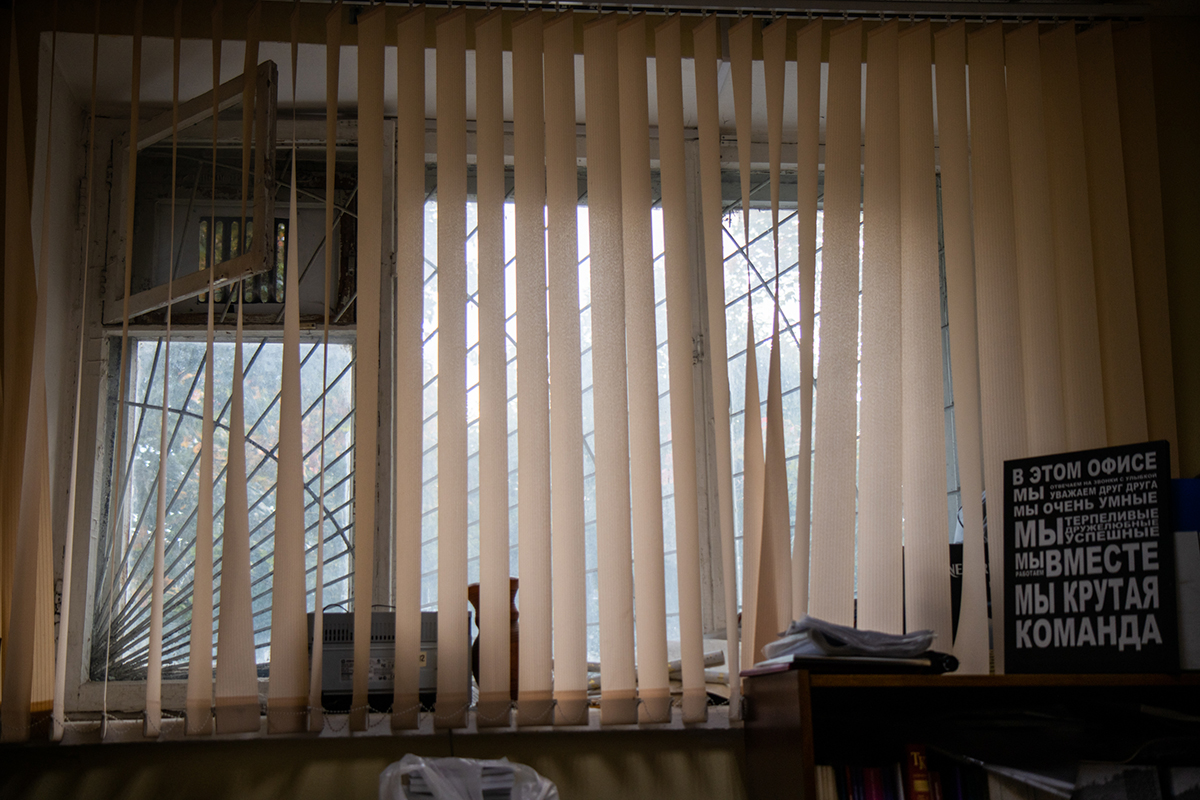 In the office of the public organization Tatyana Mikhailovnafoto: Kristina Syrchikova for TD
Kotlyar does not see another way, except to prescribe those in need of registration in his apartment. And thereby protect their rights. The apartment has long been nicknamed the "rubber", thousands of people are registered in it. The human rights activist does not bother at all, "since such laws."
But the state with Kotlyar does not according to and pursues it, starting criminal cases for fictitious registration. The maximum punishment under this article is imprisonment for up to three years.
While the Obninsky human rights activist was able to avoid a prison term. But law enforcement officers do not recede: with each new criminal case, the punishment for Kotlyar is becoming more and more tough.
Six criminal cases from Russia, six thousand euros from the ECHR
The first case was brought to Tatyana Mikhailovna in 2014. Then it was fined 150 thousand rubles, but amnestied on the occasion of the 70th anniversary of the Victory in the Great Patriotic War.
The second “criminal” flew in 2017: for registering in her “rubber” apartment of Ukrainian refugees. And a year earlier, for legal assistance to them, Kotlyar received the government prize "Civil Initiative". The court did not pay attention to it and re -fined it for the same amount. But Kotlyar was released again from the fine: the statute of limitations expired.
At the end of December 2018, the third criminal case appeared. This time, Tatyana Mikhailovna even attributed a “selfish motive” - although the criminal article on the fictitious registration by which she was judged does not provide for this.
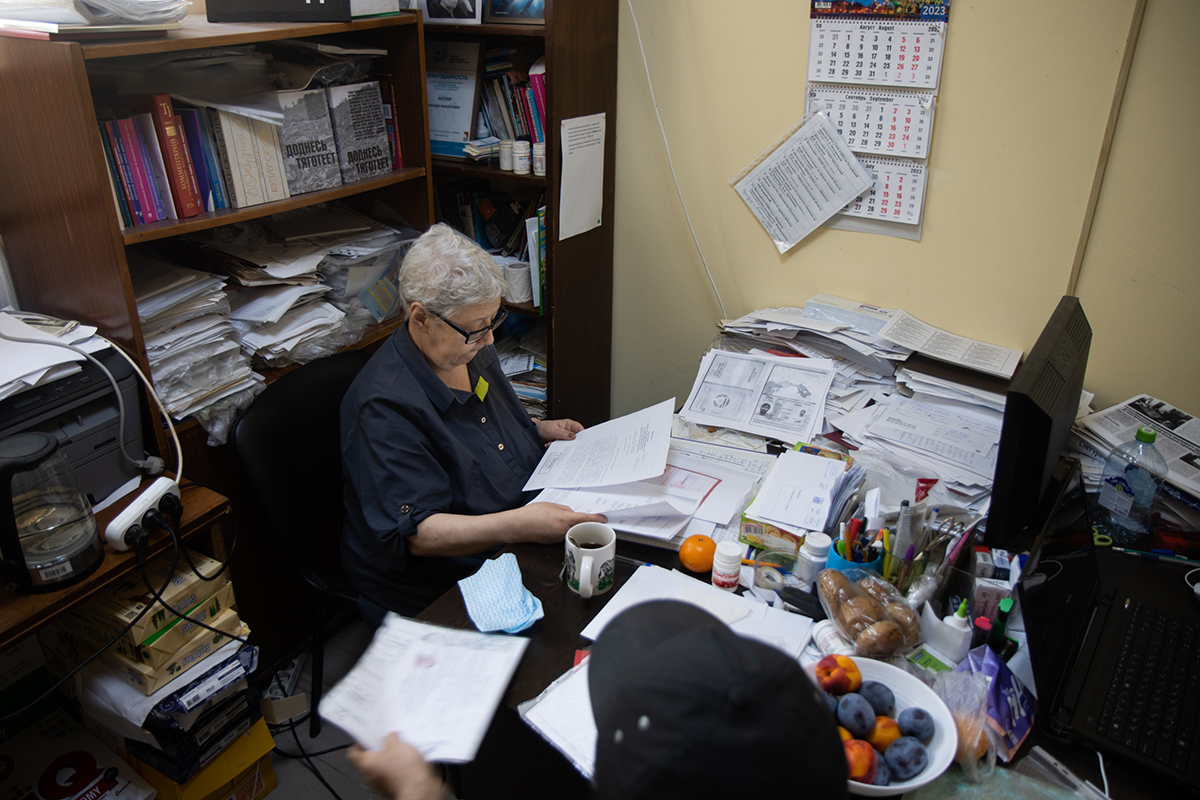 Tatyana Mikhailovna leads the photo: Kristina Syrchikova for TD three times a week
Kotlyar considered that such an accusation discredits her in the eyes of the public, and ensured that the selfish motive was removed from the case. As a result, to universal surprise, the matter was completely stopped-supposedly because of the reservation of Kotlyar about repentance and cooperation with the investigation.
The human rights activist left the courtroom of the indignant court, and later filed an appeal and demanded that it be recognized as innocent. Because she really transferred the data of the magazine to register migrants to investigators, but in her help to people never repented.
Instead of an amnesty, Kotlyar received the fourth criminal case. In December 2020, she was again fined 150 thousand rubles. She first became convicted.
In the spring of 2022, Kotlyar in the fifth criminal case was fined another 340 thousand rubles. After that, the European Court of Human Rights (ECHR) recognized the persecution of Kotlyar - and in July 2022 he awarded her compensation in the amount of six thousand euros.
However, the authorities did not fulfill this decision, since Russia is no longer a member of the Council of Europe and does not recognize the jurisdiction of the ECHR. It was expelled from the composition of March 16, 2022.
 Tatyana Mikhailovna help many: Kristina Syrchikova for TD
And a few days after that, on March 27, on Sunday, the security forces came to the Kaluga office of Tatyana Kotlyar. Archive magazines with visitors' notes and contacts of those who need help were seized. Thus began the sixth criminal case. On it on June 28, 2023 it was fined 650 thousand rubles.
All fines - by that time they had already exceeded a million rubles - the human rights activist was helped by the people who support her.
Director of Amnesty International in Russia Natalya Zvyagina after the sixth sentence:
“Tatyana Kotlyar is punished simply because she helped hundreds of people, including migrants and refugees, generously registering them at home. <...> Instead of solving this problem, the authorities focused on the punishment of such human rights activists as Tatyana Kotlyar. The criminal case against her is another stone thrown into the fragile civil society of Russia. ”
"To everyone who needs"
According to the law, a foreigner has only seven days to register. Until 2016, the Federal Migration Service was in charge of this issue, now - the Ministry of Internal Affairs.
But tenants of housing do not want to register tenants and contact the police. And then a person has two options: either look for the one who will make a fictitious registration for money (a Russian passport costs 200 thousand rubles, a fictitious registration - several tens of thousands), or to go to Leipunsky Street, 2, in Obninsk. There is a Kotlyar office, which will do the same for free and will not ask unnecessary questions.
The fact that Kotlyar will violate the law on fictitious registration (if they accept it), she personally warned the president in advance. By that time, Tatyana Mikhailovna had already registered migrants, but there was no criminal liability for this.
On February 6, 2012, the human rights activist published an open letter to Vladimir Putin, in which she stated: “As the owner of my apartment, I will offer registration at the place of residence to everyone who needs it. I deliberately turned my apartment into an “elastic apartment” and registered it as a place of residence of more than a hundred people. ”
 Tatyana Mikhailovnapoto: Kristina Syrchikova for TD
A criminal article on fictitious registration in Russia was adopted in December 2013. Since then, from the point of view of Russian legislation, Tatyana Kotlyar continuously violates it.
She herself does not consider fictitious registration a crime. There was never damage and victims either. “I don’t know if there is a benefit from my criminal actions to the state. But I know for sure: my actions helped hundreds of real people to become Russian citizens. And I had no other way to help them, ”Kotlyar said in court in 2017.
In the last, sixth criminal case, Tatyana Mikhailovna was first convicted for fictitious registration of not only foreign, but also Russian citizens. With this, she also fundamentally disagree, and in the last word tried to convey a fundamental difference to the judge.
“They are not even fined for living at the place of registration of a citizen of the Russian Federation if he lives and is registered in the same region,” Tatyana Kotlyar patiently explained. - It turns out that the one whom I register and who does not live with me does not even commit an administrative offense, and I, who registers it, commit a criminal offense? "
Kotlyar also brought other arguments. That in Russian law there is a special guaranteeing norm: the presence or absence of registration cannot be the basis for restricting the rights and freedoms of citizens. That is, it is impossible to refuse the Russians in the appointment of pensions, a job or to school and kindergarten because of this. But in fact - you can.
 Tatyana Mikhailovnapoto: Kristina Syrchikova for TD
“After 30 years after the adoption of the law, this extremely important provision remains more likely a declaration than the current rule,” Kotlya lamented in court. But he again did not hear the human rights activist.
Her lawyer Illarion Vasiliev has been warning Kotlyar for many years: someday law enforcement officers can raise the issue of the real term. But she only brushes off.
Do not give up
Those who know Kotlyar personally speak of her as a principled person with an unbending character and amazing performance: in her years it is difficult to keep up with her. If necessary for the case, she accepts calls until late at night.
We are talking with Tatyana Mikhailovna at eight in the evening, when she sits down to work in the second shift in her "rubber" apartment. The nine -story "Brezhnevka", a modest three -ladder with adjacent rooms to the eyeballs is packed with books and documents. Thousands of prescribed guests, if they live here, then in the form of ghosts, Kotlyar jokes. Of the real households, only the husband, who in the last May broke the neck of the hip and now does not get up.
But Tatyana Mikhailovna was not used to losing and lowering her hands. He encourages others and always searches for a way out, even if the very problem.
Kotlyar came to human rights in the eighties. In 1982, in their husband - the philosopher and programmer Anton Neverovsky - the Obninsky apartment came the KGB officers. They suspected them of the spread of Samizdat and seized the manuscripts, but the “criminalians” were avoided: Brezhnev died - the case was stopped.
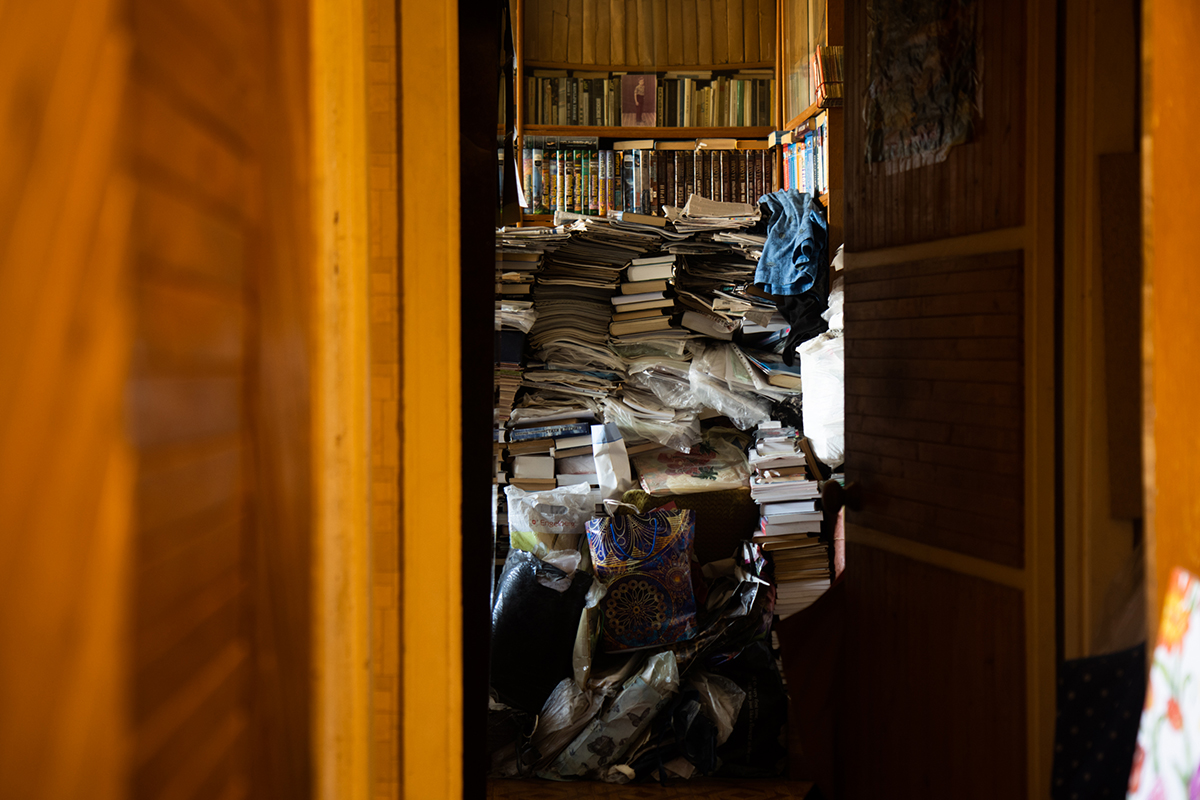 Houses at Tatyana Mikhailovnafoto: Kristina Syrchikova for TD
From the hydromet, where Kotlyar worked, she was asked. Sent to work as a rural teacher of physics and mathematics, and then - a watchman. When the nineties allowed dissidents from the shadows to leave, Tatyana Kotlyar regularly won the local and regional elections as an independent candidate. Four times she was elected as a deputy of the Obninsky City Assembly and twice as a deputy of the Legislative Assembly of the Kaluga region.
“For a person who did not stand an administrative or financial resource and who did not hide his liberal beliefs, this was an amazing achievement,” recalled her friend, scientist and volunteer “For Human Rights” Lev Ingel.
In parallel, Kotlyar defended the political prisoners, veterans, and during the First Chechen war helped to transfer to an alternative service about a hundred draftees - then about 200 people called on her annually from Obninsk.
The son of Tatyana Kotlyar Dmitry Neverovsky was the first and only conscript in Russia convicted of public refusing to fight in Chechnya. In 1995, he, as a student at the Obninsky Institute of Atomic Energy, deducted from the military department in protest against the war, but continued his studies. On the agenda, he was called only two years after the defense of the diploma. The commission ignored his request to replace the draft in the army with an alternative civil service, in November 1999 the court sentenced the 26-year-old son Kotlyar to imprisonment for two years. At the beginning of 2000-probably under the pressure of the public and the European Parliament-the verdict was canceled. But in April 2001, a tragedy occurred in the family of the family: Dmitry died during a fire. Parents managed to escape. According to Tatyana Mikhailovna, she "has only common suspicions that arson could be intentional."
 Houses at Tatyana Mikhailovnafoto: Kristina Syrchikova for TD
There was no official investigation, the insurance company came to the conclusion that the fire occurred due to a short circuit.
Approximately then, since 2001, Tatyana Kotlyar began to engage in migrants. When she was a regional deputy, a refugee worked her assistant, in the future-another famous Kaluga human rights activist, Lyubov Moseeva Elie.
Kotlyar involuntarily had to solve her legal problems: she tirelessly devoted local deputies to the problems of migrants. In 2007, the Governor of the Kaluga Region was one of the first in the country at the request of Kotlyar signed a program for the resettlement of compatriots.
The popularity of Kotlyar grew. But when in 2014 the first criminal case was brought up to her, articles about the “deputy-appropriate” began to appear in the local media, which defends the interests of not its voters, but “who came up”. In the end, it worked: Kotlyar was not re -elected in the elections in 2015.
Since then, she has been engaged only in human rights, headed by the Kaluga regional movement “For Human Rights”. In 2015, the movement was won by the presidential grant of 800 thousand rubles for the provision of legal assistance to migrants.
In 2021, human rights activist Lev Ponomarev announced the liquidation of the All-Russian movement for human rights due to the law on foreign agents. The Kaluga unit of movement under the leadership of Kotlyar decided to continue work independently.
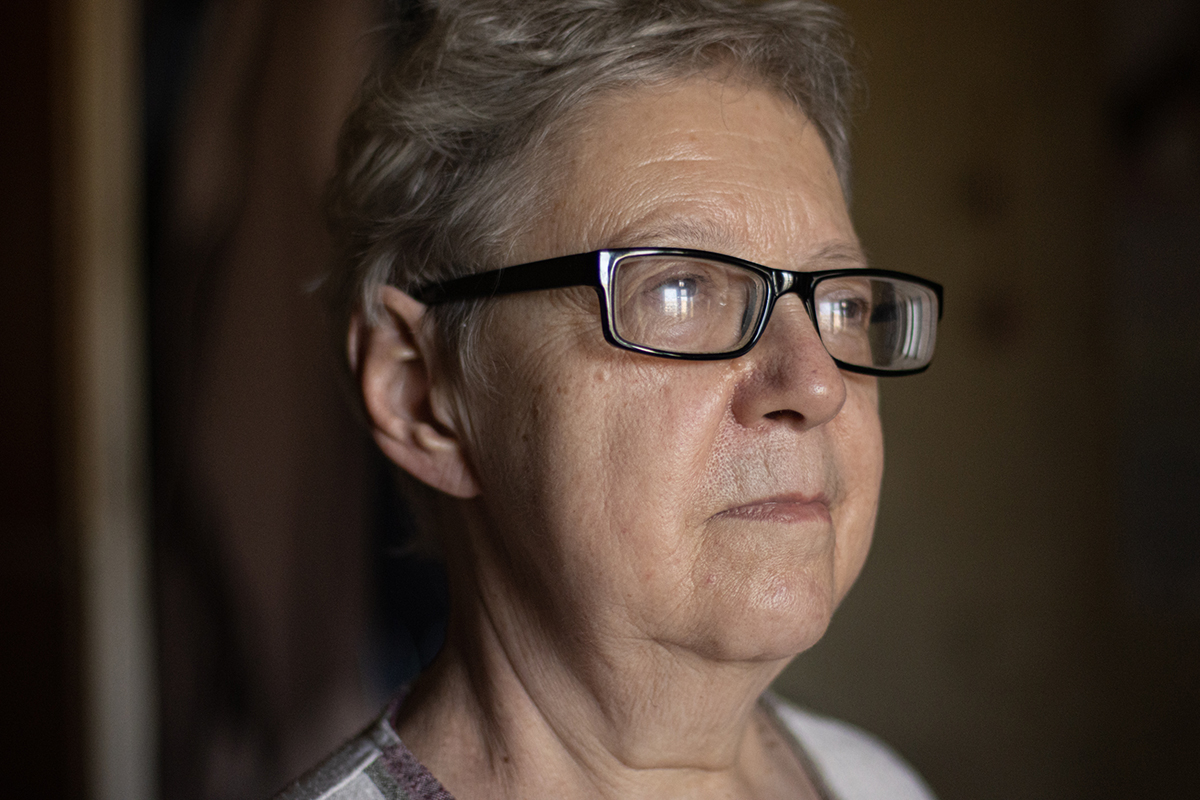 Tatyana Mikhailovnapoto: Kristina Syrchikova for TD
"Go to fight - you will become citizens"
In the summer of 2023, Tatyana Kotlyar collided with a new phenomenon. Migrants complained that they do not accept documents for citizenship until they conclude a contract for military service.
“In the passport office, they were told in direct text:“ You will go to fight to Ukraine - then we will accept it, ”Tatyana Mikhailovna reports their words.
The line of new visitors lined up to her office. But not all came: only those who were not afraid to tell about it. According to them, registration was refused to all foreign men, demanded a signed contract or certificate from the military registration and enlistment office. They referred to the oral disposal of the head of the regional department for migration issues.
But the list of documents that a foreigner is obliged to submit to citizenship in the Russian Constitution is exhaustive. There is no certificate or contract for military service there, Kotlyar explains. In the military registration and enlistment office, on the men who came from the Ministry of Internal Affairs, they “watched square eyes”.
“They said:“ What did you come? We actually work with Russian citizens, ”Kotlya quotes the employees of the military enlistment office. - Apparently, they were not warned. One citizen of Uzbekistan was generally given an amazing advice: “And you are leaving from Russia while you are in your homeland while everything passes.” And he really left. "
On September 26, Tatyana Kotlyar sent a letter with photographs to the editorial office. It said that in the Zhukovsky district a tent was set up in front of the migration service department - they conclude contracts for participation in its foreigners who register for themselves or relatives. “There is no contract - there is no registration,” the human rights activist explained.
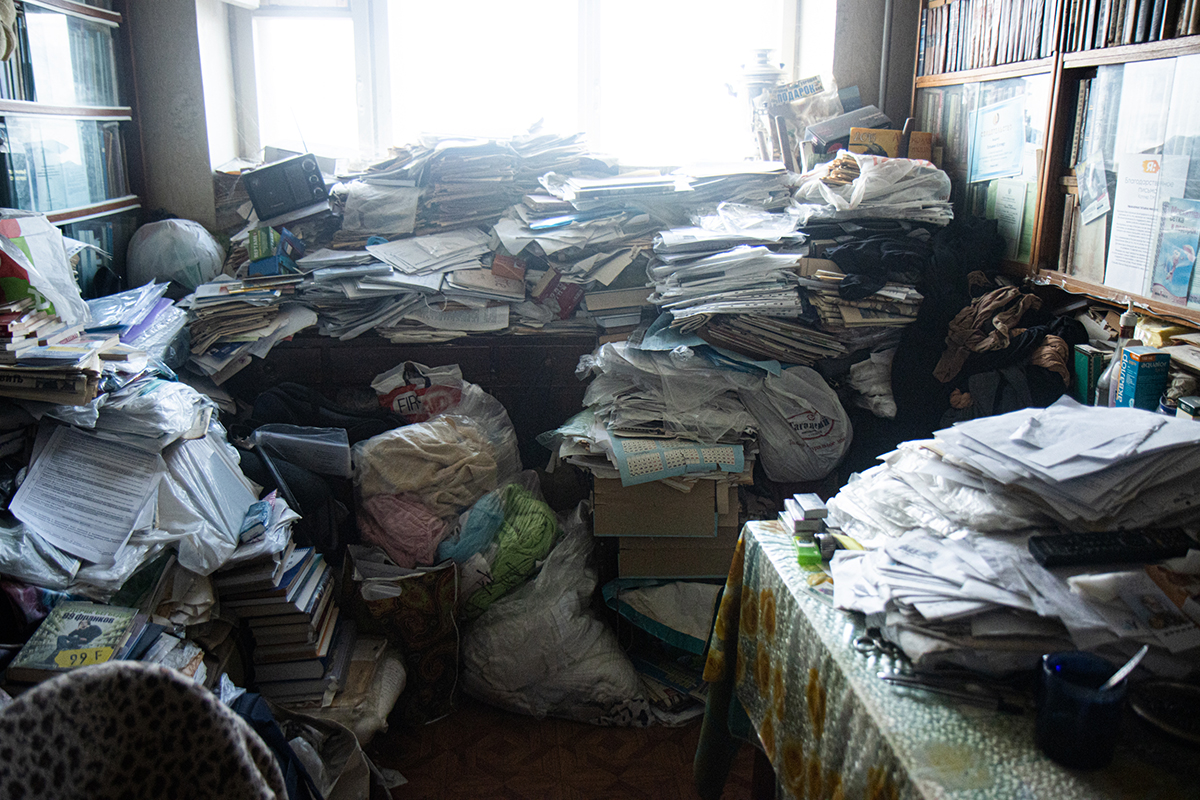 Houses at Tatyana Mikhailovnafoto: Kristina Syrchikova for TD
About why this is happening, Kotlyar and those who receive refusals are only guessed.
“It is unlikely that this is an order from above - then it would be in all regions,” she argues. - Obviously, the authorities of the regional migration service want to curry up and show how many people they sent to conclude contracts. Perhaps the migration service was set the task of attracting more contractors in exchange for Russian citizenship and benefits. ”
Kotlyar helped migrants send complaints to the Ministry of Internal Affairs, the governor and the Commissioner for Human Rights. Kaluga Governor Vladislav Shapsha explained what happened by the fact that migrants allegedly do not know the Russian language and do not feel the difference between the concepts of “offer” and “forced”. At the same time, he stated that the region does not need migrants who complain about coercion to participate in his. Kotlyar wrote to the head of the region a repeated complaint with the post -call: "You were either misleading or you will cunning." And brought the details of mass failures.
A refugee from the Kharkov region Nikita Petrov received a temporary shelter and tried to apply for citizenship. But in the Obninsky department on migration issues, he was asked for a "certificate from the military registration and enlistment office of the conclusion of the contract." A month later, the Ukrainian abandoned the idea of obtaining citizenship and decided to apply for a residence permit.
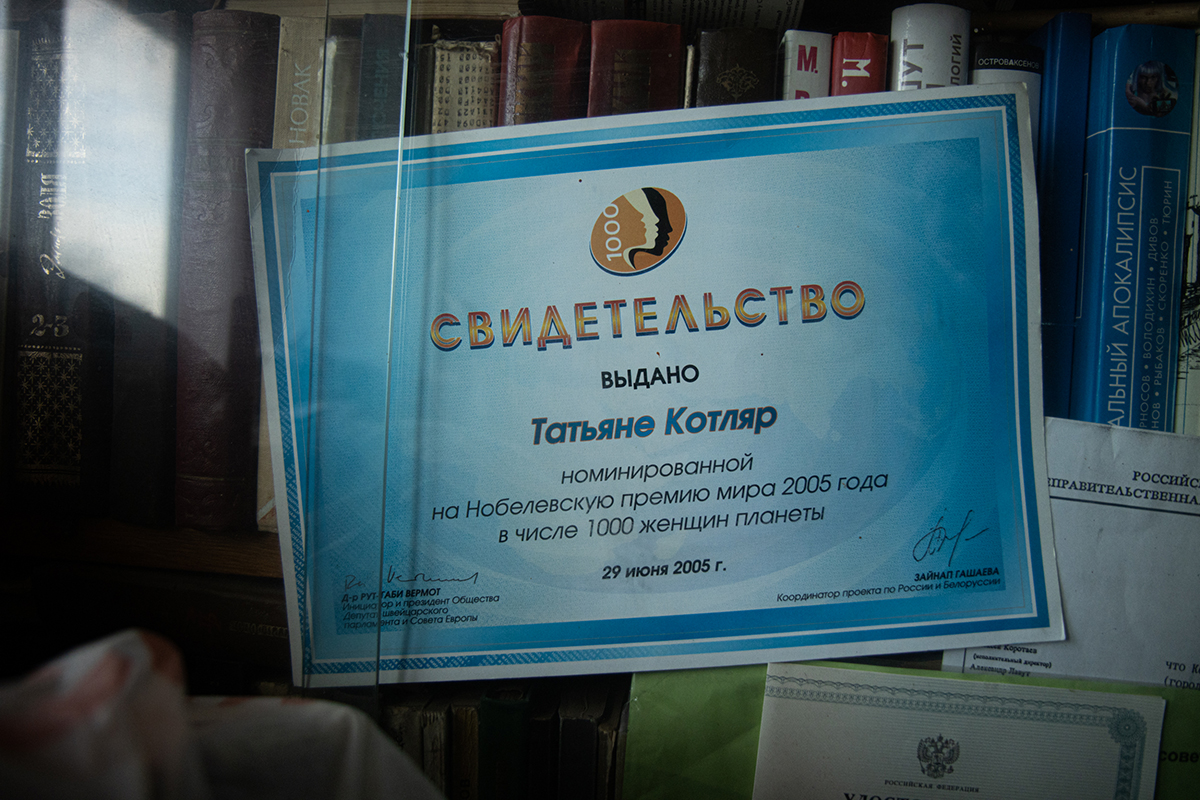 Houses at Tatyana Mikhailovnafoto: Kristina Syrchikova for TD
Farrukh Tursunov from Tajikistan five children, according to the law, cannot be drafted into the army. Abdurakhmon Inoyatov from Tajikistan is 57 years old - he is not suitable for health reasons. But this did not stop local migrationists: both of them did not accept documents for citizenship without a certificate from the military registration and enlistment office. After filing complaints through Kotlyar, police officers drew up a protocol on one of them on the absence of registration. With the words “we are not considered to be people here and turn like cattle” he left Russia.
“The illegal actions of the Ministry of Internal Affairs in the Kaluga region gave the result: two citizens in Russia will be less,” the human rights activist wrote in one of the complaints.
"Do not cause irritation"
According to official figures, in Obninsk - a city for 129 thousand inhabitants - about 30 thousand migrants. Kotlyar warns against errors: this is data on the number of registrations for the year, one person may register several times. According to her estimates, migrants in Obninsk are no more than 10 thousand.
In fact, about 30 thousand migrants come to the region annually - mainly from Tajikistan, Uzbekistan, Armenia and Ukraine. For a millionaire region, this is a lot, and since last year the Kaluga region began the fight against migrants.
In February, they were forbidden to work in retail and catering, and the region itself left the program to resettle compatriots. За 15 лет по ней в Калужскую область приехало больше 90 тысяч человек. Но доля русскоговорящих из них, уверяют власти, снизилась до 17%, и получать российское гражданство в упрощенном порядке вместо них все чаще стали мигранты из Центральной Азии.
Калужский губернатор Владислав Шапша добавил, что все приезжающие в Россию должны вести себя так, чтобы «не вызывать раздражения в той среде, где они живут». Основная проблема с мигрантами — в том, что они не гордятся Россией и ее народом, считает один из областных депутатов, Надежда Ефремова.
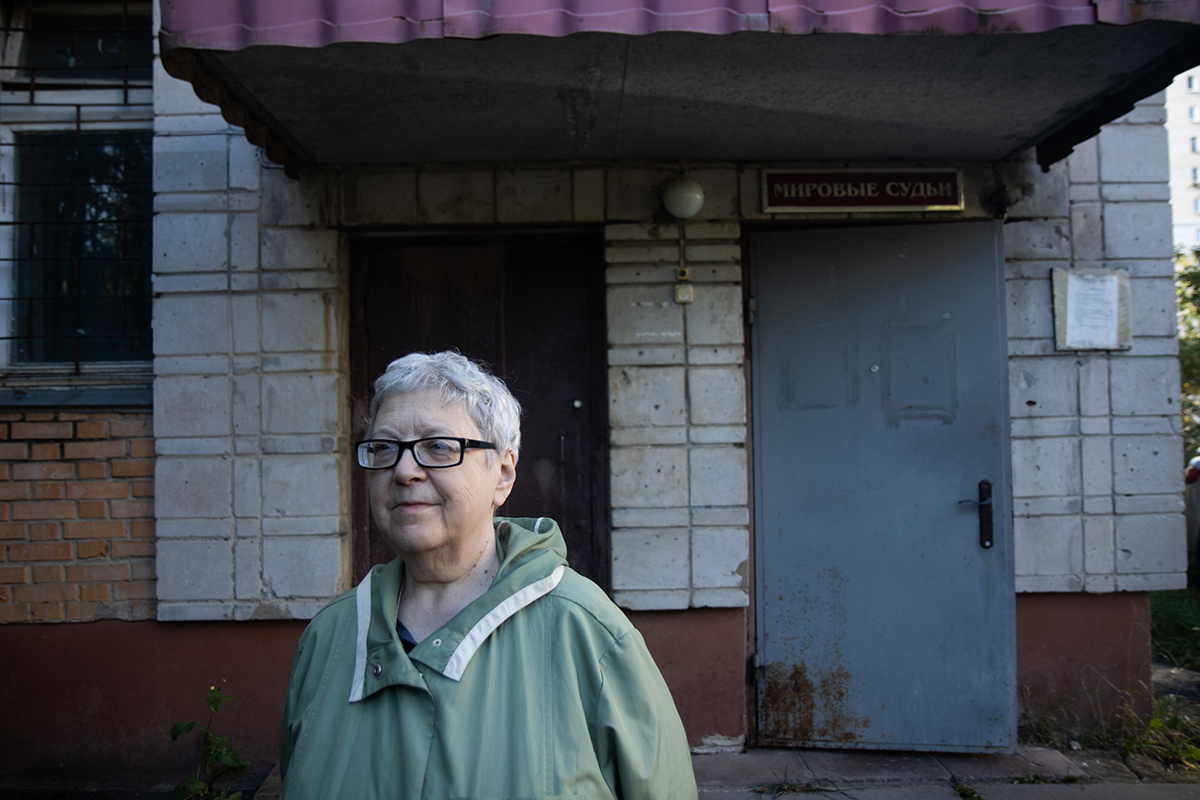 Татьяна МихайловнаФото: Кристина Сырчикова для ТД
И хотя в регионе по-прежнему не хватает рабочей силы, на уровне страны — об этом в феврале 2022-го говорил премьер Дмитрий Медведев — опасаются «этнических анклавов».
Котляр же объясняет все проще: люди всегда будут ехать за лучшей жизнью. «Раздражаться большим количеством приезжих, конечно, легко. Но со временем перестаешь принимать их за чужаков», — считает она.
Обнинск, вспоминает правозащитница, всегда был интернациональным городом — в наукоград ехали работать из всех советских республик. Семья Котляр тоже когда-то переехала, из Свердловска. «Мы, якобы местные, тоже когда-то сюда понаехали. Но это интеллигентный город, и ксенофобия ему не свойственна. Каждый второй местный житель — с высшим образованием».
Но по мере того как количество мигрантов в Калужской области росло, росли и ксенофобские настроения. Особенно «обострилась дружба народов», вспоминал местный ученый Лев Ингель, после 2014 года.
С началом военных действий в Украине атмосфера накалилась еще больше, говорит Котляр. Правда, напрямую с событиями после 24 февраля 2022 года она это не связывает. Татьяна Михайловна убеждена, что причина роста ксенофобии в регионе — публичная риторика властей, что можно травить нерусских.
«У людей сейчас в целом возбуждают всякие зверские эмоции и не самые лучшие человеческие чувства, — рассуждает Котляр. — Но есть вещи, которые не должны поощряться государством и чиновниками. Когда выступает руководитель городского отдела образования, например, и просит полицию проверить ребенка без российского паспорта, живет ли тот по месту регистрации. А это нарушение его прав. Или один из министров областных как-то высказался, что переселенцам из республик Кавказа и Центральной Азии надо как минимум лет десять не давать гражданство. Губернатор из каких-то популистских соображений регулярно у нас высказывается негативно по отношению к мигрантам. А условный и не сильно трезвый “дядя Вася”, видя это по телевизору, понимает, что, значит, так можно и за ксенофобию не накажут».
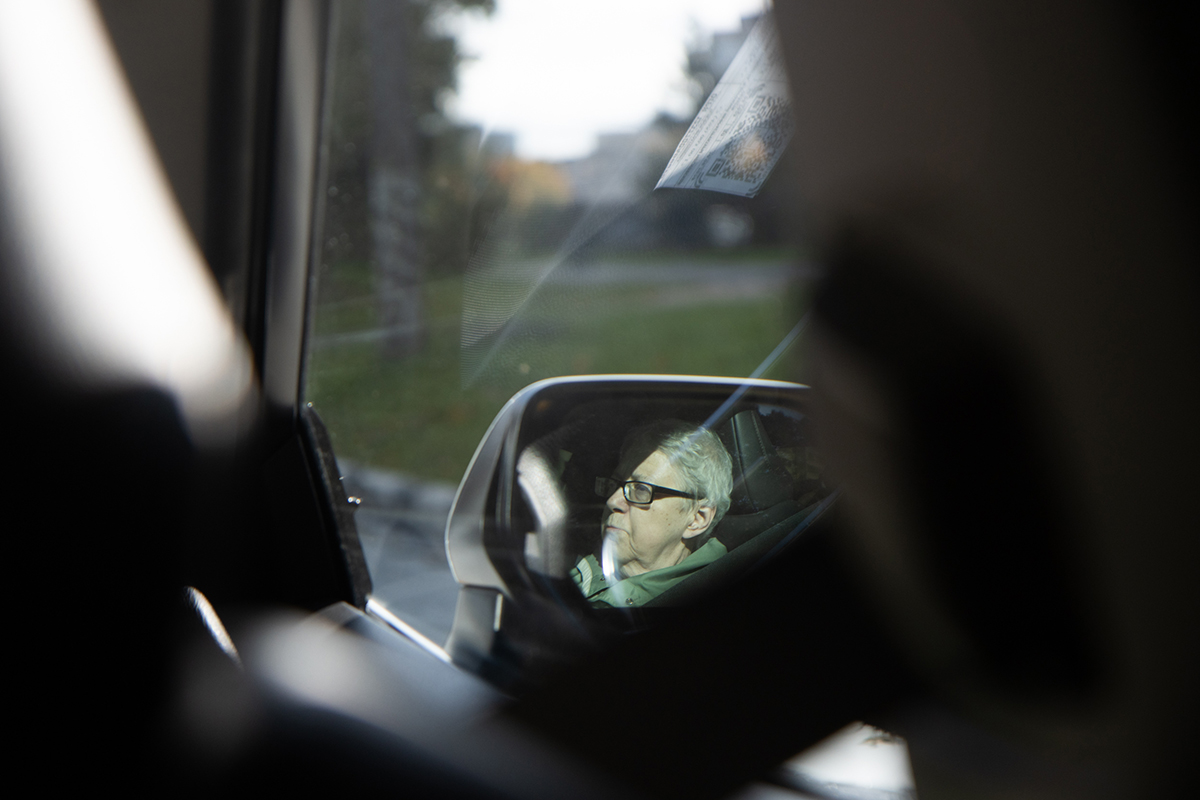 Татьяна МихайловнаФото: Кристина Сырчикова для ТД
Котляр несколько раз просила прокуратуру провести проверку публичных высказываний чиновников по отношению к мигрантам. По результатам проверок никого ни разу не привлекли к ответственности.
Но безнаказанный рост ксенофобии, убеждена правозащитница, приводит в итоге к разжиганию войны с соседом. Жители Обнинска поначалу, в 2014 году, с сочувствием относились к украинским беженцам — когда их поток хлынул в Калужскую область. Замечая, как Котляр и ее коллеги развешивают по городу объявления с предложением бесплатной помощи, многие поддерживали и хвалили их. Сейчас же суета вокруг беженцев из Украины, в том числе уже получивших российские паспорта, местным как минимум «надоела».
«Им очень часто говорят: “Понаехали тут и чего-то еще хотят”, — рассказывает Котляр. — Да, хотят: и пенсии, и пособия, и все, что положено».
Когда она регистрировала у себя украинцев, ее часто спрашивали, понимает ли, что среди них могут быть террористы. Котляр отвечала: «Понимаю, но отлавливать таких преступников должна ФСБ».
Green corridor
Различий, кому помогать, а кому нет, Котляр для себя не видит. Добровольцев, которые едут воевать в Украину, среди мигрантов тоже хватает: к ней приходят семьи погибших с просьбой помочь оформить гражданство.
«Они же не сами пошли — наше государство заключало с ними контракт и послало их туда, — рассуждает Котляр. — А раз так, пускай теперь дают им гражданство, как обещали».
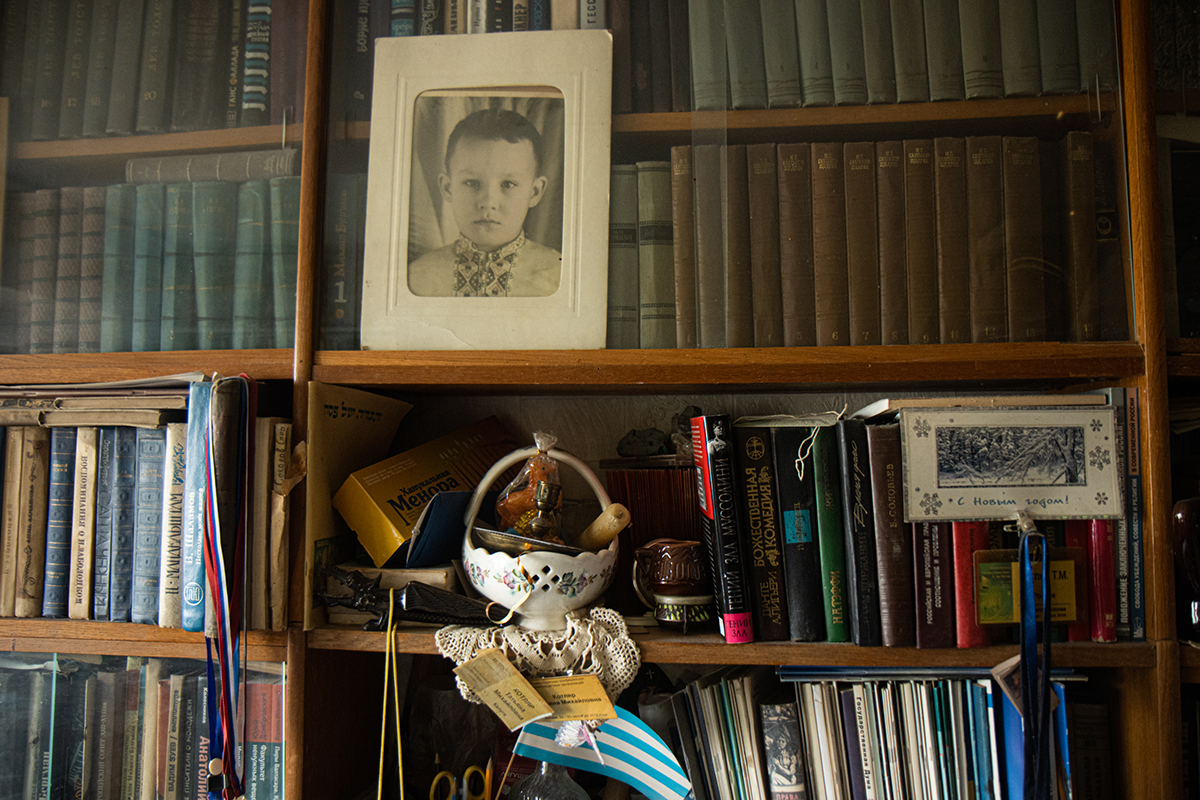 Дома у Татьяны МихайловныФото: Кристина Сырчикова для ТД
Есть указ президента от 15 мая 2023 года — об упрощенном порядке выдачи гражданства иностранцам, заключившим военные контракты, и их родственникам. Но про него мало кто знает, объясняет правозащитница. По крайней мере в калужских отделах по вопросам миграции при упоминании этого документа «хлопают глазами».
«Получается, в одну сторону военный контракт действует как пропуск — когда требуют заключить его для приема документов на гражданство. А в другую сторону — когда контрактник или его семья приходит за положенным гражданством — нет», — усмехается Котляр.
Военнослужащего — или, если он погиб, семью — просят принести копию контракта. Естественно, у него документа нет: в военкоматах Москвы или Калужской области второй экземпляр не дают. Тогда Татьяна Котляр, чертыхаясь, бросает другие дела и запрашивает копии — хотя считает, что паспортные столы способны сами добыть эту информацию у Минобороны.
Дел у Котляр хватает, а вот помощников становится все меньше. Раньше у нее работали пять юристов-волонтеров, двое из них ушли.
«Кое-кто, так сказать, отпал: стали запугивать, — смущаясь, объясняет Котляр. — Похоже, хотят, чтобы правозащитных организаций вроде нашей не было. Так же как расправляются с другими организациями — им мешает и “Мемориал”, и все на свете. Впрочем, мы же помогаем не только мигрантам».
 Дома у Татьяны МихайловныФото: Кристина Сырчикова для ТД
О масштабах рутины Котляр мало кто догадывается. Добиваться назначения очередной пенсии, устройства ребенка в поликлинику или детский сад — невидимая работа.
Между тем, жалуется правозащитница, с 2023 года Россия вышла из пенсионного соглашения стран СНГ — из-за этого приехавшим сюда жить пожилым людям отказываются оформлять пенсию. Это не только негуманно, но и незаконно.
«У Конституционного суда уже рука устала писать об этом!» — возмущается правозащитница и обивает пороги судов, оспаривая отказы.
Суды она, как правило, выигрывает — но это если человек успел выйти на пенсию до 2023 года. Если же нет — нужно идти снова работать: необходим как минимум год трудового стажа в России.
По закону 80-летний человек, работавший всю жизнь в Беларуси и приехавший доживать старость к детям в Россию, остается здесь без пенсии. «Хорошо, если у него есть родственники здесь. А если он вообще один?» — взывает Котляр к законодателям.
«Это не его интерес и не мой, а государства»
«Хотите анекдот?» — Татьяна Михайловна рассказывает случай из практики.
Еще до начала военных действий в Украине к ней пришел мигрант с российским паспортом, которого призвали на срочную службу. Пока он служил, у него закончился срок временной прописки, и его не ставили на воинский учет. Он обратился к Котляр. Та прописала его в своей квартире — пришлось сделать фиктивную регистрацию.
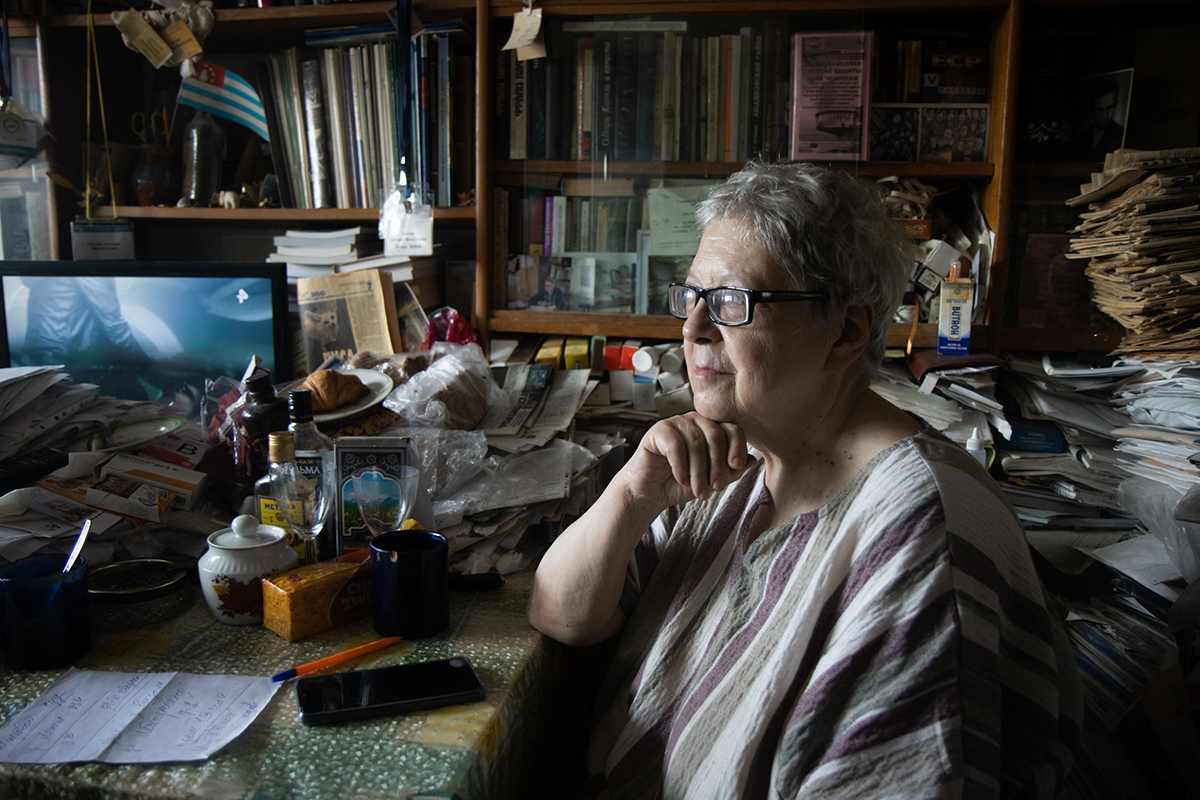 Татьяна МихайловнаФото: Кристина Сырчикова для ТД
«Они не врубаются вообще! — горько смеется Татьяна Михайловна. — Ведь это не его интерес и не мой, чтобы он встал на воинский учет. Это интерес государства».
К чему анекдот, объясняет Котляр: с августа в регионах России проводят массовые облавы на мужчин, которые получили российское гражданство, но не встали на воинский учет. Полицейские вручают повестки на месте или сразу отвозят в военкомат.
Загвоздка в том, что там без прописки на учет не ставят. Более того: без прописки не берут даже тех, кто хочет уйти в армию. Видят пустое поле в анкете — и отказ.
«Я считаю, это бред. Требования в законе о прописке для воинского учета нет и быть не может», — комментирует Котляр. Но с оговоркой, что сами «облавы», в общем-то, законны: встать на воинский учет каждый российский гражданин обязан.
В Госдуме с конца августа предлагают лишать уклонистов от мобилизации приобретенного гражданства и выдворять из страны. Котляр такие инициативы уже не удивляют: она считает их «демагогией».
«Зачем лишать гражданства, если за это есть штрафы? — недоумевает правозащитница. — У нас напринимали огромное количество законов, не соответствующих ни Конституции, ни праву. Но закон и право не одно и то же. Законы бывают неправовыми».
Отдельной правозащитной организации, помогающей призывникам и военнообязанным, в Калужской области нет. Во время мобилизации осенью 2022 года Котляр «вела просветительскую работу»: объясняла, какие последствия грозят мужчинам за неявку в военкомат по повестке. С 1 октября, когда вступят в силу очередные военные поправки, она готовится снова консультировать военнообязанных.
 Татьяна МихайловнаФото: Кристина Сырчикова для ТД
Напутствует: идти к правозащитникам каждый раз, а не «сидеть, спрятавшись под веник».
Угроз и новых уголовных дел Татьяна Михайловна не боится. «А что со мной сделают? Давить на меня довольно бесполезно: все понимают, что давлению я не поддаюсь. Репутация есть репутация».
«Татьяна Котляр всё!»
В день начала нового суда над Котляр — 14 сентября — газета «Неделя Обнинска» вышла с карикатурой на обложке и подписью к ней: «Котляр наконец-то перекрыли кислород!» И с заметкой внутри — «Татьяна Котляр всё!»
Хотя суды еще даже не начались — из-за болезни судьи заседание отложили до 6 ноября, — местные журналисты пишут о них как о свершившемся факте. Уверяют читателей, что Котляр уже «запретили регистрировать всех подряд в своей квартире».
«Многих от ее имени просто трясет, — пишут авторы заметки. — Если она и герой, то сугубо отрицательный. Обнинцы буквально воют от ее “добрых дел”».
Но правозащитницу это не смущает.
«Лучше, если городские газеты ничего обо мне не пишут?» — говорит Котляр.