Translated material
Residents of the Scorched Field
Who stayed in Russia and what are they doing there?
A year and a half after the start of the war, it seems that almost everyone has left Russia. There are only Z-ethnics left, broken people or those who, instead of money and language skills, have a sick mother and a cat. At least that’s what it seemed to photographer “No Future” Katya when she looked from exile. But, returning to Russia, she met people who stayed, although they had the opportunity to leave, and realized that the “scorched field” exists only in the heads of the wearers of “white coats.” The heroes of this text also do not support war, but in addition to this they have the ability to build their own world on their own, without looking back at anything at all. Katya wrote down the stories of the remaining few months to figure out how they were doing it, and in the end she made a psychotherapeutic series that helps us understand where we are all at and where we can move next.
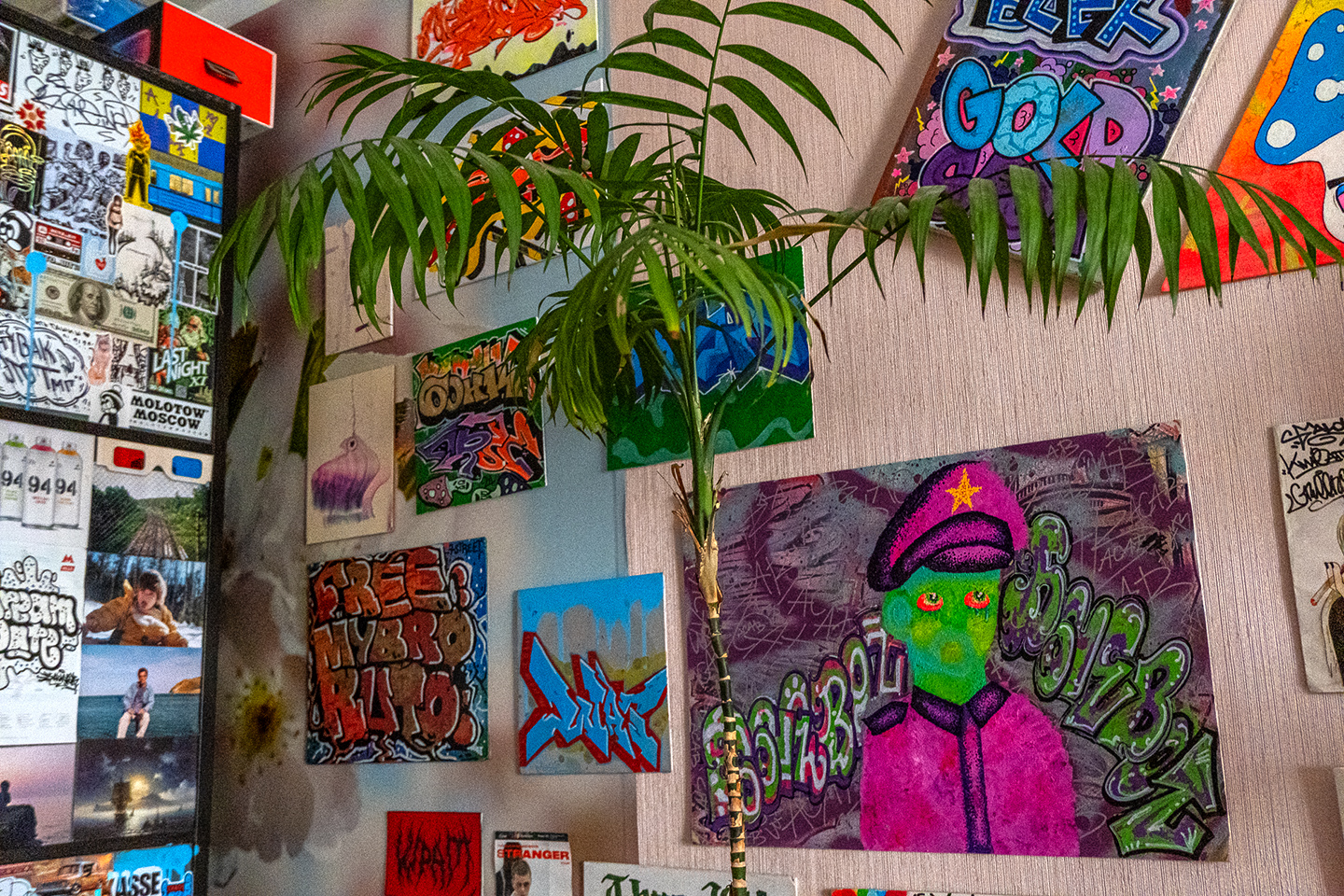
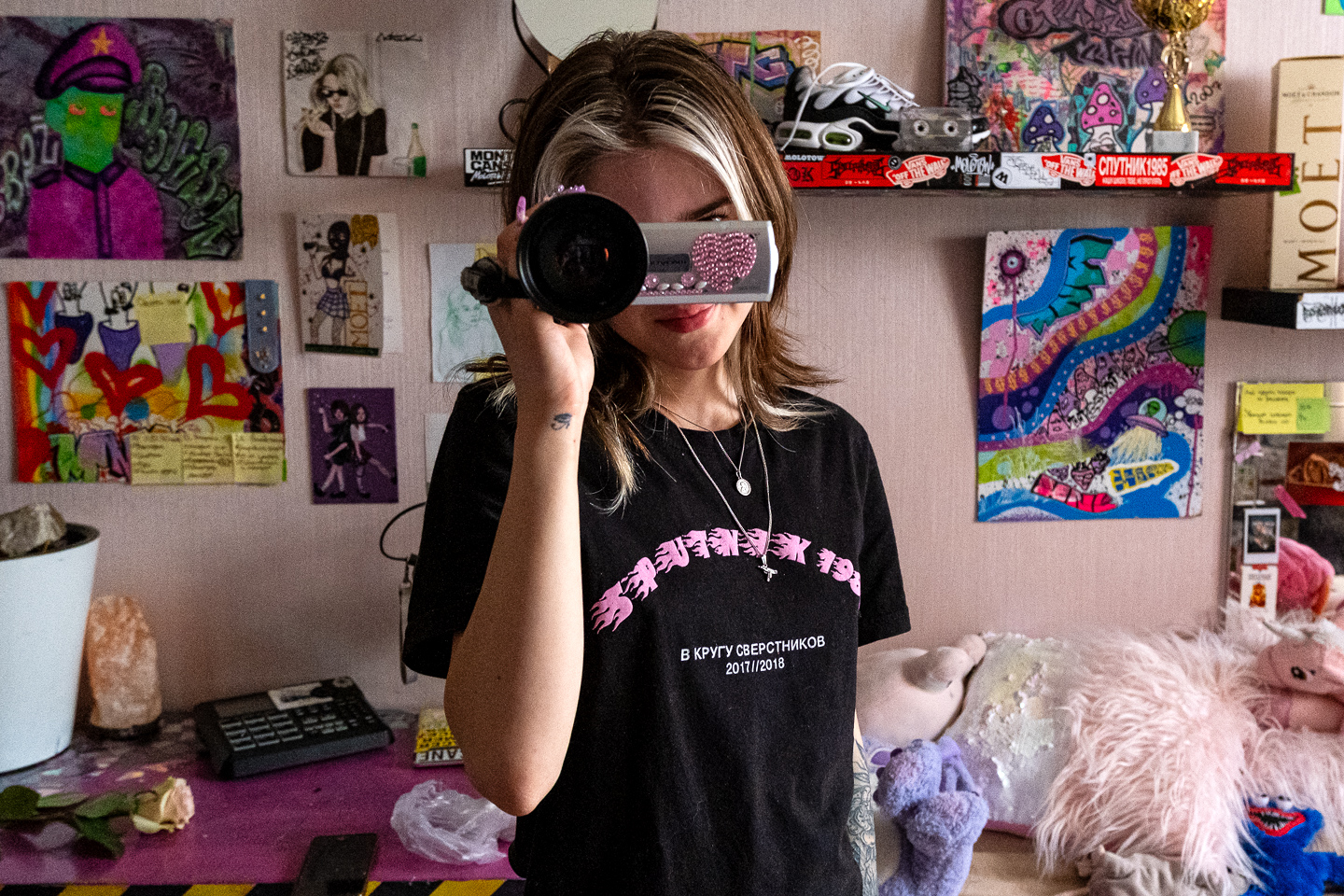
Inna, who paints graffiti
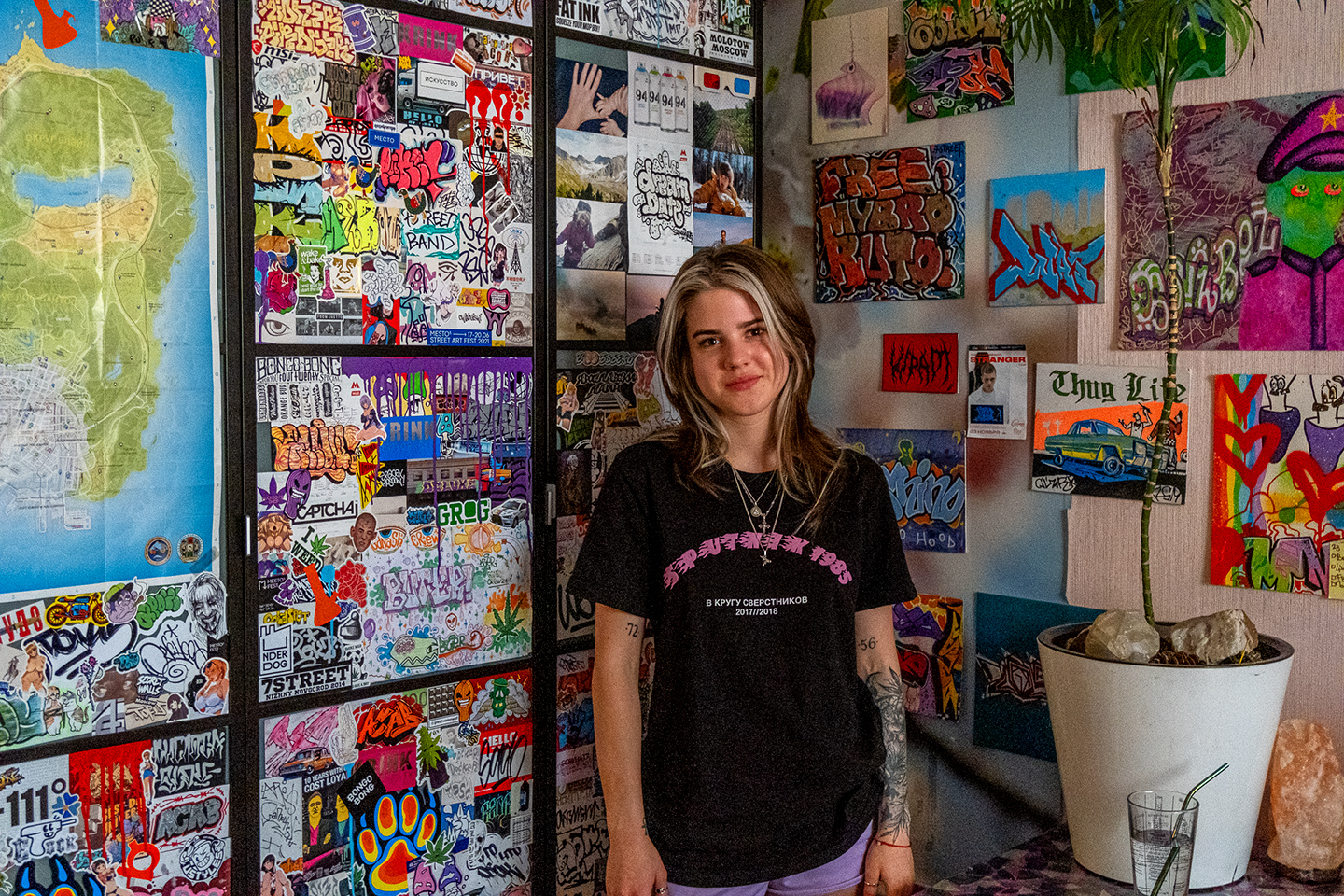
At the beginning of the war I was in denial; I thought it was some kind of hoax. I started looking for some side, listening to different opinions. I was between two camps: most of my friends do not support this, but in my house everyone is very “military”. Mom is in the Communist Party of the Russian Federation and she is such a patriot. She always strongly imposed her opinion. For me, the war was a shock, because I have many friends from Ukraine, and many abandoned me simply because I am Russian. What do I have to do with it? It’s a shame that many people seem to lack critical thinking, and they are looking for whoever comes to hand in order to blame him, to throw out aggression. I stick to my opinion, as my mother says, I sit with my ass on two chairs, I try to soberly assess the situation and read a lot of sources. There is always a war going on somewhere in the world. Perhaps you should just accept this thought. I realize that I won't do anything, I won't change anything. If I go to a rally, I will only harm myself, but I will not change the situation in the world. It's like banging your head against a wall.
My dad lives in another country, and we haven’t seen each other for two years. It was a shock to me that they began to oppress Russians there. And he had to sell his house there, he moved to Serbia. I wrote to my father and thought about leaving, but somehow it didn’t work out. Recently, when a drone crashed in Moscow, I wrote again. He says: “In my opinion, everything is fine, this is Russia, who are you planning to run away from? From the political regime? He won't change." My father lives like he lives in a bunker. He sits and abstracts himself from everything. I partly share his point of view. I used to really love reading the news, but now as soon as my mother turns it on, I ask her to turn it off.
I love Russia too much, I love nature above all. And as an artist, I absolutely love the environment that exists here. And you make art for yourself and those people who remain. My works are closely connected with Russia. If I leave, it will definitely be something completely different. There is an atmosphere in Russia that I have never encountered anywhere. These boxes, panels, bare trees, this grayness, sometimes despondency. Such Russian melancholy. It has always seemed to me that the most successful works of poets and artists are born from this; negative emotions give rise to the most powerful works. Russia charges me with this. How much of the word “Russia” is there, right? It is a pity that in our country the word “patriotism” has acquired an unambiguously military connotation. If you don’t like the government, this does not mean that you should stop loving your country, people, nature, Russian art. I call myself a patriot, but many friends see this word as having a vatnic connotation. If you called yourself a patriot, then you must wear camouflage, be sure to wrap yourself in a St. George’s ribbon, and, most importantly, hate gays more strongly.
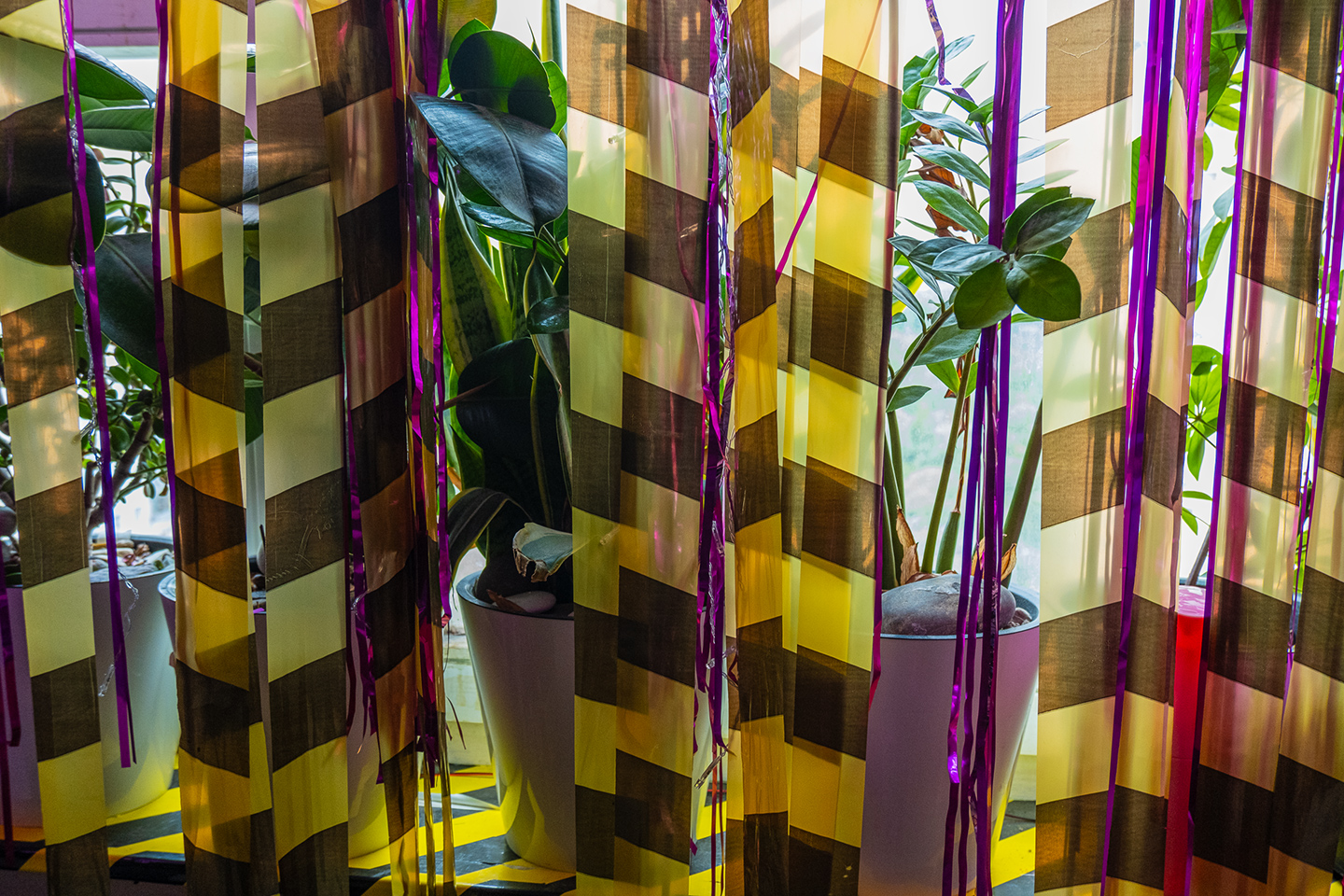
I grew up on the outskirts of Moscow, I have lived in this room all my life. I’m comfortable in this swamp, I don’t want to leave my comfort zone, I don’t want to move. [With the start of the war] I somehow withdrew more into myself, my social circle became narrower. There is a military special operation going on, in such a difficult time people should unite and support each other, but they are ready to rip each other's throats out. I don’t bring up this topic; I try not to discuss politics in companies. I just want to live my own separate life, but I understand that for many people this is a very big tragedy.
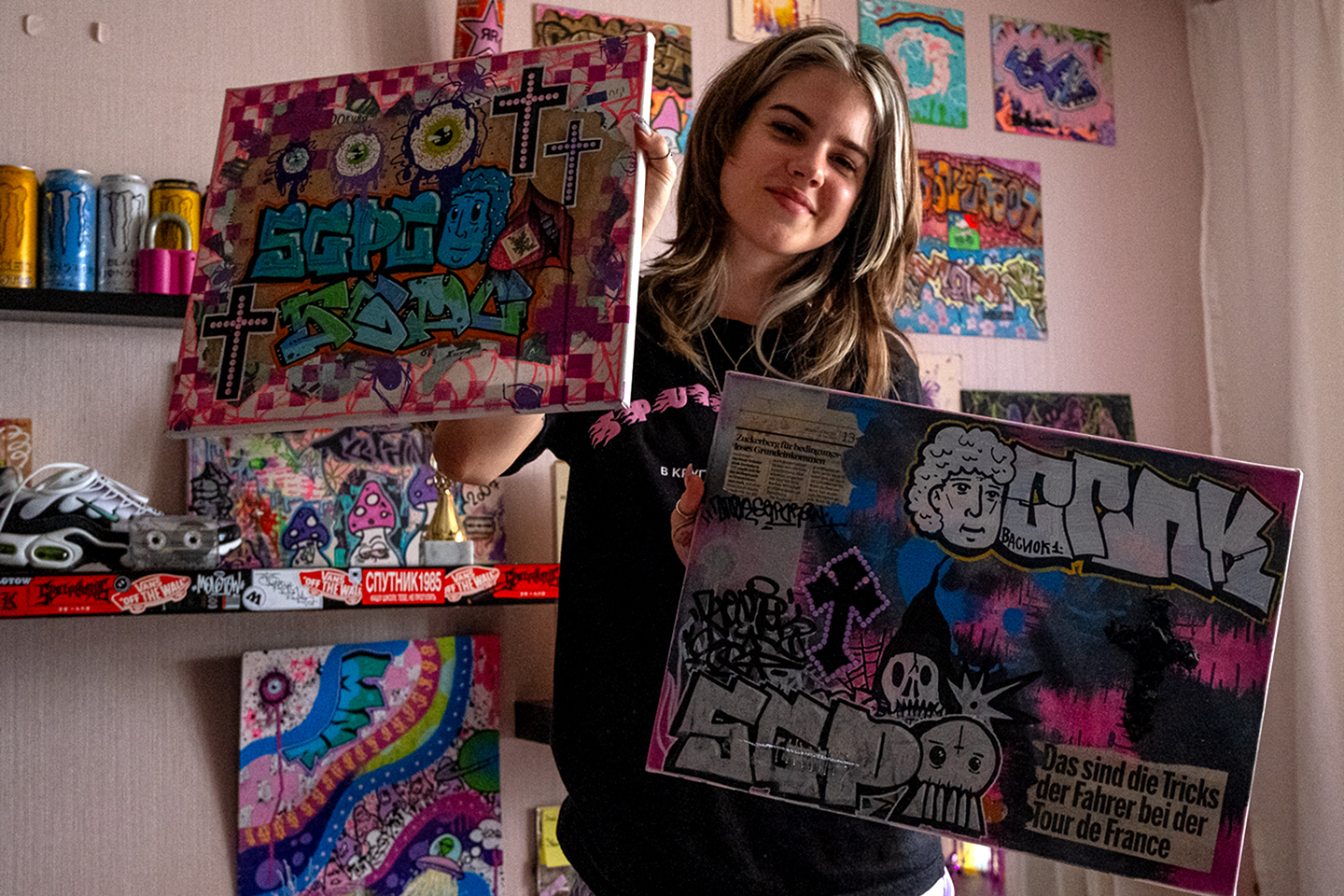
I don’t do protest graffiti, I don’t write slogans. Nowadays it has become much more difficult for everyone to express themselves. Everyone is recognized as a foreign agent; it’s really just become scary to do anything. I draw a picture, or stick something on it, and I think: “Are guys going to knock on the door later and make me face down on the floor?” I have no goal to condemn the authorities, I am putting together a decorative composition, I just like the way it looks. I hung a piece of work on the door to my room with the inscription “Make love not war.” My stepfather - he is a military man - and my mother simply tore off and crumpled the drawing. I say: “Damn, why do you have the right to your opinion, but I don’t? I’m also in my house.” For the last year and a half, I’ve been painting at home more often - I have no desire to get out, there’s a depressing atmosphere everywhere, we’re sitting on a powder keg. Of course, we all believe in the best, but we are preparing for the worst. I don’t think that in Russia there is a “scorched field” for creative freedom. It probably won’t sound like much, but all the sad events had a positive impact on someone. A lot of areas have opened up where you can earn both money and influence. And within the country, competition, of course, has become less, and many have left. Oh, it sounds like you’re making money off of someone else’s grief... But forgive me, you need to live on something yourself.
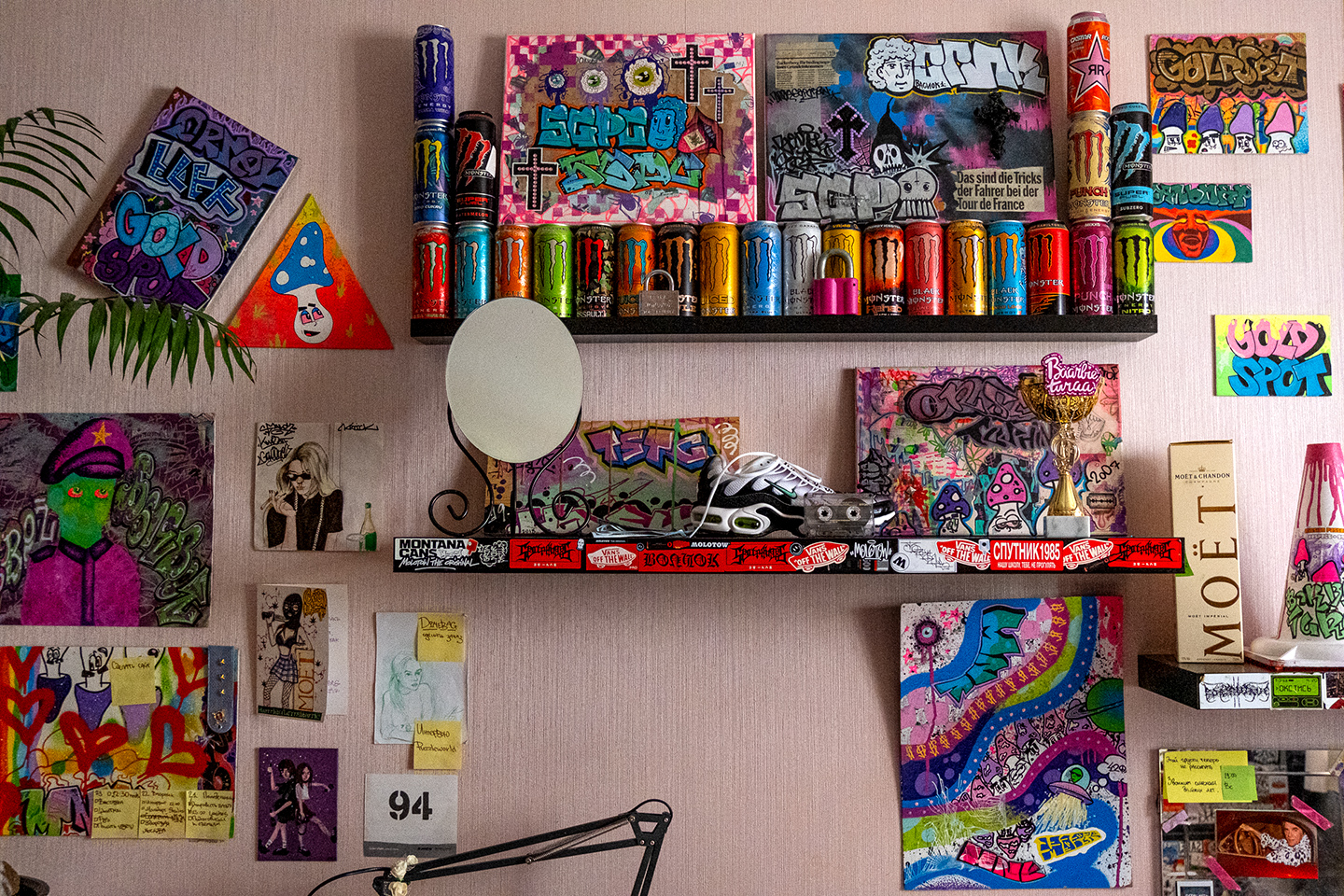
It has become difficult for artists now; any socio-political subtext in their work is immediately extremist. And some kind of thing has recently appeared, well, if not aggression, then a claim to push through your opinion. Previously, street art was more loyal and touched upon existential experiences, the meaning of life, it was somehow more subtle. And now artists are even directly offered to make money “from politics.” They sent me stencils of Putin with a Hitler mustache. And for this he can fly normally like that. I tell the dude, “What's the point? You will be caught, I will be caught, the work has no artistic value, but one and a half policemen will see it.” I'm not trying to create hype on current topics. I’m talking about simple and humane things, I want to awaken sincere feelings in people: kindness, love. "Love your brother." It seems to me that it is more important for people to see such an inscription on the wall, and not Putin and Hitler...
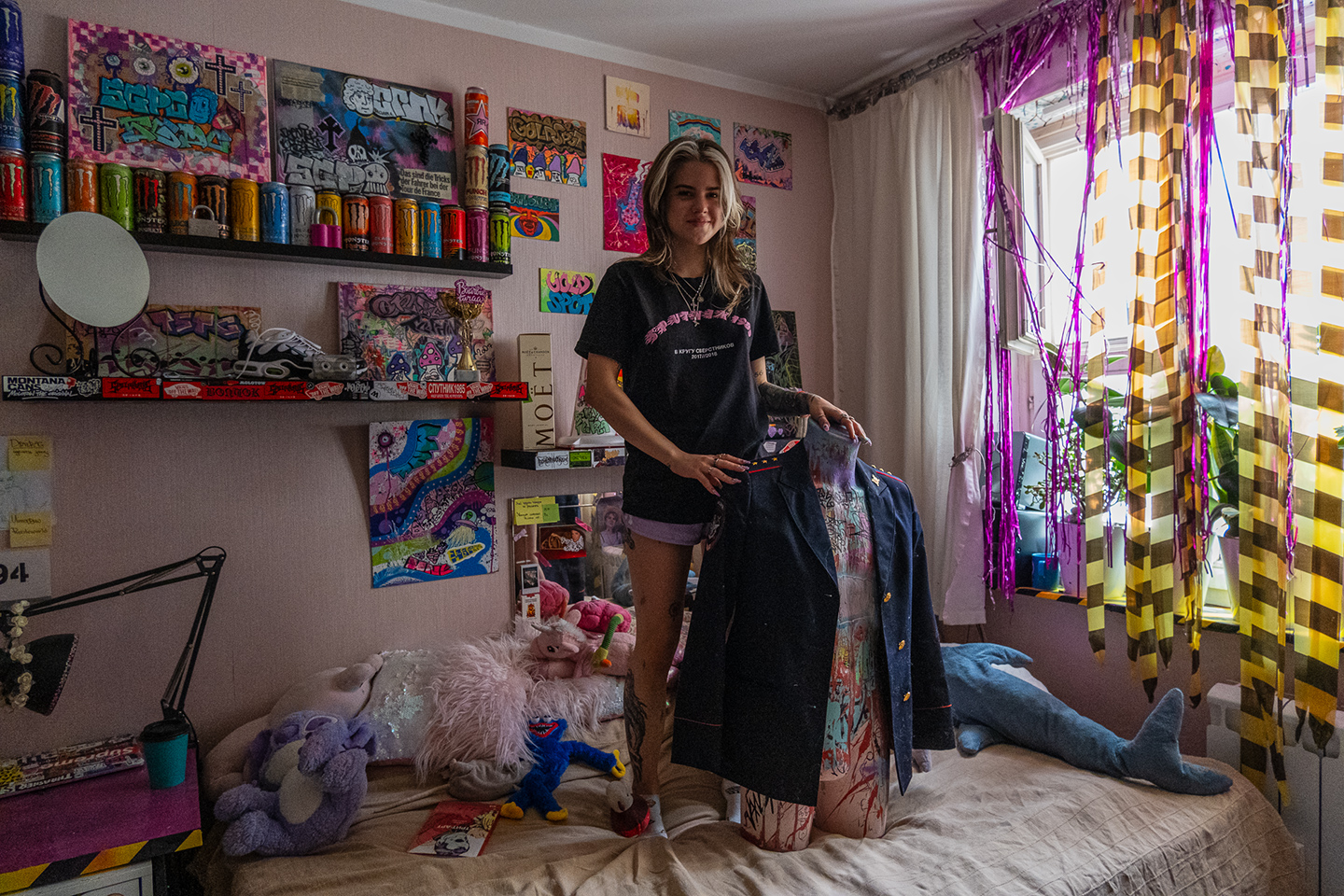
I see my goal and mission in supporting young artists so that they can earn extra money through creativity, among other things. I have some kind of audience on Instagram - and I always write to the guys who draw: “Let’s do exhibitions together, let’s promote each other!” Or I know a lot of musicians. One raps, another writes music, the third has access to a studio. I will definitely introduce these three. My goal is to create a creative get-together, to gather and introduce like-minded people who will motivate each other, move towards a common goal, and make the world a better and more beautiful place.
Alexandra Astakhova, taking pictures of fucked up in Russian courts
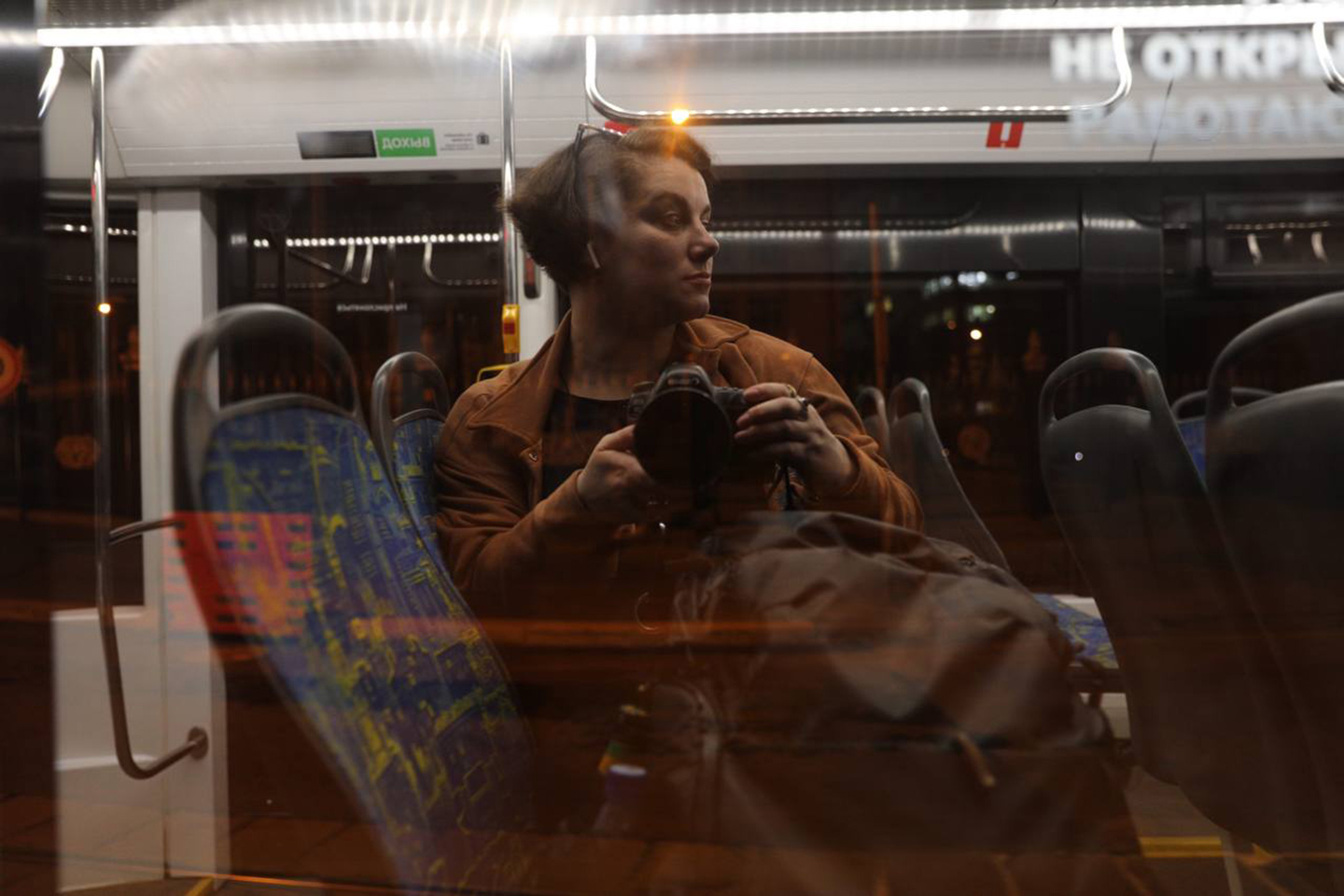
Photo: from the heroine’s archive
On February 24, I went early in the morning to see Alexei Navalny in court. At the trial, everyone discussed the war. No one cared about Alexei at that moment. The trial is no longer news. And right then I clearly understood that, despite all this horror, which unsettled both me and Navalny, all these trials and these crazy deadlines are also important, and someone should talk about them, someone should support the brave souls. That someone is me. So I feel like I’m in the right place, I’m covering what’s happening in Russia. I’m trying to notice some trends, record them like a photographer, and talk about what’s happening in visual language. Now I mainly photograph courts. In Russia there are massive repressions against people who, in one way or another, speak out against the war and the government. Last year, several new articles of the Criminal Code were specifically adopted. This is an indirect sign that without these new laws, many more people in the country would have spoken out. And so the Russians are very intimidated. Russian society is like a victim of domestic violence who has lived with a tyrant for many years. And then, 20 years later, the tyrant decided to beat up his neighbor as well. All the residents of the house are finally outraged, although before they pointedly ignored the screams and are now collectively scolding the victim and blaming him for why she didn’t “leave the tyrant.”
Before the war, my life's work was approximately the same as after. I worked a lot both as a photographer and as a photo editor, lived life to the fullest, raised children, went to protests, to courts. The war worked as a catalyst. I realized that I should stay in Russia and not leave, because I have a lot of important work. Moreover, many of my fellow photographers have left, and someone has to shoot all this trash. The war affected me, like all normal people - tragically and exhaustingly. I am categorically against war. By the time it began, I no longer had people around me who could disappoint me. At the same time, I have a fairly large circle of friends, but there were no those who supported the criminal war in my close circle. There are those who are not ready to speak out vehemently, but they can also be understood, because people are simply afraid. There are more courageous, less courageous, but there are no cannibals. Many of those around me left after the start of the war, not wanting to take risks. I don't blame them.
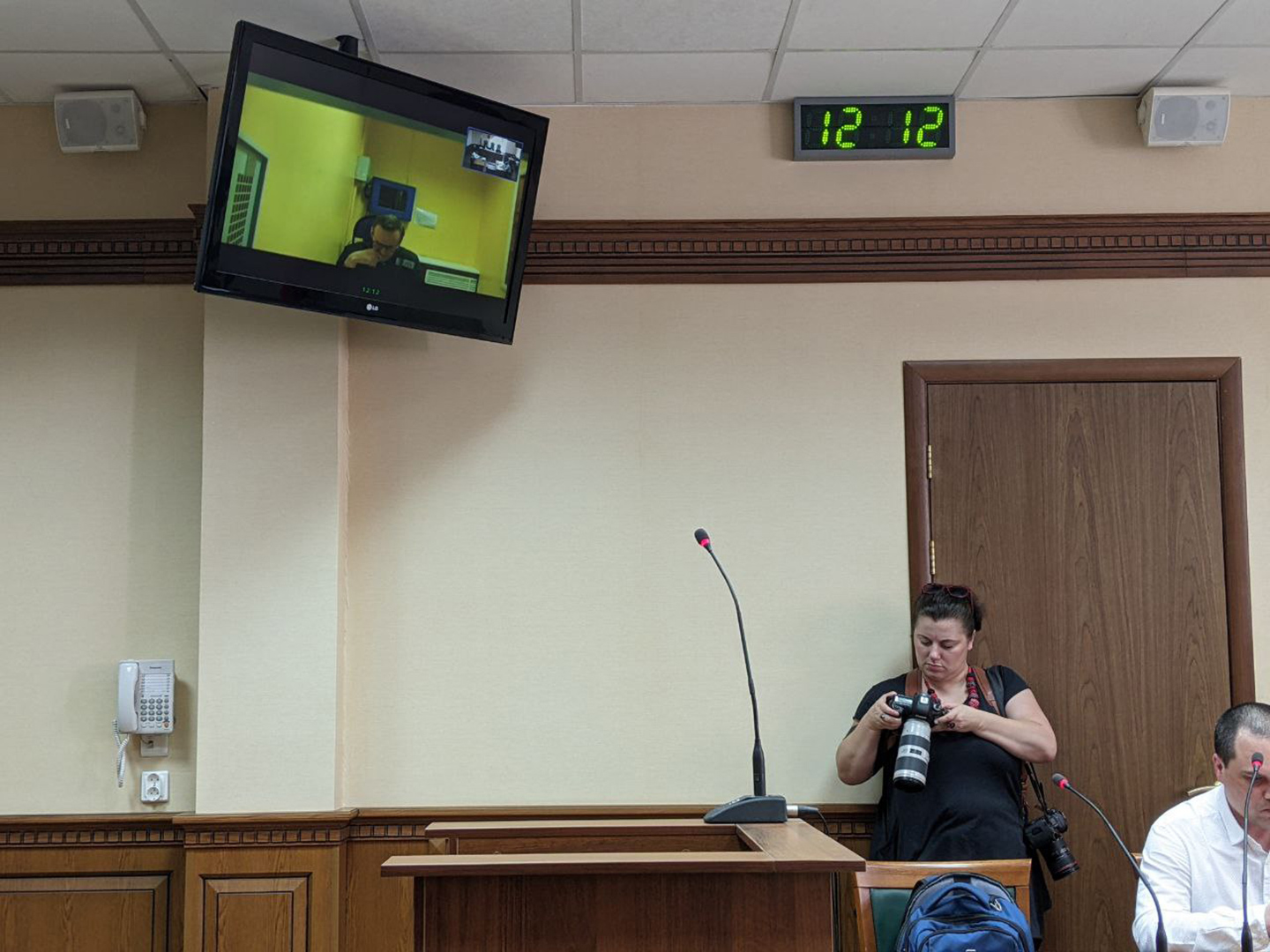
Photo: Antonina Favorskaya
I have a bad attitude towards those who say that we should get out. I believe that every person has the right to make any decisions regarding their life, the lives of their children, and I fully respect people's desire not to take risks. In Russia we really have a lot of repressive laws; the number of articles has increased since the start of the war. People don't have to be heroes. We should not live in fear and perceive every doorbell as a potential search. I fully recognize the right to leave the country. But I demand that my decision not to leave be treated the same way. I don’t like the deprivation of the subjectivity of those who remain; I don’t like it when those who have left become “our voice.” I will speak for myself. I also don’t like the patronizing tone and the attitude towards people who are not independent, not smart - these conversations, they say, well, of course, not everyone can leave, not everyone speaks all languages, people don’t have money, their parents are sick... It would be nice to be more tactful and softer towards these people... There are a large number of people who do not consider it necessary to leave, who will consider this their personal loss, who in principle decided to stay! Sometimes they slightly adjust their behavior, taking into account the growing repression in the country, but they remain here, and this is important, they make up that percentage of people in Russia who are openly against the crime committed in their name. This will definitely play a role at some point - hopefully soon.
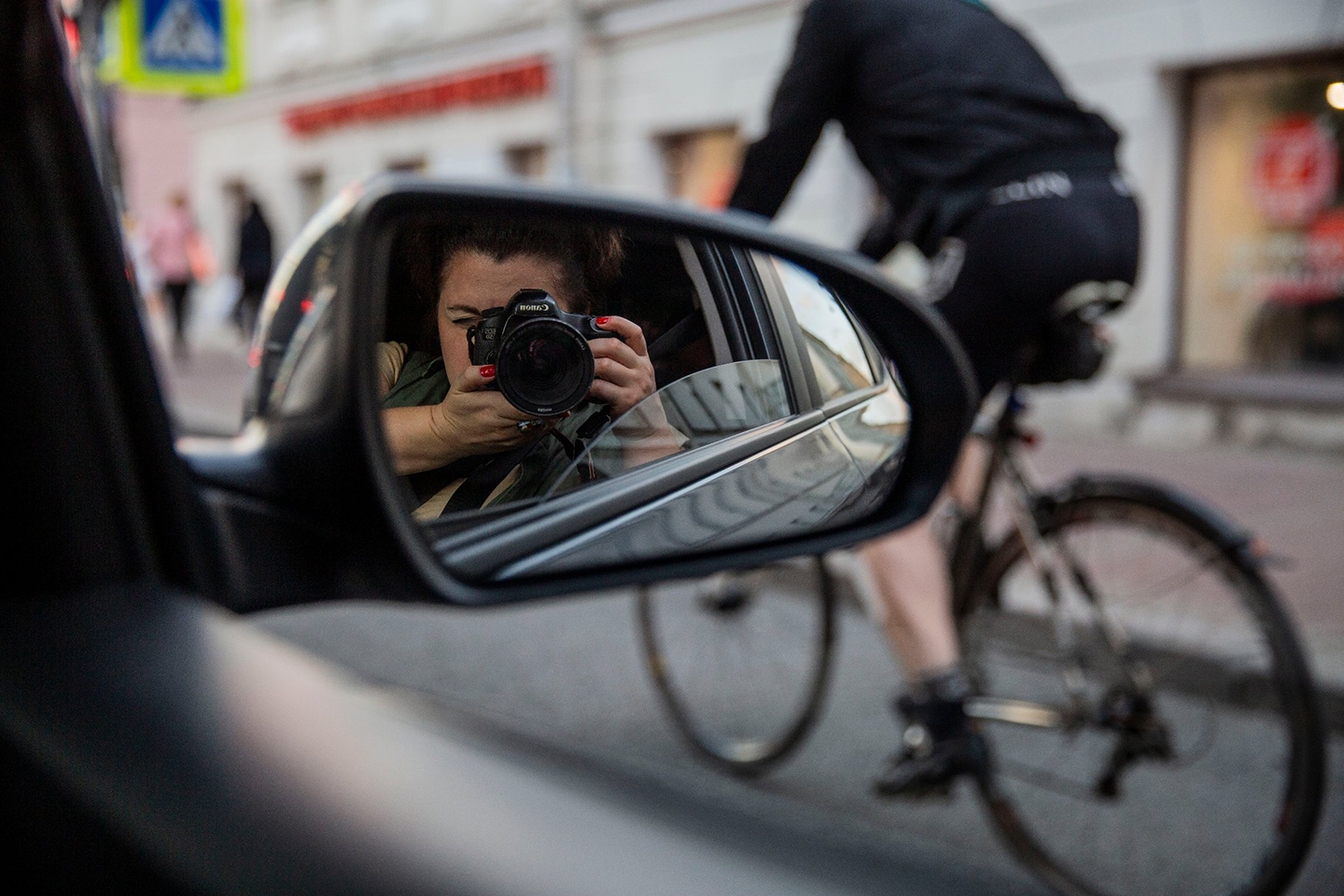
Photo: from the heroine’s archive
It's not so much a matter of whether a person left or stayed. What matters is why he left. If you were afraid that there wouldn’t be certain brands or McDonald’s here, I treat them with a slight degree of contempt. If these are people who simply do not want to risk their freedom, the freedom of their loved ones, there are no questions at all. If these are politicians and journalists who have left, I treat them with understanding, without condemnation. But my real respect comes from those people who, no matter what, return - like Navalny, or do not leave - like Yashin. They know that they are needed here, they are needed by the future of their country. I myself want to be such a person, I make such a decision, it comes completely naturally to me. If something is broken, you should try to fix it, and not throw it away.
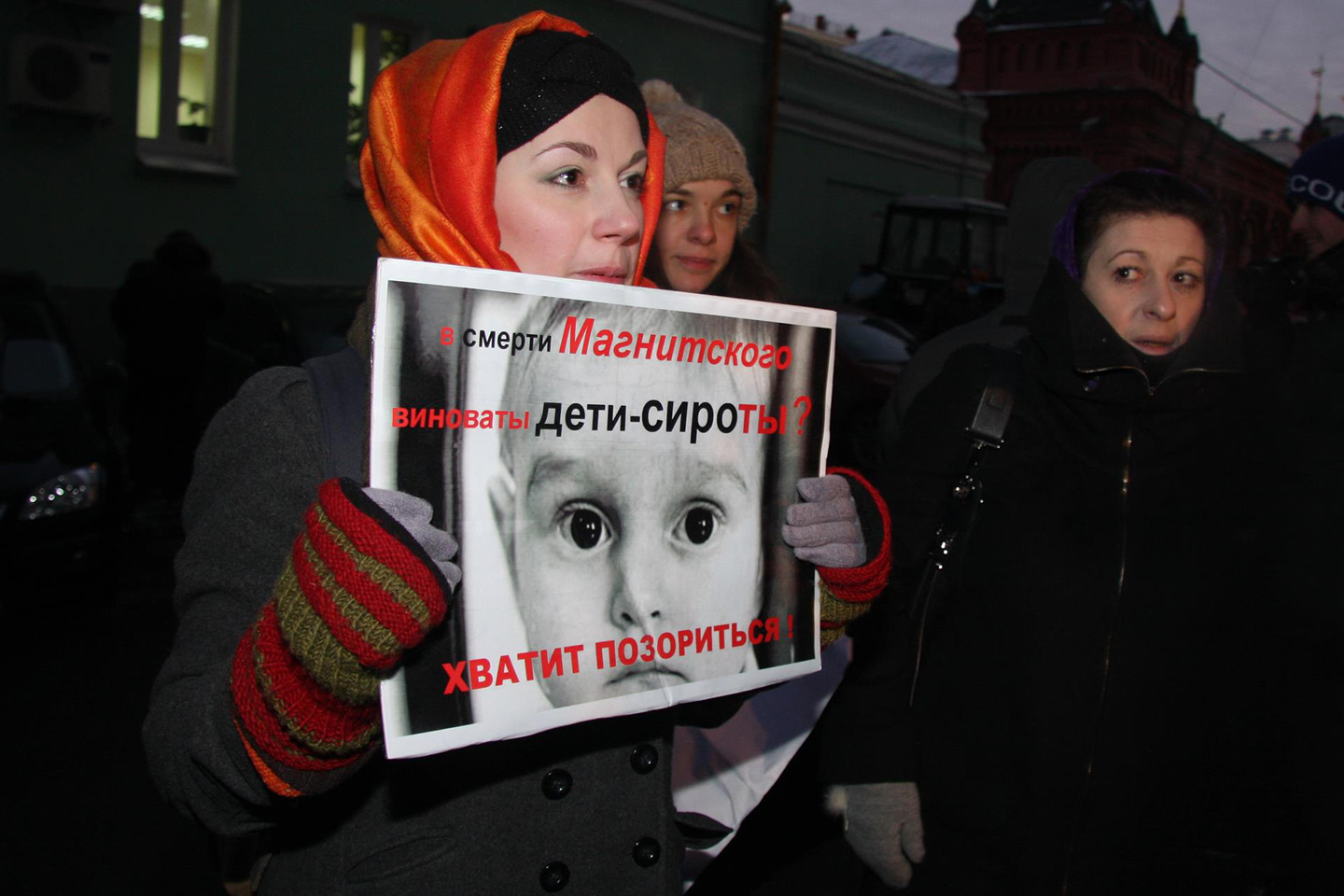
Photo: from the heroine’s archive
This is my country. In addition to the graves of my ancestors, which are really important to me, the country is important to me, or rather even the people here. And I believe that after serious changes, after rethinking, life will get better, many will return, only to everything ready-made (ha ha). For me, leaving means giving up. I didn't leave because I wasn't desperate. I don’t even want to discuss the debate about “good Russians”. This is some kind of special hype topic, empty talk. And I am against collective guilt - this is archaic, I am for the personal responsibility of each individual person. I also treat with disgust and irritation the idea that Russia is a scorched field. This is said by people who just yesterday crossed the border of Russia, and they need to justify themselves and explain their decision, or those who have not seen anything, do not understand anything about the country. I see a lot of potential, talent, resilience and courage in people who do not dance to the tune of governments, although now this is the simplest thing. The field may now be scorched, but there are many “nerds” who can “revive” it. It’s like in Germany, which after the Second World War was a scorched field, but on the ruins of a fascist country a wonderful, confident, very modern German democracy emerged. And Russia can do it. How to force me to leave the country? Very simple. Everything should get better. There must be a free, happy Russia. Then, with a sense of accomplishment, I will calmly go on vacation to some water, to the sea, and without the Internet. I'll definitely rest. I dream about it. Nothing else, any criminal case brought against me, any threat should not work.
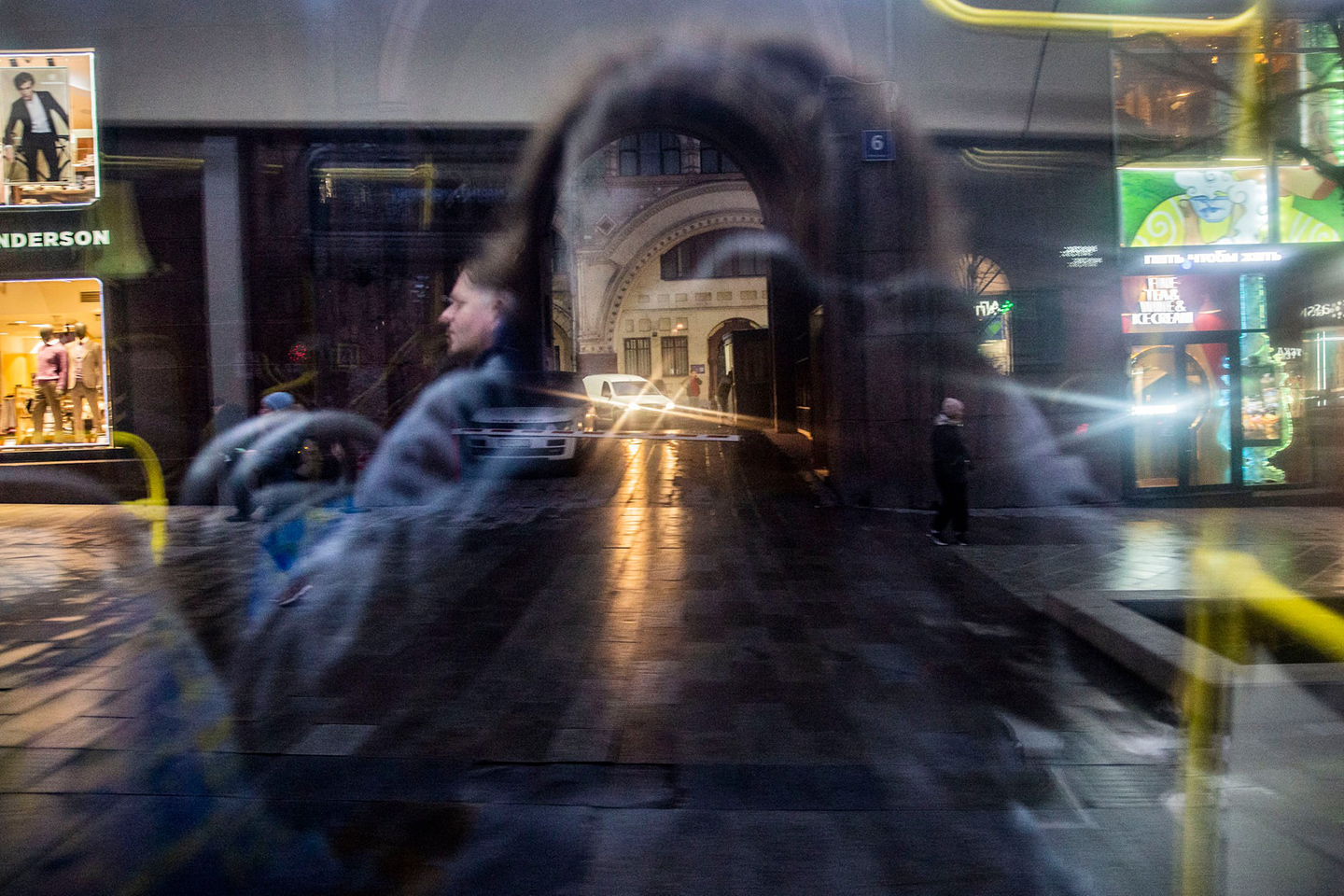
Photo: from the heroine’s archive
My recipe for survival is do what you have to and come what may. The entire layer of memoir literature - both about 1937, and about the First World War, and about the Second World War - shows how important it is to remain human in dark times. And show how a person differs from an animal: the ability to act. Even calling a war a war is an act. Helping victims is an act. The recipe for survival is not to whine, but to do. If you don’t know what to do, ask me, I’ll tell you. A trillion cases!
Olya Ptitseva, wrote a dystopia about Russia from Russia
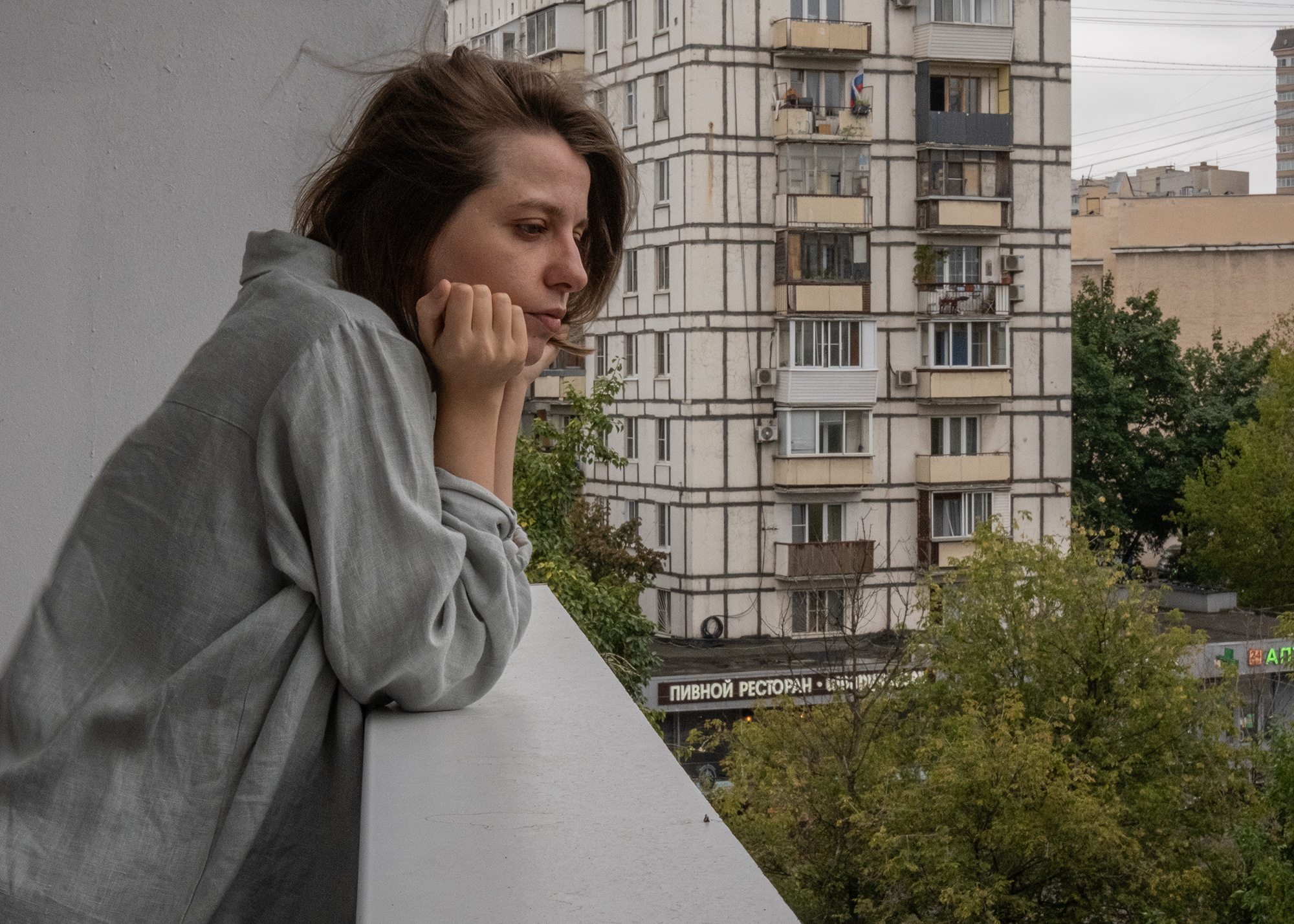
I woke up to thousands of messages in our common chat with colleagues. Zhenya Berezhnaya was in Kyiv at that time, she is Ukrainian. She woke up because they started shooting at Obolon. And it all mixed up into some kind of crazy lump, which I still cannot address and somehow reflect on. It seems to me that during the first week we were all sure that everything would end very quickly, that everyone would somehow come to an agreement. There was only creepy doomscrolling and lying face down on the floor. Zhenya left Ukraine first for Romania, then for Germany. And Marina, my very close friend, decided to emigrate from Russia.
I remember how Marina and I stood in the subway and hugged. The next day she had to leave, along a difficult route, through Kyrgyzstan... And it was simply unbearable. It seemed to me that the world was about to collapse, because it would simply be impossible to live in this fear, in this disgust. Now we know that life seems to be possible in everything. My February was about horror, about pain, about shame, about not understanding how we will live further.
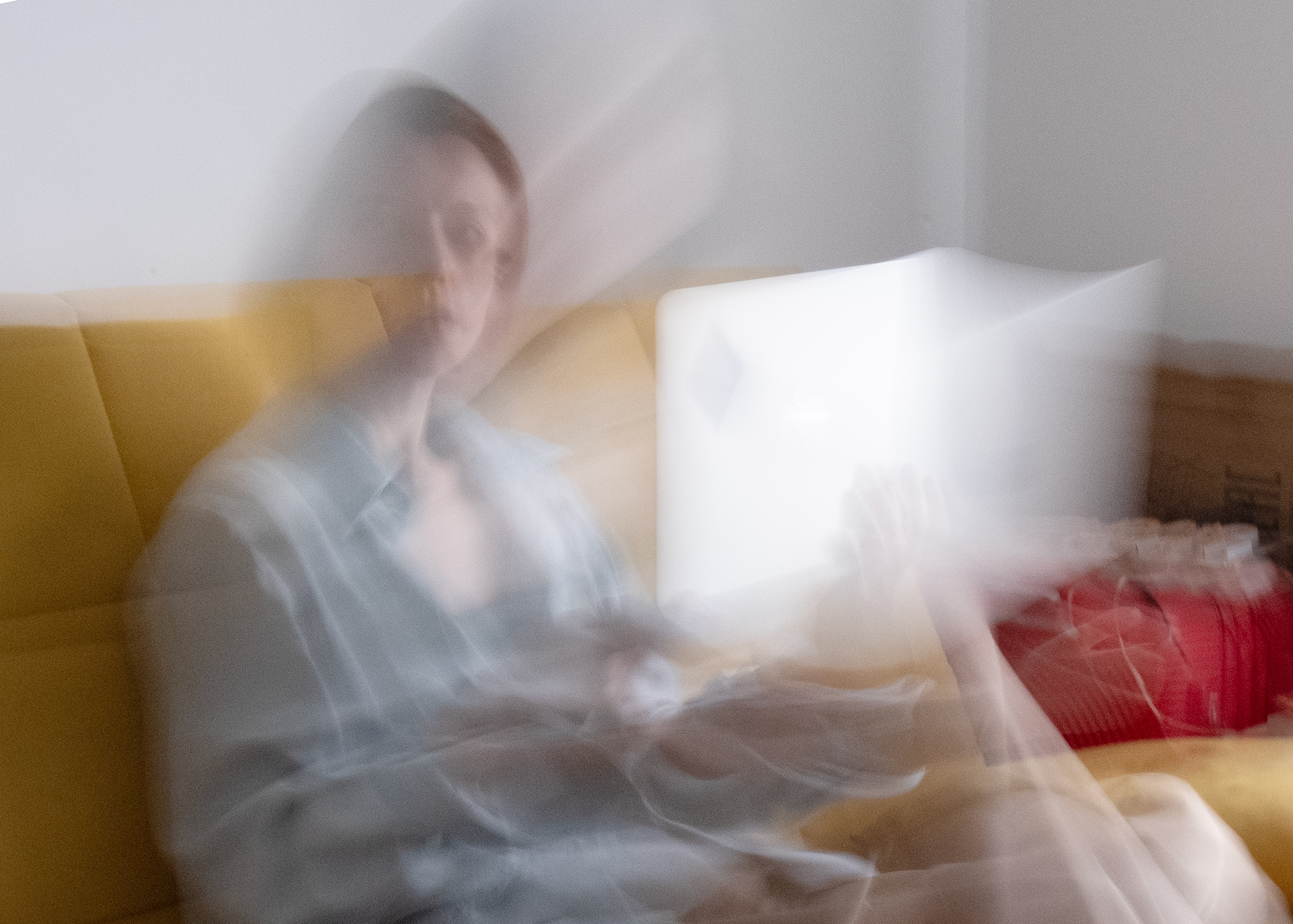
It seemed that everything had lost its meaning. Why are we writing these books if they didn't stop anyone? Why engage in creation if everything is now only hatred, pain, blood? The senselessness is terrifying, and this feeling comes back to me from time to time. It's like my personal dragon. I'm trying to fight this. Fortunately, before the start of the war, I had already been going to a psychotherapist for a year. We talked a lot, including about the loss of the meaning of my activities. I must say that Remarque supported me very much. Yes, now you understand why everyone drinks so much there, they just start their mornings with a glass of Calvados! Why? Yes, that's why! I re-read All Quiet on the Western Front at the very beginning of the war. First of all, I was horrified by how everything rhymed. And secondly, I thought: “Well, if Remarque didn’t warn anyone, didn’t stop anyone, didn’t inspire anyone, then what do I want from myself?” Apparently that's not how it works. It seems that those who make these decisions do not read these books, and we do not work for them. That's why I had a feeling of losing all meaning. I was also very supported by Florian Illies’ book “Love in the Age of Hate.” This is the story of the entire creative community during the rise of Hitler. There all the artists, writers, architects, philosophers - everyone sees what is happening, live with what is happening, well, continue to live, fall in love, get divorced, have lovers, write, publish, drink, dance, cry, go out of the windows, eat, live, and times go, go, go, go. And we know how these times ended. You can't fall before the shot is fired.
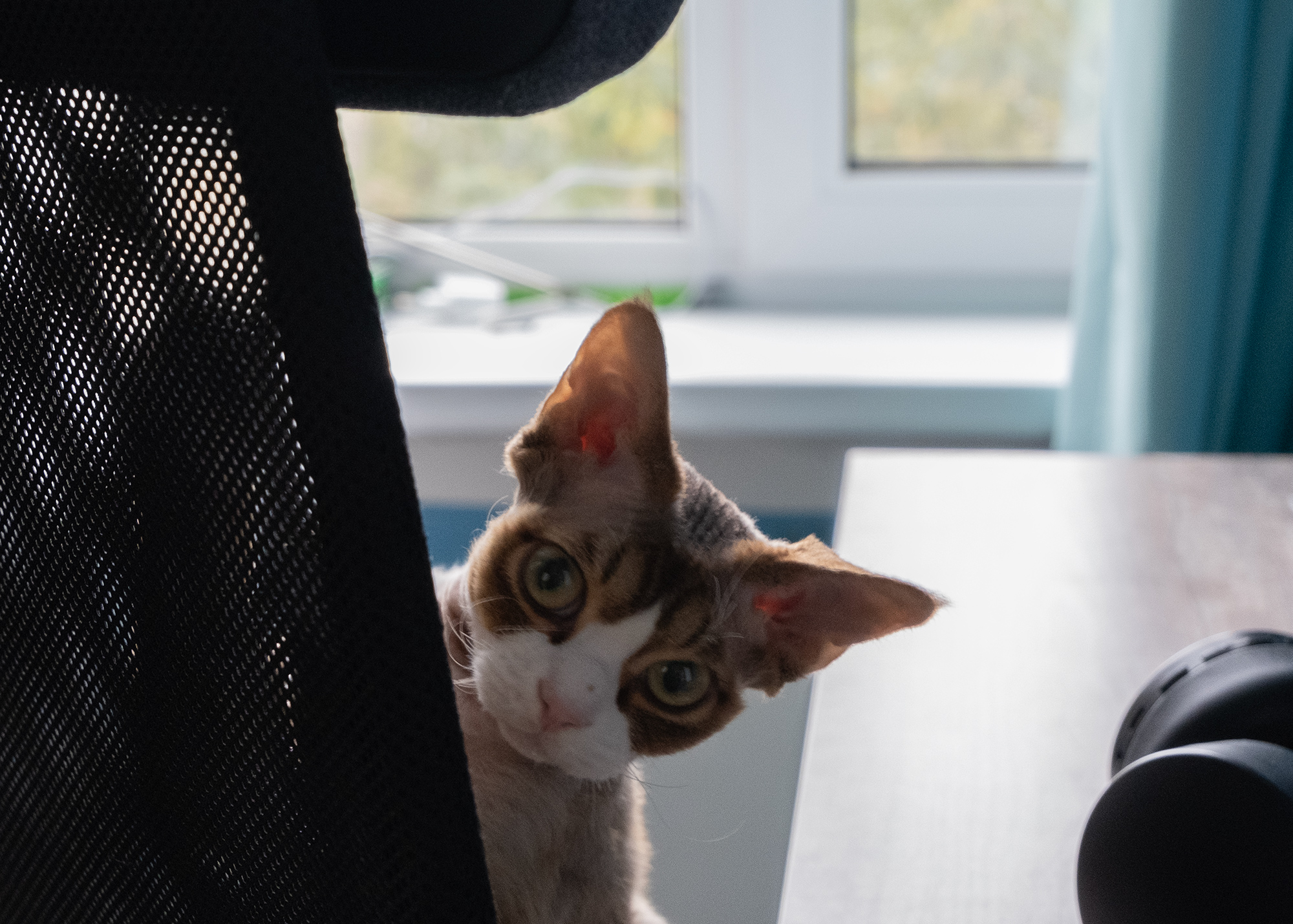
Fortunately, none of my close friends had diametrically opposed views with me. Only mom. And it's incredible pain. For the first year and a half, we couldn’t talk about anything else at all. She and I are very similar in our radical values. I have humanism, and she has patriotism. We fought each other very hard, to the point of incredible scandals. I took antidepressants, calmed down very well and realized: there is no point in trying to persuade and quarrel. There are words of love. We are now communicating without touching on this topic. As soon as she tries to turn on her, I stop her. Mom is one of the reasons why I stayed in the country, there’s no escape. A month and a half after the start of the war, I decided to write a text that is now called “The Two Hundred and Third Day of Winter.” Initially, the title was “February Two Hundred and Third,” but even the word “February” is now subject to censorship issues. This is a text about a country where they have declared eternal winter and banned spring because it violates traditional values. It is very important for me to write the text from the inside. This was another motivation to stay. Я несколько раз срывалась к подготовке отъезда и каждый раз понимала, что нет, остаюсь. И окончательно решила оставаться в сентябре, когда уже было прямо совсем страшно.
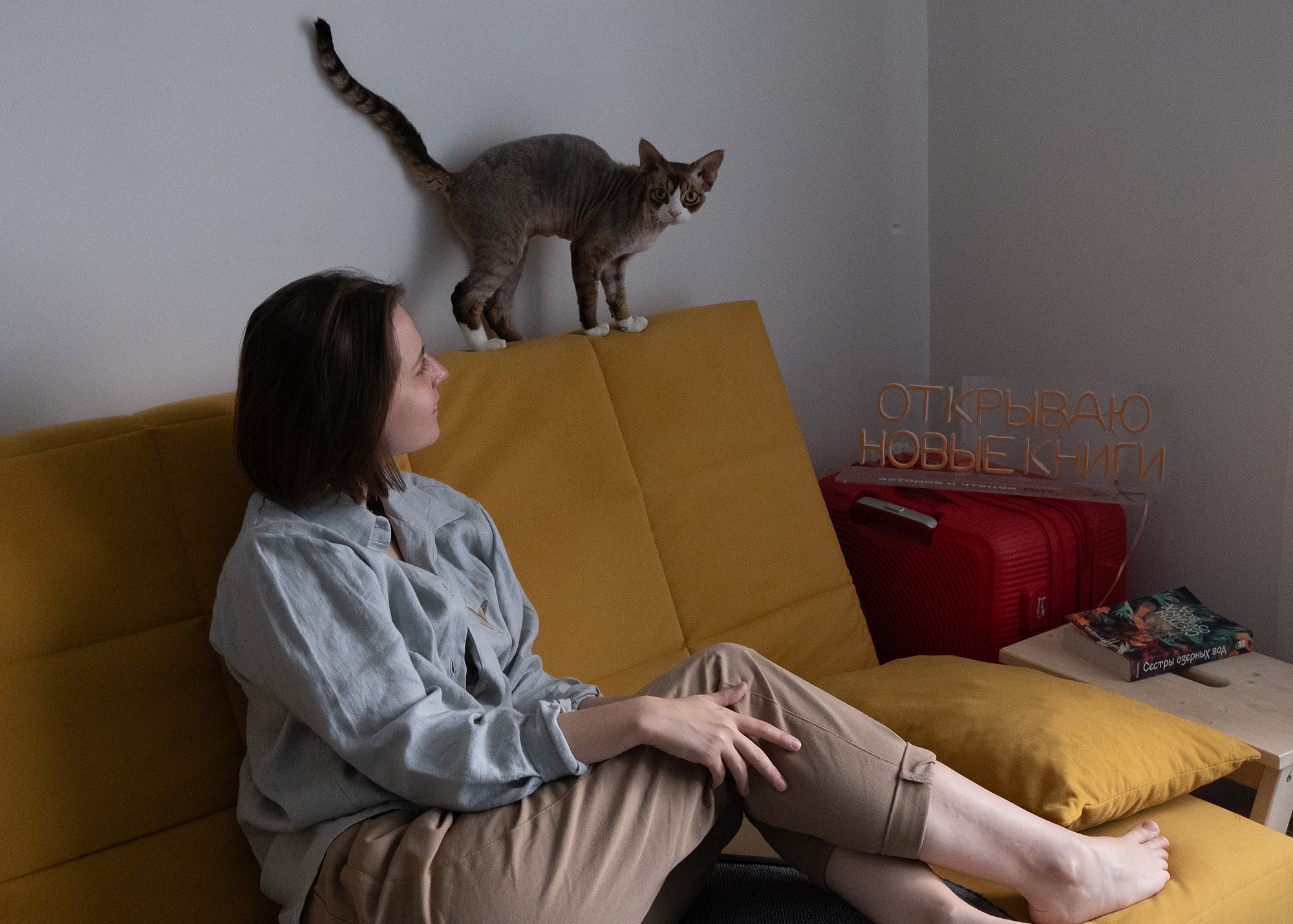
Мне кажется, существовать в своем пузыре — единственный способ сохраниться. У меня нет ощущения, что я здесь, чтобы устроить революцию. Мне очень не близки все эти штуки про «хороших русских». Мне не понятна категория коллективной вины. Люди продолжают жить, не может на месте целой страны образоваться выжженная пустыня. Отчаянно хочется продолжать делать свое дело. Созидать свет нужно в самой большой тьме, стабильно и интенсивно. И я вижу, как этот свет созидается, руками книжников, в том числе. Когда приезжаю в разные города, встречаюсь с читателями — вижу как важно, что мы можем держаться за руки, что мы можем говорить, что мы есть. Это какая-то такая маленькая работа по сохранению света. Пока мне здесь физически не опасно, мне видится неприемлемым отъезд: это как будто бы оставление вот этой работы. Конечно, что-то можно делать из—за рубежа, открываются же там издательства, независимые книжные магазины и прочее. Но мне важно оставаться здесь и делать это здесь, потому что большая часть моих читателей осталась, им важно, что я тоже здесь. Просто как возможность опереться. Я продолжаю сохранять человеческое лицо, я держу вас за руки, я делаю свое дело. Но я не берусь ни судить, ни разделять, ни обвинять уехавших. Мне кажется, что вся эта поляризация между уехавшими и оставшимися противниками войны точно не на руку свету. Страшно видеть, как мы начинаем отчаянно друг друга грызть, при этом разделяя одни и те же гуманистические ценности, неприемлемость войны.
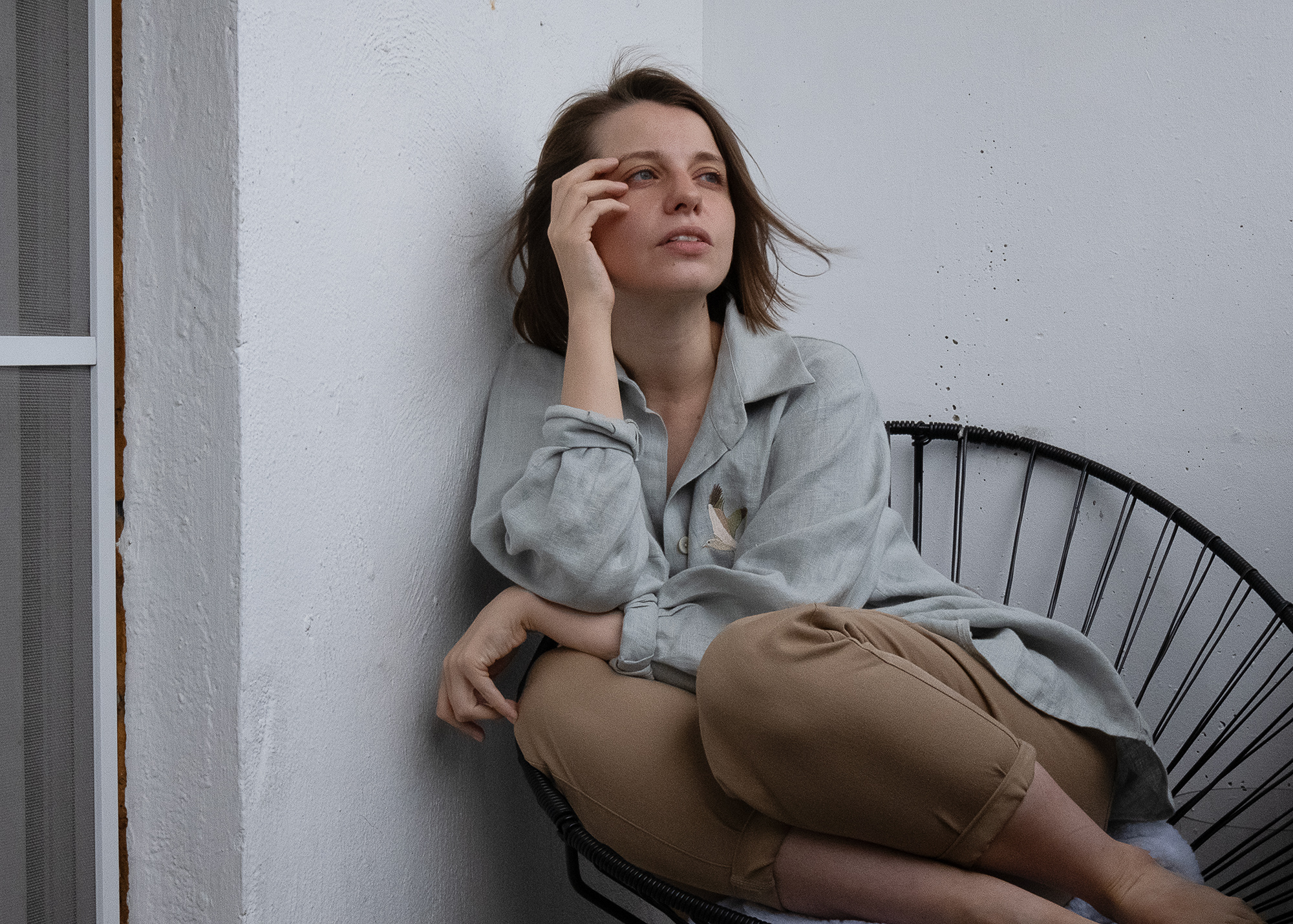
В этом году было очень много поездок по стране. Для меня это было важным опытом — увидеть, как среди города, полностью завешанного наружной рекламой контрактной службы живет независимый книжный, а вокруг него люди совершенно наших взглядов. И когда я спрашиваю: «Ребят, а как вы выживаете, почему не уехали?» — «Ну как же мы уедем? Книжный нужен для людей, которые могут прийти и побыть среди своих, как мы их бросим». Я уеду, если мне будет грозить физическая опасность. Если административку заведут, если участковый под дверью начнет тусоваться — уеду.
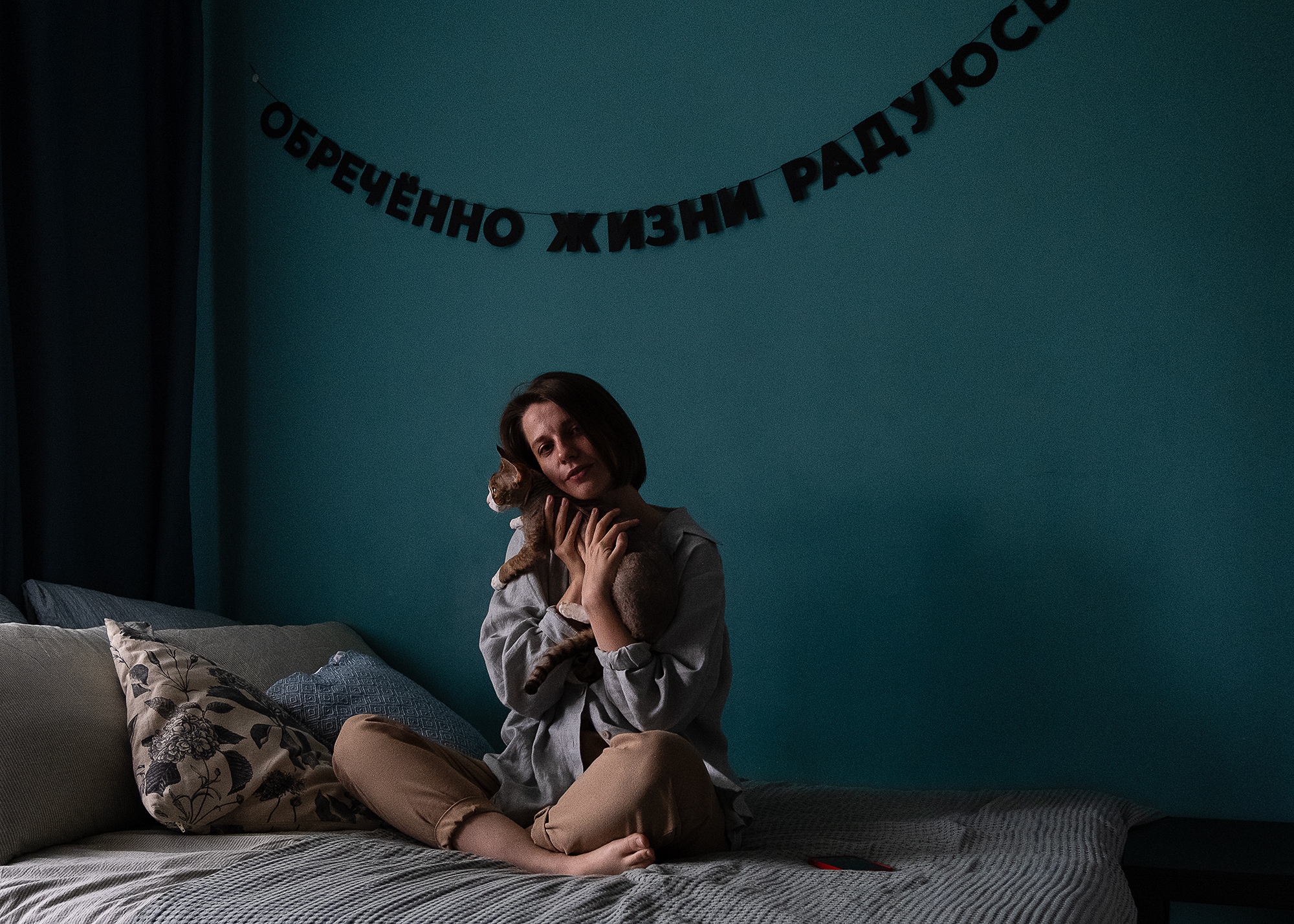
В день, когда война закончится, я достану бутылку водки из морозильника и самое красивое платье. Очень хочется дожить до дня, когда мы сможем называть вещи своими именами и быть свободными. И я уверена, что доживем. В истории еще не было страны, которая целиком бы укатилась в преисподнюю.
Настасья и Павел, рисуют и выращивают острые перцы
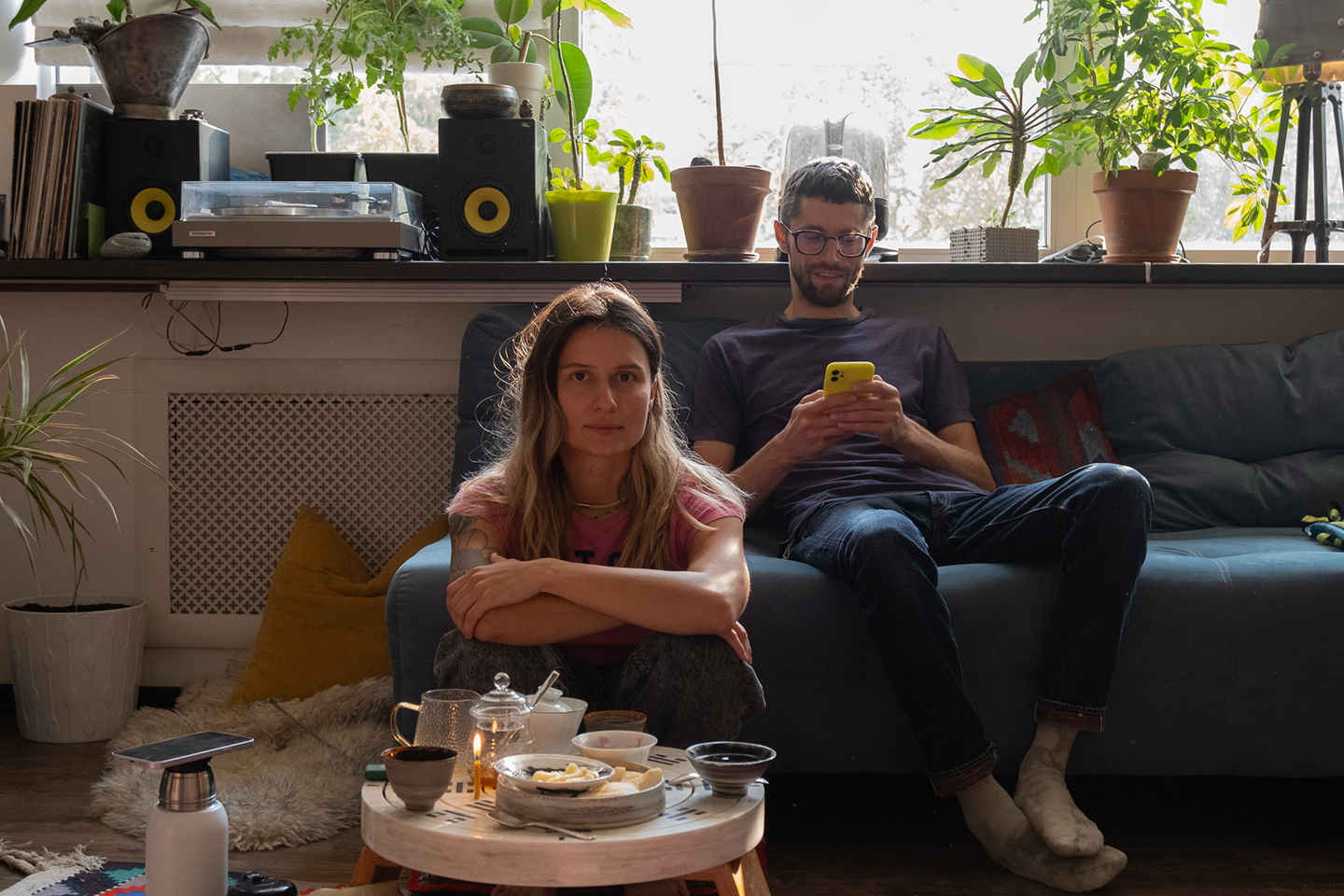
Настасья: 24 февраля я встретила на этом же диване, только в другой квартире. Паша прочитал новость, что наши ракеты по Украине выпустили. У меня внутри все упало: у меня там отец, родственники… Было одновременно страшно и сложно поверить: это, наверное, утка какая-то, абсурд, быть такого не может.
Павел: А у меня было внутри полное ощущение, что рано или поздно это произойдет. Когда все говорят «не может быть» — точно будет, это как с мобилизацией. Воспринимай наоборот — и будешь знать правду. Я сознательно не читаю новости — потому что примерно знаю, как это все работает. Есть книжки про манипулирование сознанием, про социальное программирование, про управление людьми. И все это делается под копирку, одна и та же схема. Я бы хотел жить вне этой системы. Я стараюсь минимально пересекаться с государством.
Настасья: С началом войны в моей деятельности почти ничего не поменялось, я была и остаюсь художницей. Но стало меньше коммерции. У меня были большие росписи офисов, банков, даже в объекты в парке «Патриот» — ну вот такие масштабы. И тут все заказы заморозились и стремно стало, я же больше ничего не умею. Вот так живешь, условно говоря, в моменте, а тут хренак! Момент твой как бы все, а ты никакой подушки не накопил, и в ужасе, в панике поддаешься этому страху. Хорошо — Паша не такой, он совсем не паникер.
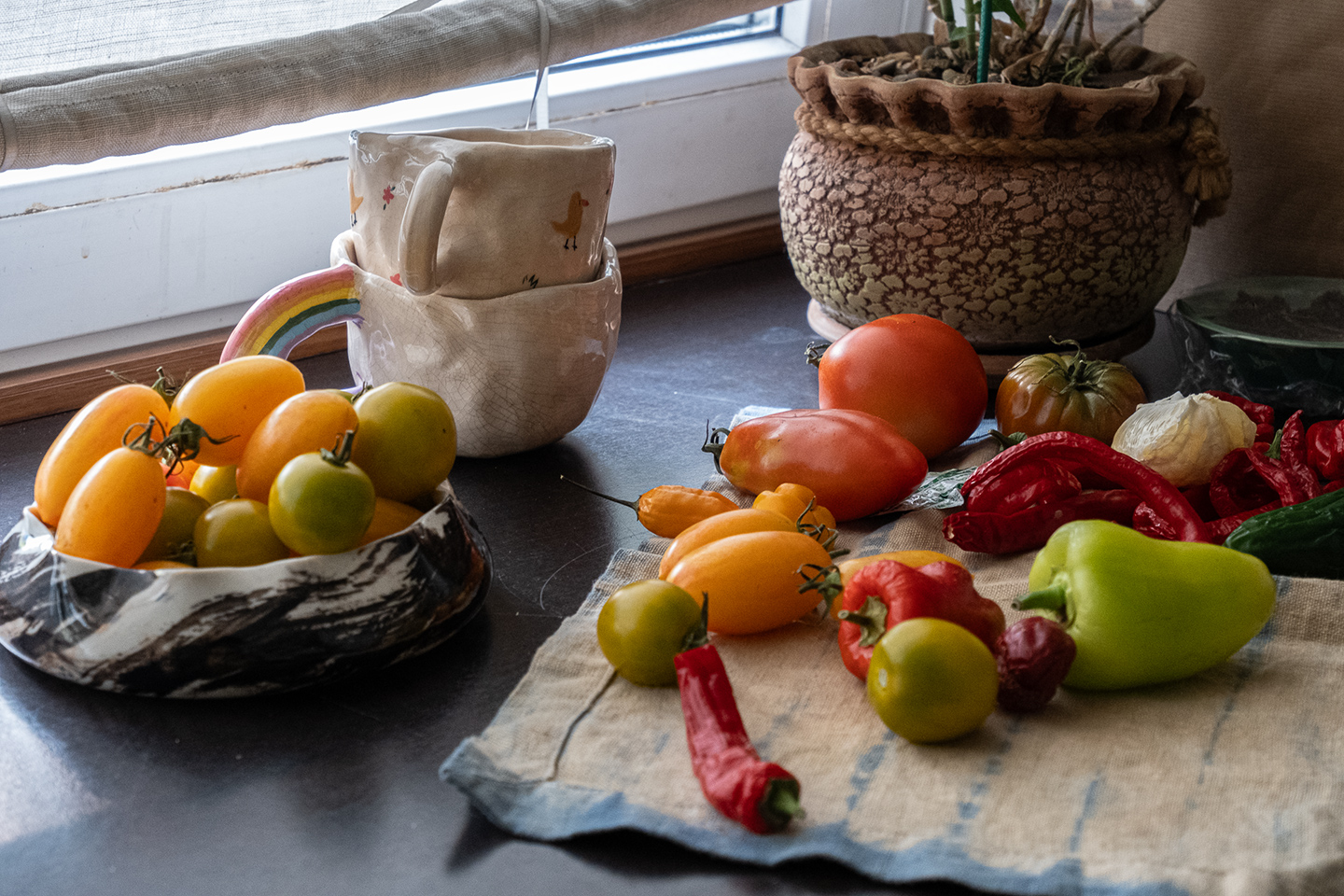
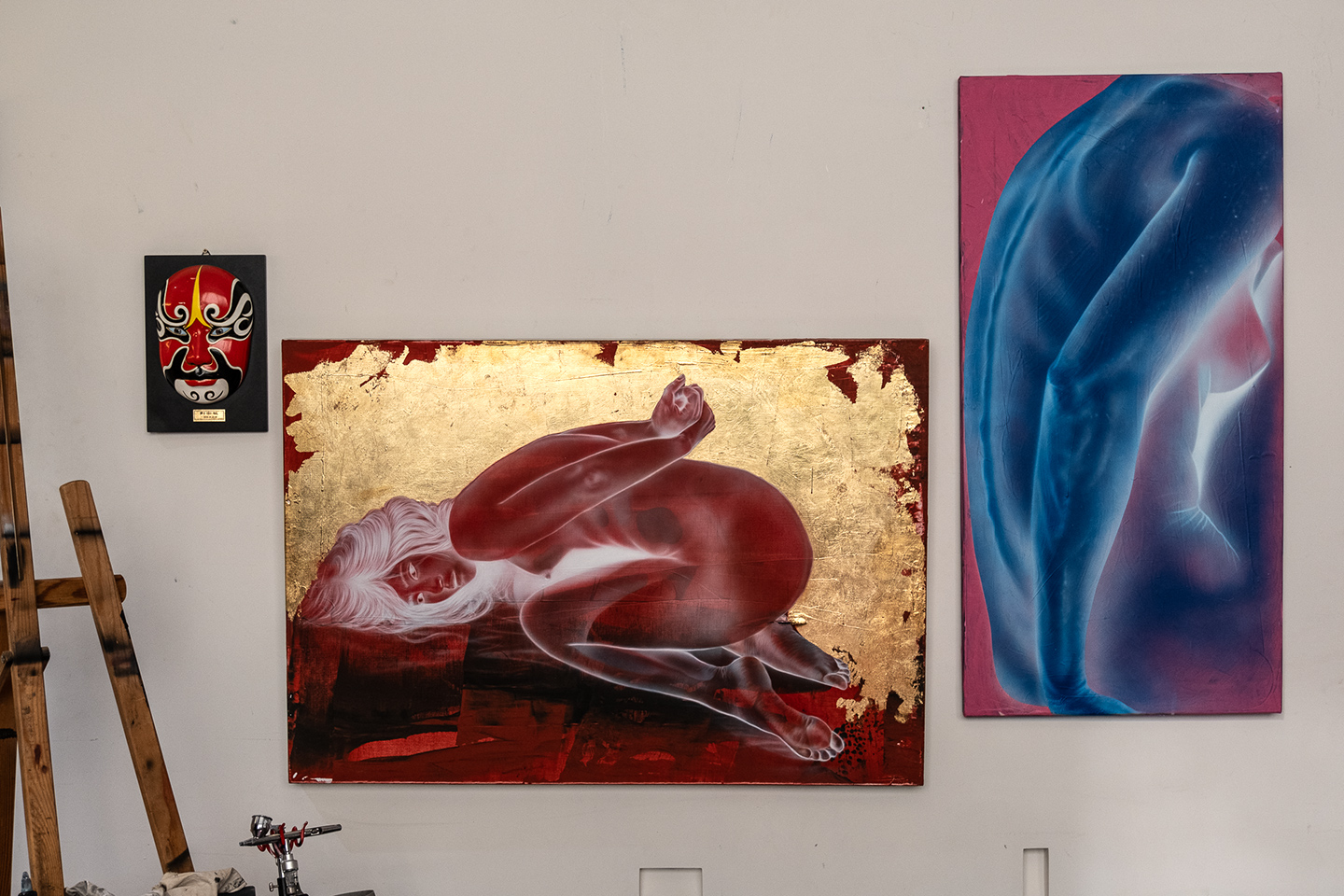
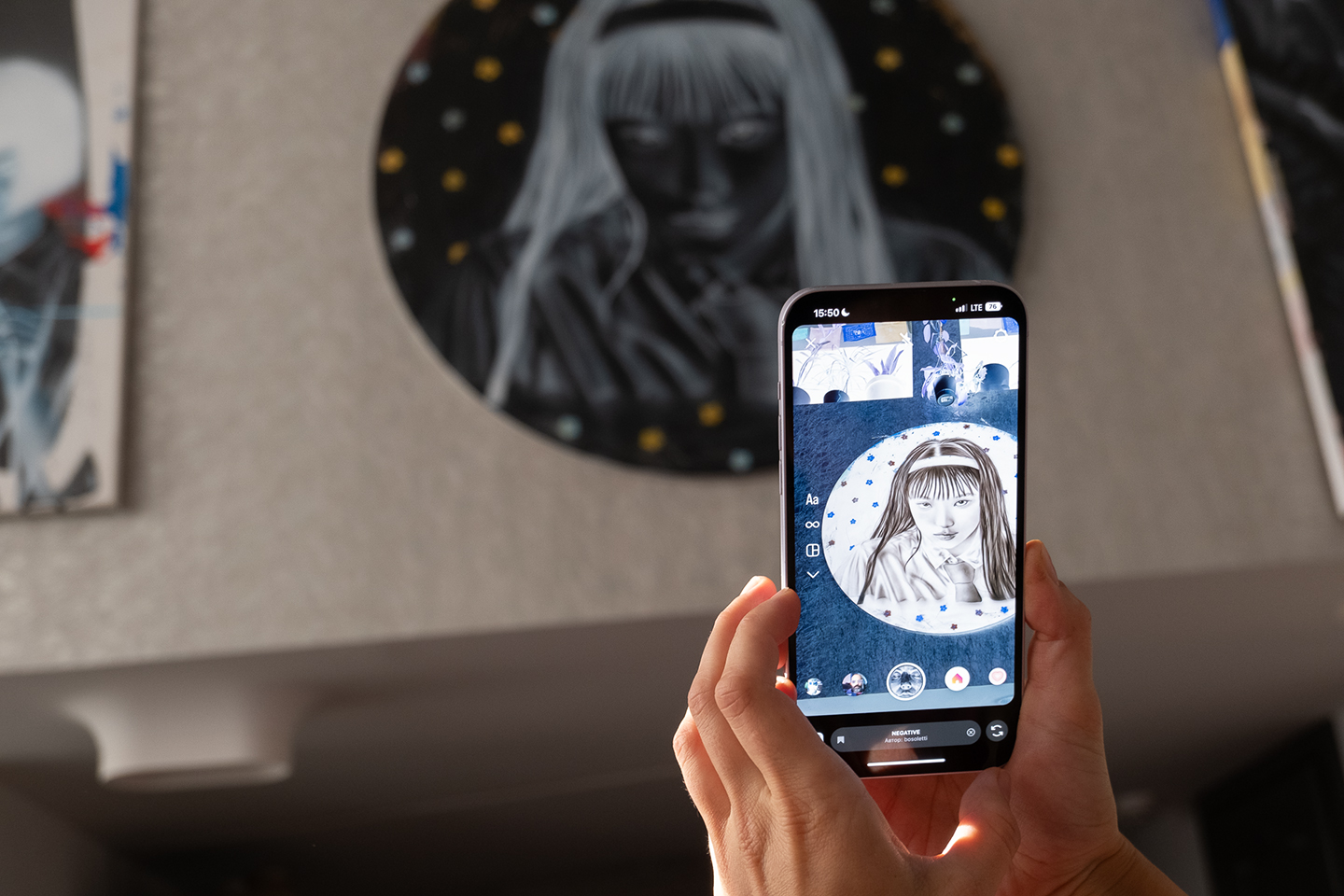
Павел: Я выращиваю острые перцы, делаю соусы. Фермерством я начал заниматься еще до ковида. Мы с другом уехали на Кипр и поставили теплички. Потом я поехал на Тенерифе, там снял тепличку. Я выращивал и папайю, и бананы, и дрэгонфруты, и томаты, и перцы… Но с ковидом пришлось все бросить и уехать. Вернулся в Россию, поставил теплицы, начал выращивать острые перцы. Когда стало понятно, что началась война и это надолго, мне тут же дружище звонит и говорит: «Я тебе перелет оплачу, переезжай, давай делать ферму за границей!». И тут я осознал, как сильно я привязан к России. Все мои отъезды я думал «на березы бы посмотреть…» Настасья: И я много путешествовала, надолго уезжала. И сначала эйфория, все клево, но потом такая скулящая тоска: ты понимаешь, что ты здесь вообще чужой. Это чувство одиночества потом вылилось в серию картин с негативом Настя рисует картины в негативном спектре, как на фотопленке, но если навести на них смартфон, они обретают позитивные оттенки. В своей серии «Негатив» она размышляет на темы философии, психологии, самопознания.
Там тоже есть идея побега от себя. На самом деле этот депрессняк, которым меня накрыло, начался с пандемии, и потом очень усилился в войну. Но он же дал мне очень большой толчок для личного творчества. Мне кажется, я сама по себе трагедия, такой Пьеро с черными слезками, могу творить только в депрессии, не могу в состоянии радости рисовать. Когда тебе хреново, садишься и сублимируешь, вся твоя энергия уходит в холсты. Так что тяжелый период всегда еще и плодотворный, и это позволяет легче справляться с личными трагедиями. Конечно и здесь тоска накатывает. Встречала друзей, они удивлялись: как так, не уехала, мы думали, ты первая свалишь. Я так сильно расплющилась здесь, меня так придавило. Но мне так хорошо здесь. У меня здесь осталось много друзей, художников, скульпторов старой школы, им по 50-60 лет — и они тоже говорят: а здесь-то кто останется? Что здесь будет, если все уедут? Одни Z-надписи?
Бывает, в компании возникает какая-то острая тема и я понимаю, что спорить с человеком бесполезно. Потом я избегаю вообще общения с ним. Слава Богу, вокруг меня в основном единомышленники, творческие люди. И мы все в равном ужасе, мы как-то тонко чувствительны к происходящему. Война для меня настолько невозможное, уму непостижимое в своем масштабе насилие, что поддержка какой-либо стороны конфликта тоже кажется мне психопатией.
Павел: Везде гады у руля! Как история показывает, надо жить свою жизнь и делать свой мир вокруг себя, просто твори, твори свое! Зачем мне вмешиваться, если 100% это ничего вообще это не изменит, кроме того, что эти чуваки еще больше насилия будут применять. Убийство — это в любом случае треш. Почему просто не взять, выбрать пятак, построить на этом пятаке все, что хотите — и там сливайте все свое оружие, кто хочет стрелять пусть идет туда и, стреляет. Пожалуйста, идиоты, вот зона Z. Вот там можно пострелять. А вот зона F, тут мастерят, фермерят и занимаются созидательными вещами.
Настасья: Есть люди, у которых мир крутится вокруг этой войны, они следят за политикой, они живут в информационном мире, и это их реальность, они этим питаются. Это всю твою энергию забирает, которую ты мог бы на что-то другое пустить, на созидание. У меня сейчас это настолько чужое, этот фон. Я была там подписана на какие-то там каналы, общалась много — и мне так было плохо, просто постоянные рыдания, психологи, депрессивные состояния, и я истончилась как бумажка. К лету я поняла что работает спорт, внимание к себе, и свое дело. А потом у нас началась активная ферма, часто с понедельника по пятницу. И там лес. Просто ты в пятидесяти километрах от ближайшего города и у тебя сразу этот вот хвост, который к городу привязан, отрезается. Идешь по лесу с утра, и ты ни о чем не думаешь. Просто смотришь: лес, речка, болото есть. Ты восстанавливаешься и живешь по-настоящему. И там замечательные люди, с которыми ты чувствуешь себя живым, ты видишь, как они горят своим делом, и понимаешь, что не все потеряно.
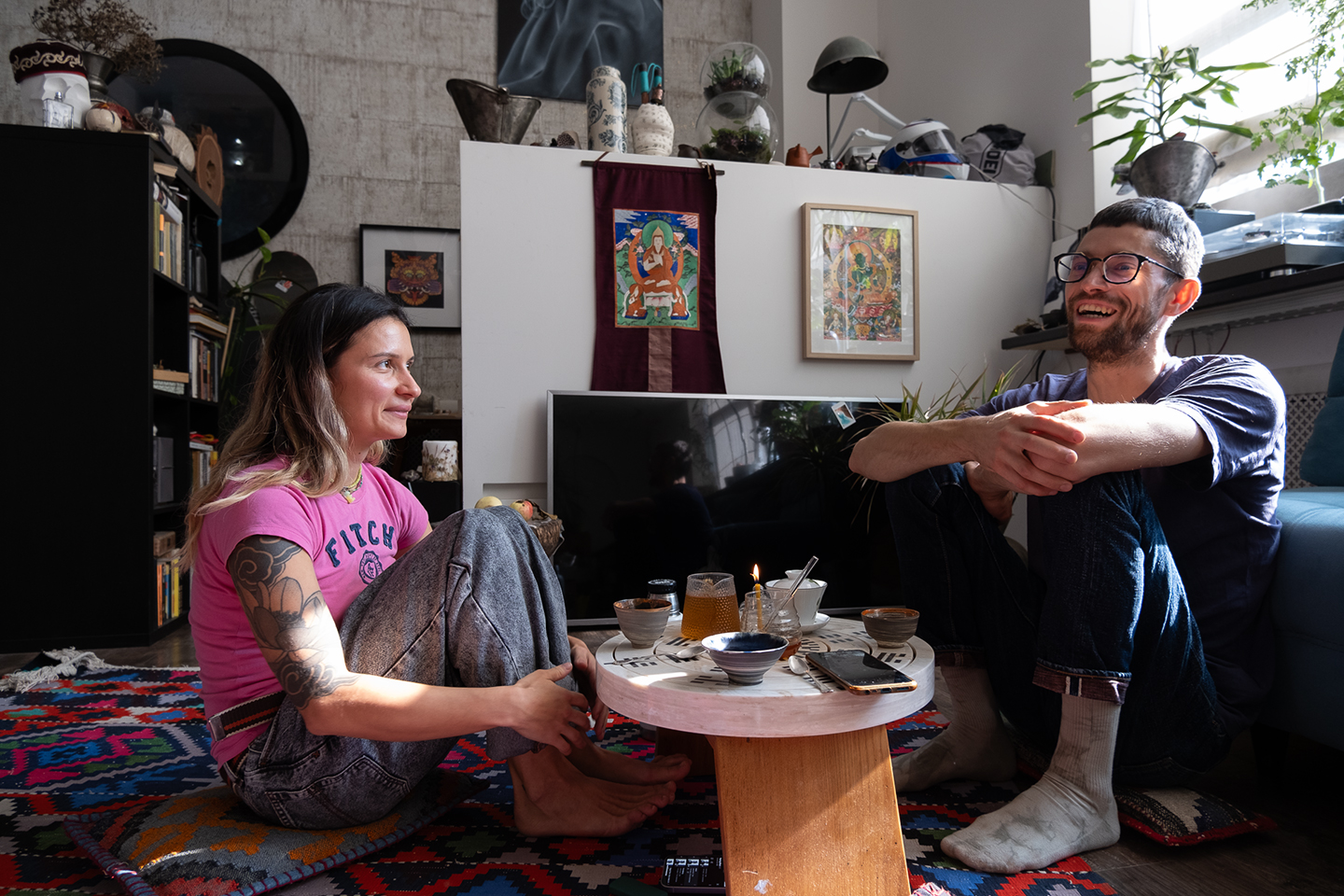
Те, кто уехали, думают, что здесь очень плохо, что мы здесь уже реально горим, умираем — и это тоже самообман, потому что там они же тоже ничего не имеют, начинают с нуля. Может, им так легче. Но у своих уехавших друзей я вижу эту тоску в глазах. У нас на соседних фермах то-то коз выращивает и делает творог и сыр, кто-то — ягоды, и каждый между собой продукцией обменивается. Создается такой закрытый мир, ты можешь вообще не уезжать дальше ближайшего продуктового магазина с хлебом.
Павел: Даже если я разбогатею, буду делать такой же фермерский проект в другом месте. Везде, конечно, свои подводные камни. Везде страшнейшая бюрократия, особенно в Европе. Но я бы вложился в пару-тройку ферм разных частях света. Я бы домик купил с землёй на Кипре, например. Где-нибудь в деревушке, не на берегу, чисто для себя, для родителей, для близких.
Кунд, делает керамику в дзене
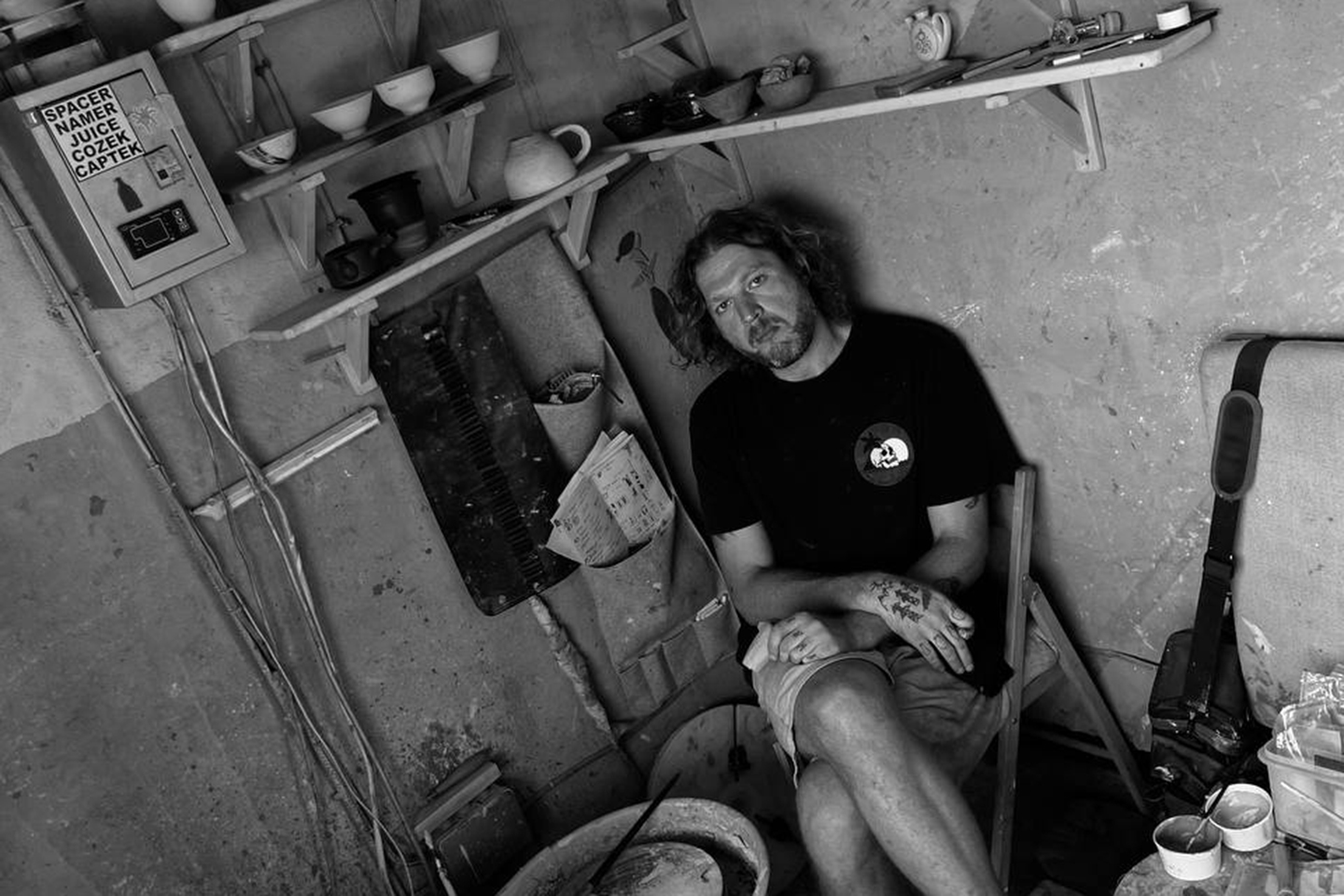
Фото: из архива героя
Первое, что я почувствовал 24 февраля — ненависть к тем, кто это развязали. Потом был стыд. Я написал друзьям и родственникам в Украине, пытался говорить какие-то слова поддержки. И до войны, и сейчас я считаю своим делом искусство. Я занимаюсь керамикой. И тогда, и сейчас я стремлюсь изменить мир с помощью красоты. Верю, что можно изменить людей изнутри. Мои работы после начала войны стали более эмоциональными, я даже выпускал антивоенную серию. Наверное, стало больше усердия какого-то. Отключаешь какую-то зону мозга — а энергия никуда не девается, я стал сильнее концентрироваться на том, что я делаю. У меня довольно большой круг общения, человек, наверное тридцать хороших знакомых. Большинство из них, как и любой нормальный человек, не поддерживают войну. Но среди дальних знакомых нашлись те, кто слаб головкой. Конечно, я перестал с ними общаться. Но мой ближний круг не слишком поменялся. Есть, конечно, люди, которые уехали — мы мало общаемся. Но появились и новые знакомые. Мы направили свою энергию на саморазвитие, начали больше заниматься медитацией, какими-то духовными практиками — чтобы как-то справляться психологически. Когда начинаешь менять мир вокруг себя — приходят новые люди.
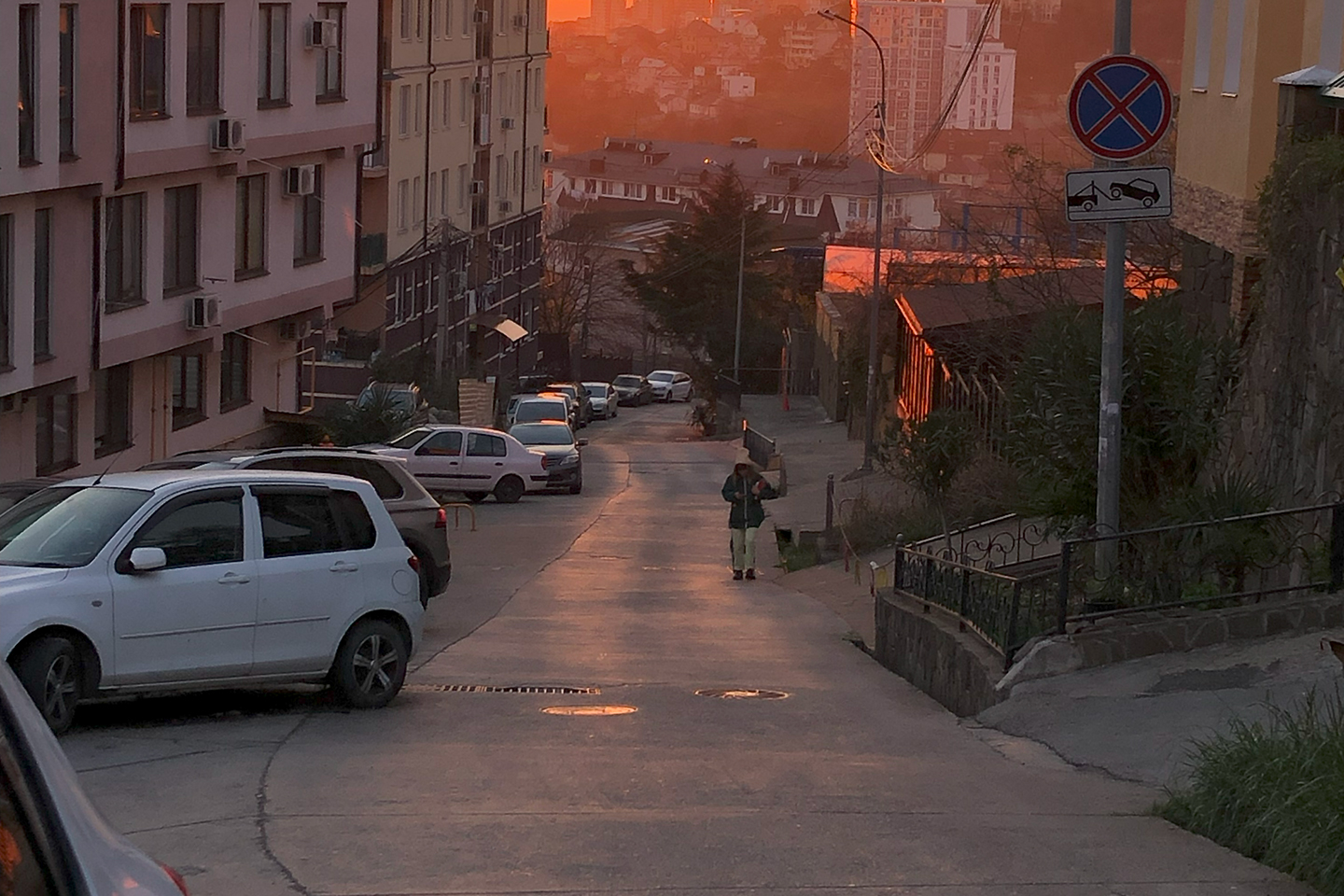
Фото: из архива героя
Я от своих друзей риторики в духе «Россия — это выжженное поле» не слышал. Кто вообще говорит такое? Те же, кто хочет пересидеть в условной Турции, пока тут все кровью обольется, пока в этой стране власть скинут? В России жизнь есть, люди также живут просто меньше проявляются. У нас в Сочи огромное количество разных наций: русские, украинцы, татары, греки, грузины, армяне, дагестанцы. Огромный перемешанный город. Все живут в мире, все всё понимают, что происходит. Люди приезжают и уезжают, рождаются и умирают. Я знаю, что многие ребята — талантливые, классные — не хотят, не пытаются и не собираются работать с властями. Многие ушли в какое-то подполье, в андерграунд и там продолжают жить и делать то, что они делают. Я тоже продолжаю заниматься своим делом. Убеждён, что красота может менять человека изнутри. Это непростой процесс, наверное, это даже сложнее, чем выйти с плакатом. У меня пацифистское мировоззрение и оно не изменилось.
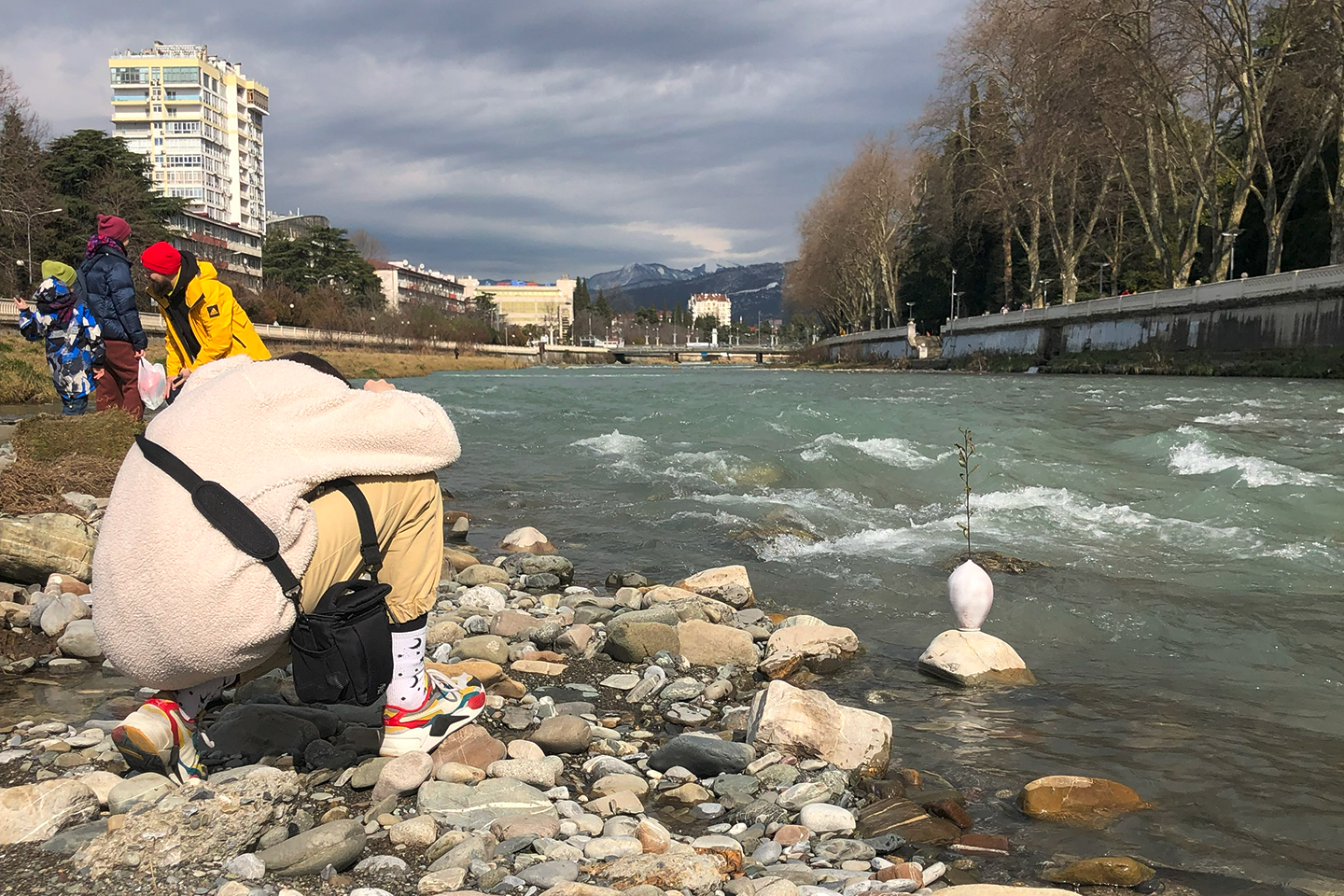
Фото: из архива героя
Свой отдельный мир я создавал ещё до войны. Он, возможно, сейчас стал еще более хрупким, этот мир, этот островок безопасности. Меня триггерит не только война, меня триггерит общество потребления, меня триггерит невежество. Все равно что-то будет выводить из зоны этого комфорта. Но в этом мире отсутствует двойственность, то есть я не придаю эмоциональную окраску вещам, по крайней мере стараюсь. В этом мире звучит спокойная медитативная музыка. В этом мире практически нет слов. Этот мир очень похож на природу, на лес. В этом мире есть люди, которым я доверяю, в том числе из других стран, из других городов. Мне не кажется, что это уход от реальной жизни. Что такое реальная жизнь? У каждого она своя, у каждого внутри собственная Вселенная, каждый видит мир субъективно. Нет каких-то общих вещей, «мировая экономика» там, «страна» — это все равно все субъективно воспринимается. Побег во «внутреннюю Монголию» — это и есть попытка решить проблемы мира, на мой взгляд, единственно возможная. Для меня нет других вариантов, кроме этого. Я против крови — а в России попытка решить проблемы этого мира внешними факторами приведёт к большой крови. Будет гражданская война. Я не хочу этого, я учил историю, я жил в девяностые. Я этого не хочу. Для меня способ изменения мира — это красота, это образование, это просвещение. Я готов передавать свои знания, рассказывать, как справиться со своими внутренними проблемами — они у нас у всех примерно одинаковые. Я убеждён, что внешние мировые проблемы можно и нужно решать внутренними проработками. Вот другого я не вижу способа.
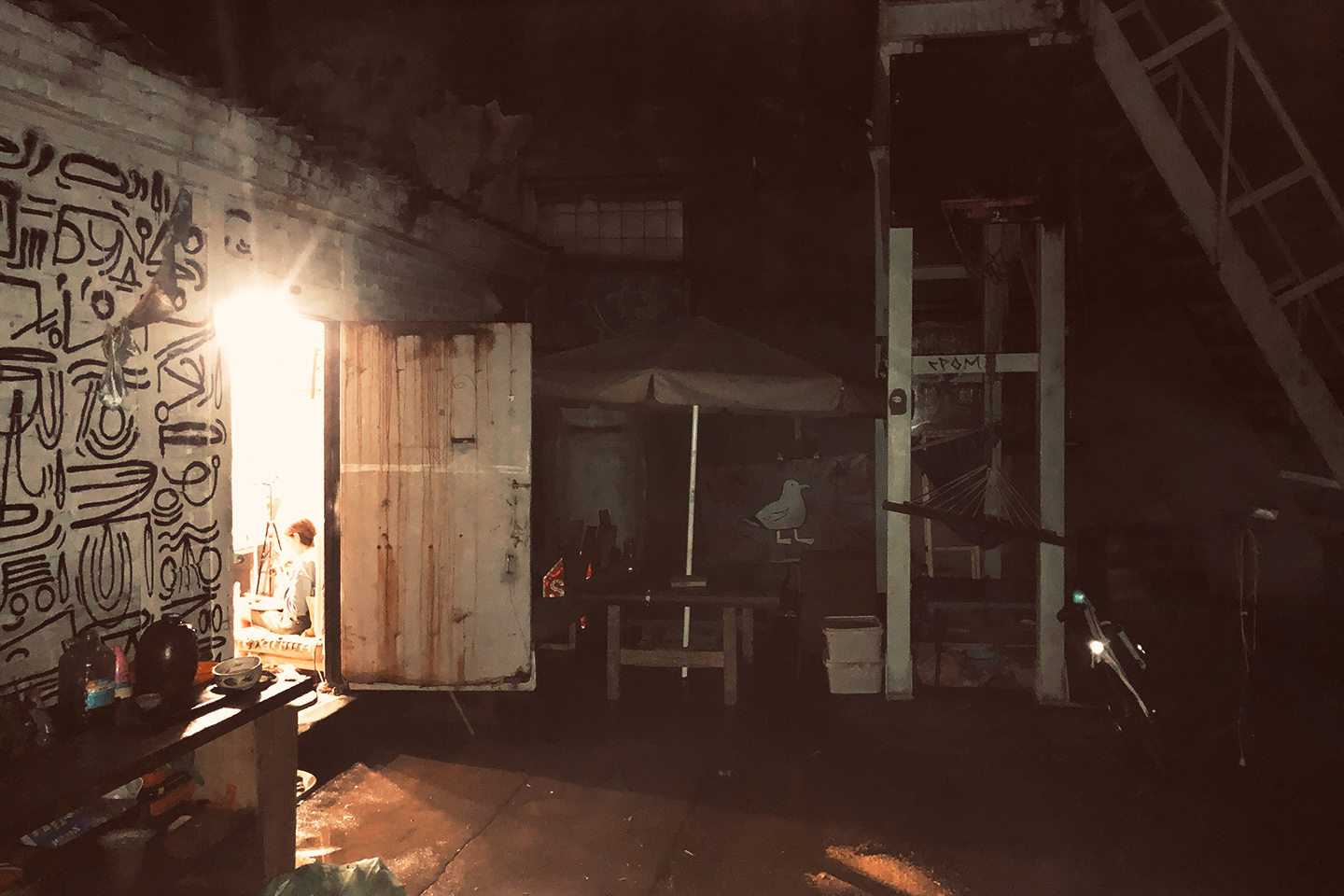
Фото: из архива героя
Чтобы сохранить свой мир, что я могу посоветовать? Во-первых, поменьше проявляться, поменьше выпендриваться, думать, что говоришь, особенно, когда говоришь на больные темы. Больше созидать, заниматься своим здоровьем и делать мир вокруг лучше. Что ещё? «Не сотрудничаете с властью?» Это в принципе для кармы хорошо. Ходите чаще на природу, подыскивайте себе место под землянку на всякий случай. Ну и занимайтесь саморазвитием, учите историю. Занимайтесь духовными практиками ежедневно, медитация, мантры, йога — что угодно. Контролируйте свои эмоции, свой разум. Я думаю, что это рецепт для всех людей, это способ выжить.
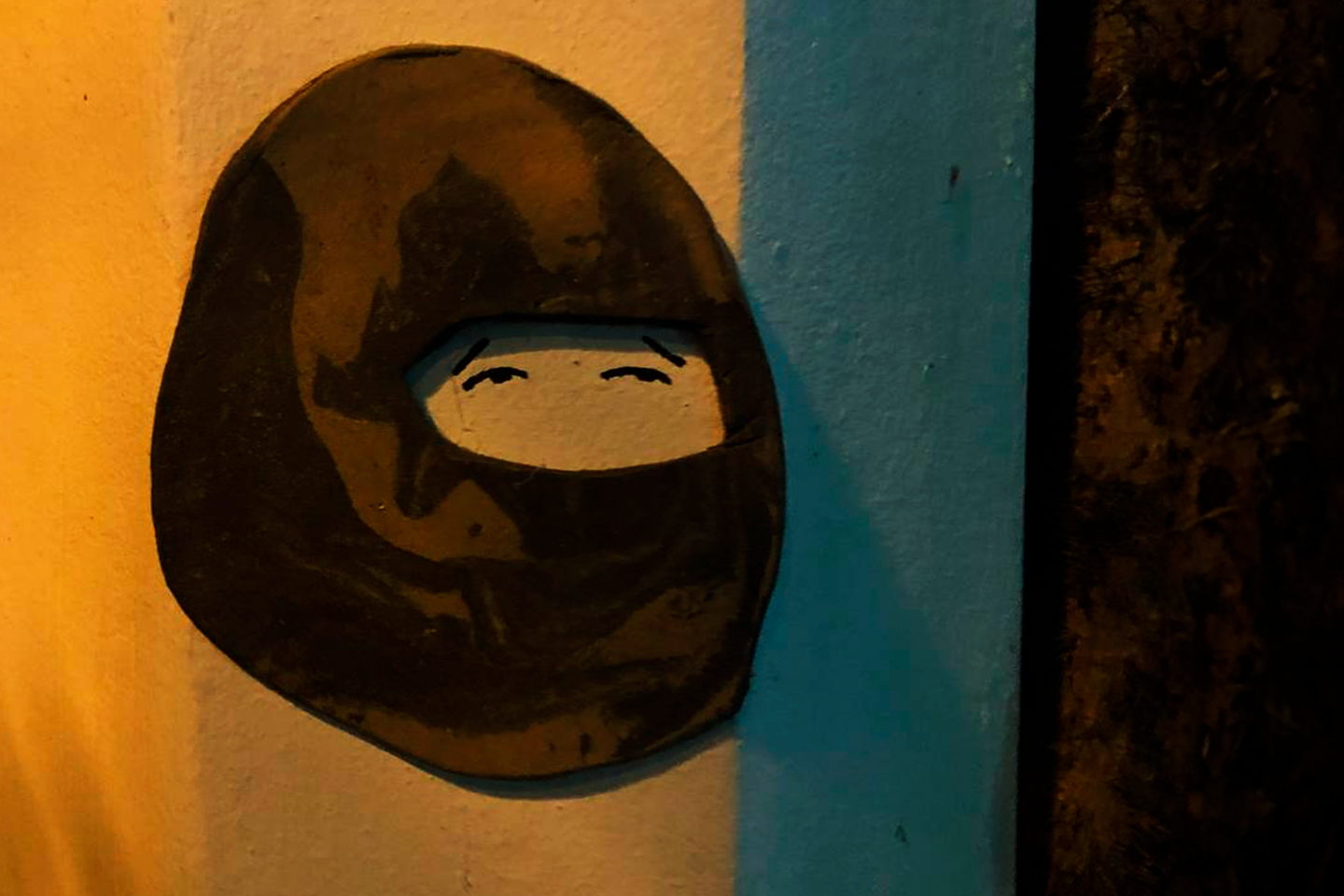
Фото: из архива героя
Очень, очень сложно сказать, что бы могло заставить меня уехать. Угроза моей жизни?.. Может быть. Но я бы хотел быть со своими родными, с родителями, с сыном, даже в худшие моменты. Что бы здесь ни происходило, я хочу быть рядом с ними, поддерживать, даже умереть, если надо, рядом с ними.
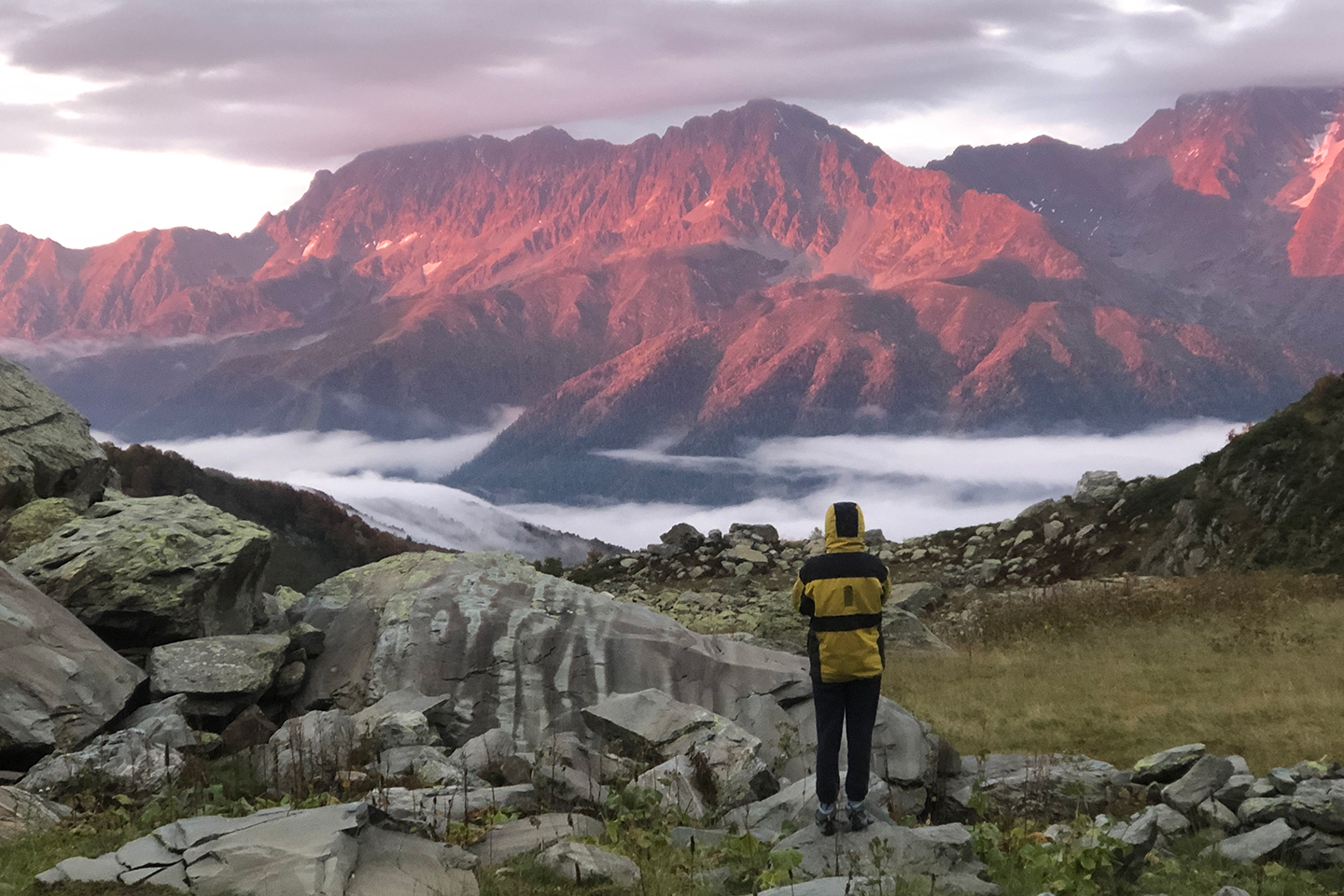
Фото: из архива героя
Почему я в принципе должен уезжать? Да, эта власть развязала войну, умирают люди, но разве это повод уезжать? Это повод что-то менять, это повод стучать людям в голову, спрашивать их, почему это поддерживают, да лечить их в конце концов! Уехать — это попытка убежать от себя. Никуда не денутся проблемы мира, где-нибудь в Голландии вокруг будут такие же понурые люди с депрессивным взглядом на мир. Я не хочу от себя убегать, это моя карма, если мне надо будет здесь умереть — я тут умру. Когда-нибудь я хотел бы попутешествовать, но уезжать из России навсегда я не планирую.
Текст и фото Катя
Editor Anton Kravtsov
Фото на обложке Кунд
To publish materials more often, we need your donations. We will spend them on fees for authors, photographers and illustrators. Below there is a form for donating any amount for the future No future.