
Translated material
"You forget everything so easily"
Political thriller Denis Villenev “Fires” again at the Russian box office. This is a pacifist statement about the horrors of the past war and attempts to forget them
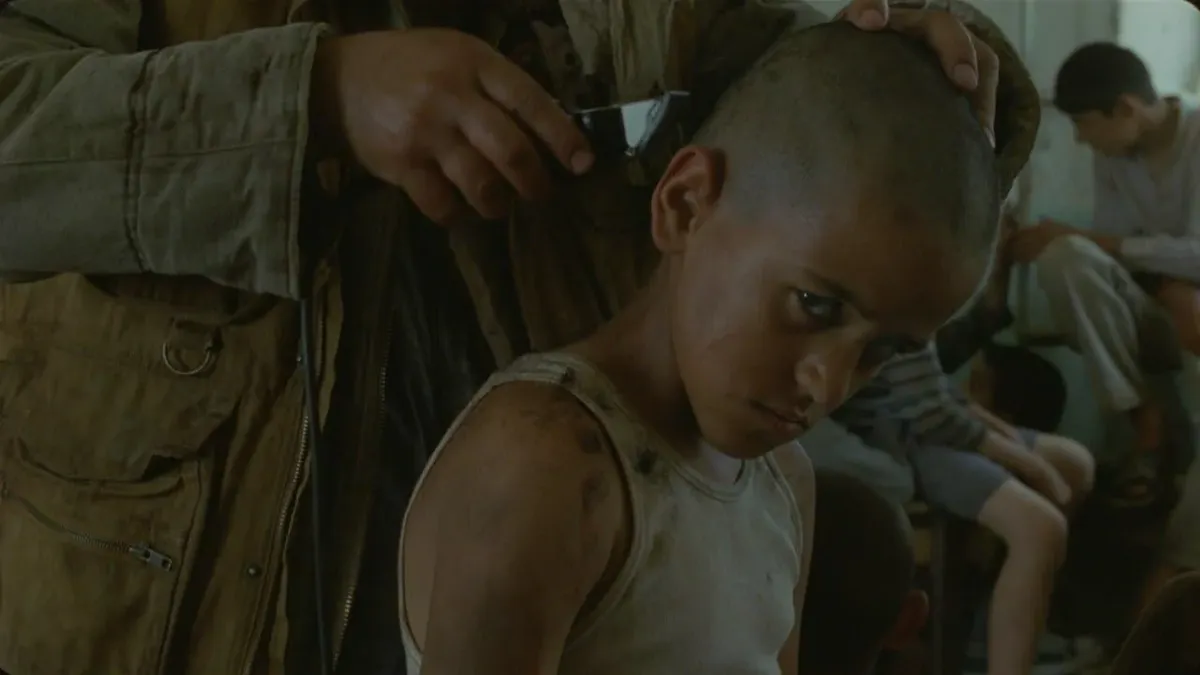
Shot from the film "Fires". Photo: IMDB
On October 5, “Fires” - the 2010 Chamber Political Detective, the most difficult in the filmography of Canadian director Denis Villenev, are released in a limited Russian rental. Against the backdrop of “Dunes”, “Running Blade 2049” and “Arrival”, this film Villenev is especially distinguished. This is an anti-war thought about fratricidal conflict in the Middle East with the example of one fictional family-an elderly mother and her adult twin children. After the death of the mother, the children, fulfilling her will, begin to look for their roots and find out the terrible details of their birth. The film critic Oleg Tundra reviewed the “fires” and tells why this relatively little -known masterpiece Denis Villenev must definitely look in wartime.
In 2009, a 60-year-old emigrant Naval dies in Canada, leaving the twin children Simon and Jeanne to a rather confusing testament. She demands to bury her face down, with her back to this world, and not to write her name on the tombstone. Also, children should go in search of a father and older brother somewhere in the Middle East. Simon refuses to go, and Jeanne goes on a dangerous journey alone. She knows a little about the past of her mother - from what places that one is, her faith (Christianity), education and the time of moving to Canada. During his life, Naval did not share his memories and was distinguished by strange behavior.
Jeanne is a university student. Once, at a lecture in higher mathematics, she hears that some tasks simply have no solution. "This is pure mathematics - the kingdom of loneliness." In the collateral hypothesis, one of the unresolved mathematical problems that is mentioned in the film, the secret of Naval and its children is encrypted. Unraveling the web of evidence and archival records, Jeanne’s path will pass the path of the mother, finding unexpected assistants and advisers along the road, and will restore her biography by bit. In the life of Naval (and in Canada she worked as an ordinary secretary), there was a murder of revenge, political activism, a custom crime, and even a closed prison and torture.
The whole story of the Middle East from the late 60s to the beginning of the 90s will be sewn into the fate of an ordinary, seemingly immigrant. "Nothing ends with death, everything leaves traces",
- says the performer of the will, the former chief of Naval. There would be those who want to find these traces.
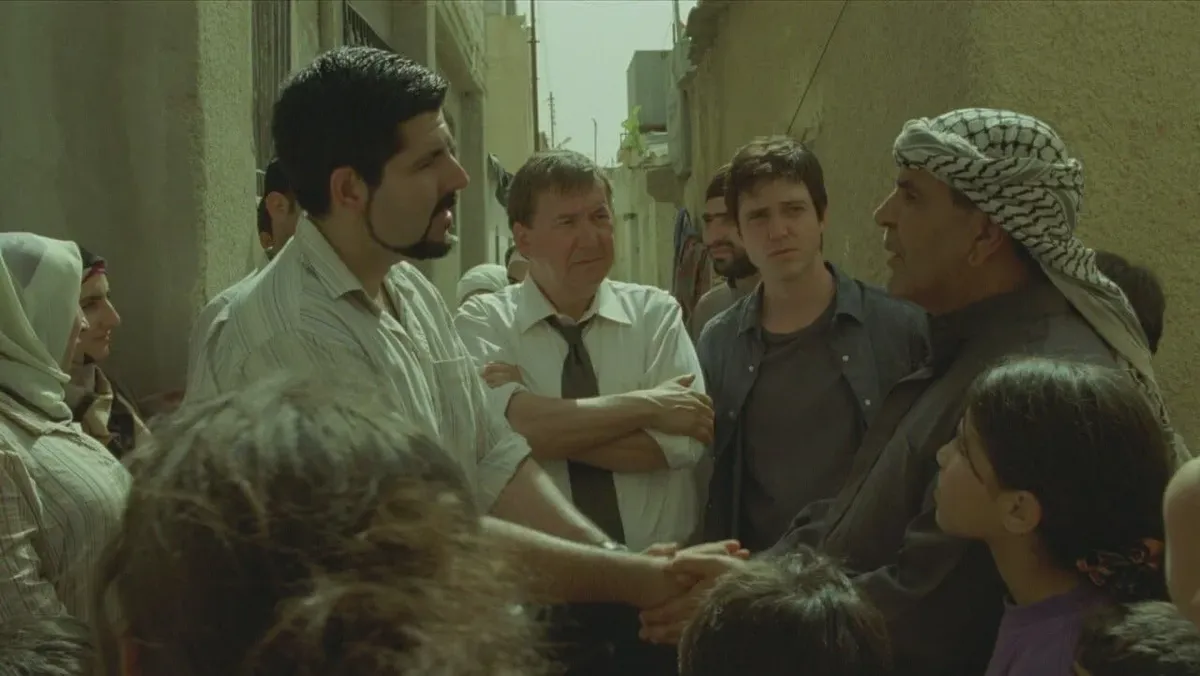
Denis Villenev learned about the “fires” by chance: in the Montreal Theater, the director fell on the production of the Canadian-Livanese author about the family, separated during the war in the Middle East. Three and a half hours of the performance caused a shock in Villenev. The director rewrote the play for the film for several years, coordinating changes with the playwright, and in the end received an author's blessing. In his interview, Villenev emphasizes that he does not understand the Middle Eastern conflicts, Muslim and Christian culture and acts rather as an outsider, as well as the main characters of “fires” who have lived in Canada all their lives. Most Villeneva in the play attracted ancient tragedy. Despite the fact that the prototype of the main character was the Lebanese political prisoner Sukha Bochar, many events in the film adaptation are fictitious or exaggerated for the dramatic effect.
The playwright mainly wrote about the civil war in Lebanon, which lasted 15 years - from 1975 to 1990, but Villenev, working on the film adaptation, decided not to specifically indicate a specific country in the film in order to emphasize the versatility of the consequences of the civil war and its influence on the fate of women. And although there were actually no events shown in the film, in the times of lawlessness and mass crimes anything can happen-perhaps some stories of the 15th war of war were simply not heard anyone.
“Fires” begin with the song by Radiohead “You and Whoose Army?”, Where the line sounds: “You forget everything so easily.” Villeneva in “Fires” is interested in how ideology replaces personal memory and vice versa, while circumstances are forced to adapt and choose a new person for survival. Not formally forgetting anything, the main character Naval really gradually loses part of her identity: if you remember everything that she had to survive, she will not be able to keep her mind. That is why in the zones of military conflicts historical and ideological myths constantly alternate with family stories of suffering and oppression, and countries and peoples of generations live in a vicious circle of anger, adapting to new governments, borders and regimes.
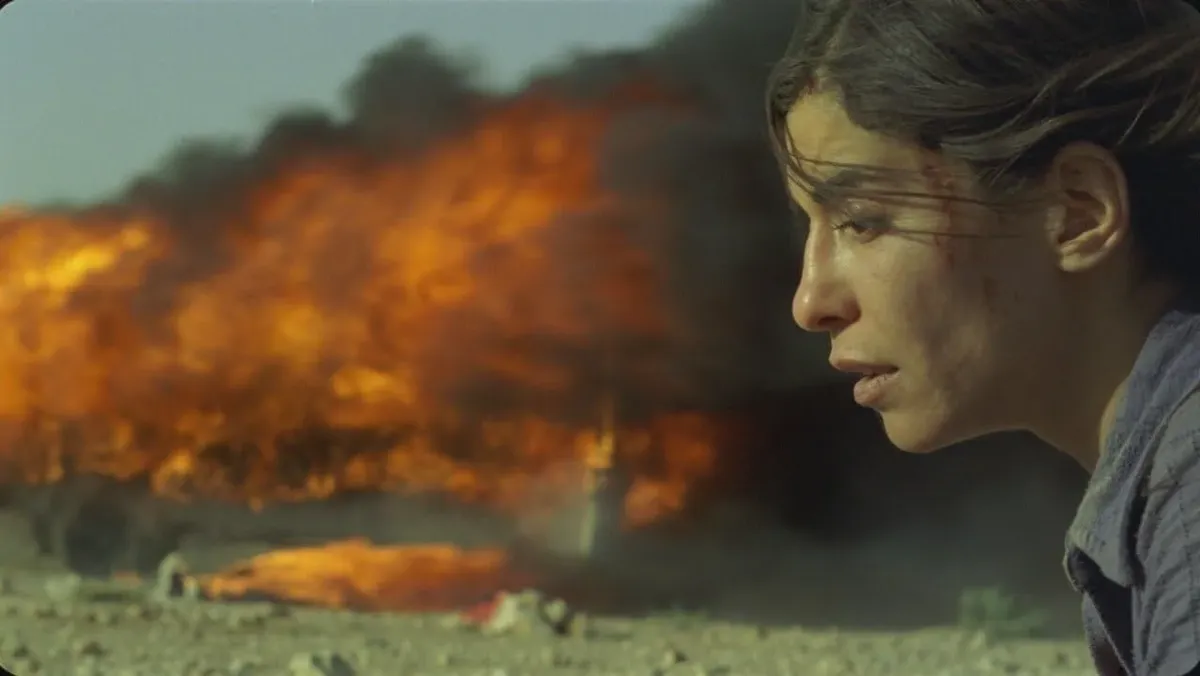
“If the notaries existed during the time of Noah, there would have been nothing,” Canadian notaries joke in “fires”, being in the Middle East.
Territorial disputes, religious conflicts and migration of peoples led not only to the unsteady borders, but also to the blur of identity,
And that means responsibility. Hundreds of peoples lived and fought in the Old Testament places: references to history and restoration of justice are one of the frequent justification of endless wars. It seems that if the notaries were under the same, they would have managed to fake documents and archives a hundred times in order to legitimize new political systems.
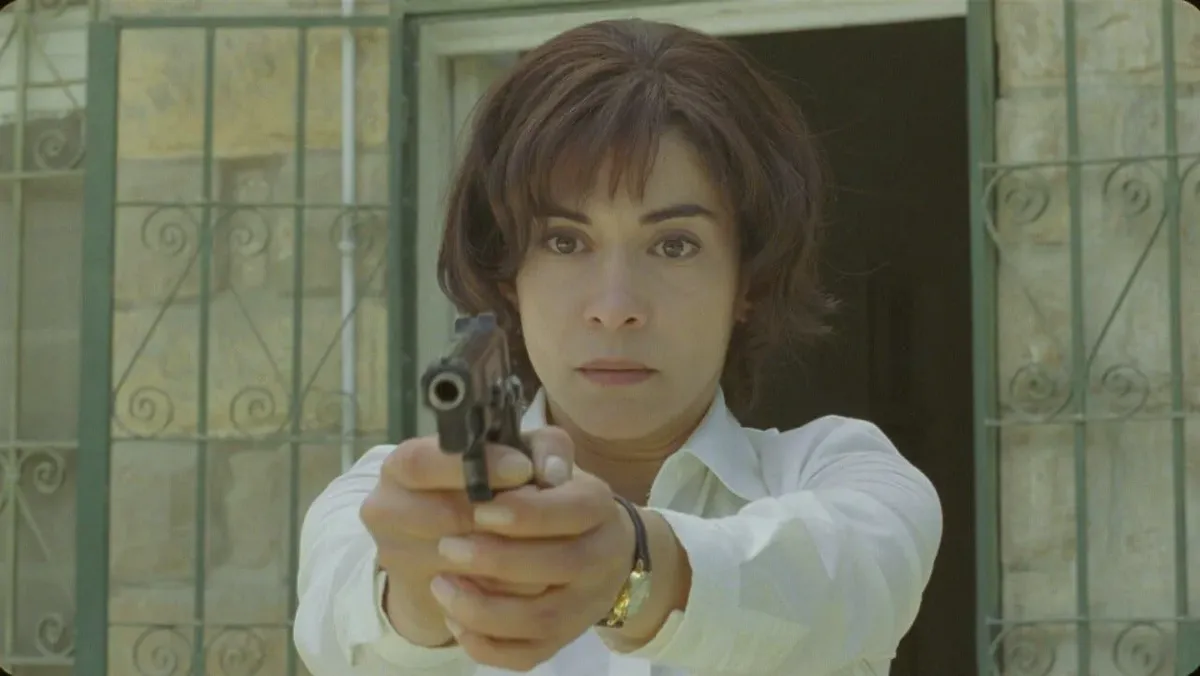
Many heroes of “fires” (like the main character Naval Marwan, who did not share the events of youth with children) consciously choose not to remember. The head of the rural school does not remember that he was an overseer in a prison -famous prison known to the whole world. The vehicle cleaner in Canada does not remember how he grew up in the Middle East. Doctors who worked in prison are drunk to forget what their tasks were. Dear elderly, a man does not remember how he brought up adolescents-beviks. Residents of the village do not want to remember a neighbor who brought a shame on her relatives.
For attempts to recall fate punishes terrible knowledge. Sometimes life gives us absurd equations with an unpredictable result: for example, that one plus one is equal to one. And the most expensive that happened in your life can give rise to the most terrible if the memory is accidentally or intentionally lost. Blood ties are not only kinship, but also spilled blood.