
Translated material
As simple as possible
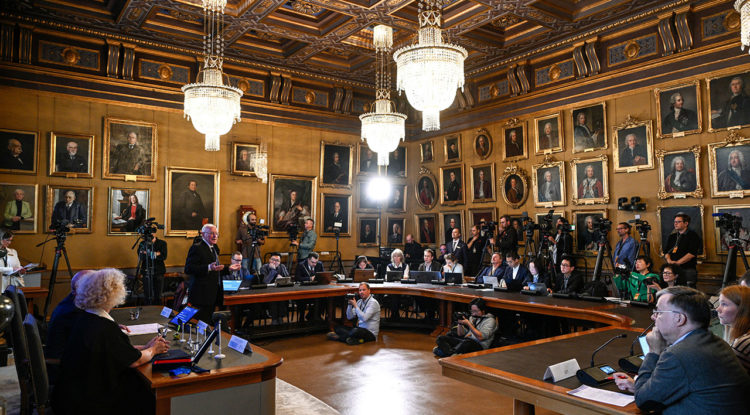
We explain why they gave the Nobel Prize for Medicine, Chemistry and Physics
This week they announced the Nobel Prize winners of 2023. Prizes for natural sciences were given for discoveries related to the modification of nucleosides, which made it possible to develop an effective MRNA vaccine from Covid-19 (medicine), for an experimental method that allows you to create attestseed light impulses (physics) and the opening and synthesis of quantum points (chemistry). We explain what kind of discoveries these are and why they are so important.
In order not to miss the main materials of the "cold", subscribe to our Instagram and telegram .
Medicine: MRNC-vaccine
Katalin Kariko and Drew Weisman were awarded for discoveries associated with the modification of nucleosides, which made it possible to develop an effective MRNA vaccine from Covid-19.

It seems that the Nobel Committee decided to give a prize for something relevant-for the Kovid vaccine. But this is not entirely true: it is not so much about a tool from a specific disease, but about a fundamentally new method of therapy, a special case of which is a vaccine from different infections.
The vaccine is a way to introduce a person’s immune system in advance, in controlled and safe conditions, so that in the case when a person meets with a “wild” pathogen, immunity, immunity could have crushed the enemy at an early stage .
The first vaccines were based on the use of killed or weakened viruses, but this method was both complex and rather risky. A lively, although weakened virus could provoke serious complications, and the dead could not always form long -term immunity. Thanks to the progress of biotechnologies, as the basis for the vaccine, not entire viruses began to be used, but their individual fragments and proteins that caused an immune reaction, led to the appearance of antibodies in the body, but could not be uncontrolled.
In recent years, vector vaccines have begun to be widely developed, based on the use of harmless carrier viruses that do not cause severe infections-vectors. Methods of genetic engineering in the gene of vectors (usually used adenoviruses), the genes responsible for the production of protein, the virus from which we want to create protection are built. Viruses infect human cells, and cells begin to produce viral protein. The immune system “gets acquainted” with this protein, produces antibodies, and so immune protection is formed.
The current laureates found a way to do without the production of weakened viruses, their proteins or the vectors “charged” by the viral genome. The MRNC-vaccine created by them allows you to “train” the immune system, using only the “instructions” on the synthesis of the viral protein.
The program according to which our cells produce protein molecules is recorded in DNA molecules. However, the “builders” do not look directly into this drawing, for this they have “working copies” - matrix, or informational, RNA (MRNA). These molecules are reflection of the desired DNA section by which protein molecules are collected. MRNA is “printed” by DNA in the nucleus, then they go out into the cytoplasm, and protein molecules are made there.
Hungarian scientist Katalin Kariko hoped that MRNA could become a good basis for genetic therapy. If for treatment it is necessary to force human cells to produce the necessary proteins, then you can not try to modify them with the genome, that is, DNA molecules in the nucleus (which is difficult and risky). You can simply introduce the necessary MRNA into the cells, which by that time were already able to synthesize artificially.
But the experiments showed that for some reason the MRNA molecule caused severe inflammation in the body of experimental animals, and the case was stalled-the University of Pennsylvania, where Carico worked, did not want to finance further experiments.
However, fortunately, Kariko met Drew Weisman from the United States, who worked on HIV vaccine and studied dendritic cells - a variety of leukocytes that are necessary for the formation of an immune response. These cells are continuously absorbed and recognized by pathogens, and then they “teach” the cells of long-term immunity-T cells-“presenting” antigens to them.
Kariko and Weissman decided to check whether it was possible to crank all this chain in the test tube. They took mouse dendritic cells, “fed” the artificially synthesized pathogen mRNA, then planted T cells to them, and then returned them in mice. And everything turned out: T-cells really studied. However, it turned out that synthetic MRNI forced dendritic cells to produce pro -inflammatory proteins. At the same time, this did not happen with the “natural” MRNK. There was one step left: to understand that it is in artificial molecules that MRNA provokes inflammation.
And Kariko and Weisman found the answer to this question. The fact is that cells often modify MRNA, adding to its elements -nitrogenous bases -various “tags”, for example, methyl groups -CH3. Kariko and Weissman conducted a series of experiments to find out which of the natural MRNA cause the smallest inflammatory response in dendritic cells, and found a modification that completely excluded it. It turned out that only one mark is enough - pseudo -Uridine . Artificially synthesized MRNA with such a mark not only did not cause an inflammatory response, but also produced more protein.
This discovery, published in 2005, paved the way for the medical use of MRNA. By 2010, several companies were developed by MRNC-vaccines from the ZIK virus, from Middle Eastern coronavirus disease (Mers), a close relative of Covid-19. With the beginning of the Pandemia, Biontech and Moderna have developed MRNC-vaccines, the effectiveness of which reached 95 percent.
But the possibilities of MRNC-technology are not limited only to vaccines-in the future, they will allow you to create new genotherapeutic drugs, as well as treat some types of cancer.
Physics: Attosecond laser
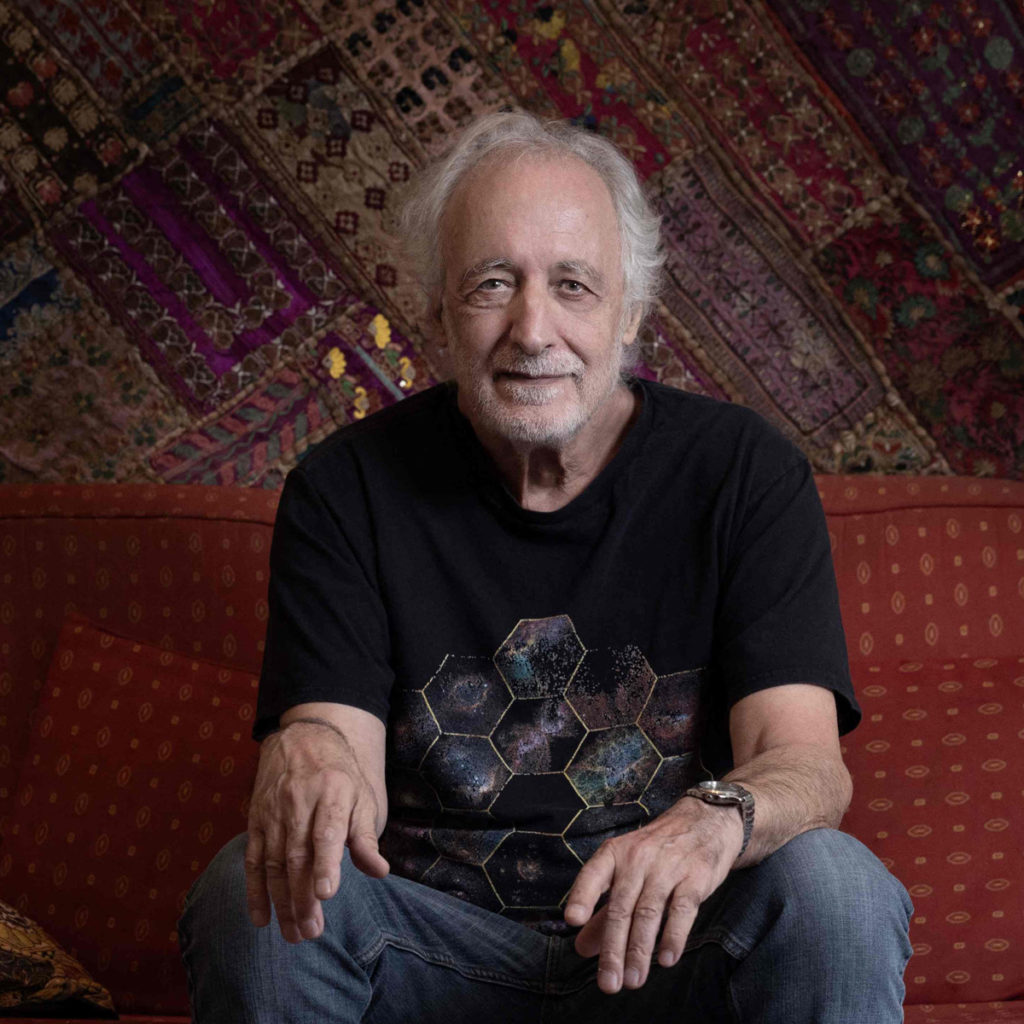
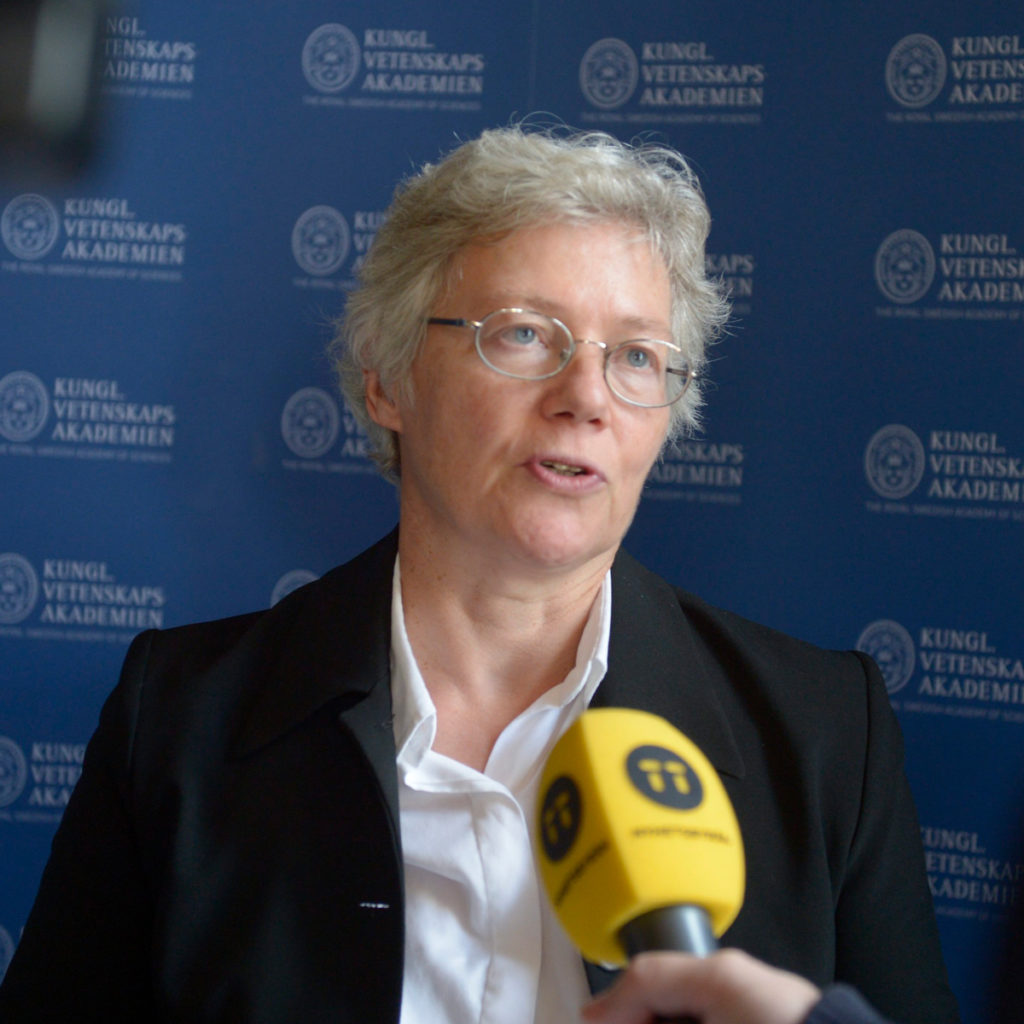
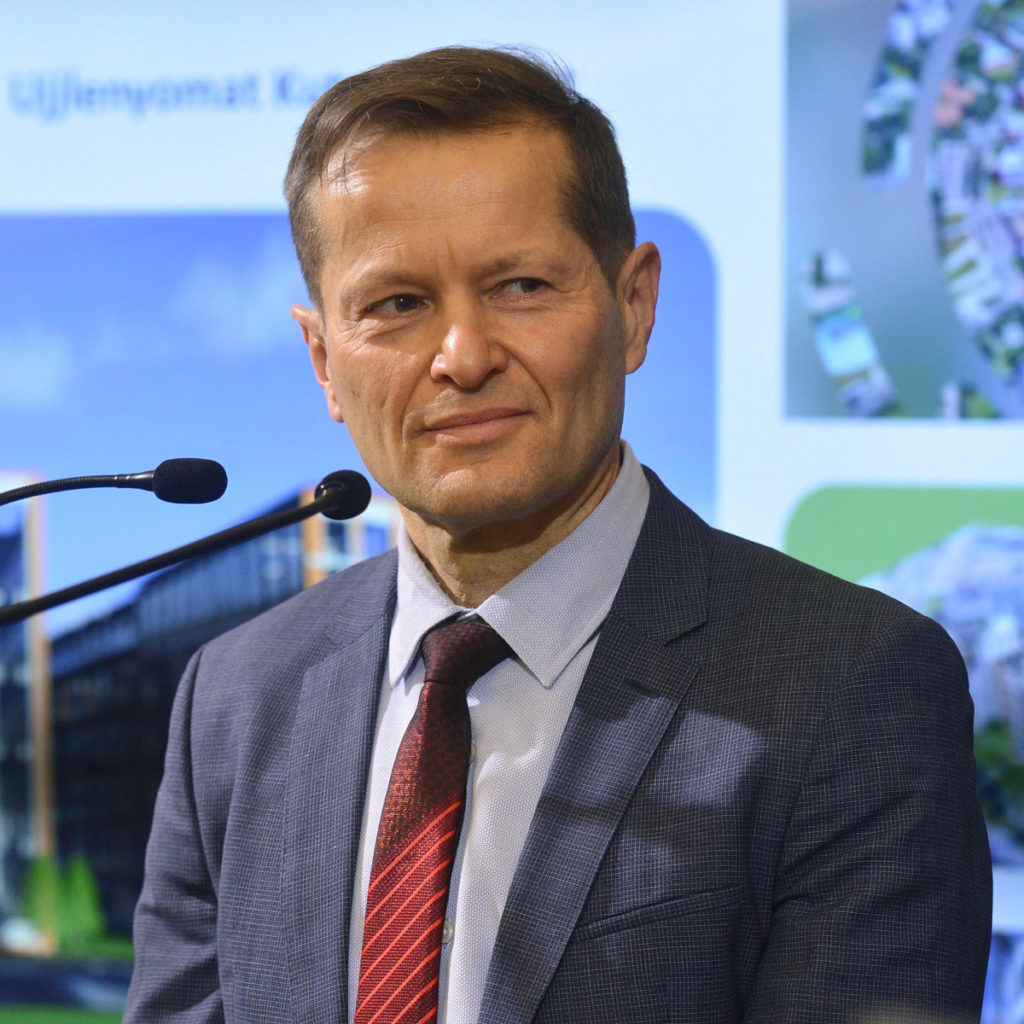
Awarded by Pierre Agostini, Ferenc Krouse and Ann L'yuilier for an “ experimental method that allows you to create attic pulses of light to study the dynamics of electrons in matter ” .
We are spoiled by automatic cameras, so not everyone can remember what “endurance” is. And this - if we say simply - a period of time during which the camera looks at the world. If she looks for a long time, say, a second, then a moving car in the picture will be greased. The faster the process we want to see in the details, the shorter there should be an endurance. For example, in order to consider the flight of bullets well, you need to remove at a speed of about a million frames per second, that is, the excerpt should be in one million fraction of a second, and one frame must be done by the microsecond.
This year’s prize laureates have found a way to see the processes that attosekounds last, that is, 10 -18 seconds (one quintillion of a second, or 0.000000000000,0001 seconds). The fastest objects in the universe - photons - during this time manage to move only to the fractions of Nanometer. If we managed to make an excerpt so short, we could monitor the movements of electrons and chemical reactions.
The mechanical shutter of the camera is not suitable here, but the features of the interaction of light and substance can help. Ann L'uilier took the first step towards Attosecond: she investigated the laws of non -linear optics, namely, the interaction of light with the atoms of noble gases. In 1987, she and colleagues studied how Argon atoms react to infrared radiation of high power, and found that as a result there were additional harmonics - or overtones. This term in optics has the same meaning as in music. The oscillating string, in addition to the main tone with a wavelength corresponding to the length of the string itself, can create additional tones, the wavelengths of which are laid a number of times in the length of the wave of the main tone.
Ann L'uilier found out that additional harmonics emit the electrons of the Argon atoms: under the influence of radiation, the electrical fields of atoms are deformed, the electrons are “jumped out” from the atom for a short time, receive additional energy, and then re -expand it, falling back. As a result, an extremely short outbreak of ultraviolet radiation occurs.
Now it was necessary to learn how to separate one such ultra -short impulse from others and initial infrared radiation. This was done independently of two laureates of this year: Pierre Agostini in Paris and Ferenz Kraus in Vienna. In 2001, Agostini and his colleagues were able to create a train from consecutive impulses on the experimental installation, each of which lasted only 250 Attoseconds. In the same year, Ferenz Kraus in his laboratory learned to separate a single impulse of 650 atticuts from the “train”.
So physicists have a tool for the study of the fastest processes in nature - the movement of electrons, which will, in particular, to explore and better understand the processes in molecules and crystals. And this, in turn, will find a variety of applications - from the study of thermonuclear reactions to medical diagnosis.
Chemistry: quantum points
The Moongi Bavengdi, Luis Bruce and a researcher of Russian descent Alexei Ekimov for the "opening and synthesis of quantum points" was awarded .


The chemistry premium this year was awarded to physicists for opening, which is more likely to be a solid physics - for quantum points. Speaking as simplified as possible, nanoparticles are called quantum points, the color of which (and, accordingly, the length of the wave of light that they can radiate) does not depend on their chemical composition, but on the size. If the nanocrystal is slightly larger, then the length of the wave of light is larger (red), if smaller, then the radiation moves into the short -wave (blue) side. True, this works only if the size of the nanoparticles is comparable to the wavelength.
This dependence is called a quantum dimensional effect, and it was predicted in the first half of the 20th century: it followed from the equations of quantum mechanics that if the size of the object is compared with an electron wavelength (elementary particles can behave both as a wave and a particle, so the electron has a wavelength), then the objects of the object depend on the size.
Amazing properties of quantum points are a special case of a quantum size effect. In 1981, the Soviet physicist Alexei Ekimov and his colleague Alexei Onushchenko discovered them for the first time. Being employees of the Vavilov State Optical Institute, they investigated glasses with the addition of copper chloride and found that cupriral nanocrystals are formed in the glass - moreover, the amount of light energy that they absorb depending on their size.
Luis Bruce, the second laureate, after two years, found the same effect in colloidal solutions-that is, for nanoparticles floating in the liquid, and his student Munga Bavengi in the early 1990s was able to choose the desired combination of solvents and the temperature regime to receive nanocrystals of exactly the right size and with the necessary properties.
Quantum points are used today for the production of computer monitors and TV screens, for flexible displays and electronic devices, for diagnosing tumors and for many other purposes.