
Translated material
Mother - in Syria, daughter - in a colony
The desire of a resident of Saratov to help her mother - transfer a pension - turned into a prison term in the case of "financing terrorism"
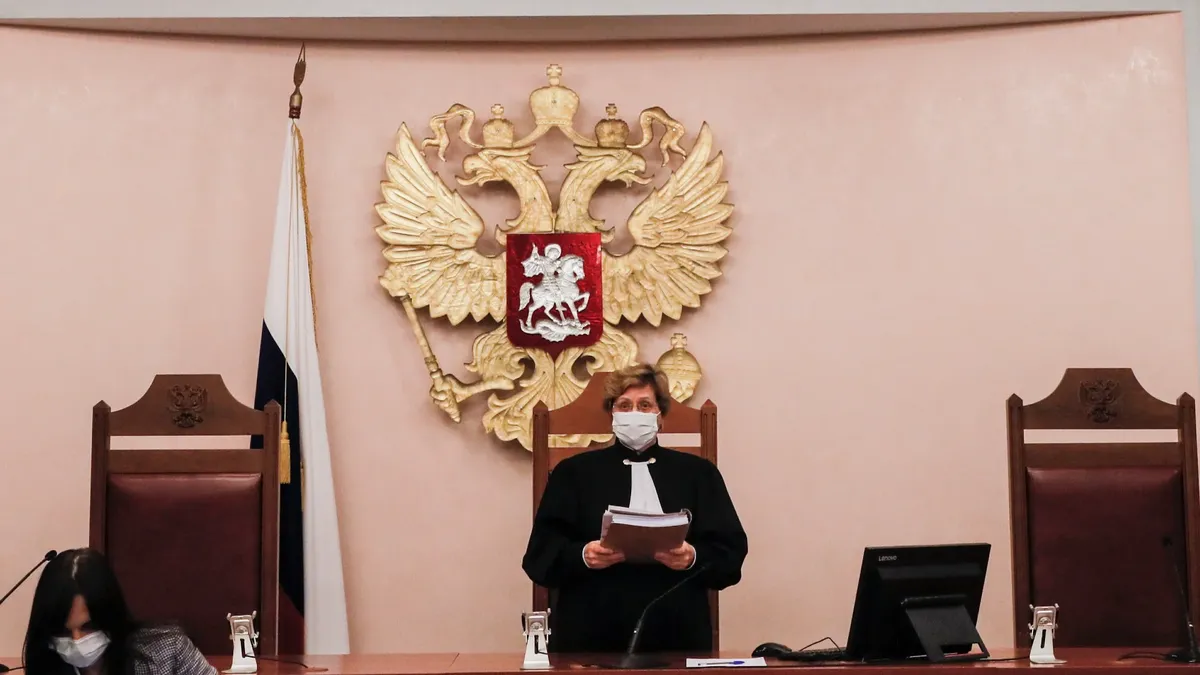
Photo: EPA-EFE / Yuri Kochetkov
In 2021, a court in Saratov sentenced a local resident of Gulchekhr Reshetnikov to 10 years in a colony on charges of financing an illegal armed formation (NVF) due to the transfer of a mother’s pension to Syria. Russian special services considered that these funds went to the activities of a terrorist organization. The convict did not admit guilt and claims that she transferred funds from the mother’s pension account to her personal needs. Reshetnikova’s defense filed a complaint with the Supreme Court of the Russian Federation against the verdict and demands to fully justify it, since there is no corpus delicti in the actions of the client. In their opinion, the court ignored the argument that a one -time transfer of his own funds could not be recognized as the financing of the armed formation.
Pension for "Uzbek jamaat"?
52-year-old Gulchera Reshetnikova was born in Uzbekistan, but for a long time her family lived in Kyiv. After the collapse of the USSR, Reshetnikov and her husband and daughters moved to Russia. And in 2015, the mother of Gulchekhra, 63-year-old at that time, a resident of Ukraine and a Russian citizen Tatyana Boltaeva left with her sons in Syria to help with the upbringing of grandchildren. Then Gulchehhra was already living in Saratov and her family had her own business for the sale of packaging materials.
All this time, while Boltaeva lived in Ukraine, her daughter Gulchera listed her mother’s pension from Russia. There were no problems. However, in 2018, the security forces became interested in one transaction when the pensioner was already in Syria.
Reshetnikova transferred to her mother $ 800. The money first entered the account in Istanbul, and then they should have been transferred to their mother.
According to the FSB, in December 2015, 63-year-old Boltaeva allegedly joined the Uzbek Jamaata, who participated in the hostilities against the army of Bashar al-Assad as part of the Islamic State terrorist organization. According to the investigation, in June 2018, Reshetnikova received her pension by proxy. She transferred part of the money for her mother in the name of the intermediary, a citizen of Uzbekistan Saidkamolkhon Honhuzhaev (Saidkamolkhon Khonhujaev). According to the verdict, the money was received by the “person who presented documents in the name of Khonhujaev Saidkamolkhon in Istanbul,“ and subsequently transferred to members of the above NVF. ”
After a couple of months, the security forces searched Reshetnikova. During interrogations, investigators sought a recognition from a woman that her mother was involved in a terrorist organization. But they did not receive the necessary evidence then.
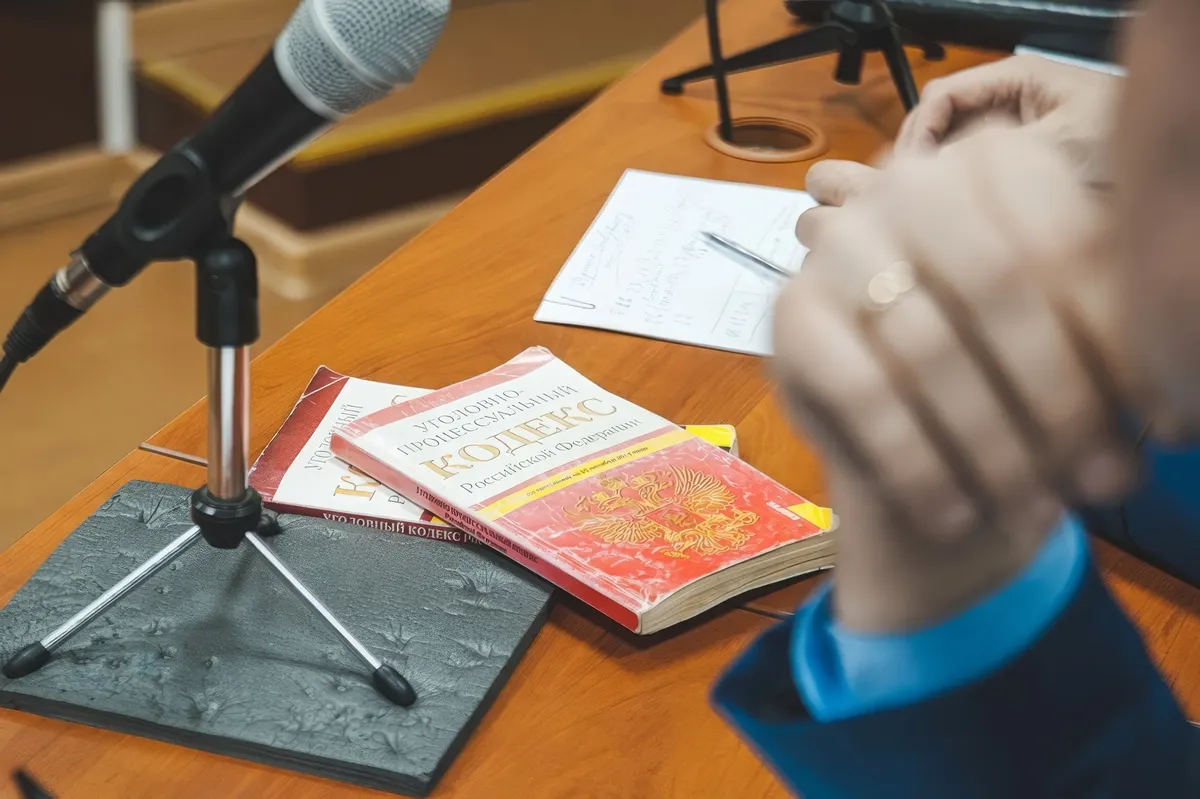
“It all started in August 2018, they came for her and took it to their interrogation. At all interrogations, they kept 8–9 hours. It was said that it is better to immediately admit that your mother is engaged in terrorism and you sponsor everything. Although she had a power of attorney to receive a pension, and in correspondence her grandmother asked her to send money for firewood and something else. They said, “we can deprive you of citizenship”, put her on a polygraph, two or three times came to her with a search, three times took all phones from us for six months, ” said the project“ Support for Political Economics. Memorial »Daughter of Gulchekhra Alisa Sirodzhova.
In 2019, law enforcement officers put Boltaev on the wanted list on charges of participating in illegal armed formation. On October 14 of the same year, it was included in the register of Rosfinmonitoring - in the list of persons in respect of whom there is information about their involvement in terrorism. Since Boltaeva herself lived outside Russia, FSB investigators continued to interrogate Reshetnikov, and at the same time they charged her under the article in the assistance of terrorist activities (under part 1.1 of article 205.1 of the Criminal Code of the Russian Federation).
According to Sirodzhova, the detention of the mother was revenge for a complaint about these interrogations:
“They constantly forced their mother to admit what she did not do, and in October 2019 we sent a complaint [the head of the Investigative Committee of the Russian Federation] Bastrykin. In April 2020, an unsubscription from the military department of the SK of the Saratov garrison came, and in August it was detained. ”
During the investigation, Reshetnikov was placed under house arrest. The next day, August 28, 2020, Gulchehhra also appeared in the list of Rosephinmonitoring. While the investigation was underway, the charges against it were retrained to the article “Financing of an armed formation not provided for by federal law” (part 1 of article 208 of the Criminal Code of the Russian Federation). The investigation was conducted by the senior investigator of the Federal Security Service of Russia in the Saratov Region Senior Lieutenant of Justice Barlamov S. S.
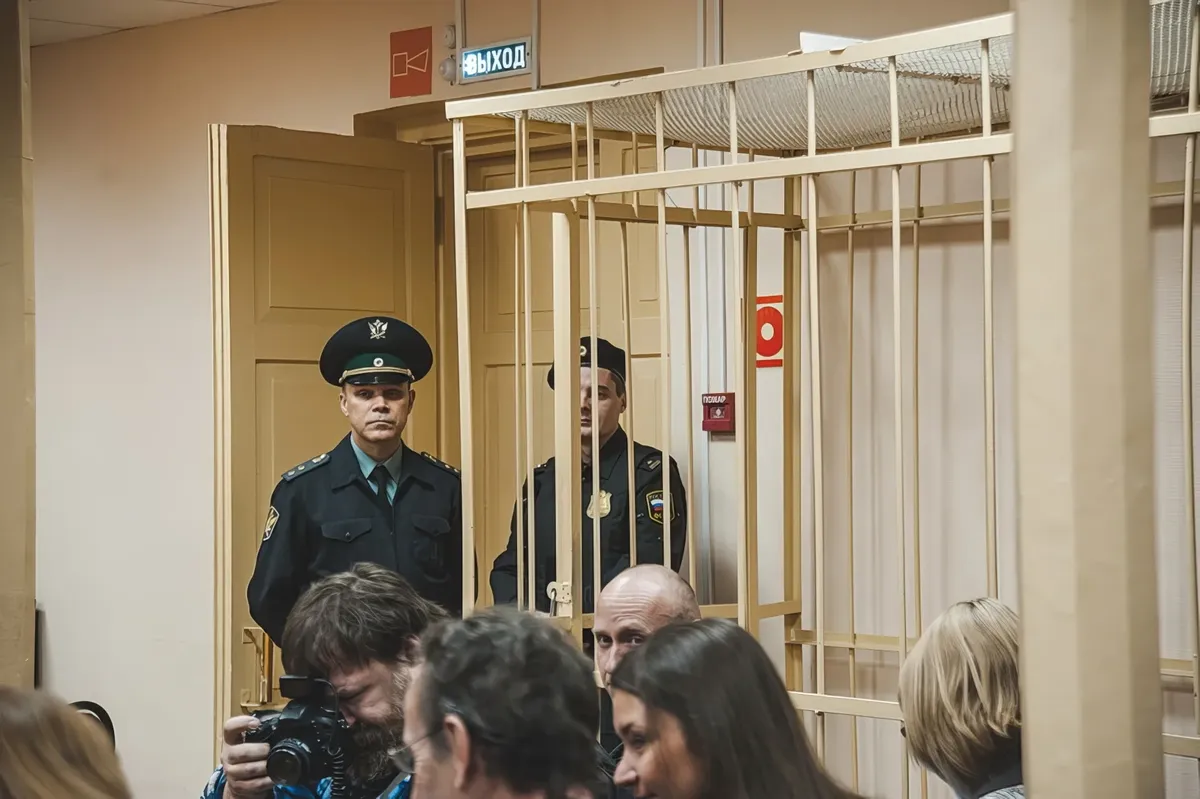
In June 2021, the case was received by the Leninsky District Court of Saratov. The process lasted four months. The Reshetnikova family to the last believed that the court would figure it out and would be released. But judge Andrei Efimov sentenced Gulchekhr to 10 years in a penal colony of general regime. The woman was detained in the courtroom. For the family, such a result was a shock. The defense tried to appeal the verdict, but the appeal and cassation instances left the final decision in force. At the moment, Reshetnikova is serving a sentence in IK-5 in Volsk, the Saratov region.
Sentenced to help their relatives
This is far from the first criminal case when they are pursued for transferring money to Syria. In 2020, the pensioner from the Rostov region, Vera Andreev, was sentenced to eight years in the colony, found guilty of financing terrorism. Andreeva transferred money to her granddaughter to Syria - she insisted that money was needed to return home.
On a similar charges of July 2022, a military court in St. Petersburg appointed pensioner Marina Komar eight years of colony. She transferred the money to her daughter and five grandchildren kept in a prisoner of prisoners of war in Syria. The pensioner’s lawyer asked to justify the mosquito, since in the case there was not a single evidence that her daughter spent the money sent not on household needs, but on weapons and uniforms of militants.
As reported by Fontanka, the daughter of Marina Komar with her first husband and three children left for Syria in 2014. There the woman gave birth to two more children and widowed twice.
After the defeat of IG in early 2019, she and five children ended up in the Kurdish camp for prisoners of war al-Hol. Mosquito transferred money to her daughter since 2016, including children's benefits for her grandchildren that she received in St. Petersburg by proxy.
The pensioner did not hide her actions from the state, but, on the contrary, retained checks and for years tried to ensure that Russia evacuated prisoners of war from the camp and returned at least grandchildren to her hometown. But unsuccessfully; And as a result, she herself ended up.
Pension Fund NVF
At the trial, Reshetnikova’s lawyers insisted that the investigation just presented irrefutable evidence that on June 25, 2018, their client transferred the money from the Boltaeva pension account. Thus, Reshetnikova did not finance anything at her own expense, but transferred other people's money to the authorized person. Even if we assume that the money went for criminal goals, the responsibility for this cannot lie on Reshetnikova, who only fulfilled the will of the actual owner of the funds. If we assume that the crime was committed by all participants in the chain of transferring the incriminated amount, then, according to this logic, the charges of financing the NVF need to be brought to the Pension Fund of the Russian Federation.
Moreover, the sane transaction occurred at a time when Boltaeva was not prosecuted, and it was announced only in 2019 on the wanted list. Moreover, as follows from the case file, no specific data on the criminal activity of Boltaeva, except for the assumption that she lived in the area of the Syrian-Turkish border in the Uzbek Jamaat, does not have the FSB.
“Civil control over this kind of persecution is minimal, special services are able to repeatedly overestimate the revealing indicators, thus proving their own usefulness, manipulate ideas about the terrorist threat, and replace the real anti -terrorist struggle of its imitation. The “disclosure” of serial affairs about “Islamic terrorism” is now extremely simplified, and minimal efforts are required to achieve “high results” (dozens of arrested and convicted). Among these cases, a significant share is constituting cases of financing terrorism, based on an unverified interpretation of small private payments as consciously aimed at financing terrorism, ”the human rights activists from the Memorial are sure.
Now Reshetnikova’s lawyers have appealed to the highest court with a complaint and demand to cancel the sentence. “The criminal law in relation to Reshetnikova is applied by analogy through its expanding and arbitrary interpretation, namely, it is extended to actions that are not forbidden to them. The criminal law (Article 208 of the Criminal Code) provides for the financing of only armed formation (association, detachment, squads or other groups), not provided for by federal law, that is, the formation that operates in Russia. Financing of an armed formation operating in the territory of a foreign state, not provided for by the legislation of this state, in order to contradict the interests of Russia, is not a criminal act. Namely, this was imputed by Reshetnikova, ”is indicated in the text of the cassation appeal.
Lawyers believe that there is no corpus delicti in the actions of their client, since a one -time transfer to a person of his own funds at his request cannot be recognized as the financing of a terrorist organization.