
Translated material
Oleg Orlov was fined 150 thousand rubles in the case of "discrediting"
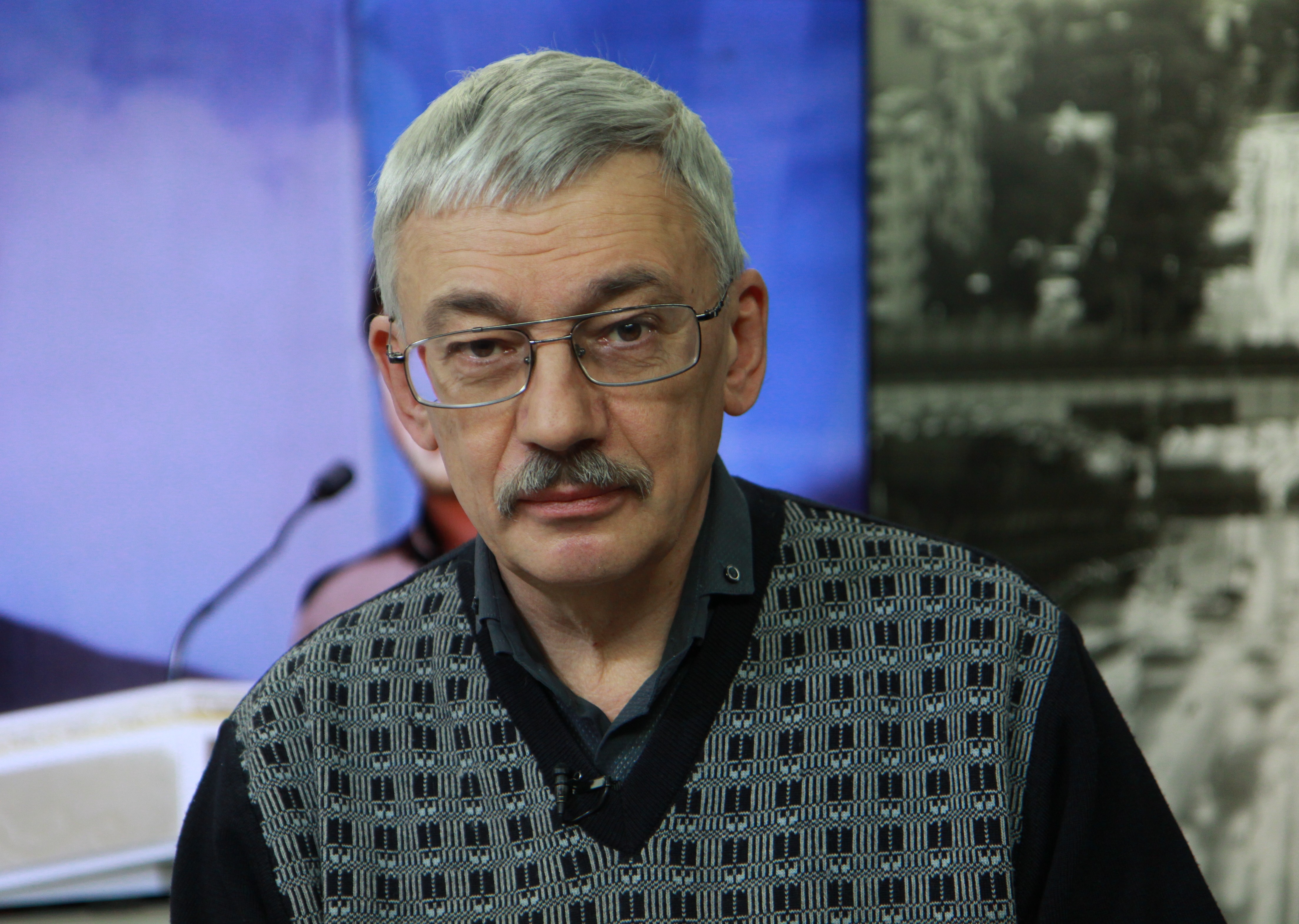
The court in Moscow sentenced the human rights activist and co -chair of the Memorial Oleg Orlov in the criminal case of a repeated “discredit” of the army for a fine of 150 thousand rubles. This was reported in the telegram channel of the Center "Memorial".
The accusation required Orlov to be sentenced to a fine of 250 thousand rubles. At a meeting on October 11, the prosecutor Svetlana Kildisheva demanded to send Oleg Orlov to a forensic psychiatric examination. She stated that she was observing the human rights activist "a heightened sense of justice and the lack of self -preservation instinct." The judge refused to satisfy the requirement.
The prosecutor also indicated that the 70-year-old human rights activist, due to age, could begin “changes in the vessels of the brain”, she considered her age a mitigating circumstance in the case. The public defender of Orlov Nobel laureate Dmitry Muratov noted that the state prosecutor is not an ultrasound or computed tomography specialist and cannot know about the state of the vessels of the accused.
The "heightened sense of justice" in Soviet times was often indicated by one of the symptoms when making psychiatric diagnoses to dissidents and opposition. In 1977, the World Psychiatric Association adopted a declaration condemning the use of psychiatry in the USSR for the purposes of political repression.
As the Agency notes , the prosecutor’s demand to send Orlov to a psychiatric examination is the first case from the time of the USSR, when the instruments of “punitive psychiatry” tried to apply to the famous human rights activist.
- Oleg Orlov was accused of "re -discredit" of the Russian army. The reason was his article for the French edition of Mediapart, rebuilt on Facebook. According to the investigation, in the text of the Russian military, they are characterized as "criminal, fascist, related to the murder of civilians and the destruction of civil infrastructure."
- An article on the discrediting of the Russian army was added to the Russian Criminal Code after the invasion of Ukraine and is usually used to persecute anti -war activists.