Date
Author
Надежда Юрова, Татьяна Ковтун, Кирилл Фокин
Source

Preserved copy
Translated material
"After the war, these books will still read in schools"
Freedom Letters founder Georgy Urushadze-about how to publish 80 books in a part-time year, how to take the symbols of V and Z from the Patriots and why it was necessary to conduct chandeliers in the early 90s
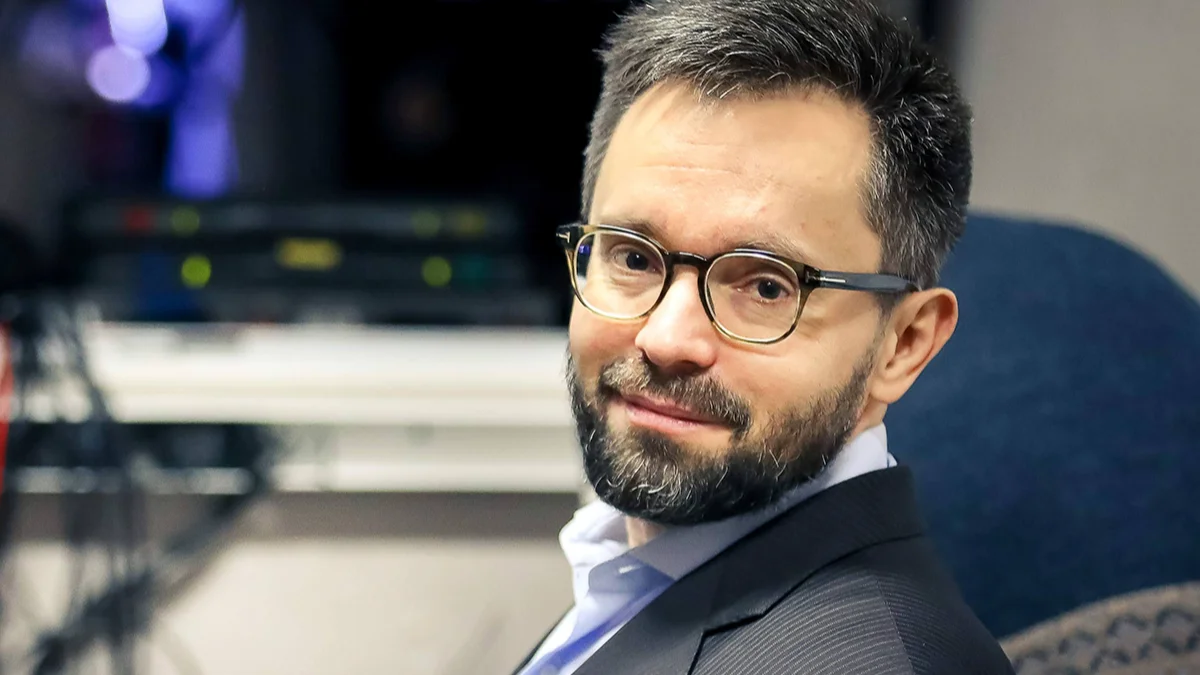
George Urushadze. Photo: Svklimkin / Wikipedia (CC by-SA 4.0)
Freedom letters, independent of the publishing house, which issues literature, which cannot be released in Russia unanswered, on October 17 marks six months. Over such a short time, FL has already become one of the main newsmakers of the literary world and the enemies of Rospropaganda-from the publication of books in Ukrainian and the publication of the Quir-Roman "Springfield" to the "portrait against the background of the nation" of Vladimir Zelensky, entitled "VZ", which was written by Dmitry Bykov.
Georgy Urushadze, the founder, ideologist and director of the publishing house, is a sign figure in the literary life of Russia. In the 90s, he worked as a journalist and producer on St. Petersburg TV, later at the Palmyra Publishing House published Alexei Ivanov and the future (at that time) of the Nobel laureate Svetlana Aleksievich. From 2005 to 2022 he was the general director of the Great Book of the Main Literary Prize, but after the start of a full -scale war, he announced his departure and left Russia.
- Tell me for starters, are you in Israel now?
- Yes, now in Israel. I still stay here, although in the long run I do not know where I will live. Here I like everything, especially the solidarity of the people. I would like to stay here longer.
- What are your sensations from the last days?
- It is amazing that people return to the country to protect it. I compare with mobilization in Russia when everyone ran. And this does not speak badly about people. Unfortunately, he speaks badly about today's Russia: no one wants to “protect it”. And in Israel, on the contrary, you need to return and save your house. The support, mutual assistance of people is amazed. In general, I am not used to this, living in Russia or traveling to different countries.
I jumped out at the signal of air alarm into the shelter, and the door of the apartment slammed slammed. While we solved this issue, two hours the whole entrance did not leave me, helped. The old woman carried out an ax: suddenly you will come in handy squeeze the door. Someone brought screwdrivers, someone was ready to climb from another floor through the balcony. Then I found out that there are volunteers who came to unlock the swollen doors.
In general, if someone gets hurt, the whole of Israel will come running, some with the bandage, some with iodine-where else to find such people? And now, of course, people collect help, donate blood and so on.
The nation is mobilized, and in this sense it is calm here. Well, it’s hard to get used to shelling, they are almost every day in my area.
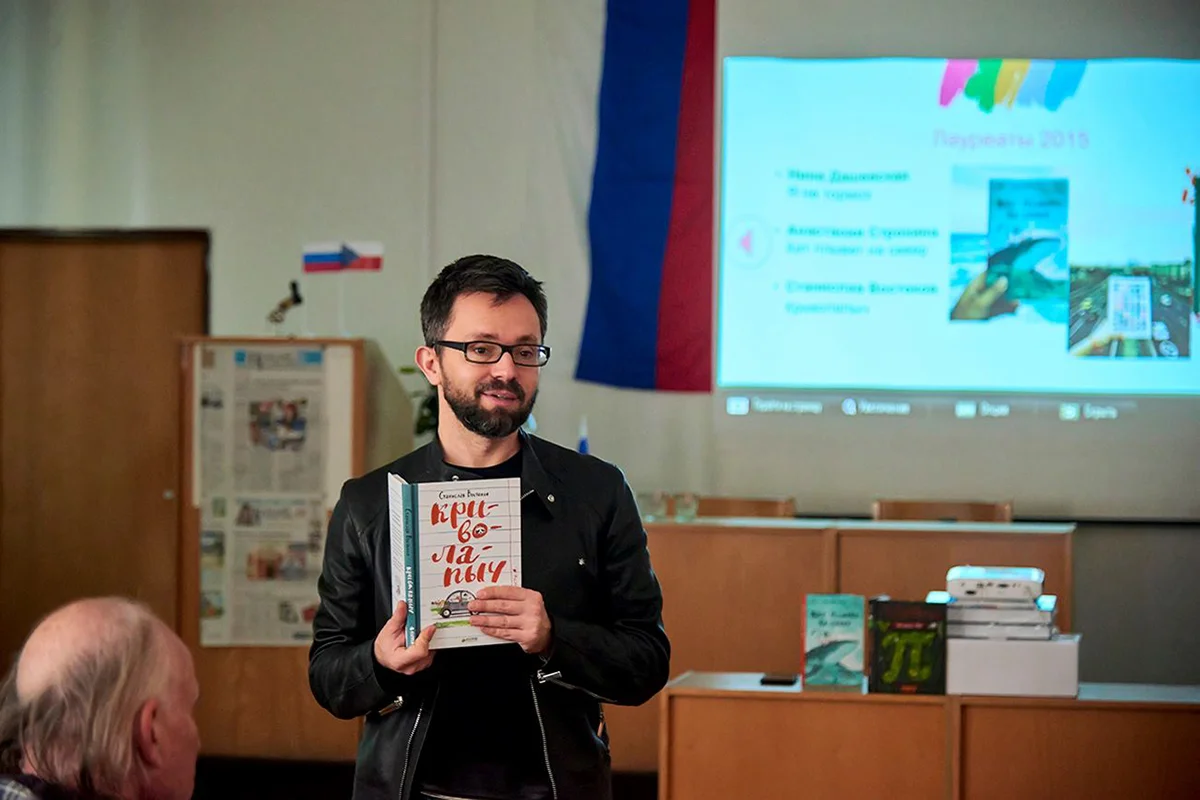
"There are books screaming that they need to be published"
- How did Freedom letters open? How much time was this idea invented, did you open in just two weeks?
- February 24, 2022 I flew to Dubai to congratulate my friend on my birthday. No birthday, of course, did not work out, because I endlessly helped someone with advice, stories how to get a residence permit, how to leave, withdraw money. If I had been paid for this, probably, the publishing house could now issue more books. But it was my volunteer project. Subsequent events showed that I was right when people rushed.
Then I thought about myself and realized that yes, I am an emigrant. I thought about what to do so that it was useful for people. Since one way or another my whole life is connected with the beaks, I realized that it would be right to make a publisher and a literary prize.
I thought about the publishing house last year. But I could not find a business model. Because a book publishing in modern conditions, when there is no distribution within Russia, where most readers live, is a total unprofitable matter. There are twenty dollars in the dollar of revenue for a dollar. This is a matter that requires sponsors and volunteers.
There are no sponsors yet, but there are more than forty volunteers. And thanks to the volunteers, in fact, the publishing house is developing so violently.
In March 2023, I called Vladimir Kharitonov (technical director of Freedom Letters) , suggesting: "Let's make ten books by April 17." He said that I am crazy, that it is impossible so that preparation needs much more time. But I have been swinging for a year! If you do not start now, then we will not start either. In general, he convinced himself and him what could be in time. Of course, I had to strain hard. On April 4, I announced that the publishing house would open in two weeks, and exactly 14 days later we had published our first ten books.
- Tell us how the publishing house works from the inside. After all, people are scattered around the world. How do you manage to coordinate these processes? Who helps with this?
- The publishing house in this sense is “world”, even “worldwide”. Layout can be in one country (Latvia, America), editing in another (Georgia, Australia, etc.), proofreading - in the third (Holland, Israel), coordination of release - in the fourth (Switzerland, Britain), the authors are also around the world. Several printing houses - in the States, Kazakhstan, France, England, Poland. This is such a difficult enterprise, requiring coordination, at least time zones.
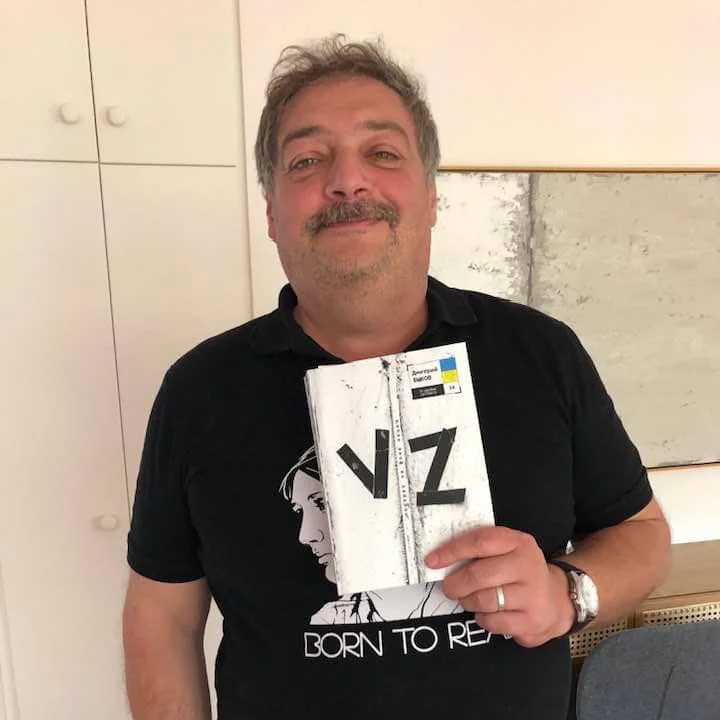
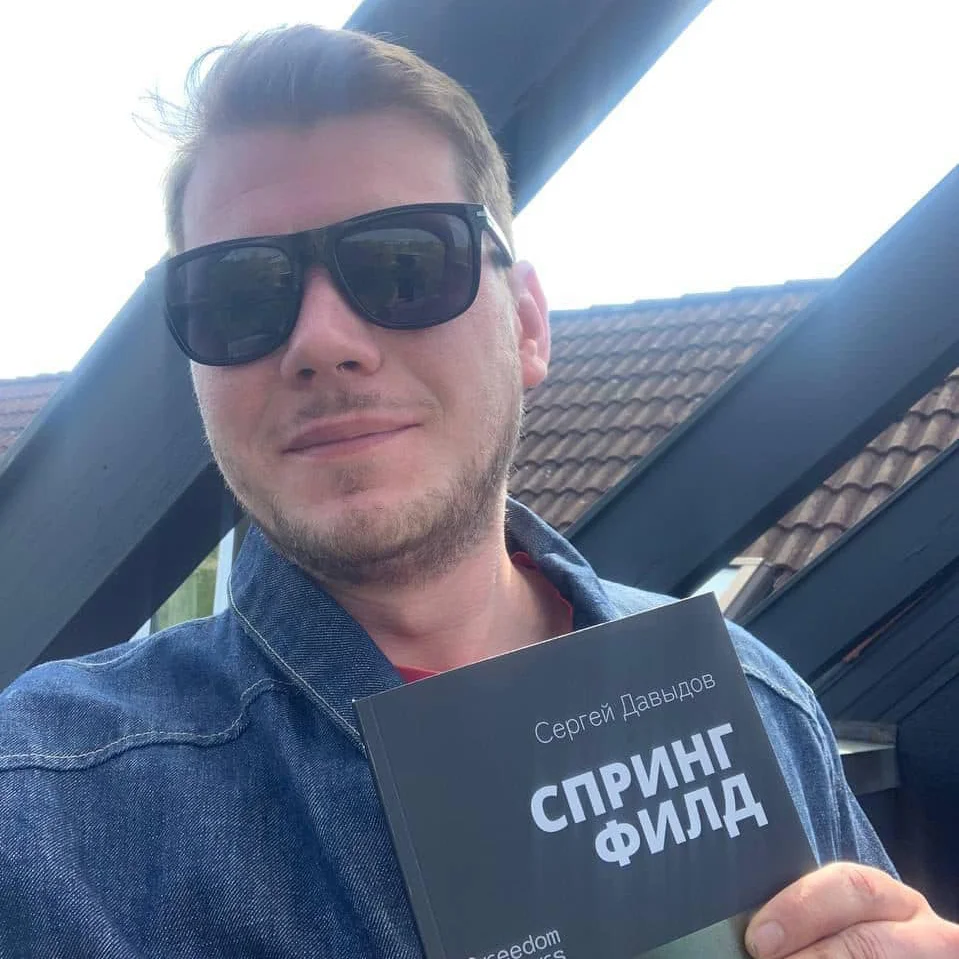
And so, in general, an ordinary publishing house. The book comes, I make a decision. The process is debugged to such an extent that we can turn the manuscript into a finished book in ten days. Especially when it seems to us extremely important here and now. So it was, for example, with the book of Andrei the Brokes “God is +/-” written under bombing in Kharkov. I immediately accepted the manuscript, without changing the word, I sent it to the proof. The book was published immediately in paper and in electronic versions and is available around the world. At the same time, Sergey Davydov, Springfield from afar. Vanya Chekalov’s book “Love” was made in two weeks - the editing was required minimal. And the second edition has already been released in Moscow, with the help of Novaya Gazeta. Bykov’s book “VZ” demanded about three to four weeks. But it is not always possible to observe such terms, sometimes it takes several months, for us it is a long -term construction.
- How does the publication pay off? It is clear that volunteers are volunteers, but how to pay employees at all?
- Volunteers are a very important part of our process. Not even because we are saving. For us, this is such a collective energy. Once I called it even a collective prayer, when people following some common goal invest their strength, time, nerves in this process, it then has a much greater effect than the work of people for money.
I pay everything I need with my money. Not to say that the costs are very large now, but we will apply for sponsorship support. While we do not have a single cover that is drawn for money, there is not a single editor who would work for money.
The authors get laid, the authors are not offended. All the rest work for free, including myself. I am also a volunteer in my publishing house.
There are restrictions, of course: you cannot order translation literature, in a position where there are no volunteers, you have to “appoint myself”, as a result I work for 15-19 hours, and in six months there was not a single day off. But the sea of pleasure.
Publishing labor, in general, is now very ungrateful. To make profit, one, two, three hits must be published. And live on it. But I believe that only hits cannot be printed, there are a lot of books requiring, screaming that they must be published. These are books in Ukrainian, these are books by Ukrainian authors in Russian, these are books about today's situation, these are classic books that can teach the next generation an anti -war look. This is modern poetry, which is almost never a hit. Historical research that we will have, philosophical books ... But it seems to me that it is important to pay attention to the "long tail", and not just the star authors.
-I saw how you wrote on Facebook that you are looking for an editor-volunteer for two books, and immediately Bykov wrote to you in a commentary: “Well, I am. It’s like a joke - I don’t know what kind of author, but his editor has bulls.
- Yes, it turned out cool. Bykov is difficult to strain, he is constantly busy. Nevertheless, I sent him the text.
-Is there any red-policy of the publisher and the person who makes the final decision?
- This man is in front of you. This is a heavy burden for me. I am very reverent to the authors. I hate to refuse, but I have to do it.
We do not have censorship, therefore, for example, there is no chief editor responsible for the “editorial policy”. If the book corresponds to our well -known strategy and, in my opinion, talented, it will be published.
I do not claim that I have some right to decide whether the work is good in a general-alert sense, but as part of the publisher I must decide. In all my previous projects there were an expert council, there were consultants.
When I made my first publishing house, there were editors and external readers. Now I myself read everything. It takes, of course, a lot of time. In addition to what should be talented and powerfully written, I still see why it should be with us. For example, I refused one very good book, I advised me to contact Russian publishers, because it is not necessary to publish it at Freedom Letters. Also a criterion: if the book cannot be published in the Russian Federation, then it is possibly ours. If she can go out in Russia, it is not very clear why it is to publish it with us.
- The publishing house has been working for six months. Are there intermediate results?
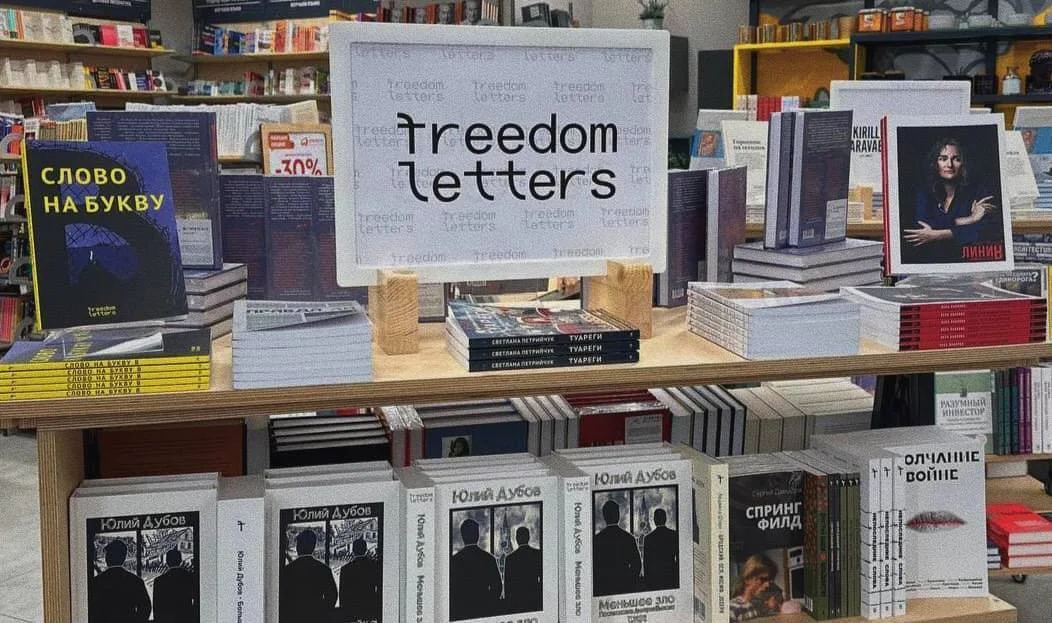
-At first I planned to publish 30 e-books before the end of the year and somewhere in the fall to publish the first on paper. Everything happened unexpectedly for me much faster. 45 electronic and order of forty paper have already been published. There are still 45 electronic projects in the work and the same amount on paper. We begin to engage in audiobooks. Our books can be bought not only on the website of the publishing house, on the Amazon, in Russian -speaking bookstores, but, for example, in each Volmart, this is a North American network of 10,500 stores (these stores usually do not trade in Russian -language literature, but you can come, name the ISBN number - a unique ID of the publishing house - and our book is published through the website of the publishing house - and our book is to receive through the book day or two). In one or another version, we are available in almost 40 thousand points of sales, from Barnes & Noble to Waterstones. Yesterday we were pleased with the Lisbon Liberty Books, where our books have just appeared: “We will order you again, fly like hot pies.” Electronic books are also everywhere: Google Play, iBooks and so on.
Our task is not just to find a good book, not only to publish it beautifully, but also to make it accessible to every reader, wherever it is.
You can ask - what about a Russian citizen? Not offended: electronic books are available to him through a robot in a telegram named Letterspay_bot. And “VZ” can be bought for rubles on the website of Boris Akunin, our other new products will soon appear there.
-Is there any portrait of the audience? That is, who is mostly a reader of your books?
- I can not answer your question without conducting research. But in general, these are all people who want to read uncertain literature. Each book has its own audience: a great demand for Makushinsky, Davydov, for a collection of plays by Svetlana Petriychuk “Tuarep”, our series “February/Luti”, verses by Demyan Kudryavtsev, and so on. Bykova, for example, is very actively bought inside Russia in electronic form and very actively on paper abroad. “VZ” instantly became a hit of sales, and fair: this is the best book about what is happening now with all of us.
People actually want to read. If you ask if it is an old wave of emigration or new, then both of them are told “thank you”.
I can’t answer who reads more.
In addition, we will observe the confidentiality of customers, we do not collect any information, and therefore I can’t say how many years to our average buyer. I think that some books have a very young audience, because we have books for teenagers. I basically do not take any special steps of marketing. Still, a book is not an object, it is not a thing, no need to “vapor”.
-Can you say something according to sales statistics?
- A thousand leading electronic books stores sell our books, and I get this statistics from them with a strong delay. From some offline stores I see reports five months after the sale, now, for example, statistics on April have been received. Therefore, there are no final numbers. On our site I see: many books are superior to the most daring expectations. Sold very well. Others go worse, for example, in Ukrainian. Nevertheless, we continue to release our series of “Words of the Squire”. I understand that these books will not pay off, but, you know, I think that I am obliged to publish them.
“I think maybe the St. George ribbon is taken from them?”
- What will the request of readers in Russia look like after the war? Are there any hypotheses that perhaps people will switch to a lighter content, because everyone will just get tired of horror?
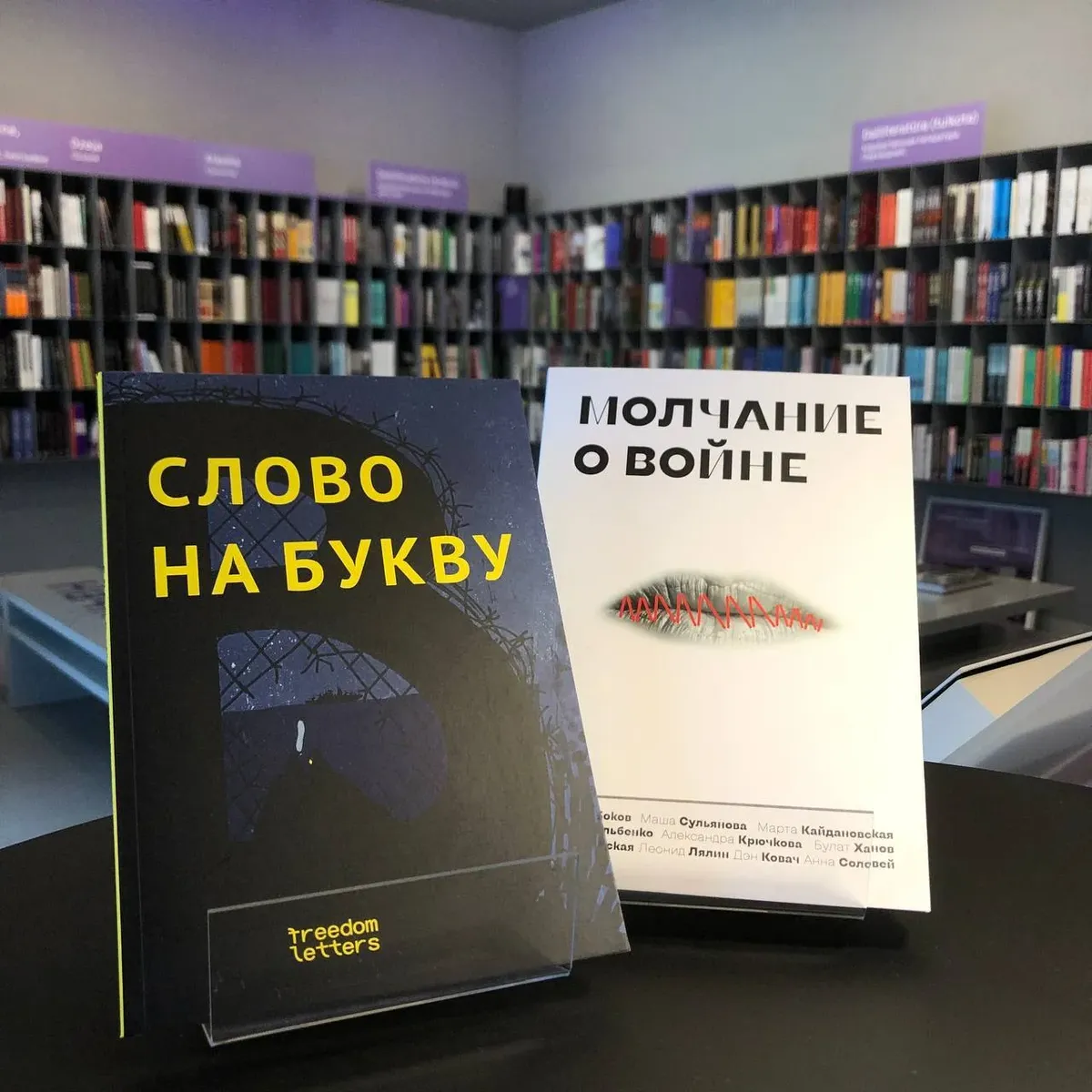
- The injuries inflicted and inflicted on this war to each person are huge. And the study of these injuries will take decades. One of my tasks I see overcoming imperial, wire thoughts for everyone who speaks the Russian language. And so I published one - I will do more - a book of stories for children “Word on the letter B”. We also make a series of classics in modern design, with new preface by large writers who ask anti -war, antitotalitarian optics. Recently, a book called “The Nazis has little paint” about the lower resistance in Russia, about how people on the autumn leaves wrote “No War!” And they scattered in the parks, brought flowers to the monument to Lesya Ukrainka, etc. There is some kind of exit, and the future may not be gloomy, but again not everyone, but for those who want it. Probably, in the event of the victory of normal forces in Russia, there will be museums of totalitarianism, there will be lessons for children, there will be criminal processes. Our books will be read in schools - Yashin, “non -next words” and so on.
I do not know how the war ends, it is impossible to predict what will happen. But decent people will always live in any territory (and want to read decent books) and indecent people will live. Everyone has already chosen on whose side he is. Z-patriots seem to be well aware of their indecency. There is no patriotism there, these Z-c-blessings, of course, are the enemies of Russia. They themselves do not believe in their truth.
- You quite successfully, together with Dmitry Bykov, conducted a relay of letters V and Z.
- This is the merit of Dima. Yes, his book “VZ” took these letters from false patriots. They, idiots, fought from their sofas with the name Zelensky for a year and a half. And for some reason it did not reach them. And he is not just VZ, he is still Oleksandrovich. All three letters V, O, Z, used by propaganda, are about Zelensky.
Bykov perfectly applied them. He risked, because in Ukraine this book could be found ambiguously (and it is not that very complimentary in relation to Zelensky). You can continue Bykov’s joke: since I am George, any ribbon on me is St. George. I think it can also take their ribbon? They have nothing to mock the symbols.
- In this sense, it seems that you are supported even by the observer of the Rossiyskaya Gazeta and the famous writer Pavel Basinsky, your acquaintance from the pre -war literary life of Moscow.
- Over a year and a half of the war, much has changed. I can’t judge now about the thoughts of Pavel Basinsky, whom I had the last time two years ago. His column, in general, is healthy: “Guys, once we will have to meet again all again. And read Bykov’s book, because it may be useful to you. ”
Basinsky got it for this. He Popper against the propaganda narrative, against their main desire - to forget us as soon as possible. Although at the same time they still write about us every day. Crying, pronouncing, but continue to eat our cactus.
This whole story, of course, worked for the promotion of VZ. I hooked that depth audience, which we usually do not reach. Everyone wanted to read the book, and these “patriots” also wrote where it is sold, how much it is sold, that it is in electronic and paper form, someone indicated the address of our site. Thank you!
They do not read books - only annotations or fragments that I will sing on my Facebook. After all, we were still our first “package” stepped on all their corns. We have no money for PR. And they became our free PR managers. Well, great.
-The first package is the first ten books, which included the flagship Quir-Roman "Springfield"?
- Yes, I came up with a chip that every book is under our number. And I gave this book number one. Not without intent. This book is one of our messages. I really think that this is a magnificent, serious (although tiny) novel, very talentedly written - both from a literary and psychological point of view.
This, of course, is no propaganda. This is generally antipagaganda. In the place of the conditional Volodin, I would give this book to everyone. Because if you can become gay not from nature, but from reading a book, then no one would have become gay in the world by reading the Springfield.
But for me personally, the topic of human rights, no matter what it is expressed and, no matter how much it is broadcast, is a very important topic. A few years ago I took part in such a Dutch project Human Rights Tattoo. In the Universal Declaration of Human Rights, 6773 letters, and they came up with finding 6773 people, on whom one letter of this declaration can be placed. This idea touched me very much. I was chasing this campaign for two years. А делать это по правилам нужно только на организованных ими ивентах — не просто в тату-салоне. В общем, я себе эту букву набил после двух лет ожидания.
Многие авторы, прочитав, что у нас издан квир-роман, стали присылать квир-романы или даже порнороманы, но они не прошли наш фильтр, потому что книга Давыдова задала очень высокую планку.
Литературную прежде всего. Сейчас есть примерно десять книг, хорошо написанных на эту тему, и я думаю, что с этим делать. Я не хочу делать отдельную серию. Это значит загонять всех опять в какой-то загончик, в гетто. Но, возможно, мы придумаем. Есть два романа о транспереходе, например, есть стихи очень высокого, нобелевского, я бы сказал, уровня.
Кроме того, в том первом пакете были произведения, вызвавшие гнев «общественности»: сборники стихов украинского поэта Александра Кабанова «Сын снеговика» и Евгения Клюева «Я из России. Прости» — очень нежная книга, но название z-маньяков всколыхнуло. Тогда же издали сборник Виталия Пуханова «Родина прикажет есть говно», талантливый и в хорошем смысле патриотичный. Я решил показать, что мы настоящие панки: мало какое издательство поставит это слово прямо на обложку.
— Расскажите о планах издательства на будущее.
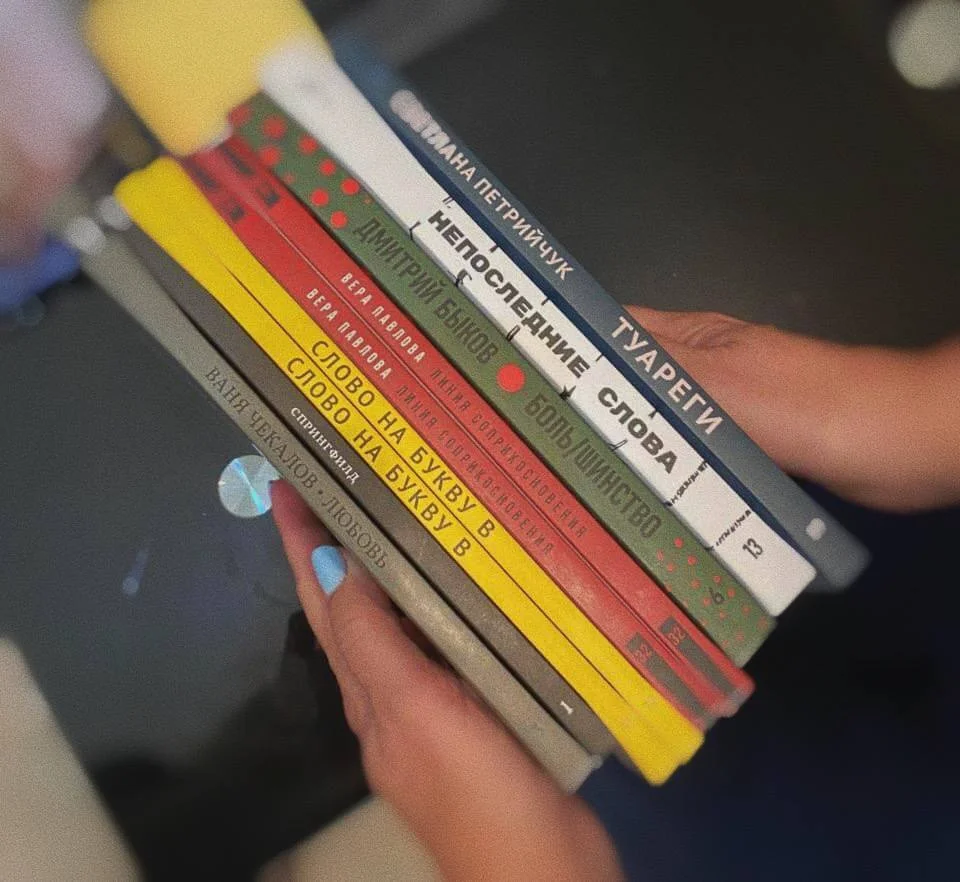
— Только что мы выпустили первые тексты новой серии «Не убоюсь зла». Так называются переизданные нами мемуары Натана Щаранского, которые очень хвалят нынешние герои Навальный и Кара-Мурза. Об еще одном герое мы издали вторую книгу — «Илья Яшин. Сопротивление полезно». Скоро в этой серии выпустим второе издание сборника судебных речей «Непоследние слова» и еще несколько книг, написанных старыми и новыми политзэками, такой печальный диалог поколений.
Готовится к печати сборник поэзии Быкова «Новый Браунинг». Будет сборник антивоенных пьес, новинки в сериях «Февраль» (скоро — «Носороги в книжной лавке»: сборник эссе о литературных войнах и всех этих дурацких стихах, которые распространяют через «Госуслуги») и «Слова Украïни» (несколько дневников писателей, стихотворные сборники, новый роман). Готовим серию исторической литературы (название пока не придумали) и серию умной беллетристики, назовем ее «Лёгкие», уже готовы пять текстов. Переизданий у нас мало (всё-таки фокусируемся на новых произведениях), но считаю важным именно сейчас выпустить «Довлатова» Людмилы Штерн и «Город заката» Александра Иличевского.
«Нельзя было расстреливать Белый дом»
— У вас вышла полная версия книги Юлия Дубова «Большая пайка» про Березовского и «ЛогоВАЗ». Давайте про 90-е поговорим. Может быть, кто-то из наших читателей не в курсе, как начиналась ваша карьера: вы были журналистом в Петербурге, дозвонились Горбачёву в Форос и какое-то время даже были помощником мэра Анатолия Собчака. Для вас это время — оно про что?
— Тогда в Петербурге повседневная реальность состояла из таких, например, эпизодов: вице-спикеру местного парламента Новосёлову оторвало голову бомбой, положенной на крышу его автомобиля Volvo; убили хорошо знакомого мне депутата Старовойтову и плохо знакомого мне вице-губернатора Маневича… И книжку я тогда первую написал, и телевизионную программу в прямом эфире каждый день выпускал как продюсер, и в выборах принимал участие. Много всего было интересного, забавного, трагического. Вплоть до 1993-го было много свободы. Была очень странная жизнь, переходный период. Теперь мы понимаем, откуда и куда.
— В какой момент стало понятно, к чему всё идет?
— Если по гамбургскому счету, то в 1992 году. В августе 1991-го, как мы знаем, победила демократическая революция. И были все шансы у Ельцина эту революцию продлить. Ельцин воспользовался ей в экономическом смысле, пригласив в правительство Гайдара, но не воспользовался в политическом, например, не были проведены люстрации. Ельцин продолжил оставаться, в общем, типичным партаппаратчиком, любящим лесть и ненавидящим оппозицию.
В 1992-м Ельцин вернул к власти коммунистов и заодно даже известного теперь Суровикина освободил от наказания. Я после августовских событий стал экспертом парламентской комиссии по расследованию переворота. Нас пускали в любые архивы, разрешали работать в зданиях ЦК и КГБ. Но к февралю 1992-го наша деятельность была полностью свернута, все нужные документы уехали в президентский архив. В 1993-м я как журналист был внутри обстреливаемого Белого дома. На следующий день после (антиконституционной, конечно) ликвидации российского парламента, случайно попав в прямой эфир Первого канала, я сказал, что нельзя было Белый дом расстреливать. Меня за это немедленно уволили с телевидения (я тогда работал на питерском ТВ) с волчьим билетом. Так что гонения на свободное мнение начались задолго до Путина.
Всё остальное — следствие этих печальных событий: отсутствия люстраций, страха перед оппозиционным мнением.
Третью ошибку Ельцин сделал в 1996-м. Его тащили в президенты любой ценой, ломая общество об колено. СМИ выпускали агитки типа газеты «Не дай бог», руководитель федерального канала параллельно был начальником предвыборного штаба Ельцина. Цена оказалась очень серьезной. Поэтому нельзя думать, что в 1999 году Путин, придя к власти, разрушил наследие «демократа» Ельцина. Давайте смотреть глубже. Это никак не обеляет сегодняшние события — просто показывает истоки.
— В ком из людей, которые строили Россию, вы разочаровались, а кто вас, напротив, обрадовал?
— А что значит «строить Россию»? Вот Кудрин был первым замом у Собчака — строил ли он Россию? Лужков? Он просто автор нынешней политической системы. Строил ли Россию Юмашев? Скорее строил. Но у меня никогда не было какого-то пиетета или иллюзий по поводу разных политиков. Какое все эти люди сейчас имеют значение? They obeyed. Что бы потом нам ни рассказывали, они уже не отмоются.
Могу сказать, кто продолжает вызывать уважение. Это Людмила Борисовна Нарусова, сейчас она сенатор Совета Федерации. По-моему, единственный человек, который голосует против людоедства;
который в прошлом году, еще в начале войны, и при начале мобилизации говорил, что так не надо делать. Вот я такую позицию уважаю. Да, понятно, человек не может сделать многого. Это всего лишь сенатор и участник декоративного органа. Но тем не менее эта позиция лично меня трогает, для меня она значима.
— Вы говорили, что впервые увидели Путина в Петербурге как очень делового руководителя. Когда вы стали понимать, что что-то не так?
— Первый год Путина был хорош, особенно на контрасте с Ельциным. Его предшественник под конец политической жизни был немощным, плохо соображающим. Но при этом таким политическим животным, который всегда инстинктивно боролся за власть. Молодой, полный сил Путин, который на самом деле и не стремился к тому, чтобы стать президентом, выигрывал на контрасте. Кстати, в Питере его вся управленческая структура уважала и даже боялась, бизнес уважал. Поначалу всё шло хорошо, налоги, например, снизил.
Но потом… Беслан, «Норд-Ост», «Курск», арест Ходорковского и так далее. Вранье из телевизора. А дальше — «ЕдРо», «Молодая гвардия», мюнхенская речь, грузинская война, малайзийский «боинг», фальсифицированные выборы, нагнетание обиды на историю, жажды реванша и все другие события, которые без содрогания не вспомнишь. Всё это шаг за шагом и привело нас к 24 февраля. Когда-то из этого придется выбираться. Книги, надеюсь, в этом помогут.