
Translated material
The court extended the detention of the editor Idel. Realii Alsu Kurmasheva
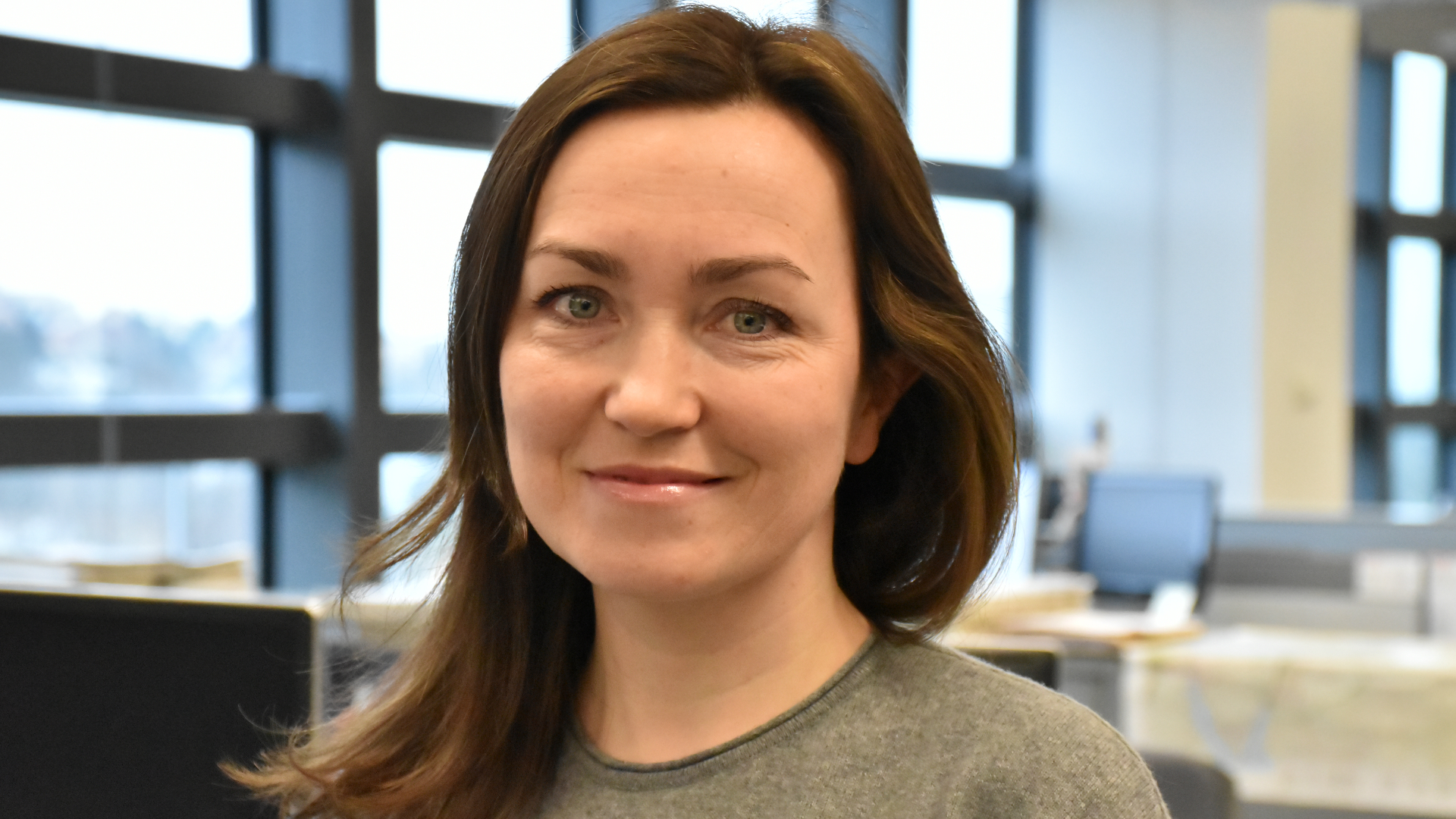
The Soviet District Court of Kazan extended the detention of a journalist of the Tatar-Bashkir Radio Service Free Europe/Radio Liberty Alsu Kurmasheva until October 23.
Journalist’s lawyer Edgar Medevosyan said that the investigation petitioned for a month and a half arrest, but the prosecutor asked only to extend the detention. The words of the lawyer conveys the "mediazon". Medevosyan added that Kurmasheva considers himself innocent.
“We are concerned about the decision to extend the deadline for the detention of Alsou. Journalism is not a crime. It should be immediately released to return to her family,” said Jeffrey Gedmin, the acting President of the RSA/RS media corporation.
Kurmashev is accused of refusing to register with the so -called foreign agent. The punishment under this article provides for a fine, public work or imprisonment of up to five years of imprisonment.
Alsu Kurmasheva, a citizen of the United States and Russia, lives in Prague with his husband and two children. She went to Russia on May 20 due to urgent family necessity. She was detained on June 2 during the waiting for the return flight to return to the Czech Republic.
Kazan Airport employees confiscated both of her passports. Kurmasheva was fined for failure to comply with the requirements for registration of American citizenship in Russian authorities. She expected her passports to return to her when on October 18 a new prosecution was announced.
Kurmasheva is an experienced journalist who writes for many years about the problems of national minorities in Tatarstan and Bashkortostan. She talks about civil initiatives aimed at protecting and preserving the Tatar language and Tatar culture in the face of the pressure of the Russian authorities growing in recent years to the population of the Volga Republics.
Since 2012, Russian legislation has been in force in Russia. According to representatives of many foreign governments and international human rights organizations, it is used to punish consistent critics of the authorities who receive earned funds from abroad or are considered to be "under foreign influence." The Russian authorities consider such "influence", including cooperation with civil society groups and media, independent journalists and activists.
- Since the end of 2022, members of the register were banned from teaching state and municipal universities and schools, to be organizers of public events, to be members of election commissions.
- Radio Free Europe/Radio Liberty and its editors are included in the Russian Ministry of Justice in the Lists of Foreign Agents in 2017. RSE/RS has never recognized the authority of this decision. Alsu Kurmasheva in personal quality is not recognized as a "foreign agent."