
Translated material
Gang formation
As in the days of great depression and World War II, organized crime abroad changed
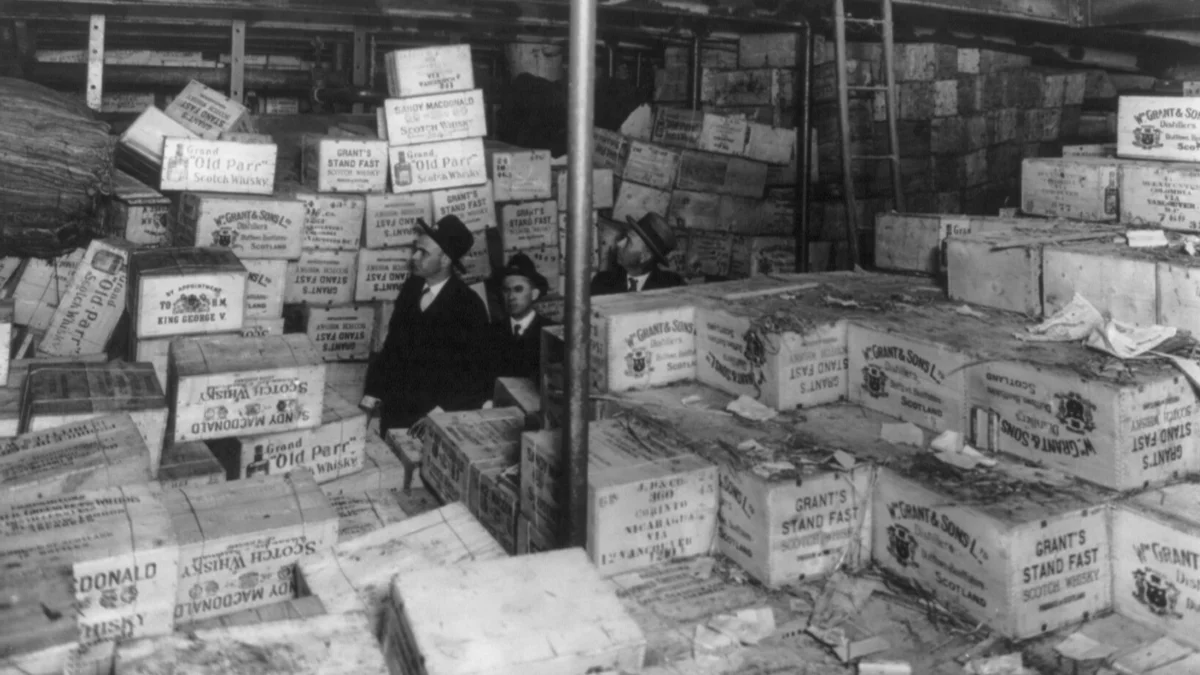
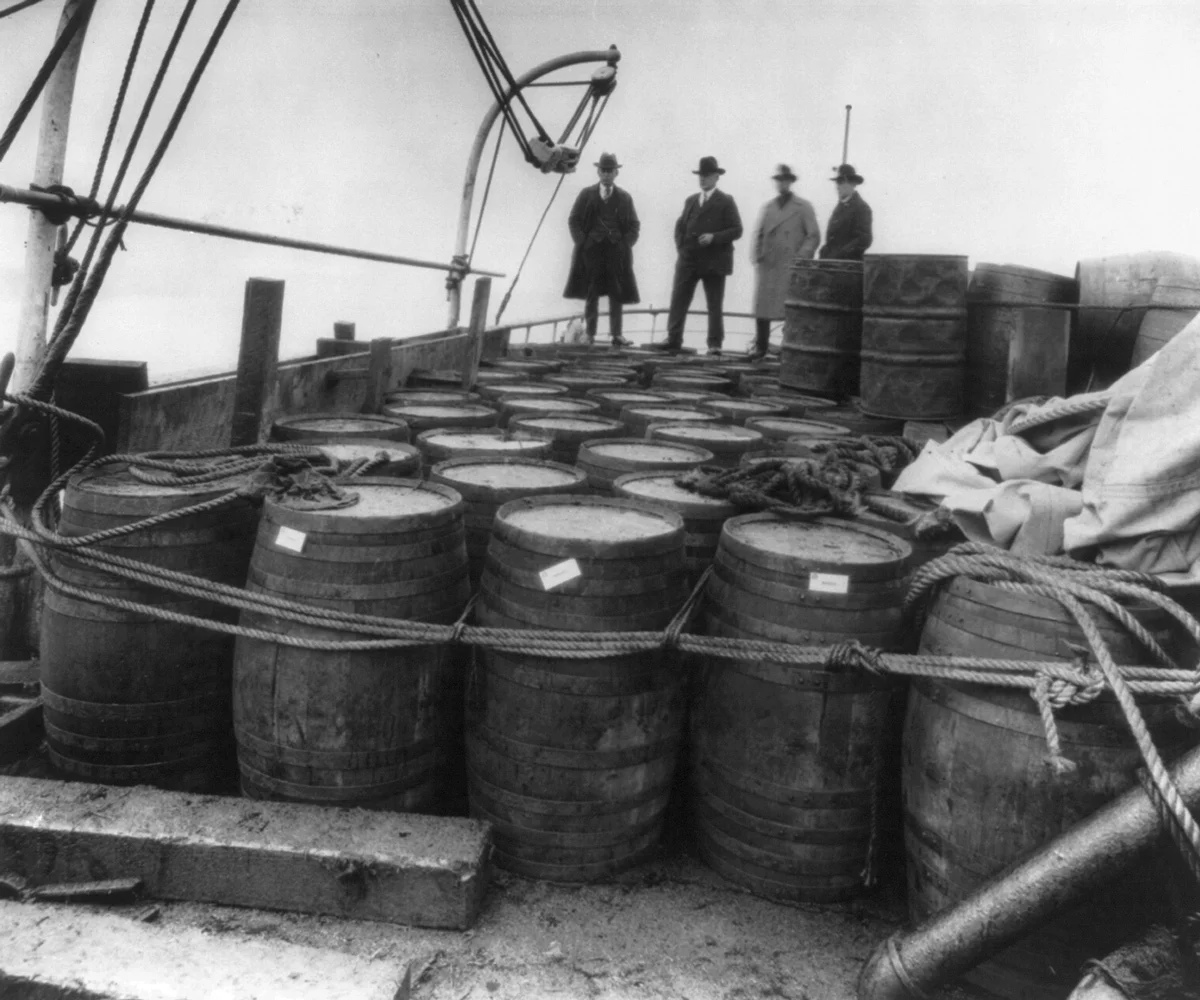
Agents of dry law among boxes with Scottish whiskey, 1924. Photo: Loc.gov
Exactly a hundred years ago, in October 1923, 35-year-old millionaire Joseph Patrick Kennedy (father of the future President John Kennedy) in an interview with Time magazine said that too fast growth in the United States could be dangerous and leading to sad consequences. The young American of Irish origin did not listen to then. The future US President Herbert Hoover (1929–1933) on August 11, 1928 in election speech, said that "America is close to the final victory over poverty." Just a year later, two months, the Hoover recently chosen by the President will desperately try to get the country out of the terrifying crisis, who sent more than 60% of Americans as a poverty line.
Frank Wallace - legend of Irish crime
The economic crisis in the United States, called the Great Depression, began with exchange collapse in October 1929 and lasted until the beginning of the Second World War. Hundreds of books and scientific works were written about the causes of the crisis, the struggle with it and its results. But it is also important that great depression also affected organized crime. It was during this period that individual Irish gangs in the United States organized a criminal community that could challenge the Italian and Jewish mafia, who, in order to survive, were also forced to change.
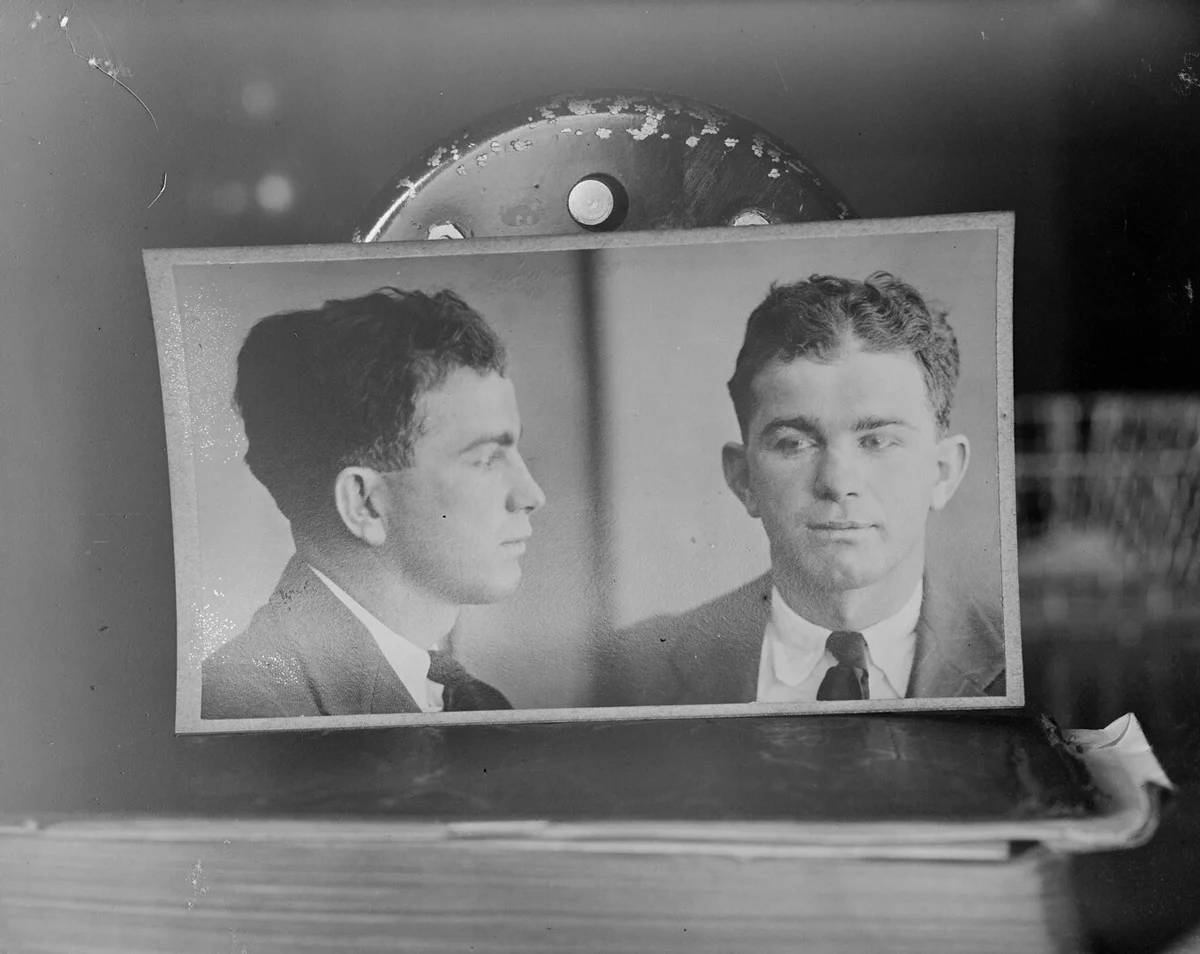
Photo: Leslie Jones / Boston Public Library / Flickr (CC by-NC-ND 2.0)
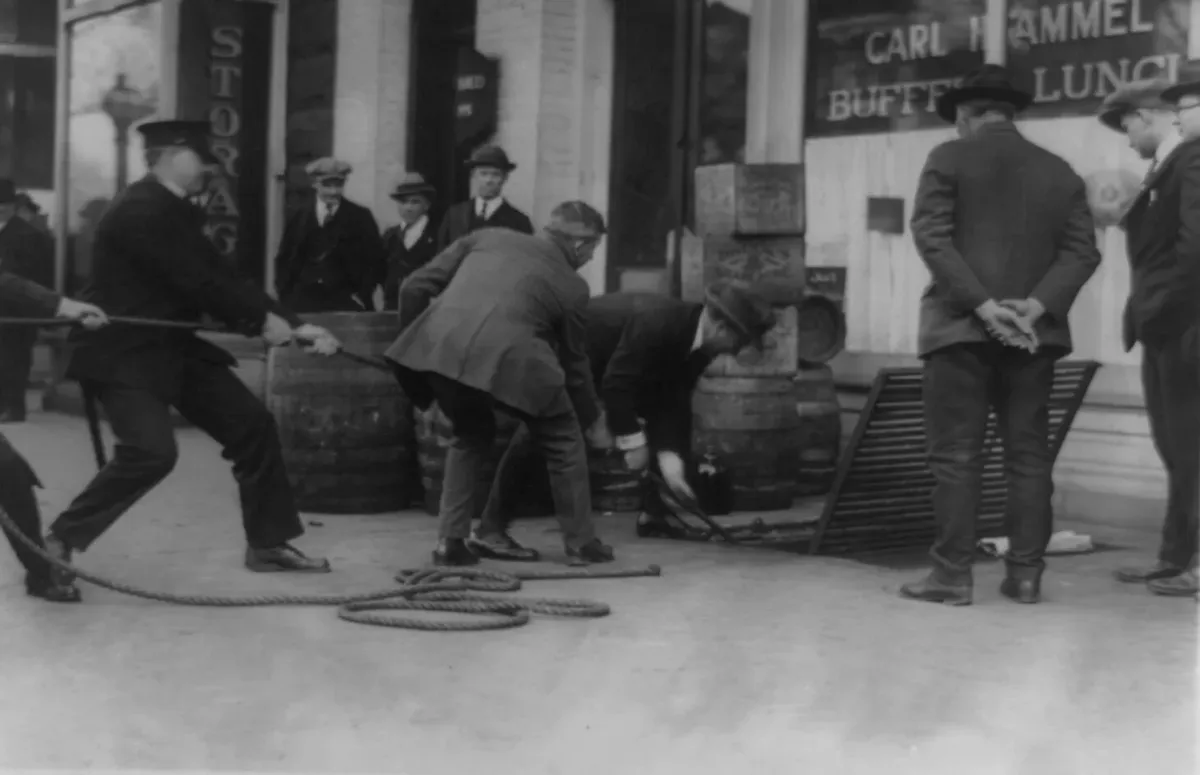
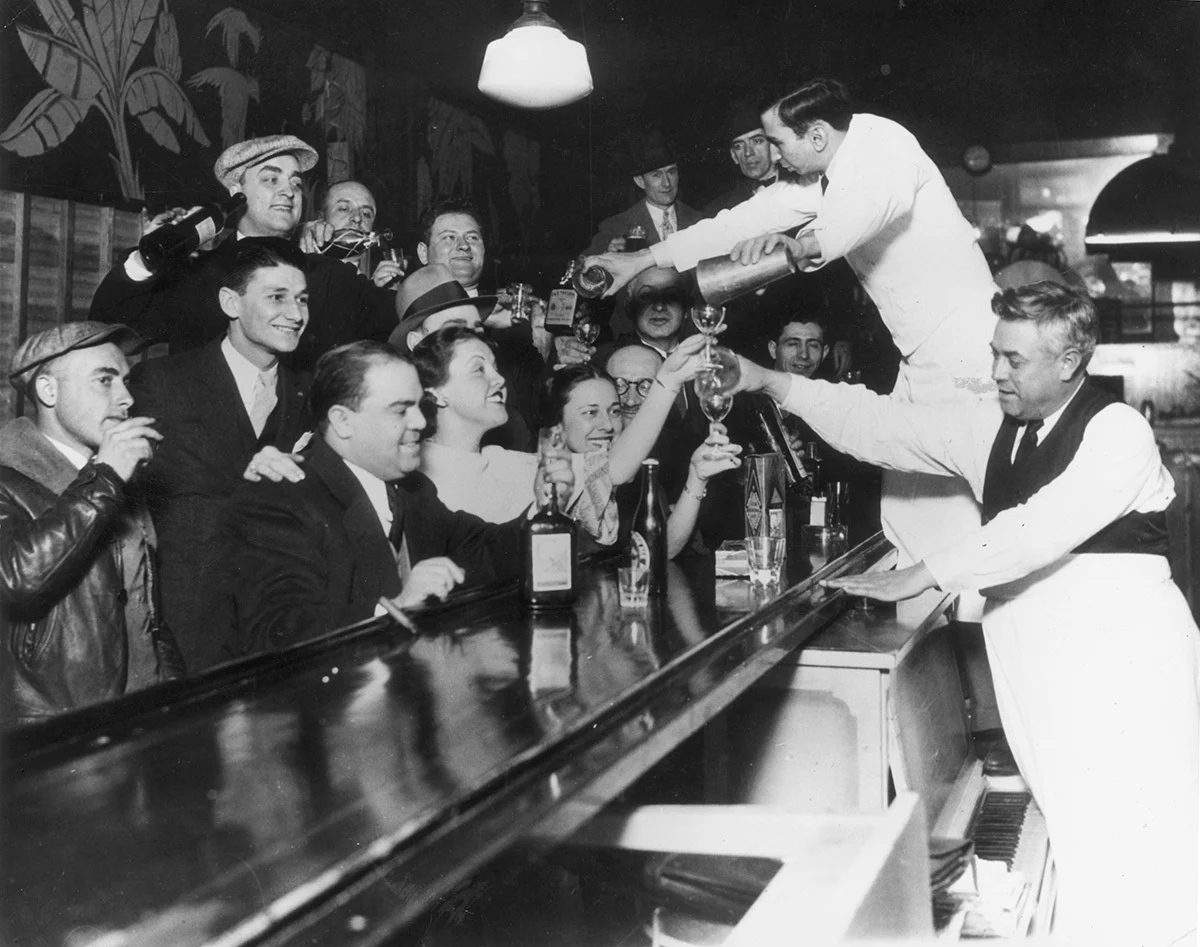
As we wrote earlier, the beginning of the 20th century for American criminal structures took place under the banner of Buthleryness (illegal trade in alcohol) and gangster wars for control over the alcohol market. In December 1933, the 21st amendment to the US Constitution was adopted, canceling the 18th amendment, which, in fact, established in 1920 a dry law. Despite the fact that alcohol trade became legal, all sales of alcohol in the country were still controlled by criminal groups for a long time, which precisely during the action of the dry law began to turn from street gangs into criminal communities with ties in power structures and the influence on the daily life of most Americans.
In the 20s of the last century, Irish gangs were scattered and the United States could not claim dominance in the criminal world. And suddenly, in the late 20s-early 30s, they become a formidable force that challenged the Italian criminal clans. According to the writer Harold Robbins, who described the mafia structures in most of his books, the history of Frank Wallace, who led the Boston’s gang from 1925 to 1931, was greatly affected by the consolidation of the Irish communities.
In 1917, 15-year-old Frankie gathered Irish teenagers around him with criminal inclinations. The guys traded by climbing the trucks that stopped at the intersections, and stole the goods transported. In 1920, they were joined by the elder brother of Frank Stevie, who changed his sports career (he was a boxer, performed at the 1920 Olympic Games in Antwerp) for criminal. A little later, their younger brother Jim joined Frank and Stevi.
The older brother made changes to the criminal business. He suggested stealing trucks with illegal alcohol. And Gastin’s gang was known for the fact that, engaged in the usury, the gangs borrowed money to their fellow countrymen-Irlanders without accruing interest. Thanks to this, Frank and Stevi were very popular in the Irish district of Boston, and Gastin's gang had no problems with replenishment and voluntary assistants.
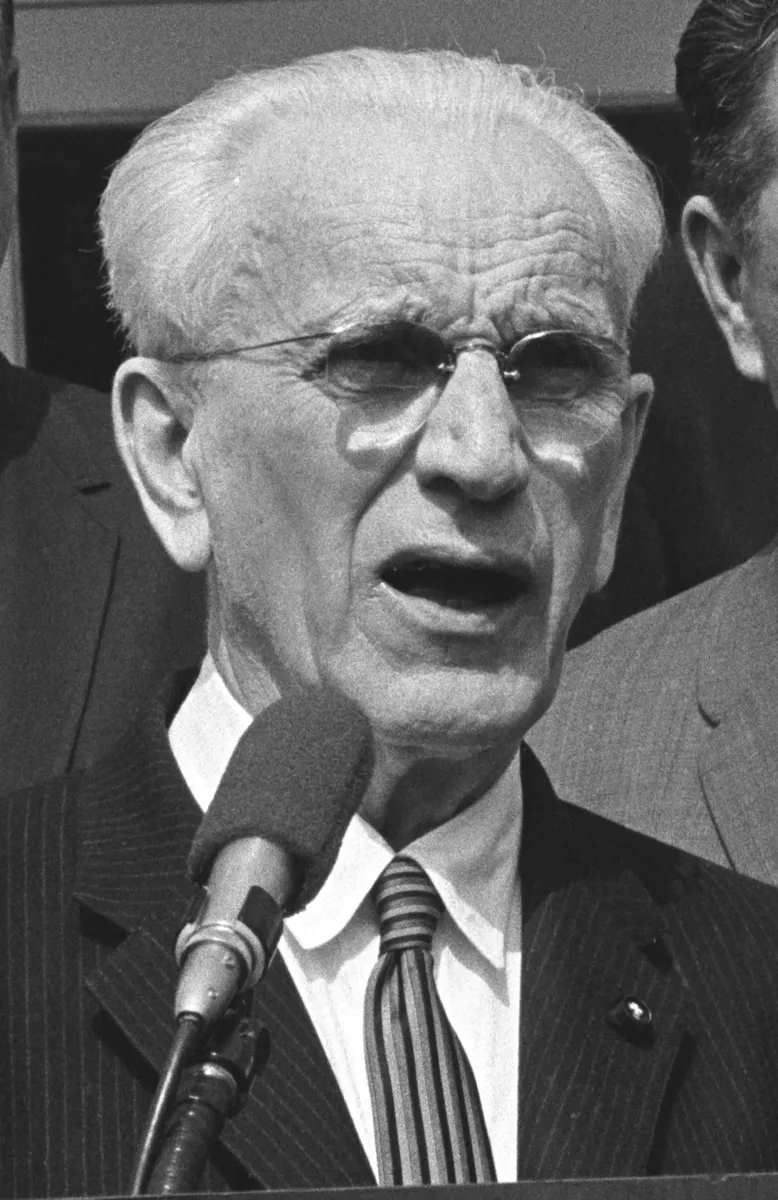
It is not known exactly whether the future speaker of the US Congress was John William McCormak (first elected to Congress in 1928, was a speaker from 1962 to 1971) on friendly relations with Frank Wallace. But the fact that McCormak was his lawyer from 1919 to 1928 is a reliable fact. During this time, Frank was arrested more than 25 times, but it all ended with a maximum of a couple of months spent behind bars.
On December 22, 1931, Frank Wallace and one of his “lieutenants” Bernard Walsh went to a meeting with representatives of the Italian Mafia Joseph Lombardi and Philip Bruchkola. This was far from their first visit. The Irish often stole the Trucks of Italian Butleger, then selling them to the owners for half the price. But this time, instead of a proposal for the sale of Uallace and Walsha trucks, automatic queues were waiting.
After the death of Frank, the gang did not crumble, but existed at least until 1935, but the leadership positions in Boston quickly lost. At the head of crime, Italian mafiosi reigned. The Irish will again capture the city in the 50s and will rule the next 30 years in it.
The birth of criminal legends and the formation of the FBI
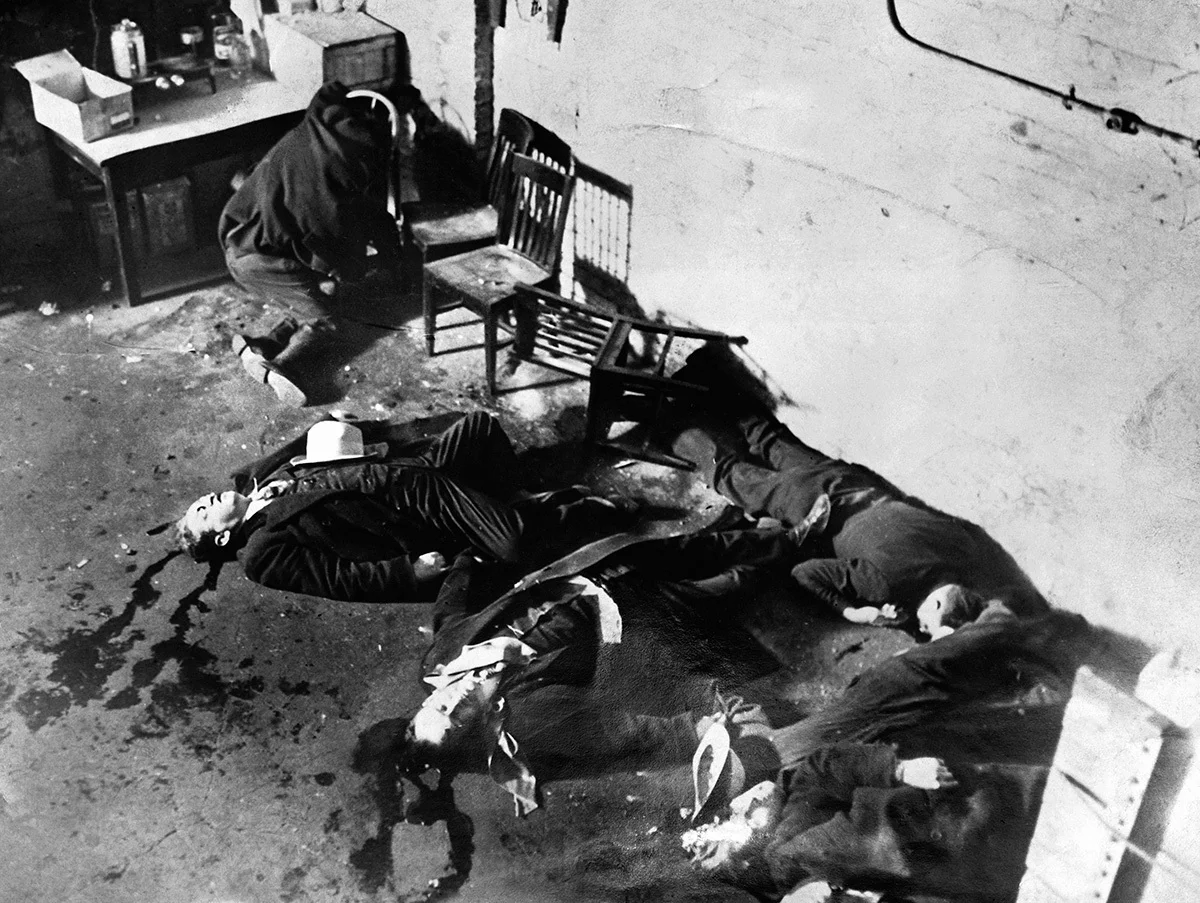
The other fellow countrymen tried to follow the example of the Wallesov brothers. In Chicago, the Irish from the gang of the north side under the leadership of Din about Banion tried to compete with Italians. On November 10, 1924, the gang leader was killed by order of the head of the Chicago branch of the mafia Johnny Torrio. Two months later, in January 1925, it was miraculously alive after the assassination of Torrio himself. After leaving the hospital, he retired, transferring the reins of the reign of the 26-year-old Alfonso Capone, who had to arrange a real war with the Irish. According to the results of this war, Irish gangs were physically destroyed about Banion, Dowert and Bags Moran. The elimination of the latter occurred on Valentine's Day on February 14, 1929 and gained worldwide fame as "Brotherhood on Valentine's Day." The murder of seven people (at the same time, the leader of the gang of Moran was late for the meeting and survived) pretty spoiled the reputation of Kapone. Although the police did not have any evidence of Al Capone's people's involvement in this crime, the press accused of killing him.
And in New York, it was the Irish activities that led to serious changes in the Italian mafia and its gradual fusion with the Jewish. As we wrote earlier, a huge work in this direction was done by Meyer Lansky. He was born in 1902 in Grodno (Belarus). The father of Meyer Sukhovlyansky (this was the surname of the future mafiosi at birth) left for the United States in 1909, and in 1911 a family moved to him. They settled in Lower East-Side (Manhattan district). At that time, the “Fay Points” (“Five Points”), organized by Kelly Paul at the end of the 19th century, was dominated there. It was in it that the future leaders of the criminal world of the United States Charlie Laki Luciano, Al Capone, Johnny Torrio began their career.
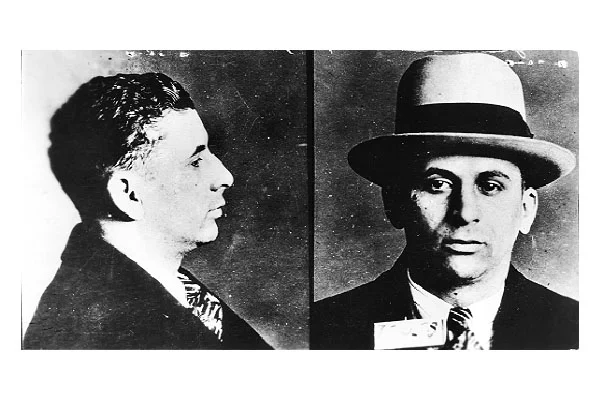
There are several versions of how the Laki Luciano and Meyer Lansky met. It is reliably known that this acquaintance took place when Lansky was still a boy, and Luchano was already a member of the gang. Lanski with his friend Benjamin “Bugsi” Siegeli united Jewish boys around him to defend themselves from Italian and Irish gangs. Later, a gang of blues and Meyer will grow from this group. Until 1928, the famous criminal authority of Jewish origin Arnold Rothstein, who was also called by his teacher, was also called by his teacher and Frank Costello with Laki Luciano. After the death of Rothstein (shot dead on November 5, 1928), the curatorial passed to Luchano, who began to attract gang members to resolving sensitive issues.
At the end of 1931, Laki Luciano created the Kosa Nostra Commission, which included Lansky. At this time, there is a surge of criminal showdowns. Remaining unemployed and not seeing another way out, many Americans joined ethnic groups. A wave of robberies of banks, shops, and Rostovschiki offices swept through the country. It was possible to cope with the growth of crime with the help of the Bureau of Investigations under the leadership of Edgar Guver, to whom his naughty president granted federal powers. It was then that the star of the future omnipotent director of the FBI rises (this organization was renamed the Federal Bureau of Investigation in 1935). By that time, the investigation bureau had already become famous for the arrest of Al Capone, the defeat of the gang of John Dillinger and the liquidation of her leader, the elimination of banks of Claid Barrow and Bonnie Parker, the arrest and execution of Francis Crowley (two pistols).
Operation "Crime World"
With the beginning of the great depression in the United States, the idea of fascism and communism began to gain popularity. For the same period, there is another surge in the activities of the Ku-Kluks-Clan, directed this time not against the dark-skinned ones, but against Jews and Italians. Against the background of devastation in America, Hitler (we recall that in just two years, from 1933 to 1935, he committed unemployment in Germany) and Stalin saw the real saviors. Since 1935, rallies began to take place in many US cities in support of fascism and Adolf Hitler. Law enforcement agencies were connected by hands, since the Nazis did not violate the laws, but acted in accordance with the US Constitution, in which freedom of speech and freedom of assembly were enshrined.
The famous anti-fascist (as, indeed, the anti-communist) Nathan Perlman, from May 1, 1935 to September 1, 1936, headed the magistrate of New York, turned to Lansky for help. This is how the authority itself later recalled one of the shares held at the request of Perlman:
“In Yorkville, the German district of Manhattan, in those days the Nazis rallies were constantly held. Once we came straight to them. The scene was decorated with a swastika, Hitler's portraits hung. There were only 15 of us, but we joined in battle. We threw some of them from the windows. Most of the Nazis panicked and ran out. We pursued them and beat them. We wanted to show them that Jews would not always sit back and take insults. ”
Lansky refused to pay for the services of Perlman and said:
“I am a Jew, and I sympathize with the Jews of Europe who suffer. They are my brothers. "
In 1936, Laki Luciano was found guilty of organizing prostitution and racketeering and sentenced to 50 years in prison with the opportunity to apply for parole only after 30 years. But after the outbreak of World War II and the entry into the United States on December 7, 1941, the American government again needed criminal authorities. This operation, carried out by naval intelligence, was called the "criminal world". The mafiosi helped the American authorities in the capture of Japanese and German spies, provided (through leadership in trade unions) loyalty of dockers and sailors. In addition to Meyer Lanski, who had already established himself in cooperation with the authorities, Laki Luchano was also involved in working with American naval intelligence. In exchange for early liberation and deportation to Italy, Luciano helped American troops during the landing in Sicily in 1943.
In the second part of the “godfather”, Meyer Lansky is shown in the image of the main enemy Michael Karleone Haiman Rot. Mo Green was completely written off with Bugsi Siegel (in the film, Mo Green dies exactly as Siegel was killed in June 1947). And the fate of Haiman Roth resembles the fate of Meyer Lansky. Both invested a lot of money in the development of the gambling business in Cuba. Both of them lost all their fortune after Fidel Castro came to power. Well, the assets in Las Vegas took themselves gangs from Chicago, which were not connected with the New York mafiosi. Both Israel refused to the shelter. Both were held accountable, but, unlike the cinema character, Lansky was not killed, but died of lung cancer in 1983 at the age of 80.
In 1974, after the screens of the second part of the “godfather”, Lansky called Actor Lee Strasberg (the performer of the role of the company, was nominated for the Oscar in the nomination “The Male Role of the Support of Plan”) and congratulated on a good game, but could not resist the stud, saying that Haiman’s mouth could cause more sympathy. Lansky considered his main achievement “Salvation of twenty million Americans of Jewish and Italian origin from unenviable fate during the Great Depression”:
“We opened charity canteens, provided jobs, protected ordinary Americans from street gangs and from excessive exploitation by the state. Thanks to us, many Americans did not die of hunger in the first years of depression, were able to survive and start all over again. We were more than US Steel. ”
The FBI suggested that the state of Lansky exceeds 300 million US dollars, but it was not possible to find this money. They did not surfed after the death of Lansky in 1983.