
Translated material
"Experience: stormed at home"
After the death of Evgeny Prigozhin, two months passed. “Layout” tells how all this time the Wagnerians are trying to get along with loved ones, get a job or return to the front
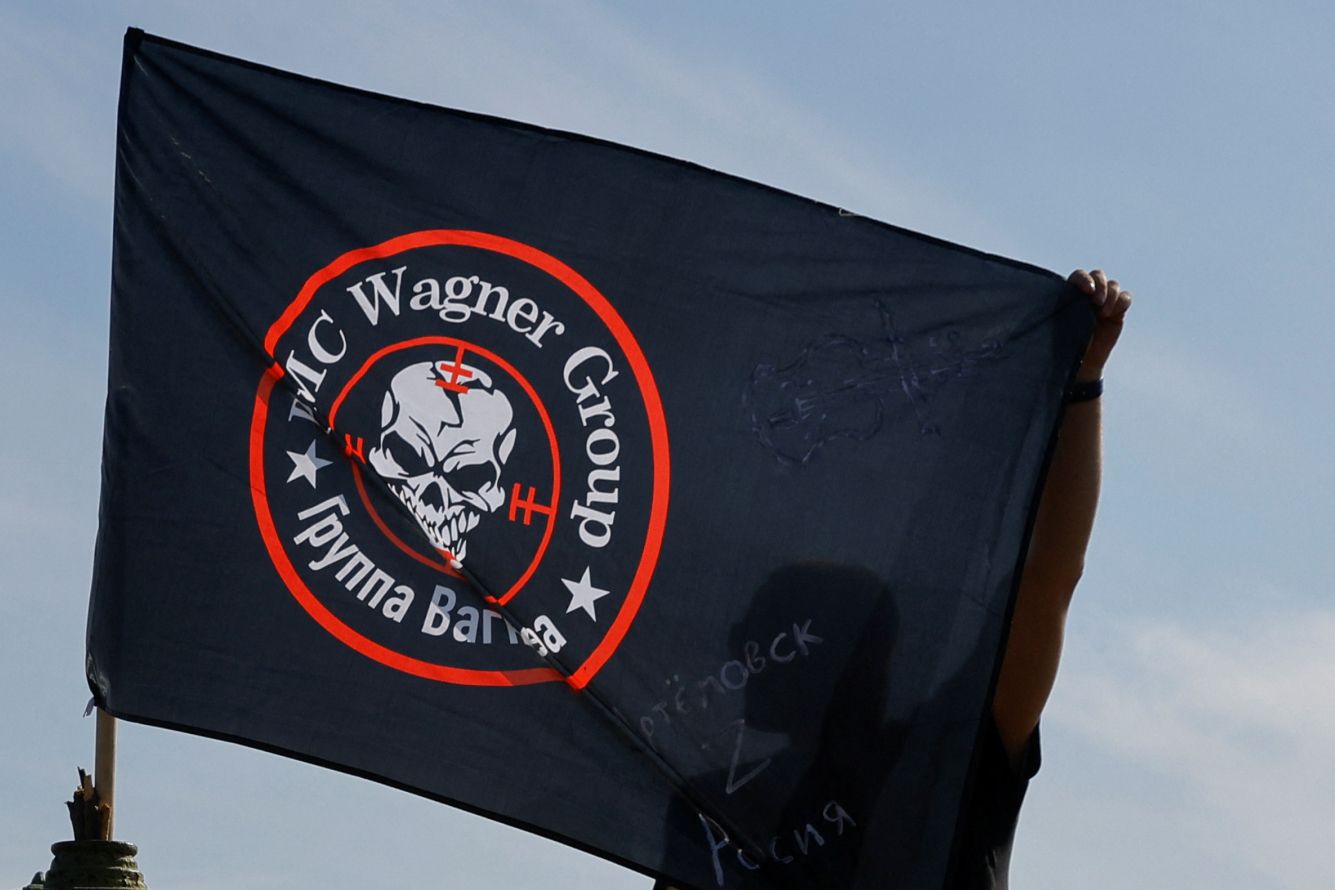
Two months have passed since the death of the founder of the PMC Wagner Evgeny Prigozhin and the head of the mercenaries Dmitry Utkin in the plane crash. The official version of the circumstances of the crash of a business jet in the Tver region was never announced . The fate of the PMC itself still remains incomprehensible - some of the former Vagnerians went to Africa, some are fighting in Ukraine under the leadership of the Ministry of Defense, some signed up for the Russian Guard, others returned to a citizen. However, not everyone can find themselves in peaceful life: many companies refuse to hire former mercenaries, and the police continue administrative supervision of them. “Village” said what has been happening with the Wagnerians in recent months - from their attempts to get into civil work to find new opportunities to return to the front. With the kind permission of the Medusa publication, this text completely publishes.
Warning. There is a mat in this text. If this is unacceptable to you, do not read it.
"Wagner" goes into the shadow
After the June rebel of Prigozhin, the news about Wagner's PMC gradually left the information agenda. The groups themselves left Ukraine, having handed over the equipment to the Ministry of Defense of the Russian Federation, and relocated to training camps in Belarus. After a while, the PMC fighters left these camps.
The number of groups, obviously, became less. The recruitment from the colonies according to the “ K project ” - freedom, from the words of Prigozhin, Wagner's PMC stopped in February 2023. After the rebellion, Putin met with the leaders of the company in the Kremlin and offered the mercenaries a new job under the leadership of one of the commanders of the PMC of Wagner - Andrei Troshev. However, his candidacy did not arrange everyone - so, another commander of Vagnerians, Anton Elizarov (call sign “Lotus”), characterized Troshev as the “elderly staff officer”. After that, some Wagner fighters began to conclude contracts from the Ministry of Defense-although, according to the testimonies of telegram channels close to PMCs, they did “two and a half people”. There were those who stayed in the company and went to Africa (judging by the comments of relatives, the Wagnerians are definitely at least in TsAS and Mali), the rest, among which most of the ex-widened ones returned home.
“The fighters of the Wagner PMC are now divided. Someone went to the Ministry of Defense, someone to the Russian Guard, because I have all the guys on my phone, ”Dmitry Karavik, pardoned Wagnerian, told his colleague in an interview with his colleague. - Yes, there are those who are not going anywhere. They go into the shadow, so to speak. And they remain true “Wagners”, mercenaries. They now have mercenaries - this is a lifestyle. It’s not to thump, do not use drugs ... and women, as Uncle Zhenya said, only for love. ”
A resident of St. Petersburg Ruslan Akhmetzyanov returned from Ukraine in February 2023-after the "Seven Sturmos months", he says "Virgin". He was offered to leave for Africa, where the fighters of the Wagner PMC are fighting, but he refused-due to the fact that after the contusion, "the heat would prevent work there to work there." Prior to participation in the war in Ukraine, Akhmetzyanov worked as a prosthetic dentist. He cannot return to the profession now because of the tremor of the hands. After returning, the man opened an individual entrepreneur in St. Petersburg and is now engaged in cargo transportation.
“I can only steer so far, so my business is connected with cars,” he explains. - I also wanted to take other “Wagners” to me, but many returned back to the front, looking at what was happening to the Ministry of Defense. I say to them: “Well, where are you, there is a mess!”, And they answer: “What to do? If not we, then who? They are rolled there, like children”. ”
Akhmetzyanov, according to him, is ready to go to the front again. If the authorities give an order to “die for the sake of the country” - he will fulfill it, because the service led by Prigozhin “instilled in patriotism”. “I want to develop a matter to the maximum, because, it smells my heart, they will soon be asked to put on a form again. I'll go, ”he says.
Another mercenary, Leonid Ivanenko from St. Petersburg, is going to return to the war after a vacation by wound, he told the “layout”. Life on a civilian mercenary no longer imagines. A few weeks later he will go to fight “to his own” - he had already agreed that he would join the wolves brigade. And when the war in Ukraine will end, Leonid is going to fight already as part of the PMC in Africa.
“I can’t understand what is happening here. This is not mine. I want to go back, ”says Ivanenko. “Two or three weeks need to adapt ... I’m used to sleeping in the trenches, and not on soft beds ... sheets and blankets are not mine.” I want to go back. I’m walking off my vacation and I’ll go to Ukraine in November. ”
From PMC to Rosgvardia
Judging by the comments in the official telegram channel for the employment of the Wagner Group , Wagner's PMC does not take part in his and “ works only in the distant direction”, that is, in Africa. But many former fighters individually participate in the hostilities in Ukraine, having signed a contract with the Ministry of Defense, the Rowards or PMC Redut .
The exact number of Wagner PMCs is now unknown. At the time of the fighting for Bakhmut, according to Prigozhin , his group had 35 thousand people. At the same time, at least 50 thousand prisoners recruited only from the colonies to the group for six months, about 10 thousand of which were killed. Another 10 thousand dead were from among ordinary fighters. Most of the former, having received a pardon, returned home. In June 2023, after hostilities, 32 thousand pardoned ex-paced from among the PMC Wagner returned to Russia, Evgeny Prigozhin himself claimed . He also said that the returned ex-widen by that time managed to commit only 83 crimes.
At the end of October 2023, new messages appeared about the prospects of Wagner. The commander of the Akhmat special forces Akti Alaudinov in the afternoon of October 28 stated that the former Wagnerians were massively transferred to his unit with the commanders. However, the Provagner telegram channels perceived this information skeptical. On the same day, immediately after the statement of Alaudinov, the instructor of the Wagner group with the call sign Brest said that Wagner's PMC will become part of the Russian Guard.
“There is a challenge of employees from the reserve, as well as a set of new ones,” Brest wrote. “The candidate should not have supervision, no to leave, the search for the Russian Federation or the outstanding criminal record.”
The participants of the “K“ K ” - former prisoners who recruited the PMC from the colonies (after six months of service they received a pardon) will be able to conclude new contracts. At the same time, the instructor emphasized that in their ranks they will not accept the Wagnerians who had previously passed into the structures of the Ministry of Defense and his volunteer detachments.
Then the Grey Zone Owagner telegram channel recalled that the son of Yevgeny Prigozhin Paul for a long time negotiated with the leadership of the Russian Guard to continue the participation of the Wagnerians in his auspices -while maintaining the symbols, the name and the Vagner management system. He wrote about the cooperation of the PMC and the Russian Guard and the Dybar Telegram channel close to the Ministry of Defense.
The next day, October 29, the head of Chechnya, Ramzan Kadyrov, said that the next group of 170 Wagnerians came to the service in the Akhmat special forces. In response, the Provagner channels continued to distribute Brest’s message about the transition of Wagner PMC to the Russian Guard.
In the comments on these news in the telegram channel for the relatives of the Wagnerians, many called to wait for any evidence in the official channels of the company: “ Wagner’s unloading ” and “Evgeny Prigozhin press service”. But there were those who said that their sons had already called from Wagner and offered to return to work. They promised to voice official information on this subject in early November. At the same time, now one of the recruiters of the Wagner PMC confirmed the Wagner that the company resumes a set to the unit.
Work experience: stormed at home
Contrary to public statements about the desire to return to Ukraine again, many pardoned Russians do not want to continue to fight after the contract in Wagner's PMC. But, according to their relatives, they can hardly count on a good job, despite the pardon.
“Here, the boys got a good job, where the SB [security service] was really checked, and they were refused because they were convicted. And this is all visible, ”Elena wrote in a chat of relatives of Wagnerians (hereinafter, author's spelling and punctuation from chats are maintained - approx.“ Solvenes ”) .
In the same chat, relatives advise the fighters to get a job in security or watchmen for a construction site.
At the request of “PMC Wagner”, the HH.ru website finds 702 resumes from 648 applicants from Russia. Viewing most of them is available only for employers. Judging by the open data, applicants from among the participants in hostilities are mostly looking for the work of the security and drivers service specialists.
On the Superjob.ru website, at least 70 resumes of former employees of the company from different regions of the Russian Federation and abroad were found at at least 70 resumes. Almost all applicants are looking for the work of military personnel, security officers, security guards, police officers, riot police fighters.
In the experience of work, many only participate in hostilities, which applicants call “ protection of the interests of the Russian Federation”, “ maintaining the interests of the Russian Federation”, “ fulfilling the tasks of the RF Armed Forces” or simply “ stormed houses”. There are single people who want to work personal drivers or store directors .
There were a summary of the Wagnerians on the Avito website - about 40 resumes of former PMC fighters with photographs of applicants. Most of them are looking for work in the field of protection, although there is a resume for the position of volunteers for experiments, companions and handymen . At least a third of them, as the “layout” installed according to the judicial file cabinet, social networks and numbers of tokens with Litera “ K ”, turned out to be former prisoners. At the same time, only one applicant mentioned in the resume that he had a criminal record and received a pardon. The rest prefer to remain silent about their past life - although some have it very impressive.
Probably, 45-year-old Stanislav Nesterenko from St. Petersburg can be called the most “famous” applicant for a guard’s position on the Avito website. Five years ago, many federal media wrote about Nesterenko: Rossiyskaya Gazeta, KP , Reginum . The St. Petersburg City Court in 2018 for an armed robbery under article 162 of the Criminal Code of the Russian Federation and murder under Article 105 of the Criminal Code of the Russian Federation sentenced him to 21 years of a special regime colony. Nesterenko, along with the drinking company in 2016, decided to rob a woman, but she resisted, and Nesterenko stabbed her. The prey robbers became 450 rubles. He received this criminal record almost immediately after the release from the colony - in 2008 Nesterenko was already judged by part 4 of Article 111 of the Criminal Code of the Russian Federation for intentional infliction of grievous bodily harm, which caused the death of the victim with negligence.
As the “layout” found out, the man has already found a job: he published a photograph in the form with the Chevron “Security Organization”.
42-year-old Fedor Budinin is looking for the position of “ head of the security department” in Kaliningrad. For eight years, Budynin was judged eight times for robberies under Article 161 of the Criminal Code of the Russian Federation, theft under article 158 of the Criminal Code of the Russian Federation and evasion from administrative supervision under Article 314.1 of the Criminal Code of the Russian Federation. The magistrate of the fifth judicial section of the Leningrad Judicial District of Kaliningrad in 2021 condemned him for the next theft for four years 10 months of a maximum security colony.
Among the applicants for work in the field of "Security Service", 35-year-old Alexander Kvachev from Rostov-on-Don was also found. In the summer of 2022, in part 4 of Article 111 of the Criminal Code, he received six years of colony of maximum security colony for intentional infliction of grievous bodily harm, resulting in death by negligence. In 2020, Kvachev worked as an assistant to the head of the agency’s security and beat one of the guards of the boiler house near Moscow drained during the service. The victim became ill, later he died at the local Central District Hospital. At the trial, colleagues described Kvachev as "a dishonest, vile, aggressive and hot -tempered person who loves cruelty and strength." But Kvachev did not serve his term: he signed the contract and went to his . After the return of Kvachev, they had already managed to condemn again - for the theft committed in 2021. Thanks to participation in hostilities and the lack of criminal records, Kvachev received two years conditionally.
Judging by social networks, guards in St. Petersburg work at least two of the very first group of Wagnerians (the video of their demobilization dates from January 1, 2023): Andrey Yastrebov and Alexander Boykov. The first was six times judged for theft, and the second - three times for illegal sale of drugs, robbery and illegal storage of weapons.
Pardoned, but took under supervision of the Ministry of Internal Affairs
The pardon of the President, as it turned out, does not guarantee the promised “life from scratch”, the relatives of the Wagnerians complain to the promised “life from scratch”. According to them, criminal records continue to play a role in employment and cause refusals in work.
In addition to employers, criminals are also seen in the pardoned prisoners - despite the words of Prigozhin that “the police should respect the Wagnerians. In addition to restrictions on freedom, after returning, they may face new criminal cases. The reason is the outstanding penultimate criminal records.
So, according to the participants of the chat in Telegram, some Wagnerians after returning from Ukraine fall under administrative supervision in the bodies of the Ministry of Internal Affairs.
“The husband’s colleague did not repay the previous criminal record, resumed the case, and the court established supervision. We also have not repaid the previous criminal record. But he has everything normal, that is, being in the convent, he sat on a strict one, ”one of the relatives of the Wagnerians, Nastya, shared in June 2023.
“Layout” found several similar cases in the file cabinet of Russian courts. For example, a representative of the Ministry of Internal Affairs turned in May 2023 to the Kushchevsky District Court of the Krasnodar Territory and asked to establish administrative supervision for the pardoned Dmitry Morgunov. The man was convicted seven times for theft, robbery and robbery - the last time in January 2021 he received two years in a colony. While serving this period, he recruited to Wagner's PMC and went to fight in Ukraine, received the State University. After the penultimate criminal record, Morgunov had eight -year administrative supervision in the Ministry of Internal Affairs in the Kushchevsky district. During the last term in the colony, he was stopped, but after the Vagnerist’s return from the front, the police recalled that this criminal record was not repaid, and Morgunov himself was a dangerous recidivist, and decided to establish supervision. The court agreed with this, and the pardoned Morgunov was forbidden to leave the house from 22:00 to 6:00, attend holiday events and night bars, travel beyond the municipality and obliged to appear to the police once a month.
Also in May 2023, the representative of the Krasnodar Ministry of Internal Affairs turned to the Dinsky District Court and asked to establish administrative supervision for the pardoned Alexander Rusanov. The term was appointed to him in the summer of 2022 for theft under Article 158 of the Criminal Code of the Russian Federation - year and eight months of a maximum security colony. But, having received the pardon of the president, he was free. Earlier, Rusanov was convicted three times for theft, illegal sale of drugs and illegal weapons. According to the penultimate criminal record, the Sosnovsky district court of the Tambov region in 2019 established eight -year administrative supervision for him. After his return from Ukraine, representatives of the Ministry of Internal Affairs in the Dinsky district asked the court to resume Adminadzor for Rusanov, motivating this with an outstanding penultimate criminal record. Dinsky District Court granted the request of the police.
The pardoned Valentin Borisov from the Yaroslavl region and Maxim Pridava from Stavropol was less fortunate: they were judged by the non -compliance of the administrative supervision of them from the front.
Read more
Maxim Pridava was convicted several times for theft under Article 158 of the Criminal Code of the Russian Federation, hooliganism under Article 213 of the Criminal Code of the Russian Federation and illegal drug storage under Article 228 of the Criminal Code of the Russian Federation. In addition, he had a criminal record for the repeated violation of administrative supervision under Article 314.1 of the Criminal Code of the Russian Federation - these restrictions for eight years for a dangerous recidivist Protava in May 2021 established the St. George City Court of Stavropol. In August 2022, Maxim Pridava received the next term: the Nevinnomyssk City Court of Stavropol for theft under Article 158 of the Criminal Code sent him for two years to a maximum security colony. Soon he received a pardon on the basis of the presidential decree “with the removal of criminal records, including those who were not repaid on the date of application of this Decree.”
In October 2022, they decided to bring to the dowry again for non -compliance with administrative supervision under Article 314.1 of the Criminal Code of the Russian Federation. He was not present at the meeting, and his whereabouts were GOSTAYA - probably at this moment he was already in Ukraine. As a result, the case was considered later - in May 2023, after the return of the pardoned dowry. Dadava, the defuored (according to the court), pleaded guilty and repented to the non -compliance of the administrative supervision, as a result, the court terminated his case.
Valentin Borisov was convicted five times: for robbery under Article 162 of the Criminal Code of the Russian Federation, for theft under article 158 of the Criminal Code of the Russian Federation, for the disorganization of the colony of the Criminal Code of the Russian Federation, for evading administrative supervision under Article 314.1 of the Criminal Code of the Russian Federation. Последнюю судимость он получил в мае 2022 года — за кражу по статье 158 УК РФ Рыбинский горсуд Ярославской области приговорил его к году девяти месяцам колонии особого режима. В сентябре 2022 года Борисов уехал на СВО , а в октябре 2022 года получил помилование.
После возвращения Борисова весной 2023 года из Украины полицейские возбудили новое уголовное дело — за несоблюдение административного надзора по части первой статьи 314.1 УК РФ. Как оказалось, после предпоследней судимости Рыбинский горсуд Ярославской области установил для рецидивиста Валентина Борисова восьмилетний административный надзор. Мужчина его несколько раз нарушил — к этому моменту он уже стал обвиняемым по своему последнему уголовному делу, за кражу, и вскоре отправился в колонию, где его и завербовали. На суде Валентин Борисов полностью признал свою вину в уклонении от административного надзора и получил восемь месяцев исправительных работ условно и полугодовой испытательный срок. Примечательно, что Борисов в 2017 году также совершал кражу, нарушив административный надзор, но тогда его осудили сразу по двум статьям: и за кражу, и за нарушение админнадзора.
По словам Натальи, сына которой также завербовали в колонии, административный надзор провоцирует возвращаться к уголовной жизни «многих, кто отсидел».
«Многих доканывает этот надзор, изматывает людей очень сильно. Его самого [человека под надзором], родственников, с кем он живет и так далее. Надзор — это худшее, наверное, что в нашей стране придумали», — рассказывает Наталья в чате родственников.
Тем не менее полицейские не нарушают законных прав помилованных, когда назначают им после возвращения из Украины административный надзор.
Юрист правозащитного проекта «Русь сидящая» пояснила «Верстке», что помилование в первую очередь означает, что человека освобождают от дальнейшего отбытия наказания или заменяют его на более мягкую меру.
«Как правило, лица, которые заключают контракты с ЧВК, делают это еще в исправительных учреждениях. При таком раскладе акт помилования только освобождает от дальнейшего отбывания наказания, но не снимает судимость и назначение административного надзора», — считает юрист «Руси сидящей».
Сам по себе административный надзор прямо не препятствует трудоустройству с юридической точки зрения. Но в зависимости от того, в какой форме установлен административный надзор, могут возникать неудобства, подчеркивает юрист. Например, если человеку запрещено покидать место жительства в определенные часы, это может затруднить выполнение его должностных обязанностей.
Кроме того, не все компании и организации готовы нанимать человека с судимостью и административным надзором — к этим людям заведомо относятся с предубеждением. Хотя юридический запрет существует только для конкретно определенного круга профессий и должностей, заключает эксперт.
«Лишь бы не вспылил, лишь бы белки не словил»
На жизни вернувшихся после боевых действий вагнеровцев сказывается и посттравматический синдром. Петербуржец Леонид Иваненко, кроме боевых действий в Украине, участвовал во второй чеченской кампании и воевал в Сирии. Был, по его словам, и участником пригожинского «Марша справедливости» и находился в Ростове-на-Дону. Домой из Украины он вернулся семь дней назад для реабилитации — и все это время пьет. По словам наемника, у него две контузии и три ранения: одно в ногу и два в живот. Мужчина говорит, что представители ЧВК уже звонили ему и предлагали медицинскую помощь, но он не торопится ею воспользоваться, потому что пока пытается «привыкнуть к дому».
Иваненко рассказывает, что не может спать по ночам, а от бессонницы ему помогает только алкоголь. Когда уснуть не удается, он выходит на улицу и гуляет по району. По его словам, несколько раз на него обращали внимание полицейские. В первый раз они встретили его на детской площадке с крепким алкоголем, а во второй раз приехали во время драки Иваненко с другим участником боевых действий, побывавшим в украинском плену. Но силовики еще ни разу не задержали наемника — только просили спокойно вернуться к себе домой.
Иваненко уверен, что «на гражданке никто его не сможет понять».
«Ты дома сейчас находишься и смотришь на все не так, как надо», — говорит он журналисту «Верстки».
Похожие истории, связанные с « послевоенным » синдромом, родственники вернувшихся вагнеровцев описывают и в телеграм-чатах. Так, после возвращения с фронта наемники употребляют на заработанные деньги наркотики и уходят в запои, из которых их пытаются выводить медикаментозными средствами.
«Мой все пьет дома ужасная обстановка… Работа ему никакая не нужна и неинтересна… говорит если все достанет уеду через МО МНЕ ПОХ…» — пишет в чате Татьяна Бошенкова.
«Мой тоже пьет, как бык помои, это не выносимо уже, второй месяц пошел, прокапывали, толку ноль», — жалуется Катерина.
Александра из Ростовской области также пишет, что после возвращения ее 45-летнего неоднократно судимого партнера дома творится «жесть». «Пьет как не в себя. Белку поймал. Бегает по двору, окоп копал, — пишет девушка. — Остановиться не может. Вызывли психолога он с ним вел себя адекватно. Нарколог сказал выводить из этого Состояния Самостоятельно тк нет у нас таких центров. Вот и думаю мне одной так весело или еще есть такие. И как вообще с этим справиться».
Александра надеялась, что война поменяет мужа, но нет: выпив, он начинает «вальтовать». Чтобы следить за ним, ей пришлось брать отпуск без содержания, «чтоб только не забрали его менты куда». Нарколог выписал мужчине таблетки, но психиатр установил, что бывший наемник «психически здоров».
«Сын вернулся в марте, уходил из колонии (сидел за наркотики) в ЧВК, деньги прогулял до копейки за 3 — 4 месяца (больше миллиона). Вернулся к употреблению наркотиков. Дно пробито! Согласился лечиться. Находится в реабилитационном центре. 60т. p. per month. Минимум — 6 мес. Погулял на славу! А я опять в кредитах! Все как всегда! Curtain!" — рассказывает о возвращении из Украины своего помилованного сына Зоя.
Как говорят родственники, у вернувшихся с войны вагнеровцев «агрессия проявляется на ровном месте».
Так, Гульшат Мустафина рассказывает, что муж напился через несколько дней после возвращения и напал на нее. «Приехал в 3 часа ночи, разбил кувалдой мою машину, меня сильно избил… Спрашивают, меняет ли война людей. К сожалению да и не в лучшую сторону… Слава богу ребенок спал ничего не видел. Но я своего таким никогда не видела, столько злости в глазах было, с такой силой бил меня… Это просто пиздец был…»
Некоторые признаются, что опасаются за свою безопасность и жизнь.
«А сейчас, девочки, получается, что уже мы попадаем в это военное положение и нам хочешь-не хочешь придется все сглаживать. Лишь бы не вспылил, лишь бы белки не словил, лишь бы не переклинило его», — делится страхами Татьяна, она ожидает возвращения мужа после госпиталя.
«После войны поведение стало лучше, пол года он дома выпил 4 раза, но все время война, война только эти разговоры, фильмы, я стараюсь не злить в этот момент, хочешь песни, включи, хочешь военный фильм давай смотреть, хочешь рассказать что было я выслушаю, хотя меня много раздражает и боюсь его пьяного, но только так никаких провокаций только по шерстке гладить», — заключает Elisja.
«Кроме как на войну, никуда не собирается»
Судя по чатам родственников, спустя какое-то проведенное дома время многие вагнеровцы начинают задумываться о возвращении на войну. Кто-то — чтобы заработать , кто-то — потому что так и не смог привыкнуть к гражданской жизни или найти себя в ней.
«Мой устроился столяром на производство дверей. Дома уже три месяца. Разговоры о том, что хочет обратно, ведутся постоянно», — рассказывает Марина из чата родственников вагнеровцев.
«Мой две недели дома и, кроме как на войну, никуда не собирается работать. Говорит там пацаны им надо помочь что бы я не говорила он даже меня не слышит», — пишет Светлана.
«Когда боевые действия в Украине закончатся, я поеду в Африку. Мне уже предлагали. Но на Украине лучше. Там свои», — говорит «Верстке» вагнеровец Леонид Иваненко.
Подразделение «Волки», в которое собирается после отпуска Леонид Иваненко и многие другие вагнеровцы, изначально появилось как диверсионно-разведывательный отряд и участвовало в боевых действиях с первых дней вторжения. В апреле 2023 года бригада «Волки» прикрывала северные фланги ЧВК Вагнера на артемовском направлении. В официальном телеграм-канале подразделения рассказывается, что в подразделении воюют в том числе бывшие вагнеровцы.
Само подразделение «Волки» входит в подведомственный Минобороны добровольческий корпус или ЧВК «Редут» , рассказал «военкору» Александру Сладкову в октябре 2023 года замкомандира добровольческой бригады «Волки» с позывным «Филин».
«Да, ЧВК „Редут“, на полных юридических основаниях. Потому как бригада заключила контракт с Министерством обороны, в котором обязуется выполнять боевые задачи, которые поставлены, ну и, соответственно, получаем определенное материально-техническое обеспечение от Министерства обороны», — пояснил Филин.
Также в октябре Сладков сделал несколько постов о самом «Редуте», в который и входят бригады «Волки», «Терек», «Невский» и другие. В новой ЧВК есть и роты Z, куда набирают заключенных из колоний.
«Военкор» Сладков начал активно освещать деятельность ЧВК «Редут» после решения властей собрать добровольцев, в том числе из бывших вагнеровцев, под управлением Минобороны.
В сентябре 2023 года президент РФ встретился с замминистра обороны Юнус-Беком Евкуровым и одним из бывших руководителей в системе ЧВК Вагнера Андреем Трошевым, писали на сайте Кремля. На ней Путин поручил Трошеву, который после мятежа перешел на службу в Минобороны, формирование «добровольческих подразделений, которые могут выполнять различные боевые задачи, прежде всего, конечно, в зоне СВО ». Вскоре «военкор» Сладков в своем телеграм-канале рассказал, что добровольческое подразделение, которым будет заниматься Трошев, — это и есть ЧВК «Редут».
Видимо, таким образом государство пытается завербовать в армию тех вагнеровцев, которые не хотят перейти служить непосредственно в Минобороны. Среди них и Леонид Иваненко, с которым побеседовала «Верстка», — мужчина не стал заключать контракт с военным ведомством.
«Под Минобороны мы никогда не пойдем. Я могу тебе сказать одно. Я приехал домой, и мне надо делать книжку ветерана боевых действий. Я сегодня приехал в эту херню, военкомат, блять. Говорю им о ранении, прошу сделать меня ветераном. Они говорят: „Подписывай контракт, мы сделаем“. Я не хочу пожизненно служить Минобороны. Я и так делаю все, чтобы вы спали хорошо. Потому что мы спим по 20 минут. В итоге мне ничего не оформили, предложили подписать с ними контракт, и все. Я не стал», — пояснил Иваненко «Верстке».
Кроме того, добровольческие подразделения позволят участвовать в боевых действиях и тем, кого в Минобороны не взяли, — такие случаи также обсуждают в чатах вагнеровцев. Чаще всего отказывают ранее судимым бойцам.
«Обратно собирается… Документы собрал в МО не взяли (по состоянию здоровья). Смешно, в Армии служил, на сво был ( по проекту К ), а сейчас не годен, — рассказывает Ирина. — Мы здесь все просто афигели (мягко сказано), что его не взяли. Тоже думали проблем не будет, всех берут. Да, не тут то было».
Свобода для жены вместо звезды Героя
Некоторым заключенным «проект „К“» ЧВК Вагнера позволил не только вернуться домой, но и освободить осужденных членов семьи. Так, одним из первых помилованных заключенных в январе 2023 года, после шестимесячного контракта с ЧВК Вагнера, оказался 39-летний Дмитрий Каравайчик. Потомственный ветеринар из Санкт-Петербурга не стал работать по специальности после учебы, а собрал строительную бригаду и зарабатывал на строительстве. Так он и познакомился со своей будущей супругой Дианой Грибовской: делал ремонт в квартире, где она работала консьержем.
Свои 17 лет колонии строгого режима Каравайчик получил в 2019 году «за создание преступной группировки по производству и сбыту амфетамина». Мужчина производил наркотики, а его супруга Диана Грибовская помогала их распространять, решил суд. Сам мужчина утверждал, что наркотики ему подбросили, потому что он продавал «барыгам» всего лишь «фуфло, имитацию, все остальное». Таким способом Каравайчик хотел накопить деньги на дело своей жизни — разработку эндопротезов для животных.
В заключении он пробыл всего четыре с половиной года — летом 2022-го в колонию вербовать заключенных приехали сотрудники ЧВК Вагнера.
«Как только они пришли, я сразу первым побежал. Я первым прошел полиграф, первым прошел собеседование», — рассказал Каравайчик в интервью (опубликовано в октябре 2023 года) своему сослуживцу по ЧВК Андрею Макушеву.
Отработав контракт, Каравайчик пообещал , что после отдыха снова вернется на фронт. По его словам, так он хотел «как-то вытащить» из колонии свою супругу, ради которой и пошел воевать. Спустя пару месяцев он действительно заключил второй контракт с ЧВК и в феврале 2023 года вернулся на войну. А вскоре Путин помиловал и его супругу Диану Грибовскую, которая отбывала свой 16-летний срок в колонии, — об этом стало известно 14 марта 2023 года.
«Я хотел воевать так, чтобы освободили меня и мою жену. И я это сделал», — говорит Каравайчик. По его словам, он «четыре месяца с передка не вылазил» и вместе с сослуживцами выполнил задание, «которое никто не должен был выполнять, это была смерть». После этого Евгений Пригожин подал Путину документы на награждение Каравайчика звездой Героя РФ. Но боец вместо этого попросил, чтобы освободили его супругу.
«На хрен железки, жена лучше. Моя жена — это звезда, а я — герой», — говорит он.
После второго контракта Каравайчик вернулся домой. Теперь, по его словам, он хочет заниматься бизнесом, связанным с эндопротезированием из углеродных материалов. Но пока ищет спонсоров, которые профинансируют этот проект. Также мужчина занимается разработкой спальных мешков и эвакуационных спасательных комплектов, которые отправляет в виде гуманитарной помощи на фронт.
Руслан Ахметзянов вернулся с фронта полгода назад после тяжелого ранения. Сейчас «врачи до сих пор ломают голову, как вытащить осколки». Но бывшего вагнеровца больше беспокоит контузия — каждое утро приходится начинать с горсти таблеток. «Но не жалею ни грамма. Меня берет гордость, что я был там с парнями», — говорит Ахметзянов «Верстке».
Супруга наемника — психолог, ритуальный практик и таролог — сначала не понимала страсть мужа, но теперь ходит в одежде с символикой ЧВК. Она готовится управлять бизнесом Ахметзянова, если он решит снова уехать на фронт.
Ахметзянов уверен, что опыт военных действий в составе ЧВК изменил его и его сослуживцев в лучшую сторону. Ему кажется, что он стал более чувствительным к несправедливости и рассудительным, наемник добавляет, что ни разу не выпил водки после возвращения с войны и очень озабочен сохранением репутации «Вагнера».
«Для меня недопустимо, чтобы кто-то, глядя на меня, что-то плохое сказал про ЧВК, — говорит мужчина. — У нас есть своя группа, вагнеровская, и мы там общаемся. Если даже кто-то из этой группы узнает, что я бухаю, меня попробуют перевоспитать. И я не знаю никого, кто совершал бы преступления у нас тут после возвращения. Даже сотрудники полиции теперь уважают тех, кого раньше преследовали».
Вагнеровец рассказывает, что, когда он вернулся с фронта, весь «бардак», который происходит сейчас в мирной жизни, стал «доставлять ему дискомфорт».
«Иду по Питеру, подходит ко мне мужик и просит добавить на пиво, а я ему отвечаю: „Слышь, мужик, иди воюй!“ Понимаешь, насколько наше общество на самом деле гнилое».
"Layout"